The 1950s: Experimentation, Colour and New Forms


In the climate of cultural and industrial renewal that followed the Second World War, Stilnovo perfectly captured the spirit of Italian design in the 1950s. The company gradually moved away from traditional lighting models, exploring new geometries and compositions.

Painted metal, brass, opaline glass and plastic materials were combined with remarkable creative freedom. Structures became lighter, arms more articulated, while lampshades and diffusers took on geometric and often asymmetrical forms.

Colour played a fundamental role: red, yellow, black and white interacted with metallic surfaces and the palettes of modern interiors, contributing to the creation of instantly recognisable objects.

During this period, a new concept of lighting emerged, in which the lamp acquired an expressive identity of its own. Technical components were transformed into aesthetic features, while light became an integral part of the object's design.

The 1960s: Italian Design Reaches Maturity


During the 1960s, Stilnovo consolidated its identity, developing an increasingly diverse and experimental collection.

Research focused on the relationship between structure and function, the balance of volumes, and the possibility of directing and modulating light according to different needs.

Table lamps, floor lamps, wall lights and pendant lights featured increasingly sophisticated solutions. Movable arms, articulated joints, adjustable reflectors and carefully engineered diffusers demonstrated an approach in which technical innovation was inseparable from aesthetic research.

It was precisely this ability to combine functionality and beauty that made Stilnovo one of the most interesting names in the international design scene of the period.

The company's production engaged with the broader movement of Italian Modernism, sharing its commitment to experimentation, industrial quality and the search for a new balance between objects, architecture and domestic space.

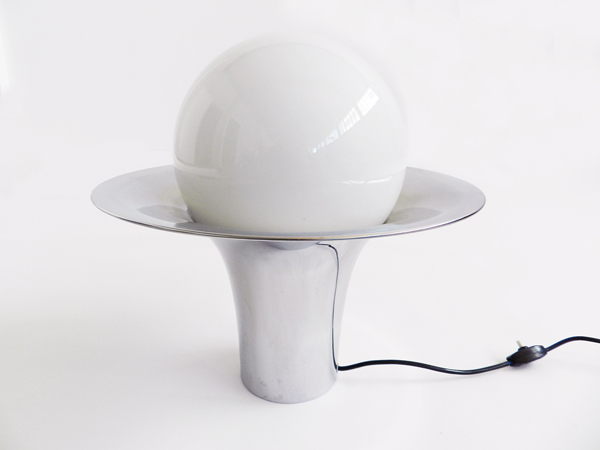
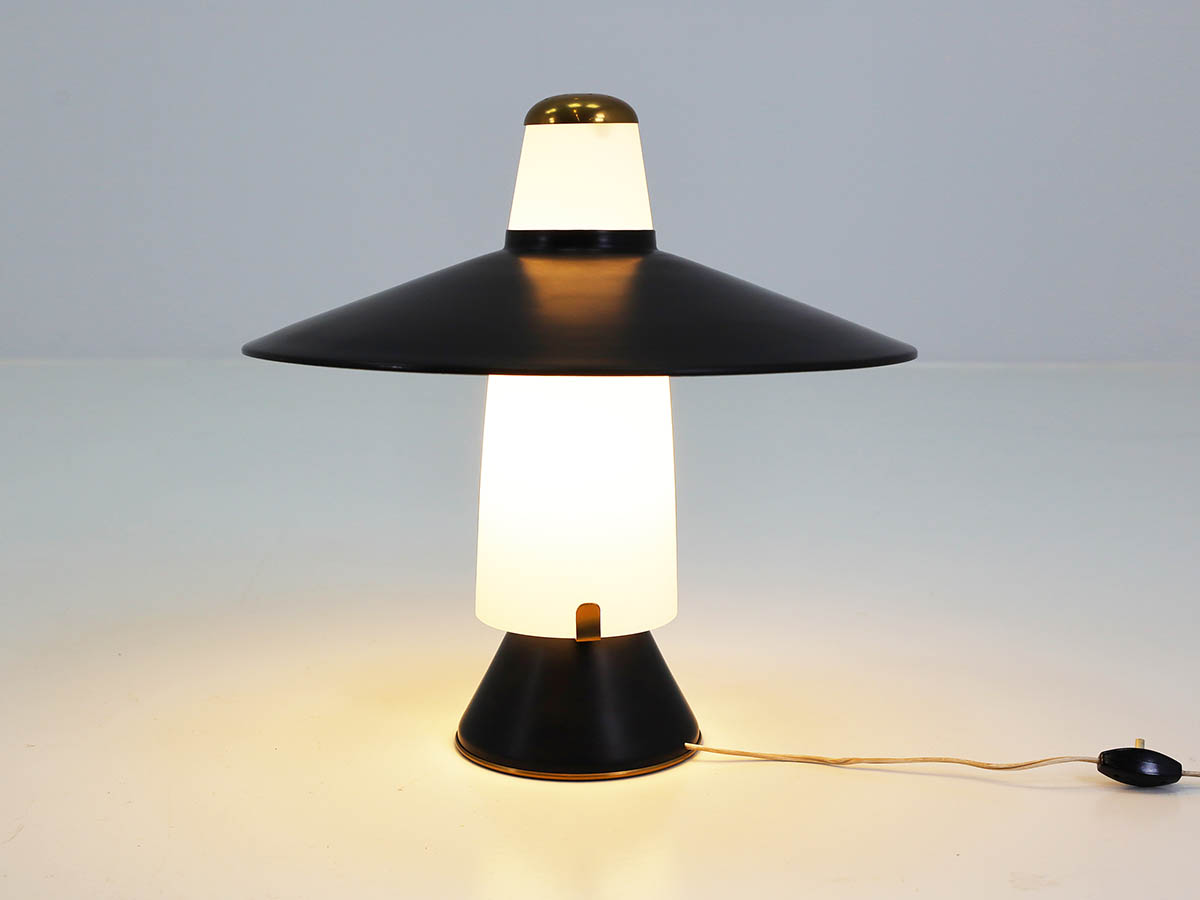
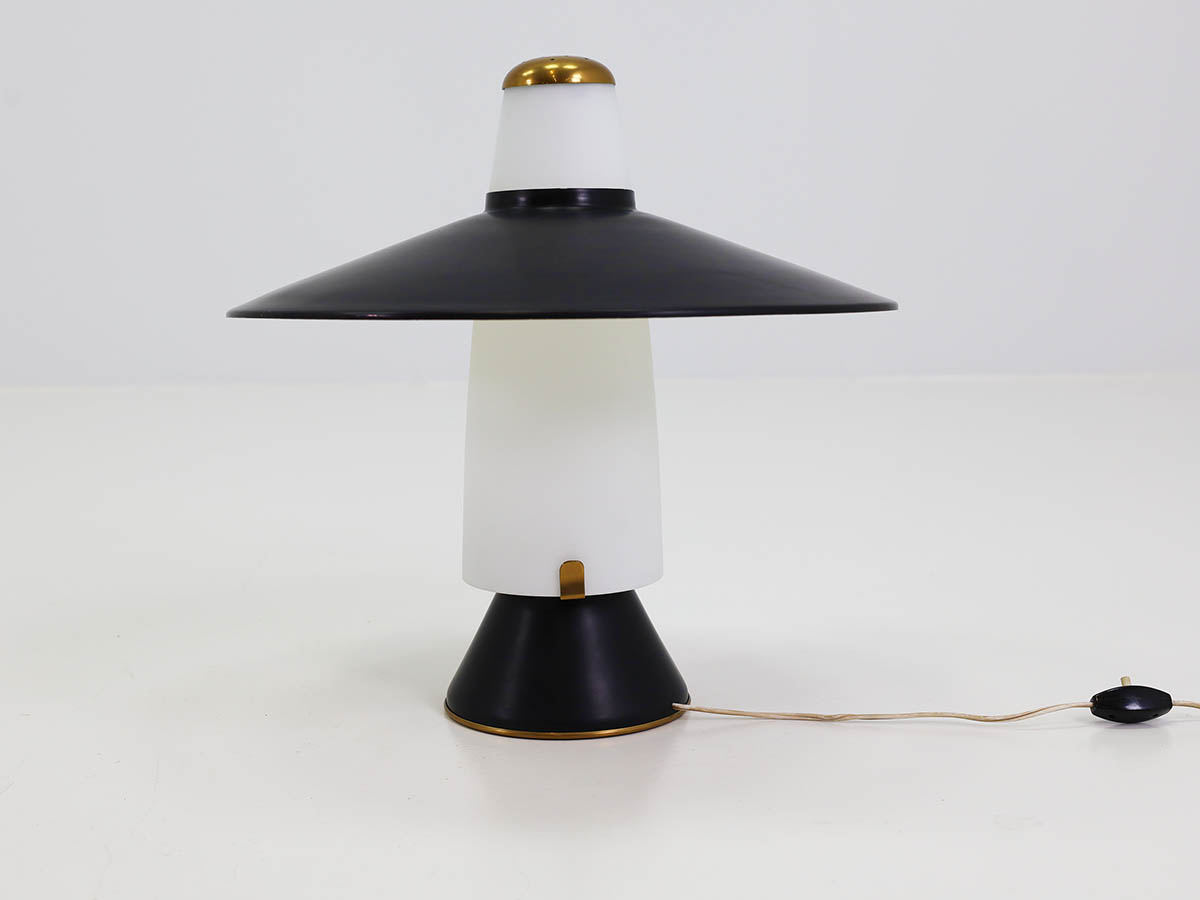
Articolo n. 26141

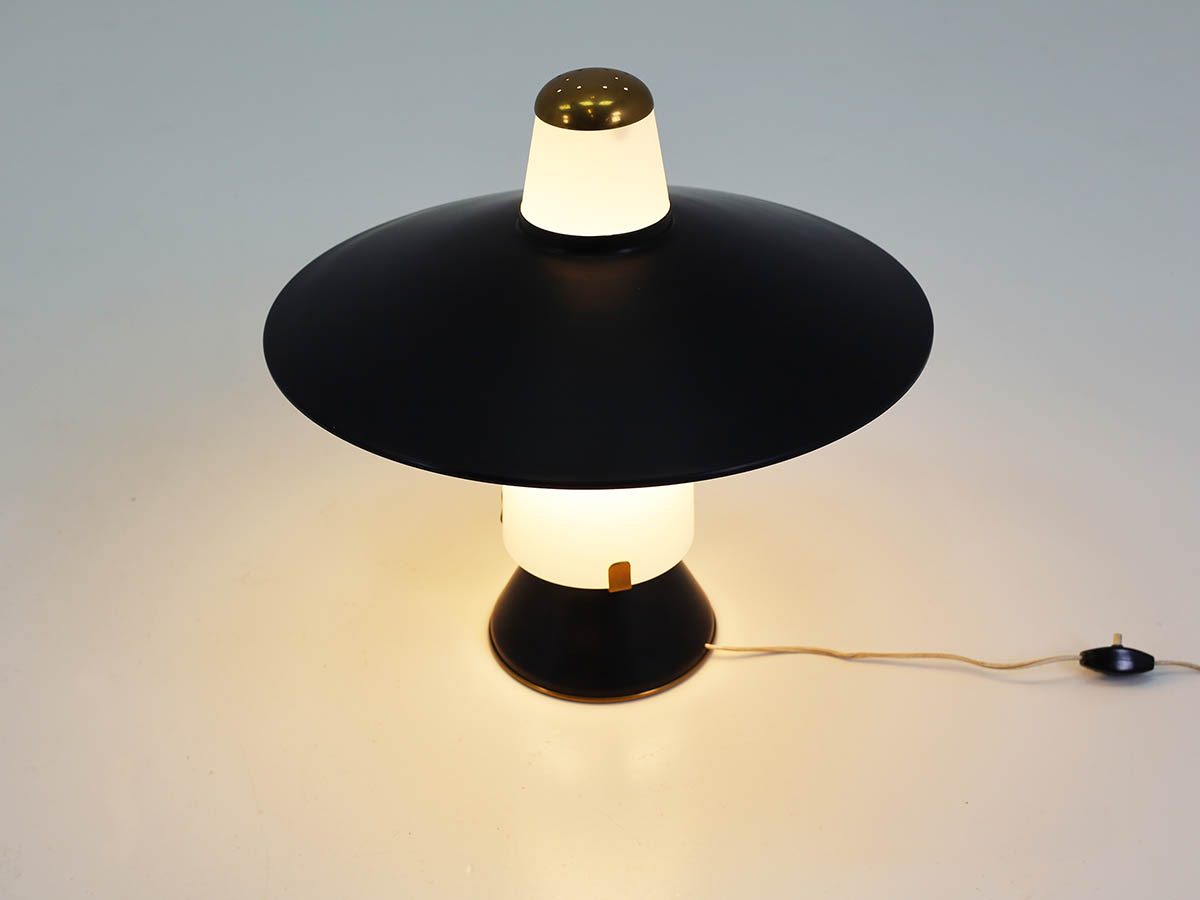
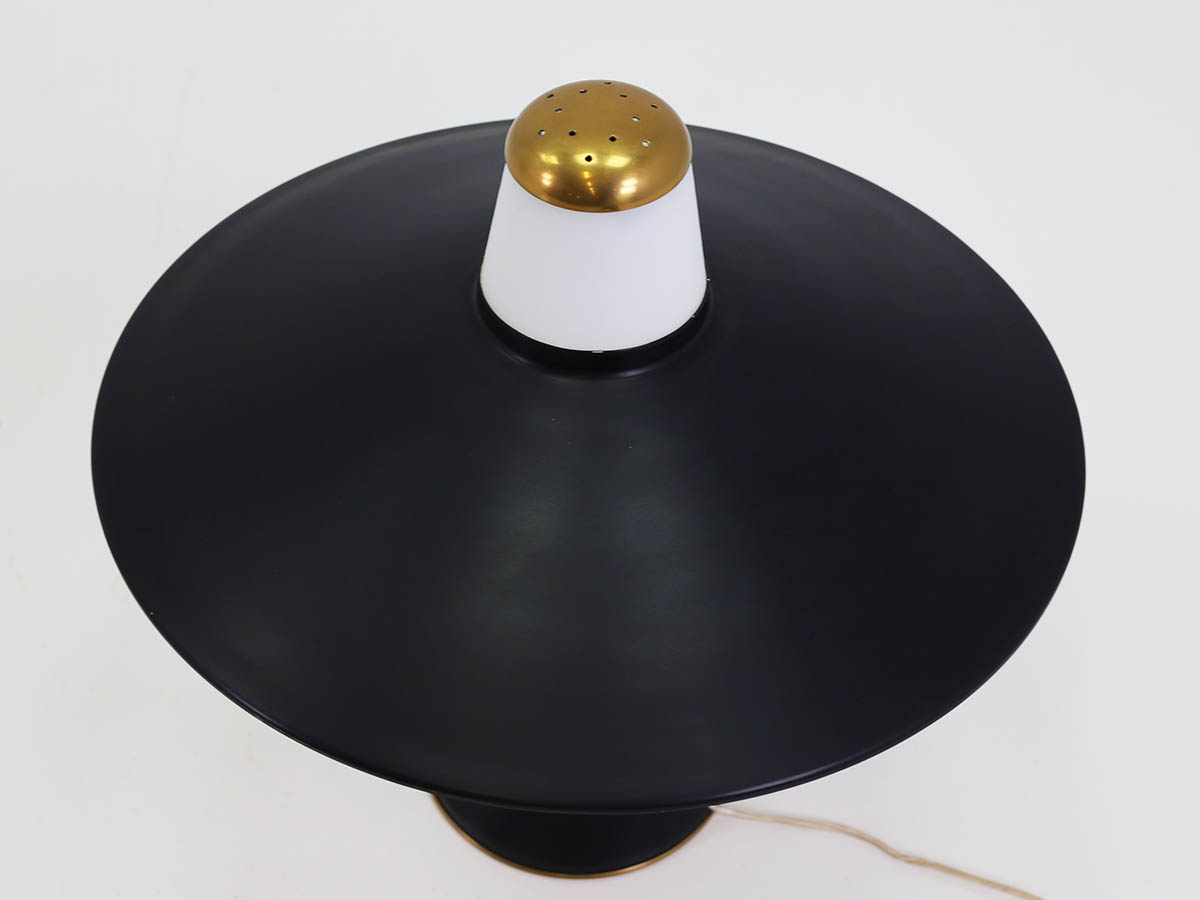
Table Lamp with Separate Shade Structure

ProduzioneStilnovo
Italia 1960 Approx.

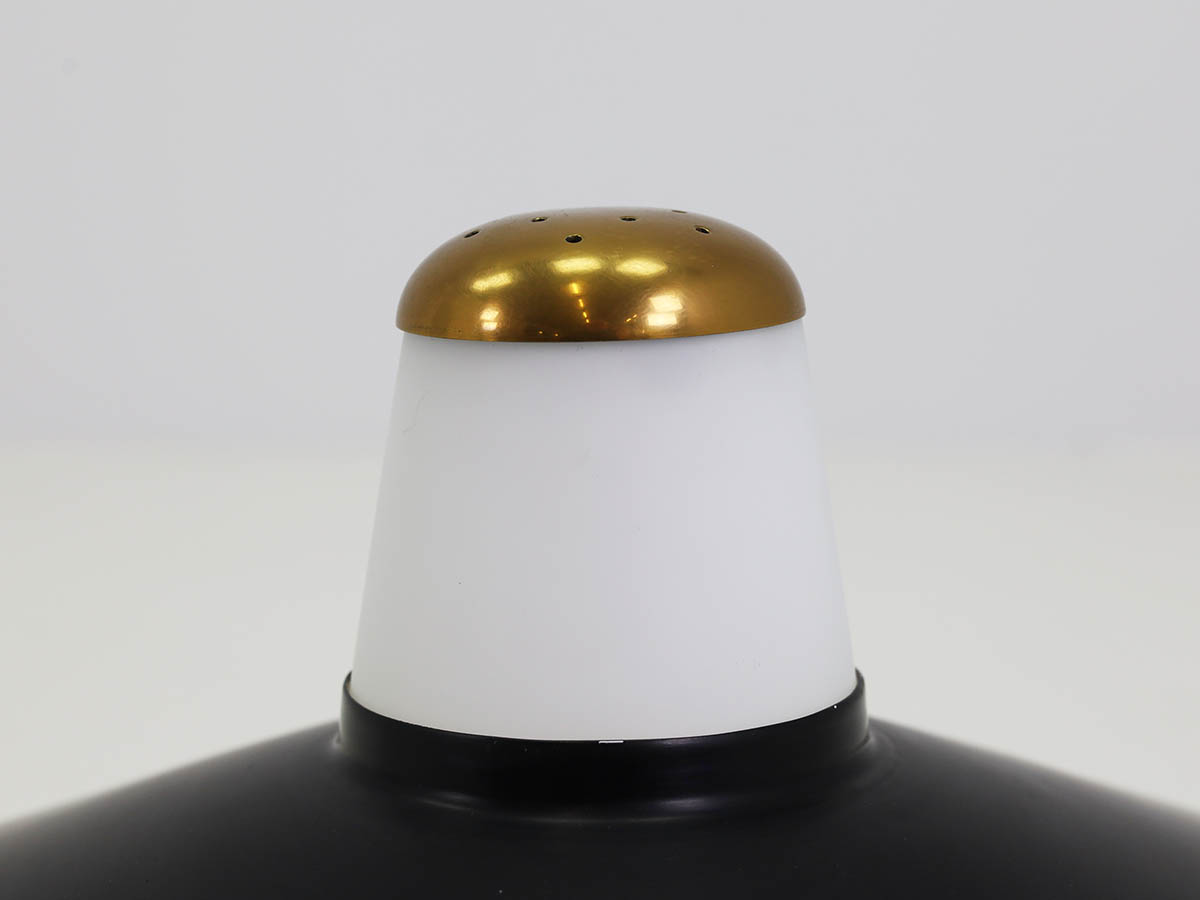
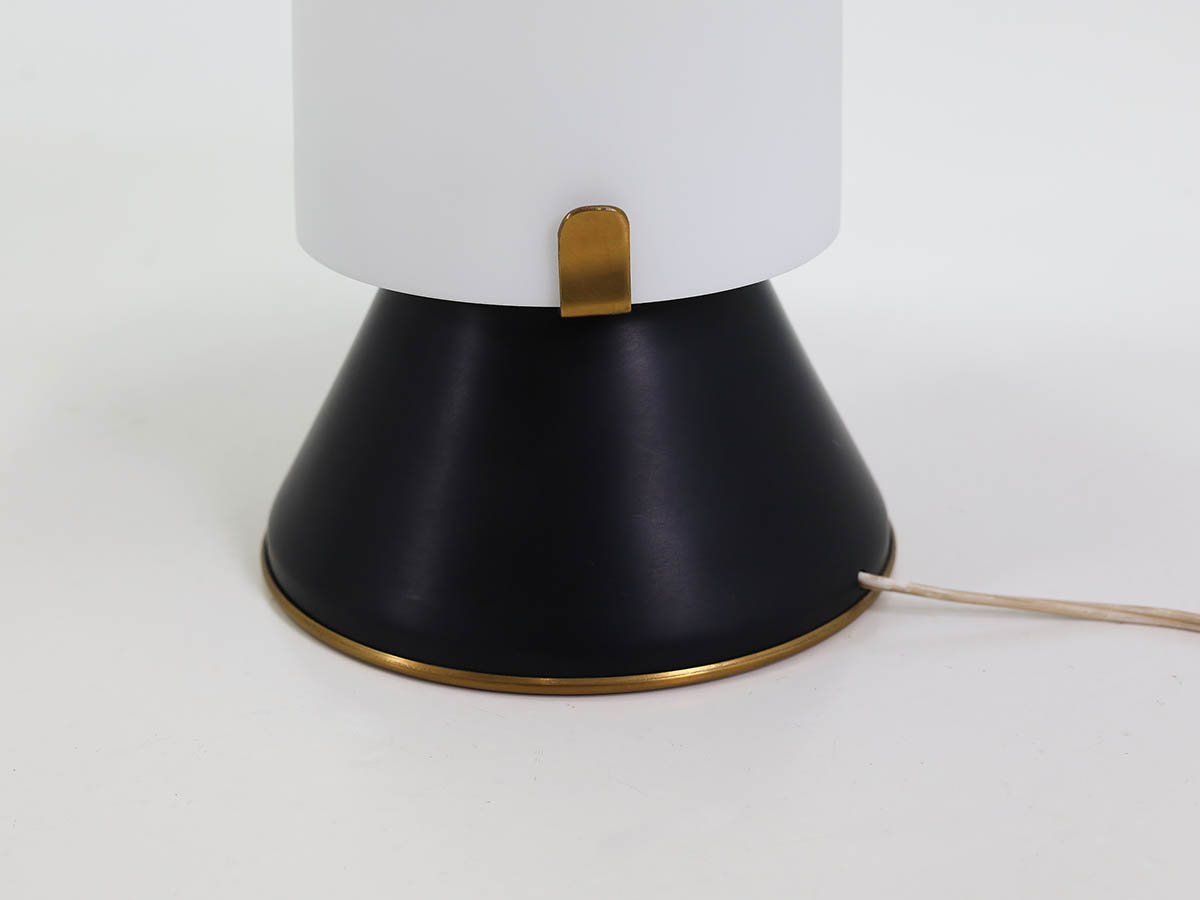
MaterialeLacquered metal | glass | brass

DimensioniDia 43 x HT 44 cm

table-lamp-with-separate-shade-structure


The 1950s: Experimentation, Colour and New Forms


In the climate of cultural and industrial renewal that followed the Second World War, Stilnovo perfectly captured the spirit of Italian design in the 1950s. The company gradually moved away from traditional lighting models, exploring new geometries and compositions.

Painted metal, brass, opaline glass and plastic materials were combined with remarkable creative freedom. Structures became lighter, arms more articulated, while lampshades and diffusers took on geometric and often asymmetrical forms.

Colour played a fundamental role: red, yellow, black and white interacted with metallic surfaces and the palettes of modern interiors, contributing to the creation of instantly recognisable objects.

During this period, a new concept of lighting emerged, in which the lamp acquired an expressive identity of its own. Technical components were transformed into aesthetic features, while light became an integral part of the object's design.

The 1960s: Italian Design Reaches Maturity


During the 1960s, Stilnovo consolidated its identity, developing an increasingly diverse and experimental collection.

Research focused on the relationship between structure and function, the balance of volumes, and the possibility of directing and modulating light according to different needs.

Table lamps, floor lamps, wall lights and pendant lights featured increasingly sophisticated solutions. Movable arms, articulated joints, adjustable reflectors and carefully engineered diffusers demonstrated an approach in which technical innovation was inseparable from aesthetic research.

It was precisely this ability to combine functionality and beauty that made Stilnovo one of the most interesting names in the international design scene of the period.

The company's production engaged with the broader movement of Italian Modernism, sharing its commitment to experimentation, industrial quality and the search for a new balance between objects, architecture and domestic space.

Descrizione

The 1950s: Experimentation, Colour and New Forms

In the climate of cultural and industrial renewal that followed the Second World War, Stilnovo perfectly captured the spirit of Italian design in the 1950s. The company gradually moved away from traditional lighting models, exploring new geometries and compositions.

Painted metal, brass, opaline glass and plastic materials were combined with remarkable creative freedom. Structures became lighter, arms more articulated, while lampshades and diffusers took on geometric and often asymmetrical forms.

Colour played a fundamental role: red, yellow, black and white interacted with metallic surfaces and the palettes of modern interiors, contributing to the creation of instantly recognisable objects.

During this period, a new concept of lighting emerged, in which the lamp acquired an expressive identity of its own. Technical components were transformed into aesthetic features, while light became an integral part of the object’s design.

The 1960s: Italian Design Reaches Maturity

During the 1960s, Stilnovo consolidated its identity, developing an increasingly diverse and experimental collection.

Research focused on the relationship between structure and function, the balance of volumes, and the possibility of directing and modulating light according to different needs.

Table lamps, floor lamps, wall lights and pendant lights featured increasingly sophisticated solutions. Movable arms, articulated joints, adjustable reflectors and carefully engineered diffusers demonstrated an approach in which technical innovation was inseparable from aesthetic research.

It was precisely this ability to combine functionality and beauty that made Stilnovo one of the most interesting names in the international design scene of the period.

The company’s production engaged with the broader movement of Italian Modernism, sharing its commitment to experimentation, industrial quality and the search for a new balance between objects, architecture and domestic space.
Informazioni aggiuntive

Materiale

Dimensioni