
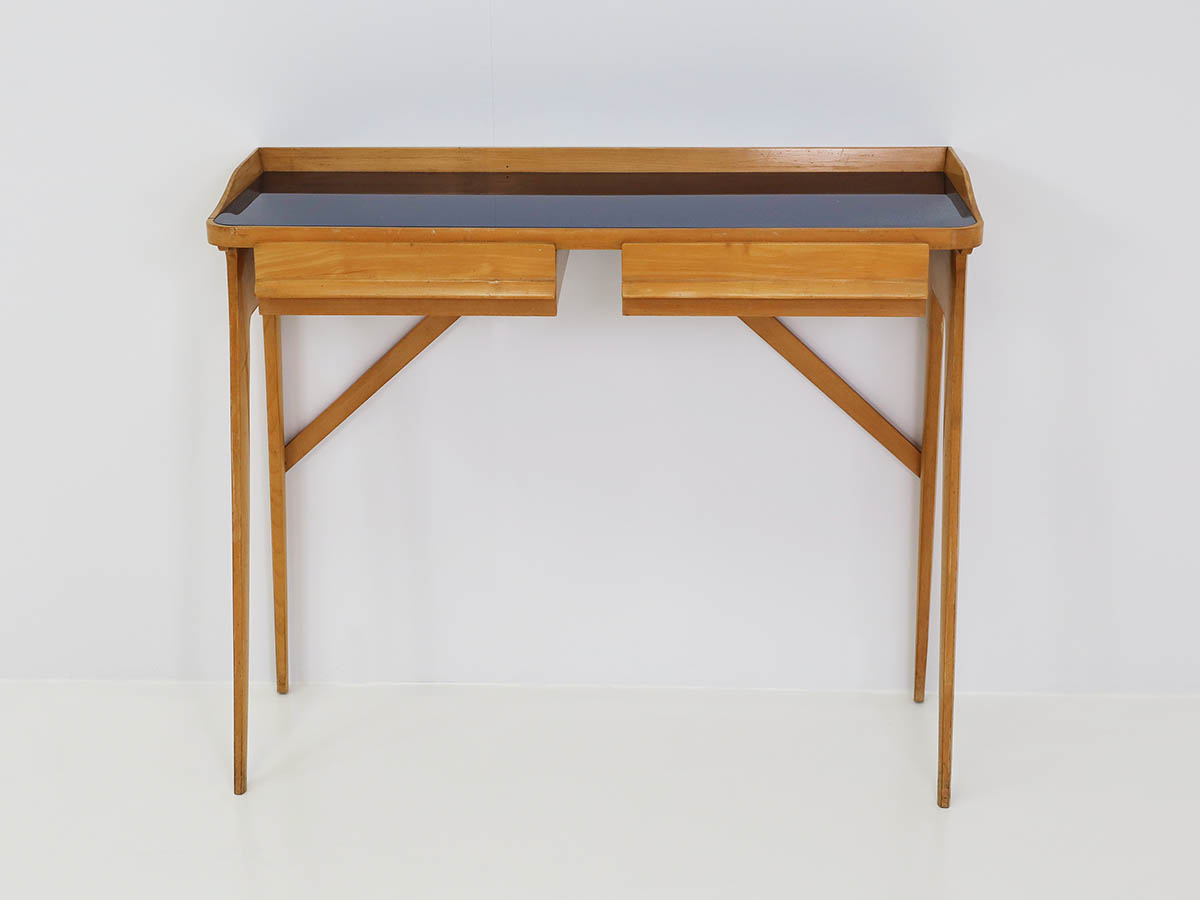
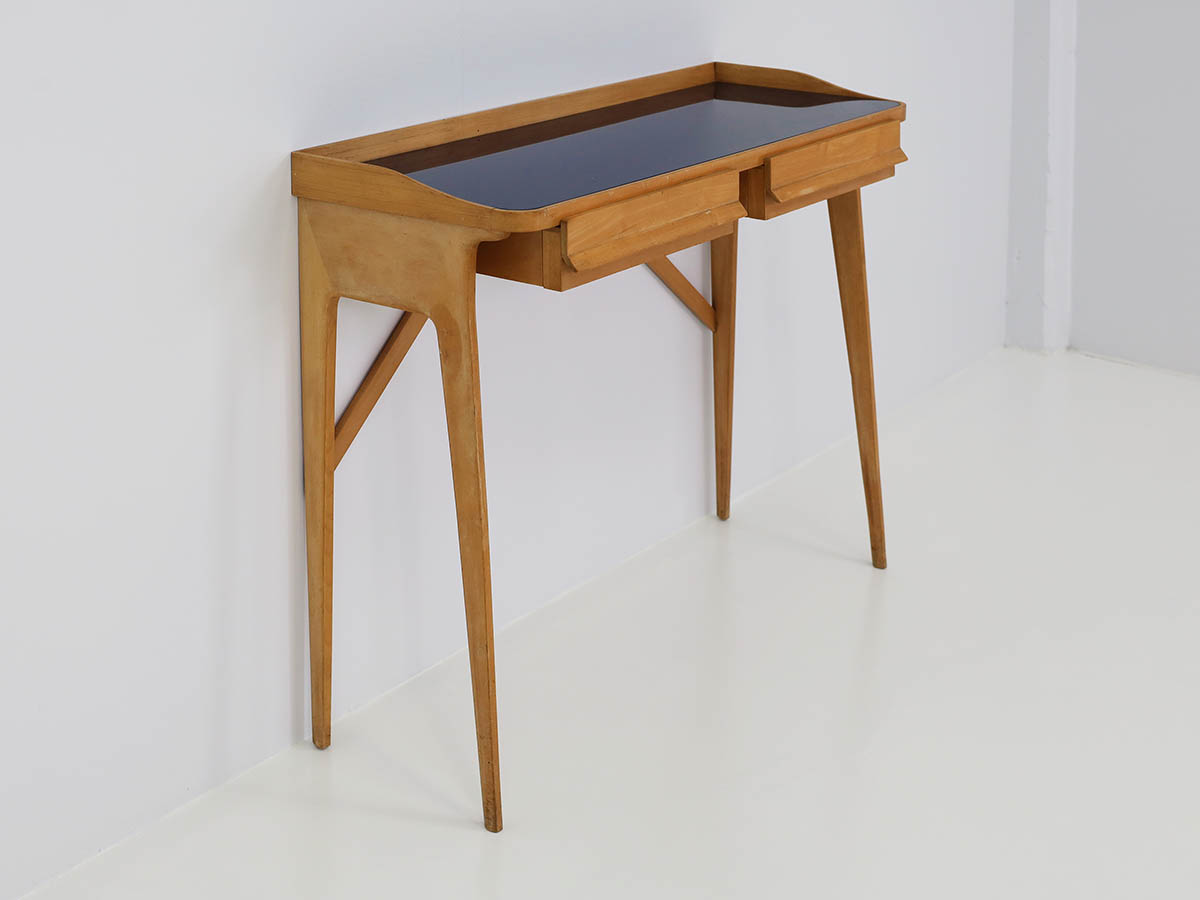
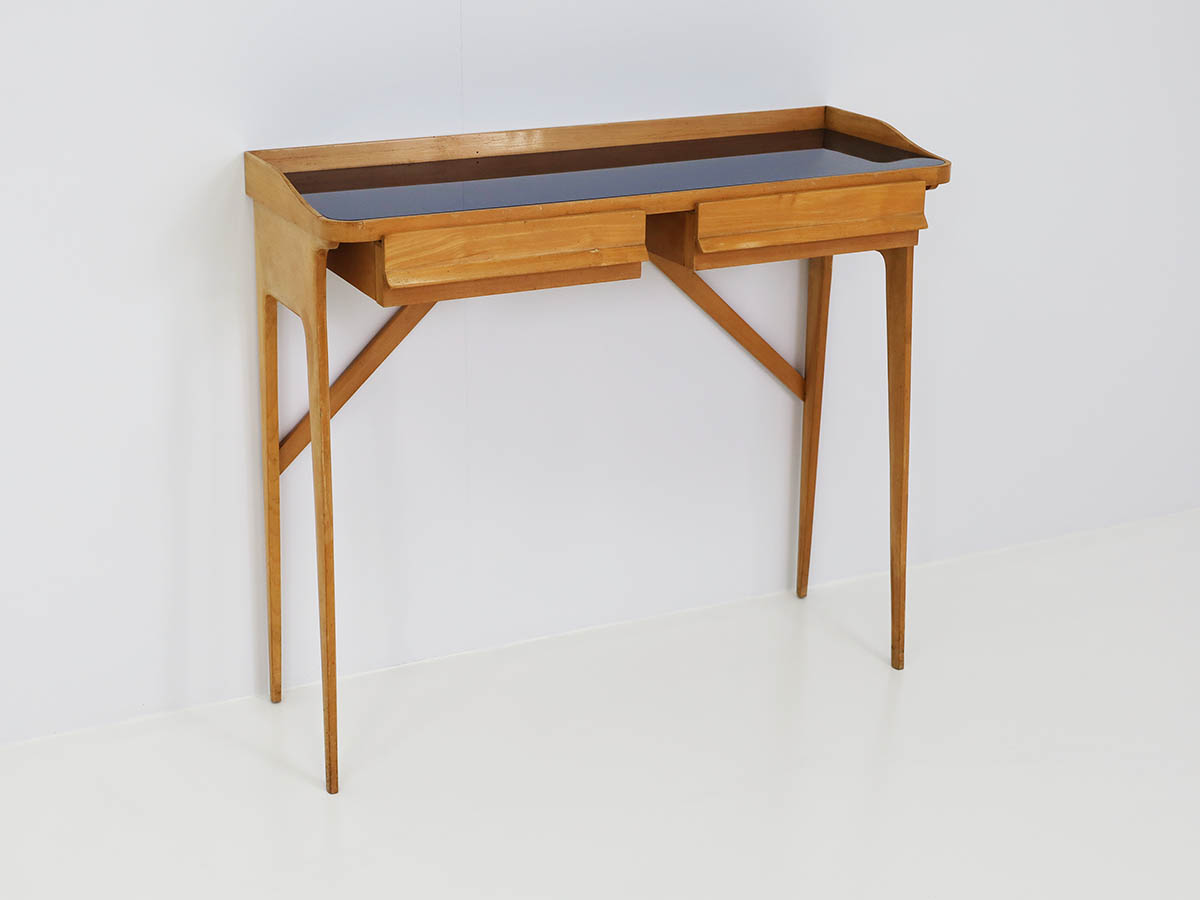
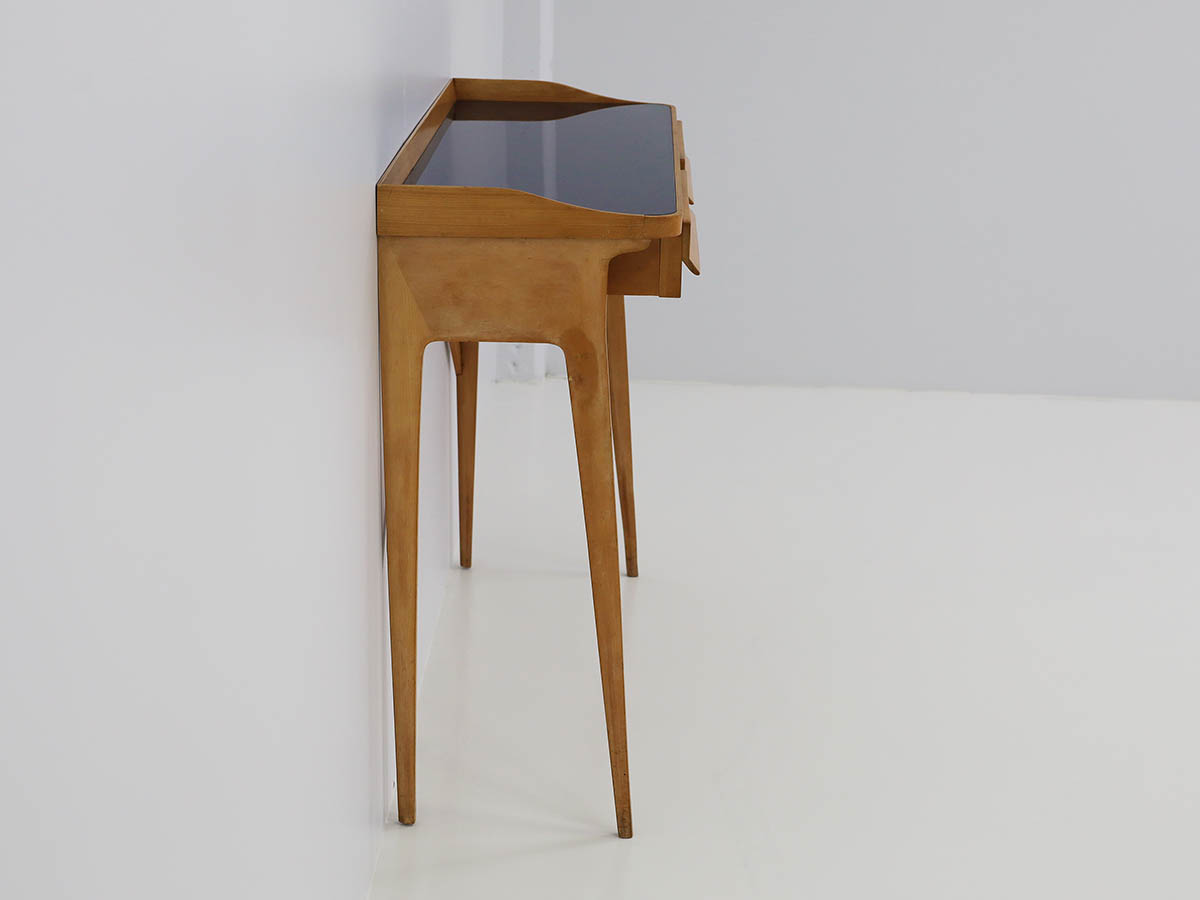
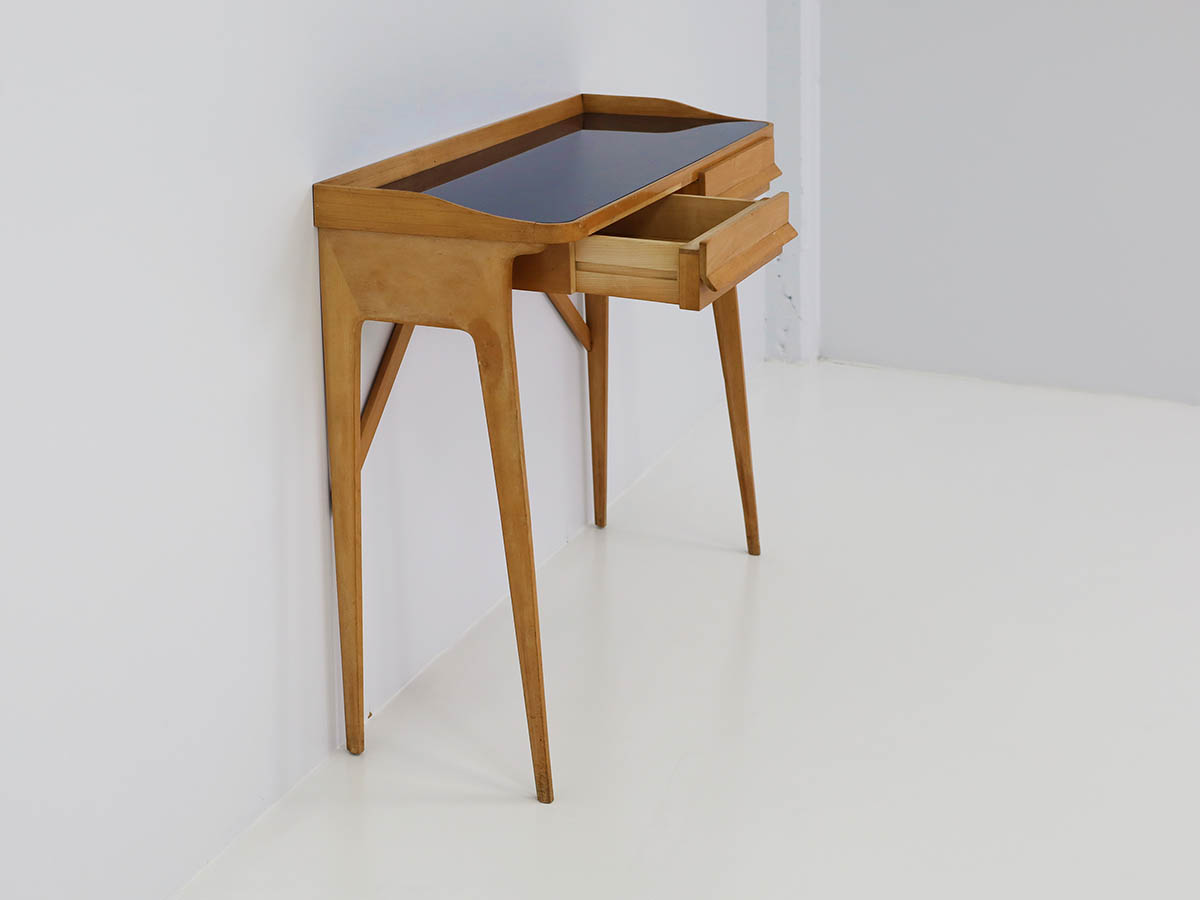
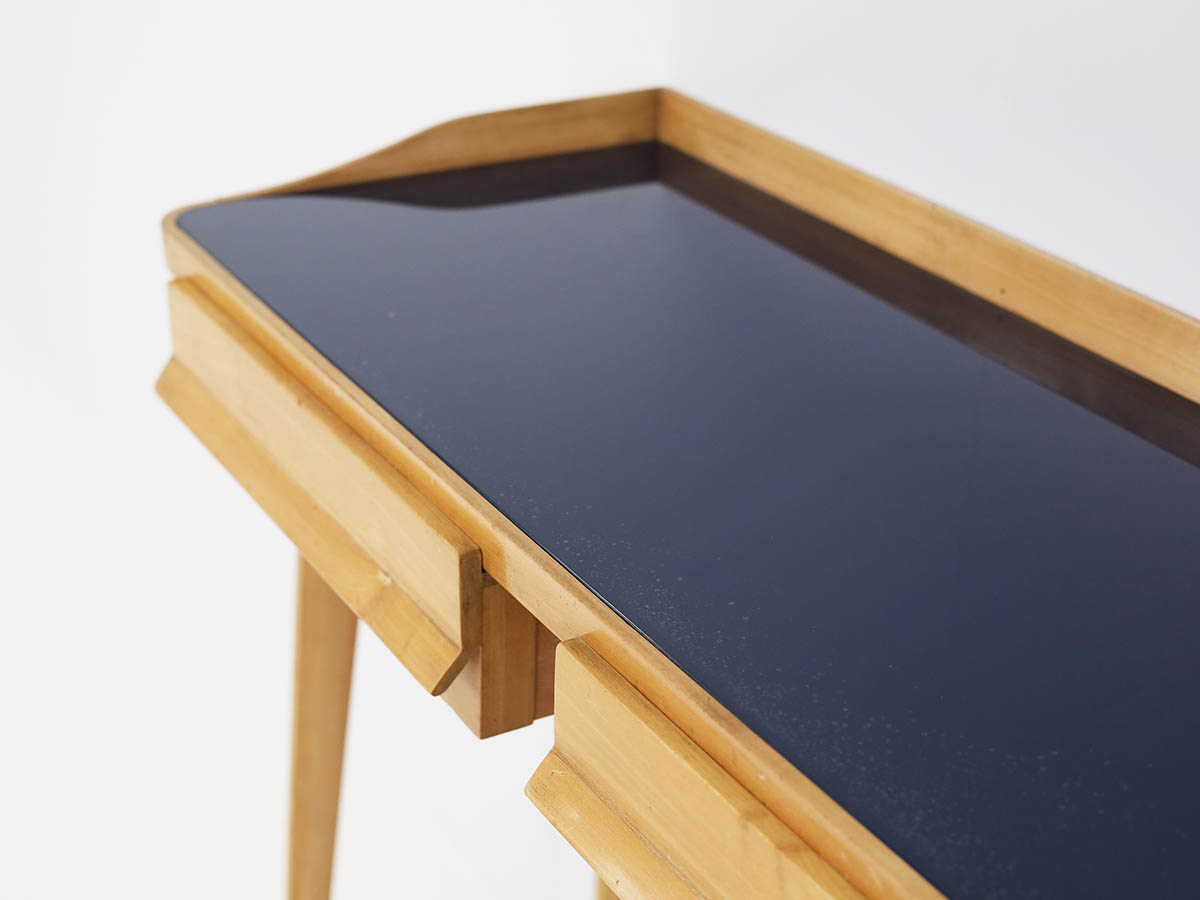
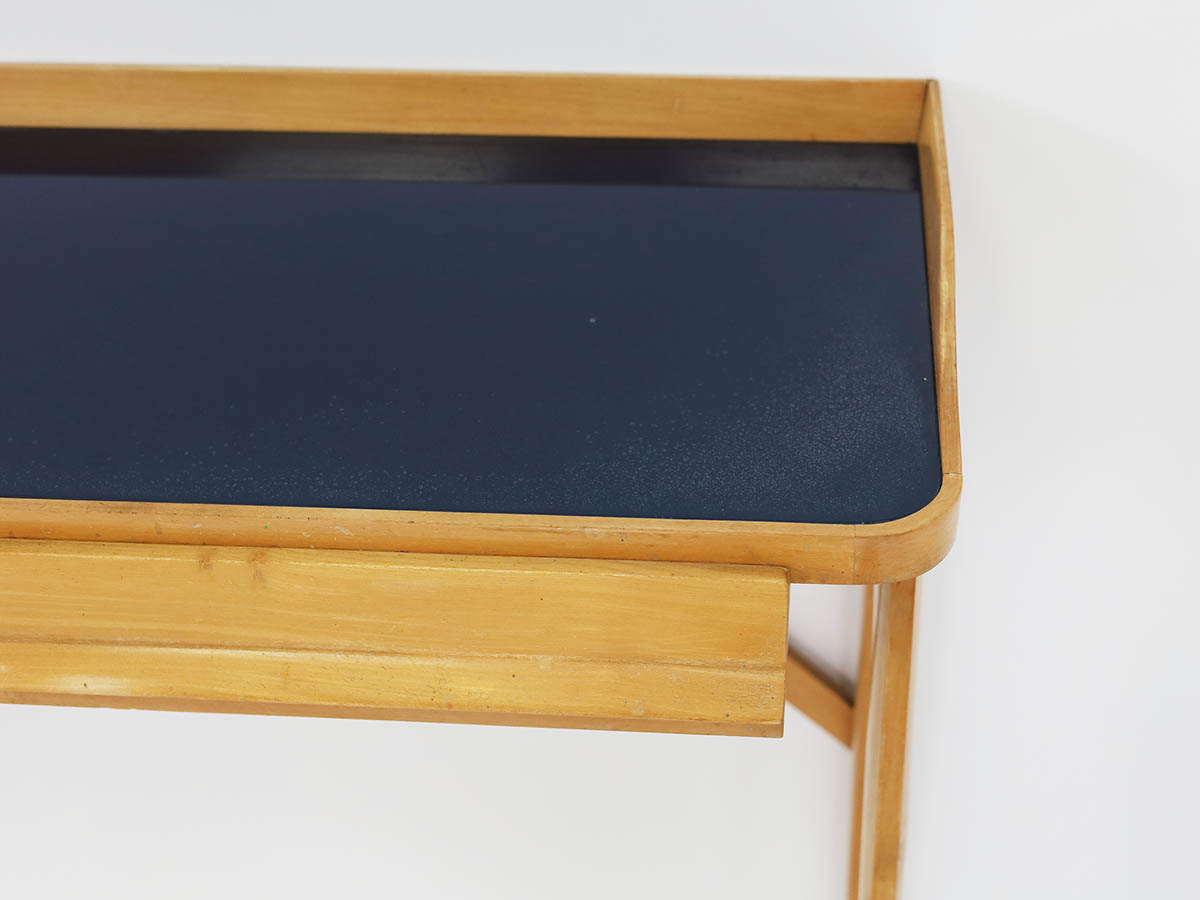
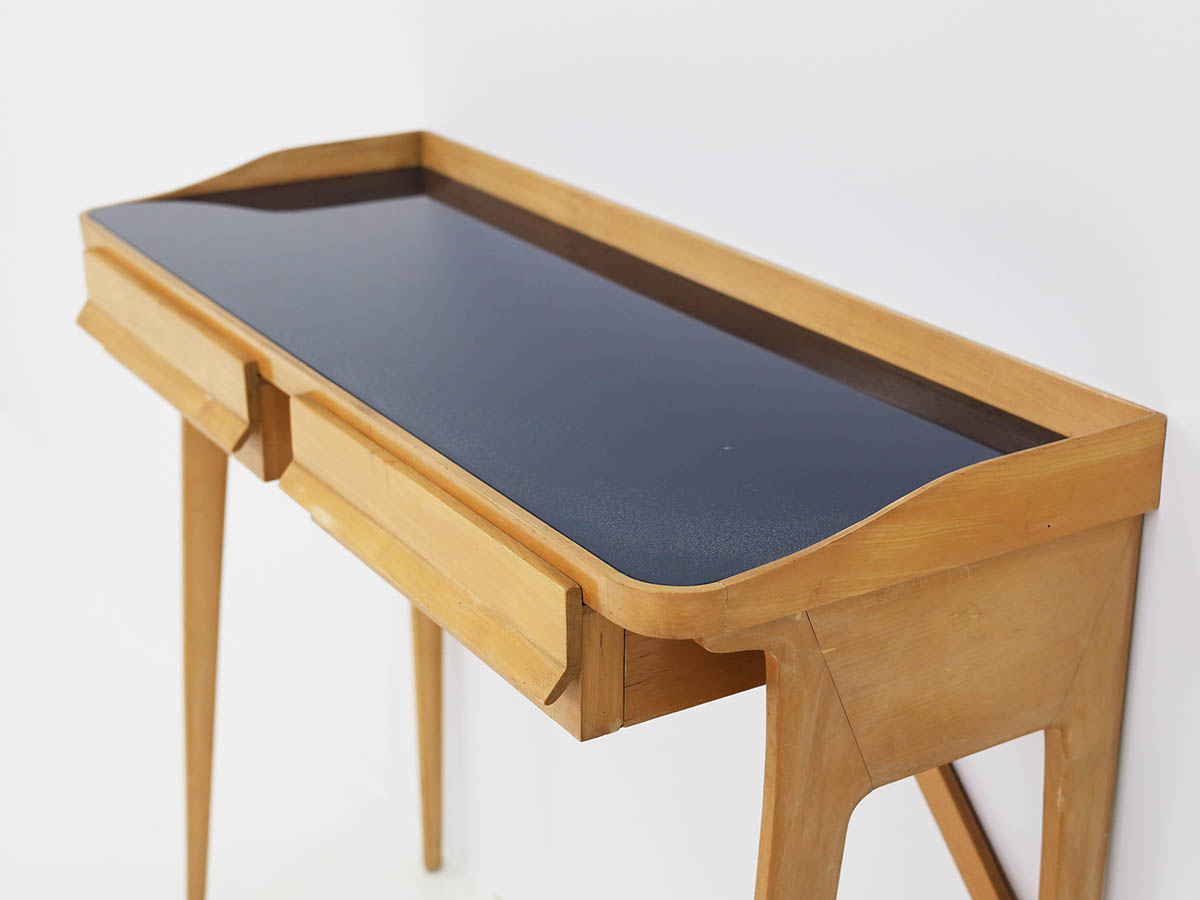
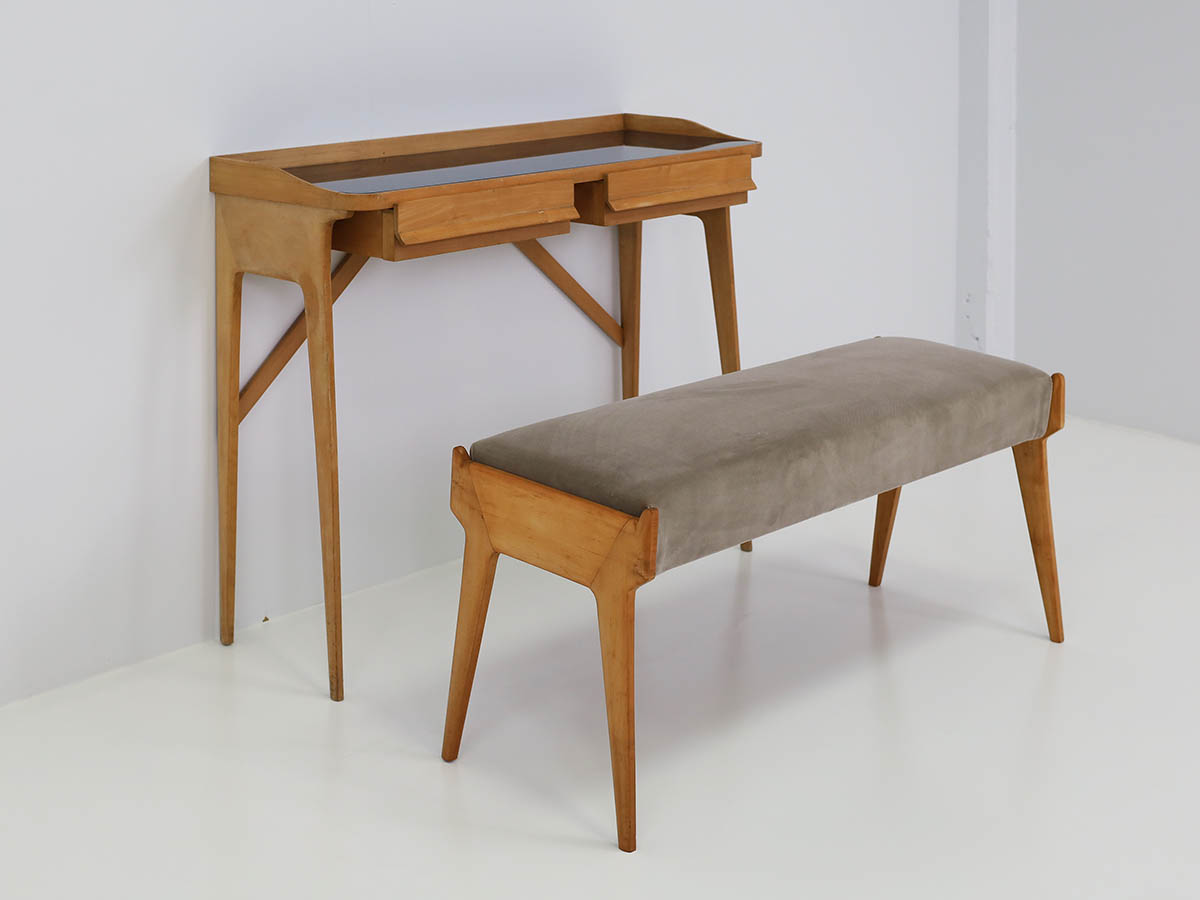
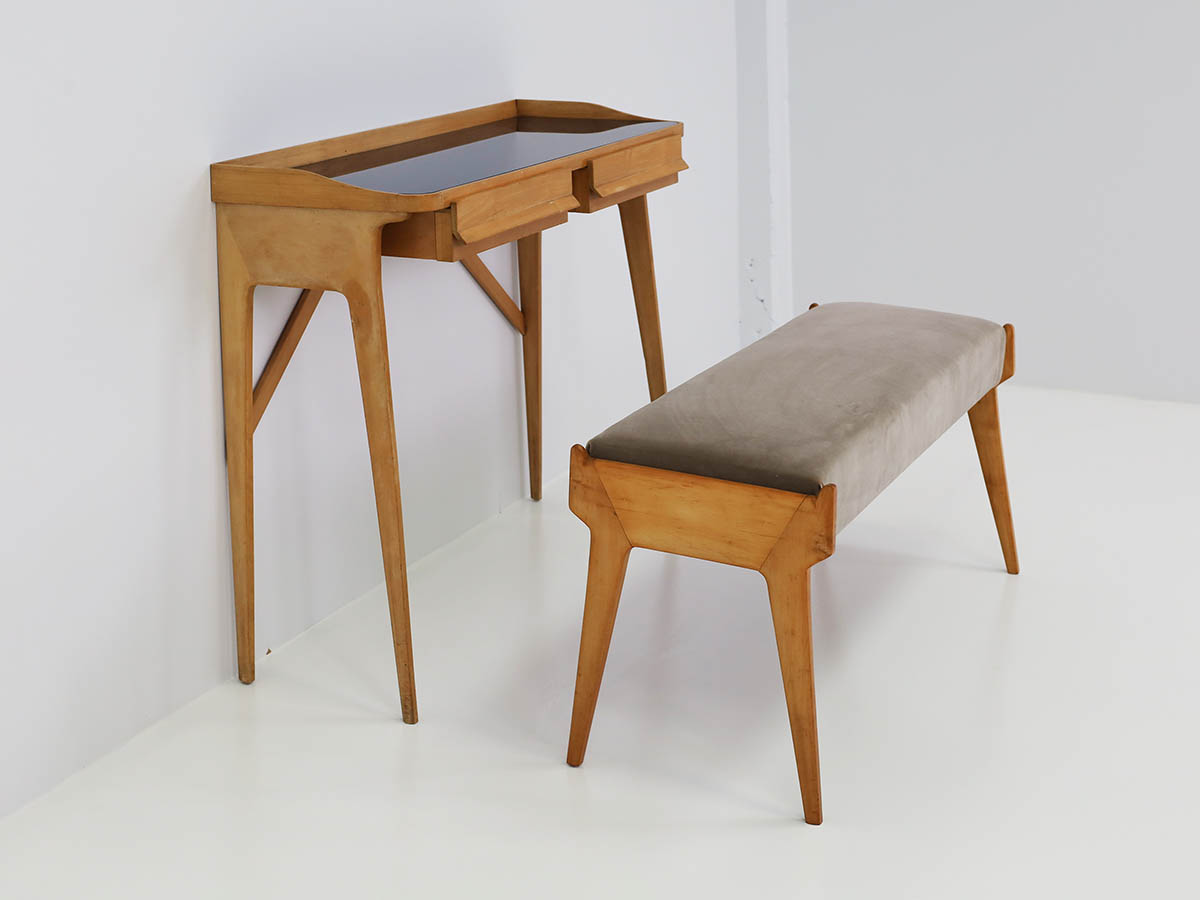
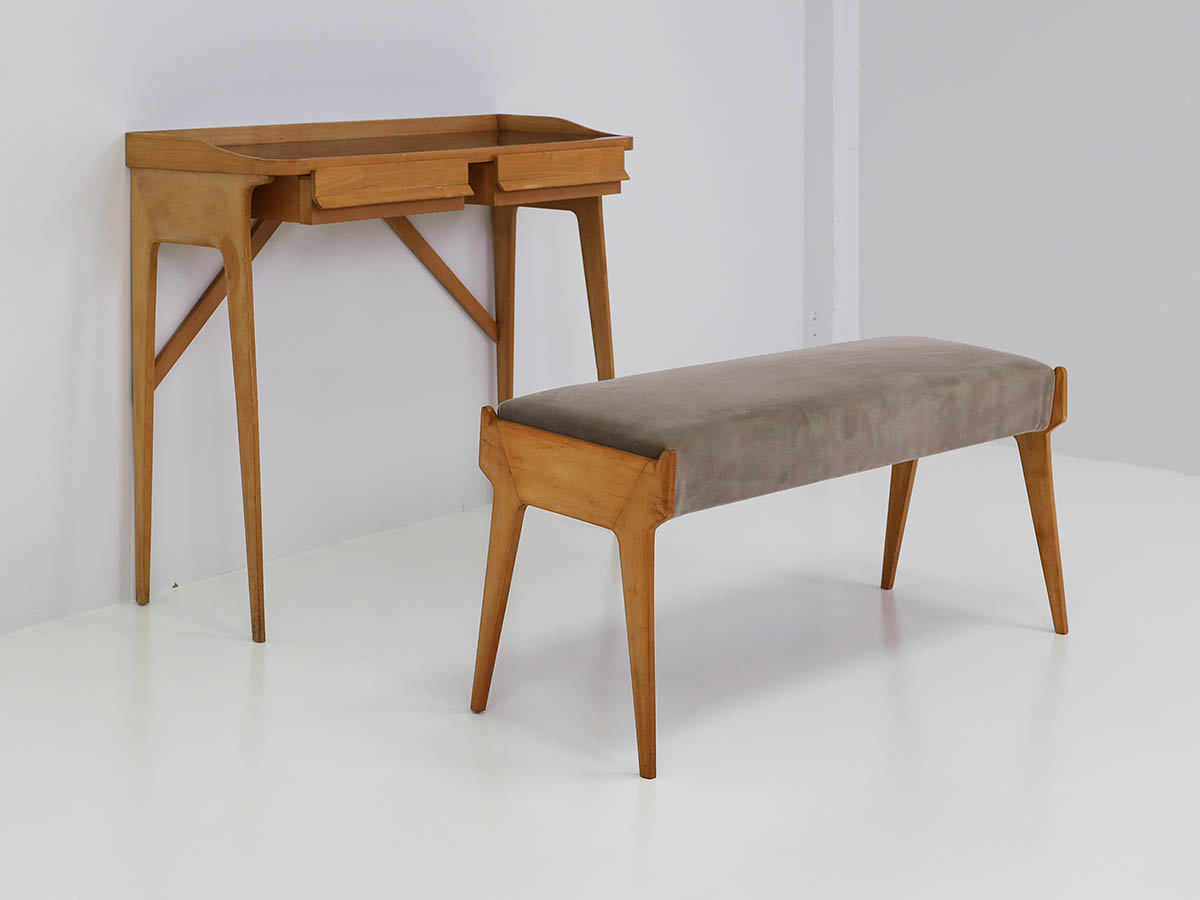
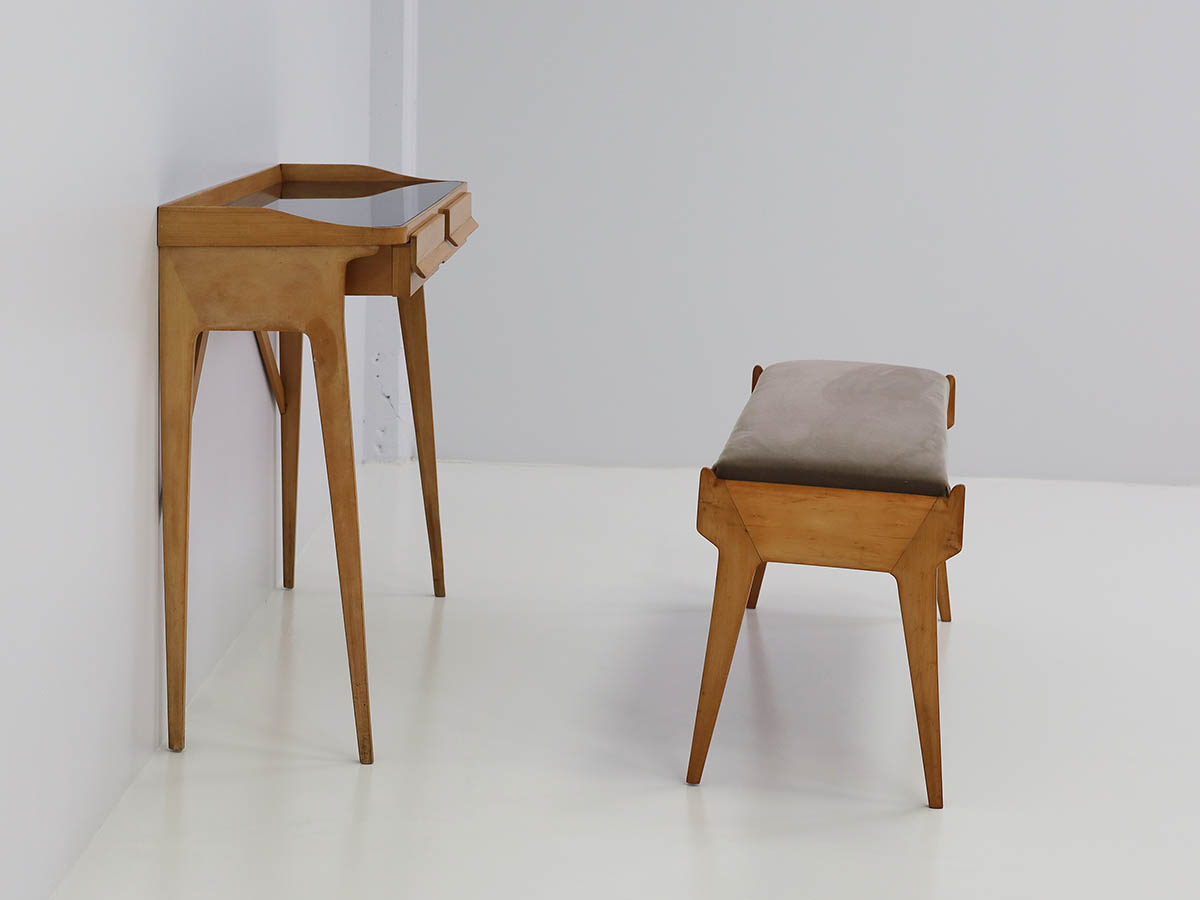
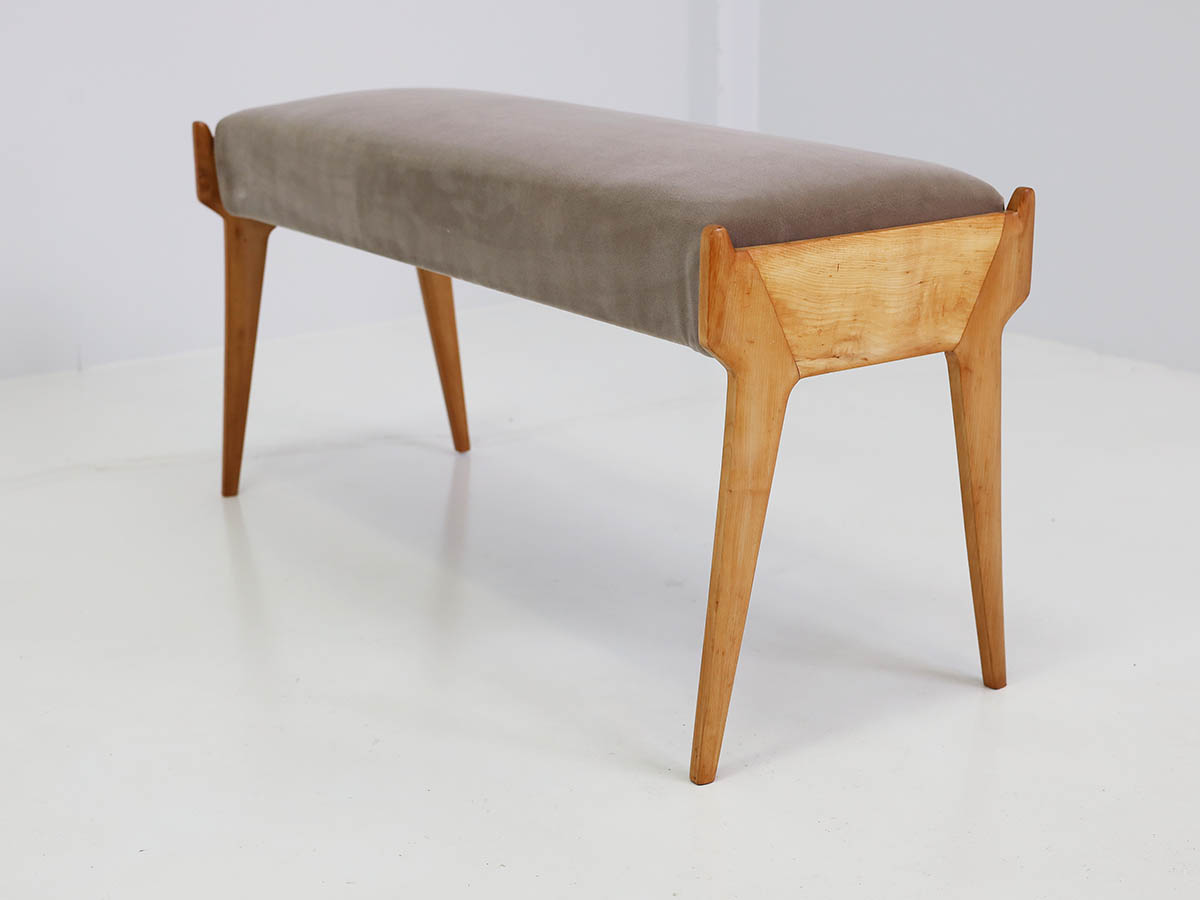
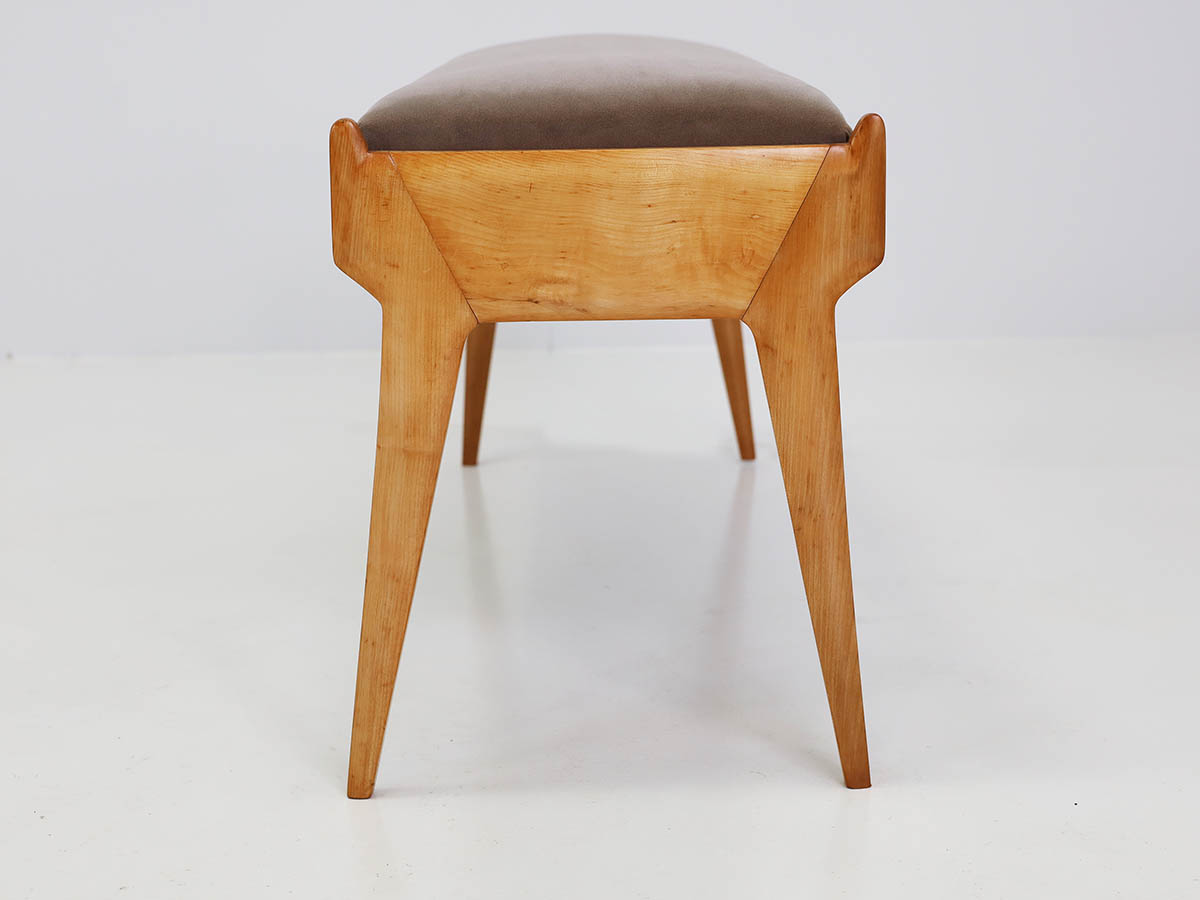
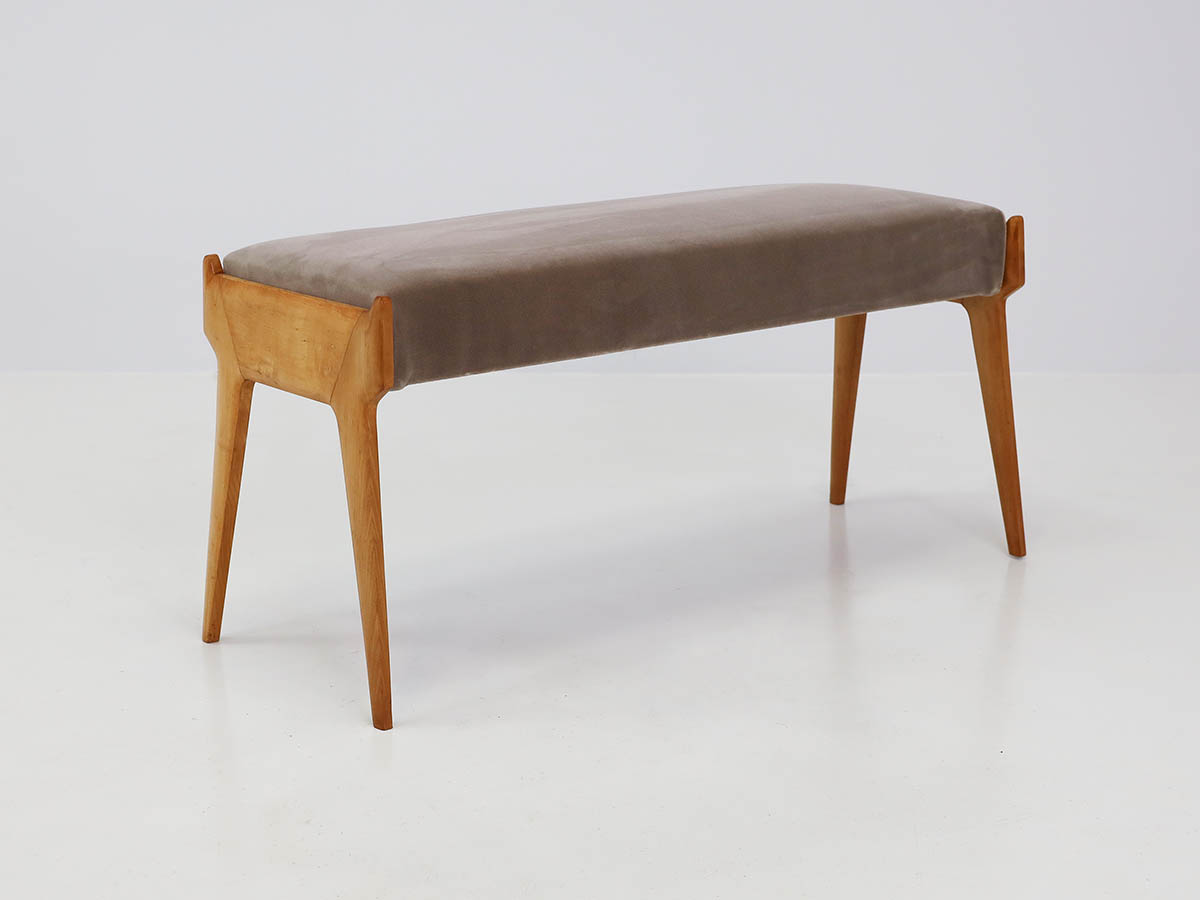
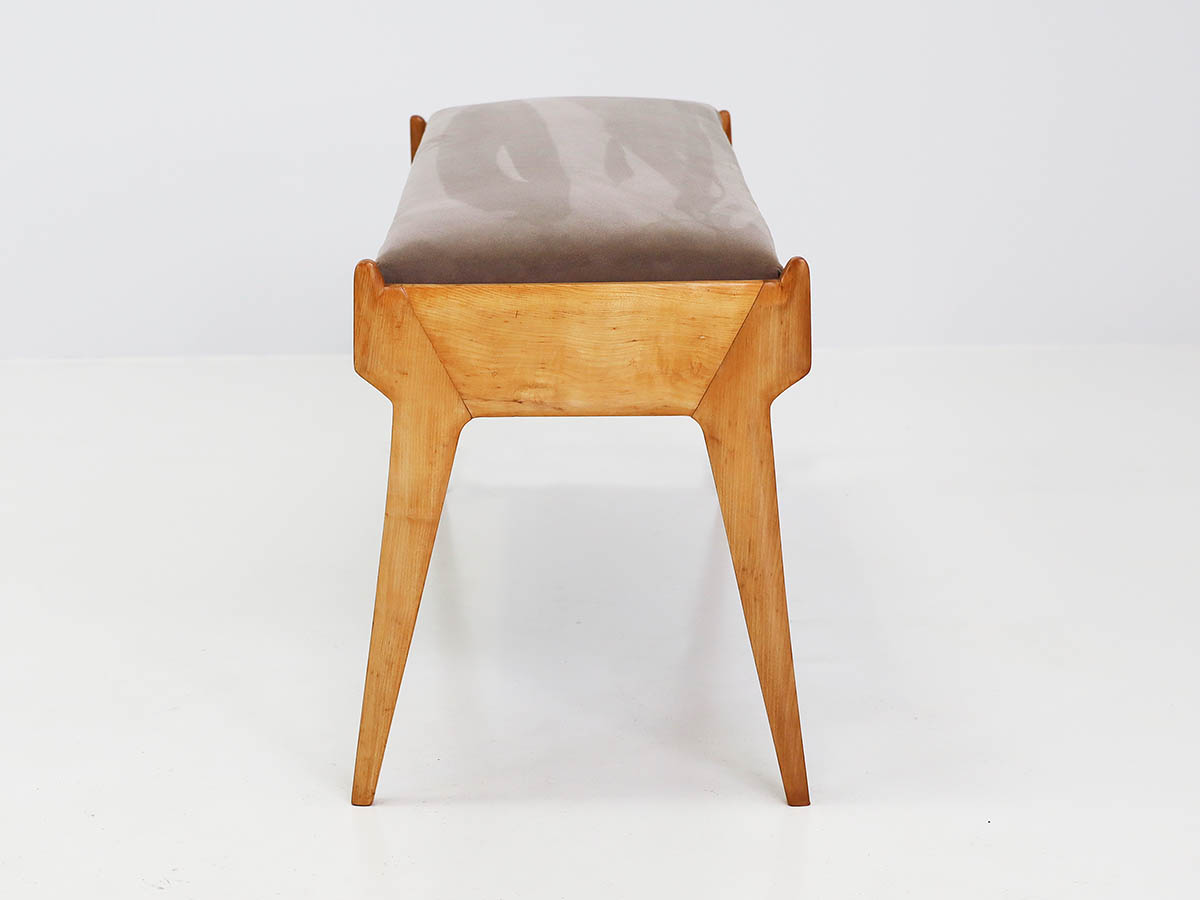
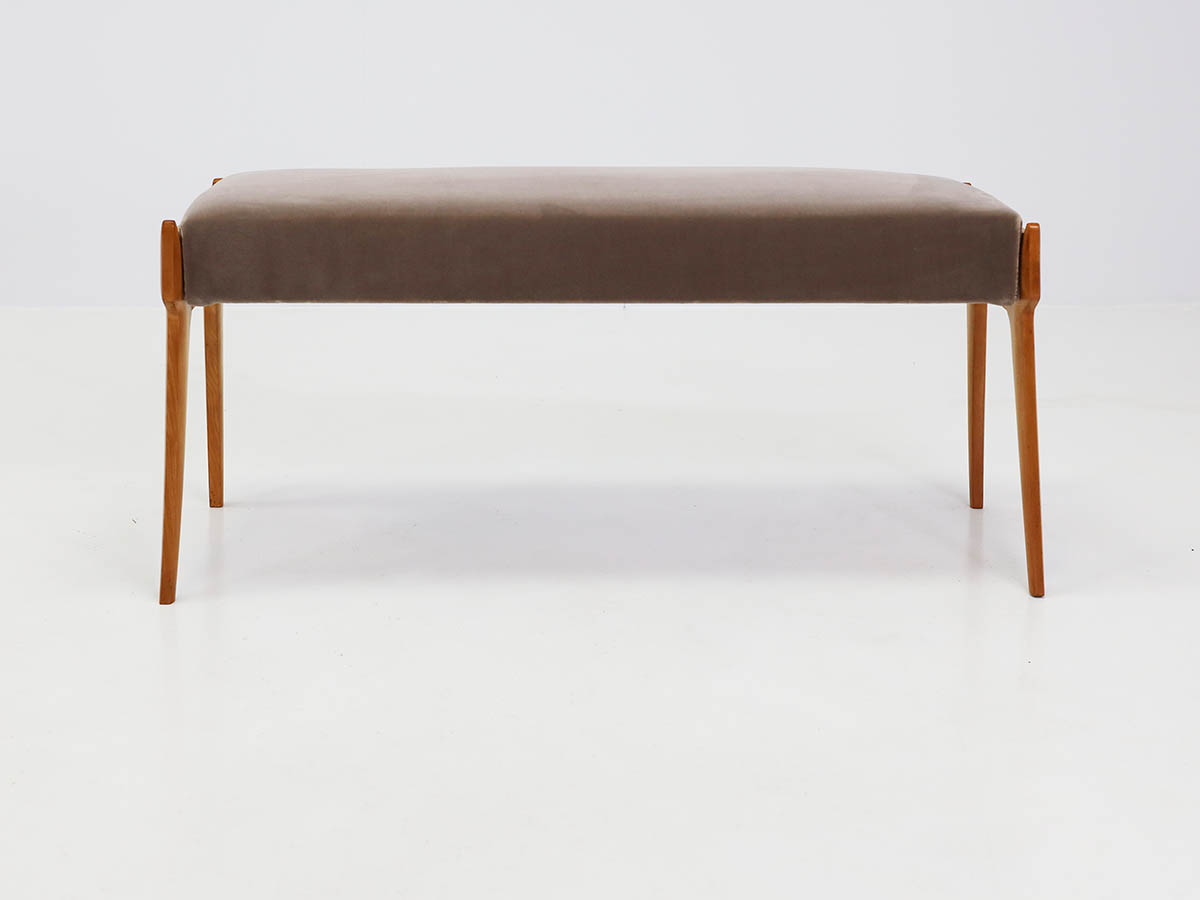
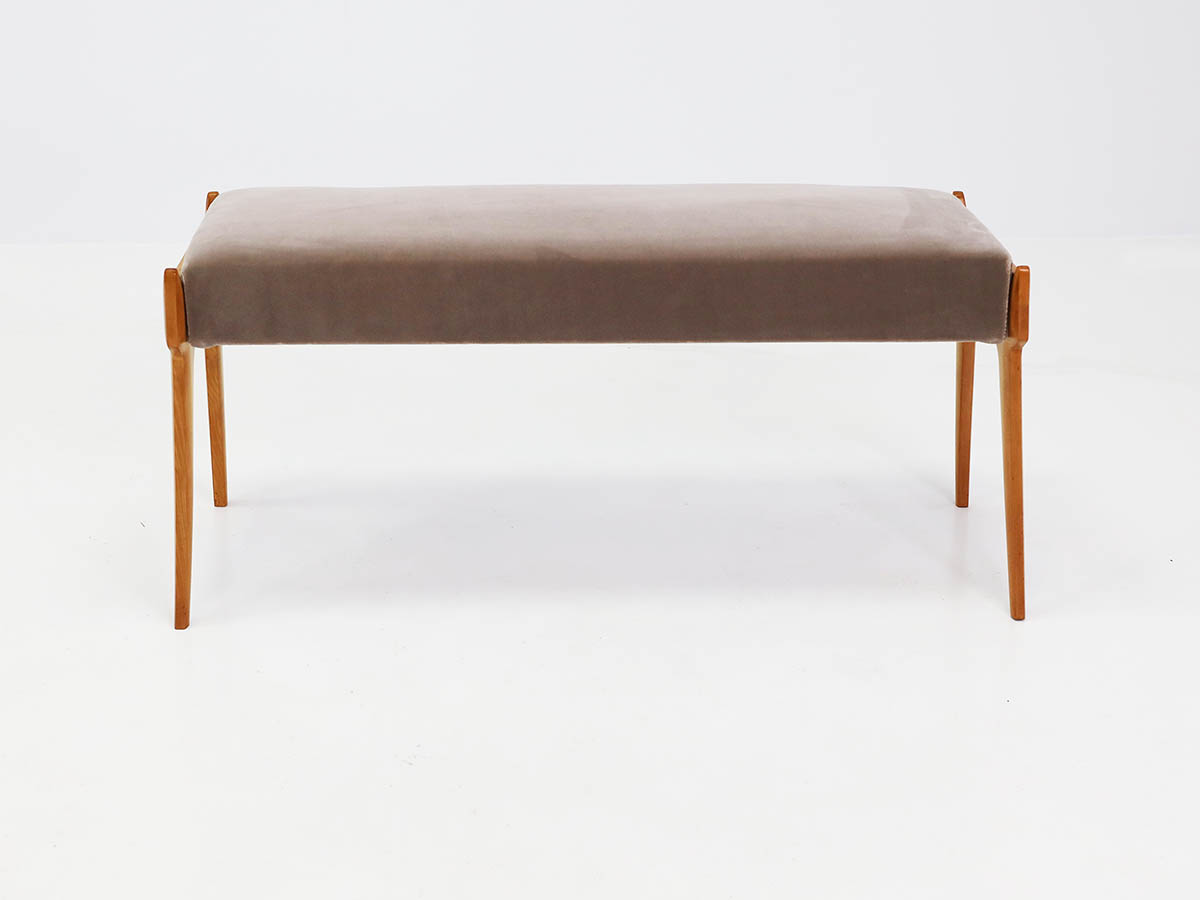
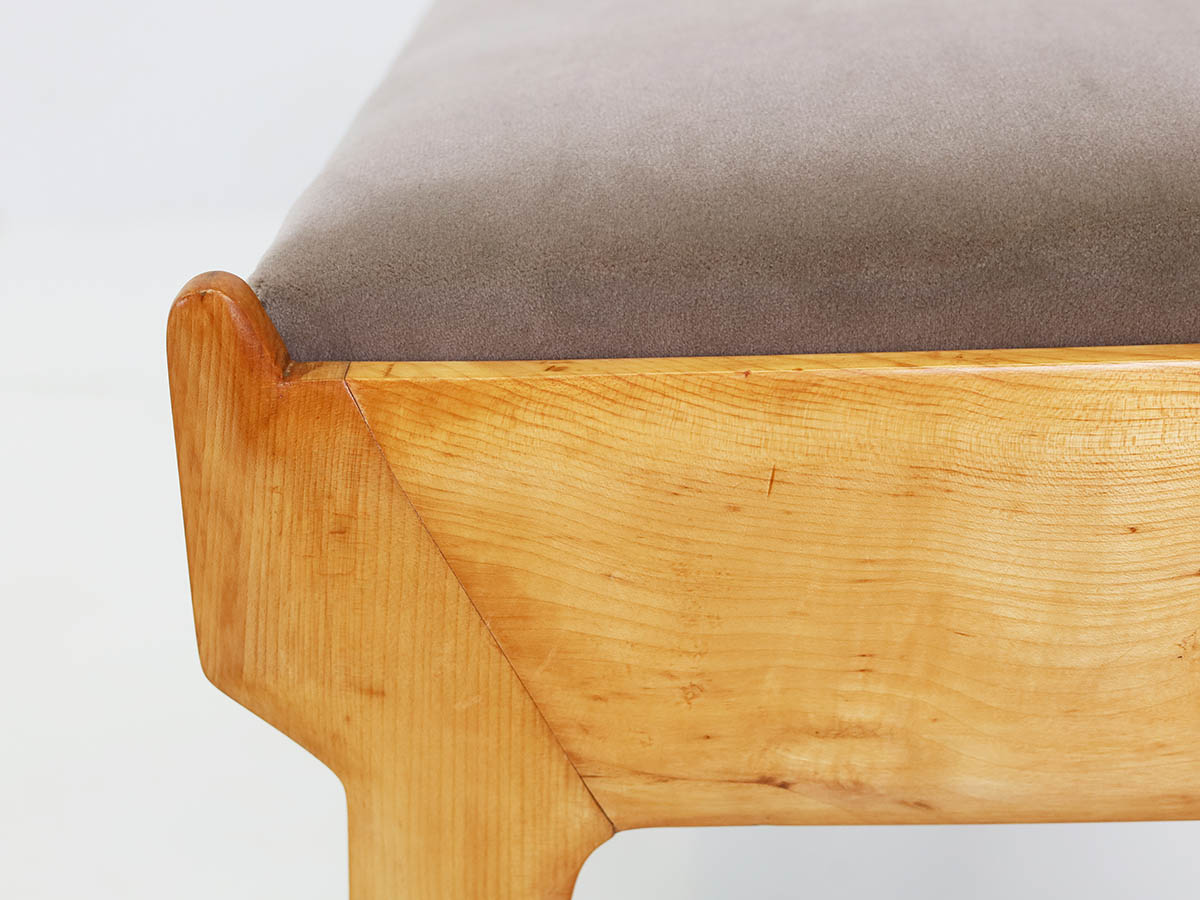
Description
In today’s interior design world, anonymous Italian design is experiencing a powerful revival. For too long, the value of furniture has been linked exclusively to the signature of a famous designer, turning home decor into a constant search for iconic names. Yet the true beauty of Italian furniture does not rely solely on authorship, but on the aesthetic strength of the piece itself.
A well-designed furniture piece does not need a famous signature to create emotion. Quality proportions, premium materials, elegant lines, and the unmistakable Italian ability to transform simplicity into timeless beauty are what truly matter. This is where anonymous Italian design reveals its authenticity: in pure beauty, free from marketing trends and passing fashions.
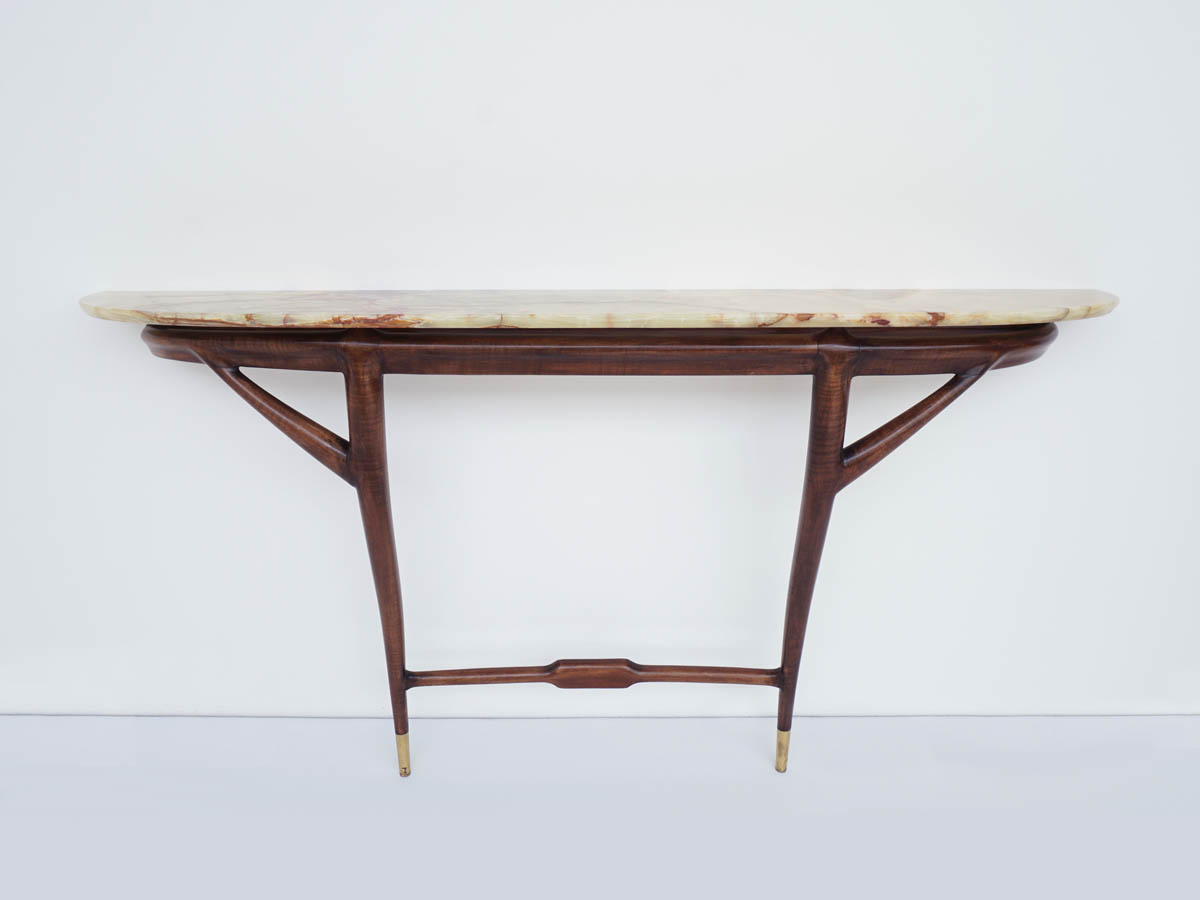
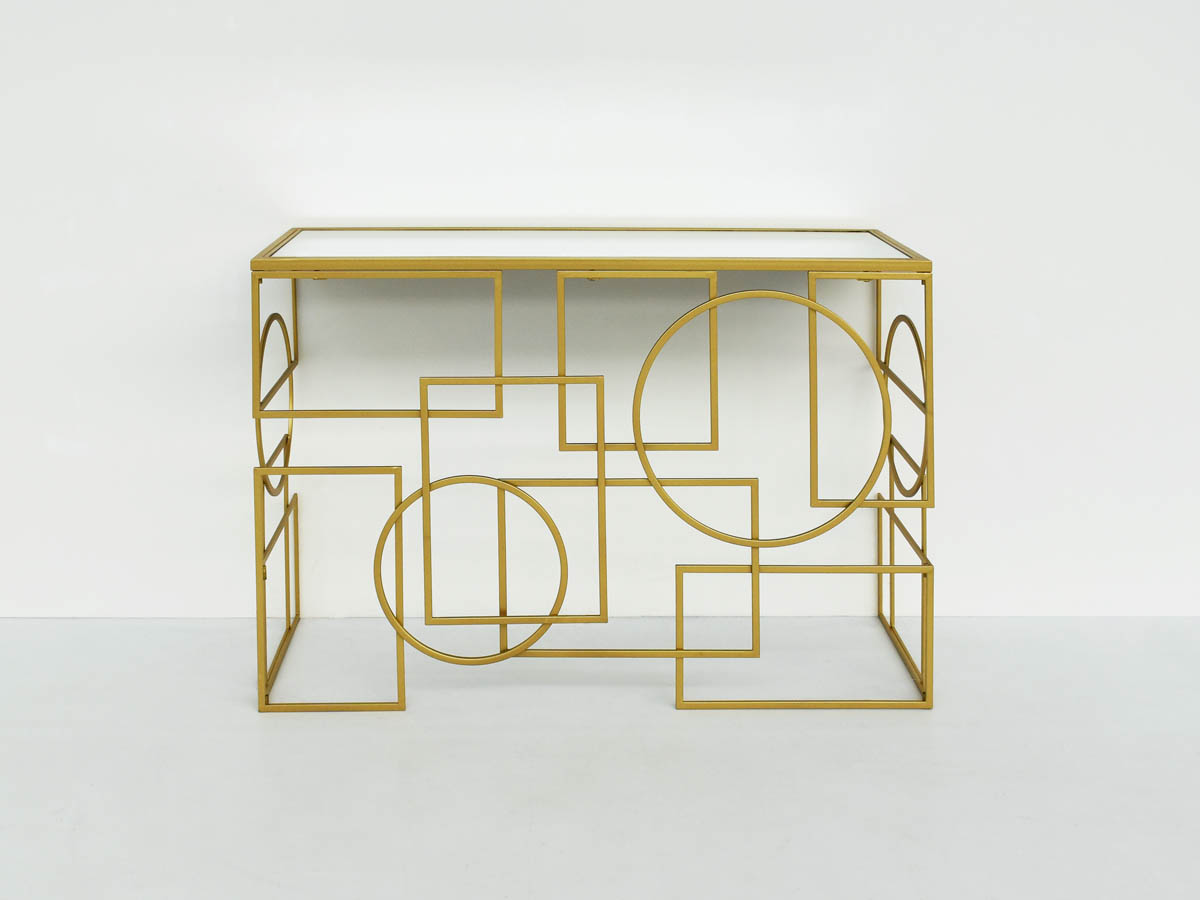
Many anonymous Italian vintage furniture pieces created during the 1950s, 1960s, and 1970s showcase extraordinary craftsmanship and refined design quality. Tables, chairs, sideboards, bookcases, and lighting pieces reflect a design culture built on functionality, balance, and artisanal excellence. These objects were created to live inside homes, not simply to become collectible icons.
Today, more interior design enthusiasts are choosing anonymous vintage Italian furniture because of its unique and authentic character. Rather than searching for status symbols, they seek furniture capable of creating atmosphere, personality, and warmth within living spaces. A beautiful furniture piece can completely transform a room, regardless of whether a famous designer’s name is attached to it.
Anonymous Italian furniture design also represents a more sophisticated and personal approach to decorating. It means recognizing the true value of an object beyond branding, allowing taste, emotion, and aesthetic quality to guide the selection process. This vision of interior design feels more authentic, cultured, and contemporary.
The reality is that you do not need to own furniture designed by a world-famous name to create an elegant home. What truly matters is choosing authentic, well-crafted pieces capable of interacting naturally with the space around them. Today, real luxury is no longer about displaying a famous signature, but about living with timeless furniture full of beauty and personality.
This is the real strength of anonymous Italian design: proving that exceptional beauty does not need a famous name to leave a lasting impression.