
Description
Mario Asnago and Claudio Vender (1896–1981 / 1904–1986) – Rationalism, Architecture and Italian Design
Mario Asnago (1896–1981) and Claudio Vender (1904–1986) were among the leading figures of 20th-century Milanese architecture and design. In 1928, they founded the Asnago-Vender architectural studio, establishing a professional partnership that lasted for more than forty years and was closely connected to the development of Italian Rationalism and modern architecture.
Their work is distinguished by geometric rigor, structural simplicity, balanced proportions, and a strong focus on construction. Alongside architecture, Asnago and Vender developed an important body of work in furniture, interiors, and exhibition design, also participating in the Milan Triennale. Their design language eliminates unnecessary elements and seeks an exceptionally refined synthesis between function and form.
Asnago and Vender for Pallucco
An important chapter in the rediscovery of their work came through Pallucco, which during the 1980s reissued several of their historic designs, bringing their work back to the attention of an international audience. The Pallucco editions highlight the enduring relevance of Asnago and Vender’s design language through minimal structures, rigorous geometry, metal, and glass, elements that remain remarkably contemporary.
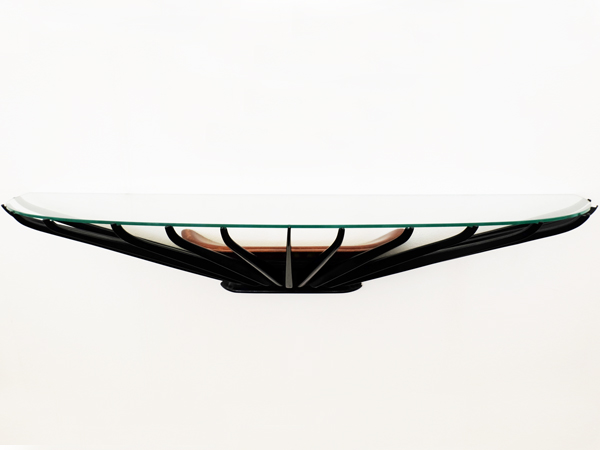
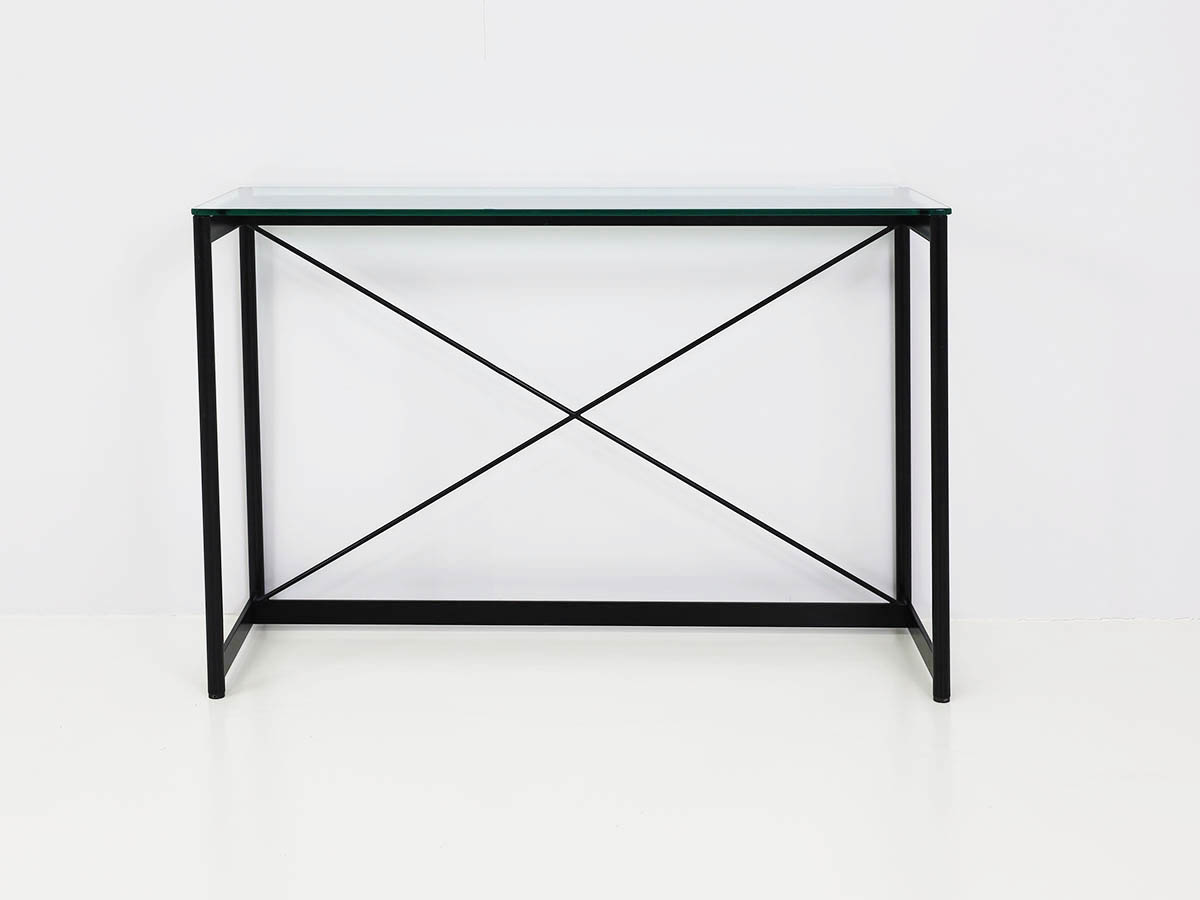
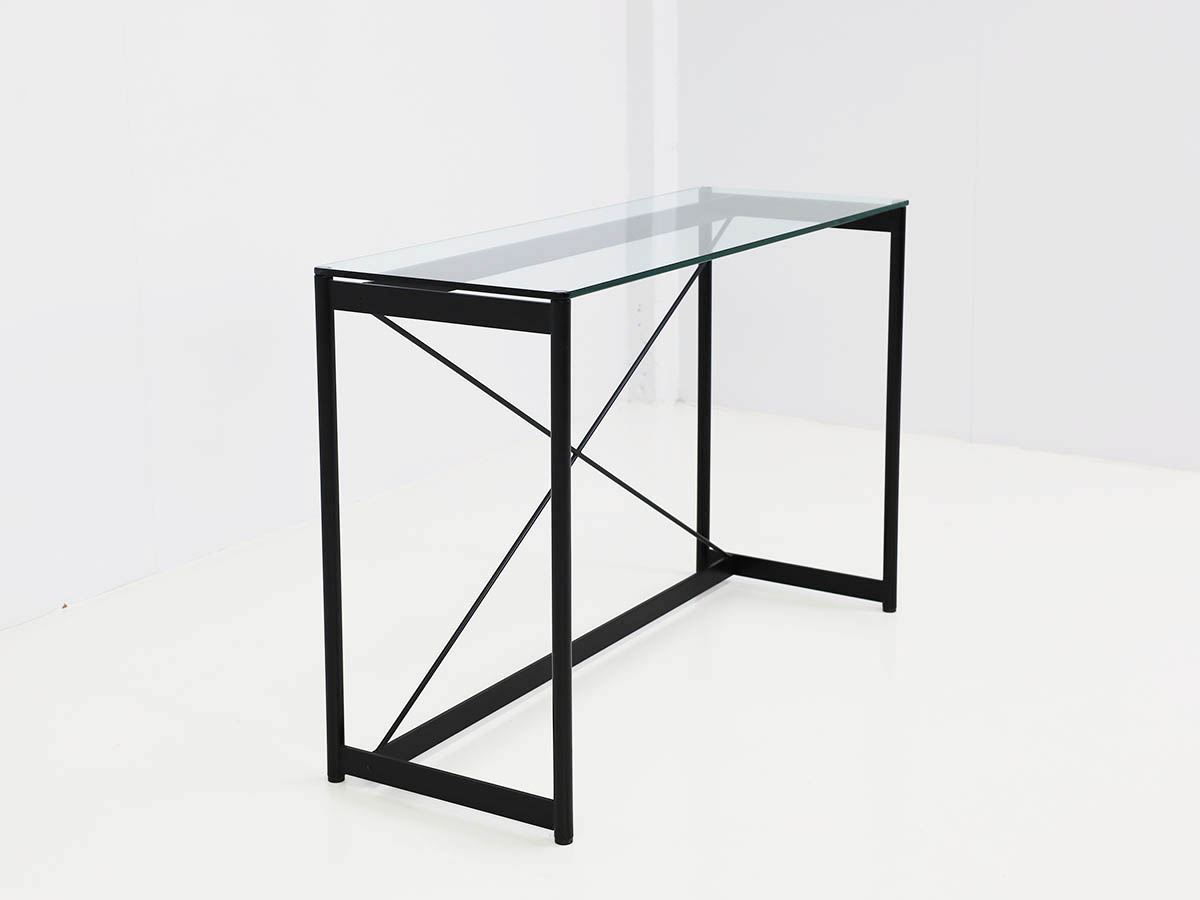
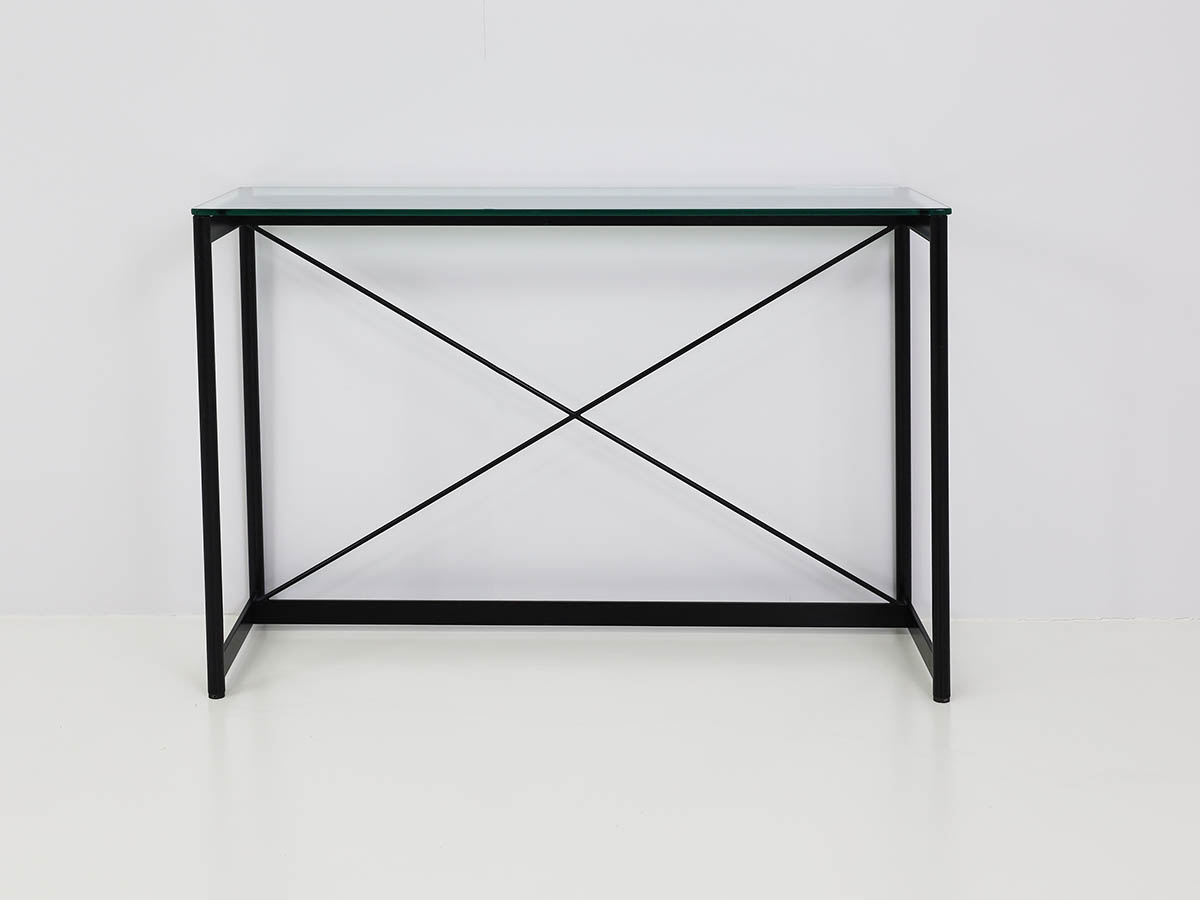
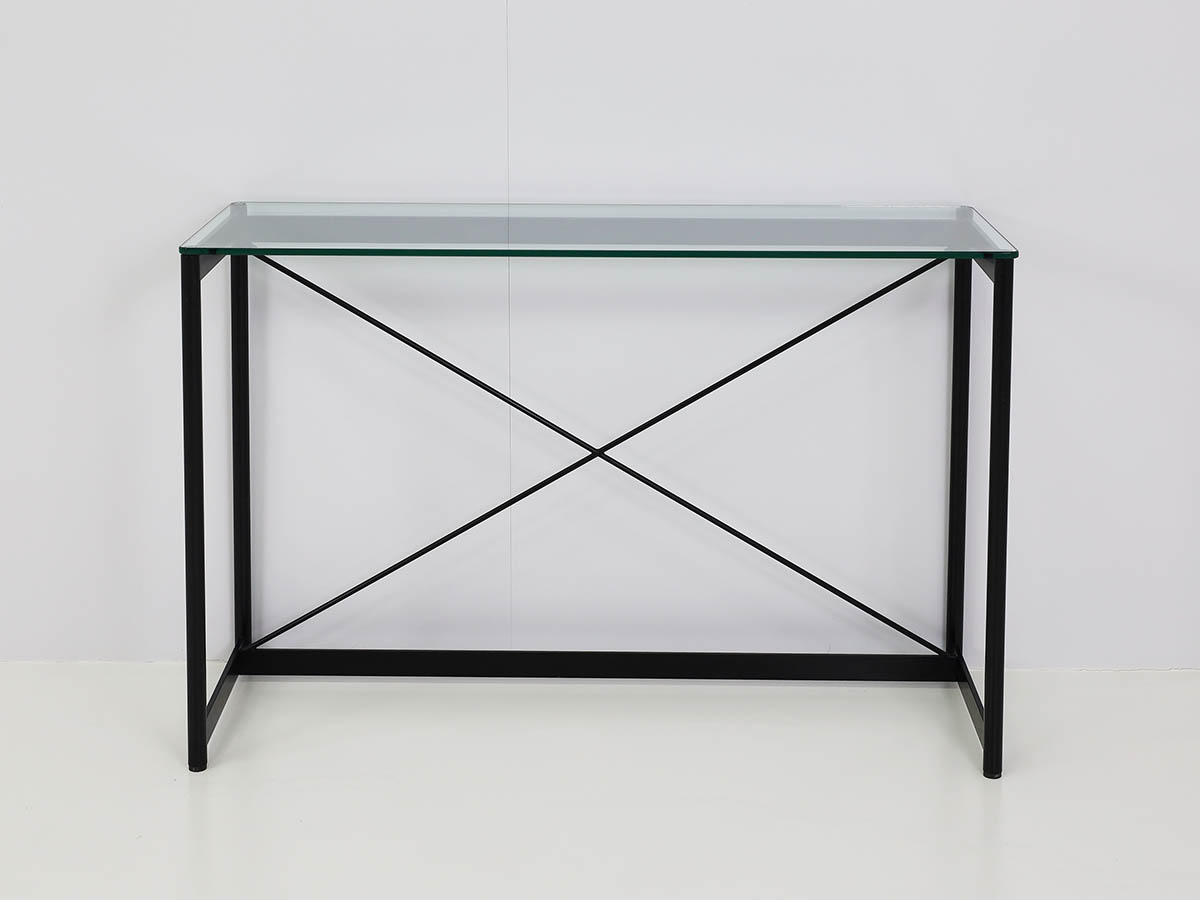
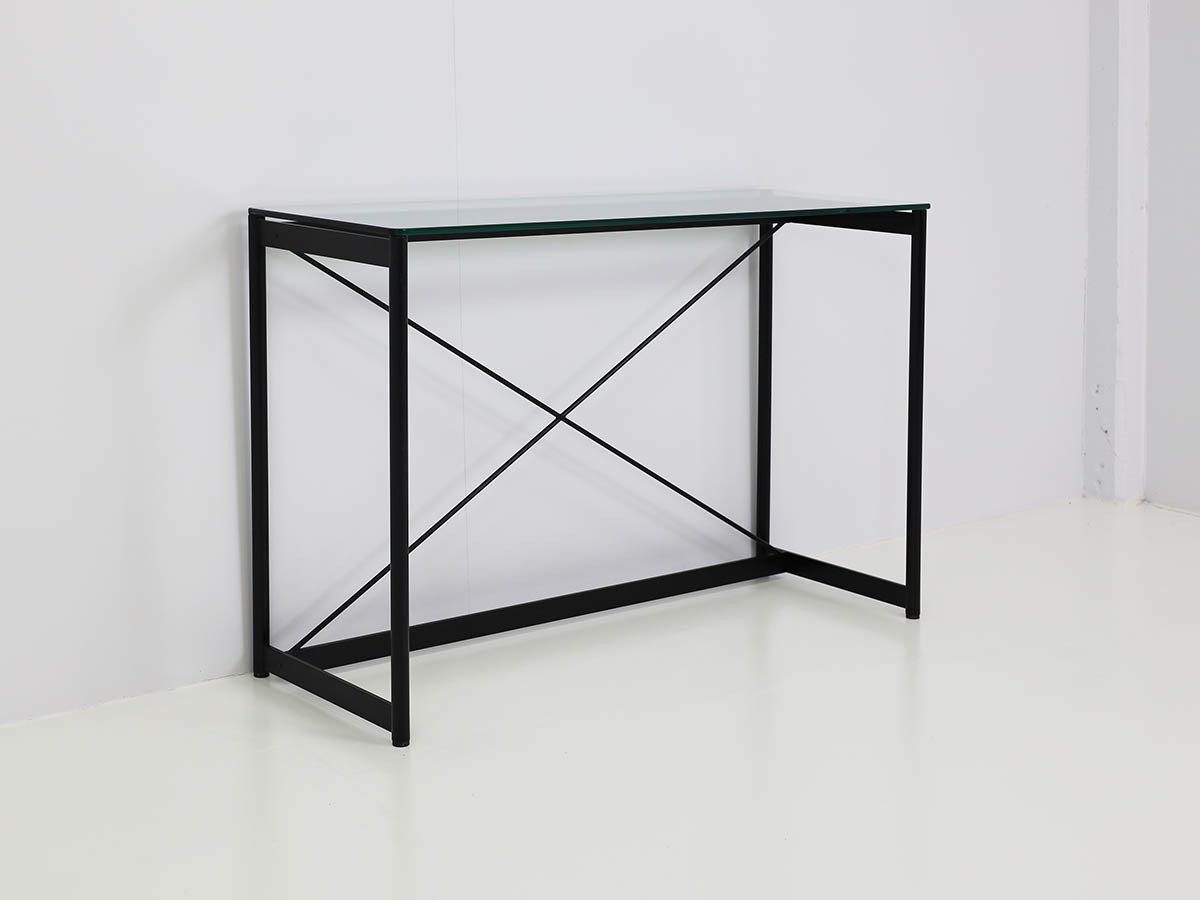
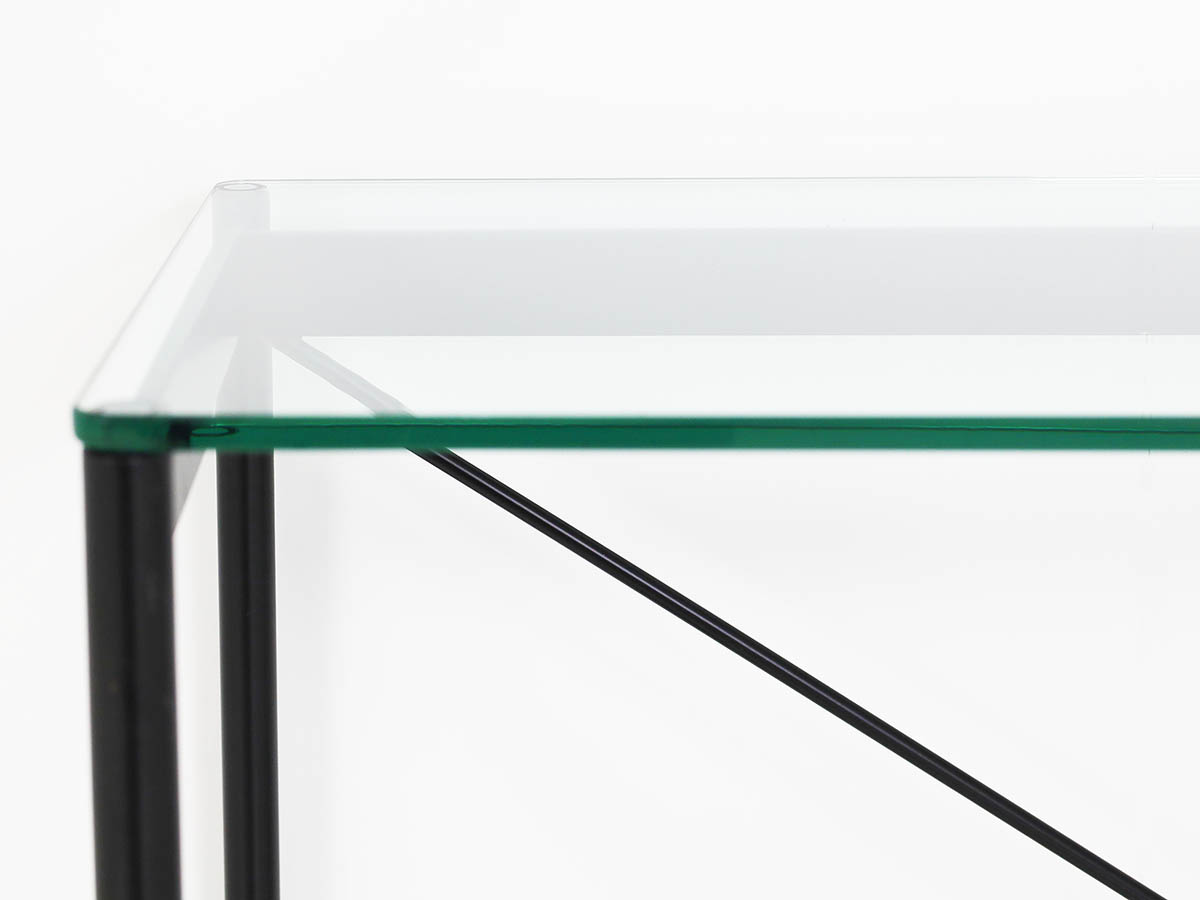
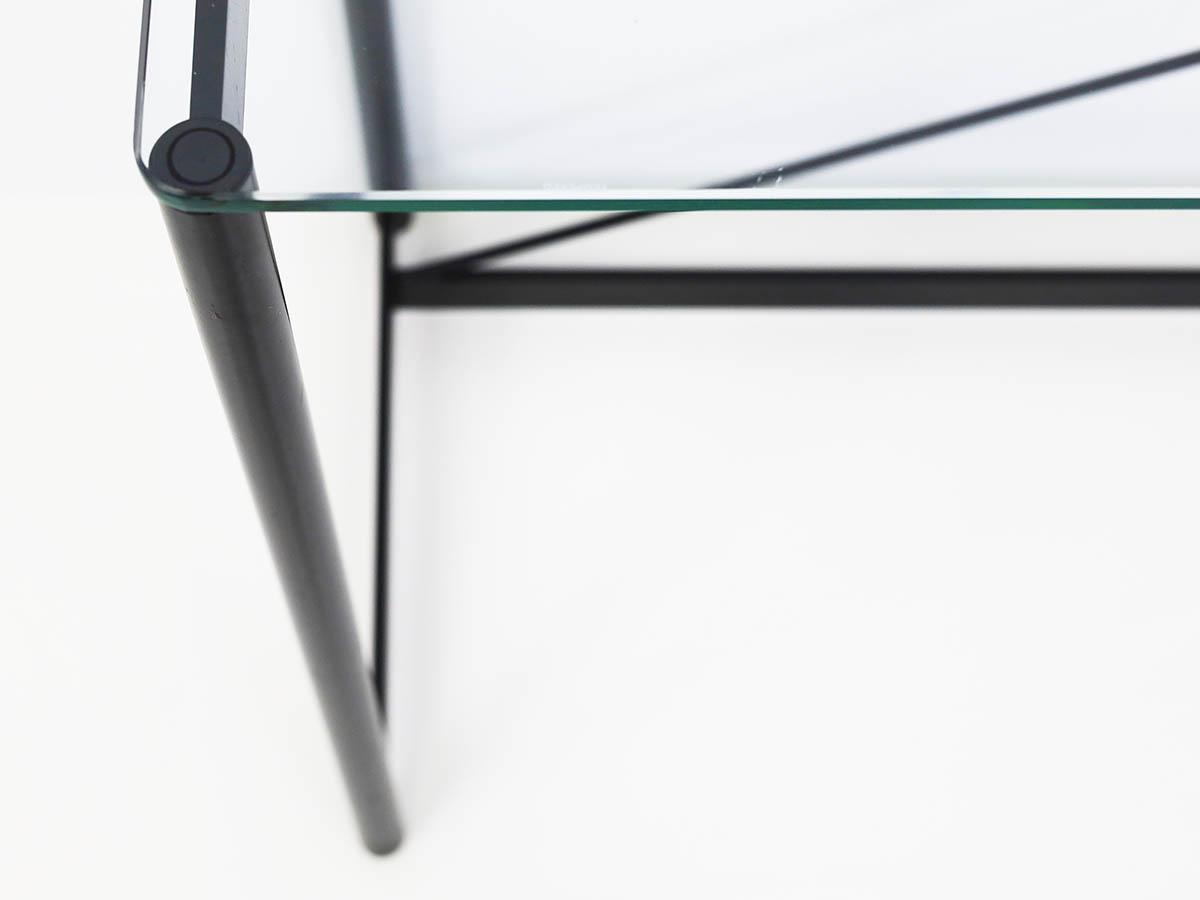
Among the most significant projects is the console originally designed in 1936, later reissued by Pallucco. The design perfectly expresses the architects’ philosophy: a structure reduced to its essential elements, precise proportions, and an aesthetic in which function and formal purity become one.
Minimalist Console Inspired by the Chairs of Asnago and Vender
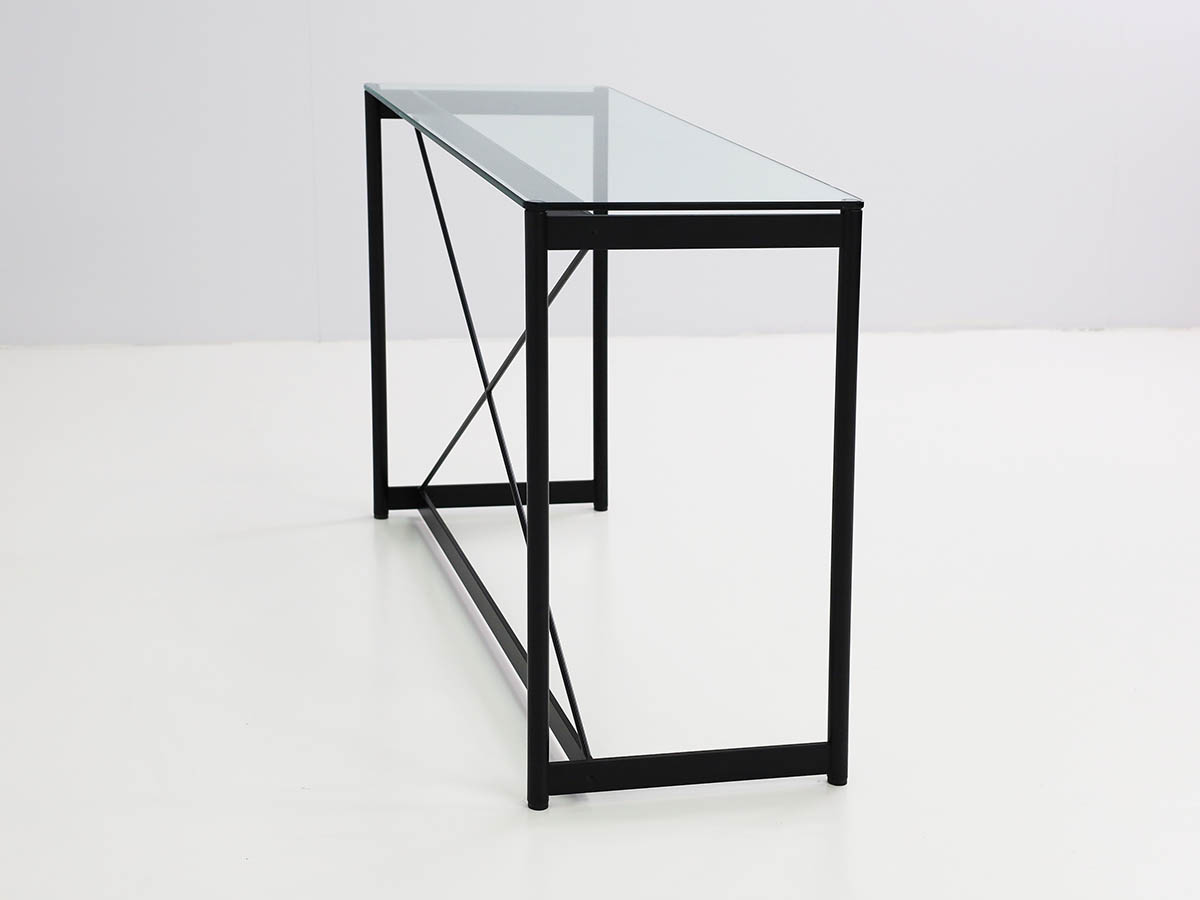
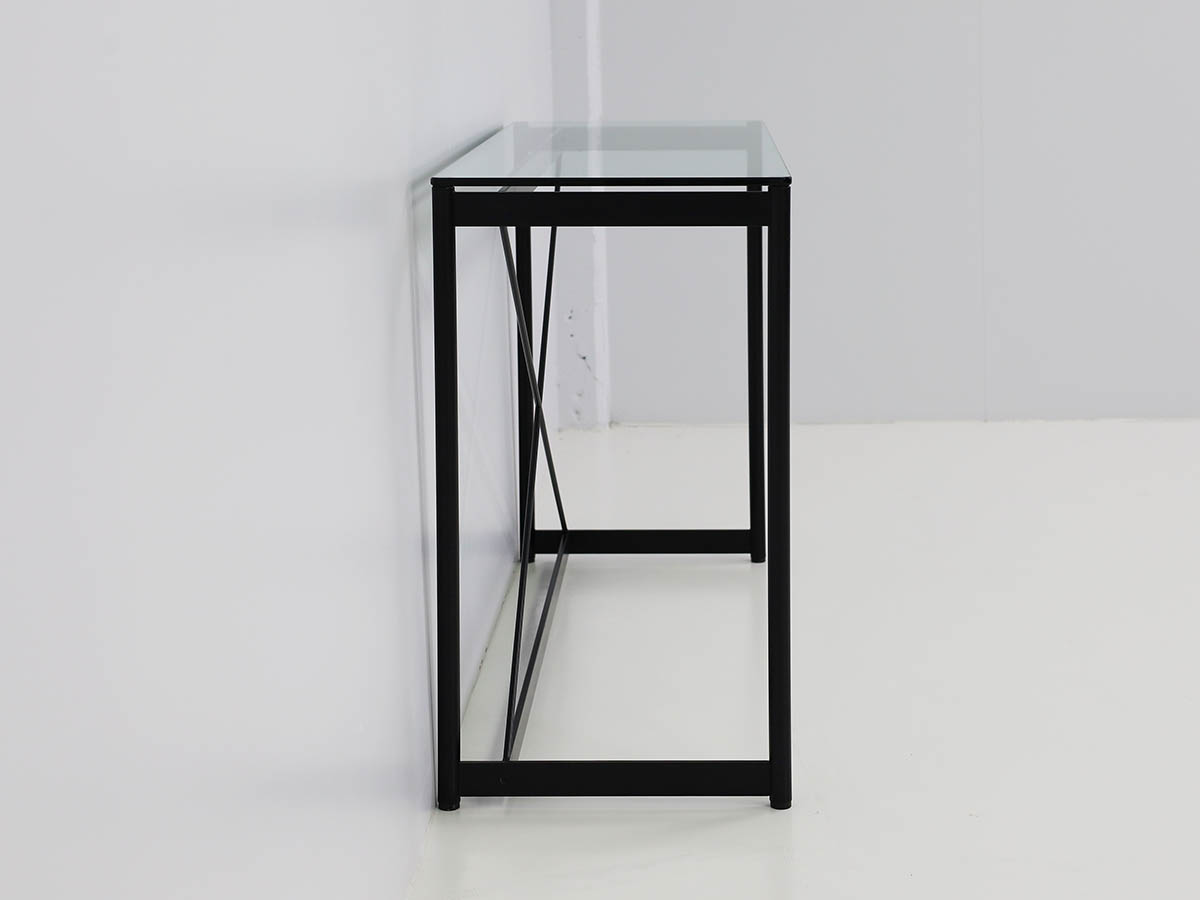
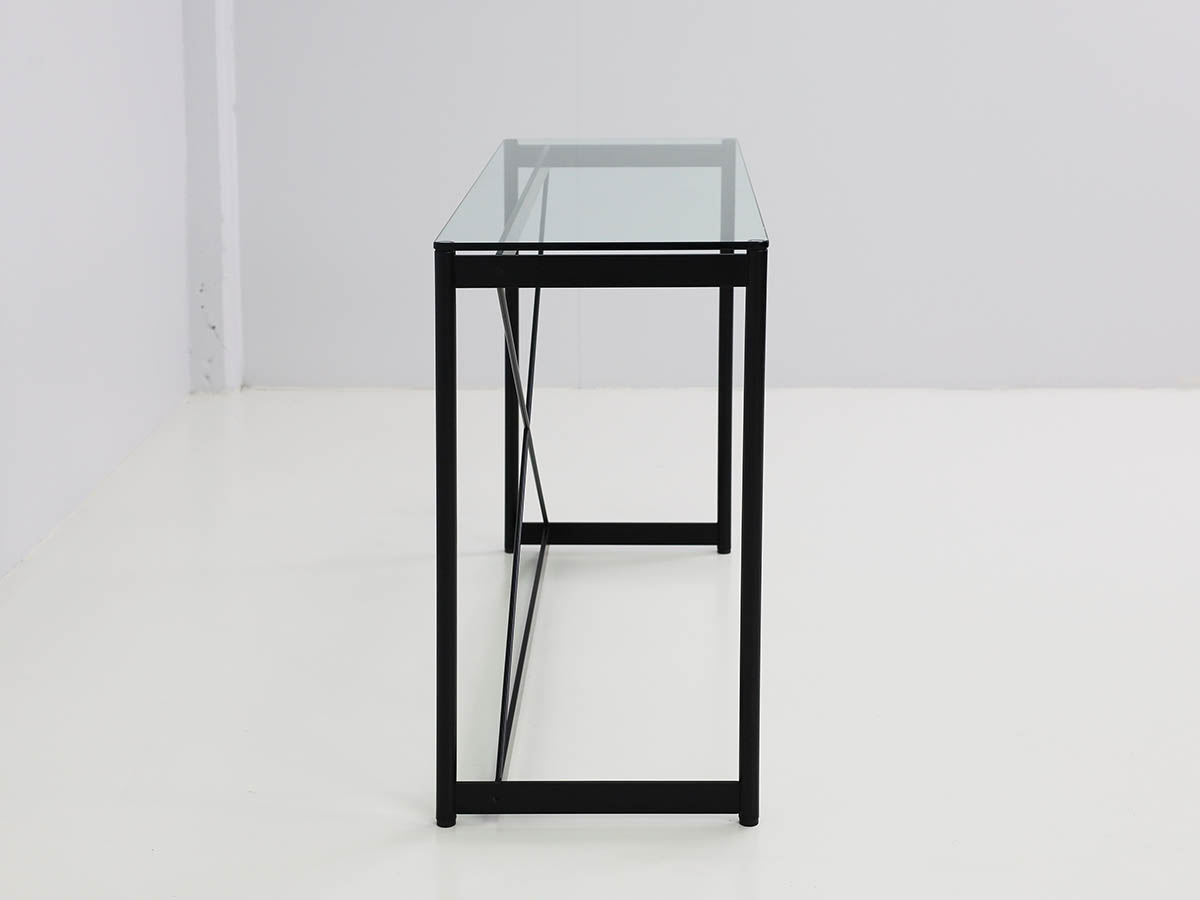
Particularly striking is this extremely minimalist console, designed in the same spirit as the celebrated chairs by Asnago and Vender. Its structure reflects their characteristic approach, based on slender lines, rigorous geometry, and formal reduction, transforming the furniture into an almost architectural element.
The extreme simplicity of the construction emphasizes the quality of the proportions and the relationship between structure, surface, and negative space. As in their seating designs, the elegance of this console comes from the absence of unnecessary decoration: a few carefully calibrated elements create a discreet yet highly distinctive presence.
This console therefore represents a sophisticated expression of Milanese Rationalism, combining the culture of modern architecture with furniture design and demonstrating the enduring relevance of Asnago and Vender’s design language in contemporary interiors.