
Description
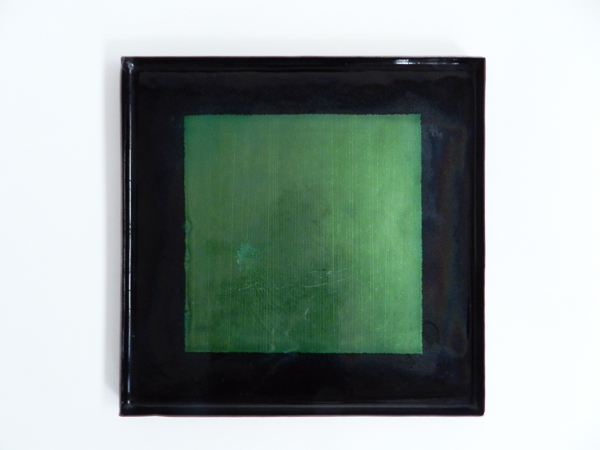
Enameled metal samples associated with Ettore Sottsass’s exploration of color
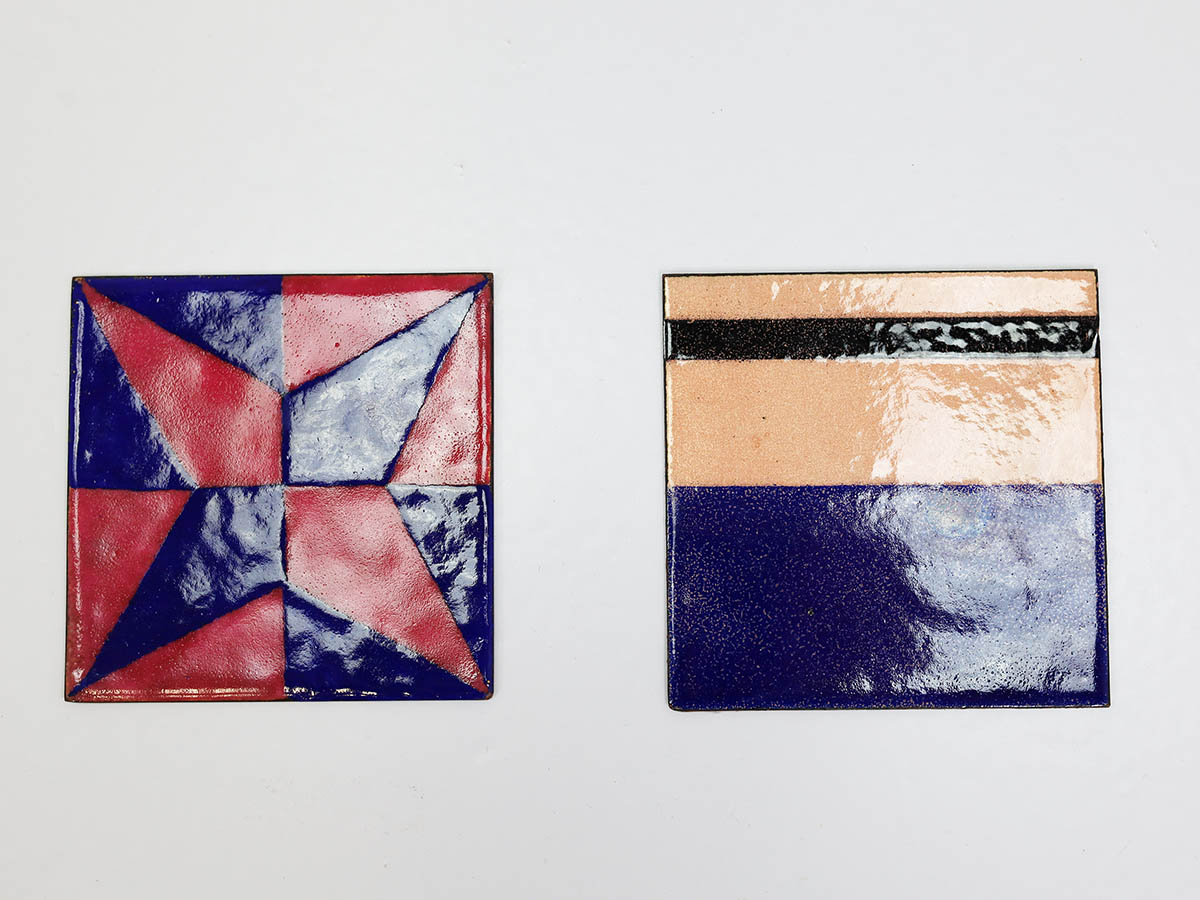
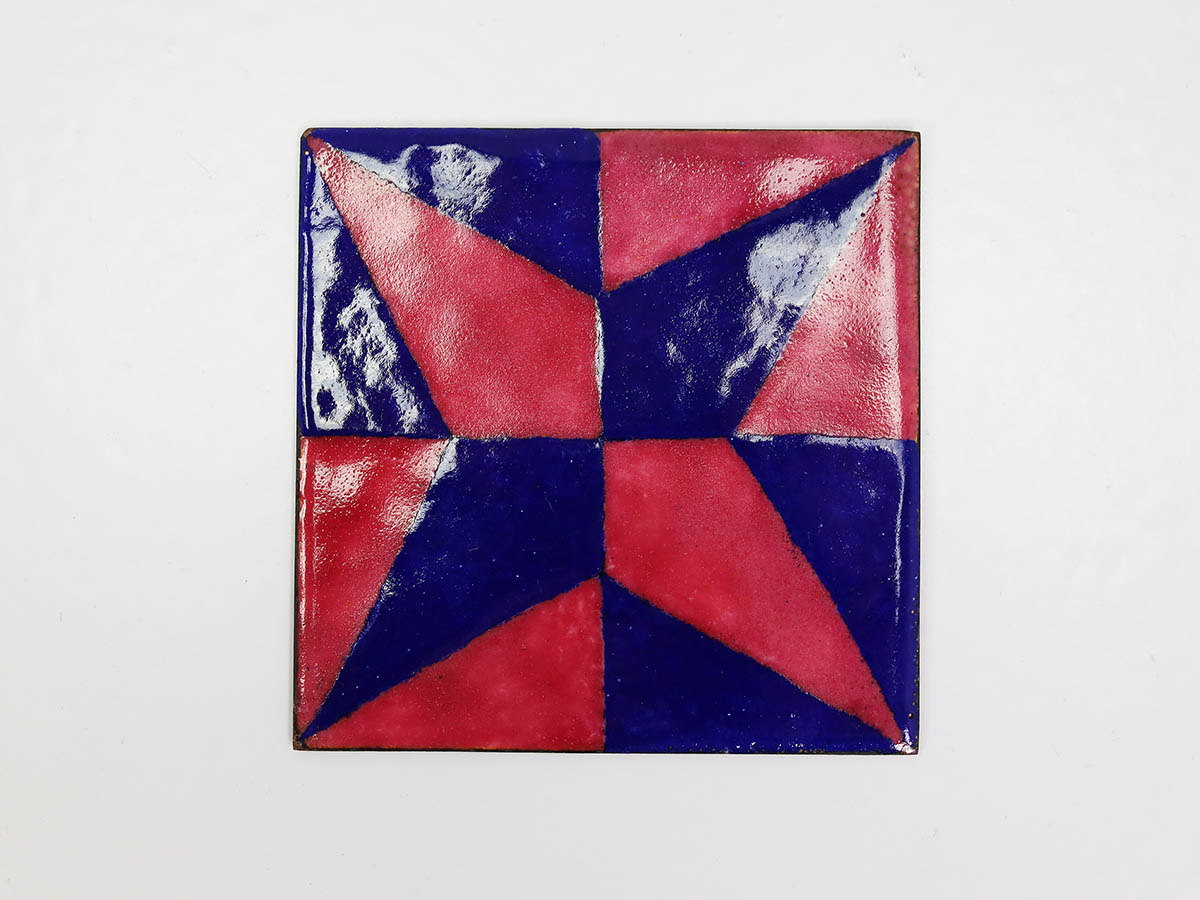
The enamelled metal samples presented here are rooted in the context of the chromatic and material experimentation that characterized the work of Ettore Sottsass from the 1950s onward. During this early phase of his research, Sottsass developed a profoundly innovative visual language in which color is not merely a decorative surface treatment, but a structural component of the design itself—capable of defining rhythm, perception, and the identity of the object.
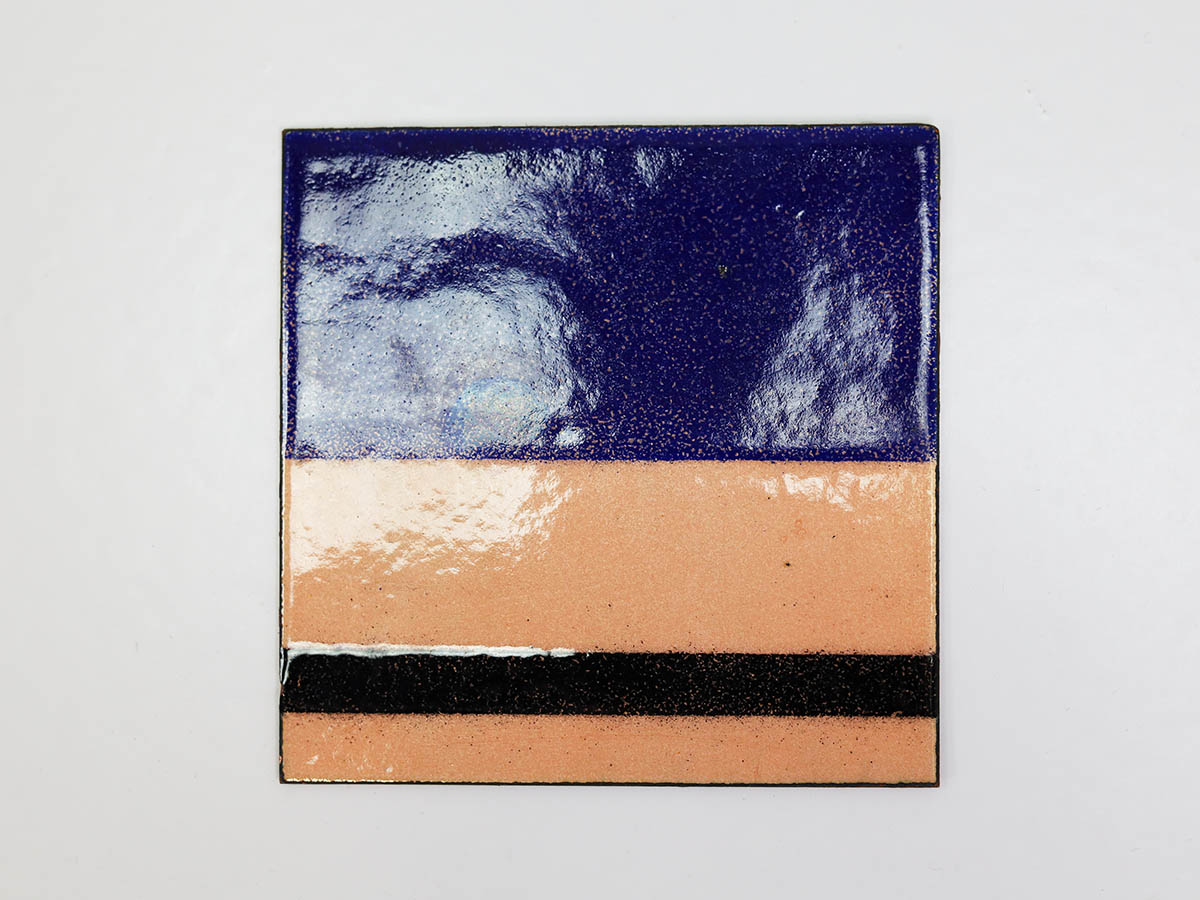
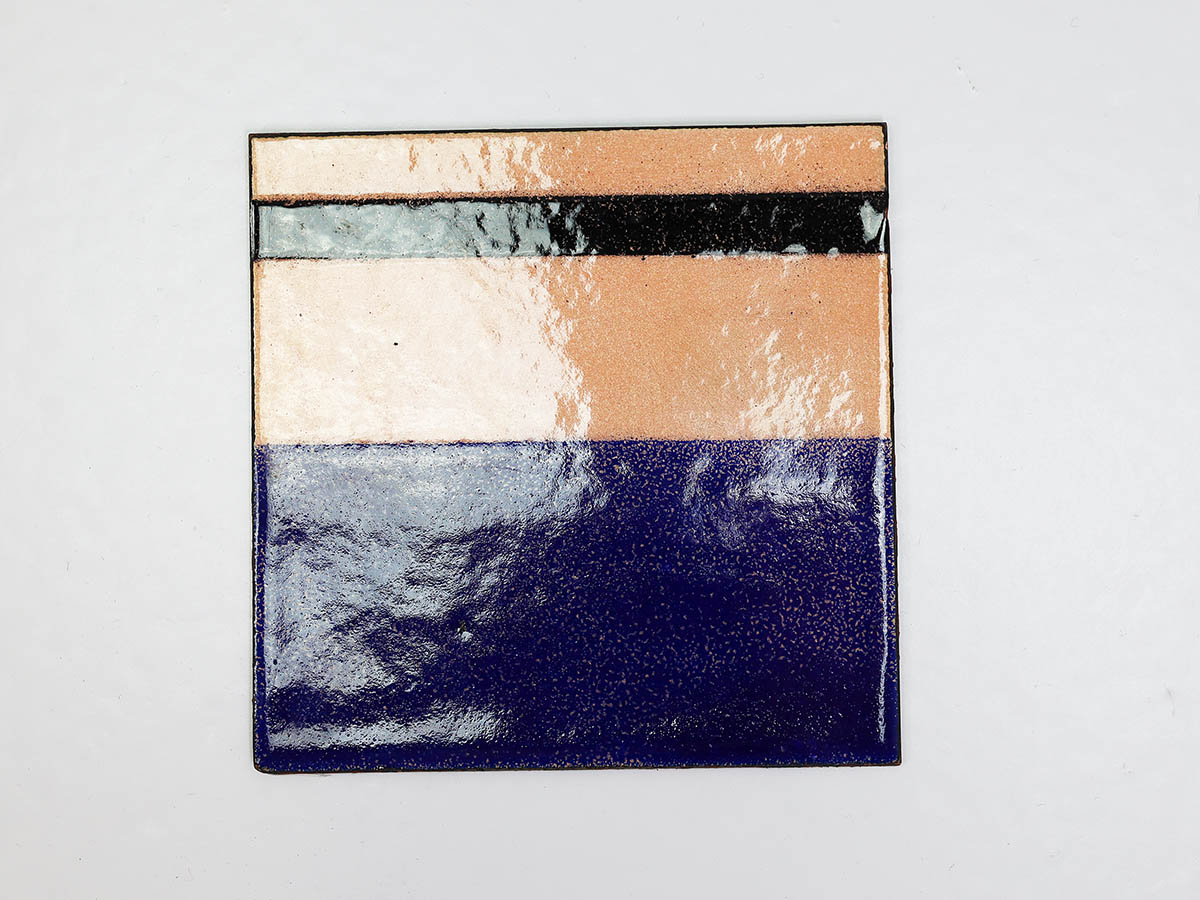
Enamelled metal becomes an ideal medium for exploring intense color pairings, sharp contrasts, and tonal variations that anticipate many of his later investigations in industrial design and everyday objects. Enamel surfaces allow for a direct experimentation between material and color, generating compositions that move between geometric rigor and expressive freedom.
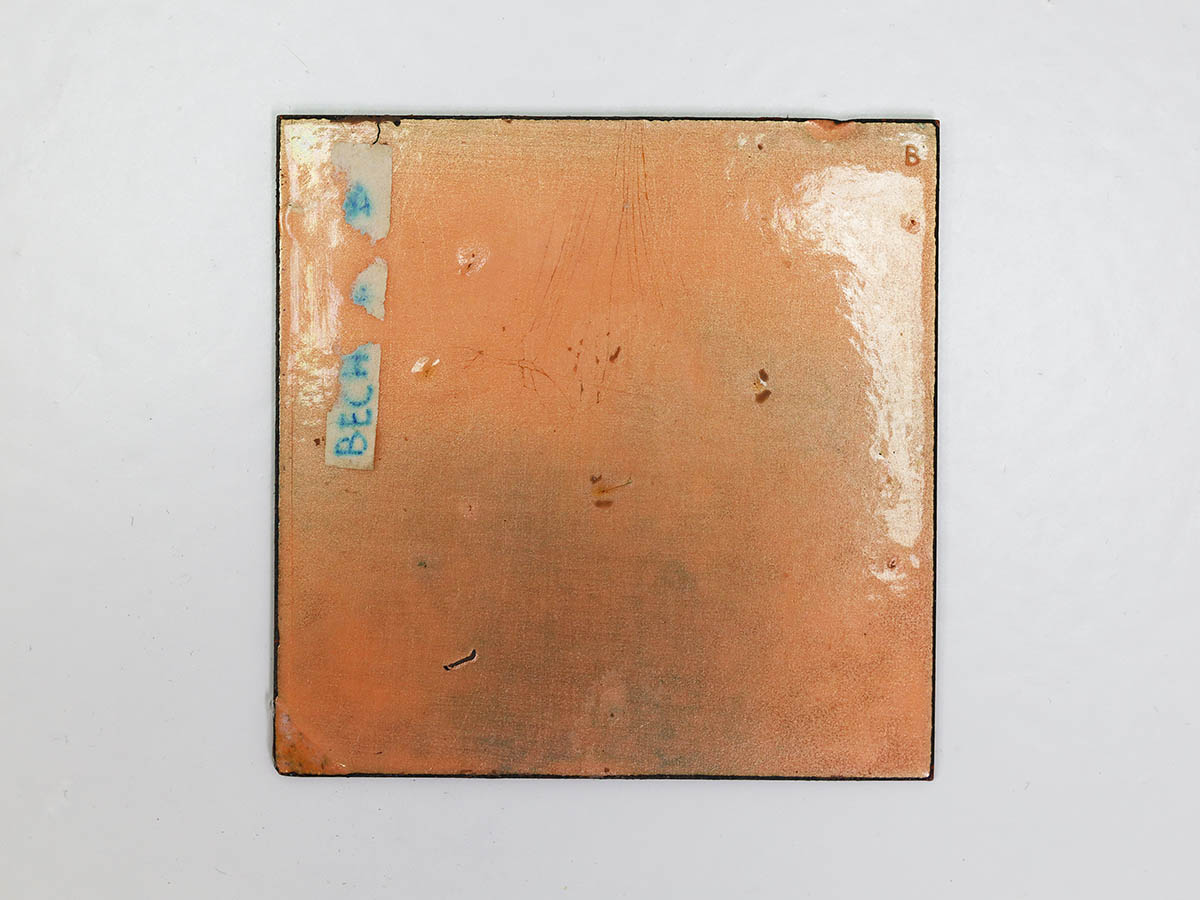
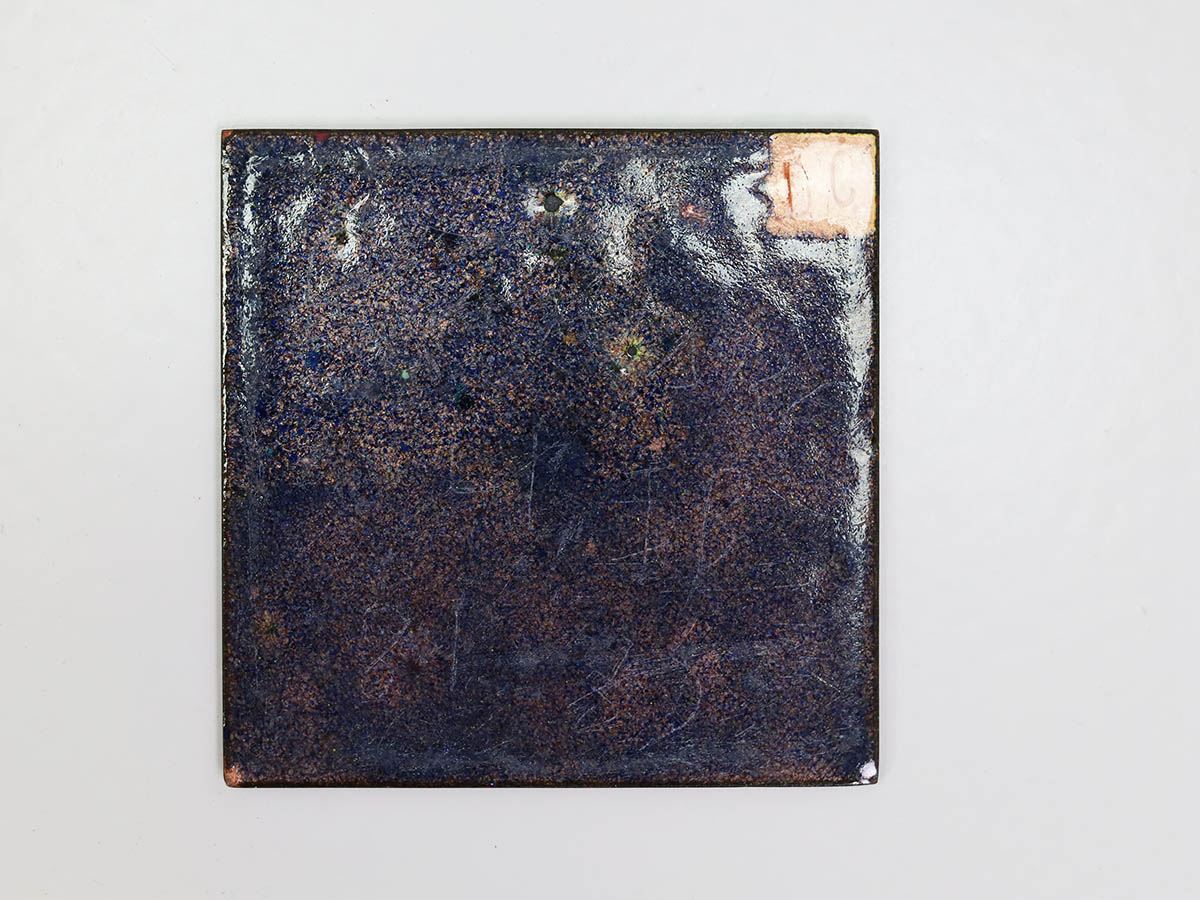
The samples presented here, with their combinations of enamel tones and decorative layouts, can be related to Sottsass’ design language and his consistent focus on the relationship between surface, color, and visual perception. While not necessarily finished serial-production objects, they reflect a coherent design approach aligned with his 1950s research, where color plays a central role in defining the object and its emotional impact.
This material therefore represents a significant trace of the creative process rather than a finished product: a set of tests, studies, and combinations that illustrate the development of a visual language that would go on to profoundly influence Italian and international design in the second half of the twentieth century.
These enamelled metal samples thus stand as a direct testimony to a key moment in color research within design, where Sottsass explored new expressive possibilities at the intersection of industry, craftsmanship, and visual culture.