
Description
Rito Valla was an original and innovative figure in post-war Italian design, distinguished by his ability to combine sculptural sensitivity, formal research, and functional innovation. Active during one of the most dynamic periods of Italian creativity, Valla developed a design language defined by essential forms, modern aesthetics, and a constant focus on versatility and user experience.
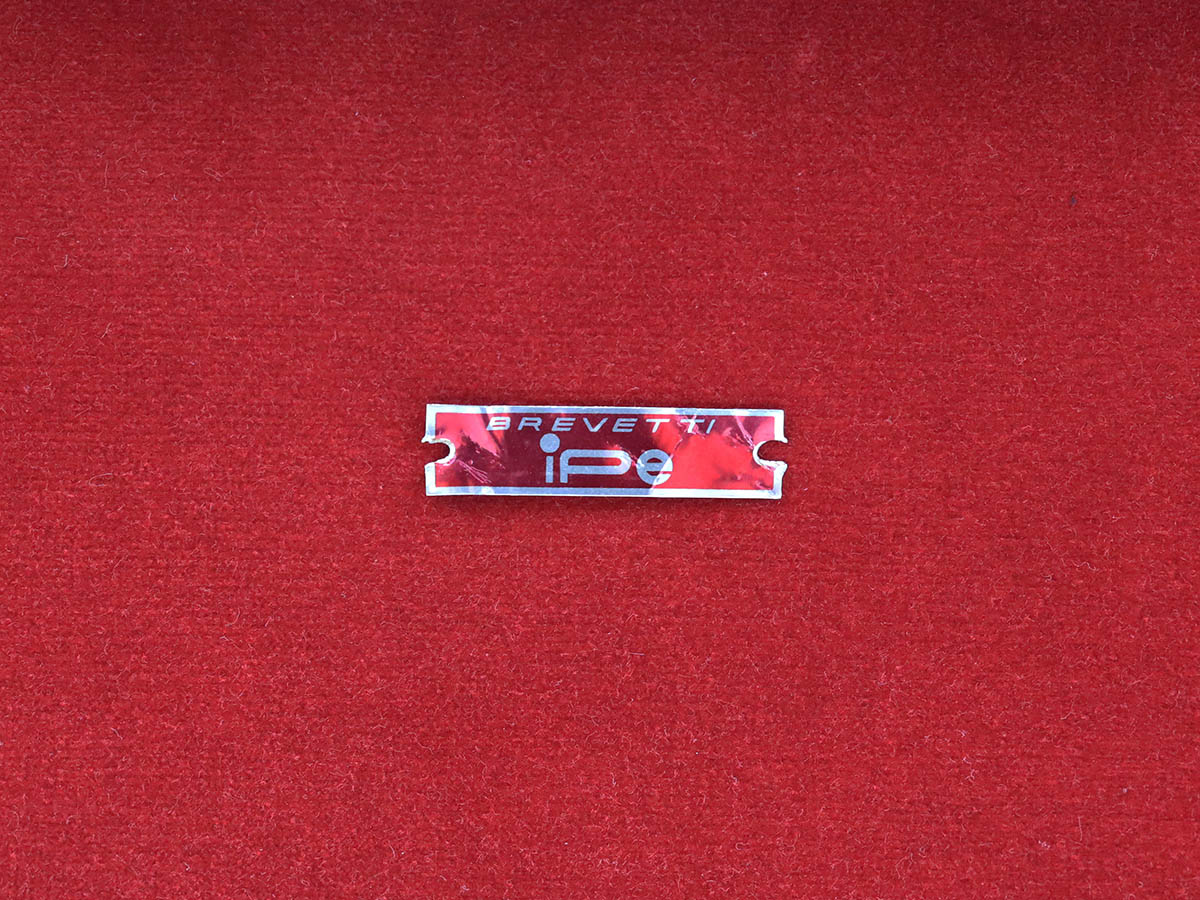
Among the most significant collaborations of his career was his partnership with IPE (Industria Produzione Elementi) of Bologna, a company that emerged in the 1960s as a pioneering force in furniture design and manufacturing. The synergy between Valla’s visionary approach and IPE’s commitment to experimentation resulted in a series of products that responded to the evolving needs of contemporary living, anticipating themes that remain highly relevant today, including flexibility, multifunctionality, and efficient use of space.
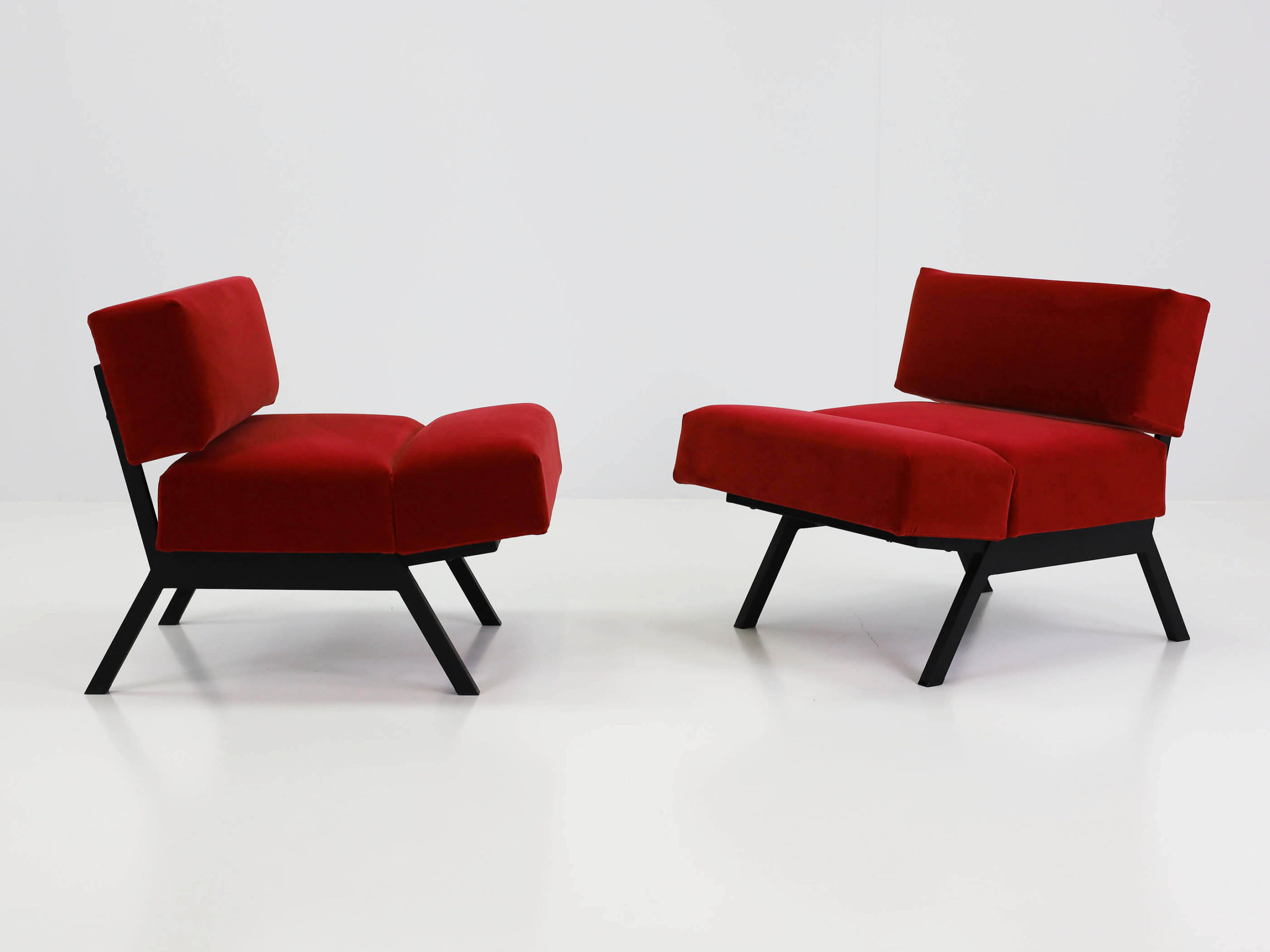
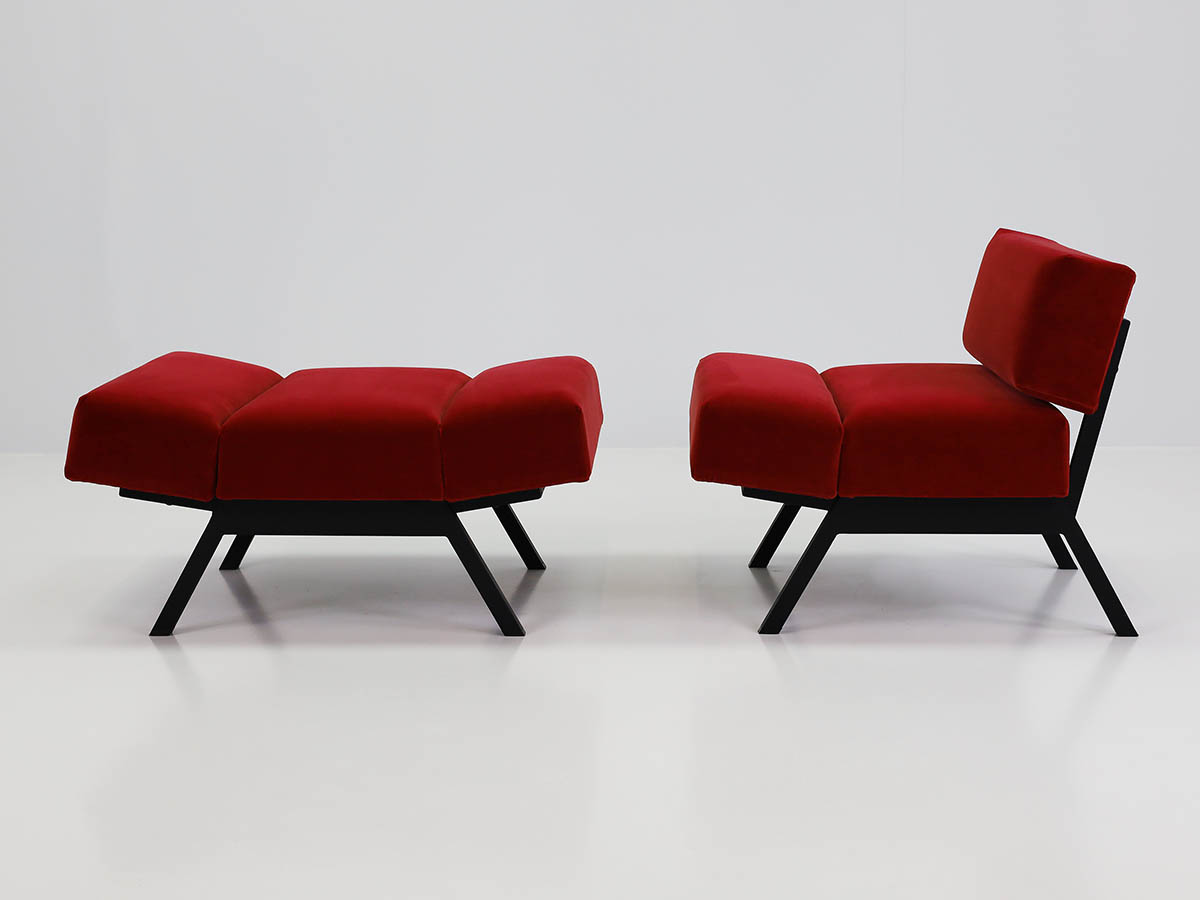
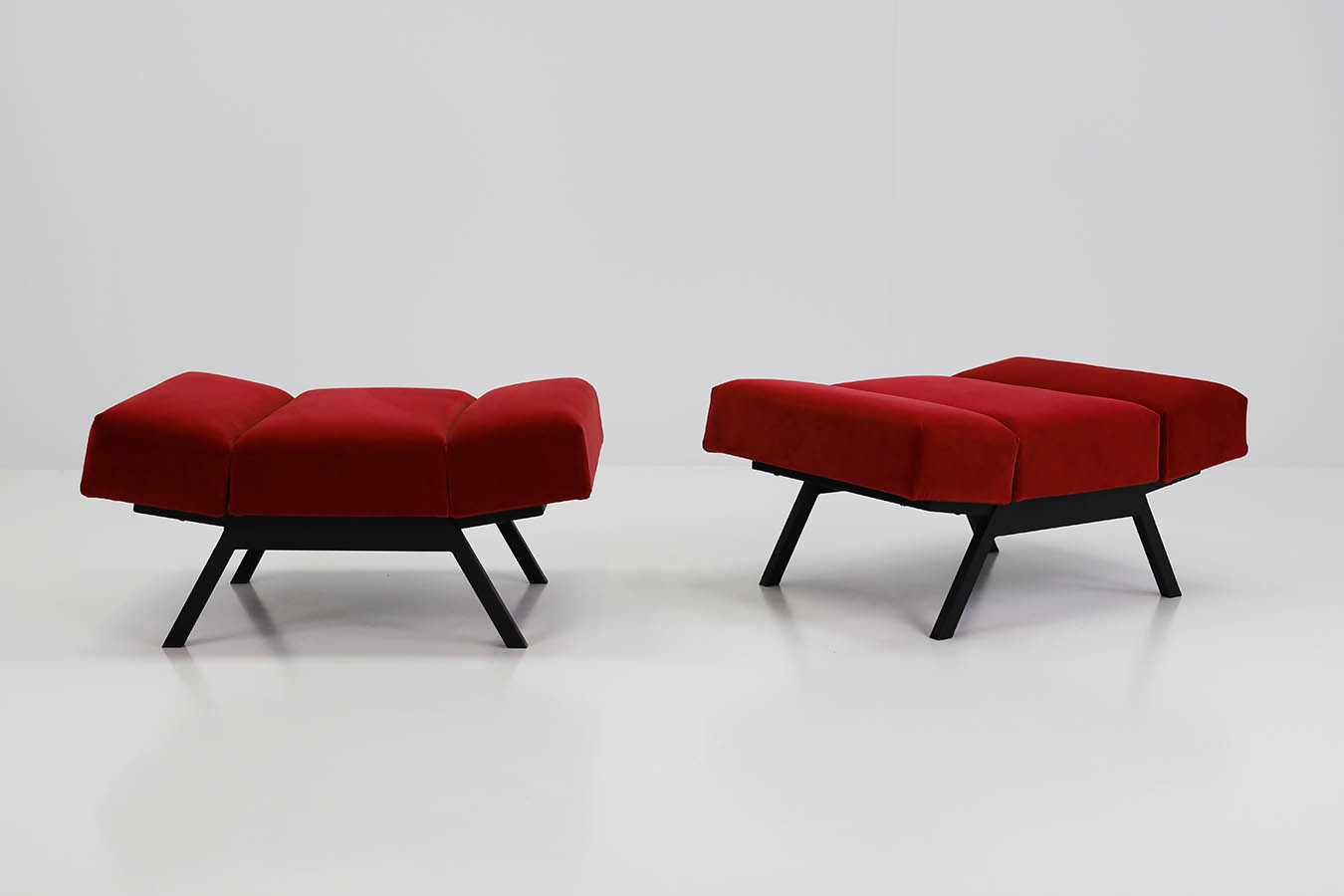
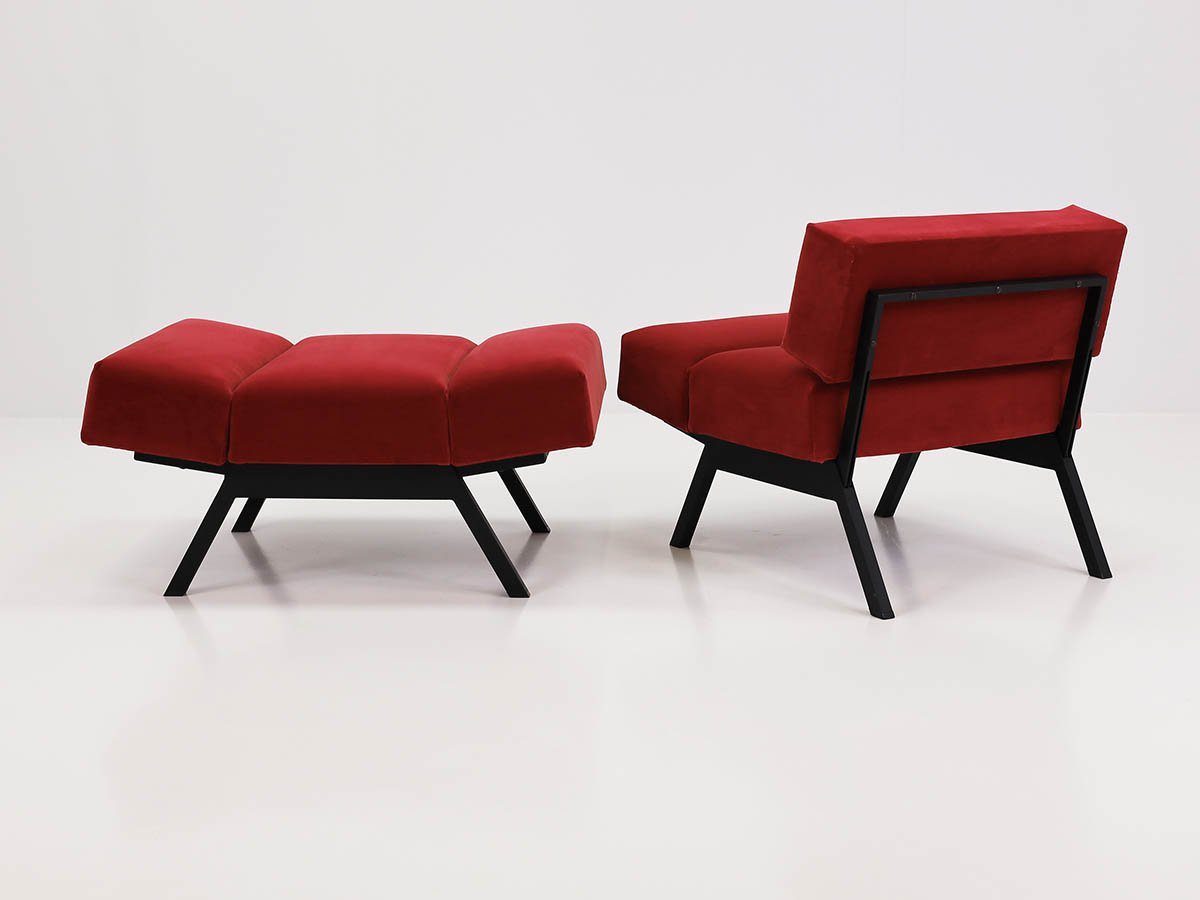
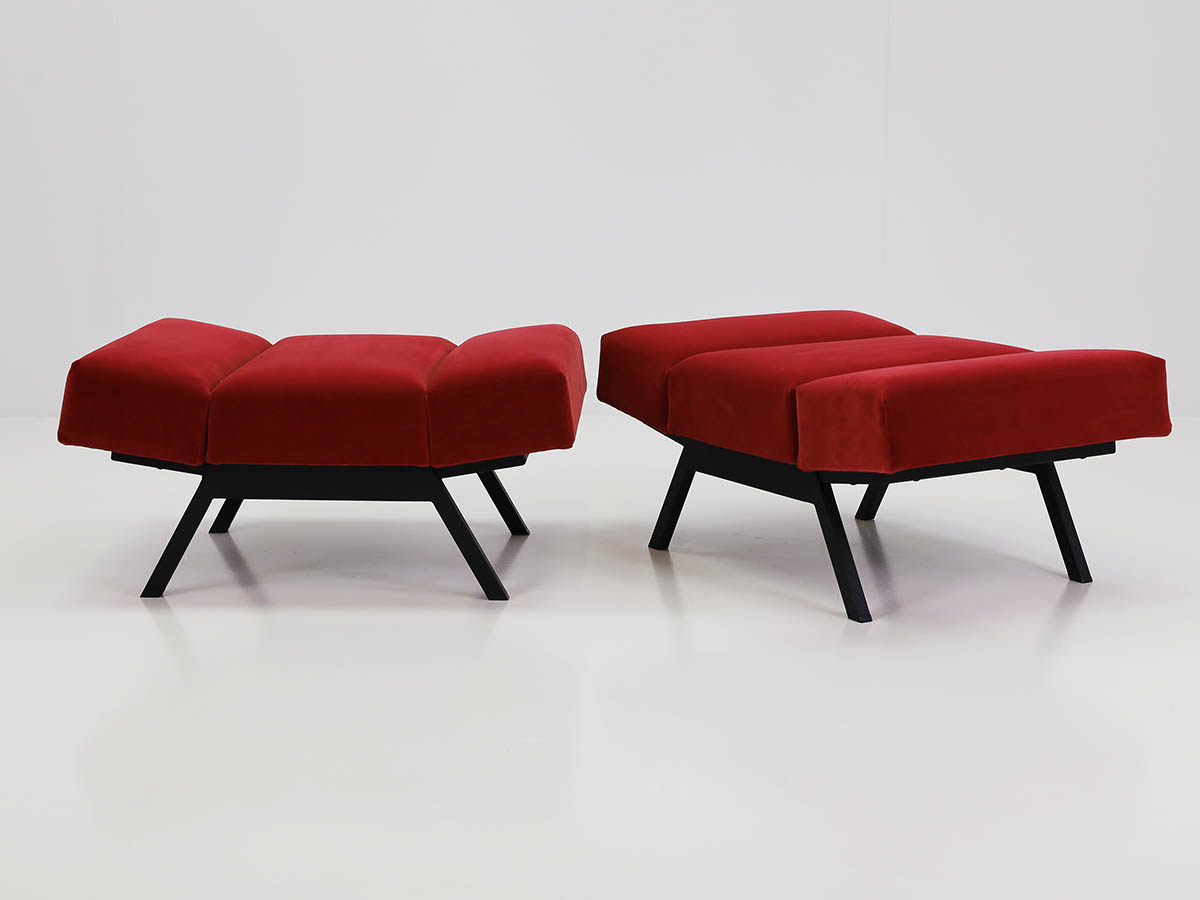
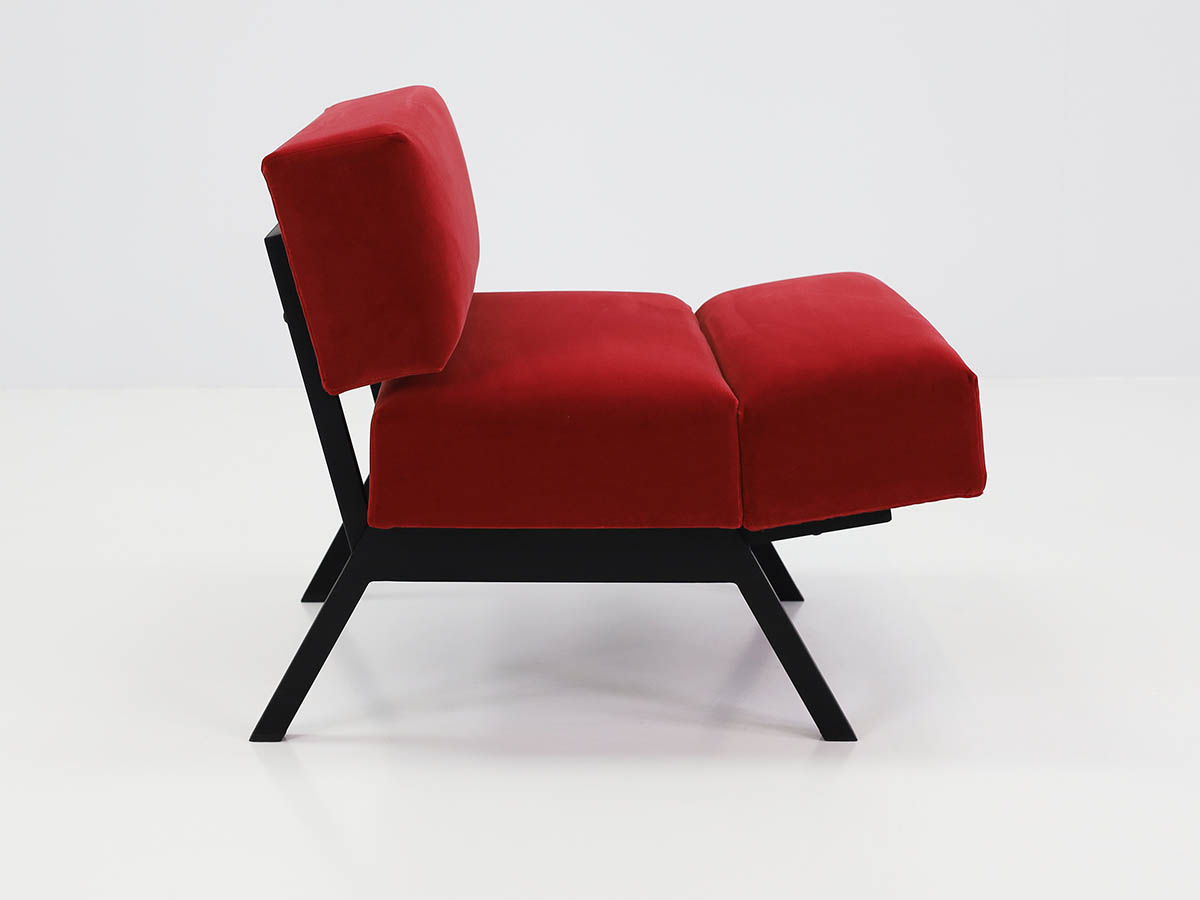
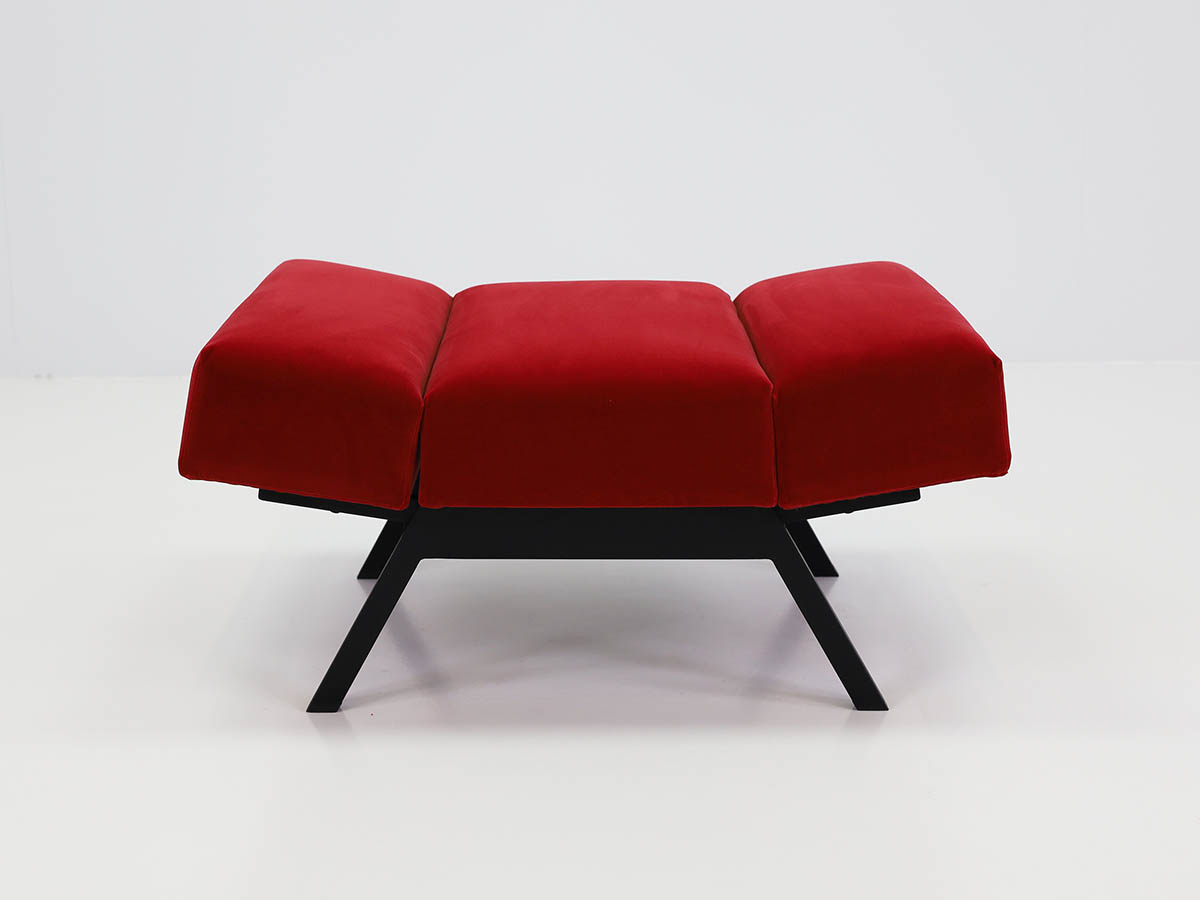
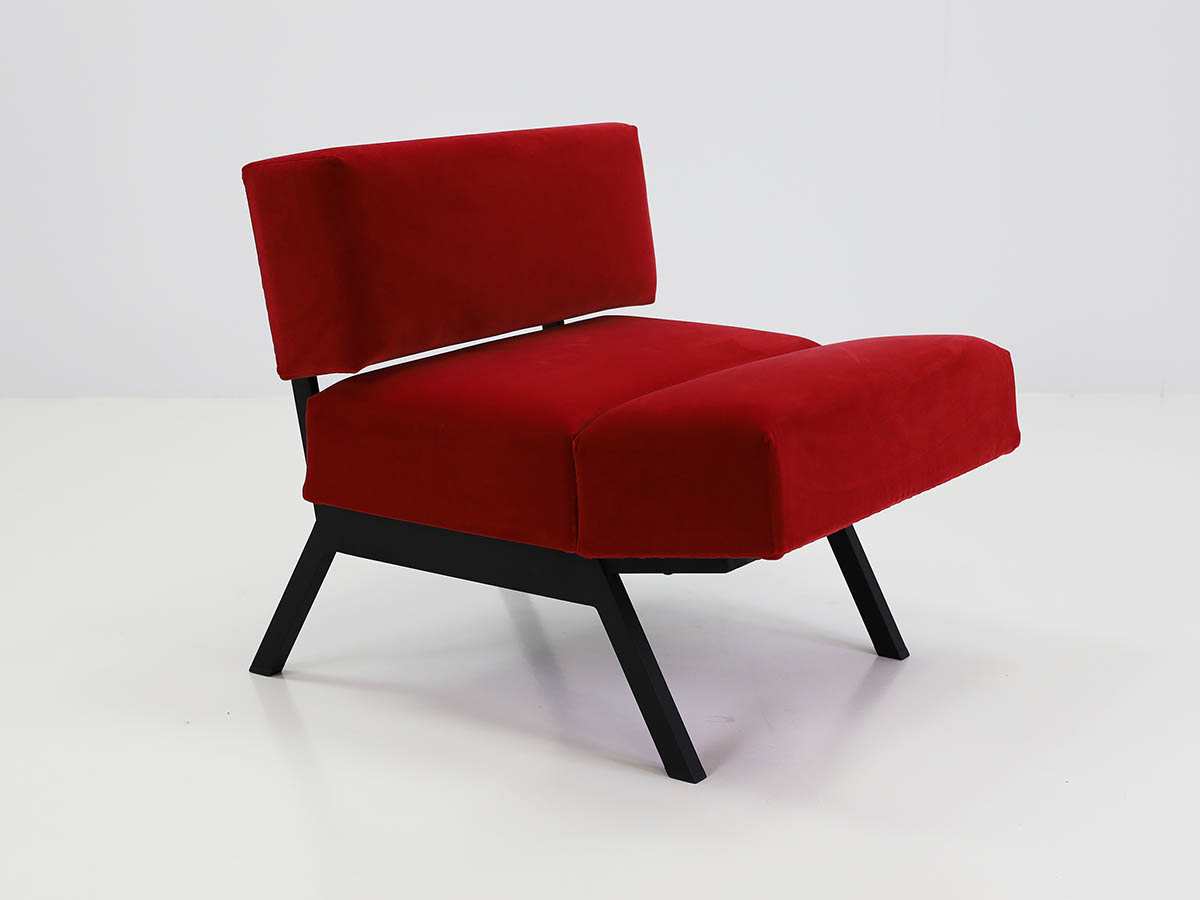
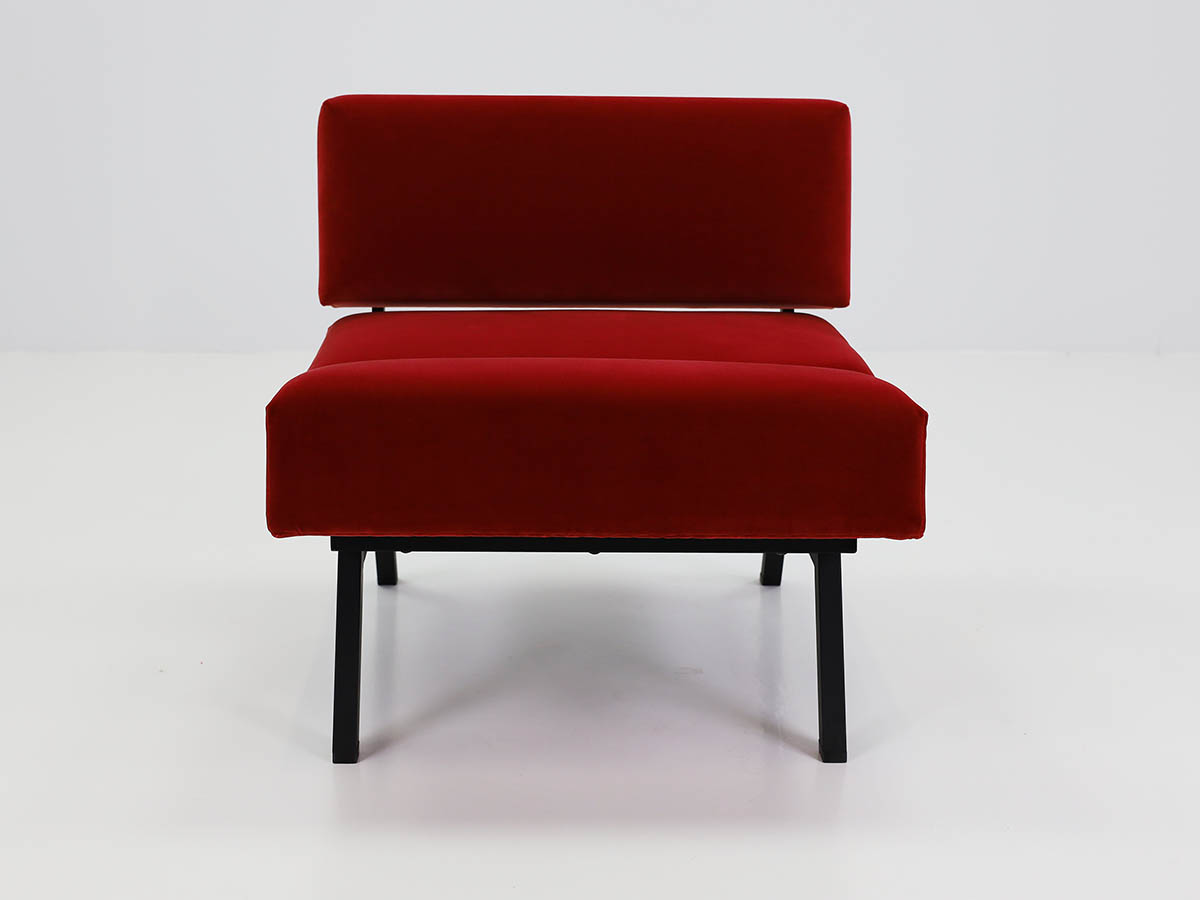
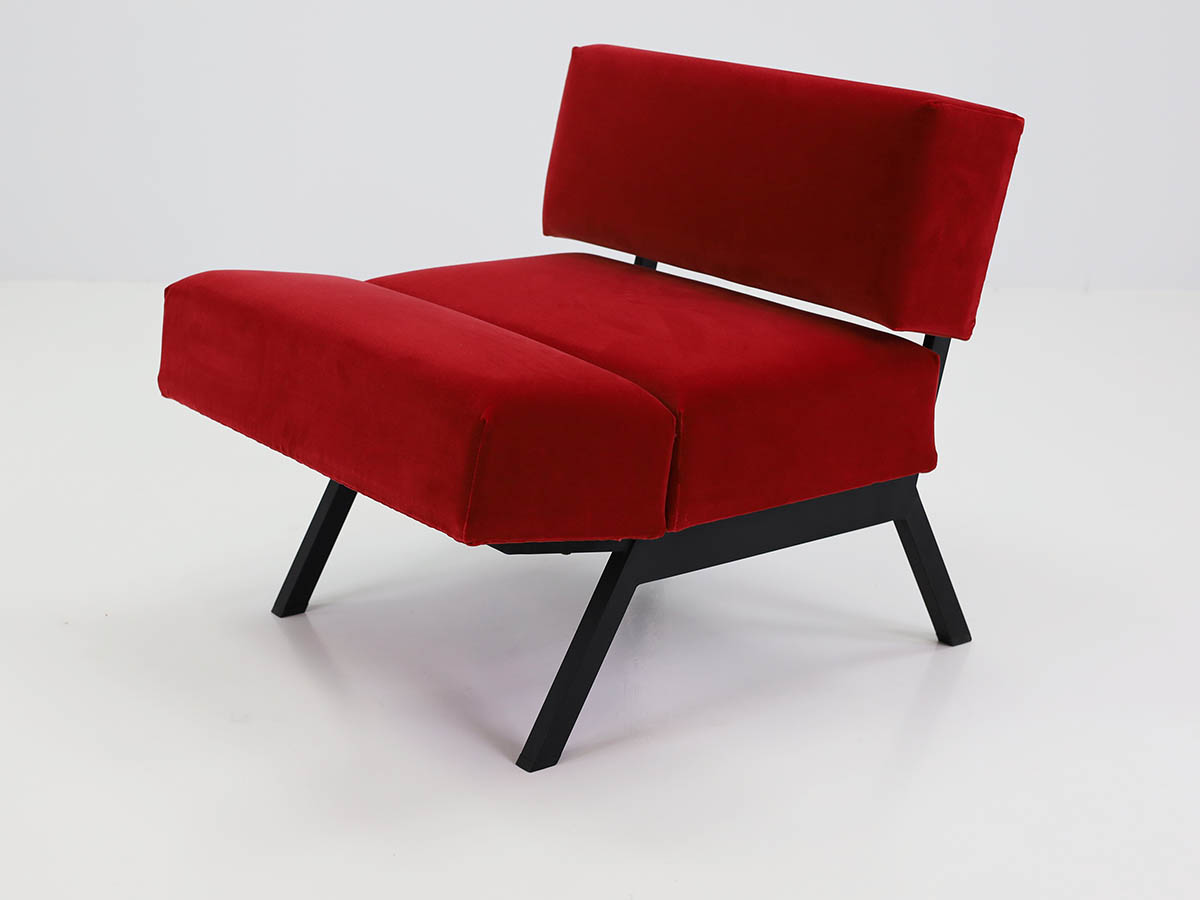
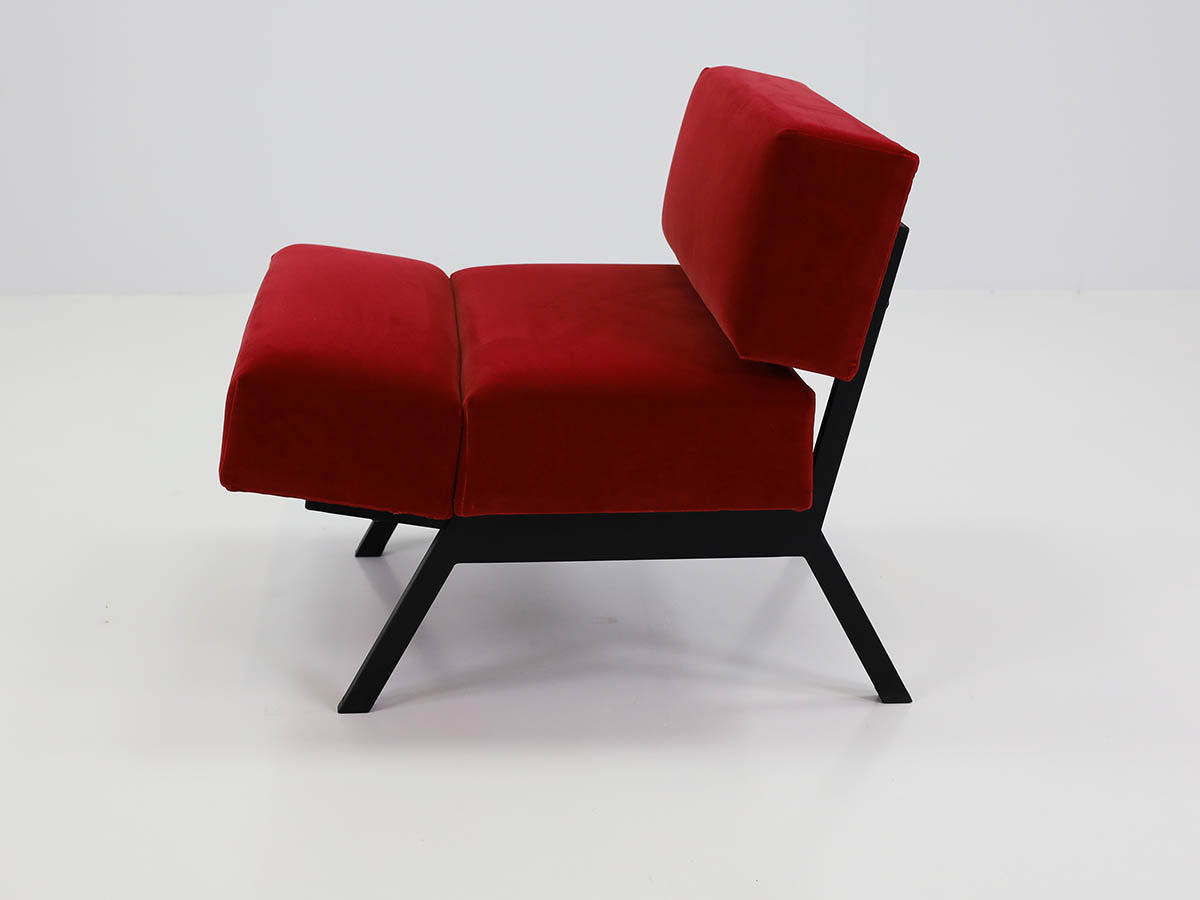
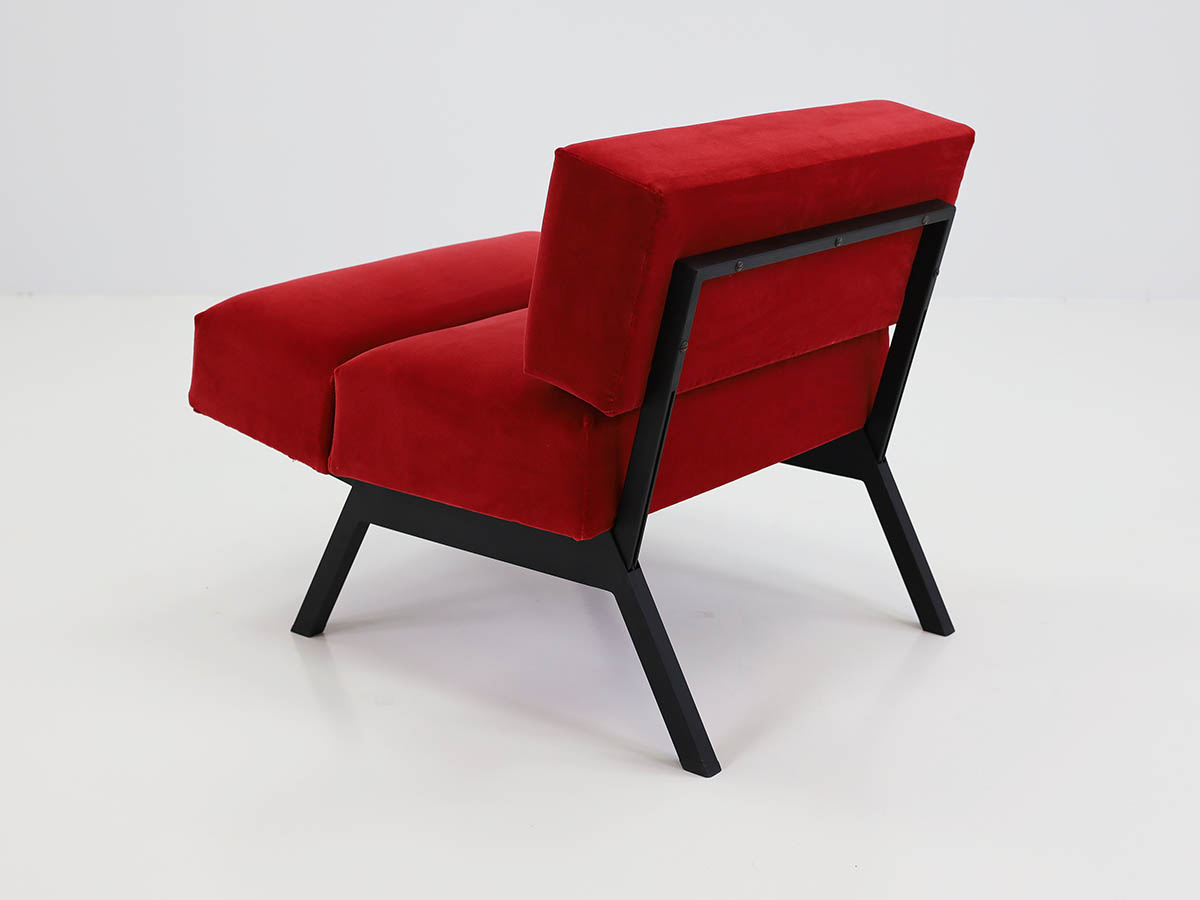
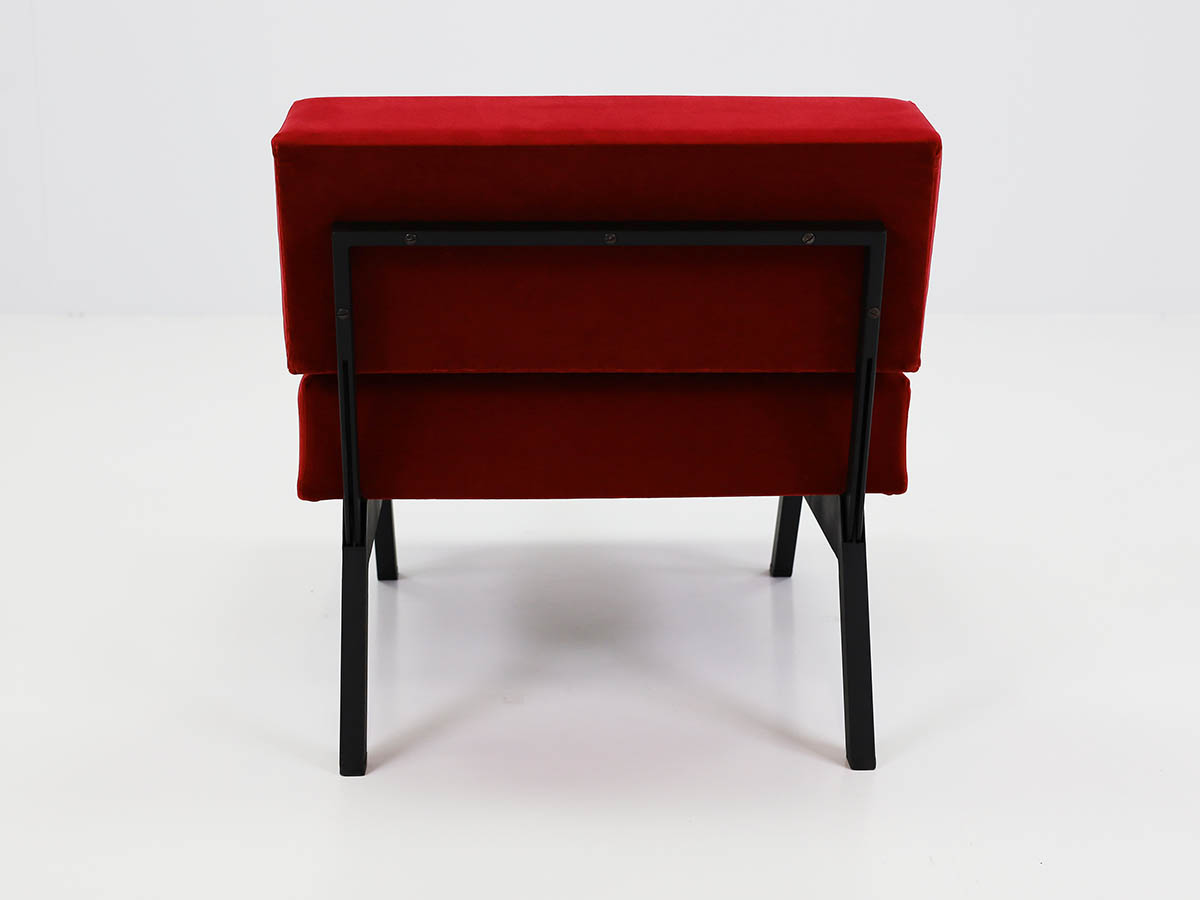
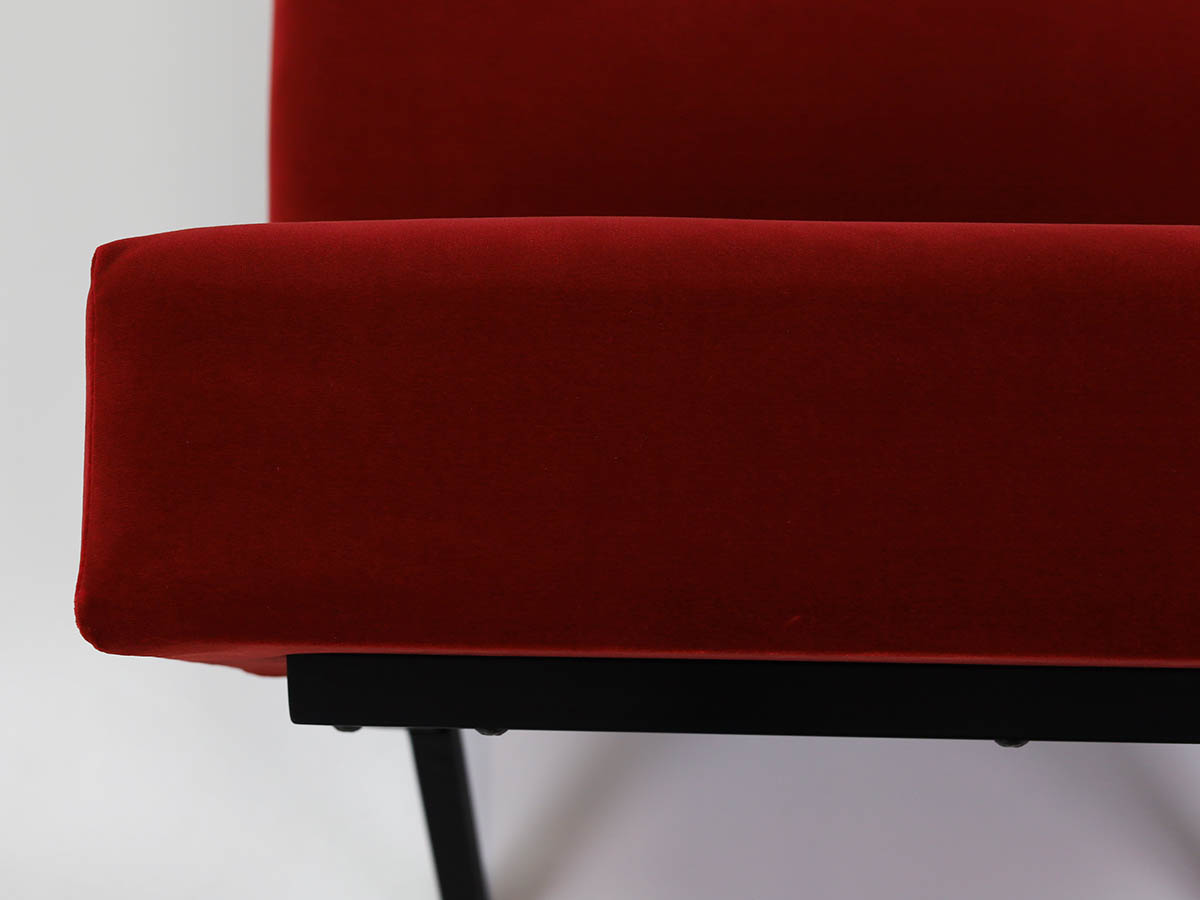
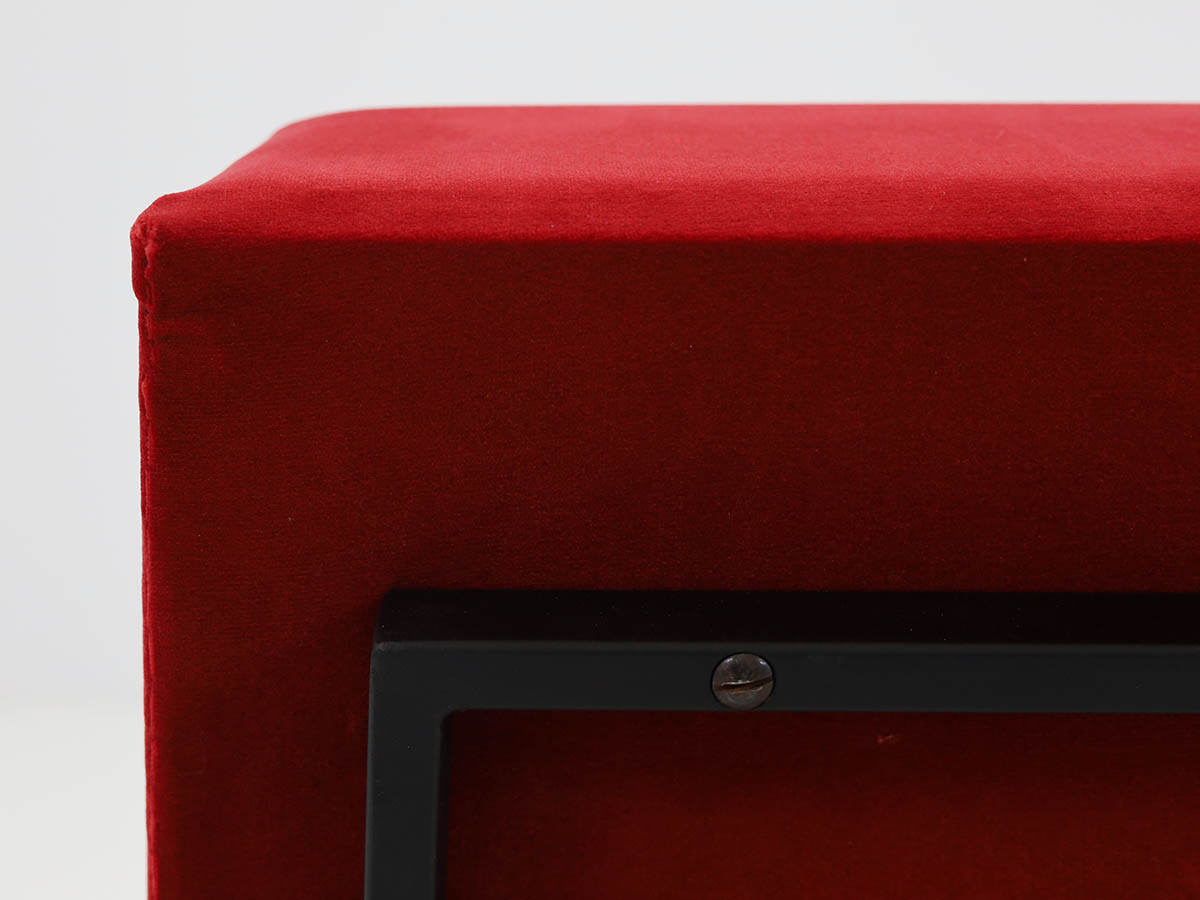
A landmark outcome of this collaboration was the Panchetto series, designed in the early 1960s. Characterized by a lightweight metal structure and an ingenious reclining mechanism, Panchetto embodied a new concept of adaptable furniture. The chair could easily transform into a bench, footrest, or modular seating element, reflecting a dynamic approach to interior design that was remarkably advanced for its time.
The Panchetto series stands as one of the most successful expressions of Rito Valla’s research into the relationship between form and function. Its balanced proportions, clean lines, and exceptional versatility continue to resonate with collectors, design historians, and enthusiasts of twentieth-century Italian design. Through Panchetto, Valla demonstrated how simplicity can generate innovation, creating a timeless furniture piece capable of adapting to changing spaces and lifestyles.