
Description
Ico Parisi – Italian Design, Architecture and Mid-Century Modern Furniture
Ico Parisi (1916–1996) was one of the most versatile and distinctive figures in Italian design and architecture of the 20th century. Architect, designer, photographer and artist, he developed a highly personal visual language that brought together architectural rigour, sculptural forms and an experimental approach to materials.
Born in Palermo and raised in Como, Parisi became closely connected to the vibrant cultural environment of post-war Italian design. His work was influenced by the rationalist movement, modern architecture and the artistic research of his time. In 1947, together with his wife Luisa Aiani, he founded the architectural studio La Ruota in Como, which became an important centre for experimentation in interior design, furniture and contemporary living.
Throughout his career, Parisi explored the relationship between architecture and furniture, creating pieces in which proportions, structures and materials were carefully balanced. His designs are characterised by elegant geometries, refined craftsmanship and an unmistakable sculptural quality. Rosewood, walnut, glass, metal and innovative construction techniques frequently featured in his furniture, reflecting his interest in both natural materials and modern industrial production.
His furniture designs are particularly sought after by collectors of Italian Mid-Century Modern design. Tables, chairs, armchairs and cabinets reveal a distinctive combination of functionality and artistic expression, where even the smallest structural detail contributes to the overall composition.
The collaboration with Cassina and the 751 coffee table
Among Parisi’s most significant industrial collaborations was his relationship with Cassina, the renowned Italian furniture manufacturer based in Meda. Their collaboration gave rise to furniture designs that combined Parisi’s architectural sensibility with Cassina’s expertise in fine woodworking and high-quality manufacturing.
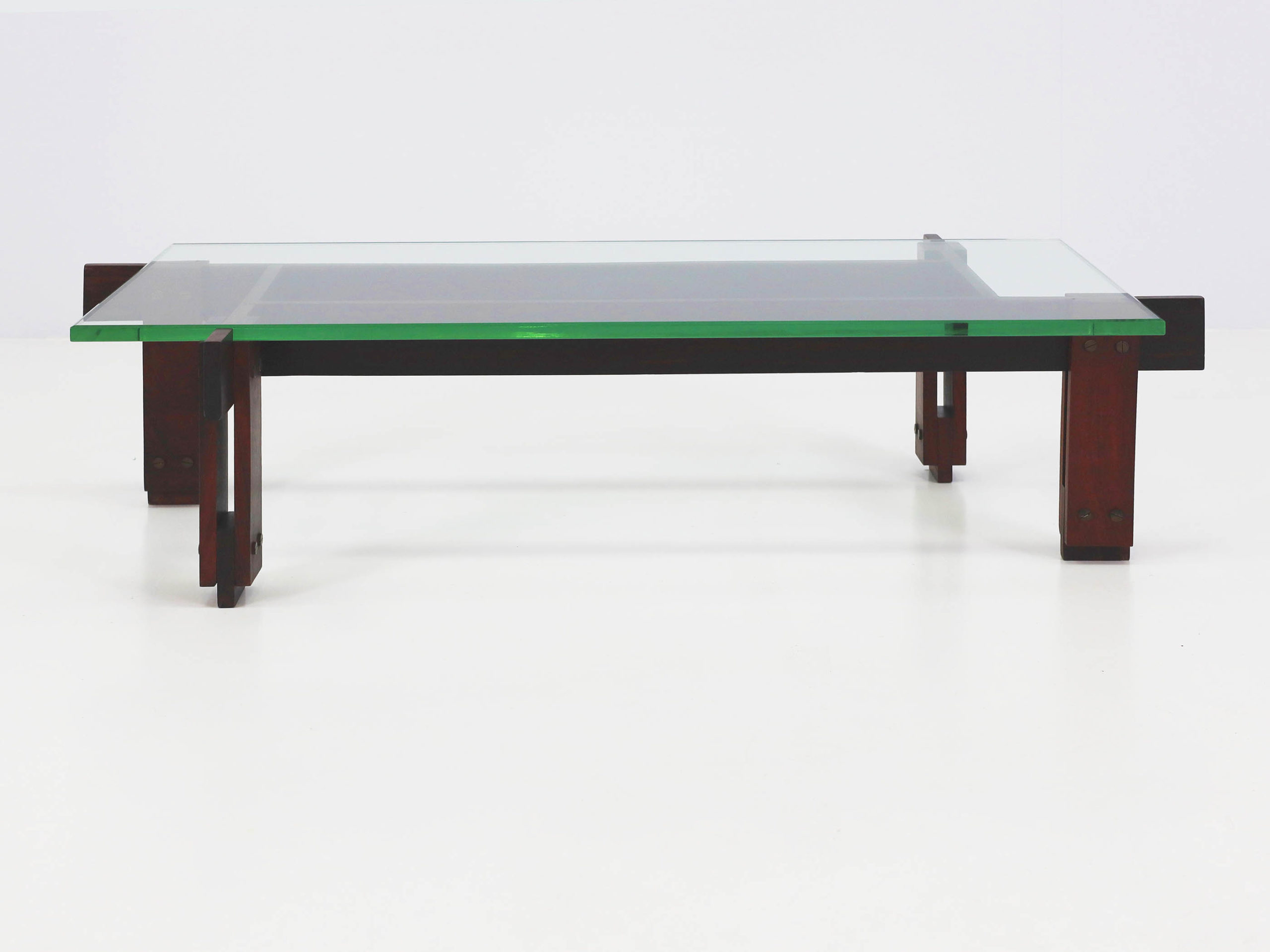
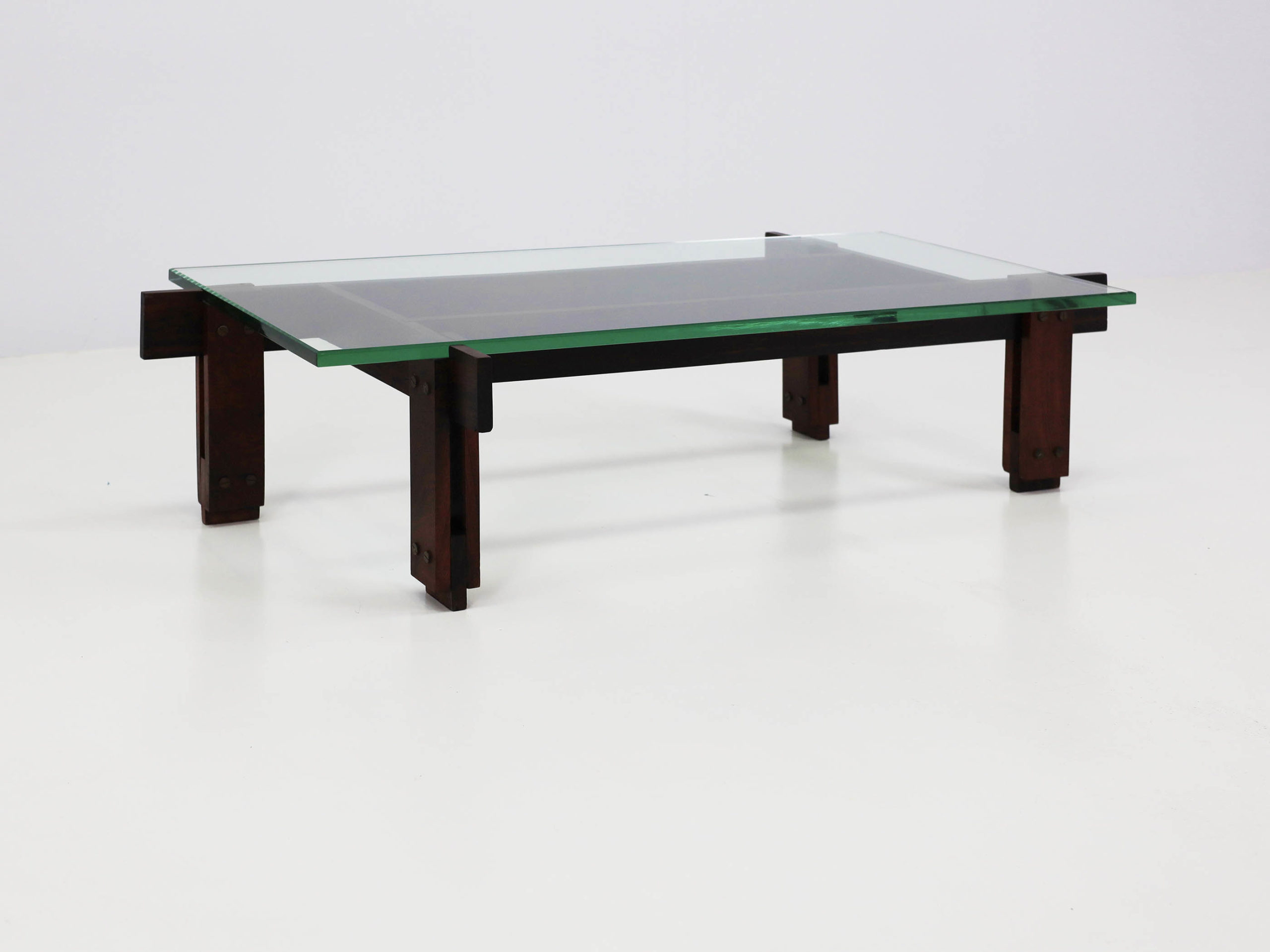
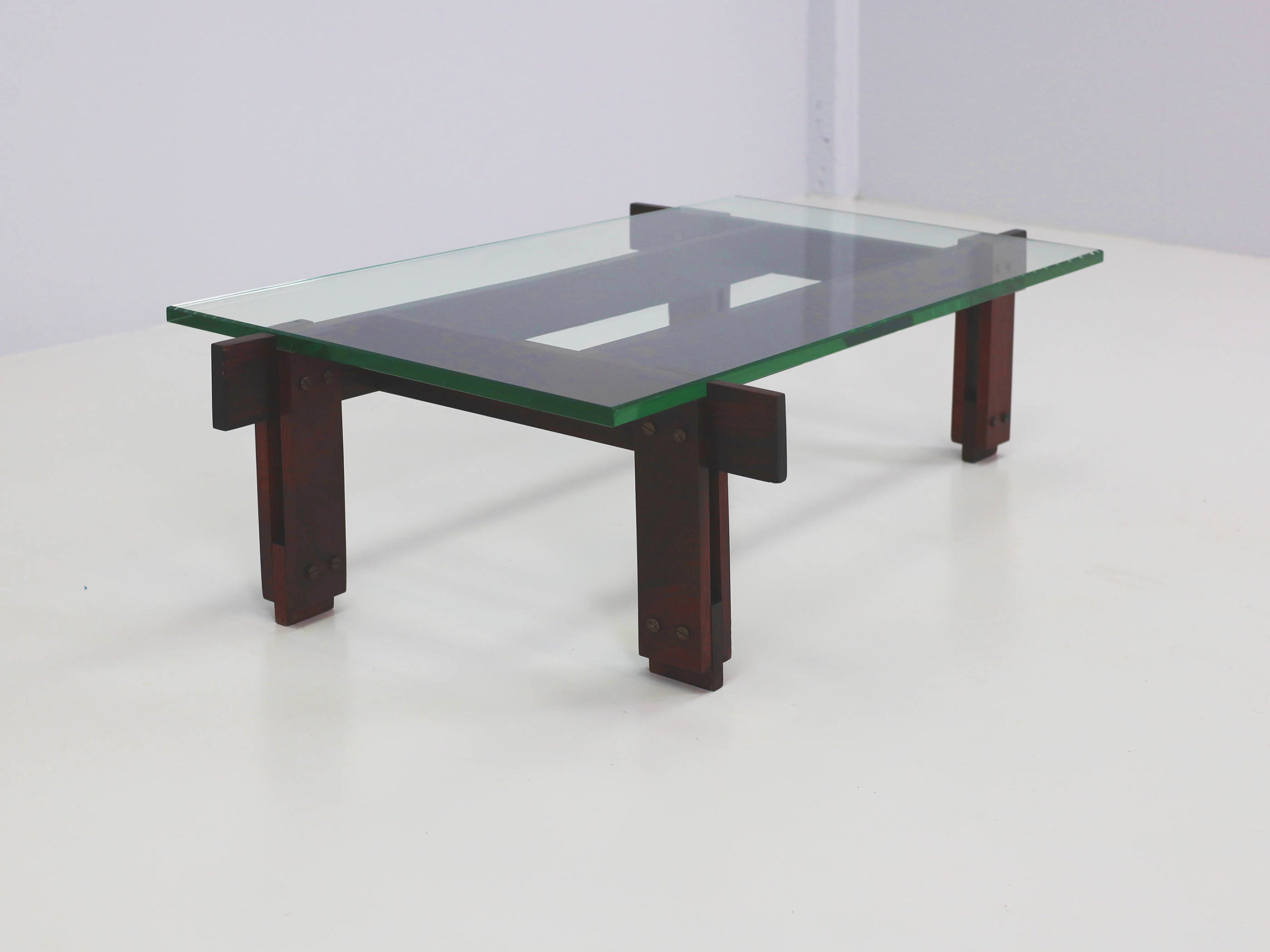
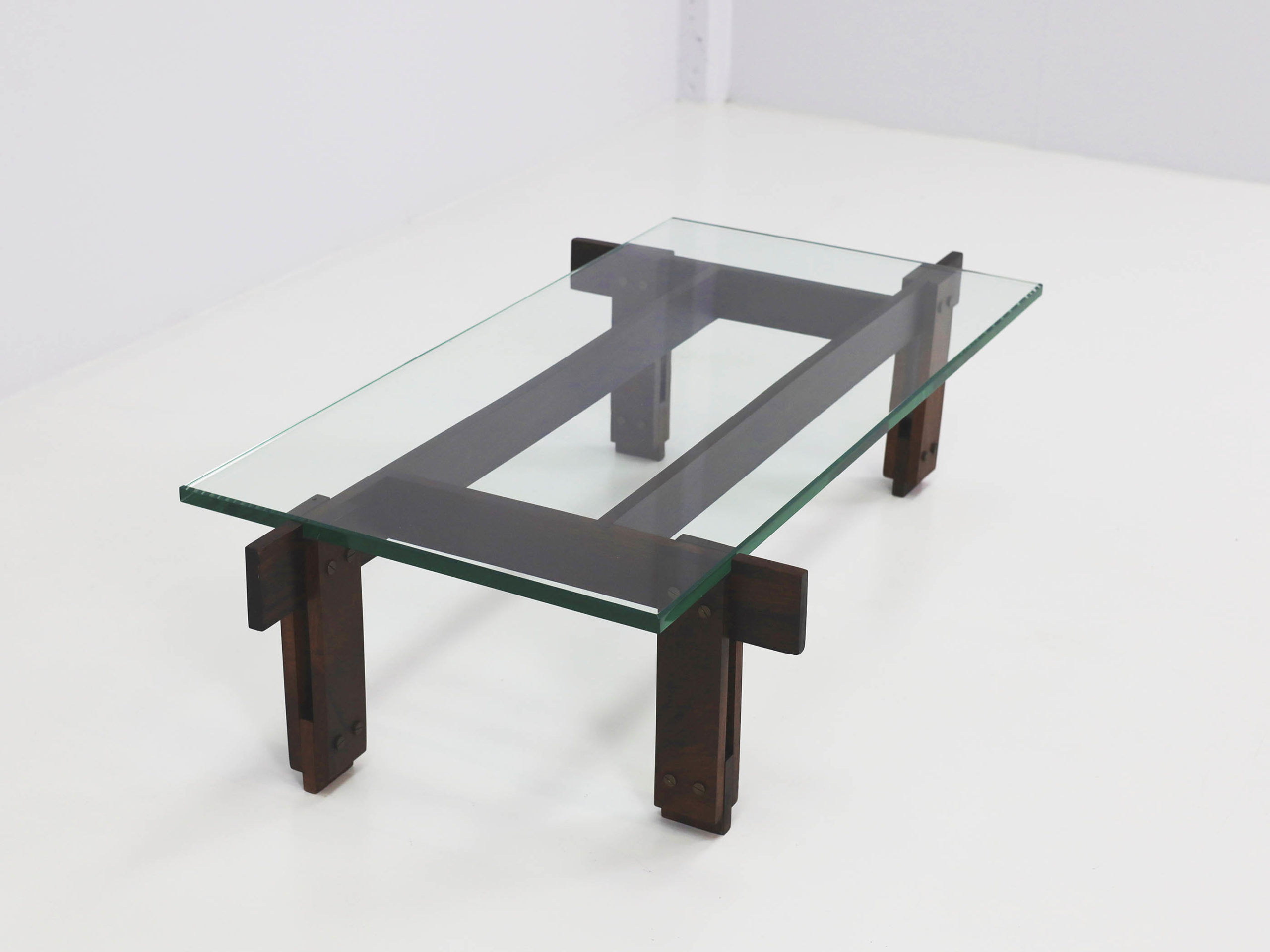
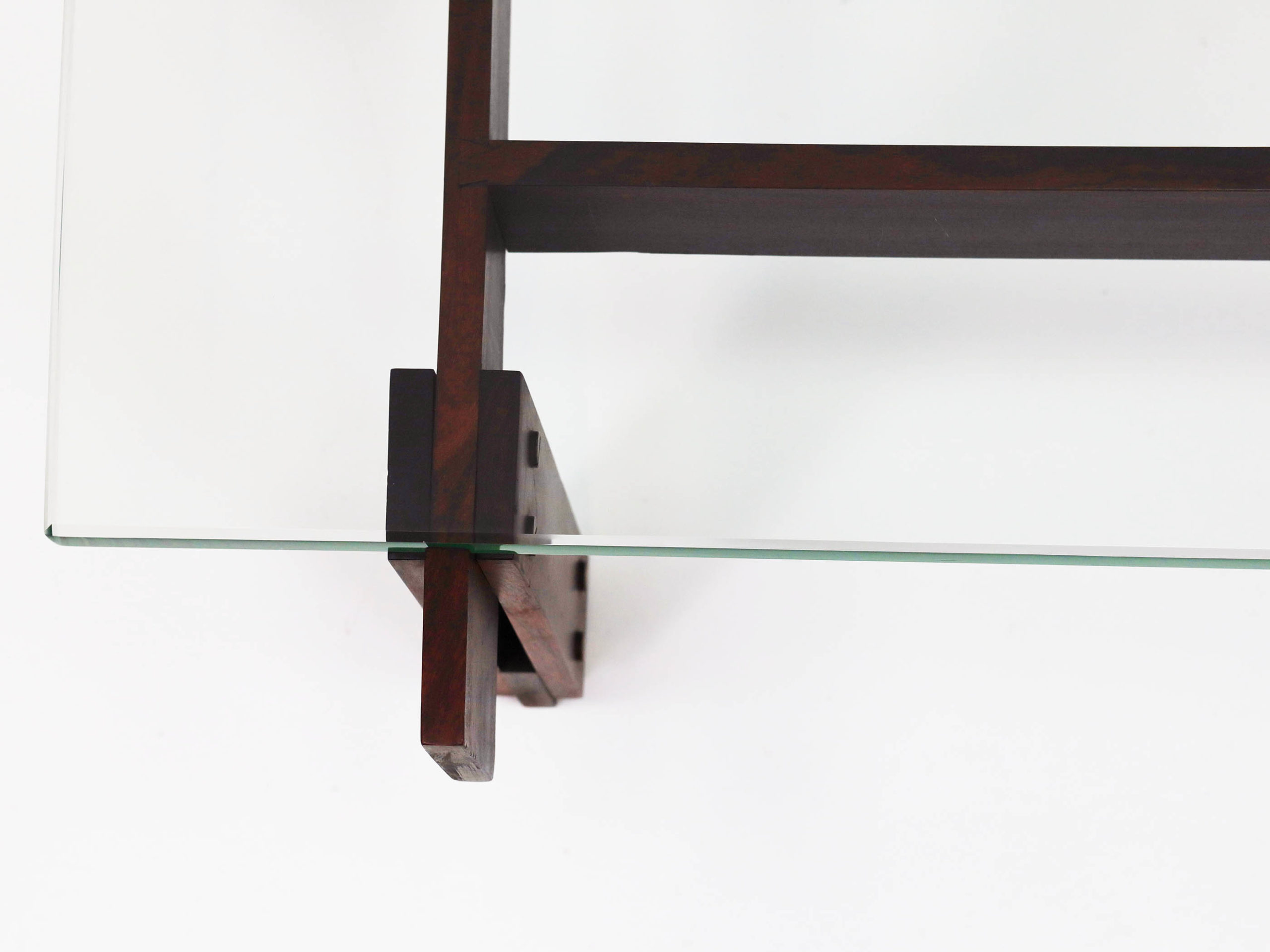
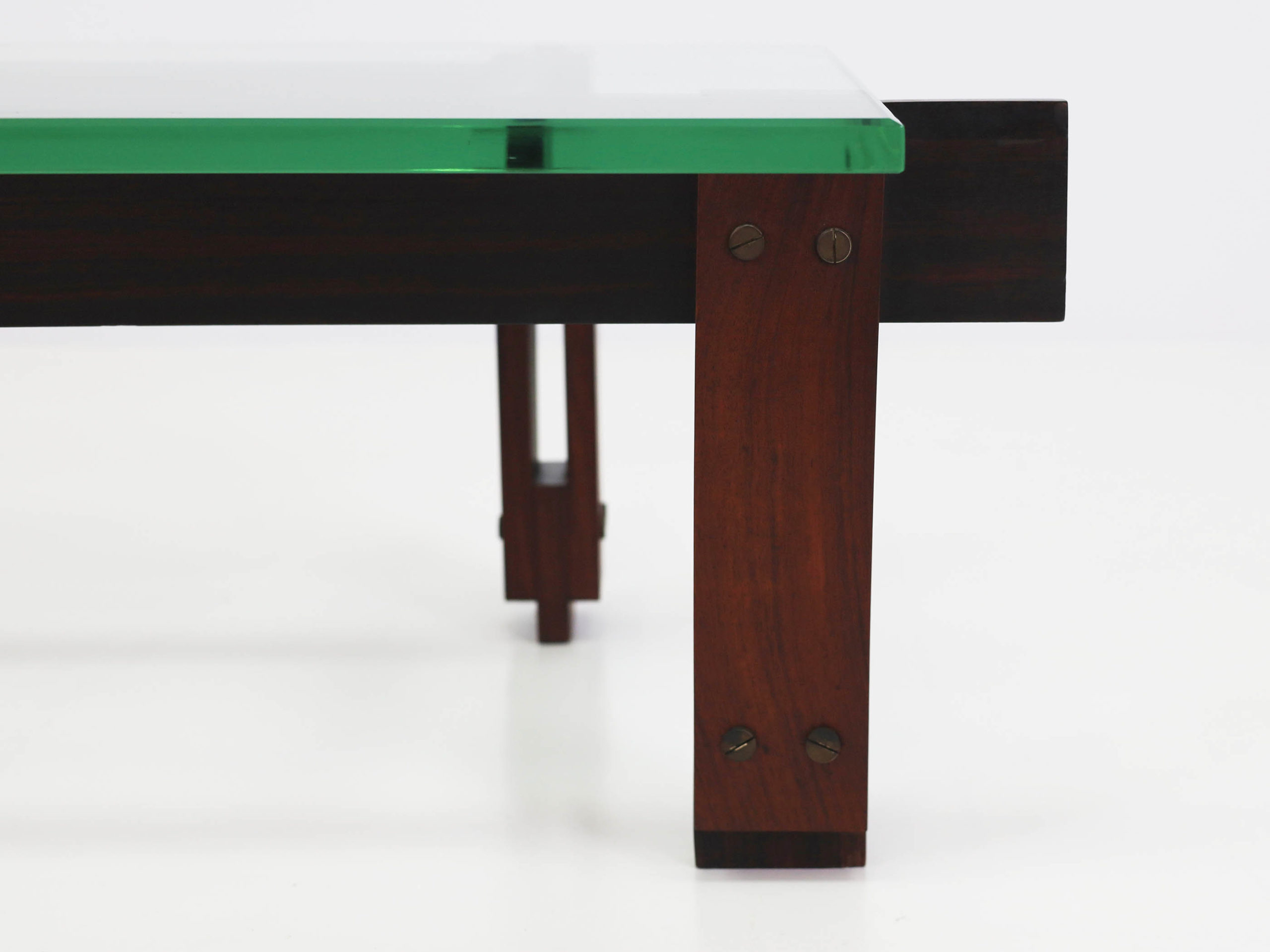
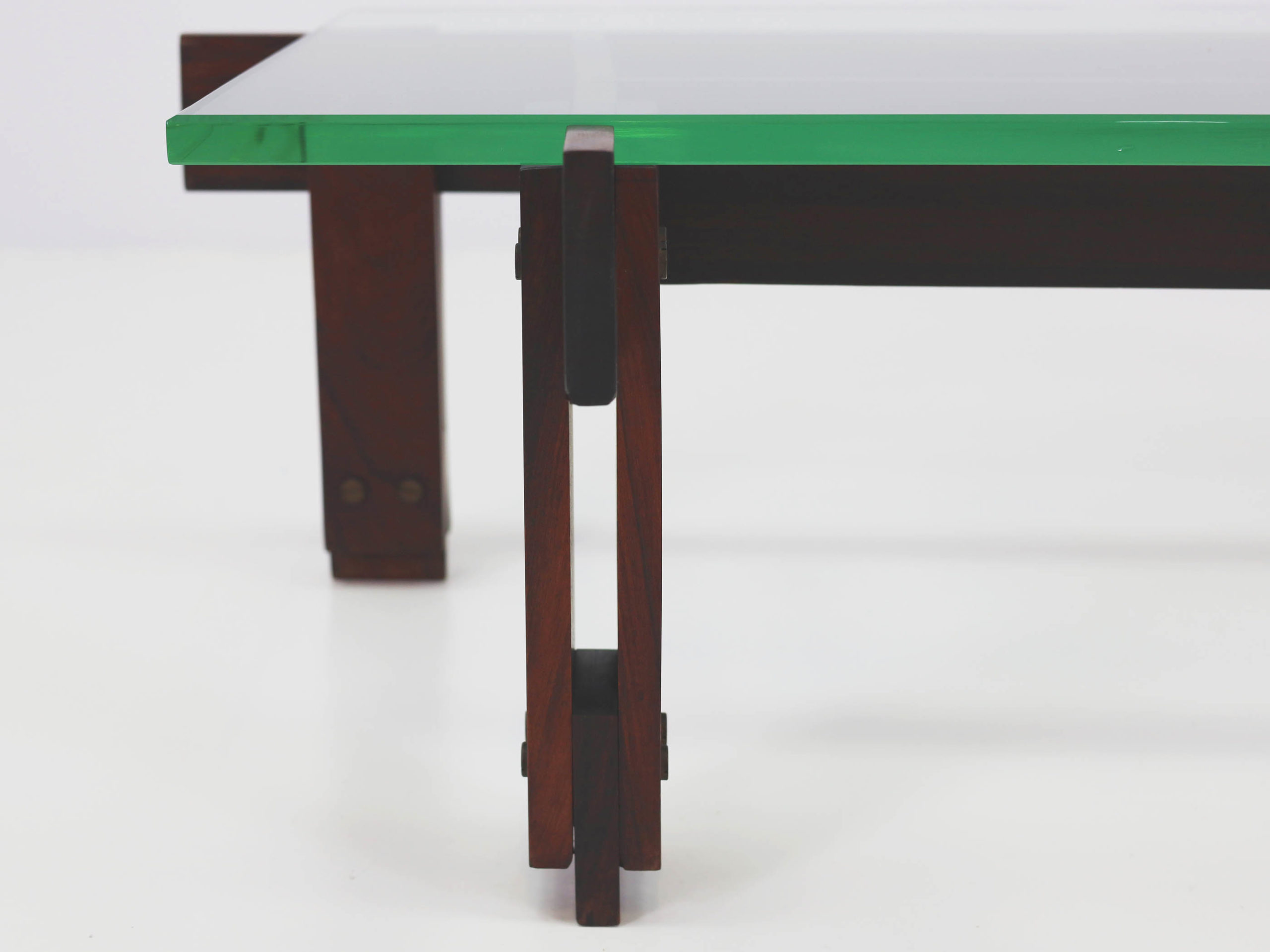
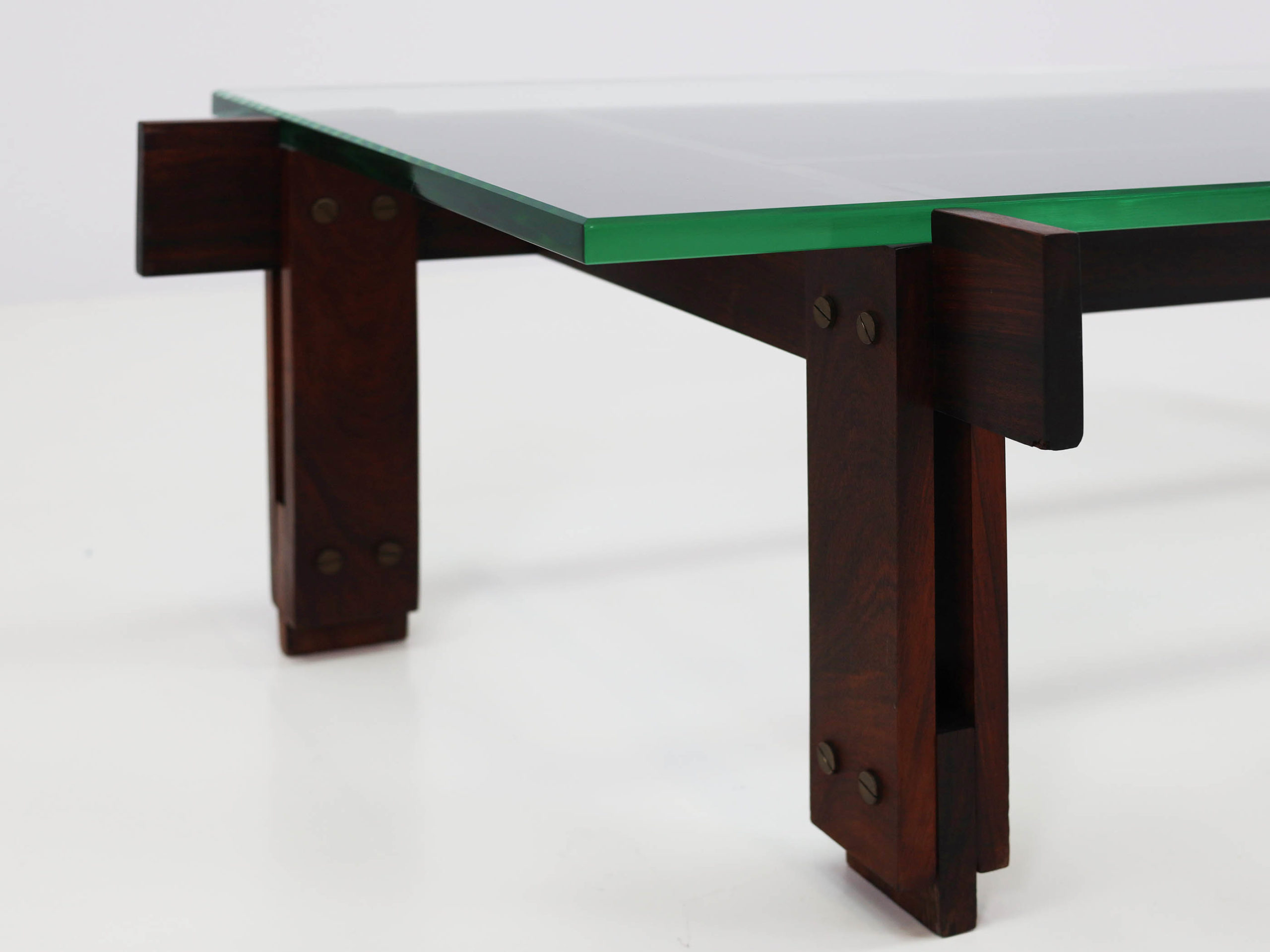
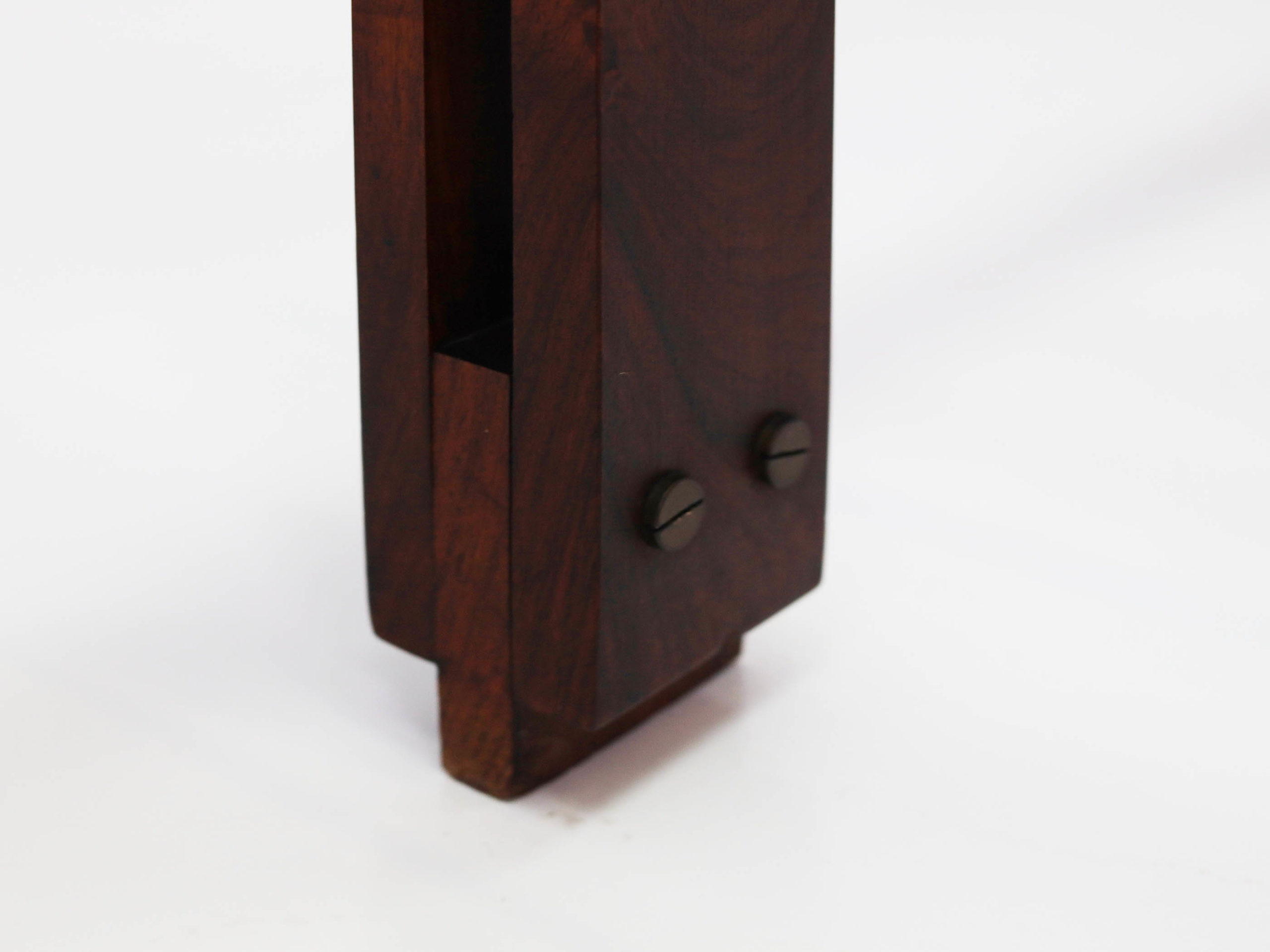
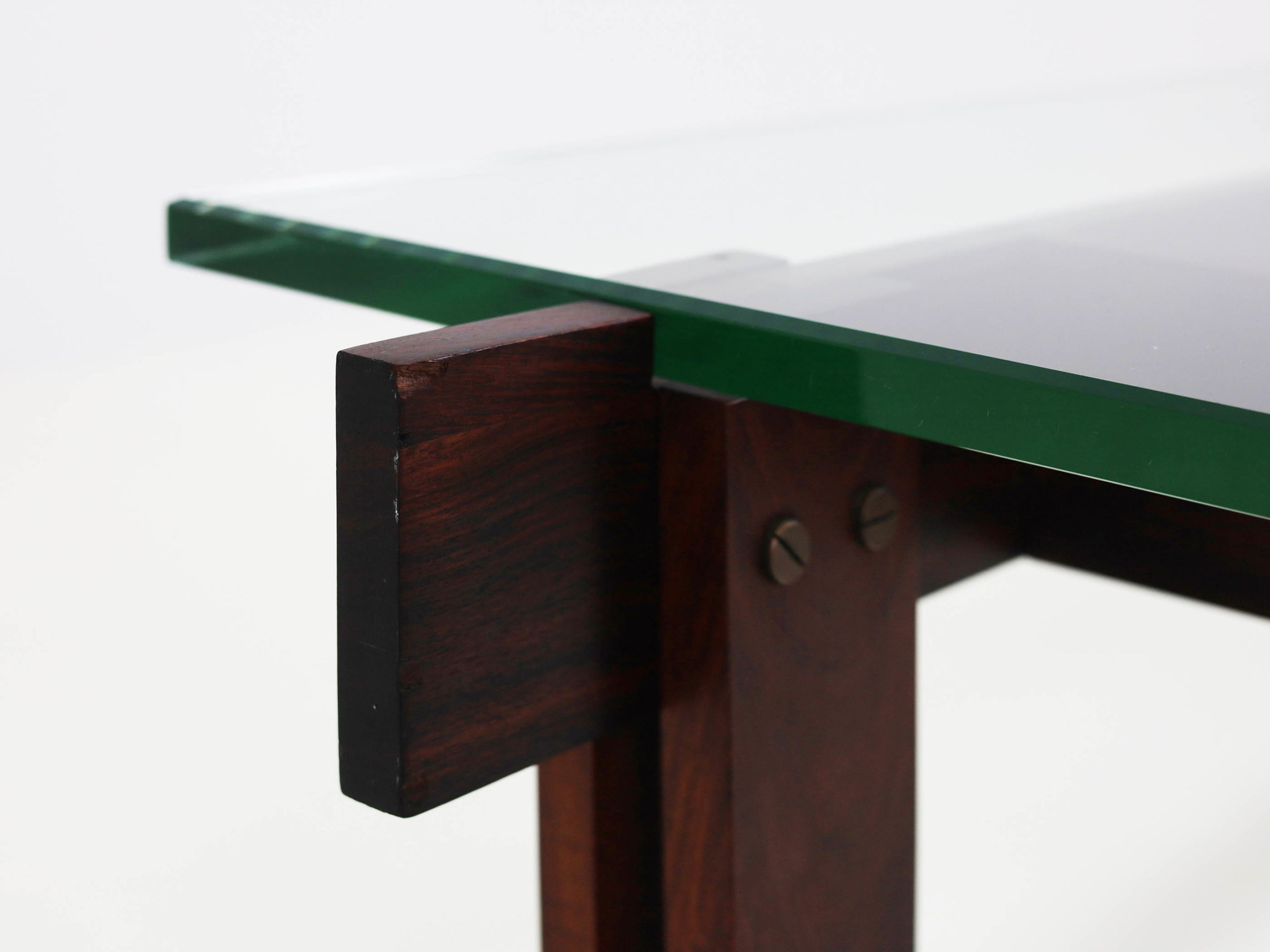
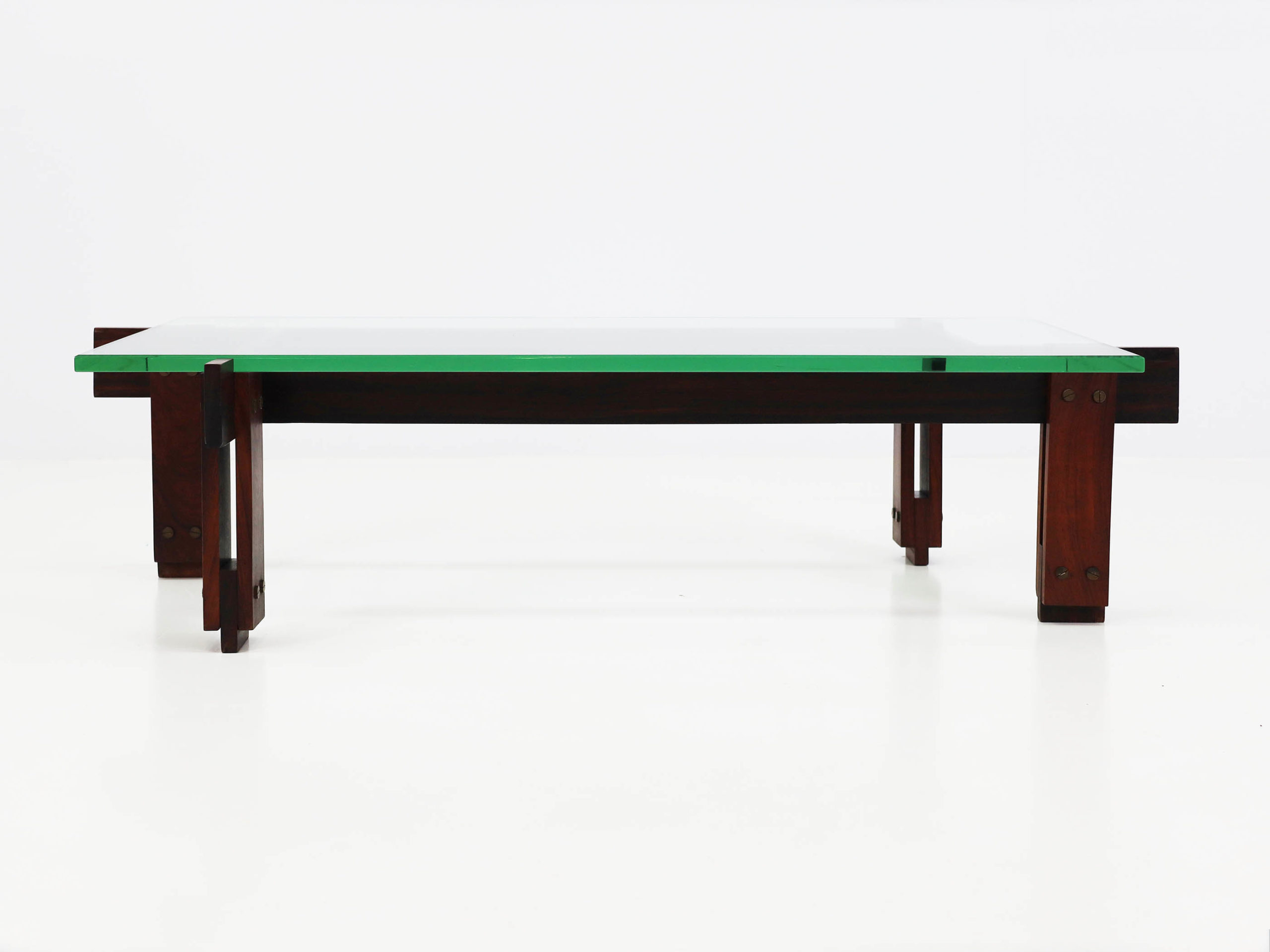
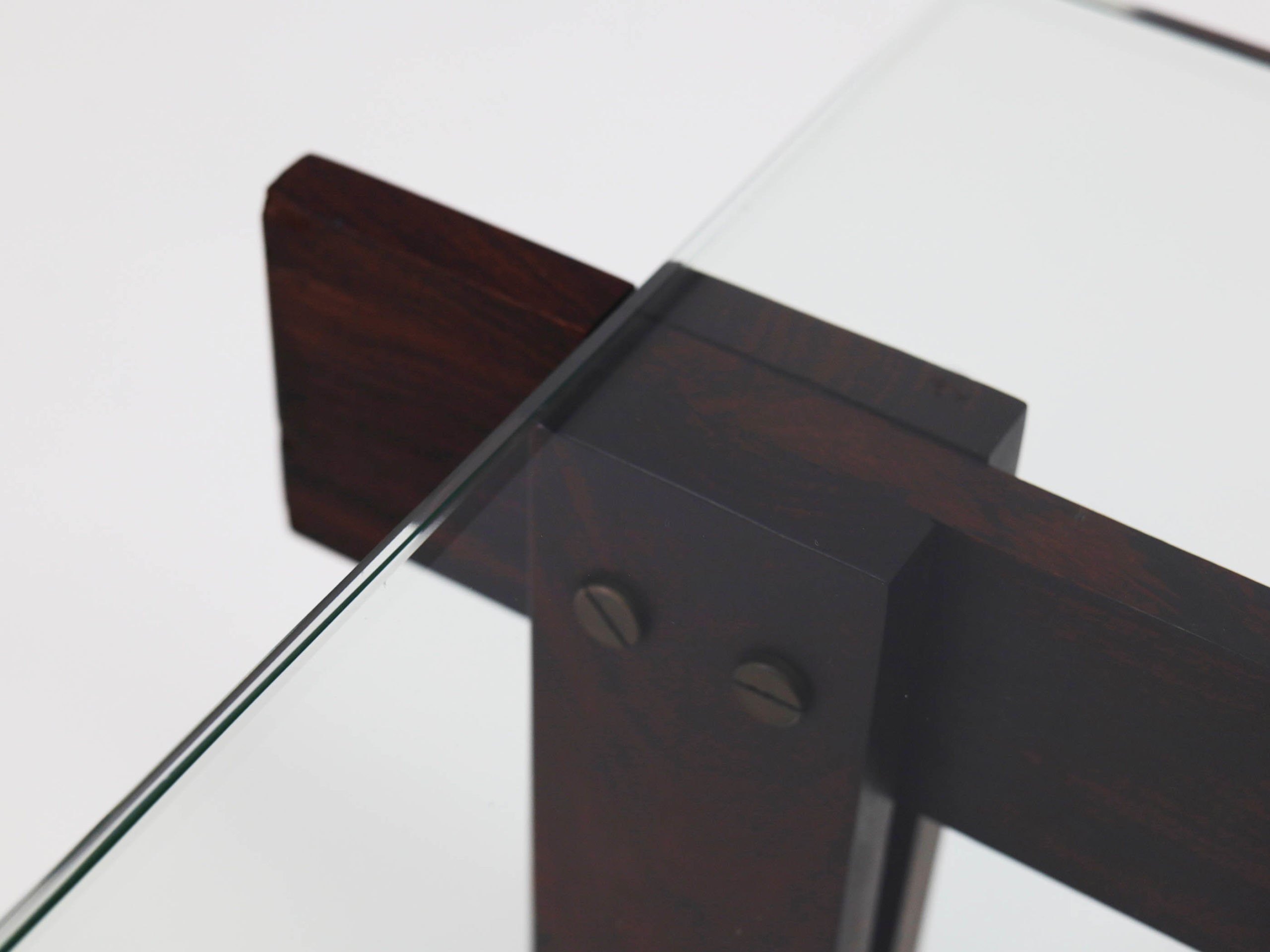
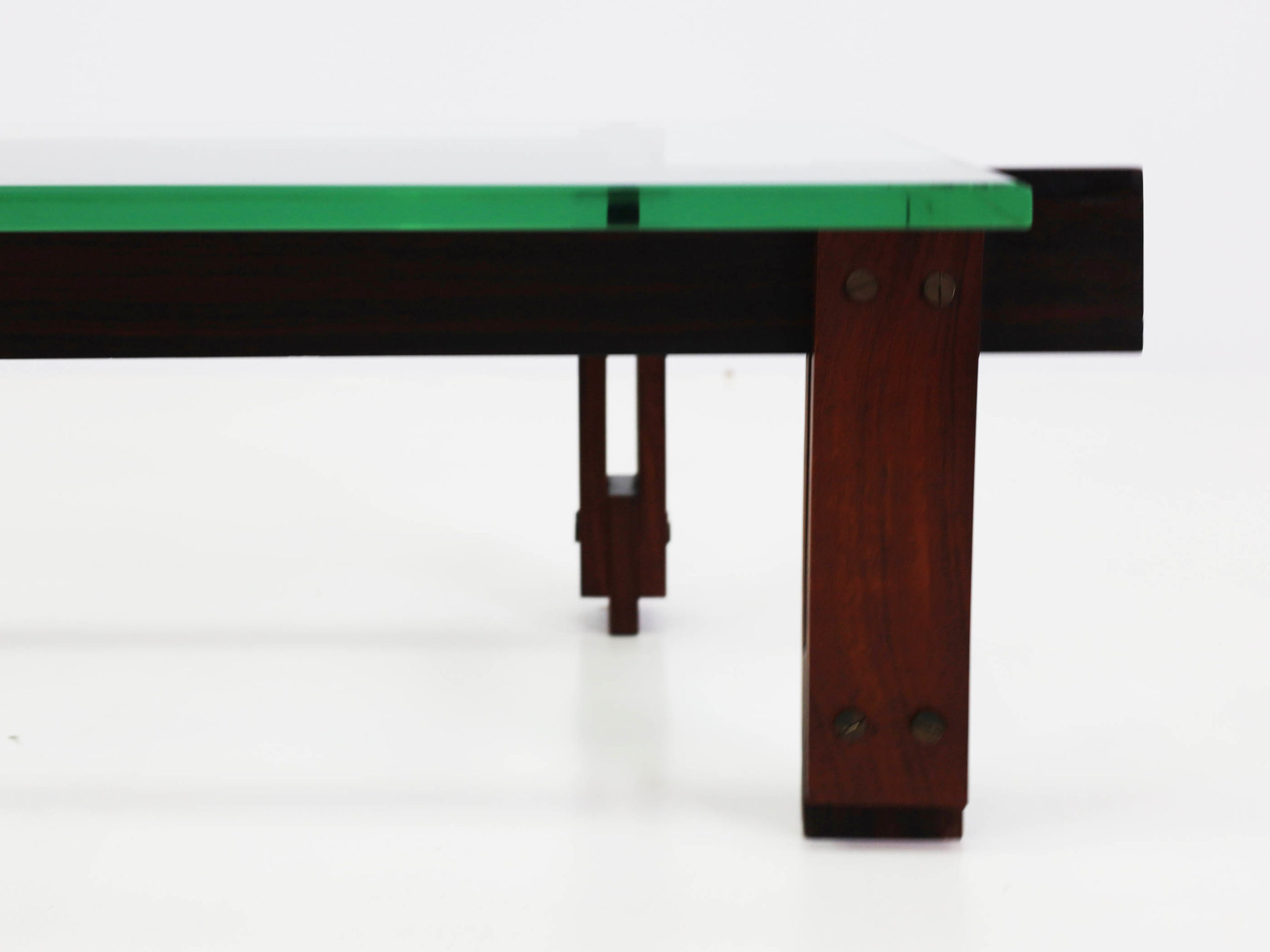
The model 751 coffee table, designed in 1961 and produced by Cassina in 1961–1962, is a particularly elegant expression of this collaboration. Crafted in precious rosewood, it features a distinctive architectural structure, with carefully arranged wooden elements creating a rhythmic interplay of volumes and proportions. The substantial glass top adds visual lightness while allowing the sculptural wooden framework to remain fully visible.
First documented in Domus 399, February 1963, page d/104, and subsequently included in the Cassina catalogue of 1967, the 751 perfectly illustrates Parisi’s ability to transform a functional piece of furniture into an architectural composition.