

Sergio Mazza (1931–) – Italian Design, Lighting and Modernism


Sergio Mazza (Milan, 1931) is one of the leading figures of post-war Italian design, particularly renowned for his work in lighting, furniture, and industrial design. He began his independent professional career in 1955 and, from 1961, collaborated with Giuliana Gramigna as part of Studio SMC, developing a distinctive body of work characterized by refined materials, clean geometric forms, and a strong focus on functionality.


Sergio Mazza and Artemide


Mazza’s collaboration with Artemide represents one of the most significant chapters of his career. His work contributed to the development of the company’s early lighting collection and helped establish Artemide as an important name in Italian design. Among his best-known projects are the Alfa table lamp, designed in 1959, and the Delta lamp of 1960, which received a Compasso d’Oro mention in the same year.


The Alfetta Table Lamps


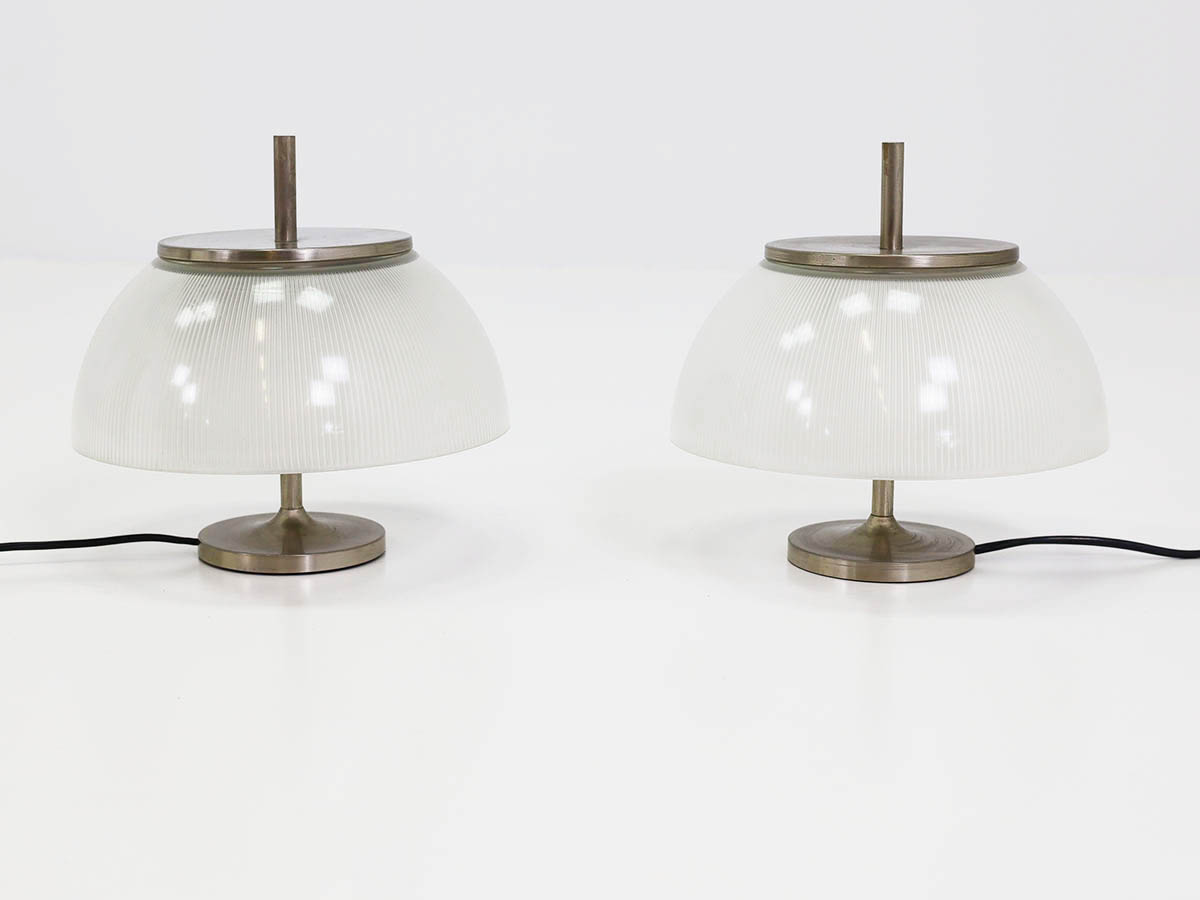
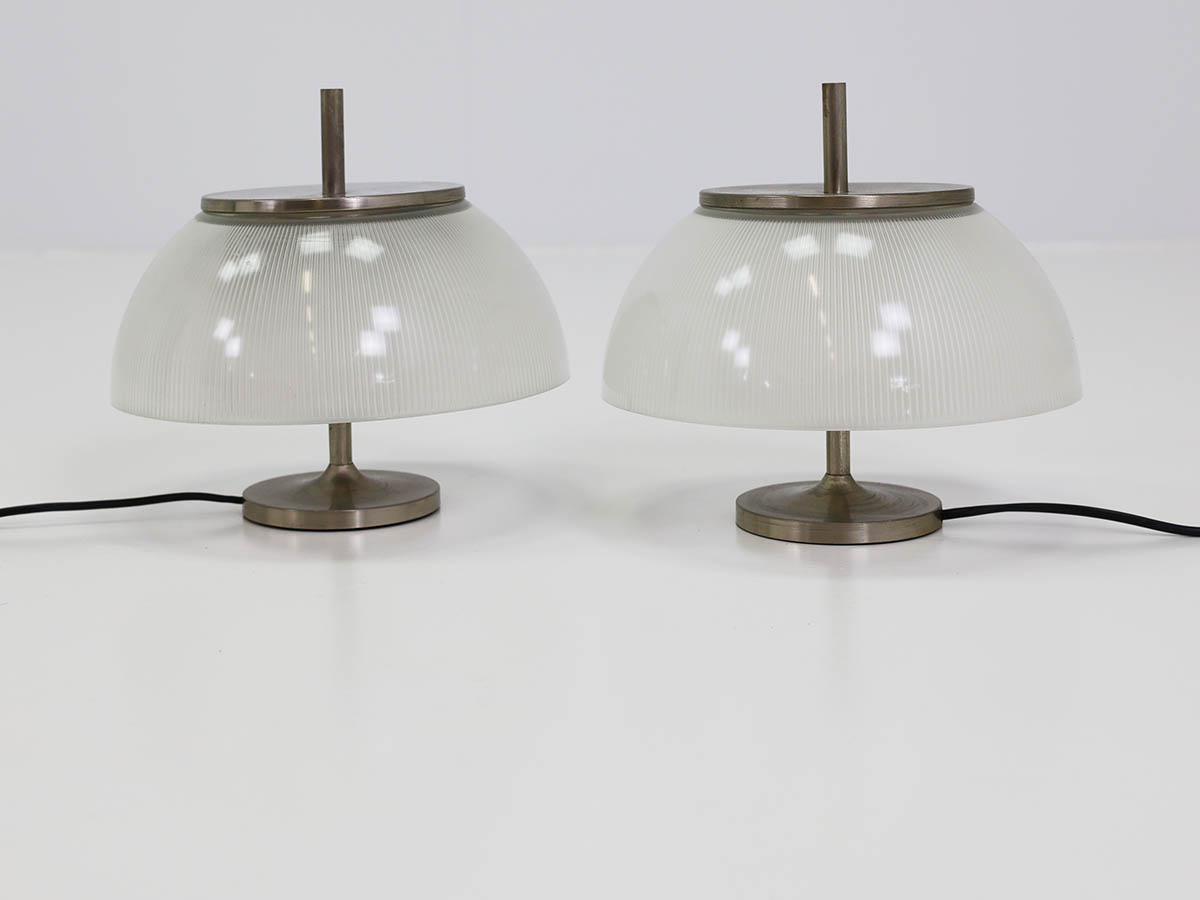
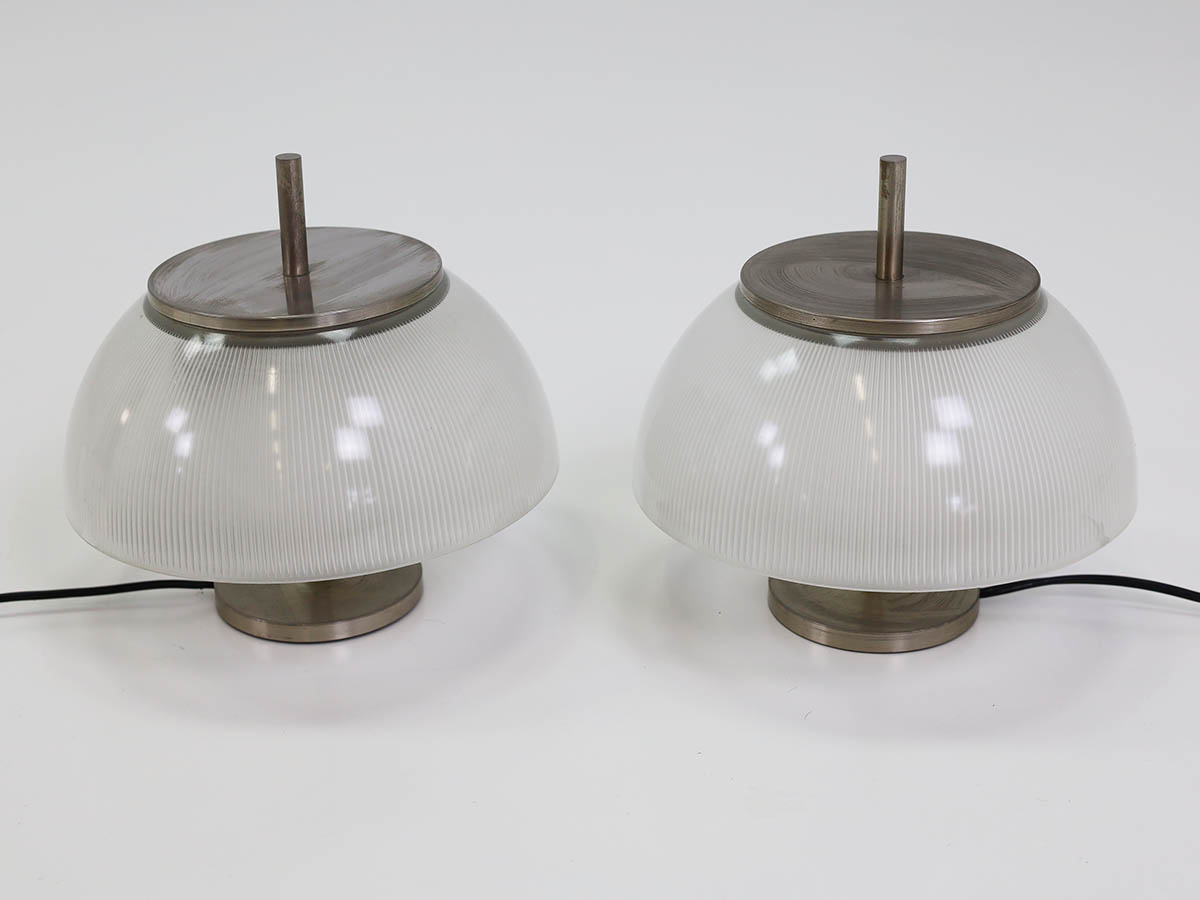
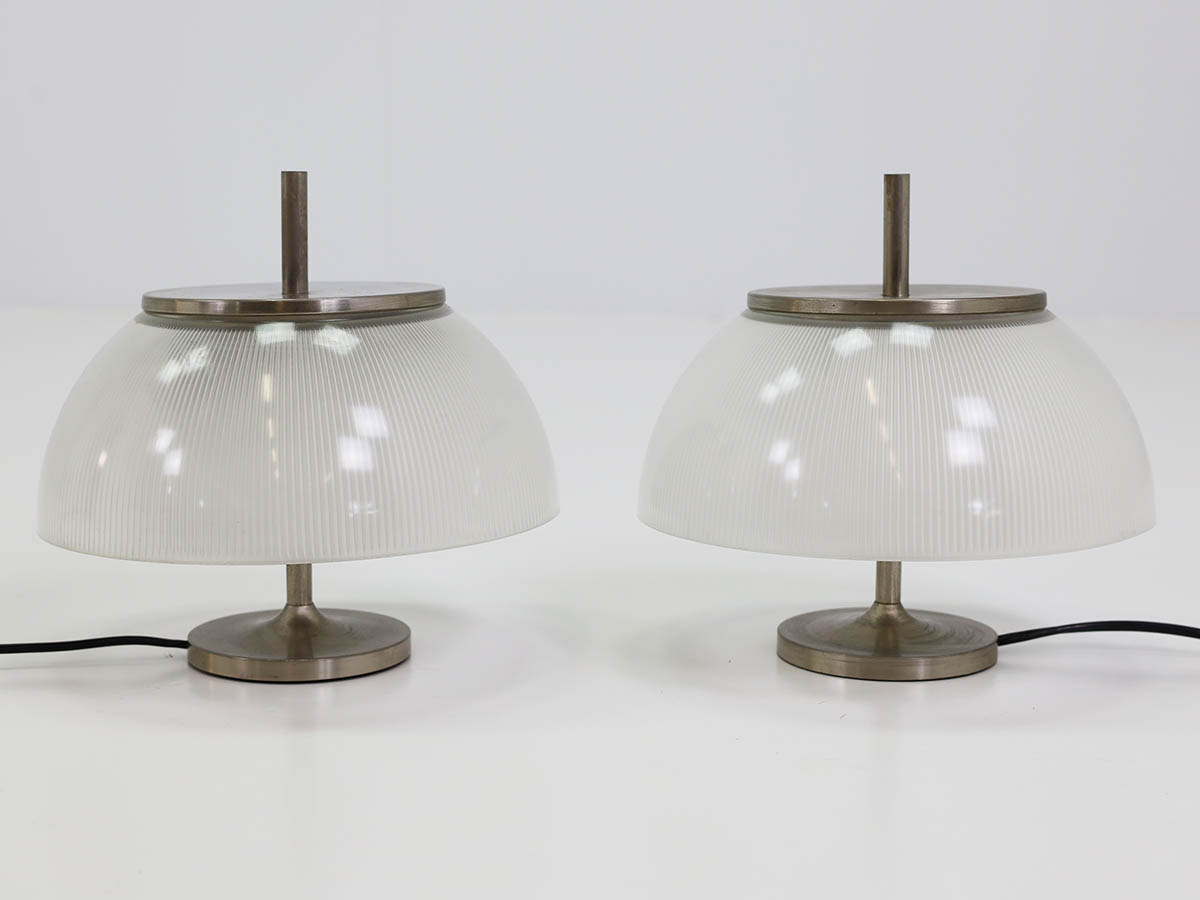
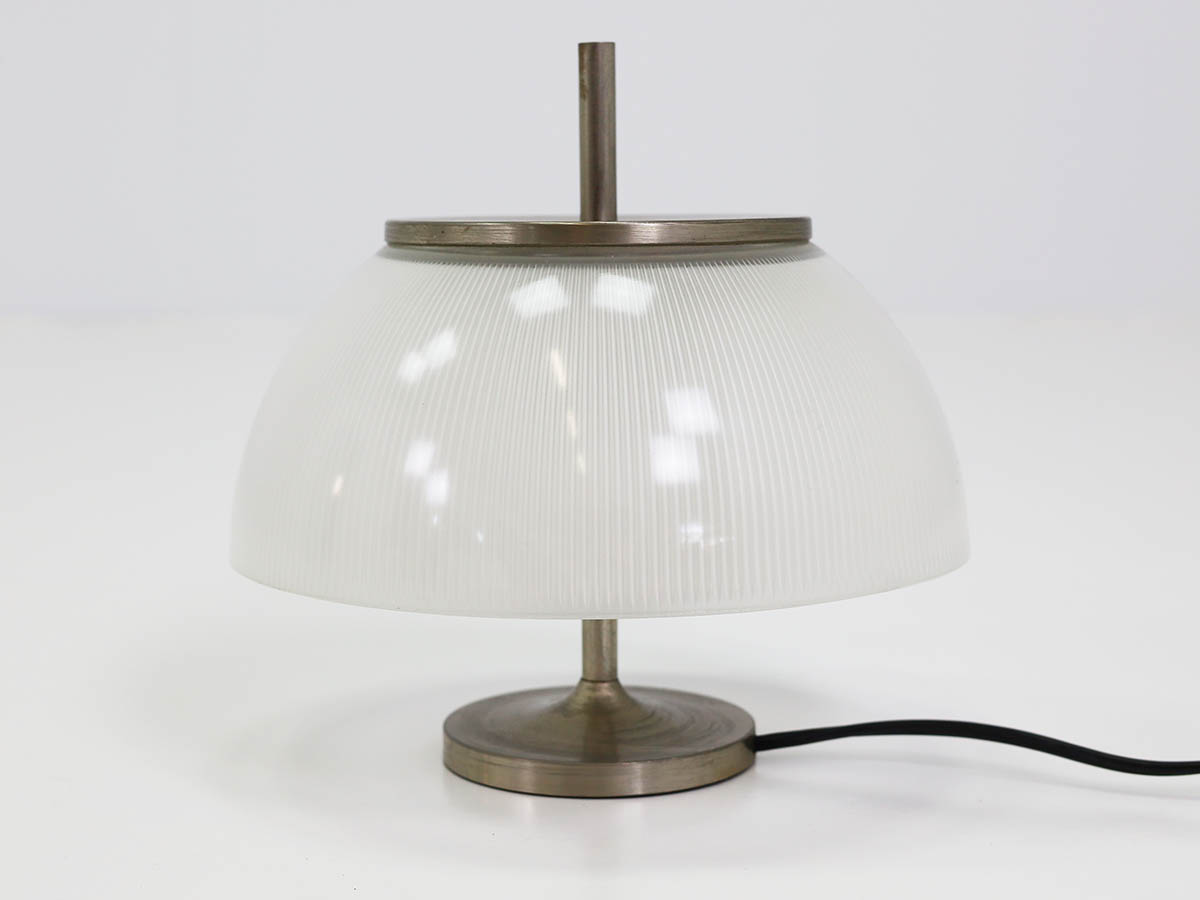
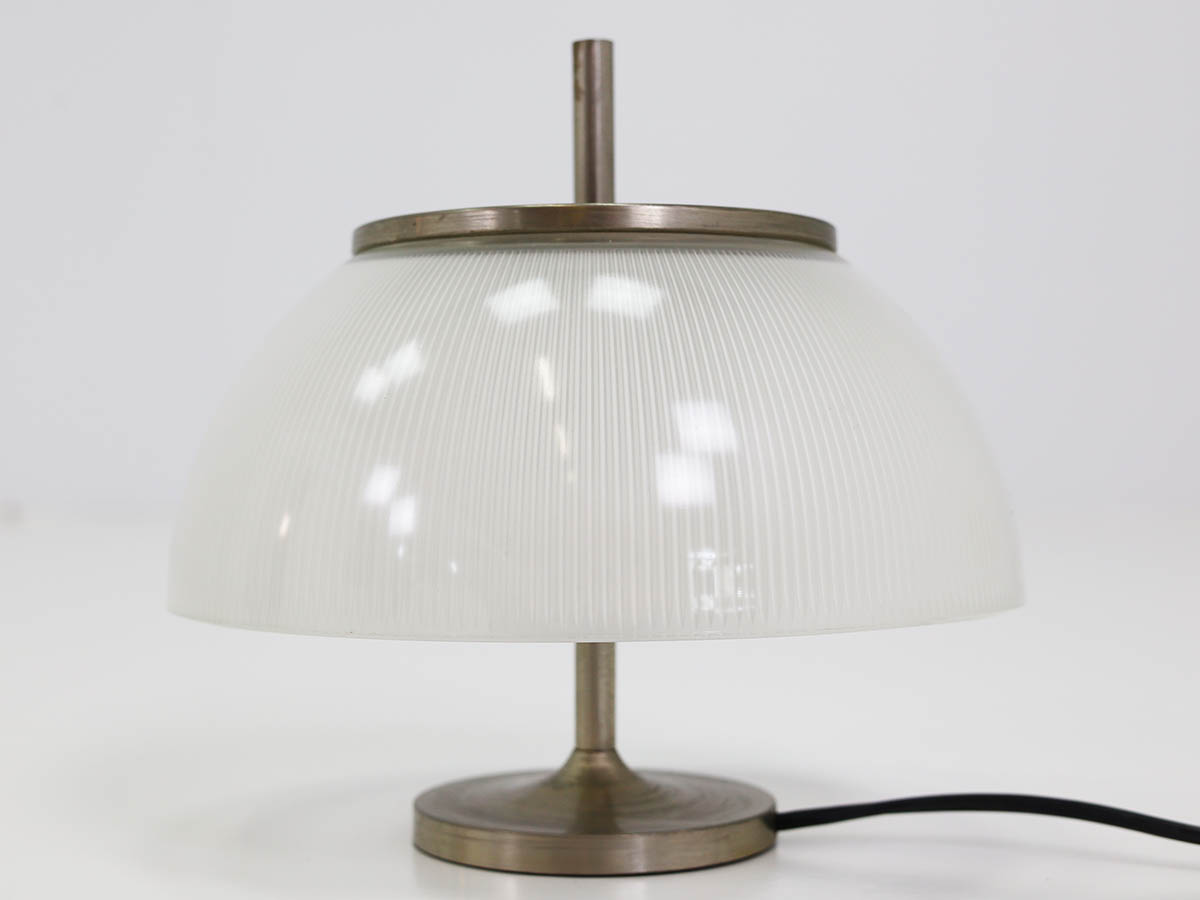
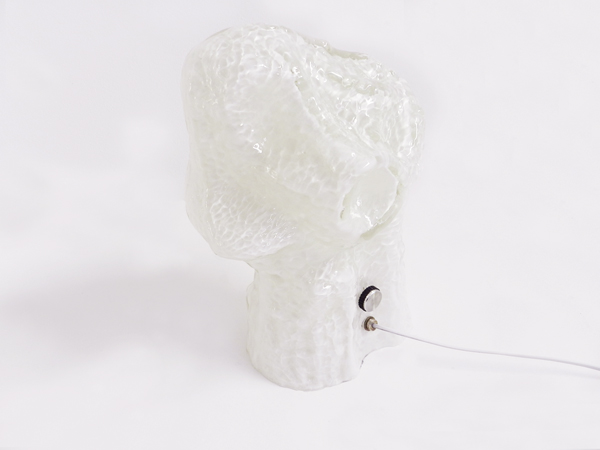
Among Sergio Mazza’s most elegant lighting designs for Artemide are the “Alfetta” table lamps, produced in Italy during the 1960s. The model is distinguished by its refined nickel-plated brass structure and characteristic opalescent molded glass diffuser, whose textured surface creates a soft and sophisticated distribution of light.


The combination of nickel-plated brass and opalescent molded glass perfectly reflects Mazza’s approach to Italian modernist lighting, balancing geometric clarity, technical precision, and luxurious materials. When illuminated, the sculpted glass diffuser enhances the lamp’s elegant silhouette and produces a warm, atmospheric glow.


A pair of Sergio Mazza Alfetta table lamps for Artemide is a distinguished example of 1960s Italian lighting design, highly appreciated by collectors for its elegant proportions, refined materials, and timeless modernist aesthetic. Their restrained yet sculptural character allows them to integrate effortlessly into both mid-century modern and contemporary interiors.



Item nr. 26110

Pair of Table Lamps model Alfetta

Designer

ProductionArtemide
Italy 1966

MaterialNickel-plated brass | opalescent molded glass

DimensionDia 26 x HT 26 cm

Price in Swiss Francs / Euro 2'400.00

pair-of-table-lamps-model-alfetta


Sergio Mazza (1931–) – Italian Design, Lighting and Modernism


Sergio Mazza (Milan, 1931) is one of the leading figures of post-war Italian design, particularly renowned for his work in lighting, furniture, and industrial design. He began his independent professional career in 1955 and, from 1961, collaborated with Giuliana Gramigna as part of Studio SMC, developing a distinctive body of work characterized by refined materials, clean geometric forms, and a strong focus on functionality.


Sergio Mazza and Artemide


Mazza’s collaboration with Artemide represents one of the most significant chapters of his career. His work contributed to the development of the company’s early lighting collection and helped establish Artemide as an important name in Italian design. Among his best-known projects are the Alfa table lamp, designed in 1959, and the Delta lamp of 1960, which received a Compasso d’Oro mention in the same year.


The Alfetta Table Lamps


Among Sergio Mazza’s most elegant lighting designs for Artemide are the “Alfetta” table lamps, produced in Italy during the 1960s. The model is distinguished by its refined nickel-plated brass structure and characteristic opalescent molded glass diffuser, whose textured surface creates a soft and sophisticated distribution of light.


The combination of nickel-plated brass and opalescent molded glass perfectly reflects Mazza’s approach to Italian modernist lighting, balancing geometric clarity, technical precision, and luxurious materials. When illuminated, the sculpted glass diffuser enhances the lamp’s elegant silhouette and produces a warm, atmospheric glow.


A pair of Sergio Mazza Alfetta table lamps for Artemide is a distinguished example of 1960s Italian lighting design, highly appreciated by collectors for its elegant proportions, refined materials, and timeless modernist aesthetic. Their restrained yet sculptural character allows them to integrate effortlessly into both mid-century modern and contemporary interiors.


Description

Sergio Mazza (1931–) – Italian Design, Lighting and Modernism

Sergio Mazza (Milan, 1931) is one of the leading figures of post-war Italian design, particularly renowned for his work in lighting, furniture, and industrial design. He began his independent professional career in 1955 and, from 1961, collaborated with Giuliana Gramigna as part of Studio SMC, developing a distinctive body of work characterized by refined materials, clean geometric forms, and a strong focus on functionality.

Sergio Mazza and Artemide

Mazza’s collaboration with Artemide represents one of the most significant chapters of his career. His work contributed to the development of the company’s early lighting collection and helped establish Artemide as an important name in Italian design. Among his best-known projects are the Alfa table lamp, designed in 1959, and the Delta lamp of 1960, which received a Compasso d’Oro mention in the same year.

The Alfetta Table Lamps

Among Sergio Mazza’s most elegant lighting designs for Artemide are the “Alfetta” table lamps, produced in Italy during the 1960s. The model is distinguished by its refined nickel-plated brass structure and characteristic opalescent molded glass diffuser, whose textured surface creates a soft and sophisticated distribution of light.

The combination of nickel-plated brass and opalescent molded glass perfectly reflects Mazza’s approach to Italian modernist lighting, balancing geometric clarity, technical precision, and luxurious materials. When illuminated, the sculpted glass diffuser enhances the lamp’s elegant silhouette and produces a warm, atmospheric glow.

A pair of Sergio Mazza Alfetta table lamps for Artemide is a distinguished example of 1960s Italian lighting design, highly appreciated by collectors for its elegant proportions, refined materials, and timeless modernist aesthetic. Their restrained yet sculptural character allows them to integrate effortlessly into both mid-century modern and contemporary interiors.

Additional information

Material

Dimension