
Description
Asnago & Vender: From Rationalist Architecture to 20th-Century Italian Design
Mario Asnago (1896–1981) and Claudio Vender (1904–1986) were among the most refined protagonists of Italian Rationalism, developing an architectural language based on geometric rigor, balanced proportions, and a deep attention to the quality of living spaces. Their work belongs to the cultural landscape of twentieth-century Milan, where they contributed to the evolution of modern Italian architecture through buildings characterized by compositional clarity, formal elegance, and constructive innovation.
After their architectural training and early professional experiences, the Asnago & Vender studio became, between the 1930s and 1950s, one of the most interesting expressions of Italian Modernism. Their approach went beyond building design, embracing a complete vision of living in which architecture, interiors, and furniture were conceived as a coherent and interconnected system.
From this research emerged their interest in furniture design, developed through a production characterized by essential forms, functionality, and attention to construction details. Their furniture reflects the same principles found in their architecture: balanced proportions, lightweight structures, carefully selected materials, and a constant search for harmony between aesthetics and everyday use.
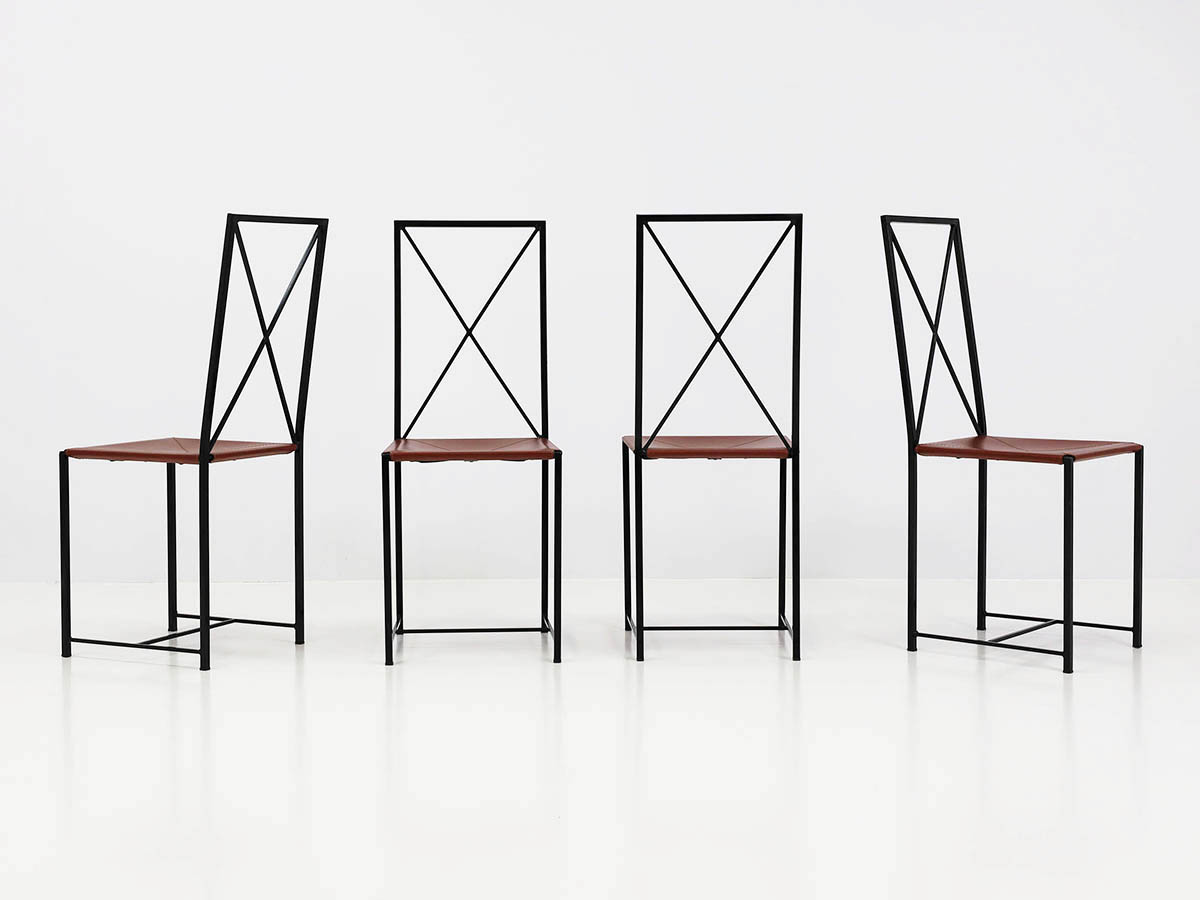
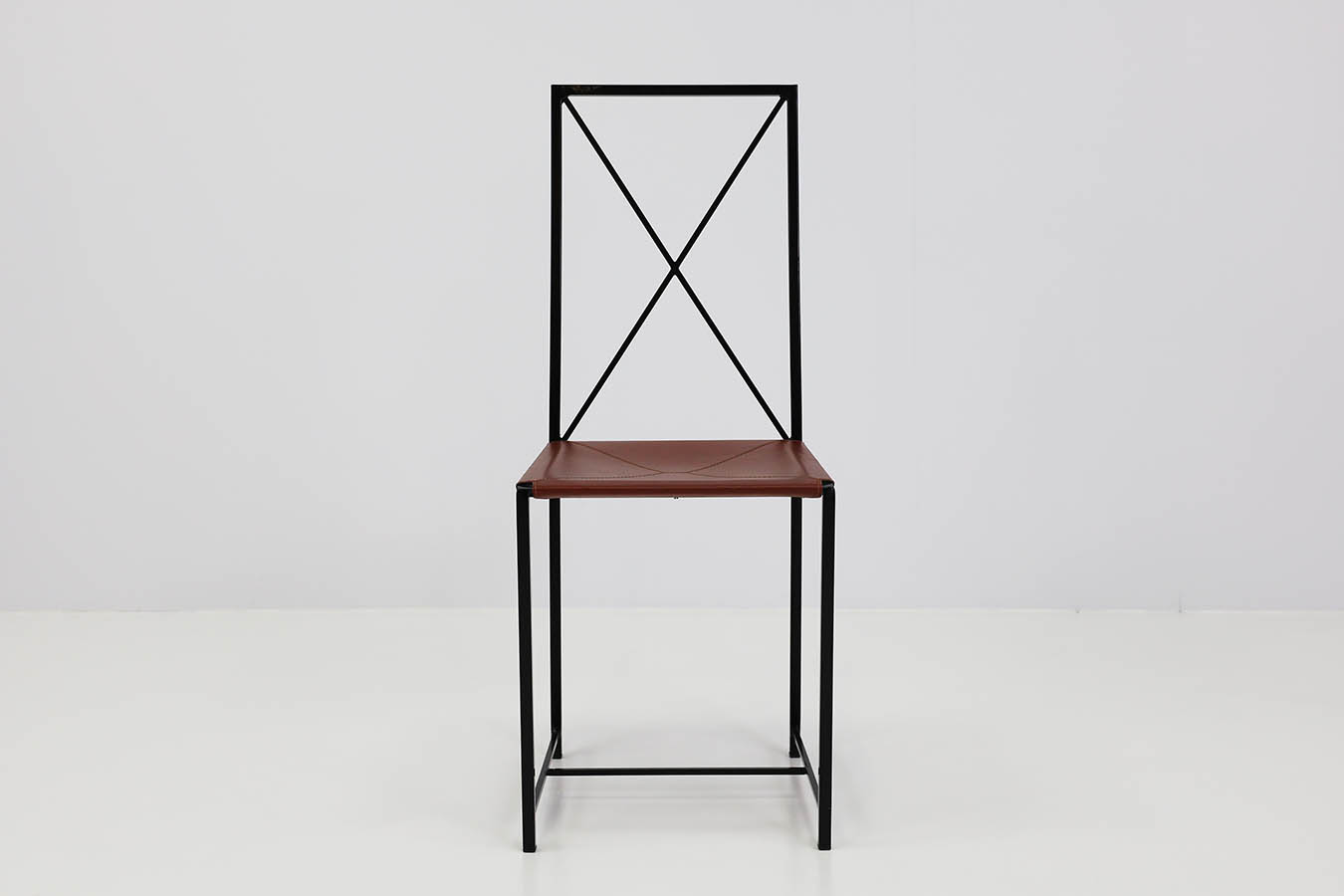
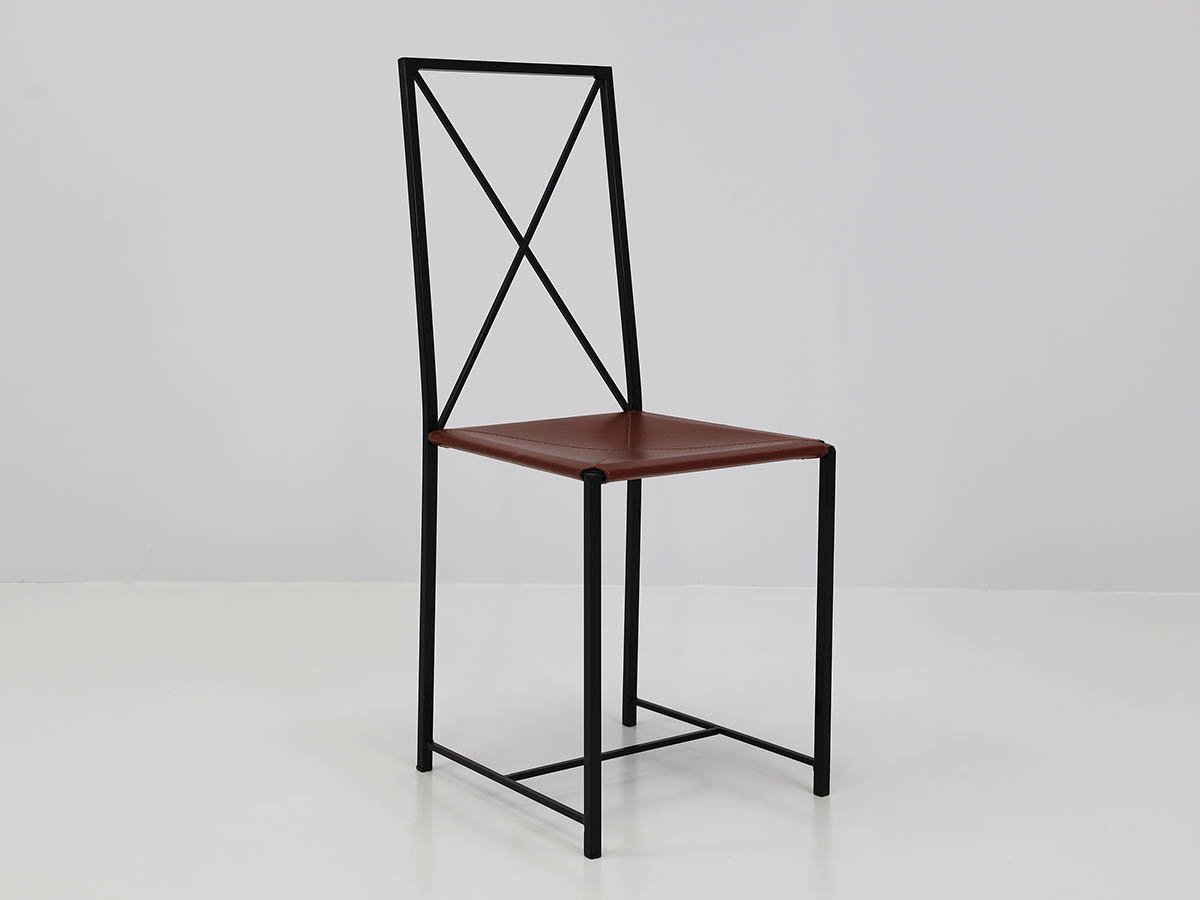
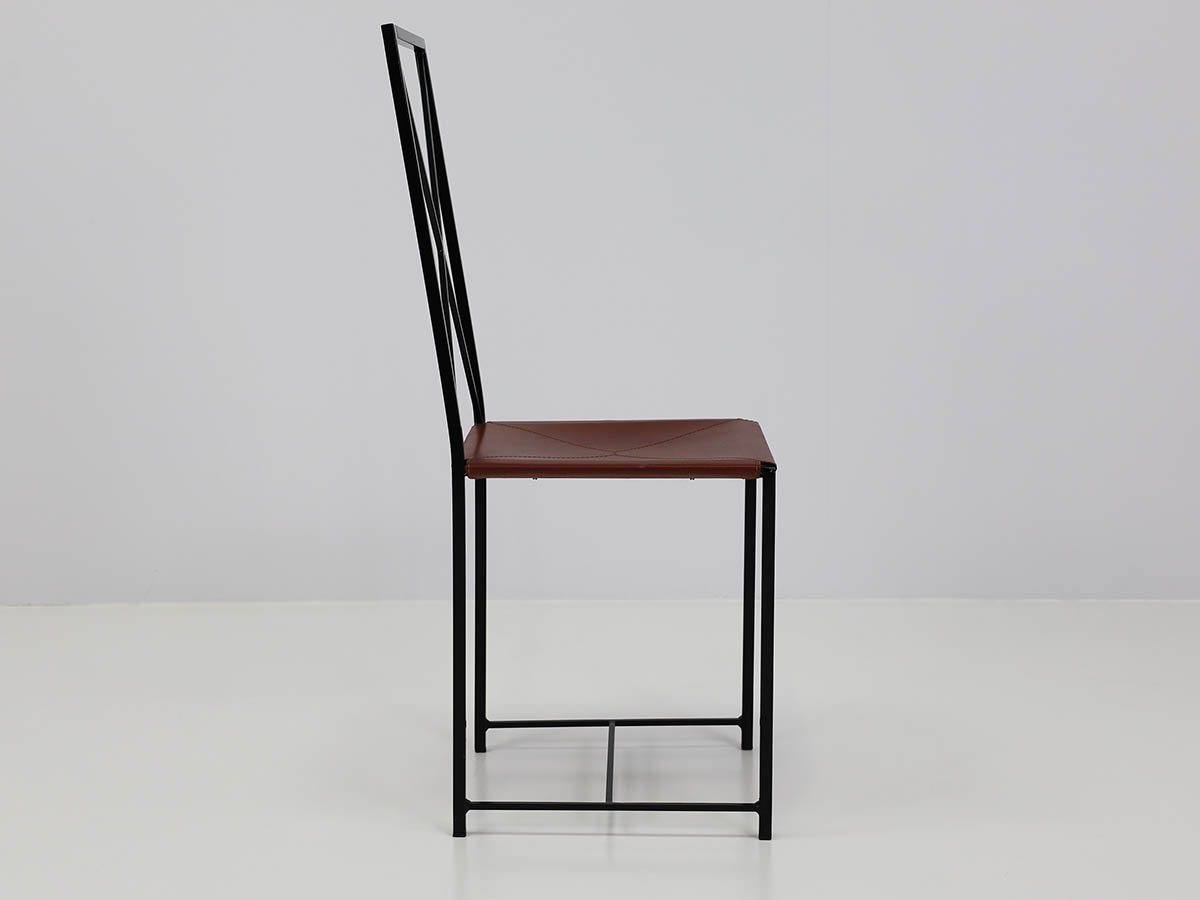
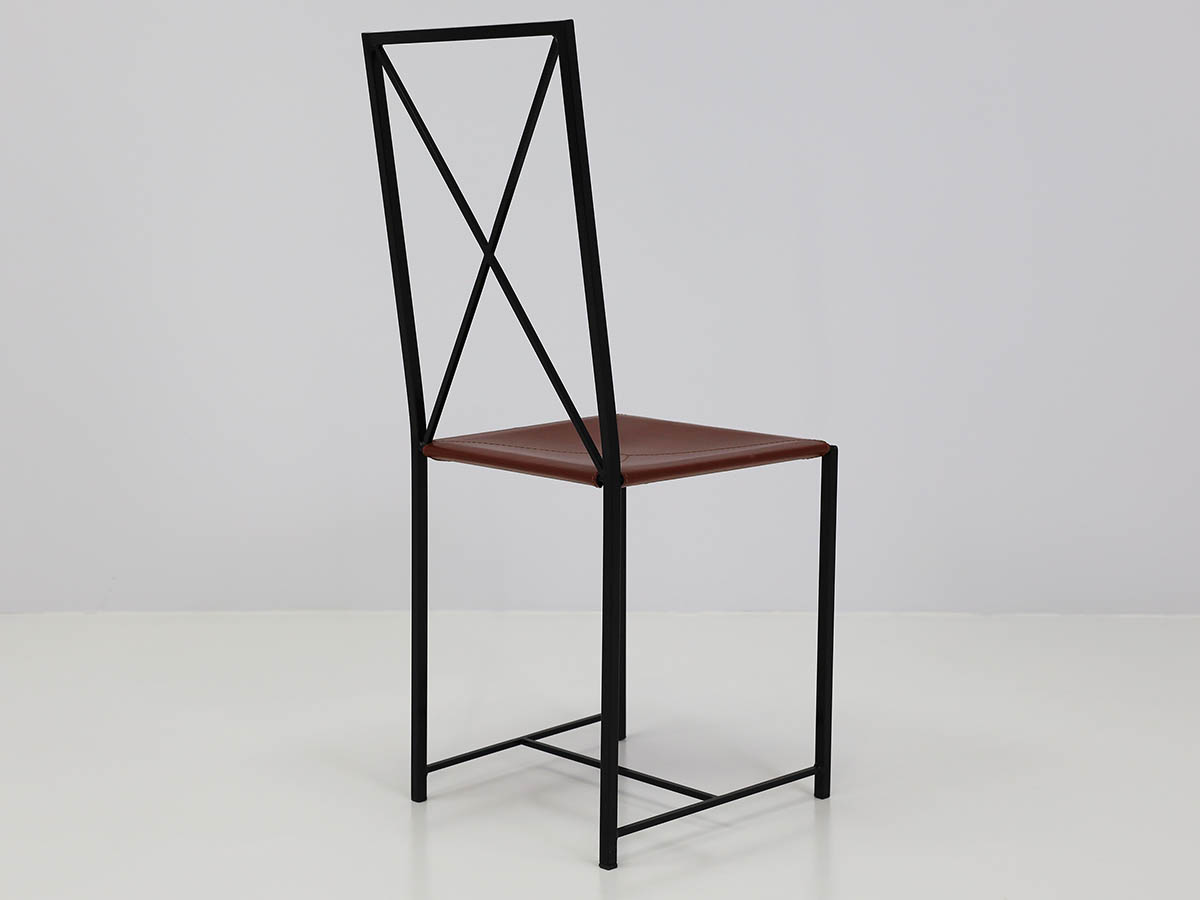
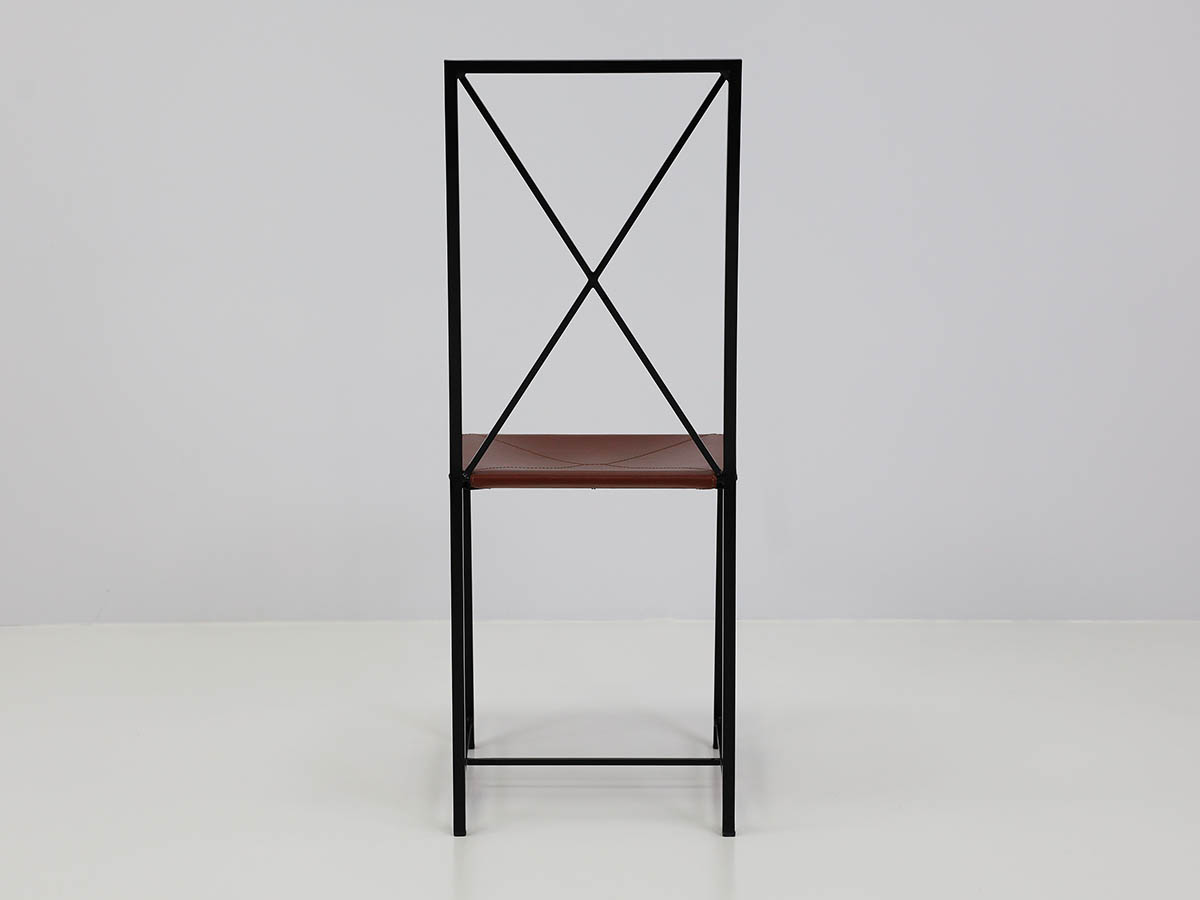
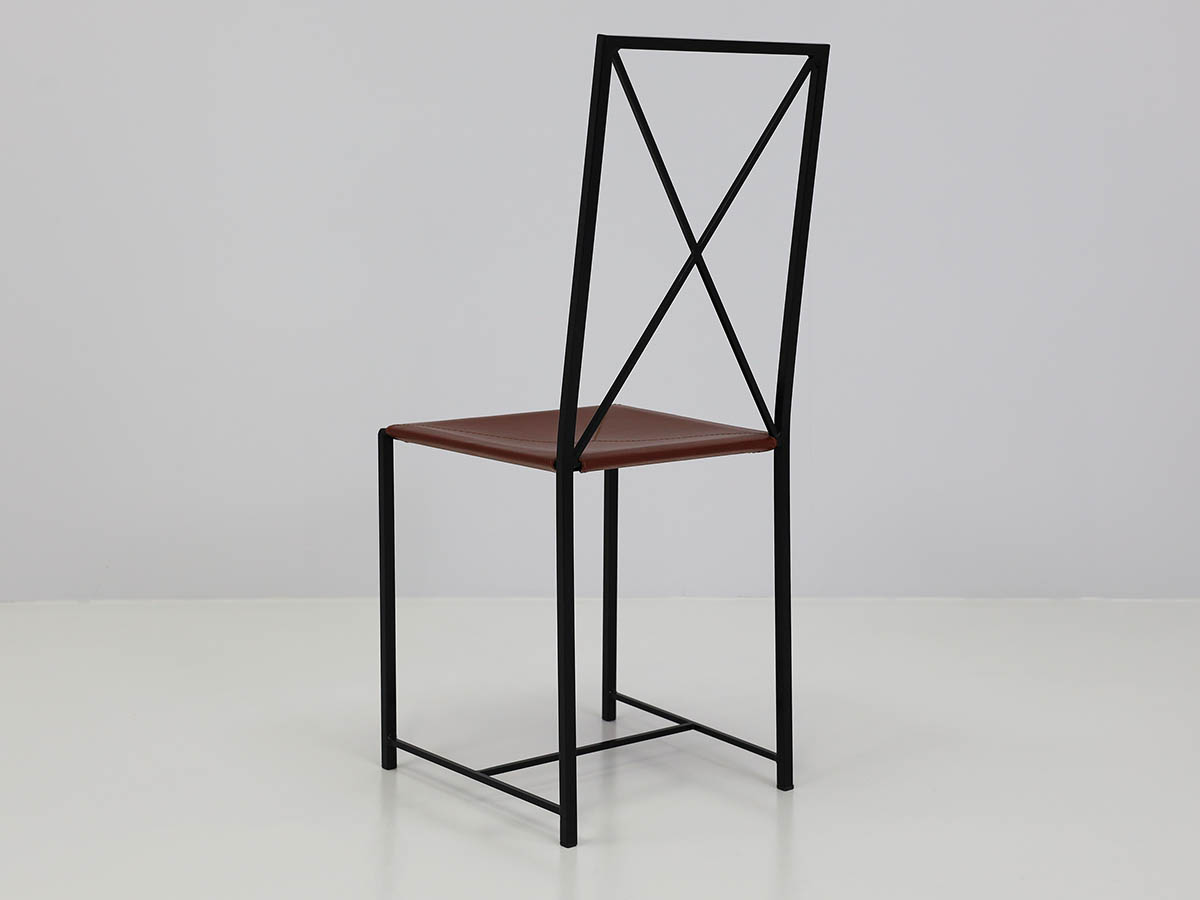
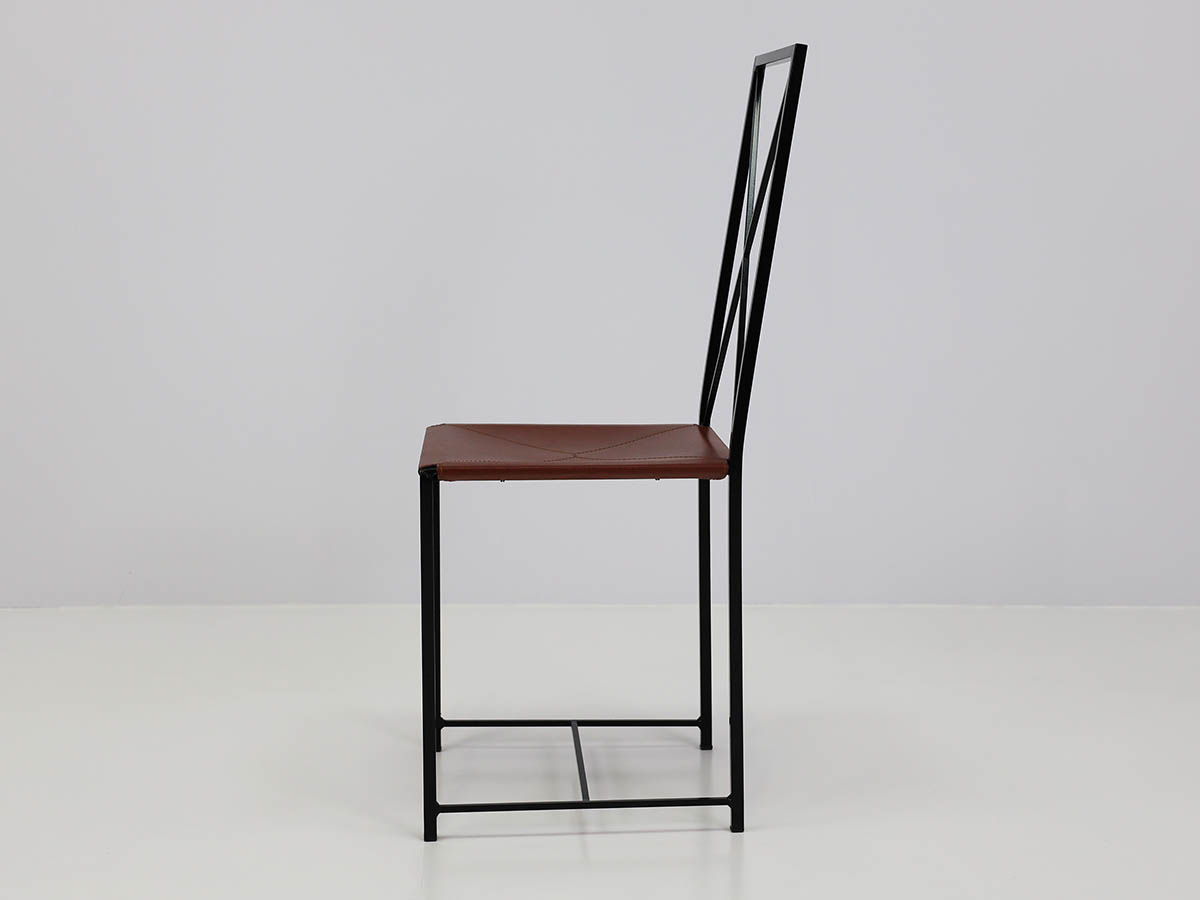
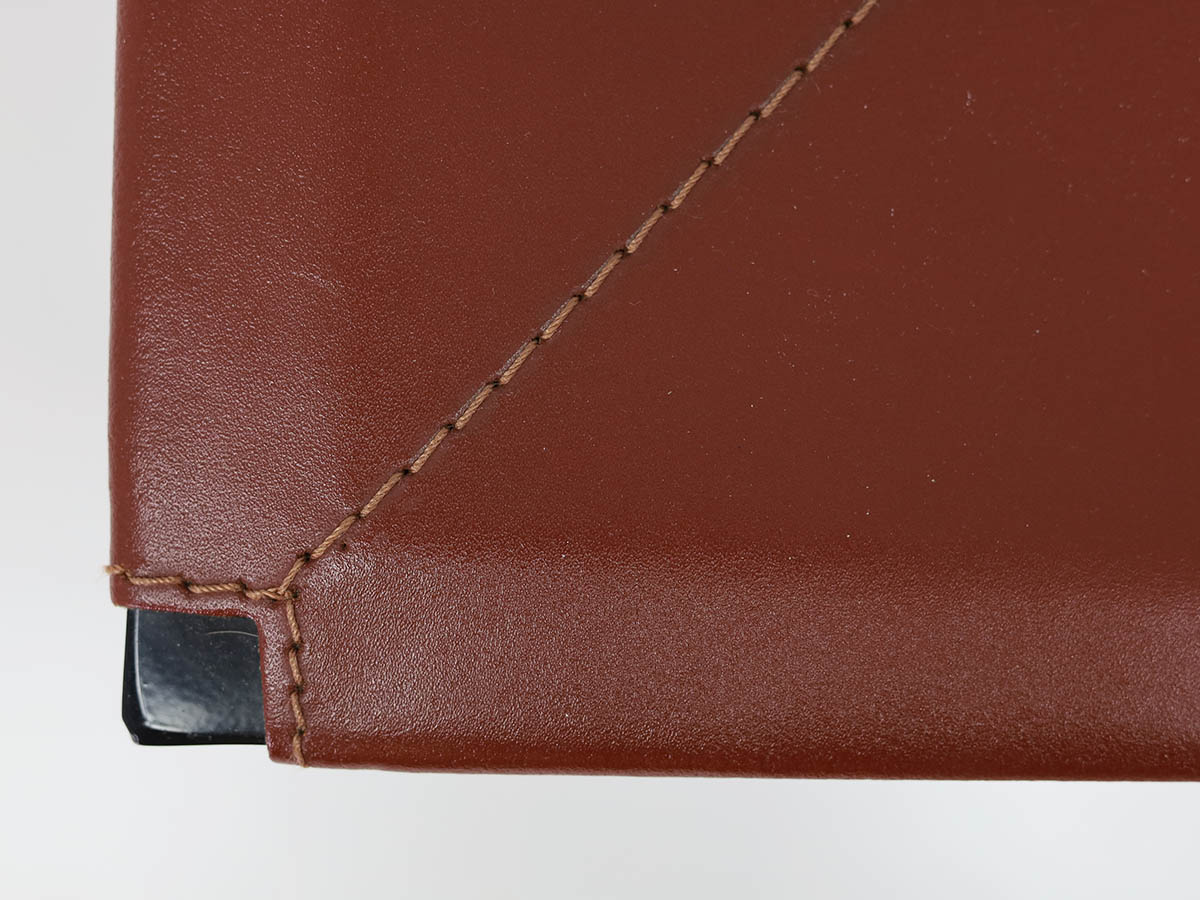
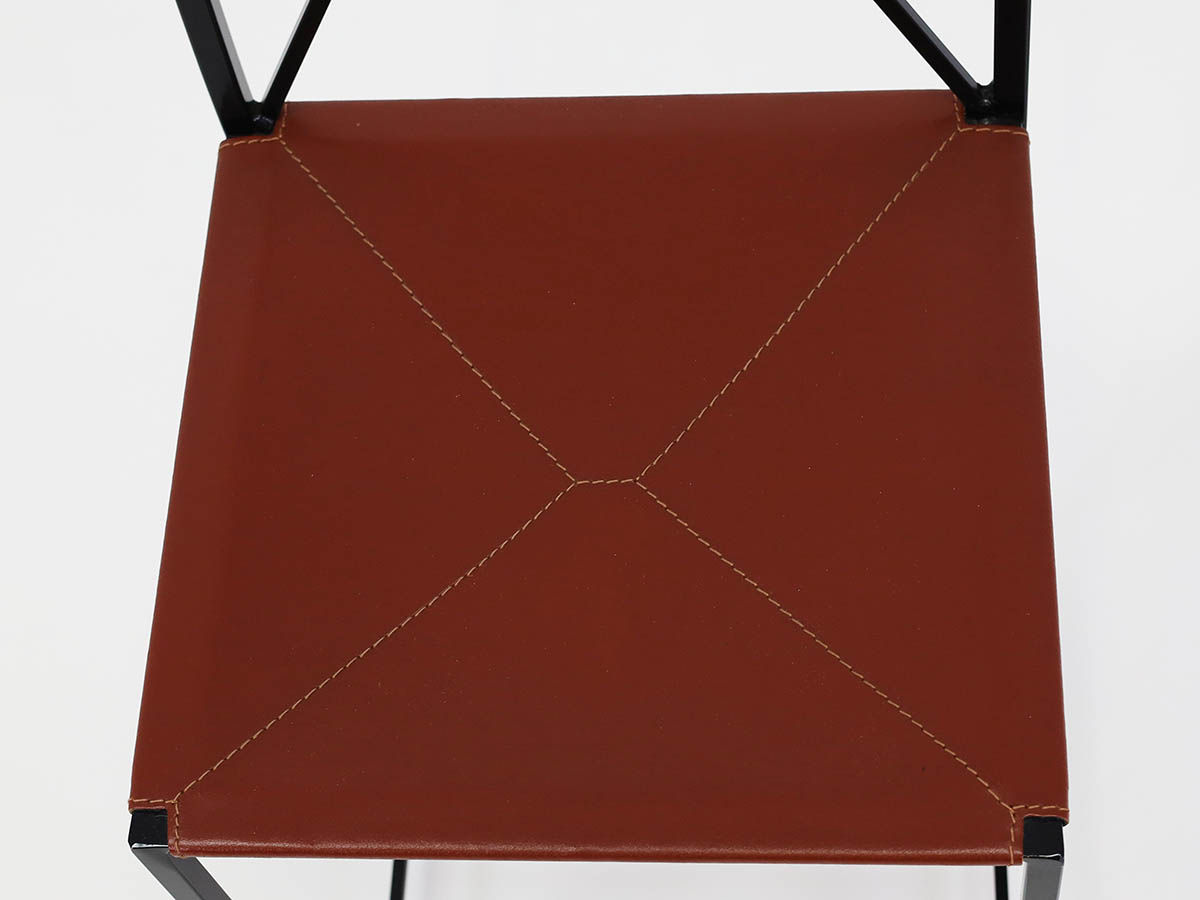
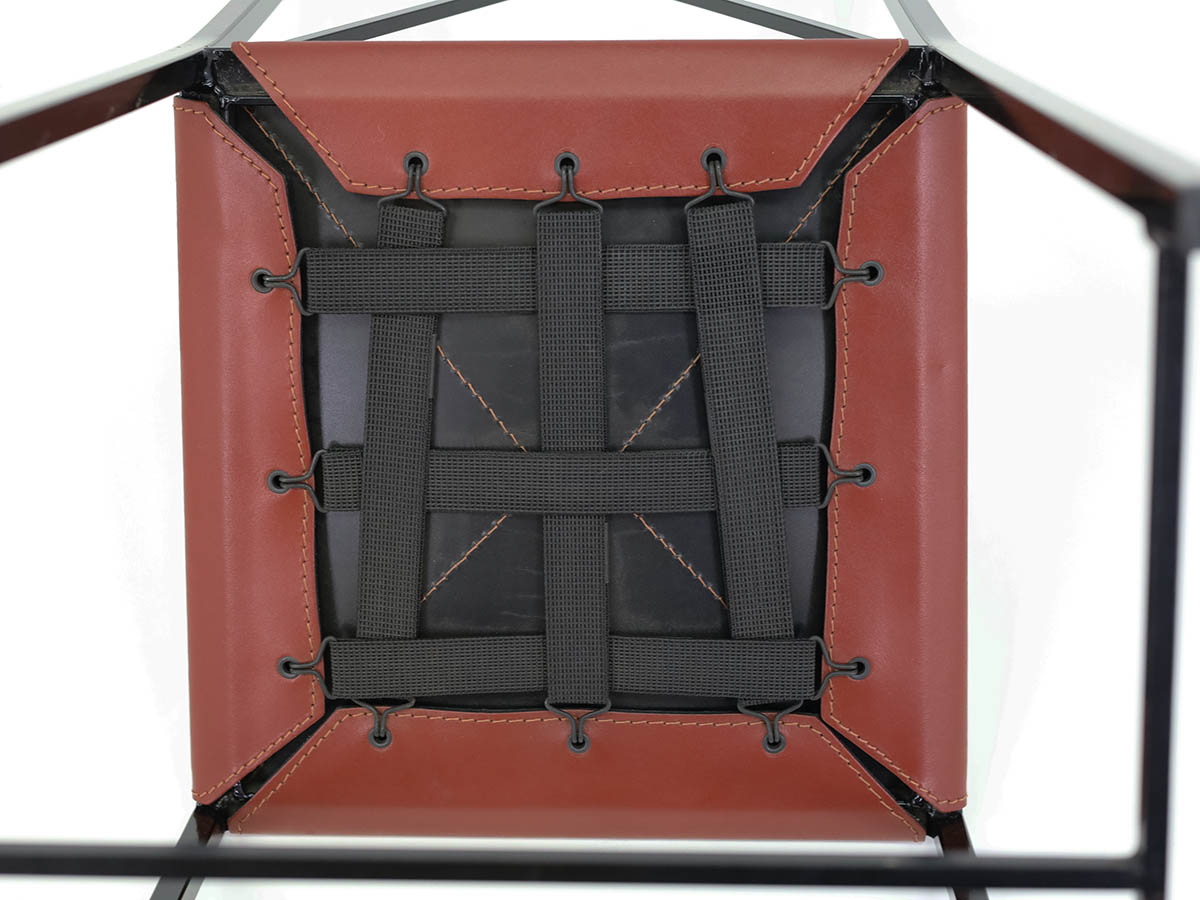
Among their most celebrated creations is the Moka chair, designed in 1939 for the Bar Moka in Milan. Considered an icon of Italian Rationalist design, the Moka chair perfectly expresses the design philosophy of Asnago & Vender: an essential metal structure, rigorous geometry, and the distinctive cross-shaped backrest that has become its recognizable signature. The chair represents a perfect balance between visual lightness, functionality, and formal purity—principles that guided their entire creative research.
The career of Asnago & Vender demonstrates how twentieth-century Italian design often developed from the dialogue between architecture and object design. Their ability to transfer the principles of Rationalism from urban architecture to furniture design makes them fundamental figures in the history of Italian Modernism.
Today, the works of Asnago & Vender are highly appreciated by collectors and enthusiasts of historical design for their timeless elegance, exceptional design quality, and their fundamental contribution to shaping the identity of twentieth-century Italian furniture and architecture.