


Description
Pierre Cardin (1922–2020) was one of the most innovative and influential designers of the 20th century, revolutionizing fashion through a futuristic, geometric, and distinctly modern vision. From the 1950s onward, Cardin developed an aesthetic based on architectural forms, rigorous geometry, sculptural volumes, and experimental materials, anticipating many of the design languages that would define the 1960s and 1970s.
His creative research extended far beyond fashion to include furniture, lighting, and interior design, transforming everyday objects into visually striking sculptural pieces. His multidisciplinary approach helped redefine the relationship between fashion, design, and futuristic culture, establishing Pierre Cardin as a major figure in post-war avant-garde design.
Pierre Cardin for Venini
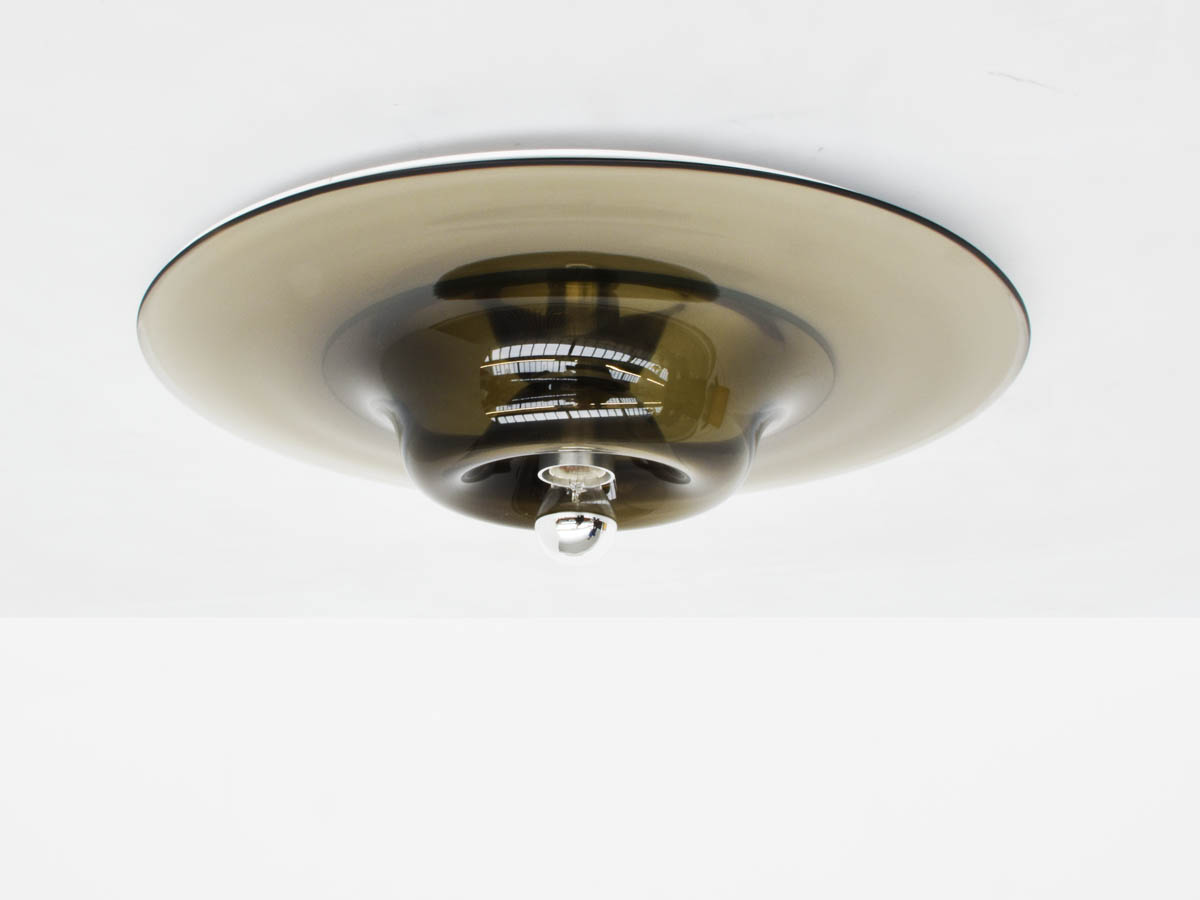
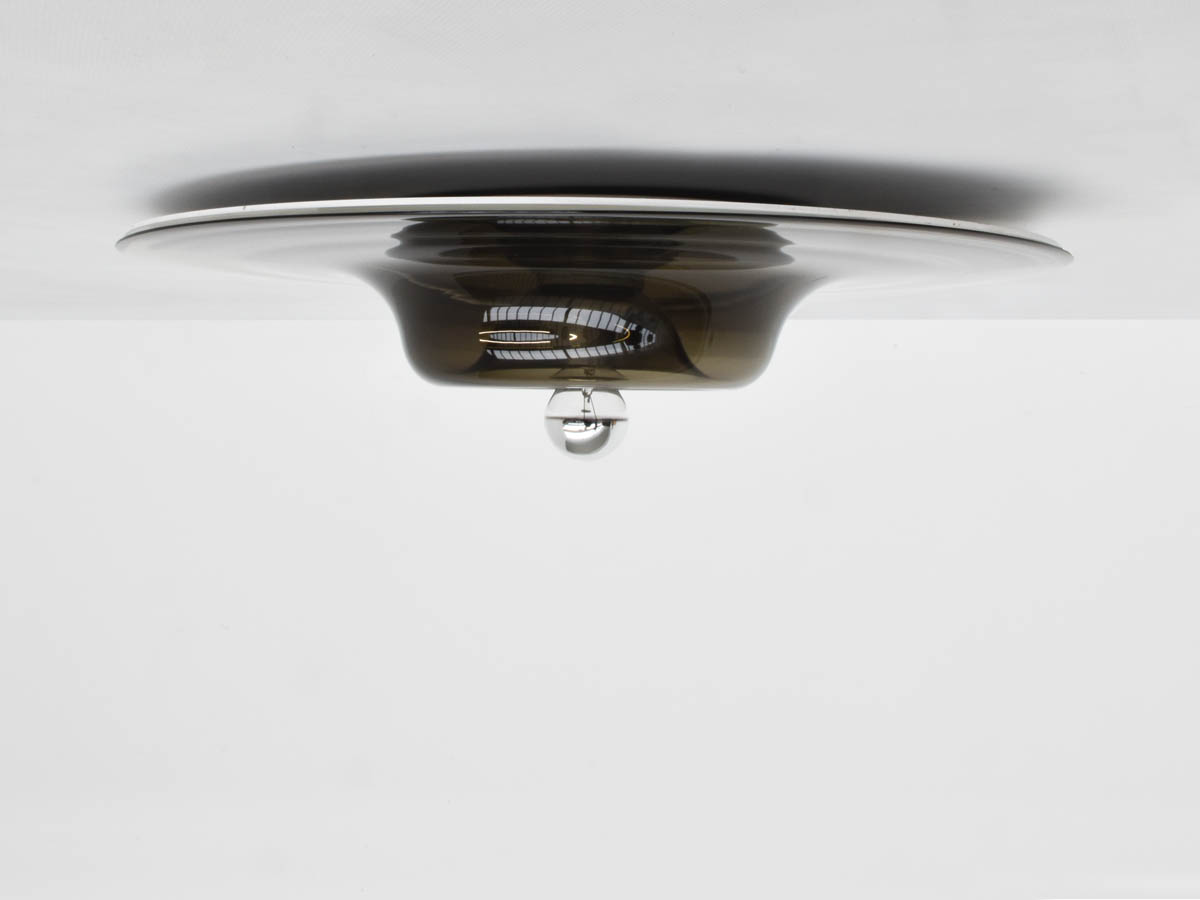
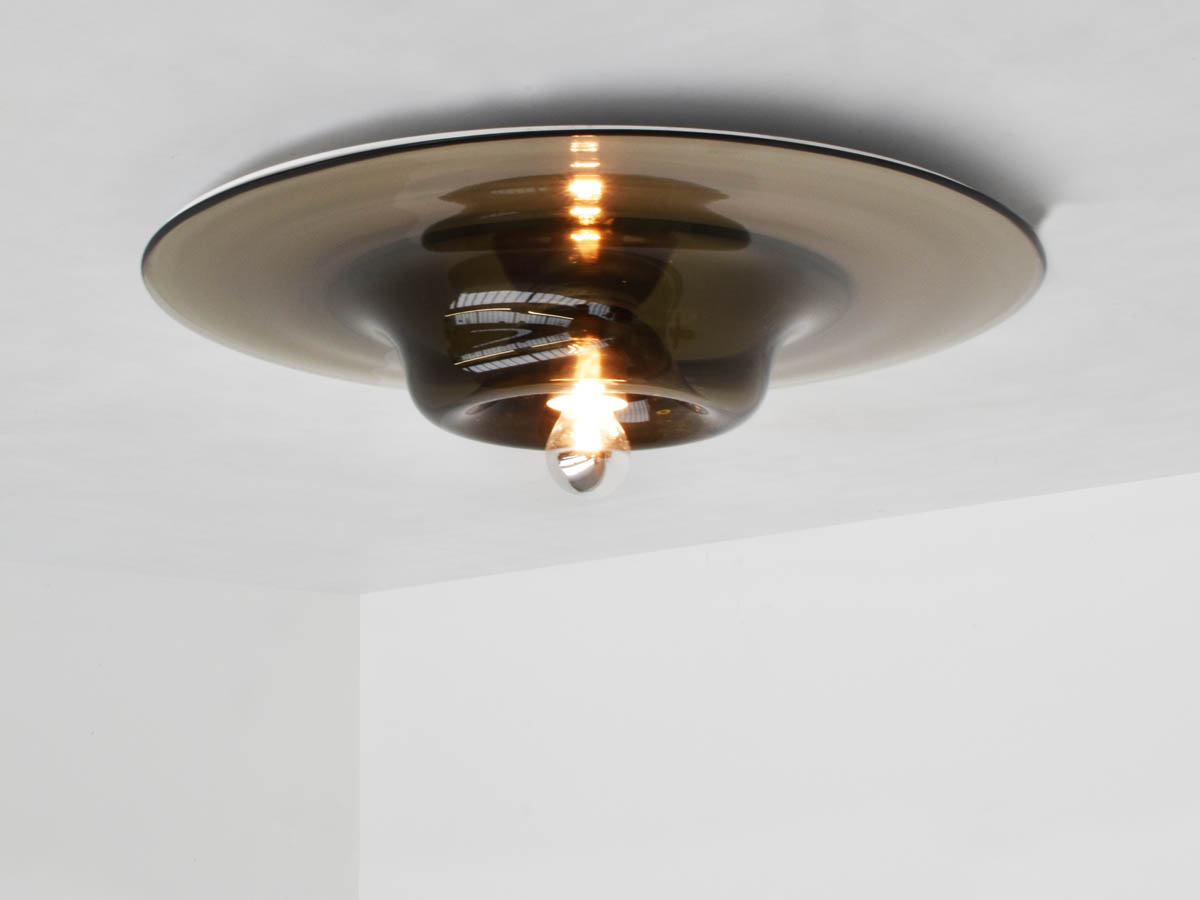
From the late 1960s to the very beginning of the 1970s, Pierre Cardin collaborated with Venini of Murano, creating a series of lighting designs characterized by the use of colored glass, mirrored glass, and metal, combined with geometric and highly sculptural compositions.
The colored glass lamps designed for Venini in the very early 1970s, around 1970, perfectly express Cardin’s signature aesthetic. Bold colors, minimalist geometry, reflective surfaces, and industrial materials come together in objects with an almost architectural presence. The tradition of Murano glass is reinterpreted through a futuristic and international language in which color, light, and structure become key elements of the composition.
The collaboration with Venini represents an important moment in Pierre Cardin’s career, when his futuristic, Space Age, and experimental aesthetic extended beyond fashion and began to influence the international world of design and interiors during the 1960s and 1970s.
Today, Pierre Cardin lamps for Venini are particularly sought after by collectors for their rarity and their exceptional combination of French avant-garde design, Murano glass, vibrant color, and Space Age aesthetics.