

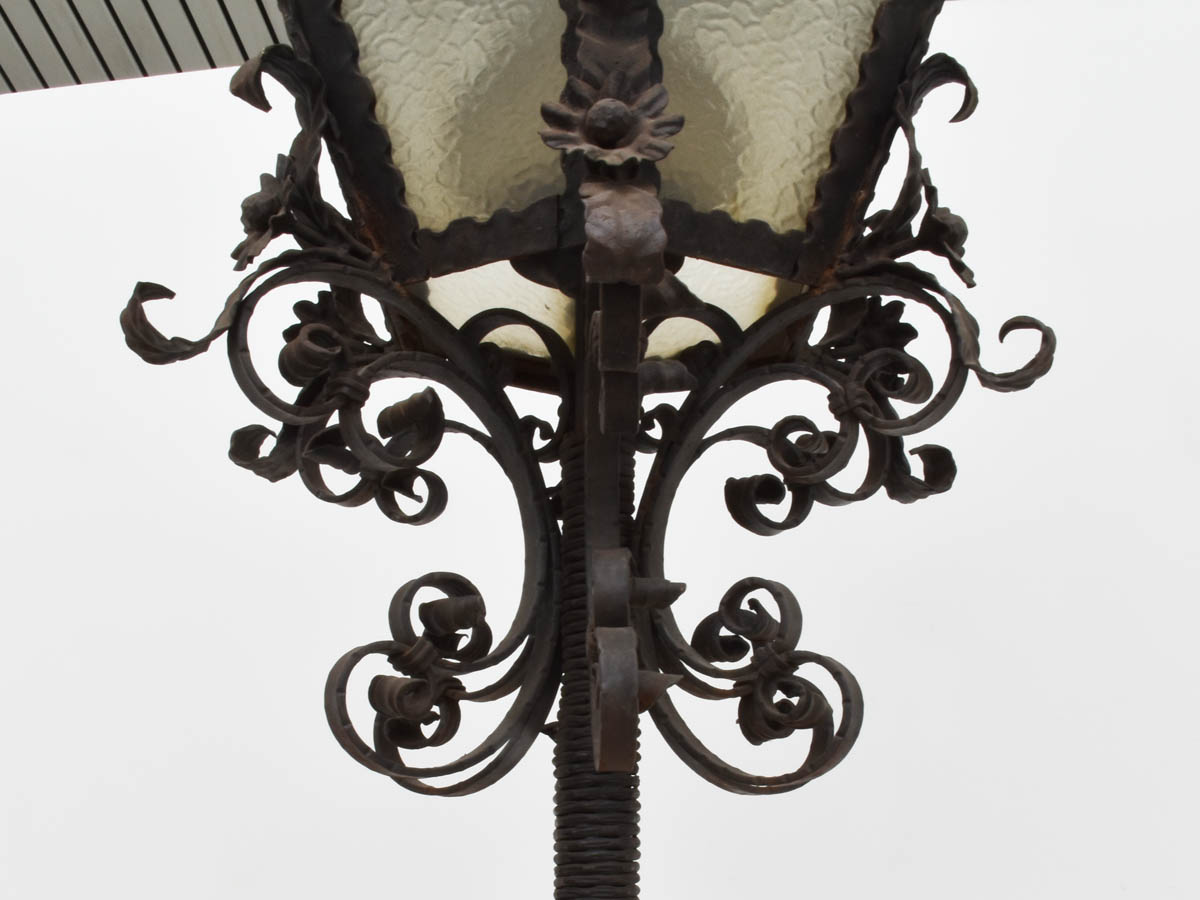
Alessandro Mazzucotelli (1865–1938) was one of the most important masters of wrought iron in Italy and a central figure in the development of decorative arts between the late 19th and early 20th centuries. Active mainly in Milan, Mazzucotelli transformed the traditional craft of the blacksmith into a true art form, playing a key role in the spread of the Art Nouveau movement in Italy, known locally as Stile Liberty.


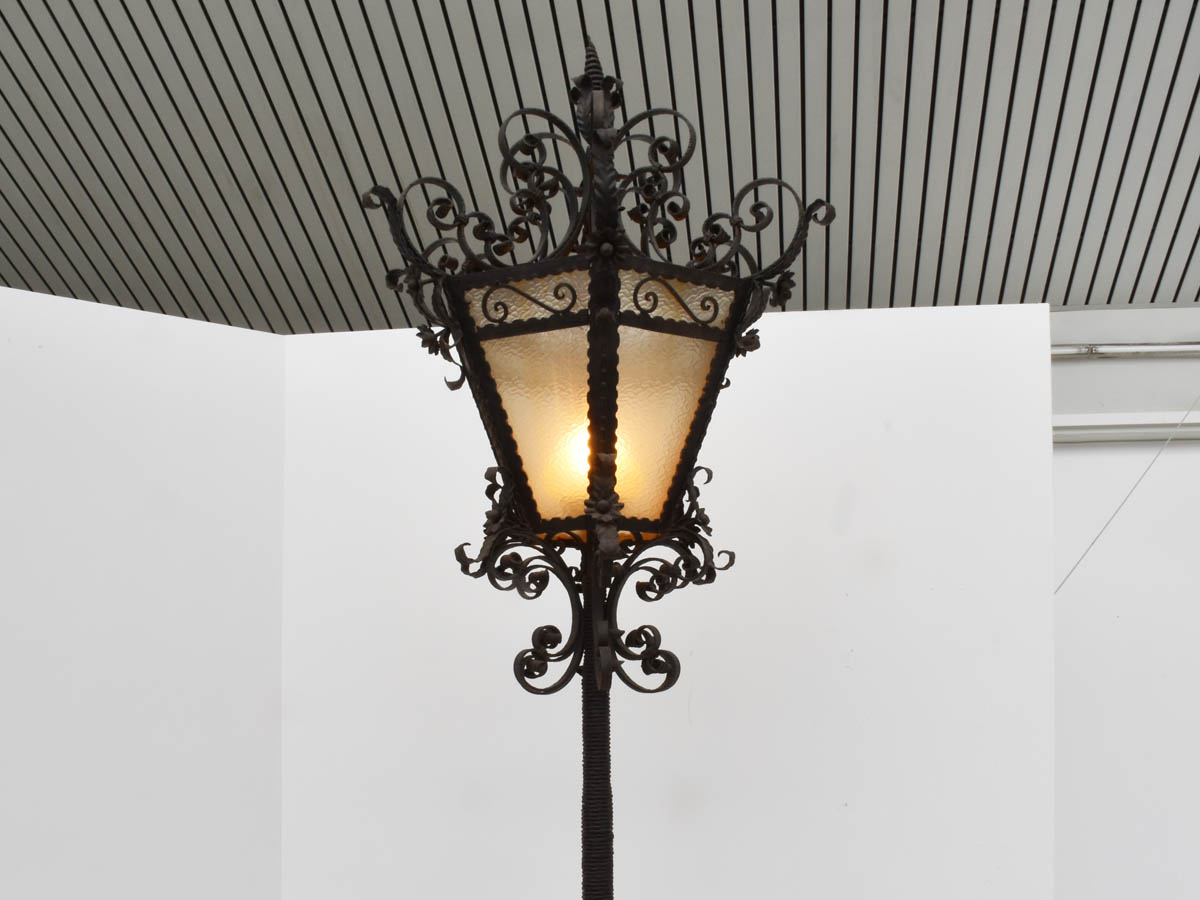
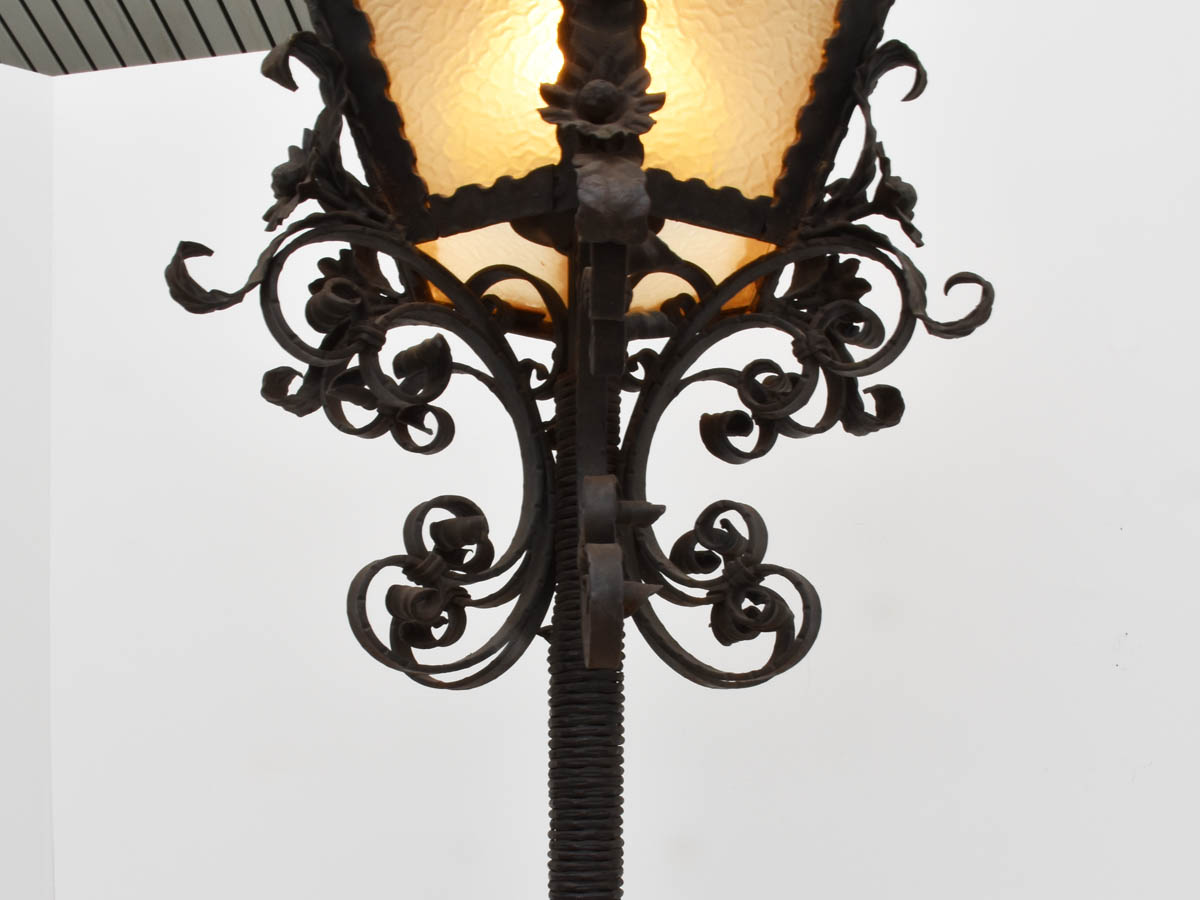
Specializing in artistic ironwork, he created numerous decorative elements for Milanese palaces and residences, including gates, balconies, lanterns, street lamps, and lighting fixtures. His architectural lighting works are distinguished by organic and flowing lines inspired by nature, where wrought iron structures interact with light to create elegant and expressive lighting compositions.


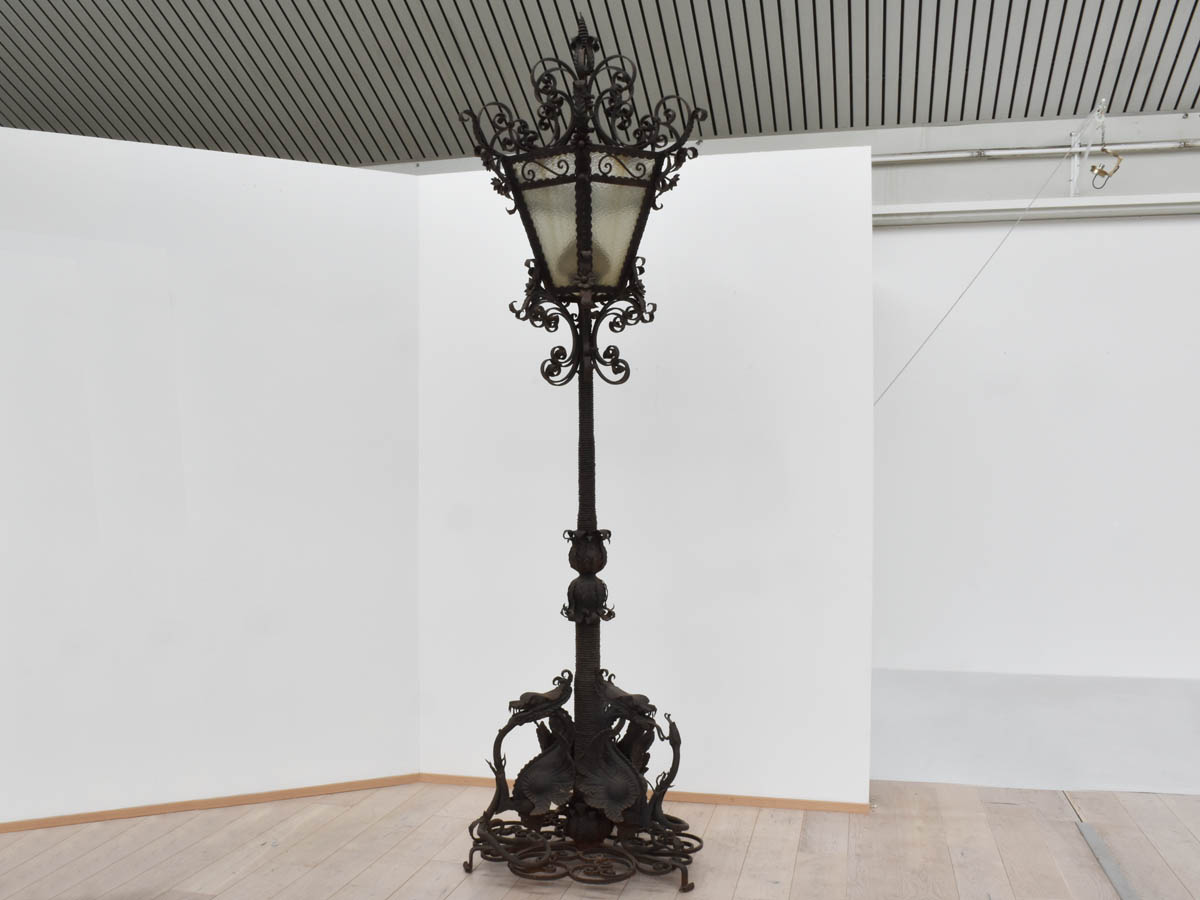
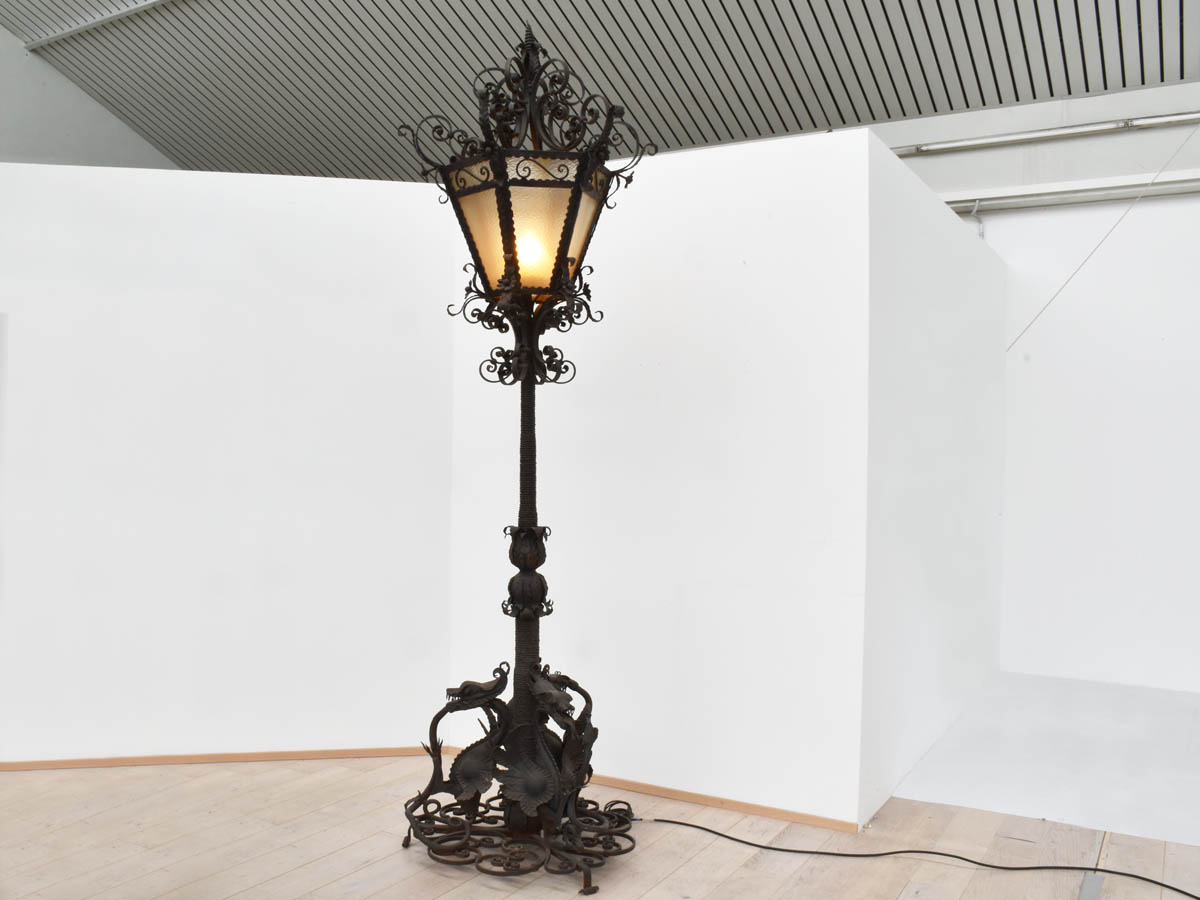
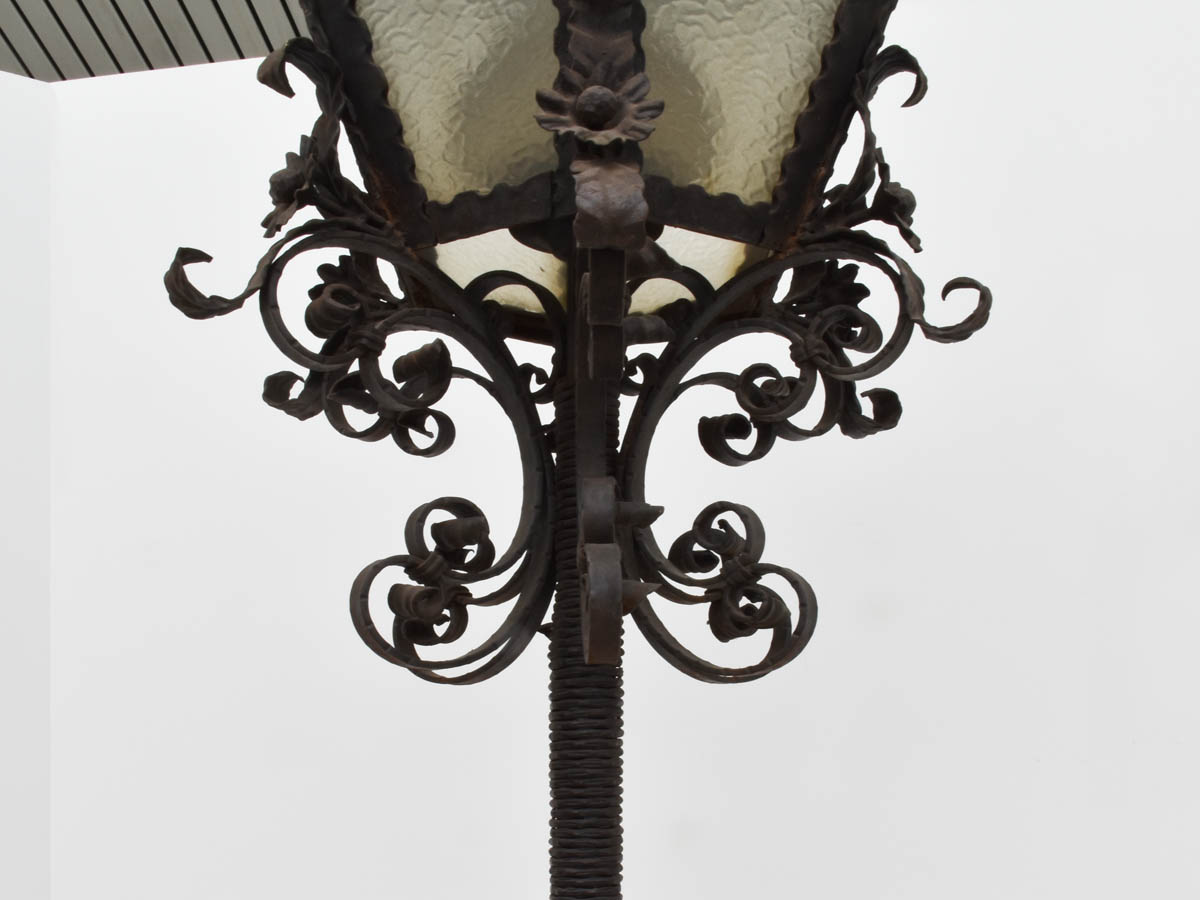
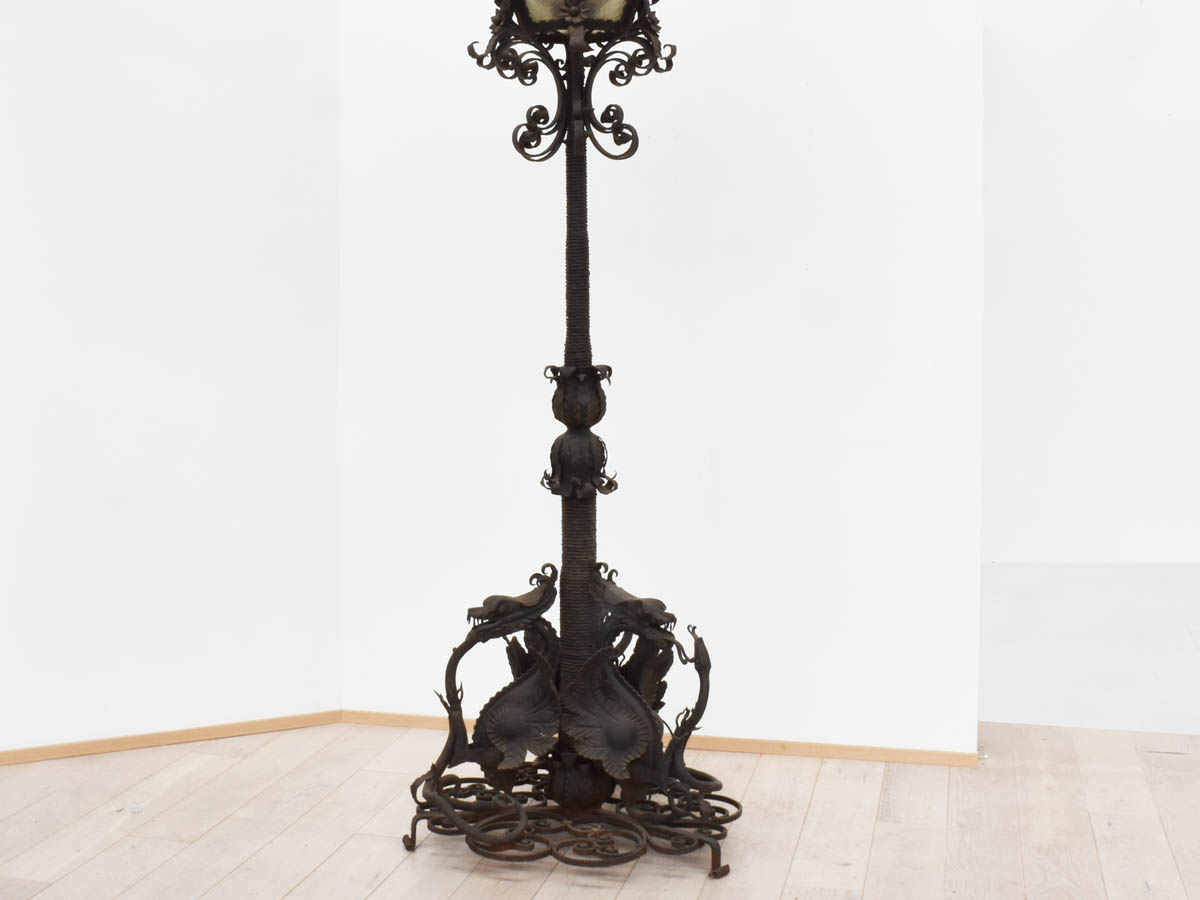
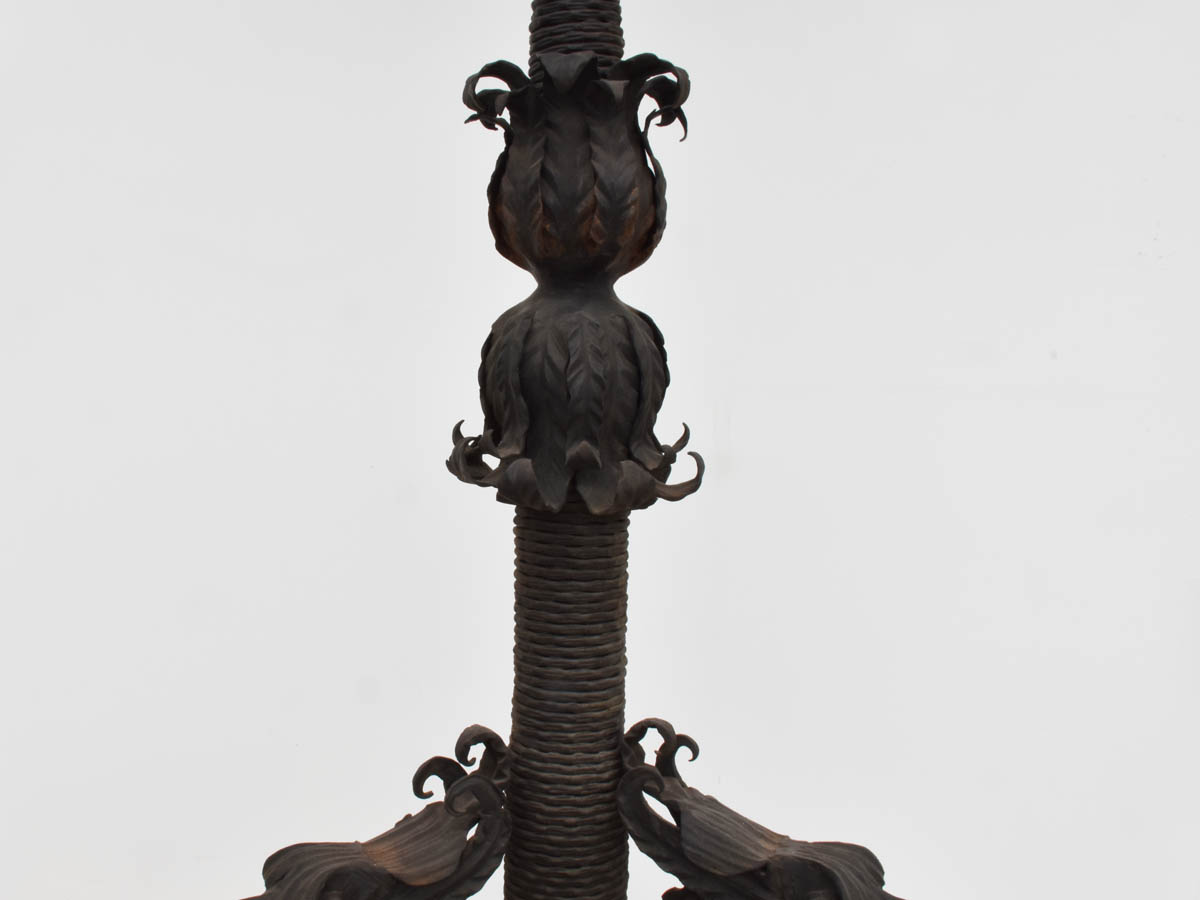
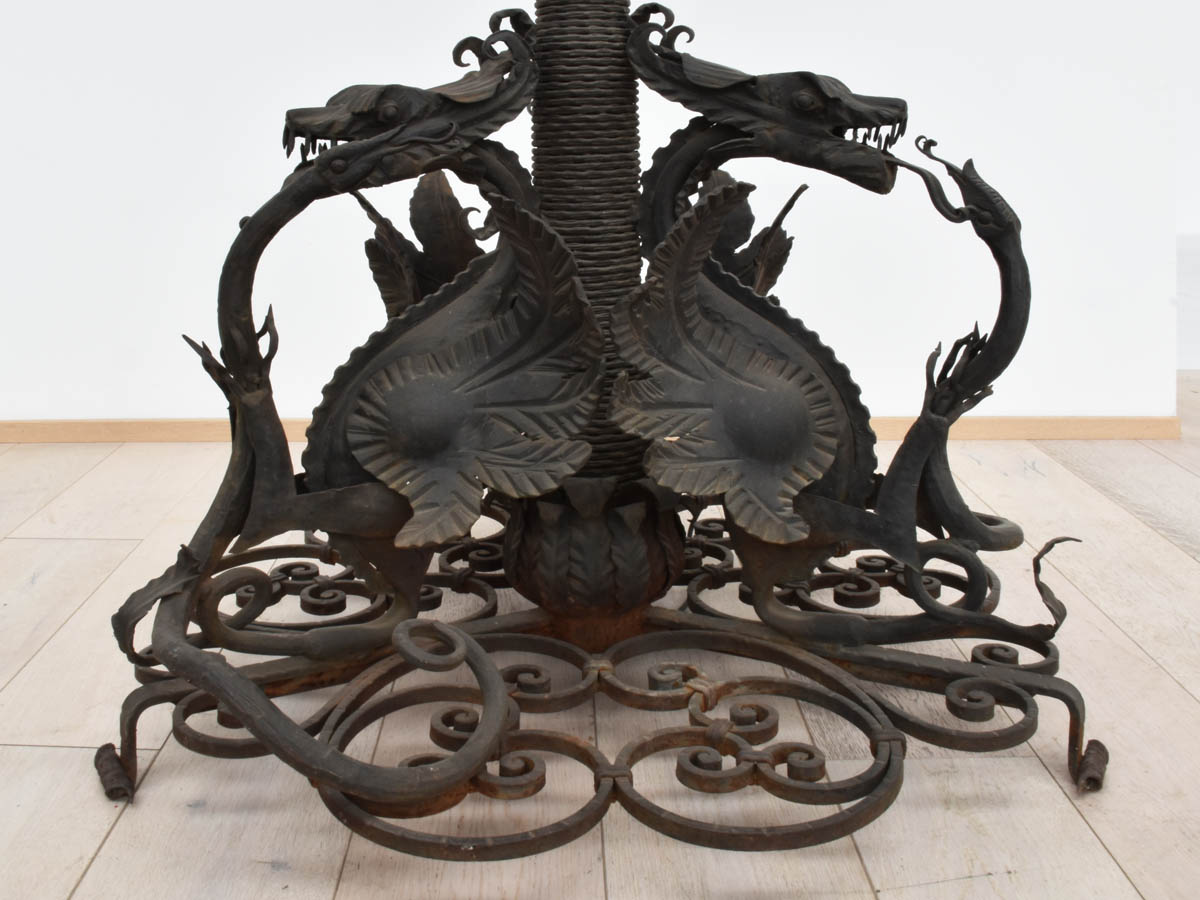
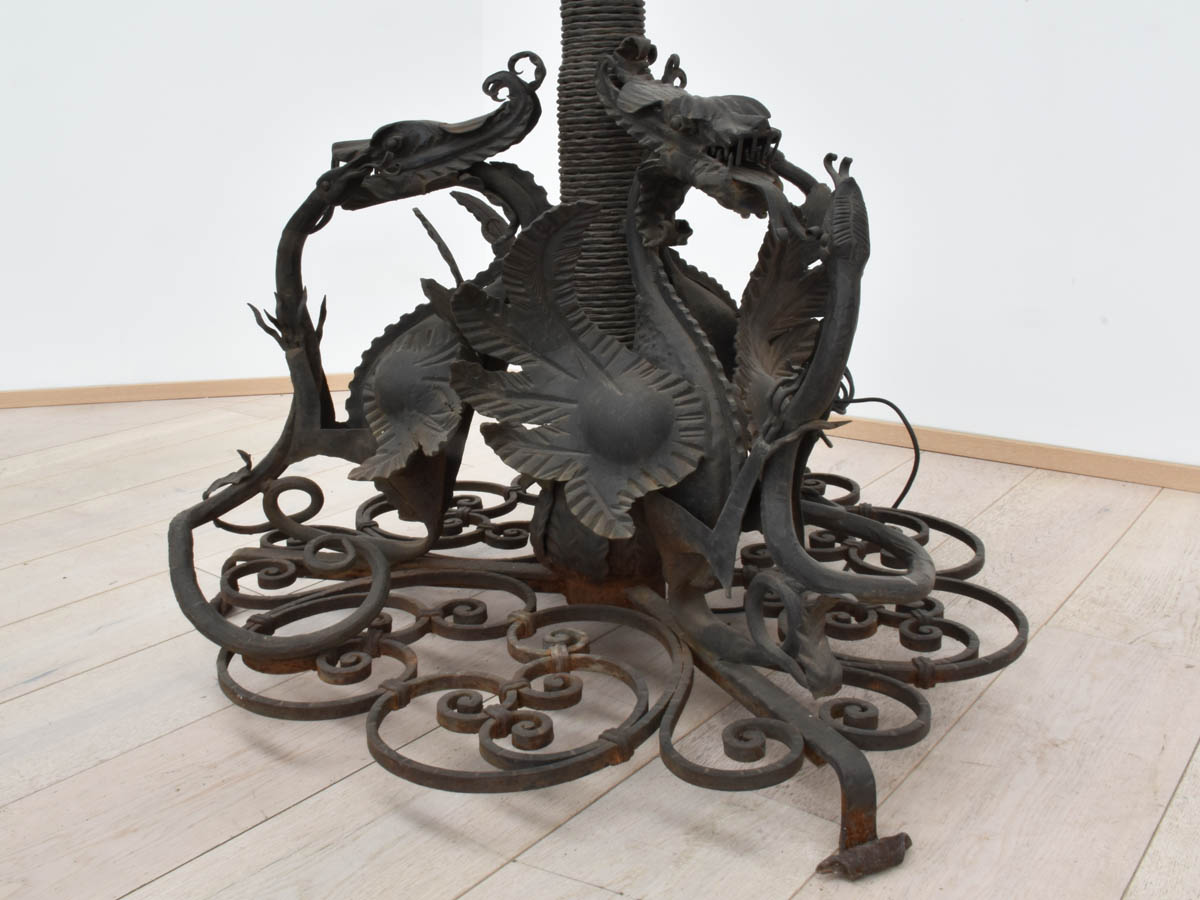
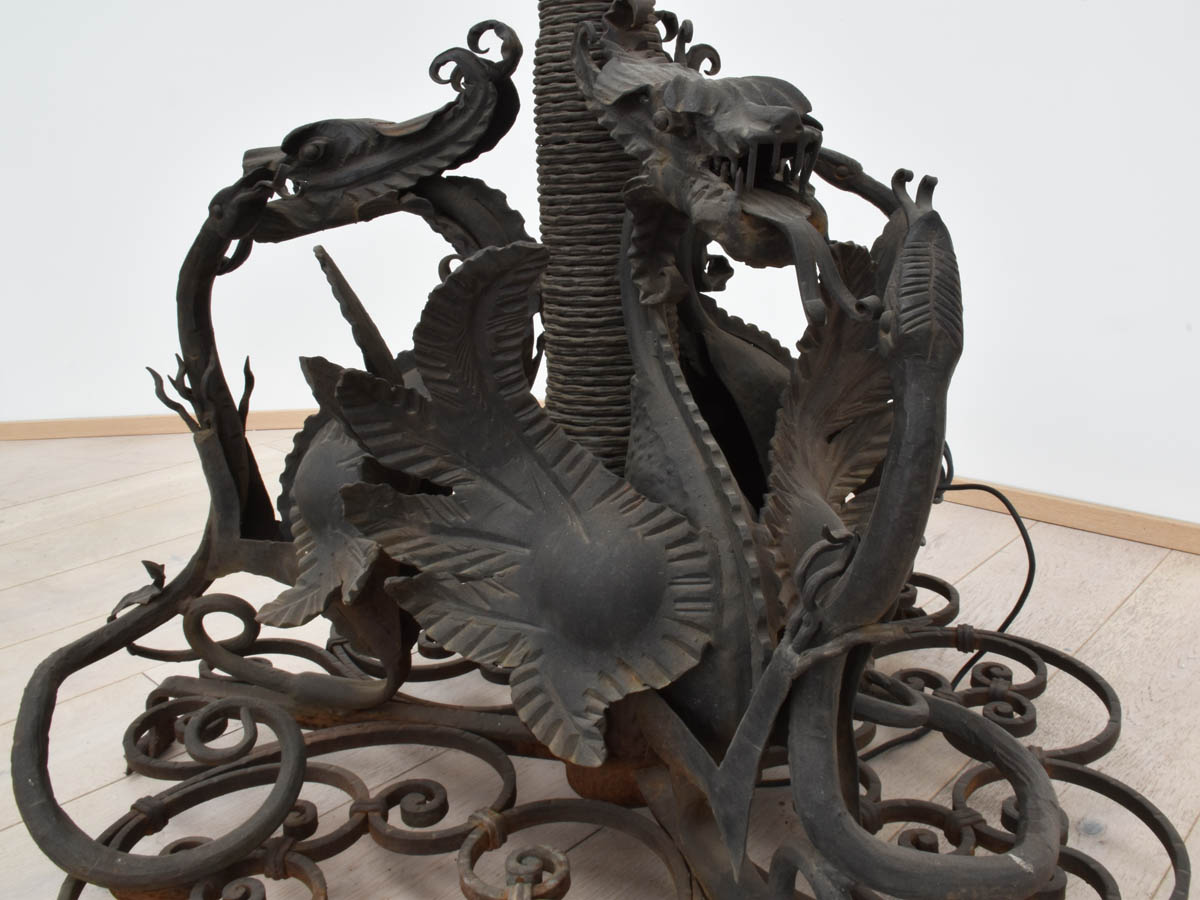
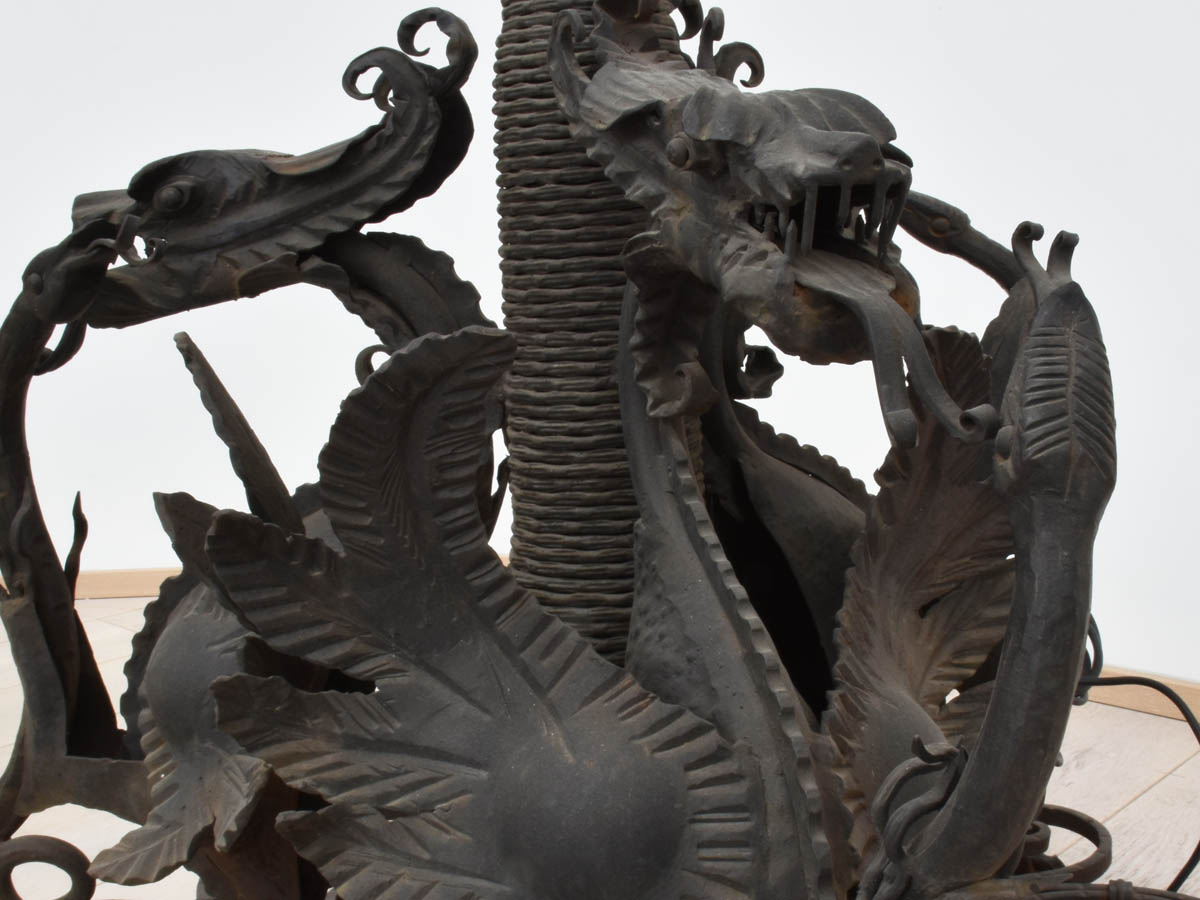
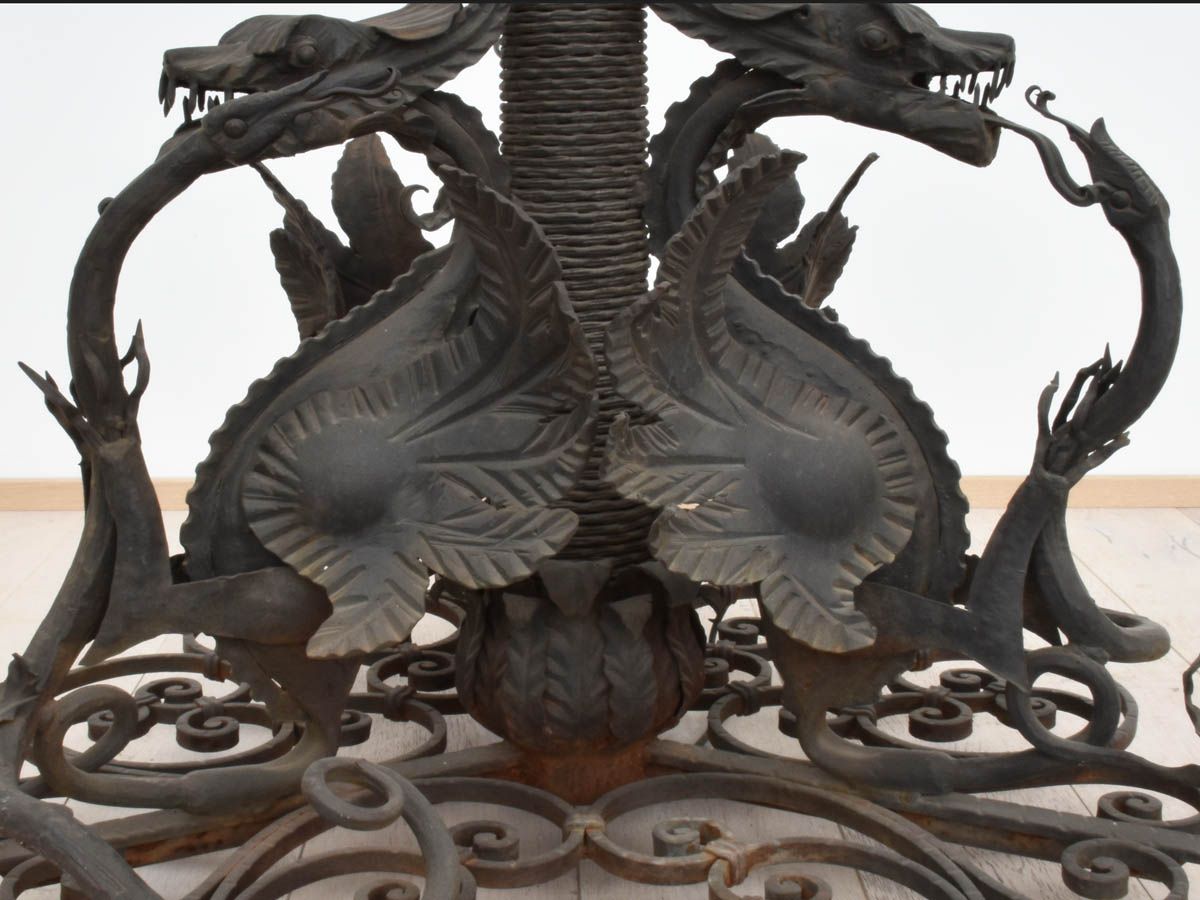
A distinctive feature of Mazzucotelli’s work is his use of stylized animal forms, including birds, serpents, dragons, and other fantastic creatures woven into vegetal motifs and iron structures. These imaginative elements transform lamps, lanterns, and decorative ironworks into a kind of “magical zoo” in wrought iron, where fantasy takes shape through dynamic silhouettes that appear to come alive when illuminated.


Among his most important collaborations were those with architects such as Giuseppe Sommaruga, contributing to emblematic Liberty-style buildings like Palazzo Castiglioni. In these projects, Mazzucotelli designed lighting and decorative iron elements that seamlessly integrate light, architecture, and ornament.


Today, many of his works can still be seen in historic buildings across Milan, representing a remarkable example of how craftsmanship, sculpture, and lighting design can merge into a unique artistic language that transforms urban architecture into a poetic landscape of light, metal, and imaginary creatures.
Item nr. 22090

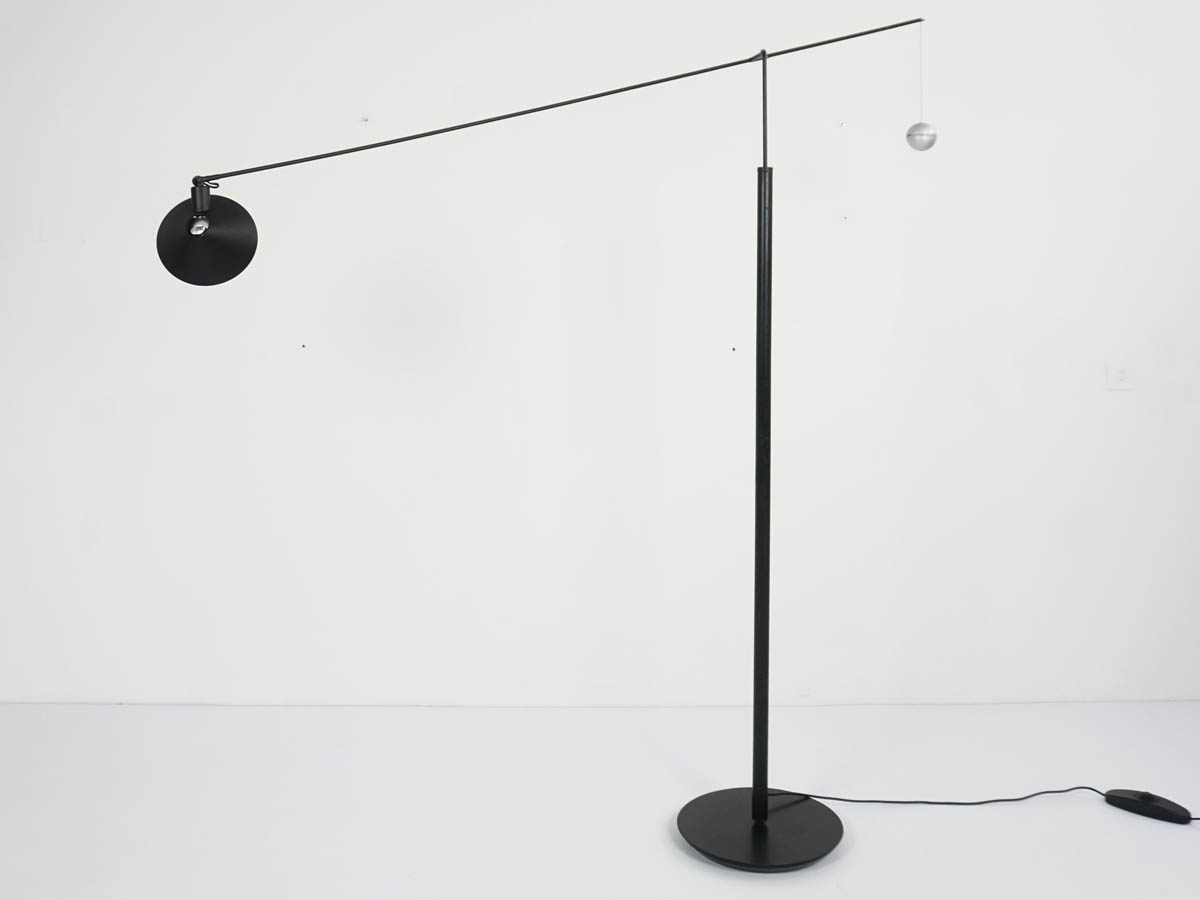
Large Italian wrought iron outdoor lamppost, HT 300 cm

Designer

ProductionMazzucotelli
Italy 1910 approx.

MaterialWrought iron | thick, hand-blown glass

DimensionDia 85 x HT 300 cm

large-italian-wrought-iron-outdoor-lamppost-ht-300-cm


Alessandro Mazzucotelli (1865–1938) was one of the most important masters of wrought iron in Italy and a central figure in the development of decorative arts between the late 19th and early 20th centuries. Active mainly in Milan, Mazzucotelli transformed the traditional craft of the blacksmith into a true art form, playing a key role in the spread of the Art Nouveau movement in Italy, known locally as Stile Liberty.


Specializing in artistic ironwork, he created numerous decorative elements for Milanese palaces and residences, including gates, balconies, lanterns, street lamps, and lighting fixtures. His architectural lighting works are distinguished by organic and flowing lines inspired by nature, where wrought iron structures interact with light to create elegant and expressive lighting compositions.


A distinctive feature of Mazzucotelli’s work is his use of stylized animal forms, including birds, serpents, dragons, and other fantastic creatures woven into vegetal motifs and iron structures. These imaginative elements transform lamps, lanterns, and decorative ironworks into a kind of “magical zoo” in wrought iron, where fantasy takes shape through dynamic silhouettes that appear to come alive when illuminated.


Among his most important collaborations were those with architects such as Giuseppe Sommaruga, contributing to emblematic Liberty-style buildings like Palazzo Castiglioni. In these projects, Mazzucotelli designed lighting and decorative iron elements that seamlessly integrate light, architecture, and ornament.


Today, many of his works can still be seen in historic buildings across Milan, representing a remarkable example of how craftsmanship, sculpture, and lighting design can merge into a unique artistic language that transforms urban architecture into a poetic landscape of light, metal, and imaginary creatures.
Description

Alessandro Mazzucotelli (1865–1938) was one of the most important masters of wrought iron in Italy and a central figure in the development of decorative arts between the late 19th and early 20th centuries. Active mainly in Milan, Mazzucotelli transformed the traditional craft of the blacksmith into a true art form, playing a key role in the spread of the Art Nouveau movement in Italy, known locally as Stile Liberty.

Specializing in artistic ironwork, he created numerous decorative elements for Milanese palaces and residences, including gates, balconies, lanterns, street lamps, and lighting fixtures. His architectural lighting works are distinguished by organic and flowing lines inspired by nature, where wrought iron structures interact with light to create elegant and expressive lighting compositions.

A distinctive feature of Mazzucotelli’s work is his use of stylized animal forms, including birds, serpents, dragons, and other fantastic creatures woven into vegetal motifs and iron structures. These imaginative elements transform lamps, lanterns, and decorative ironworks into a kind of “magical zoo” in wrought iron, where fantasy takes shape through dynamic silhouettes that appear to come alive when illuminated.

Among his most important collaborations were those with architects such as Giuseppe Sommaruga, contributing to emblematic Liberty-style buildings like Palazzo Castiglioni. In these projects, Mazzucotelli designed lighting and decorative iron elements that seamlessly integrate light, architecture, and ornament.

Today, many of his works can still be seen in historic buildings across Milan, representing a remarkable example of how craftsmanship, sculpture, and lighting design can merge into a unique artistic language that transforms urban architecture into a poetic landscape of light, metal, and imaginary creatures.
Additional information

Material

Dimension