

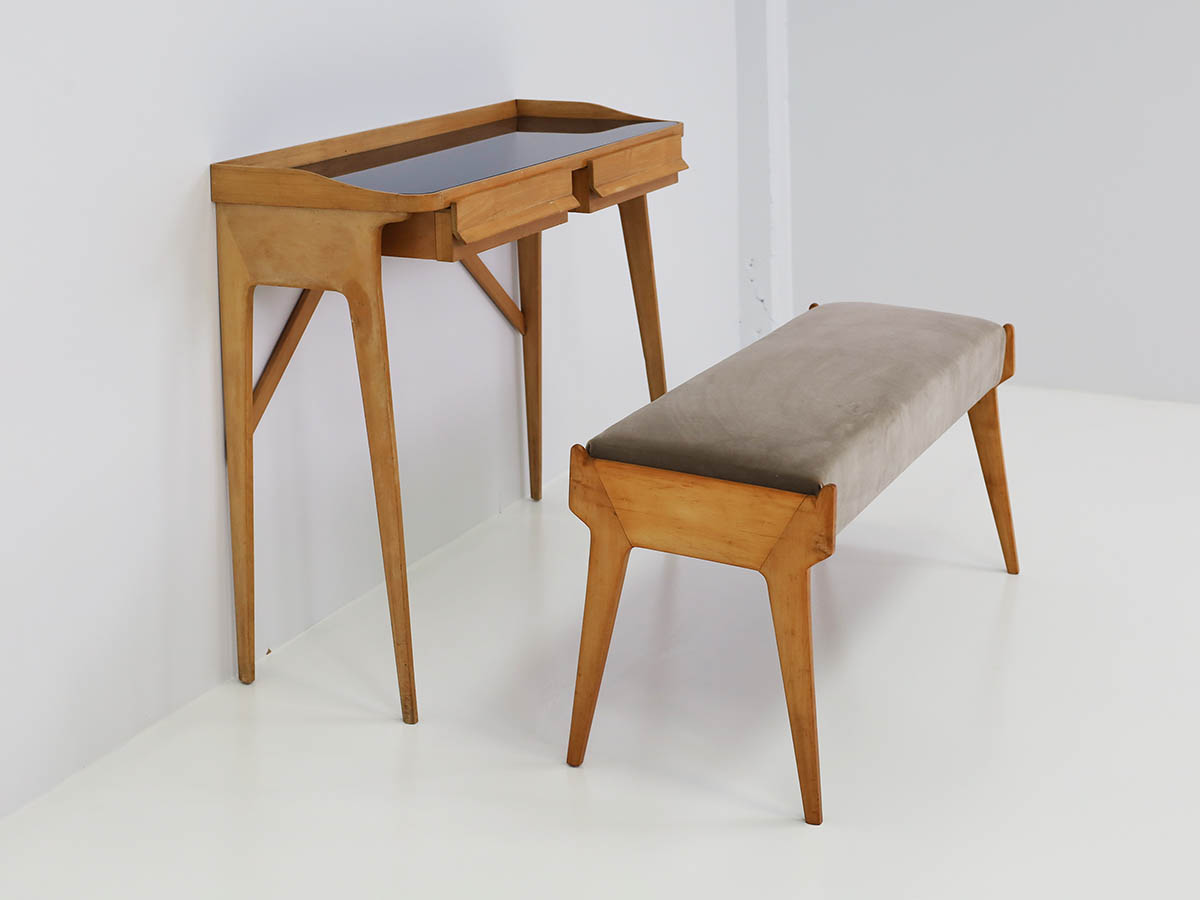
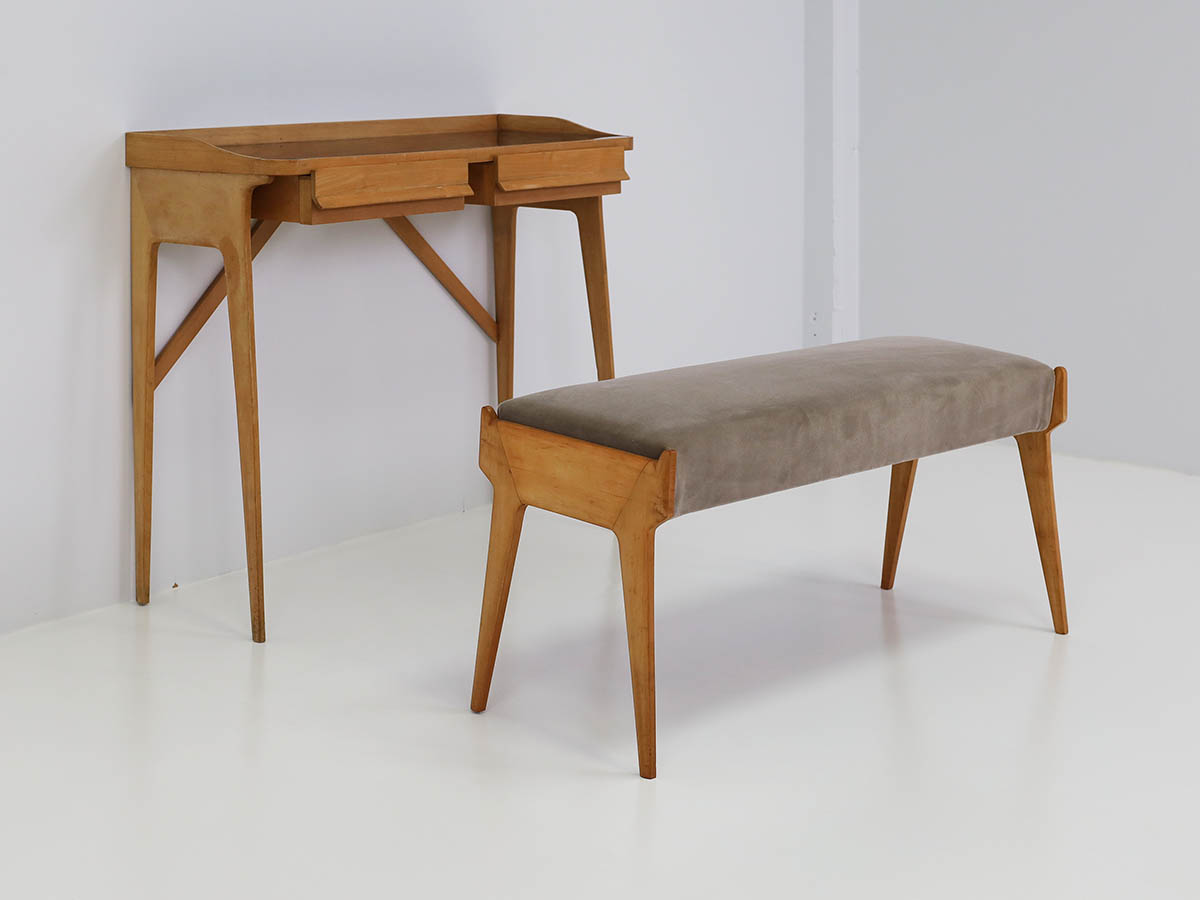
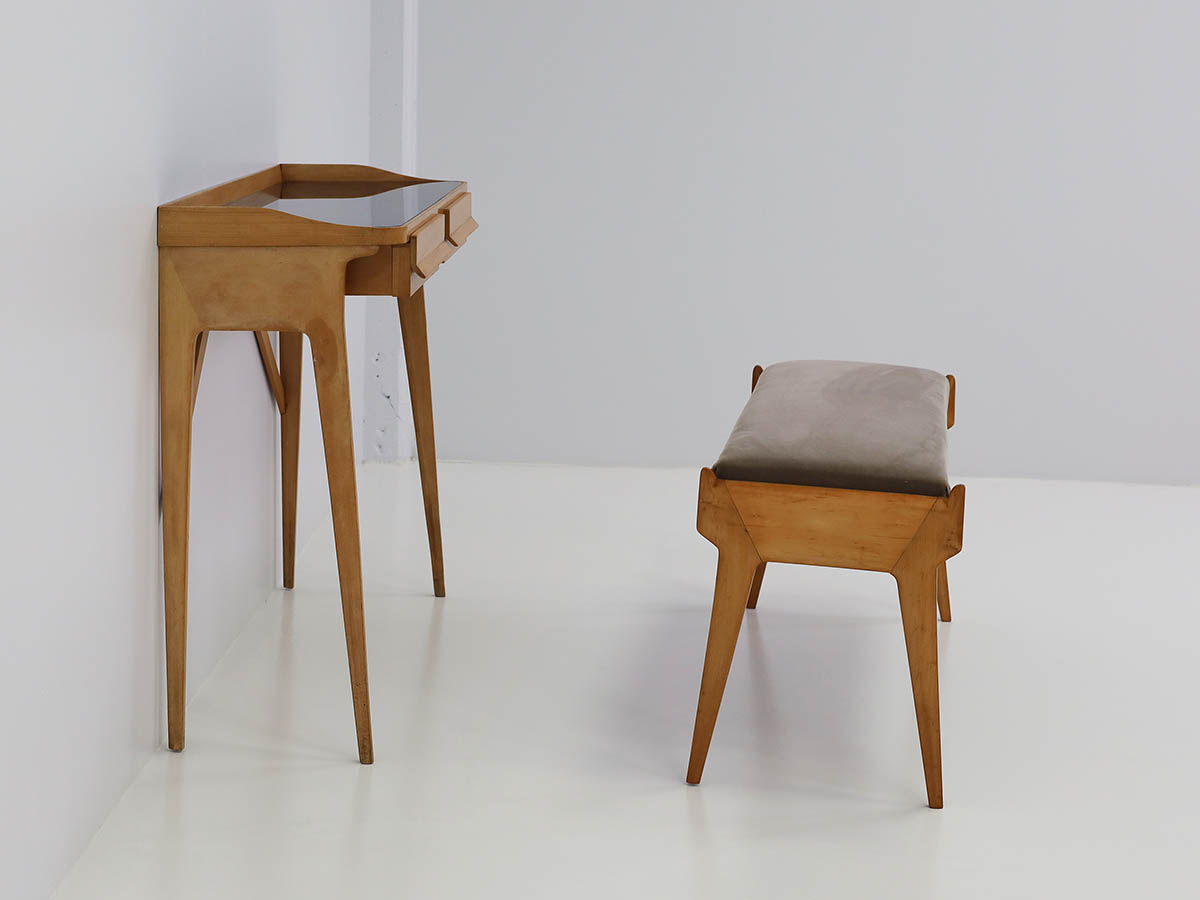
Italian design of the 1950s was not shaped only by the famous names now celebrated in galleries and international auctions. A fundamental part of postwar Italian furniture production came from small workshops, artisan manufacturers, and local cabinetmakers that created exceptionally refined pieces without assigning every object to a specific designer. The value of these furnishings was rooted in craftsmanship, proportions, material quality, and functionality rather than in a recognizable signature.


During the 1950s, anonymous Italian furniture became an essential expression of the country’s design culture. Many pieces now admired as icons of mid-century Italian interiors still have no confirmed attribution, yet they retain remarkable aesthetic strength and historical relevance. Tables, chairs, sideboards, and decorative objects were produced through a shared visual language that combined elegance, practicality, and artisanal expertise.


Among the materials used in this period, lemon wood stands out for its warm tones, distinctive grain, and natural luminosity. Primarily sourced from Mediterranean regions, lemon wood was occasionally incorporated into handcrafted furniture and interior details, highlighting the importance of local materials in Italian design history. Its organic texture and rich color gave interiors a refined but understated character that reflected the atmosphere of postwar Italian homes.


The use of anonymous furniture in 1950s interiors also reveals a different approach to collecting and decorating. Homes were not conceived as showcases of famous names, but as balanced living spaces built through harmony, craftsmanship, and material authenticity. Furniture was selected for the quality of its construction, the beauty of its wood, and its ability to endure over time rather than for the prestige of a designer label.


Today, rediscovering anonymous Italian design from the 1950s means recognizing the importance of a broader cultural heritage shaped by artisans, local production, and timeless materials. It also highlights the enduring appeal of understated furniture, natural woods such as lemon wood, and interiors defined by authenticity instead of attribution.
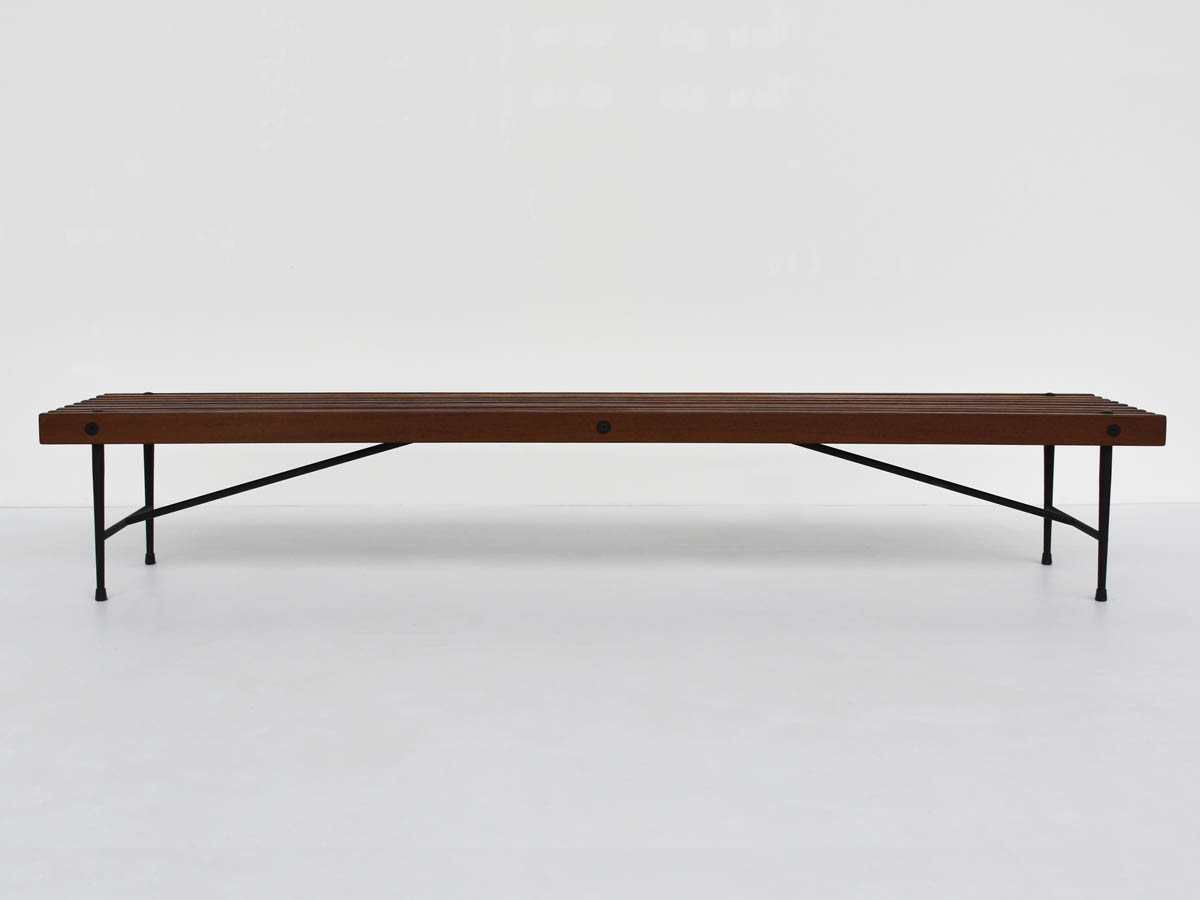


Item nr. 26084

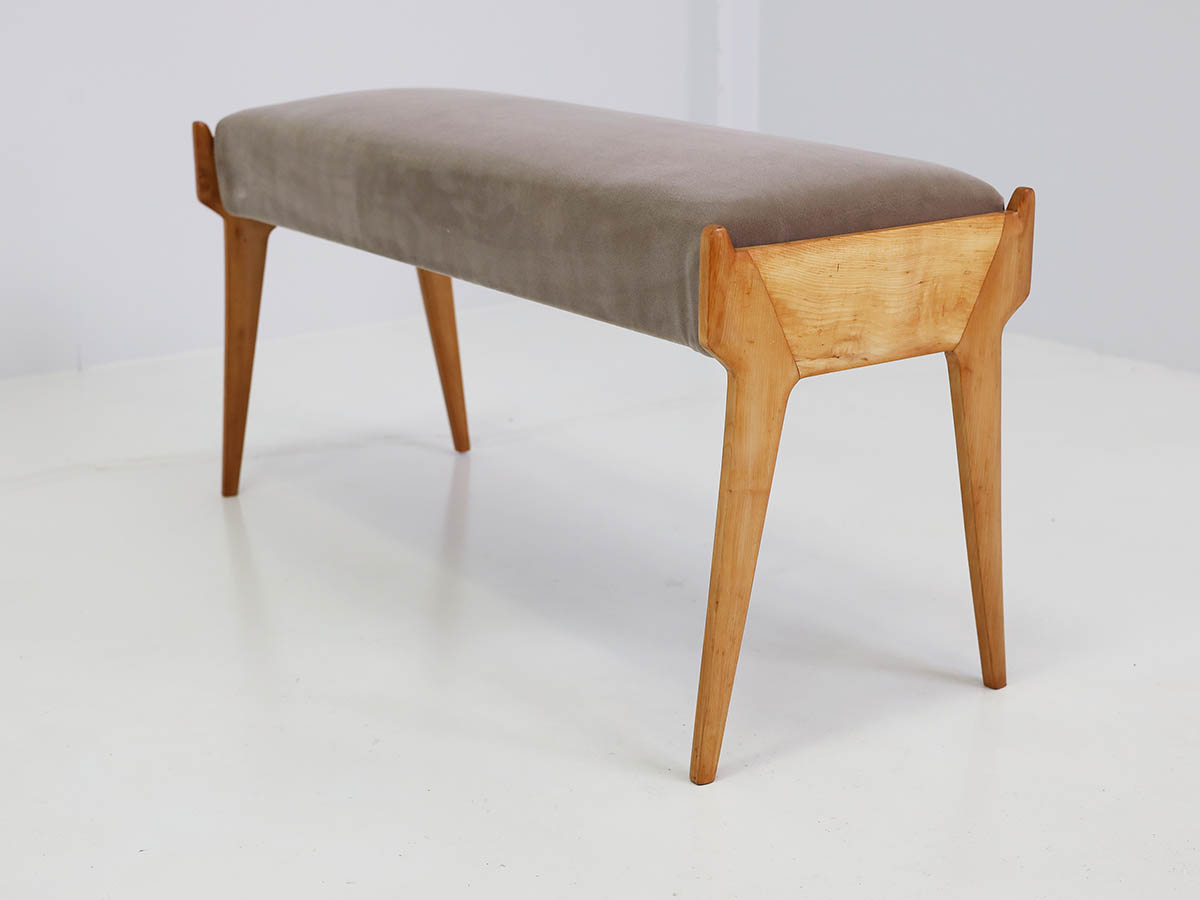
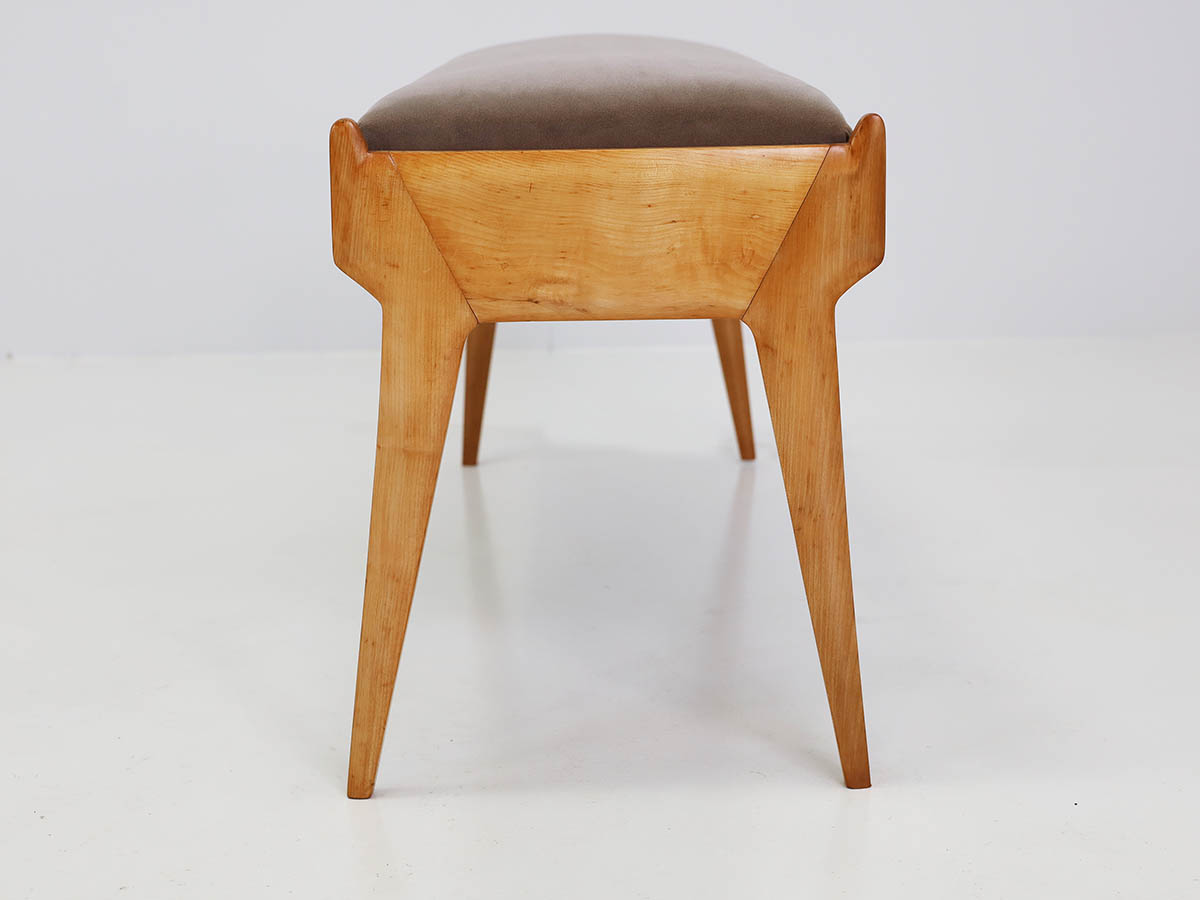
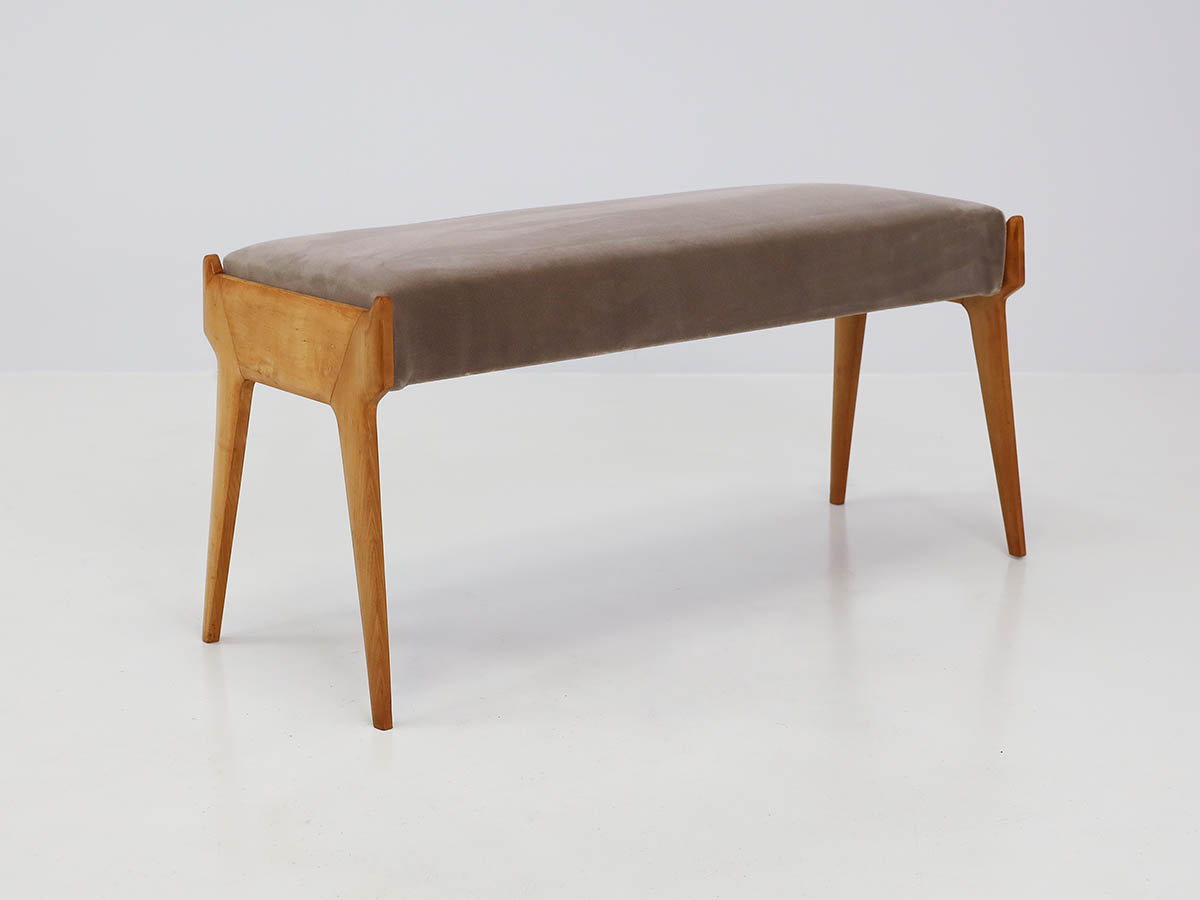
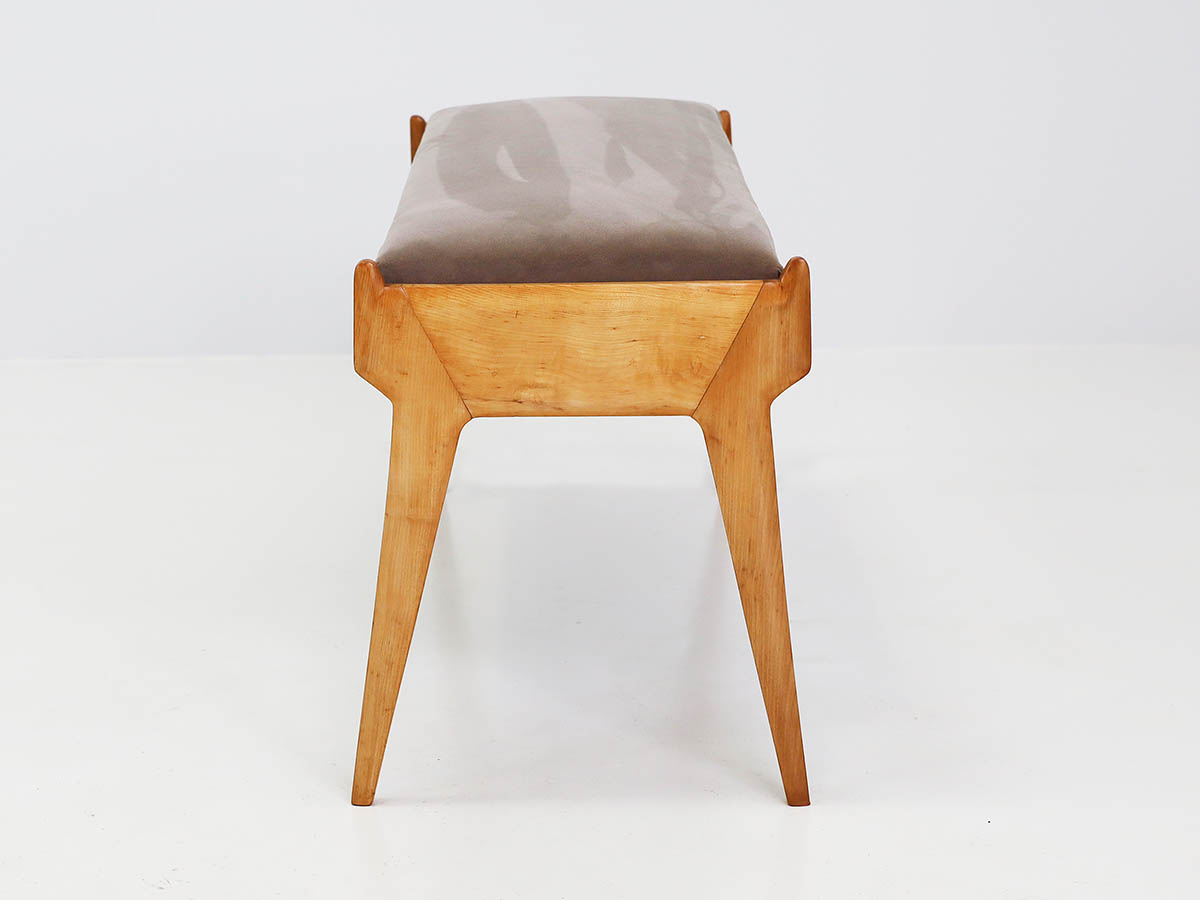
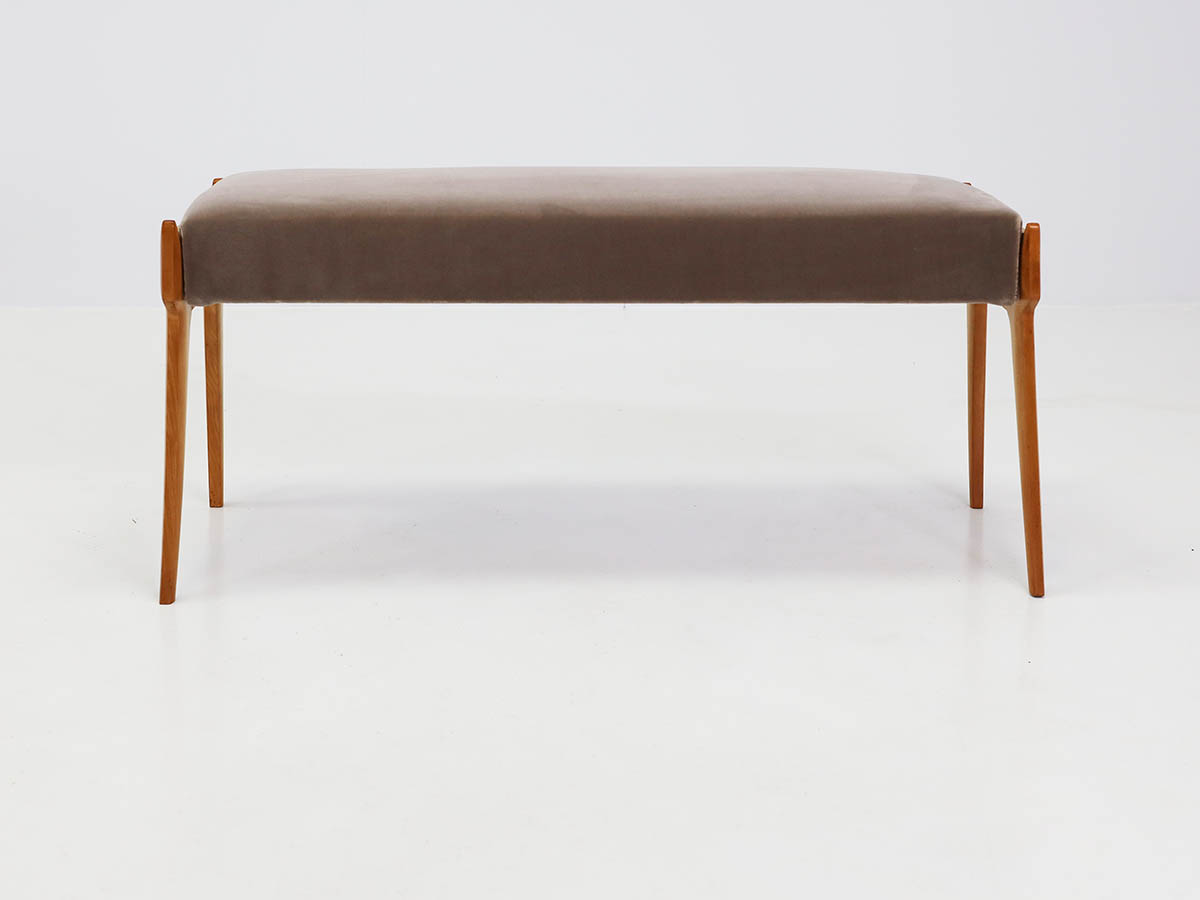
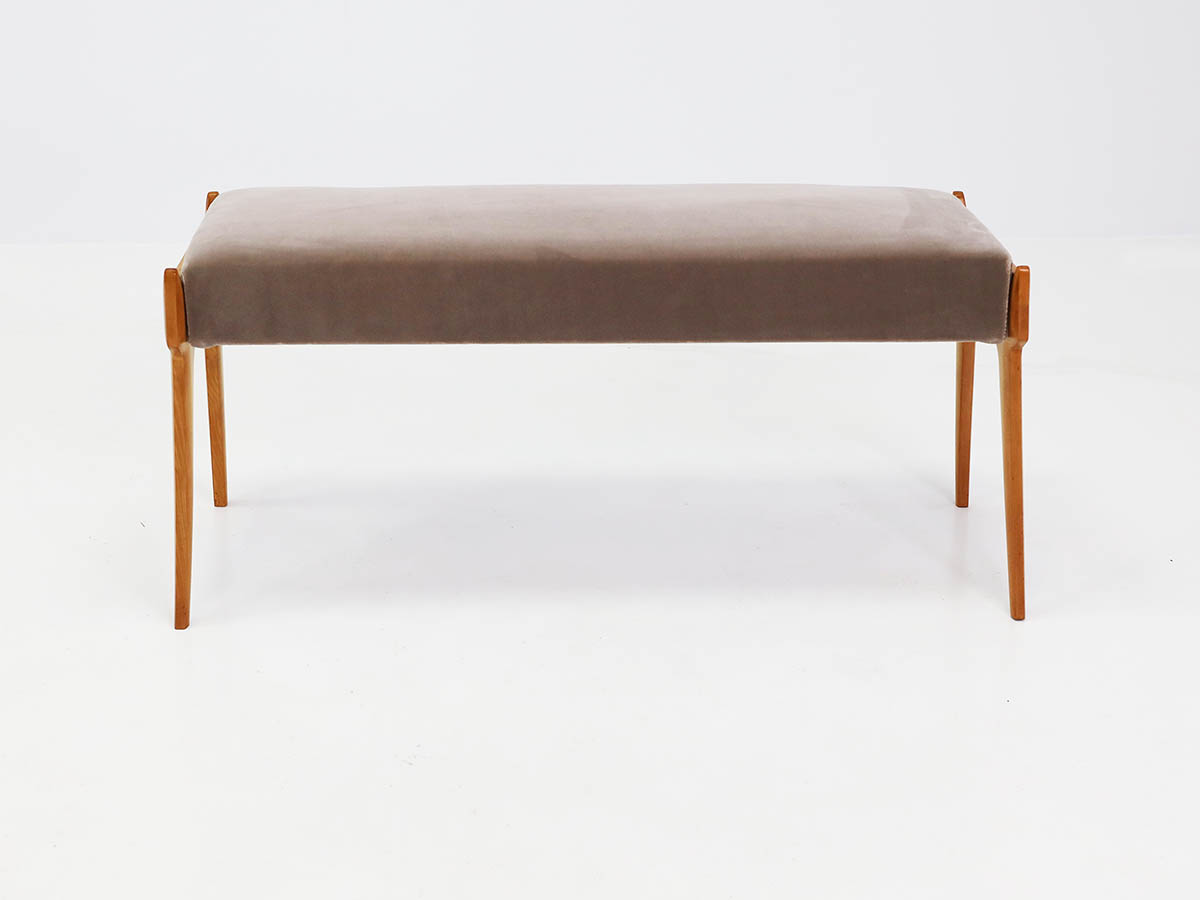
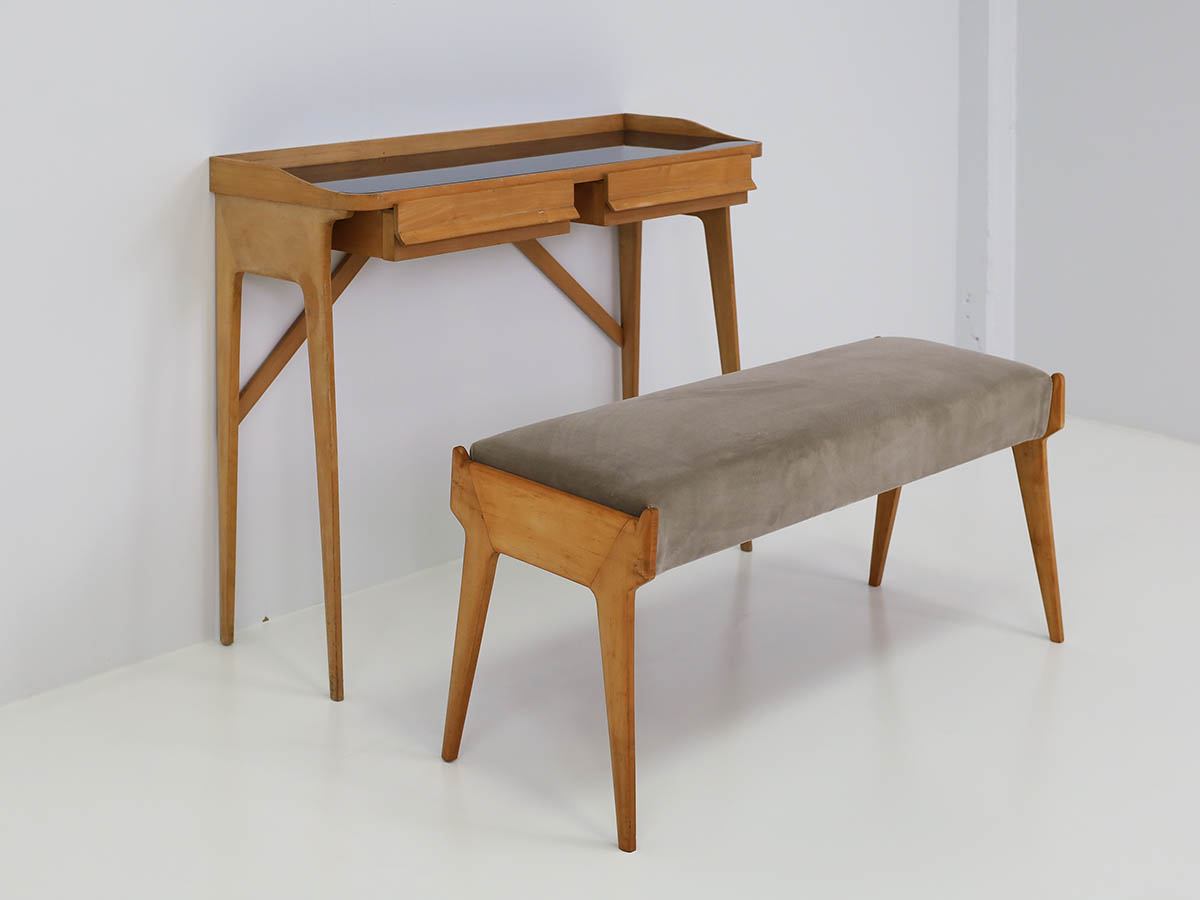
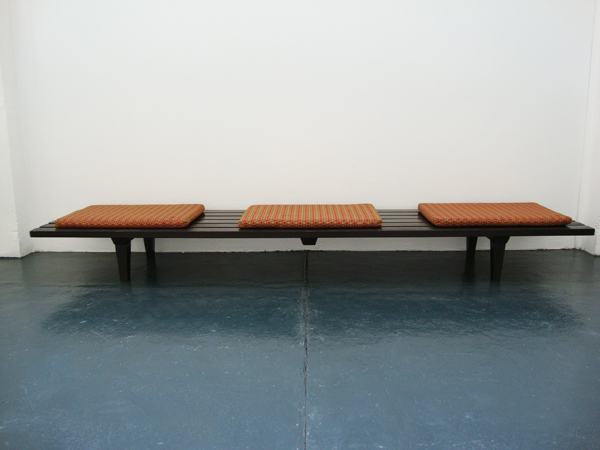
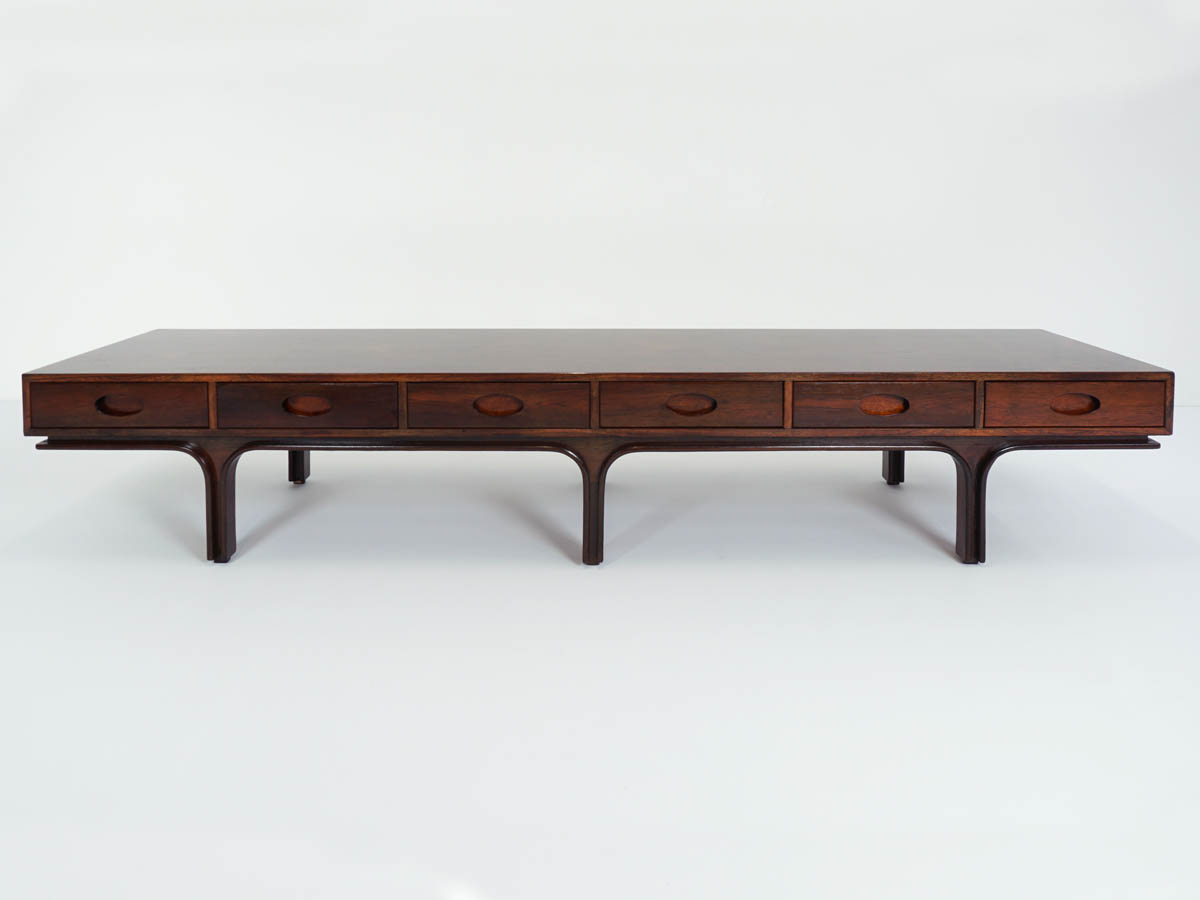
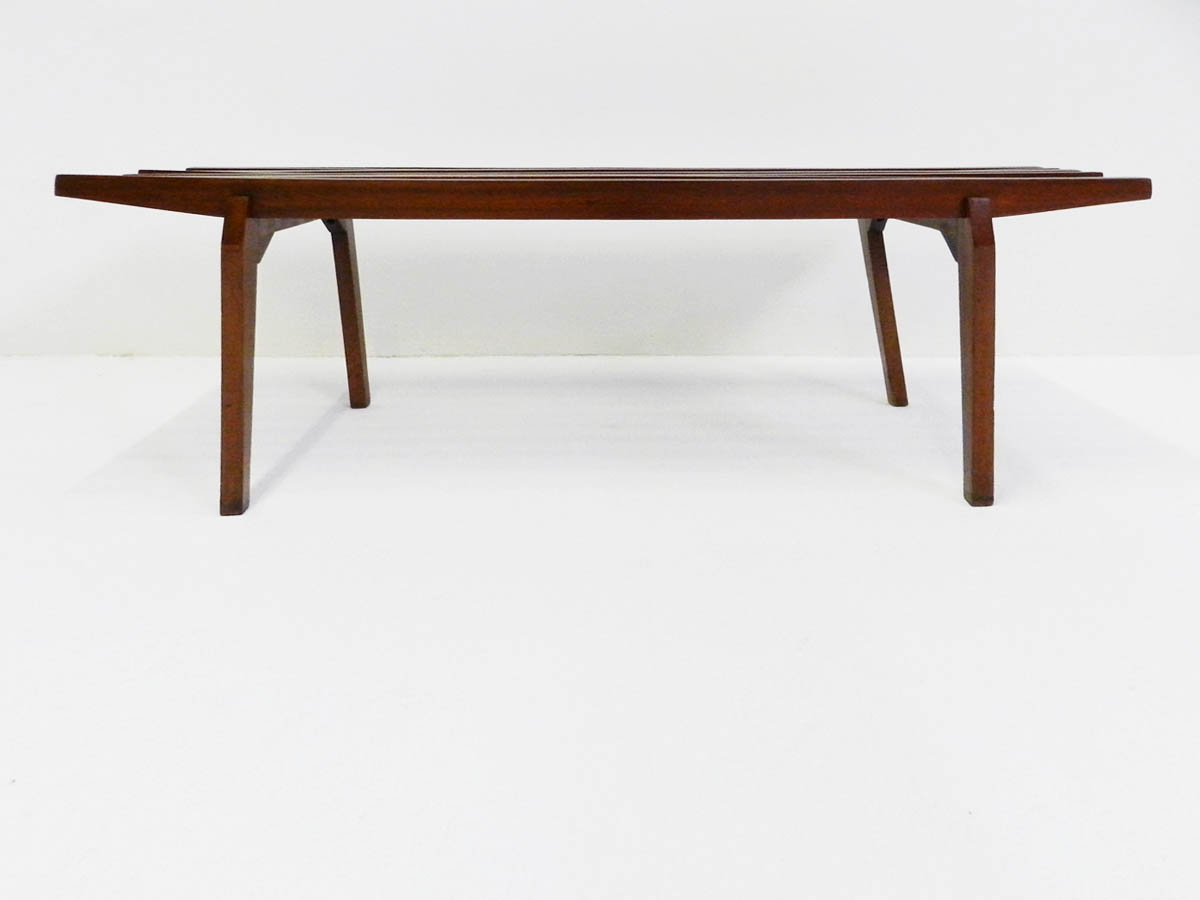
Italian design bench in lemon wood

ProductionItalian Production
Italy 1950 Approx

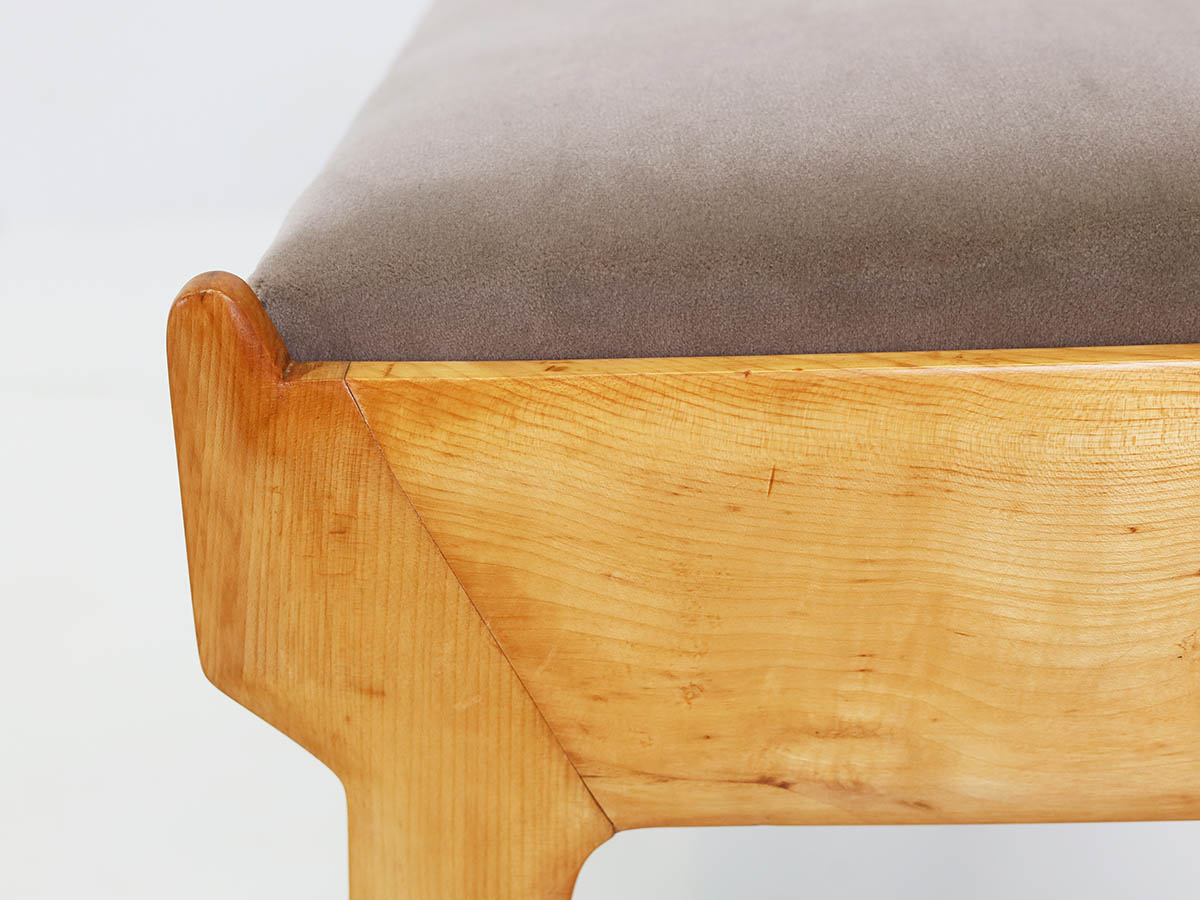
MaterialLemon wood | long-pile cotton velvet

Dimension94 x 35 x HT 47 cm

italian-design-bench-in-lemon-wood


Italian design of the 1950s was not shaped only by the famous names now celebrated in galleries and international auctions. A fundamental part of postwar Italian furniture production came from small workshops, artisan manufacturers, and local cabinetmakers that created exceptionally refined pieces without assigning every object to a specific designer. The value of these furnishings was rooted in craftsmanship, proportions, material quality, and functionality rather than in a recognizable signature.


During the 1950s, anonymous Italian furniture became an essential expression of the country’s design culture. Many pieces now admired as icons of mid-century Italian interiors still have no confirmed attribution, yet they retain remarkable aesthetic strength and historical relevance. Tables, chairs, sideboards, and decorative objects were produced through a shared visual language that combined elegance, practicality, and artisanal expertise.


Among the materials used in this period, lemon wood stands out for its warm tones, distinctive grain, and natural luminosity. Primarily sourced from Mediterranean regions, lemon wood was occasionally incorporated into handcrafted furniture and interior details, highlighting the importance of local materials in Italian design history. Its organic texture and rich color gave interiors a refined but understated character that reflected the atmosphere of postwar Italian homes.


The use of anonymous furniture in 1950s interiors also reveals a different approach to collecting and decorating. Homes were not conceived as showcases of famous names, but as balanced living spaces built through harmony, craftsmanship, and material authenticity. Furniture was selected for the quality of its construction, the beauty of its wood, and its ability to endure over time rather than for the prestige of a designer label.


Today, rediscovering anonymous Italian design from the 1950s means recognizing the importance of a broader cultural heritage shaped by artisans, local production, and timeless materials. It also highlights the enduring appeal of understated furniture, natural woods such as lemon wood, and interiors defined by authenticity instead of attribution.


Description

Italian design of the 1950s was not shaped only by the famous names now celebrated in galleries and international auctions. A fundamental part of postwar Italian furniture production came from small workshops, artisan manufacturers, and local cabinetmakers that created exceptionally refined pieces without assigning every object to a specific designer. The value of these furnishings was rooted in craftsmanship, proportions, material quality, and functionality rather than in a recognizable signature.

During the 1950s, anonymous Italian furniture became an essential expression of the country’s design culture. Many pieces now admired as icons of mid-century Italian interiors still have no confirmed attribution, yet they retain remarkable aesthetic strength and historical relevance. Tables, chairs, sideboards, and decorative objects were produced through a shared visual language that combined elegance, practicality, and artisanal expertise.

Among the materials used in this period, lemon wood stands out for its warm tones, distinctive grain, and natural luminosity. Primarily sourced from Mediterranean regions, lemon wood was occasionally incorporated into handcrafted furniture and interior details, highlighting the importance of local materials in Italian design history. Its organic texture and rich color gave interiors a refined but understated character that reflected the atmosphere of postwar Italian homes.

The use of anonymous furniture in 1950s interiors also reveals a different approach to collecting and decorating. Homes were not conceived as showcases of famous names, but as balanced living spaces built through harmony, craftsmanship, and material authenticity. Furniture was selected for the quality of its construction, the beauty of its wood, and its ability to endure over time rather than for the prestige of a designer label.

Today, rediscovering anonymous Italian design from the 1950s means recognizing the importance of a broader cultural heritage shaped by artisans, local production, and timeless materials. It also highlights the enduring appeal of understated furniture, natural woods such as lemon wood, and interiors defined by authenticity instead of attribution.

Additional information

Material

Dimension