

Guglielmo Ulrich (1897–1977) is a key figure in 20th-century Italian interior architecture and design, known for defining an elegant and restrained design language for Italy’s bourgeois interiors from the 1930s through the 1940s and 1950s. As both an architect and designer, he developed a refined style that blends classicism, modernity, and a strong focus on craftsmanship, playing a decisive role in shaping a cultured, modern bourgeois taste.


His work is distinguished by his ability to interpret the needs of Italy’s upper bourgeoisie, designing bespoke interiors and furniture for private residences, urban apartments, and villas. Ulrich created harmonious and sophisticated environments where every element is conceived as part of a coherent whole. His design language sits between tradition and modernity, reinterpreting classical references in a simplified, balanced, and contemporary way.


From the 1930s through the post-war period and into the 1950s, Ulrich became one of the leading figures in Italian furniture design for bourgeois and professional clients, collaborating with top-tier manufacturers and skilled artisans. His furniture is characterized by the use of high-quality materials, balanced proportions, and meticulous attention to detail, expressing a form of discreet and functional luxury. Sofas, armchairs, tables, and custom interior systems were designed to convey status, culture, and modernity without excess.


His approach to bourgeois interior design is based on a balance between comfort and representation: Ulrich’s interiors convey a refined and understated elegance, avoiding decorative excess while maintaining a strong identity. This vision helped define a recognizable style that deeply influenced Italian interior design throughout the 20th century, especially in the post-war era and the 1950s.
Item nr. 26072

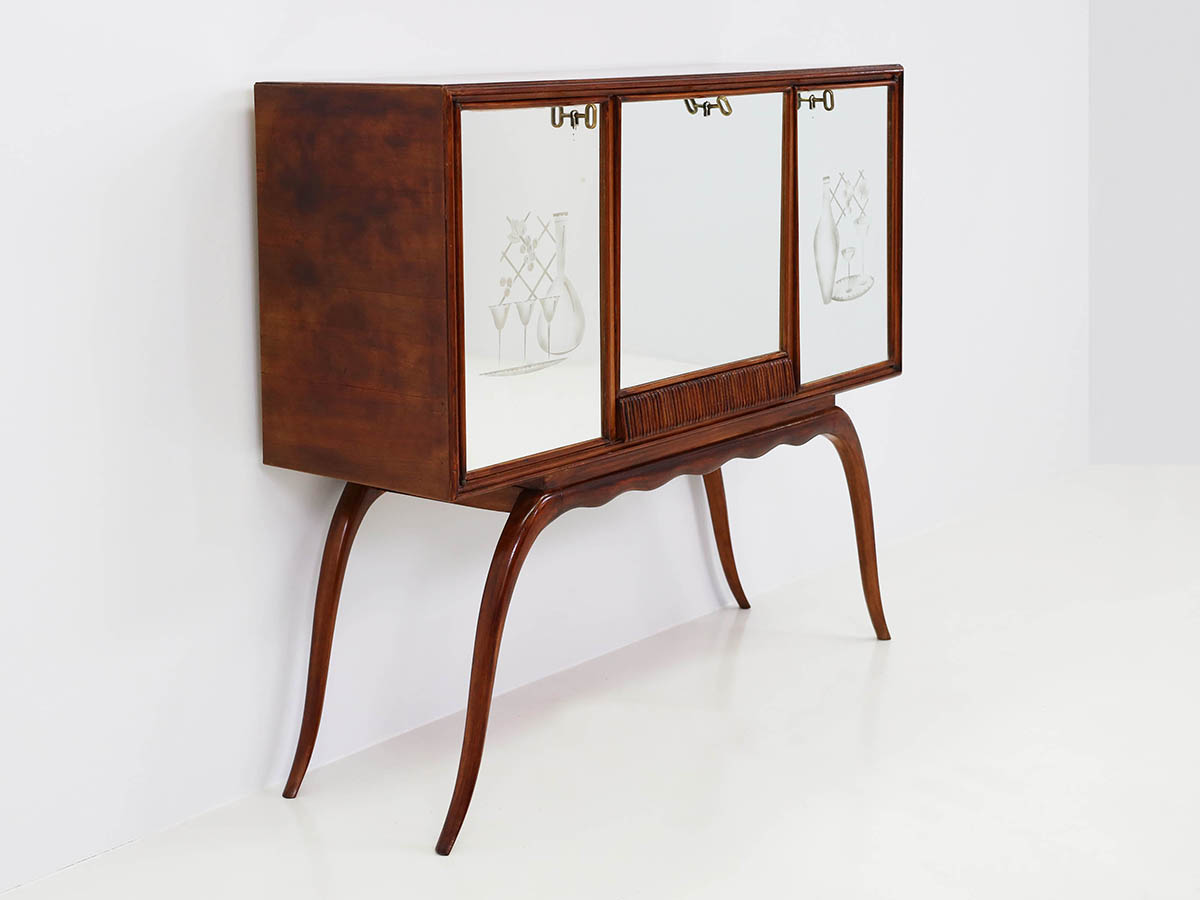
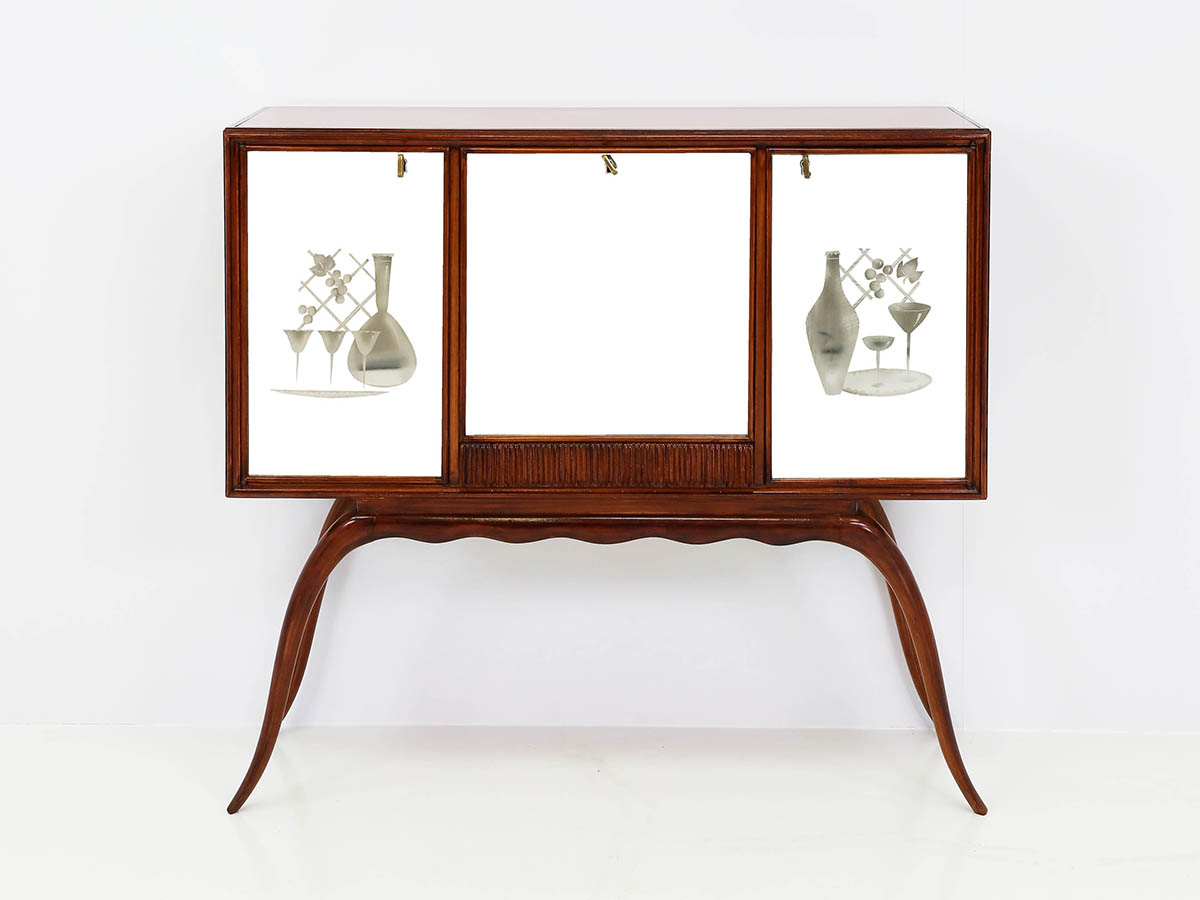
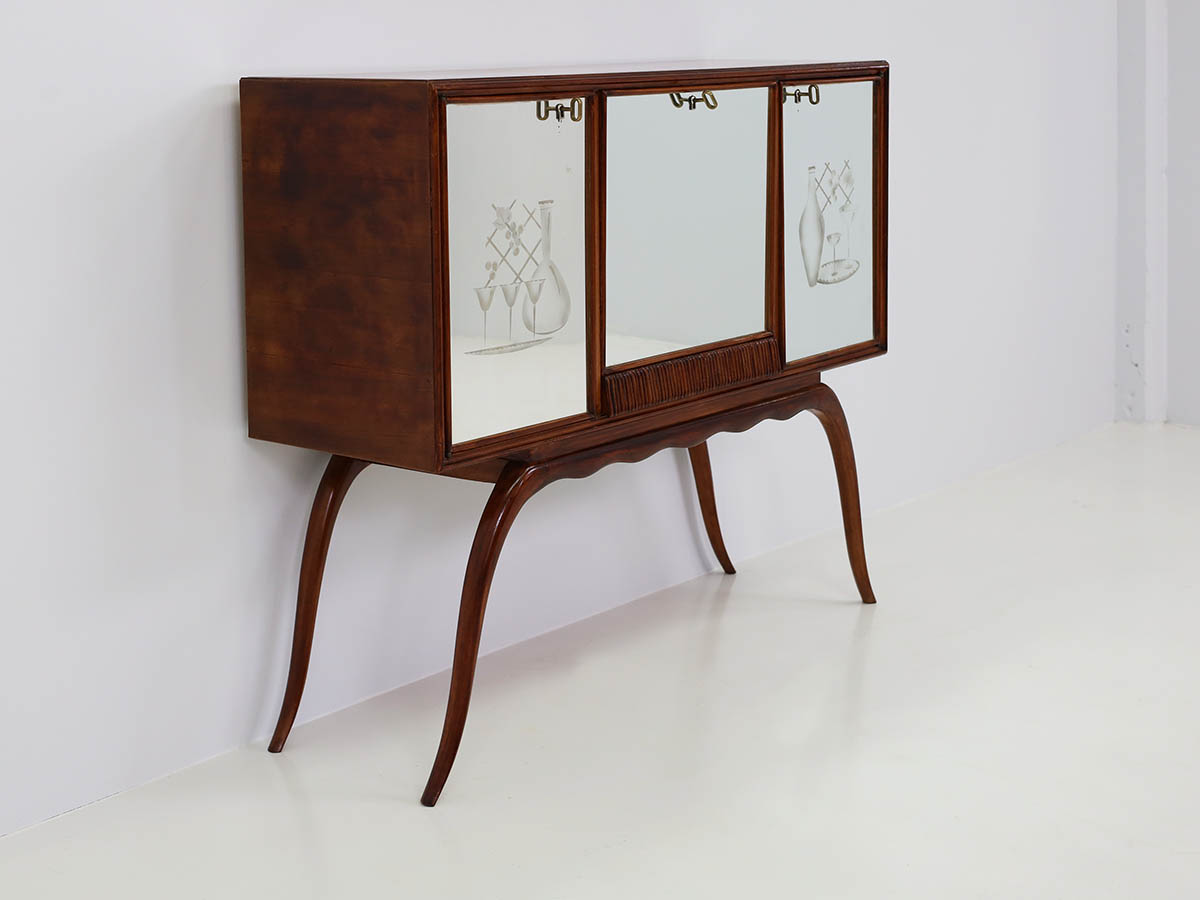
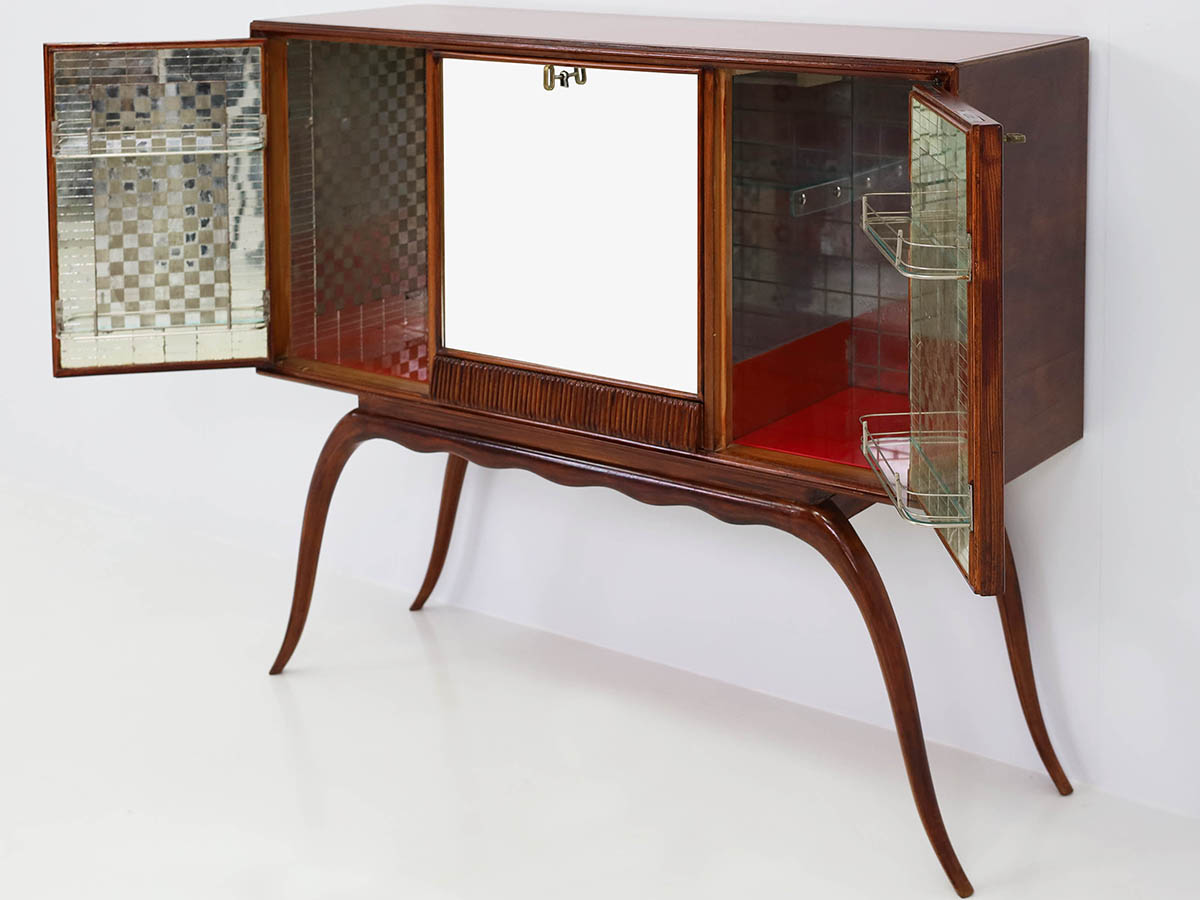
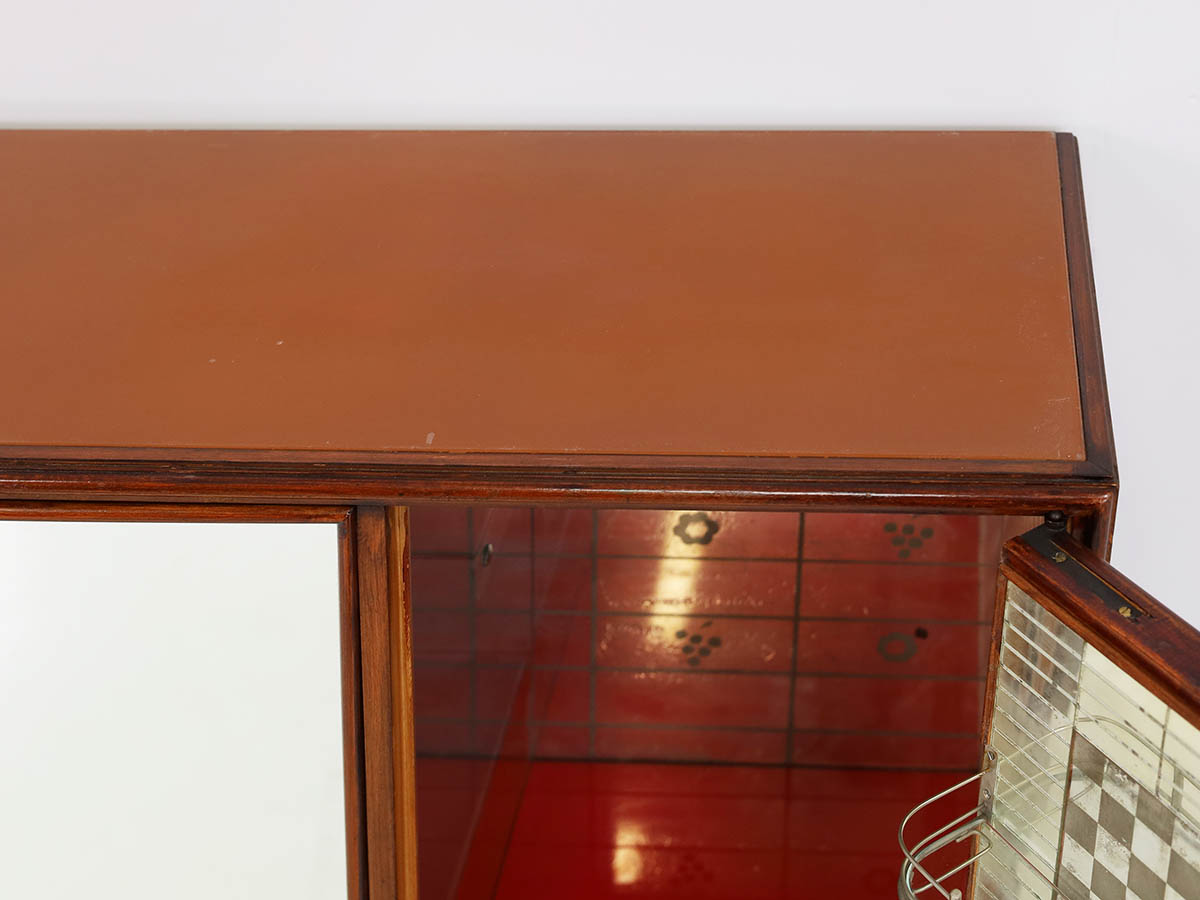
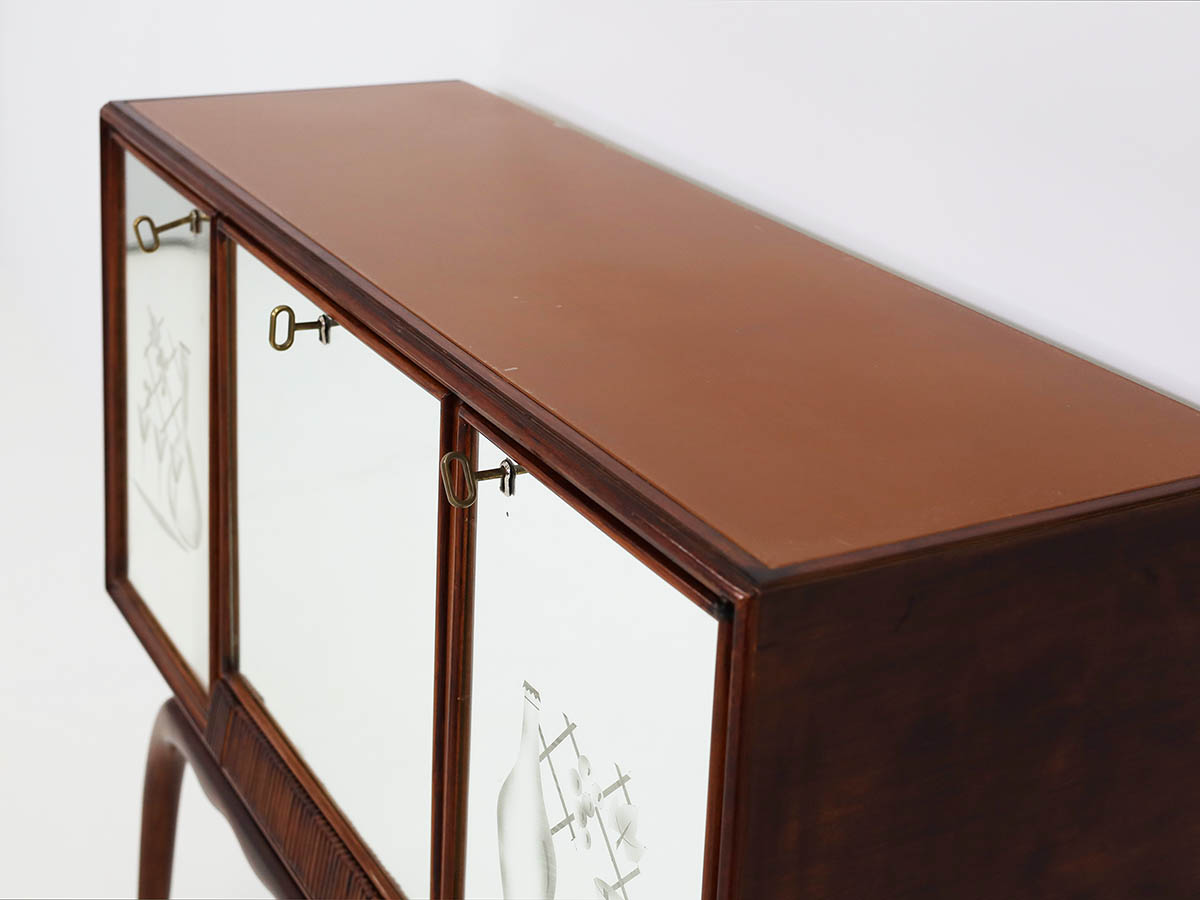
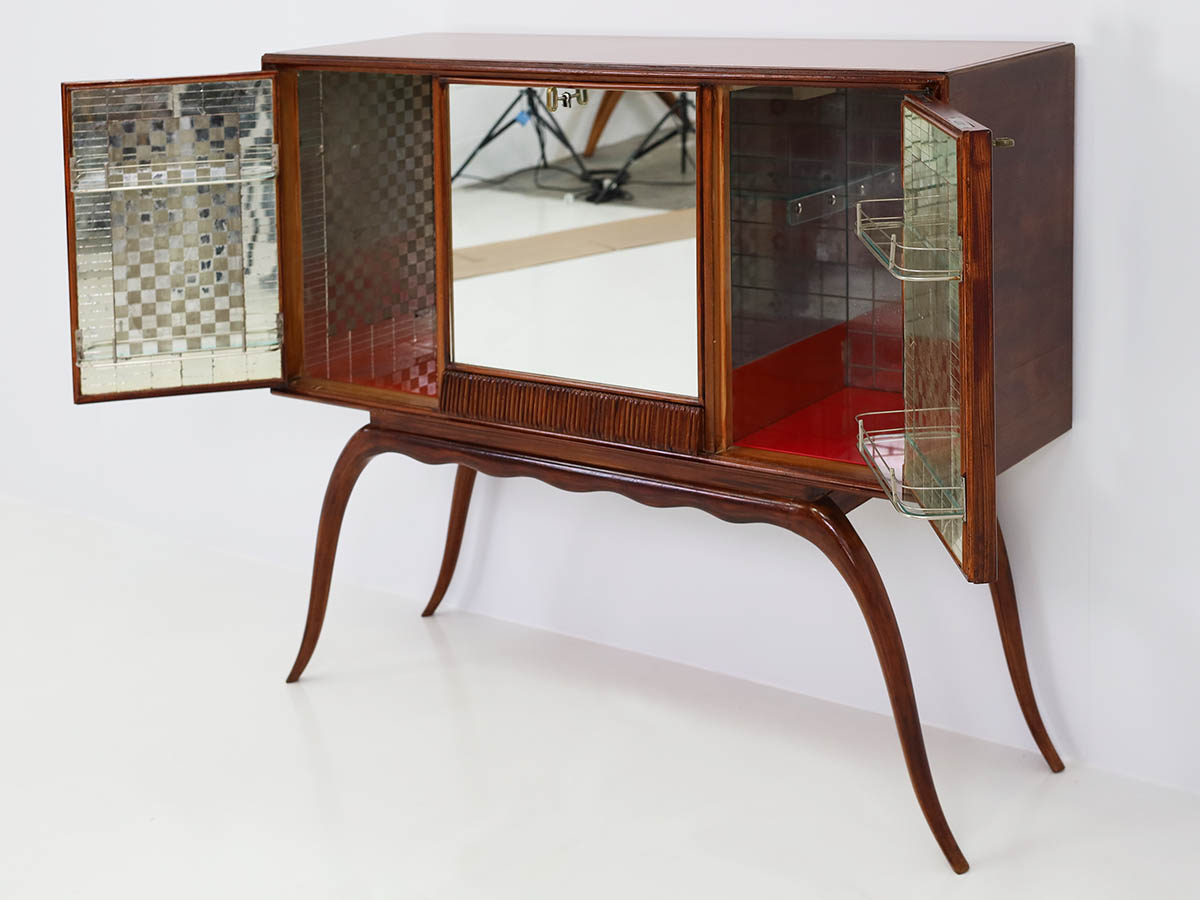
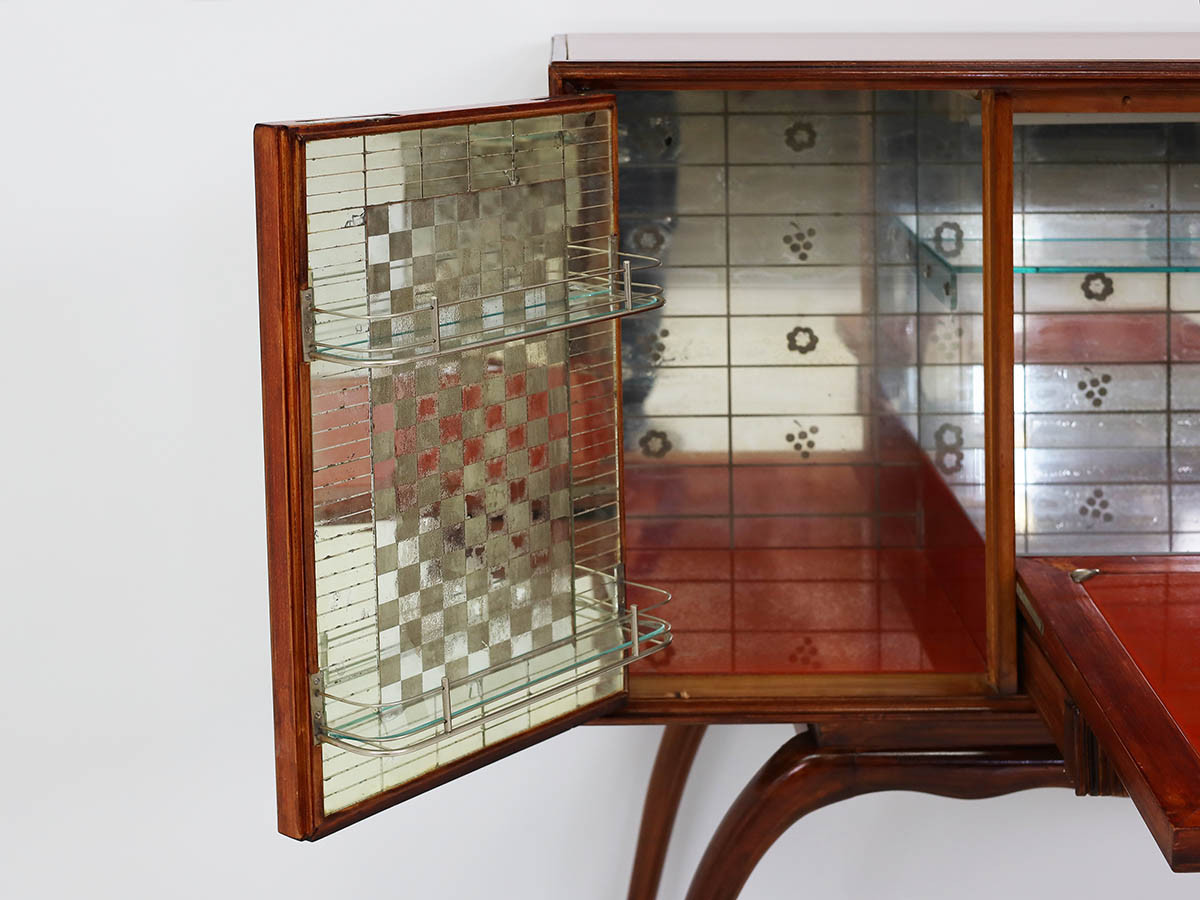
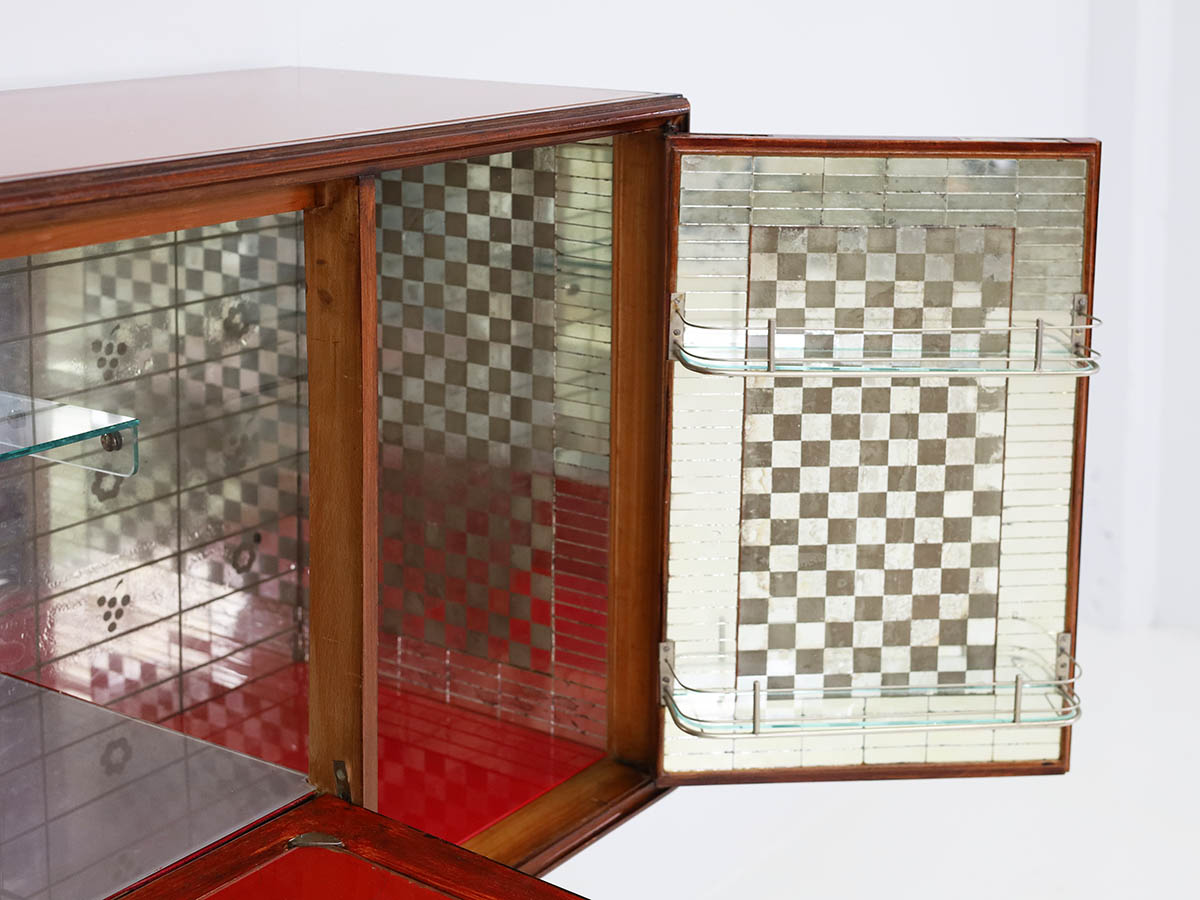
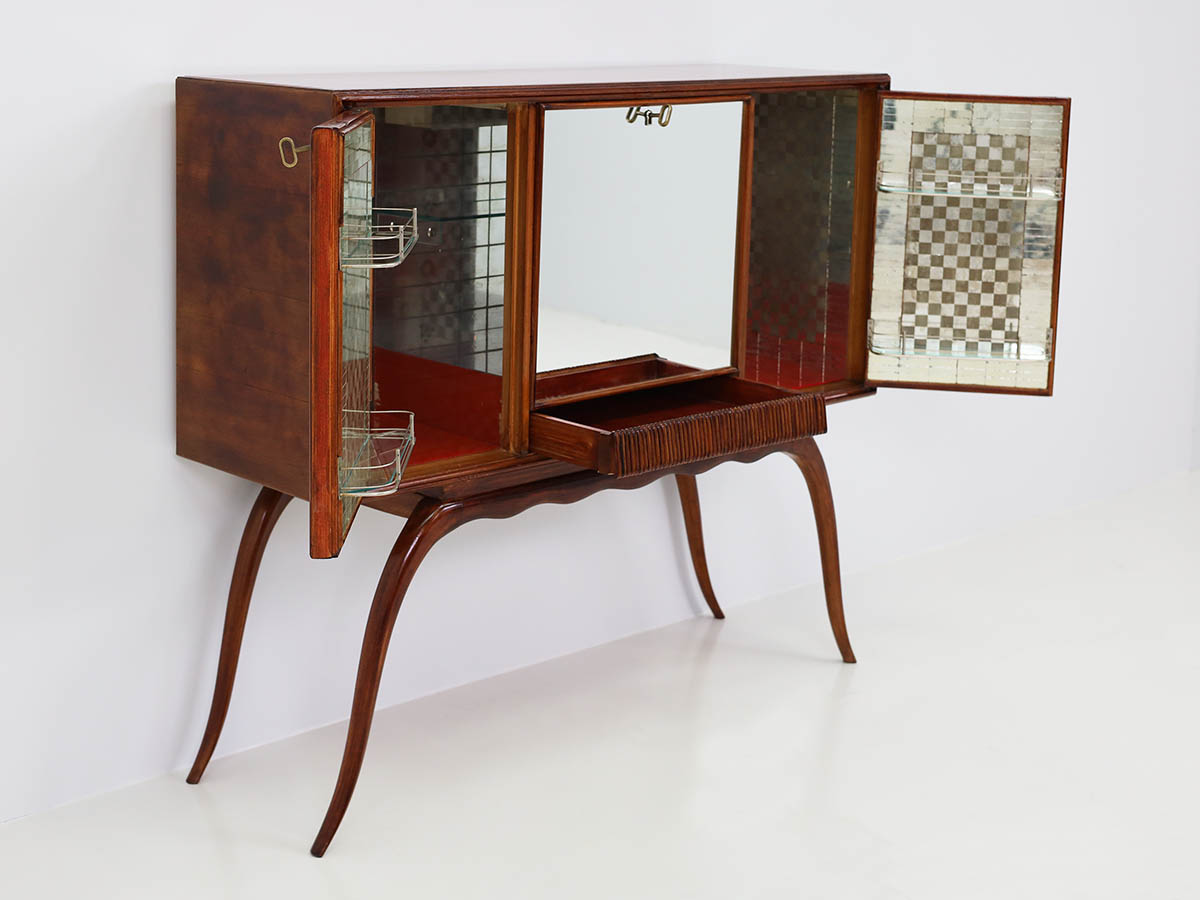
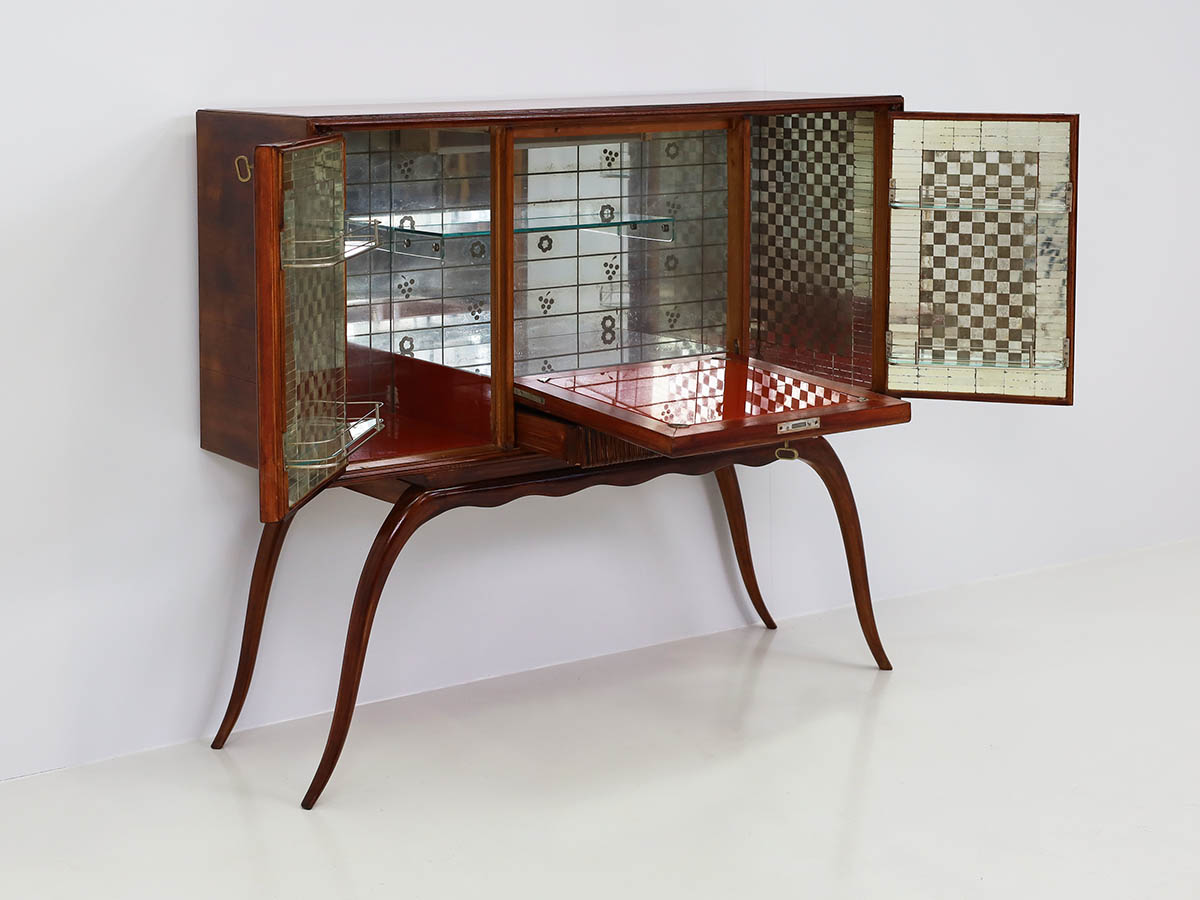
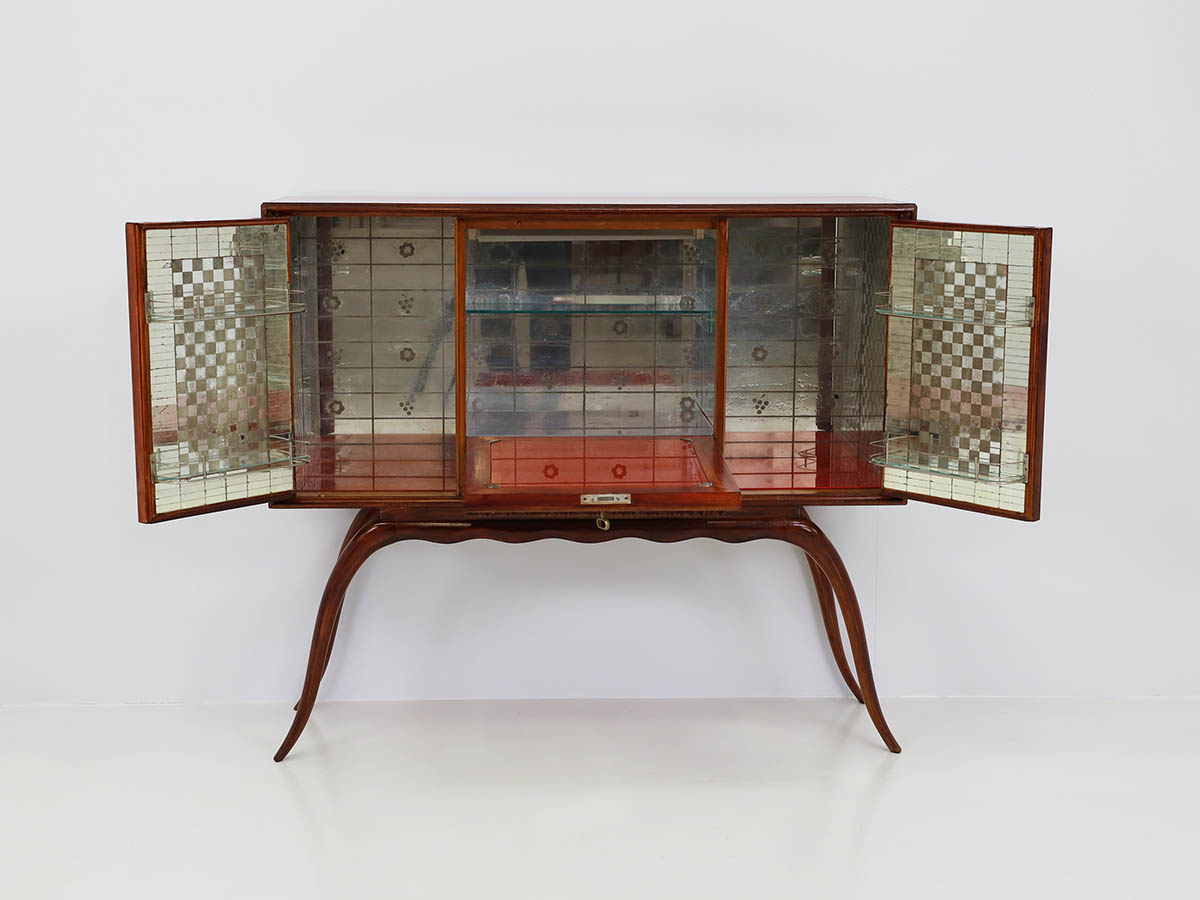
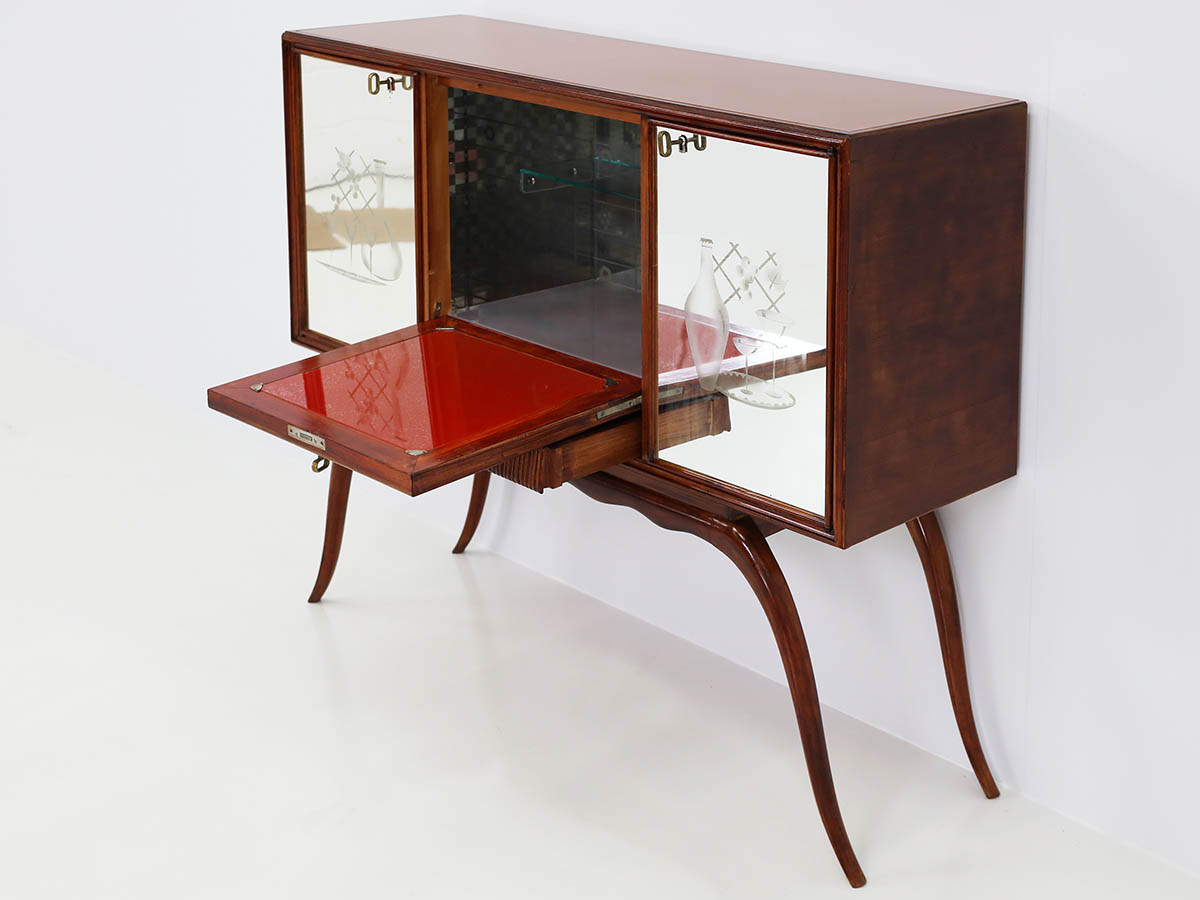
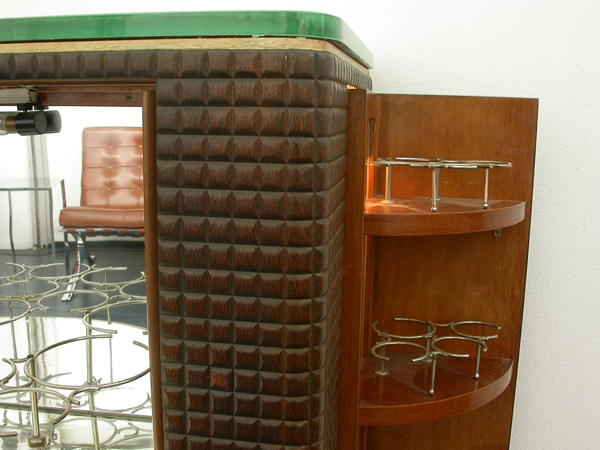
Italian bar with slender legs and a mirrored interior

Designer

ProductionItalian Production
Italy 1950 Approx

Dimension114 x 38 x HT 101 cm

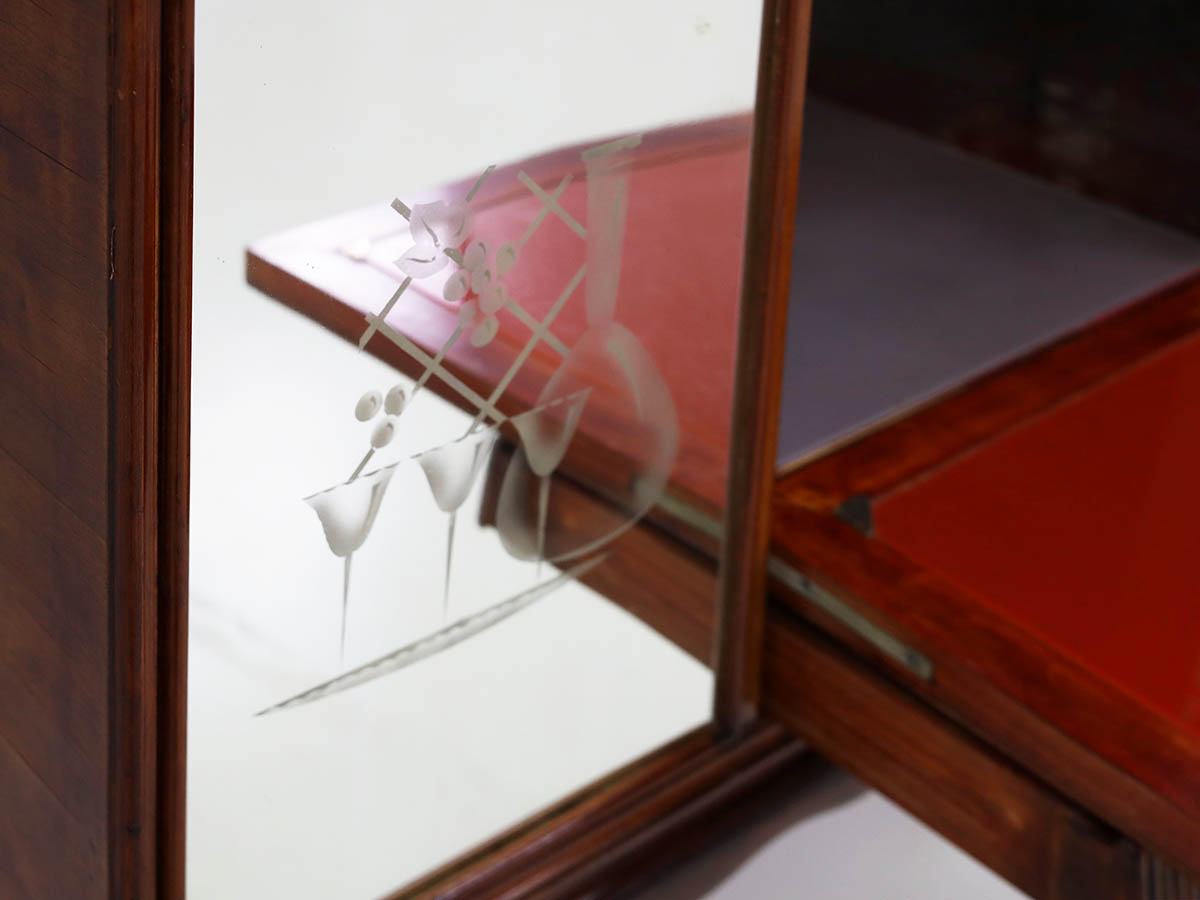
MaterialWalnut | brass | colored glass | mirror | etched mirror

Price in Swiss Francs / Euro 4'200.00

italian-bar-with-slender-legs-and-a-mirrored-interior


Guglielmo Ulrich (1897–1977) is a key figure in 20th-century Italian interior architecture and design, known for defining an elegant and restrained design language for Italy’s bourgeois interiors from the 1930s through the 1940s and 1950s. As both an architect and designer, he developed a refined style that blends classicism, modernity, and a strong focus on craftsmanship, playing a decisive role in shaping a cultured, modern bourgeois taste.


His work is distinguished by his ability to interpret the needs of Italy’s upper bourgeoisie, designing bespoke interiors and furniture for private residences, urban apartments, and villas. Ulrich created harmonious and sophisticated environments where every element is conceived as part of a coherent whole. His design language sits between tradition and modernity, reinterpreting classical references in a simplified, balanced, and contemporary way.


From the 1930s through the post-war period and into the 1950s, Ulrich became one of the leading figures in Italian furniture design for bourgeois and professional clients, collaborating with top-tier manufacturers and skilled artisans. His furniture is characterized by the use of high-quality materials, balanced proportions, and meticulous attention to detail, expressing a form of discreet and functional luxury. Sofas, armchairs, tables, and custom interior systems were designed to convey status, culture, and modernity without excess.


His approach to bourgeois interior design is based on a balance between comfort and representation: Ulrich’s interiors convey a refined and understated elegance, avoiding decorative excess while maintaining a strong identity. This vision helped define a recognizable style that deeply influenced Italian interior design throughout the 20th century, especially in the post-war era and the 1950s.
Description

Guglielmo Ulrich (1897–1977) is a key figure in 20th-century Italian interior architecture and design, known for defining an elegant and restrained design language for Italy’s bourgeois interiors from the 1930s through the 1940s and 1950s. As both an architect and designer, he developed a refined style that blends classicism, modernity, and a strong focus on craftsmanship, playing a decisive role in shaping a cultured, modern bourgeois taste.

His work is distinguished by his ability to interpret the needs of Italy’s upper bourgeoisie, designing bespoke interiors and furniture for private residences, urban apartments, and villas. Ulrich created harmonious and sophisticated environments where every element is conceived as part of a coherent whole. His design language sits between tradition and modernity, reinterpreting classical references in a simplified, balanced, and contemporary way.

From the 1930s through the post-war period and into the 1950s, Ulrich became one of the leading figures in Italian furniture design for bourgeois and professional clients, collaborating with top-tier manufacturers and skilled artisans. His furniture is characterized by the use of high-quality materials, balanced proportions, and meticulous attention to detail, expressing a form of discreet and functional luxury. Sofas, armchairs, tables, and custom interior systems were designed to convey status, culture, and modernity without excess.

His approach to bourgeois interior design is based on a balance between comfort and representation: Ulrich’s interiors convey a refined and understated elegance, avoiding decorative excess while maintaining a strong identity. This vision helped define a recognizable style that deeply influenced Italian interior design throughout the 20th century, especially in the post-war era and the 1950s.

Additional information

Dimension

Material