
Description
Pierre Chapo (1927–1987) is a key figure in postwar French design, renowned for redefining solid wood furniture through a unique synthesis of craftsmanship and modernist principles. Trained as an architect, Chapo developed a distinctive design language based on structural clarity, balanced proportions, and a deep respect for natural materials—especially elm.
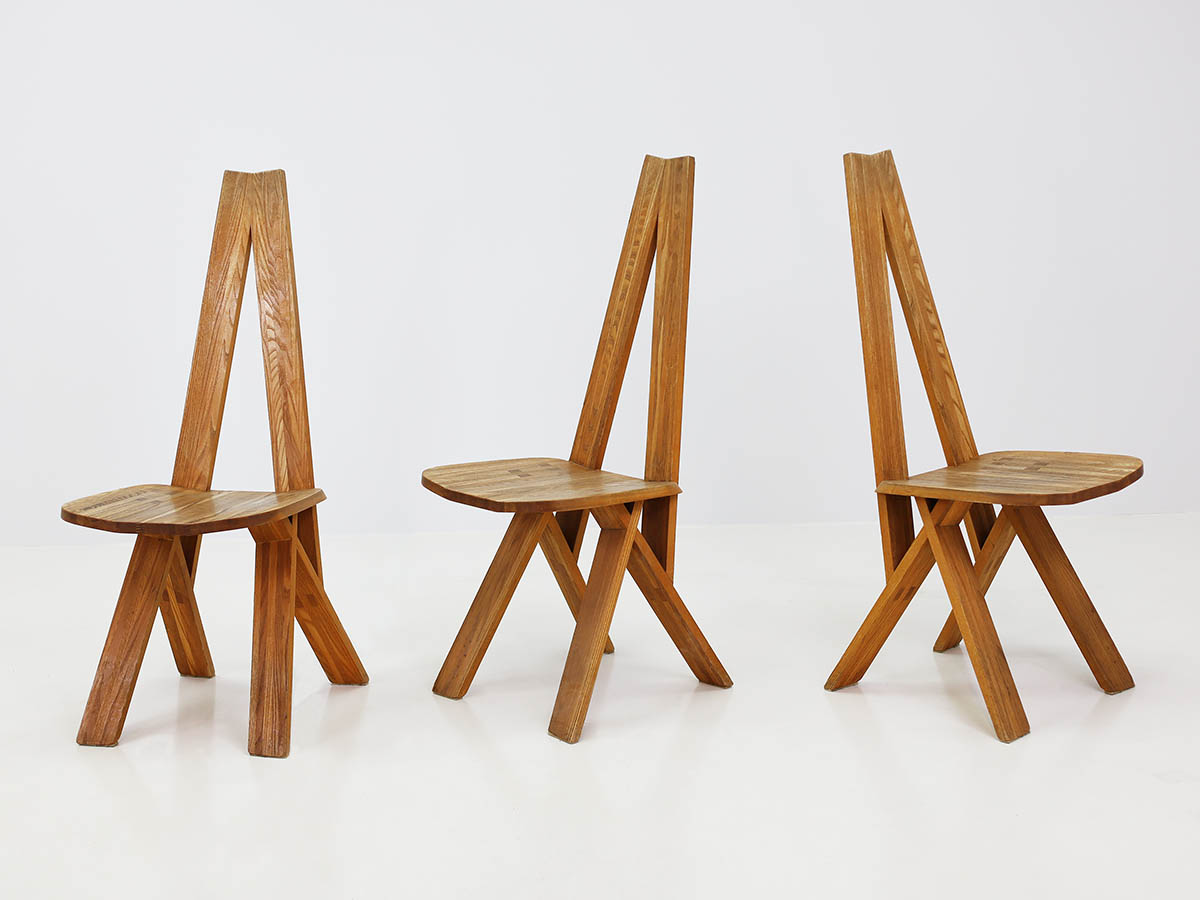
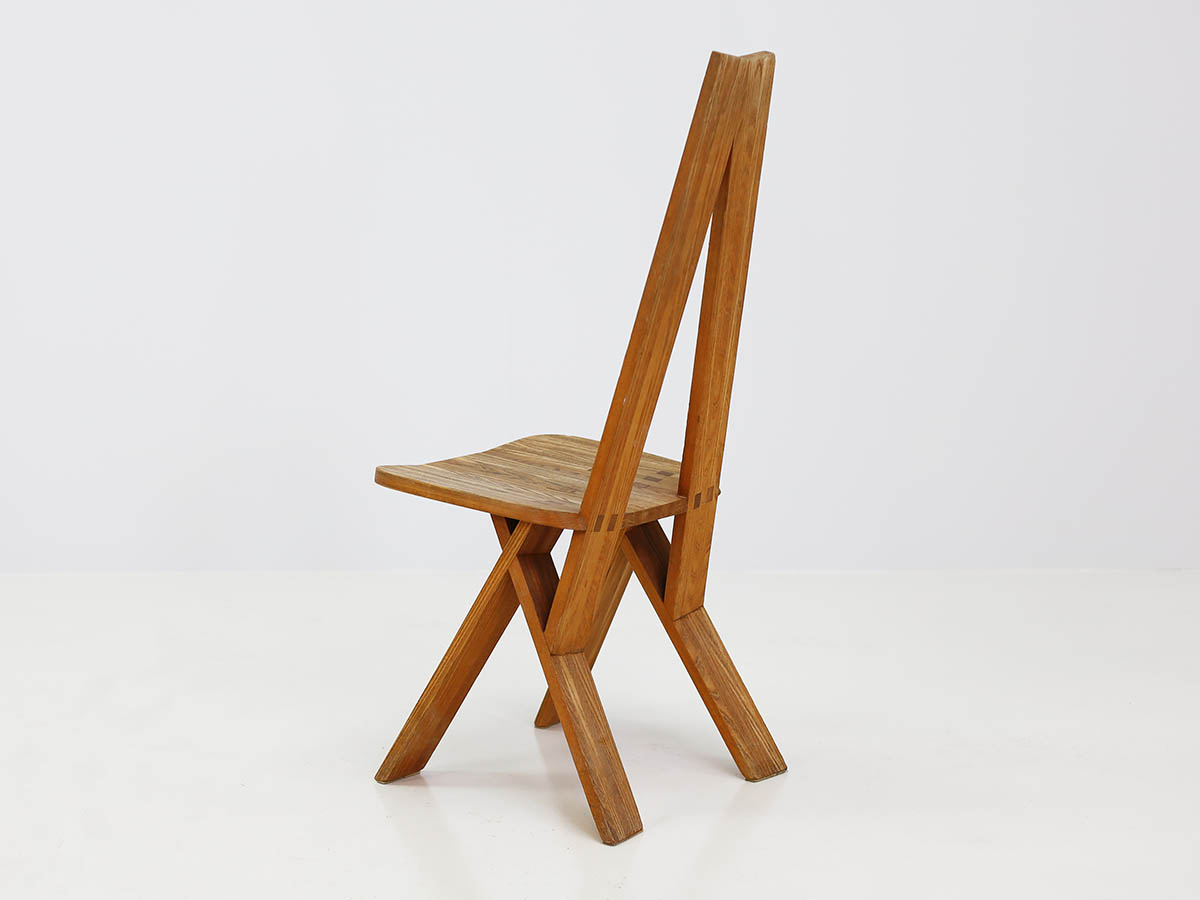
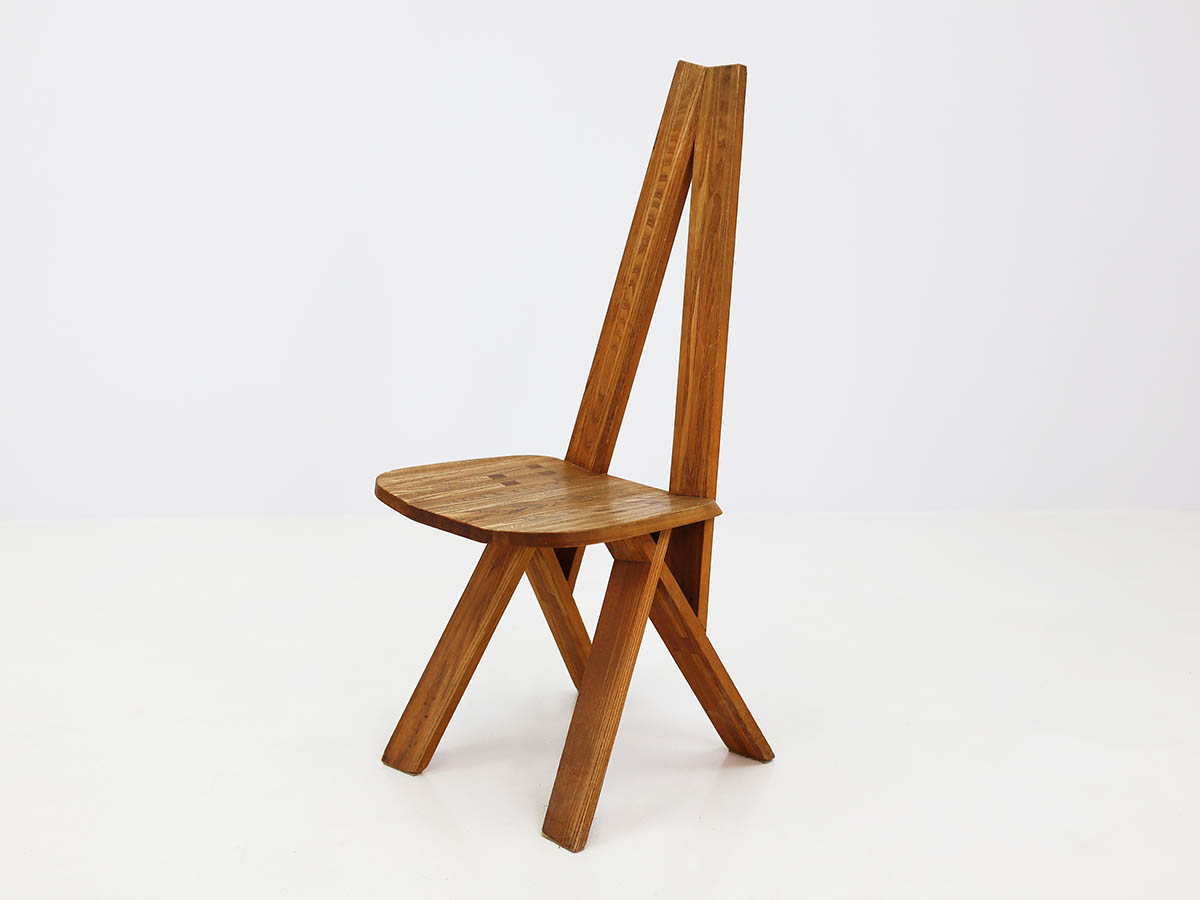
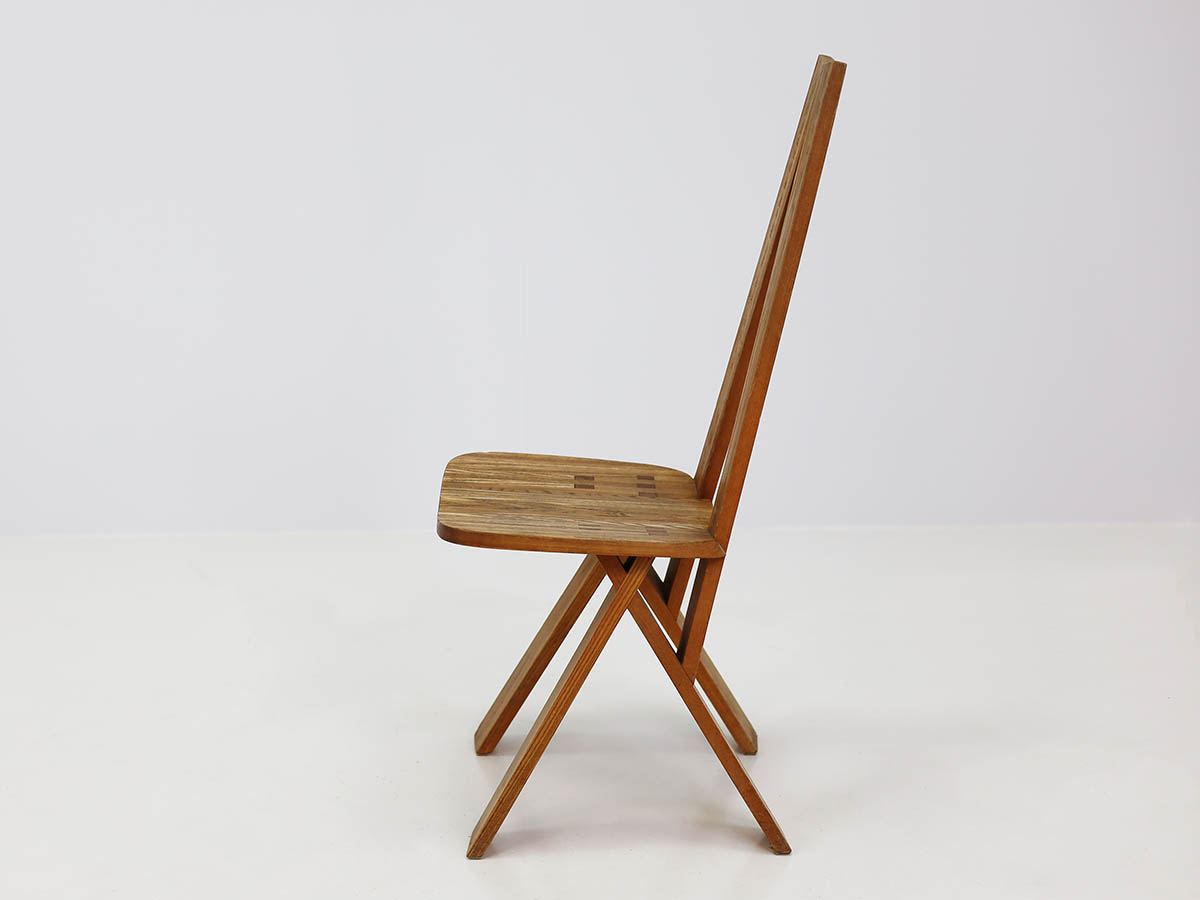
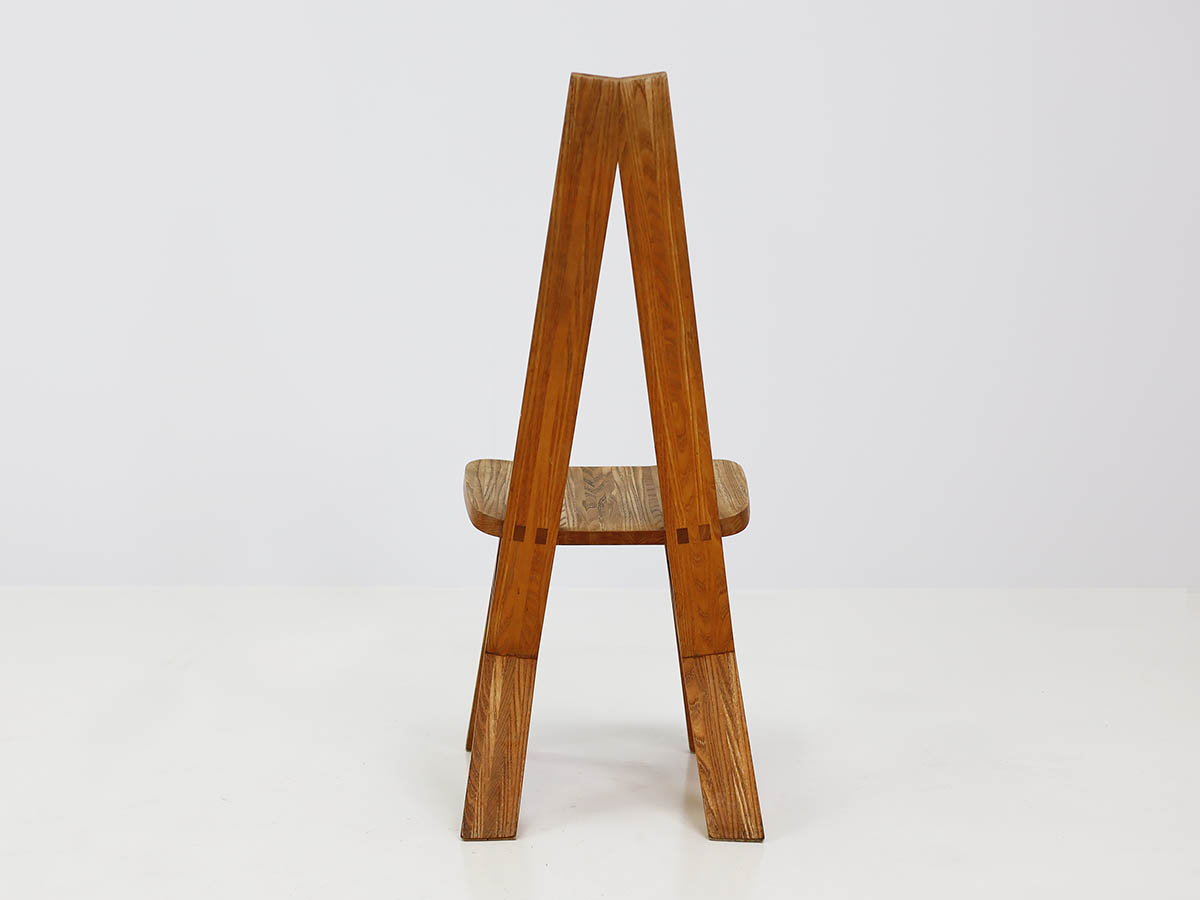
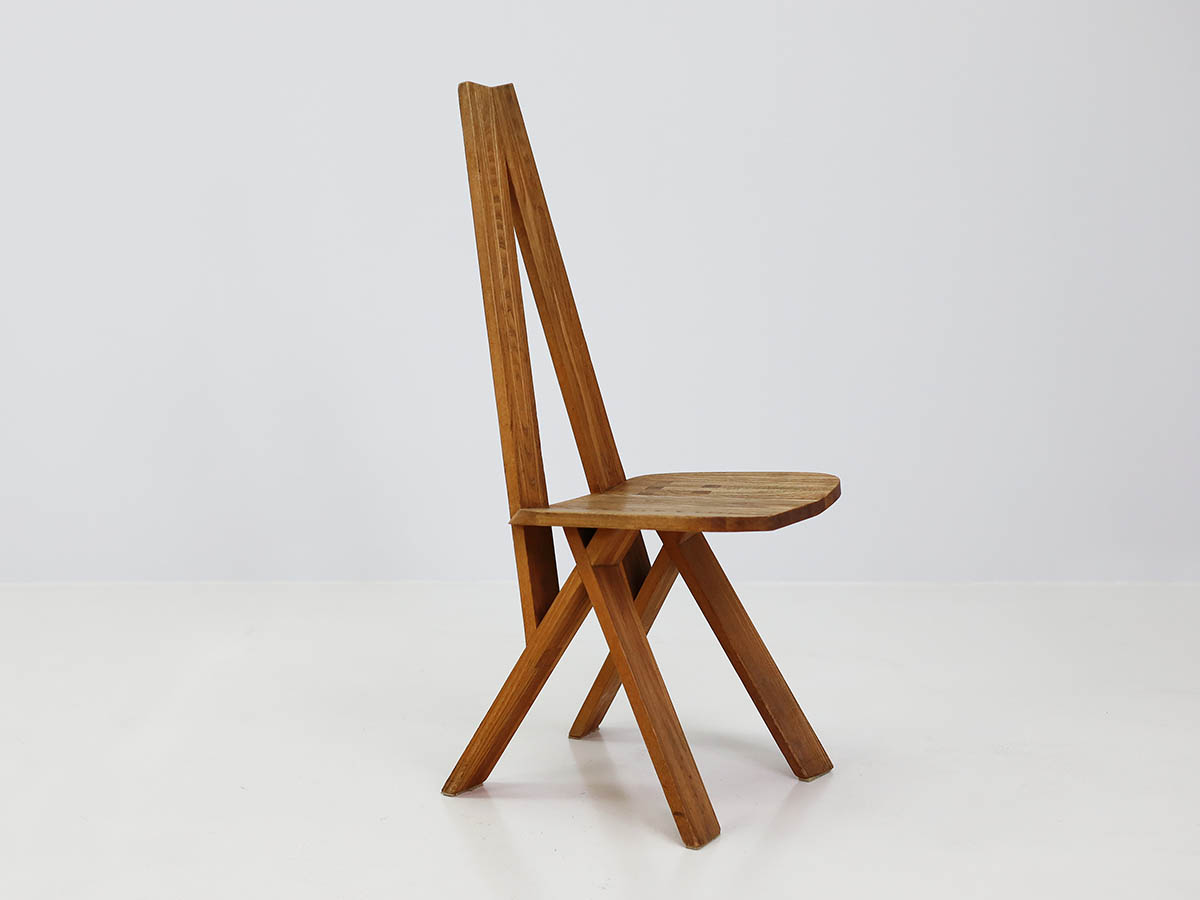
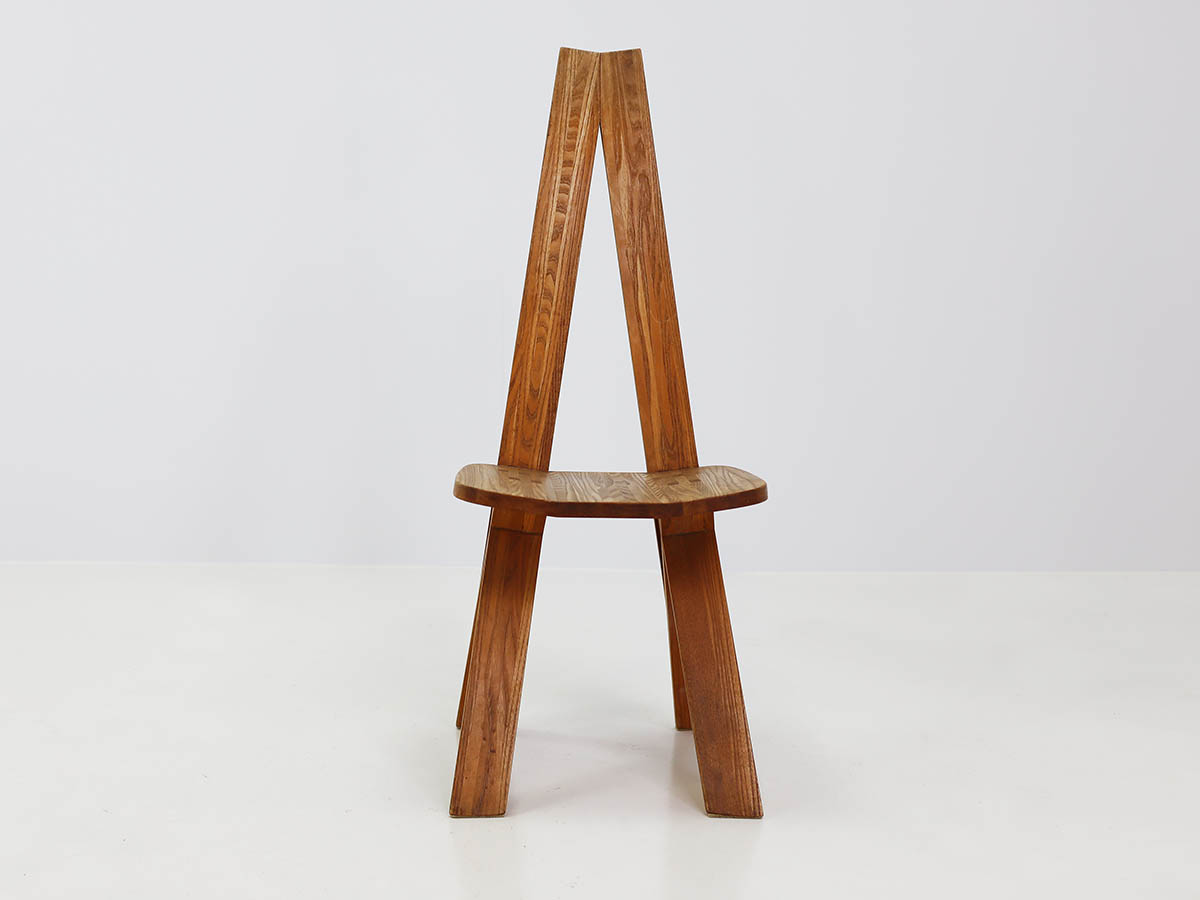
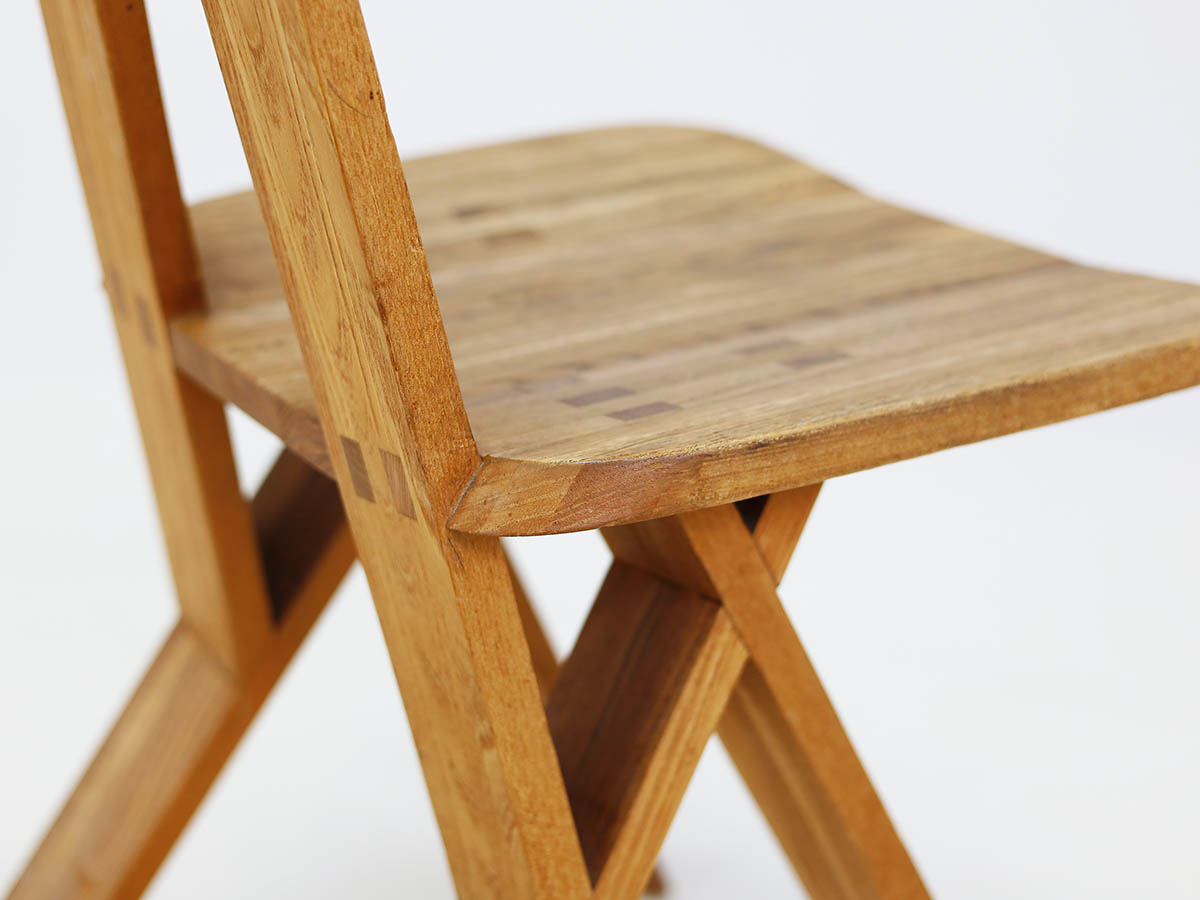
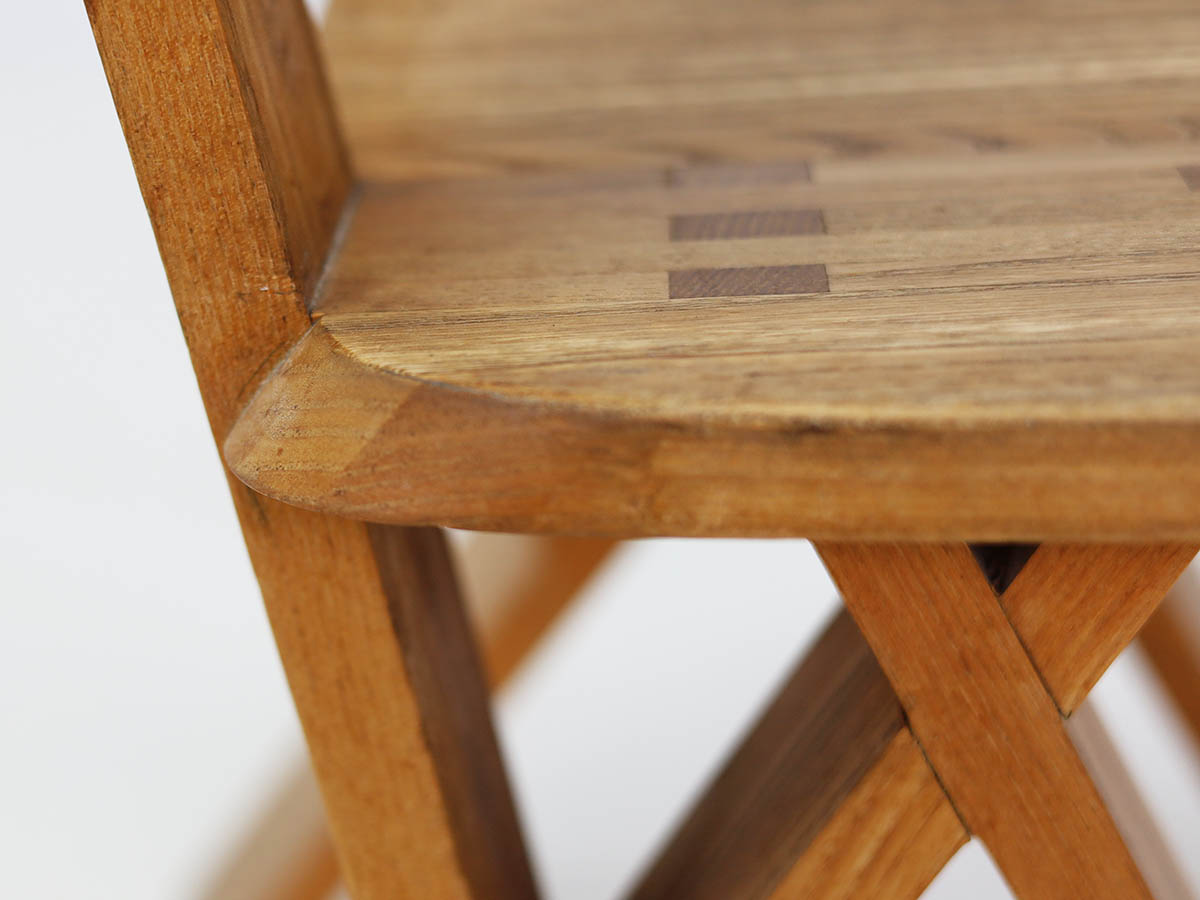
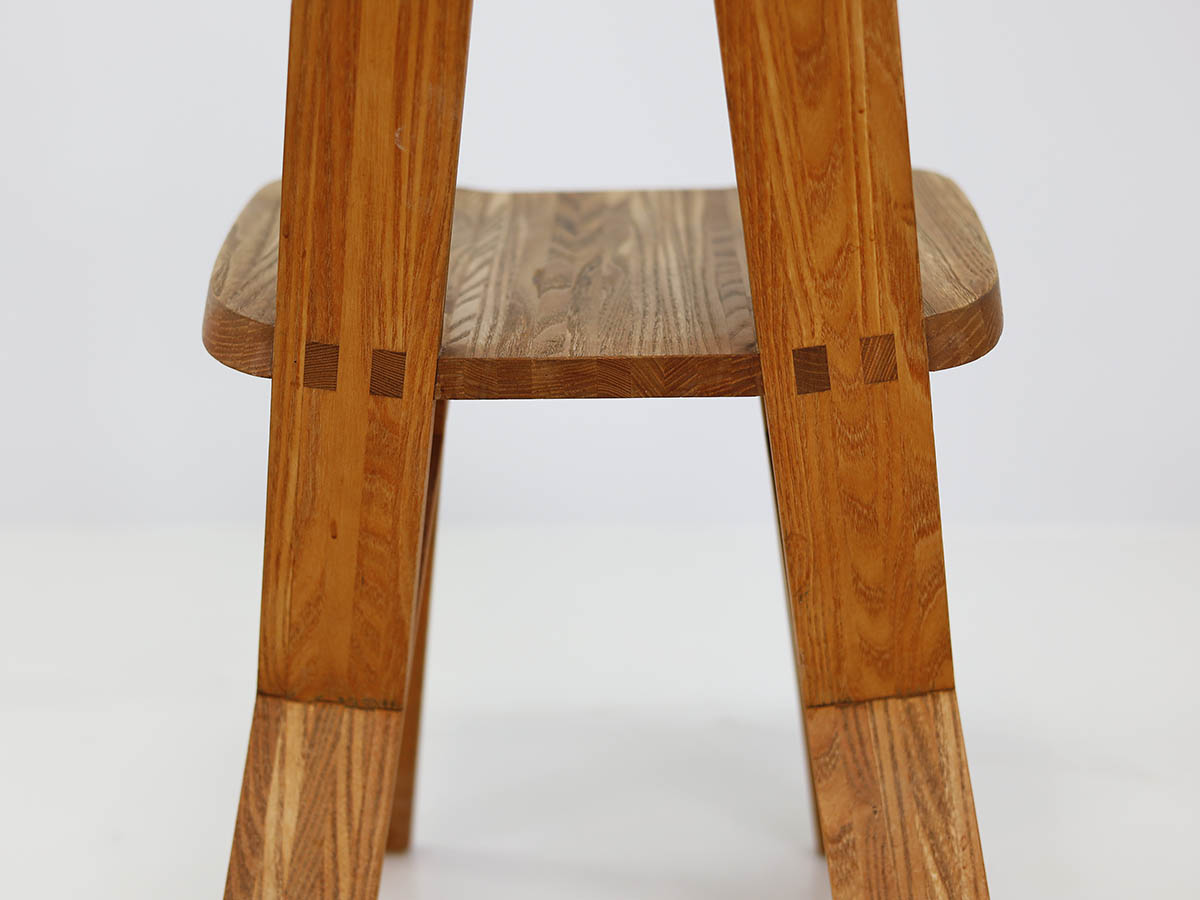
After extensive travels across Europe and North Africa, he founded his workshop in the 1960s, where his signature style took shape. His furniture is characterized by exposed joinery, essential forms, and robust construction designed to last for generations. Iconic pieces such as the T21 table, the S34 chair, and modular storage systems remain highly sought-after in the vintage design market.
Among his most representative works is the S31A stool, designed in 1974, which perfectly expresses Chapo’s exploration of structural essentialism. With its solid three-leg base and visible joinery, the S31A combines stability, functionality, and formal purity. Crafted from solid wood, it fully embodies the designer’s philosophy: eliminate the superfluous and enhance the material through rigorous, durable construction.
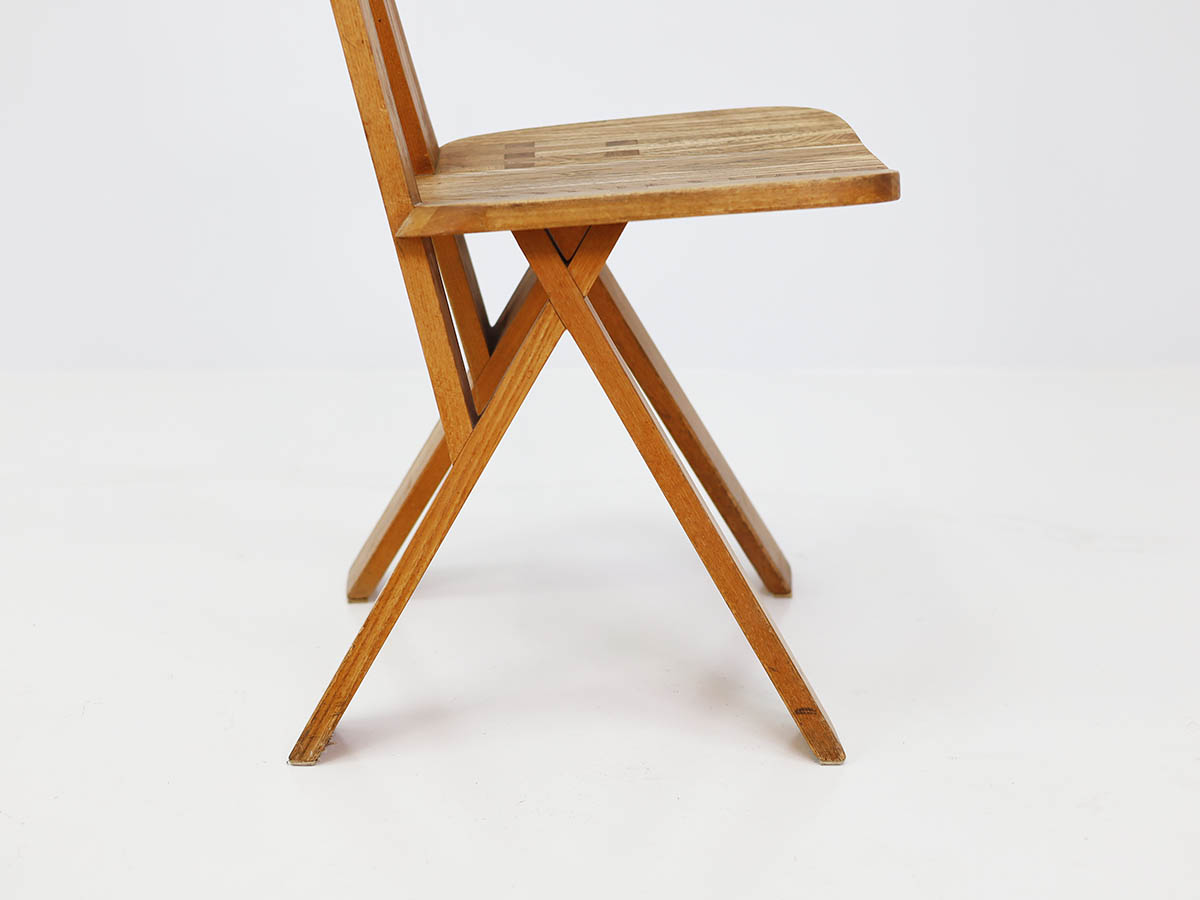
Also of great importance is the S45 chair, designed around 1968, which represents a key moment in the evolution of Chapo’s seating design in solid wood. The S45 combines generous proportions with strict structural logic and exposed joints, achieving a balance between comfort and architectural rigor. This model highlights the designer’s ability to create functional seating with a strong sculptural presence.
Pierre Chapo’s approach anticipated key contemporary values such as sustainability, local production, and the appreciation of traditional craftsmanship. Each piece reflects a balance between authenticity and functionality, making his work a benchmark for timeless design.
Today, furniture by Pierre Chapo is considered highly collectible and continues to influence designers, architects, and collectors worldwide. His legacy lives on through reissues and a growing appreciation for minimalist, durable furniture that integrates seamlessly into contemporary interiors.