

Ludwig Mies van der Rohe (1886–1969) – Architecture, Design and Modernism


Ludwig Mies van der Rohe (1886–1969) was one of the defining figures of modern architecture and 20th-century design. Born in Germany in 1886, he developed a design philosophy based on geometric rigor, structural clarity, precise proportions, and the essential use of materials. His celebrated principle, “less is more,” helped shape the language of modern architecture and had a profound influence on furniture design.


Mies van der Rohe considered furniture an integral part of architectural space. His chairs, tables, and furnishings are distinguished by their pursuit of visual lightness, constructional precision, and a refined balance between structure and function. Steel, glass, and natural materials are reduced to their essential elements, creating objects with a strong sculptural identity and enduring relevance.


Mies van der Rohe’s Cantilever Chair


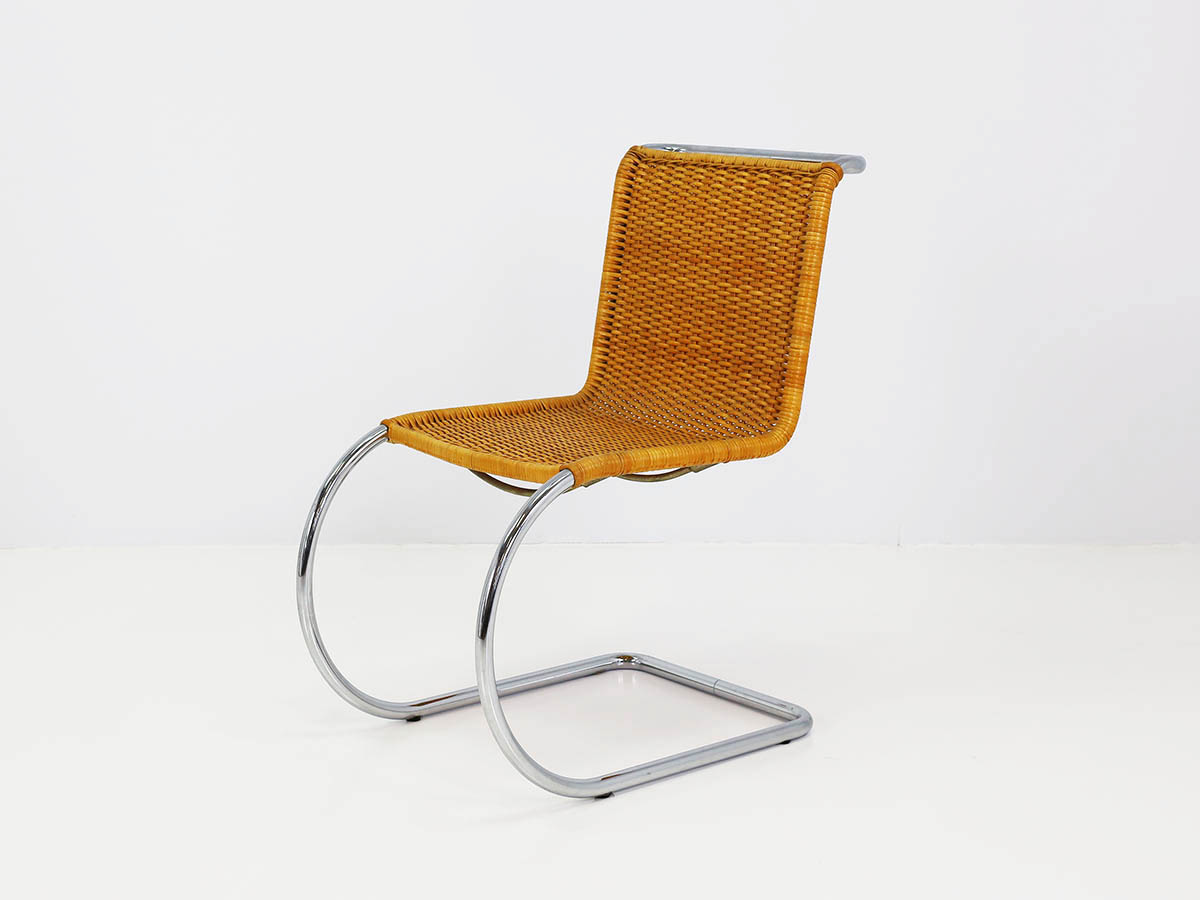
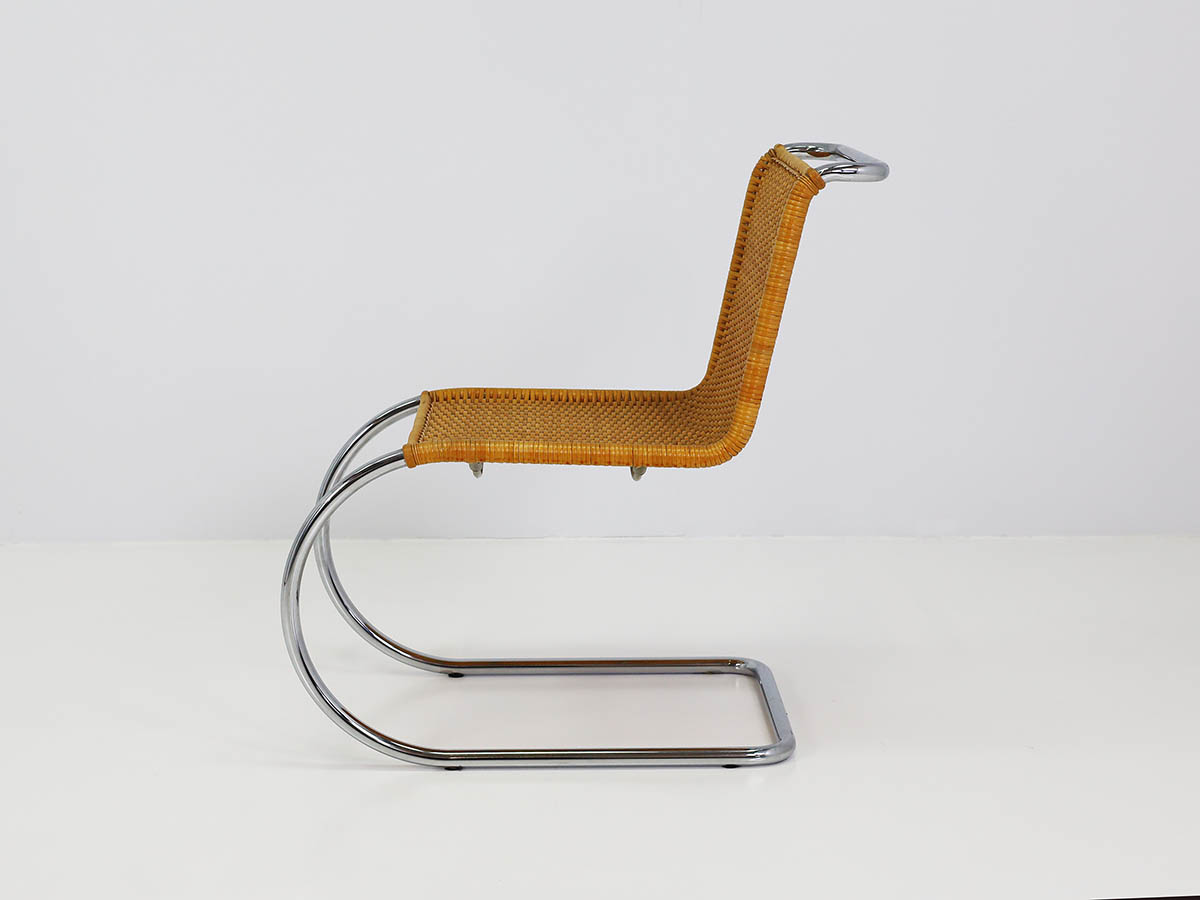
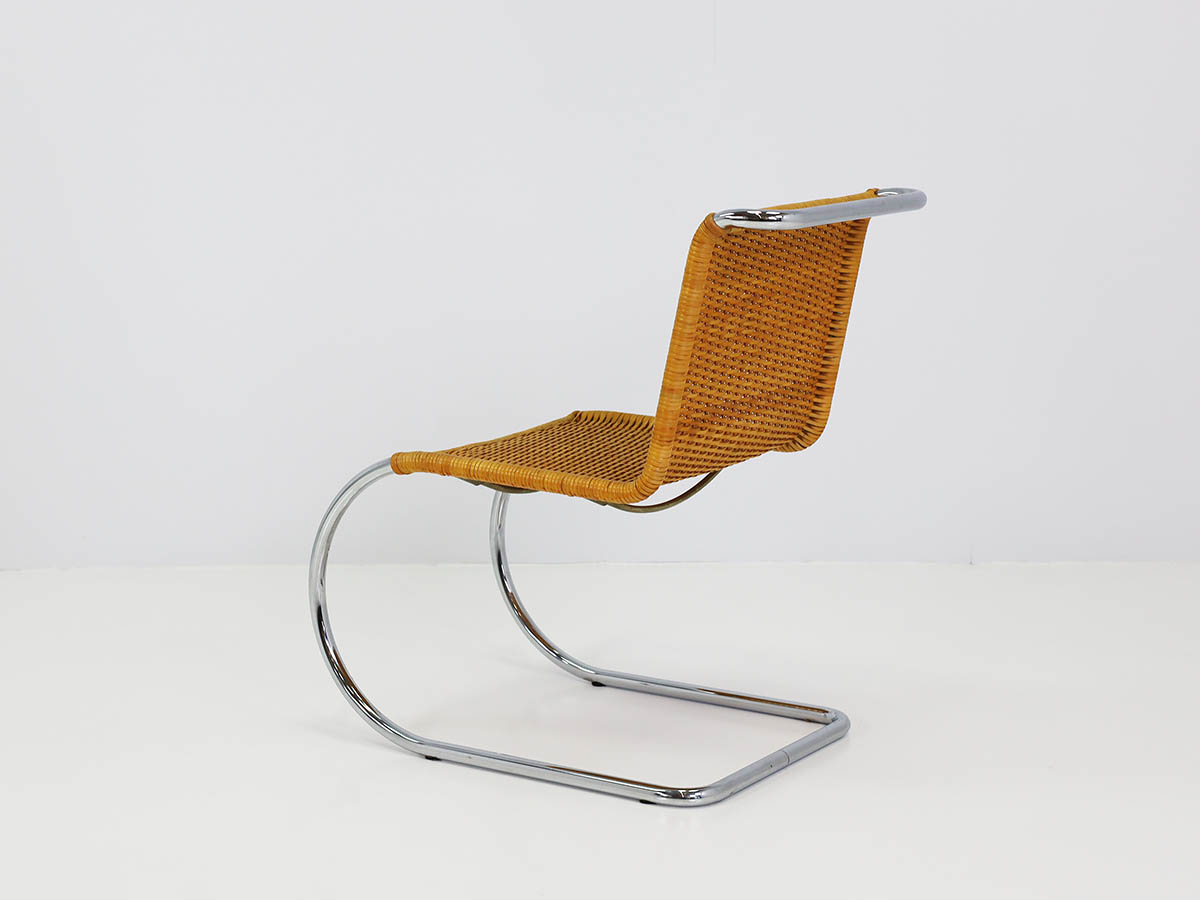
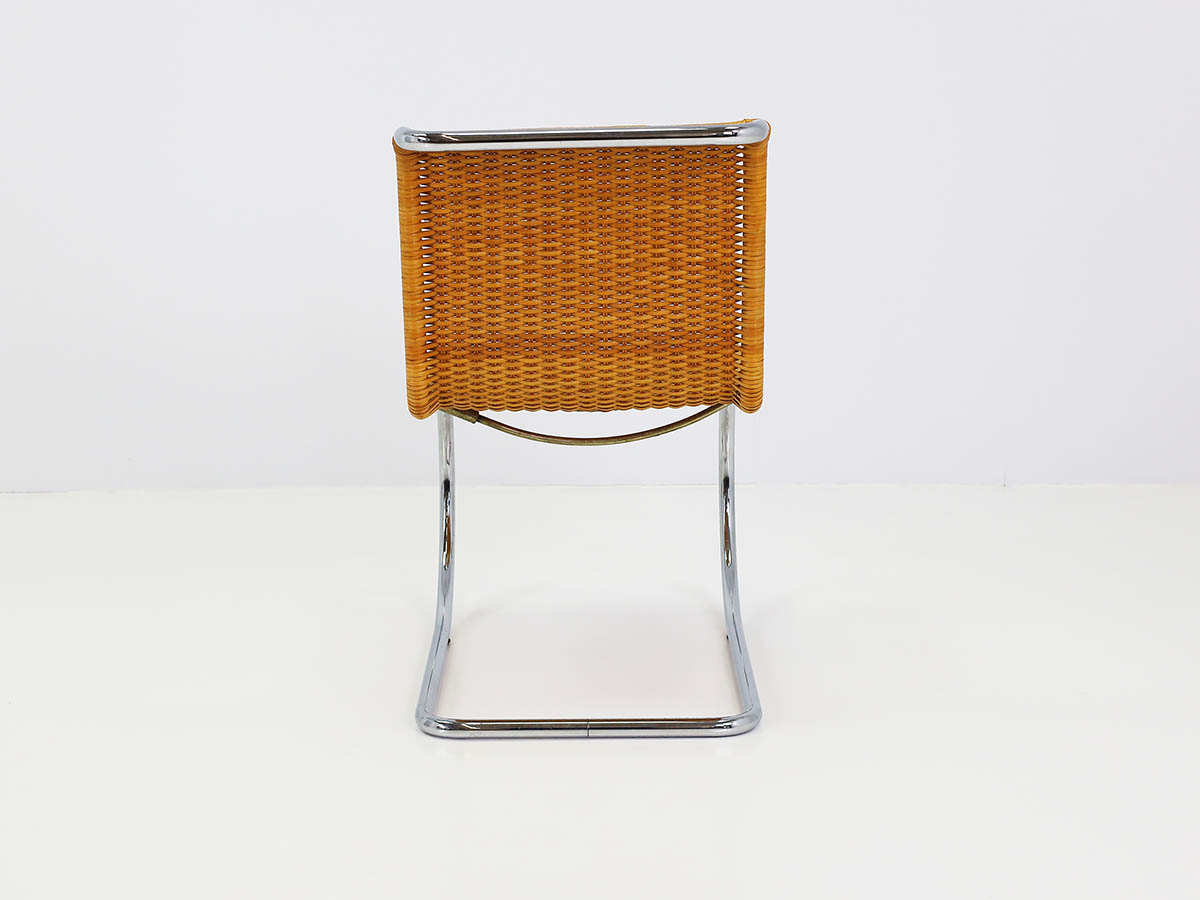
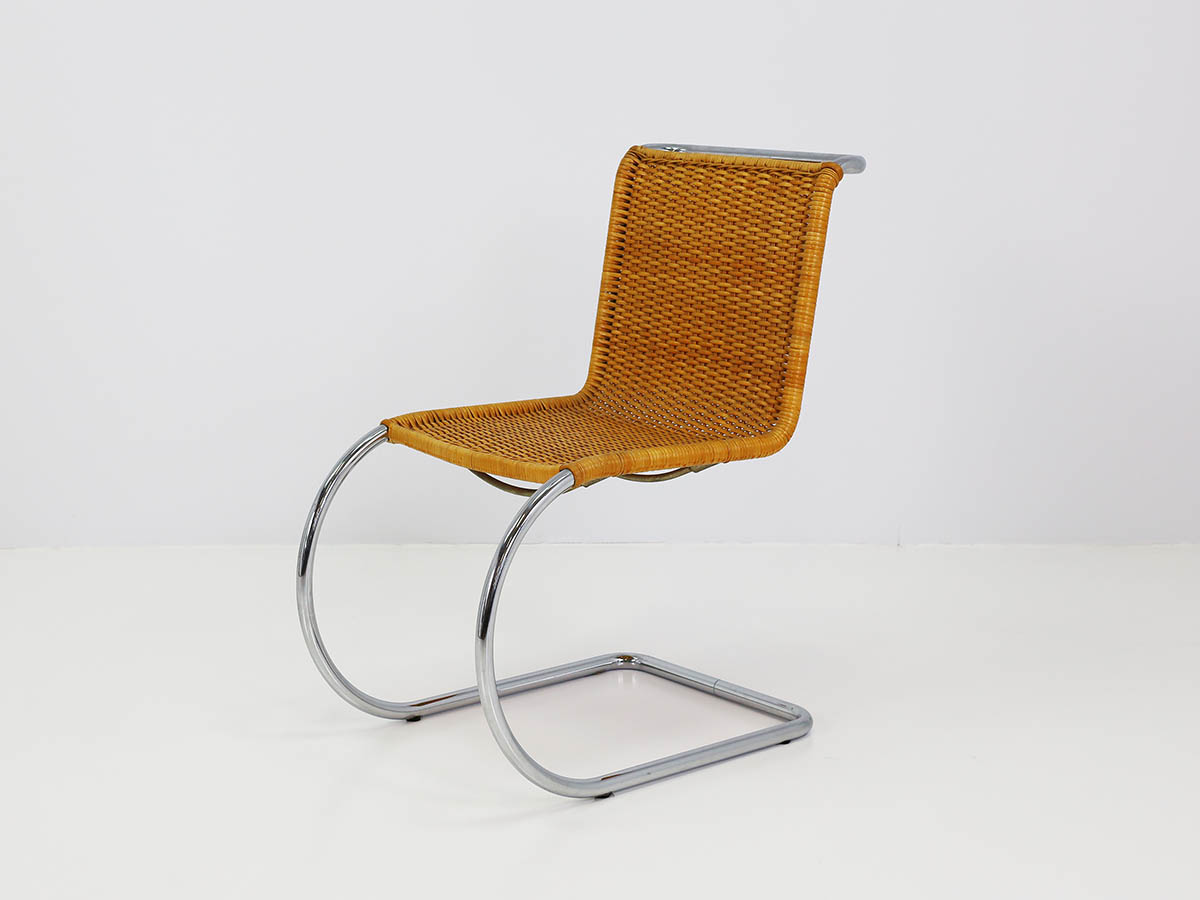
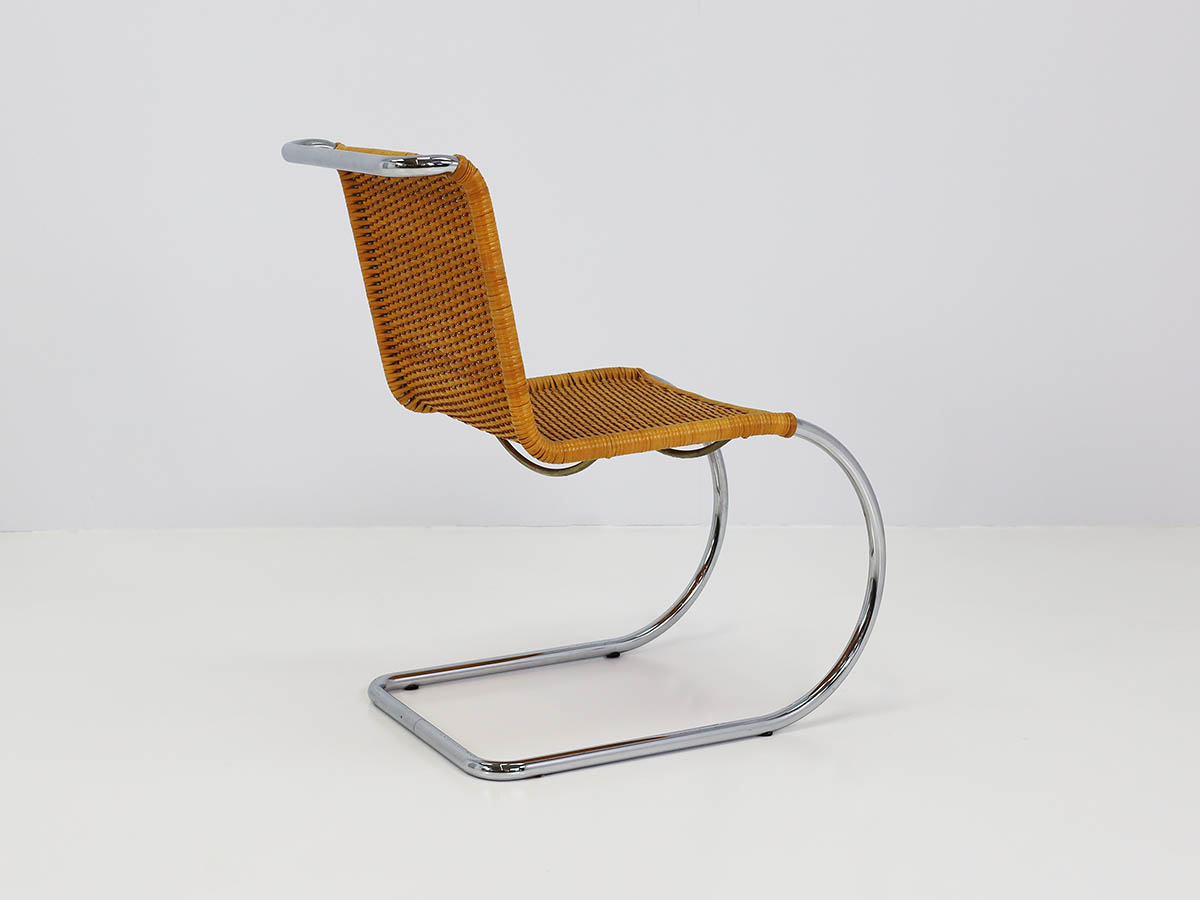
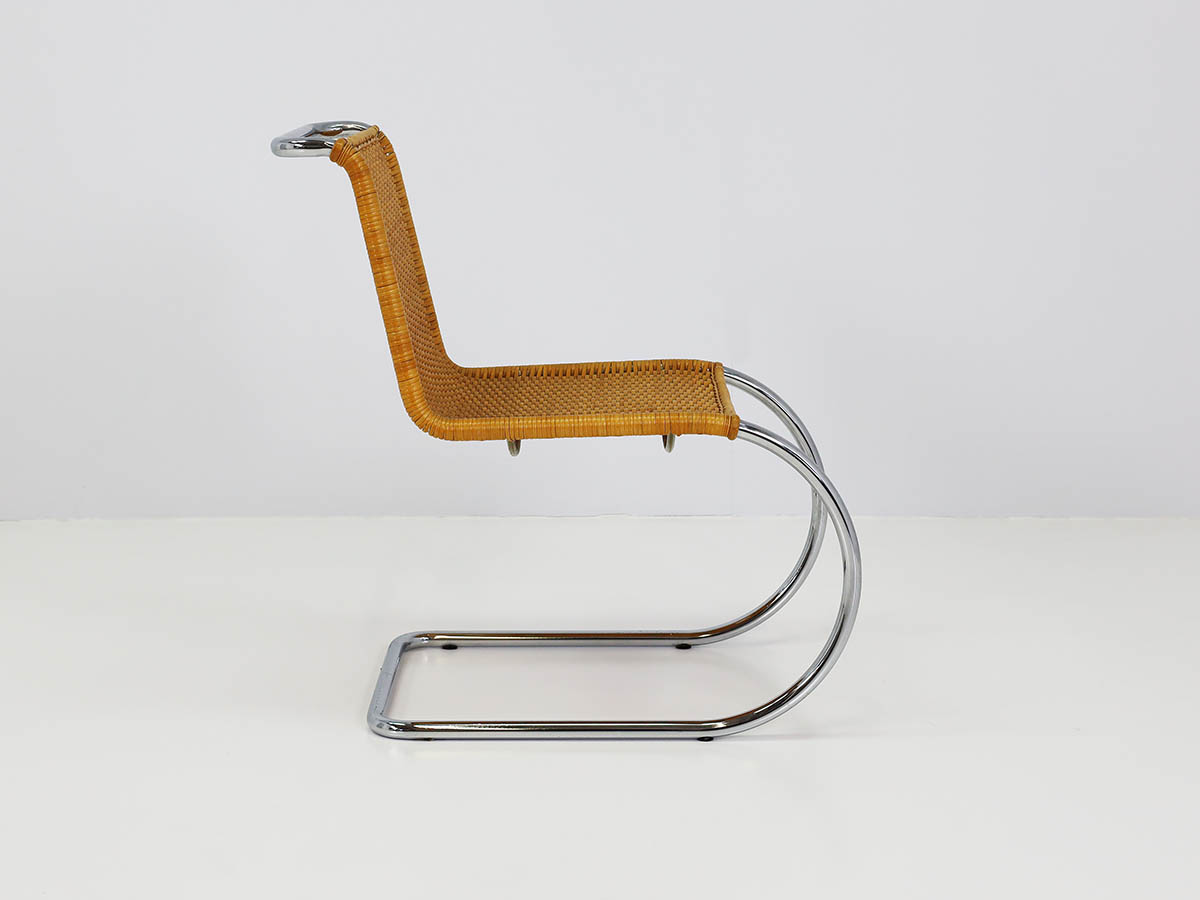
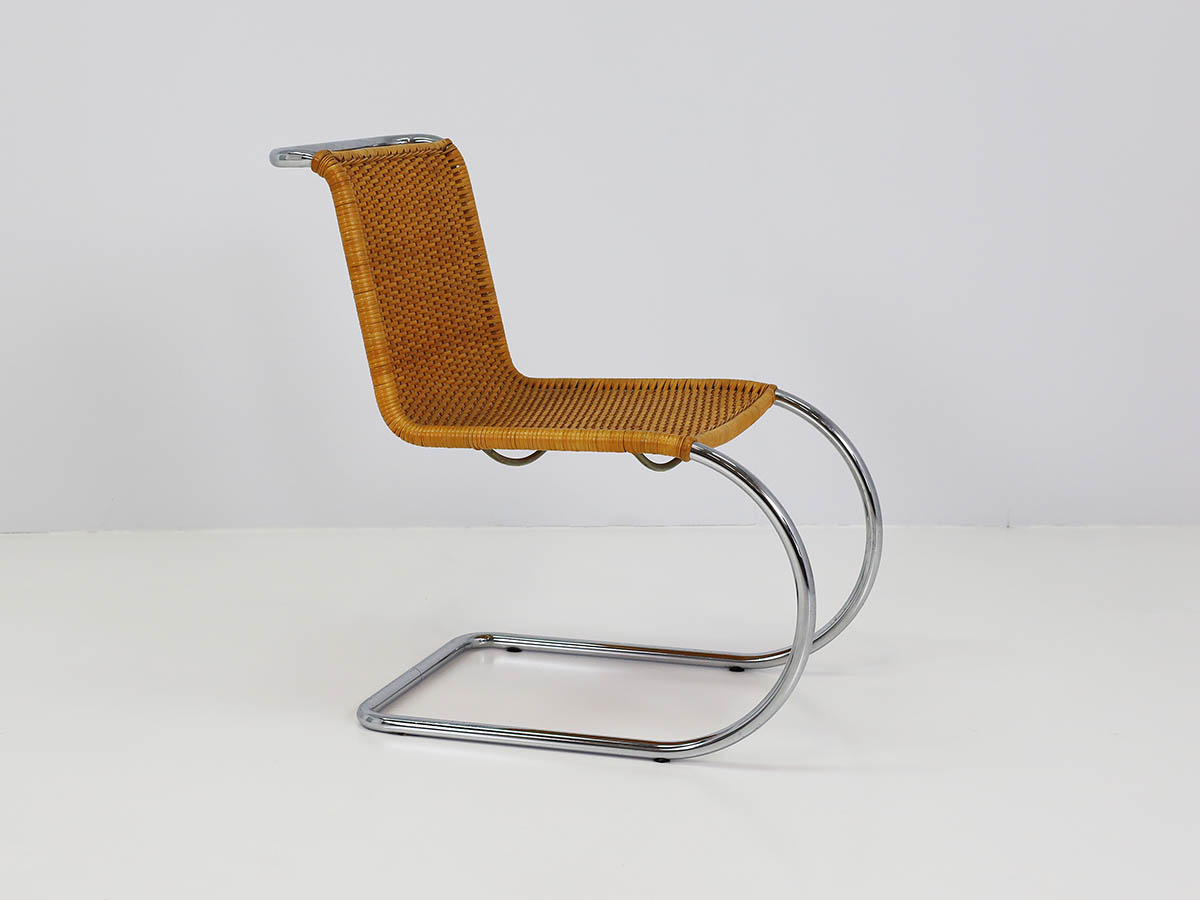
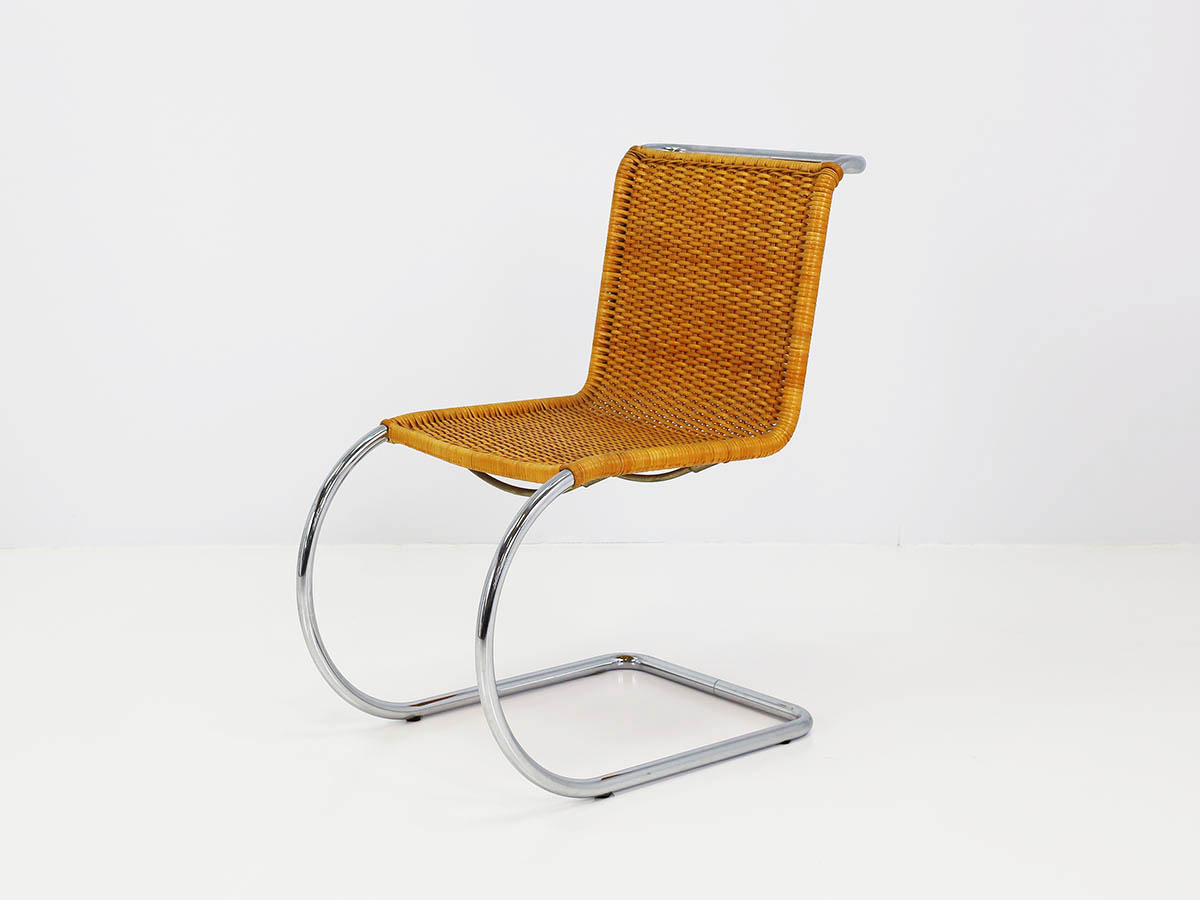
Among Mies van der Rohe’s most celebrated designs is the MR20 cantilever chair, designed in 1927 as part of his research into cantilever structures. Its characteristic frame in curved tubular steel eliminates the traditional rear legs, creating an innovative structure with a subtle degree of flexibility and a remarkably lightweight appearance.


The design represents an important milestone in the history of modern furniture design and experimentation with tubular steel. The essential form of the MR20 demonstrates how technical innovation can become an integral part of the aesthetic language of a piece of furniture.


The Woven Cane Version


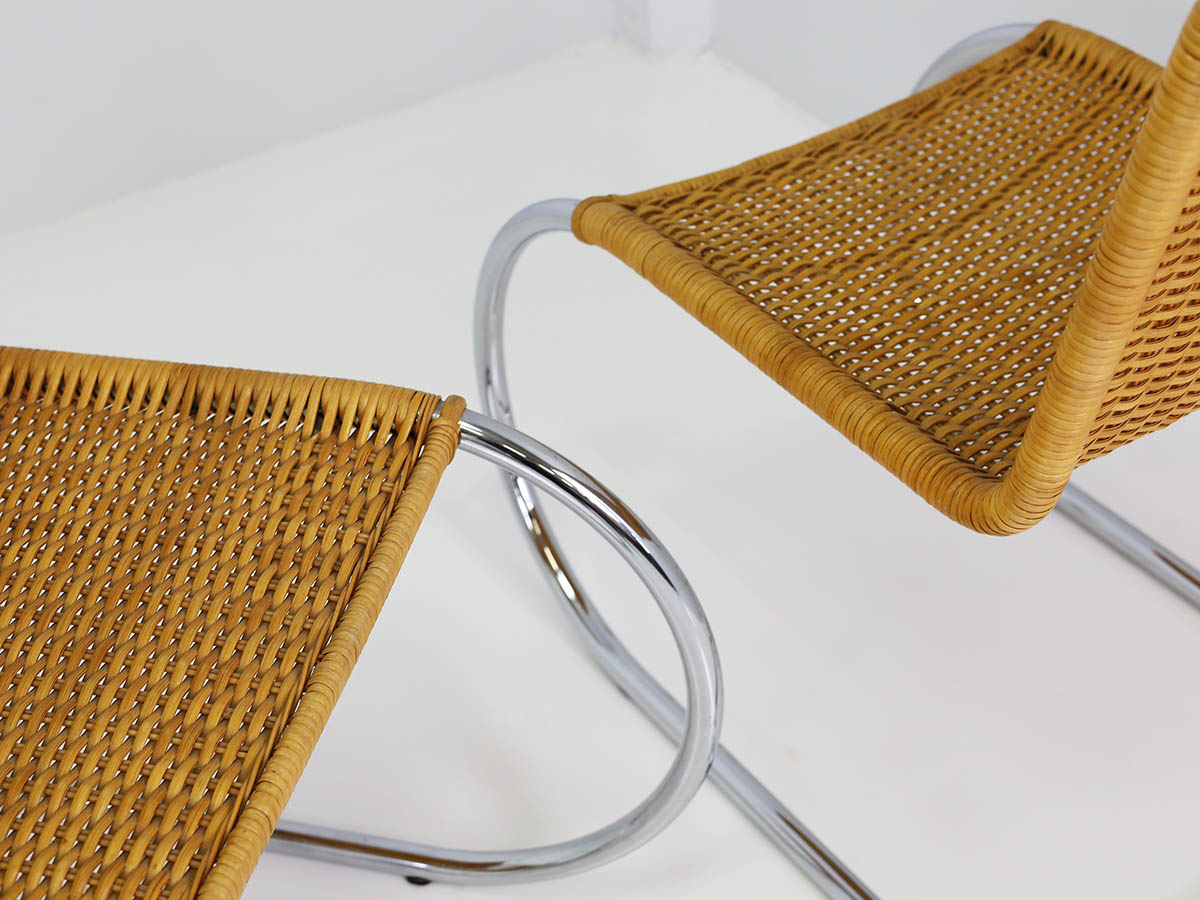
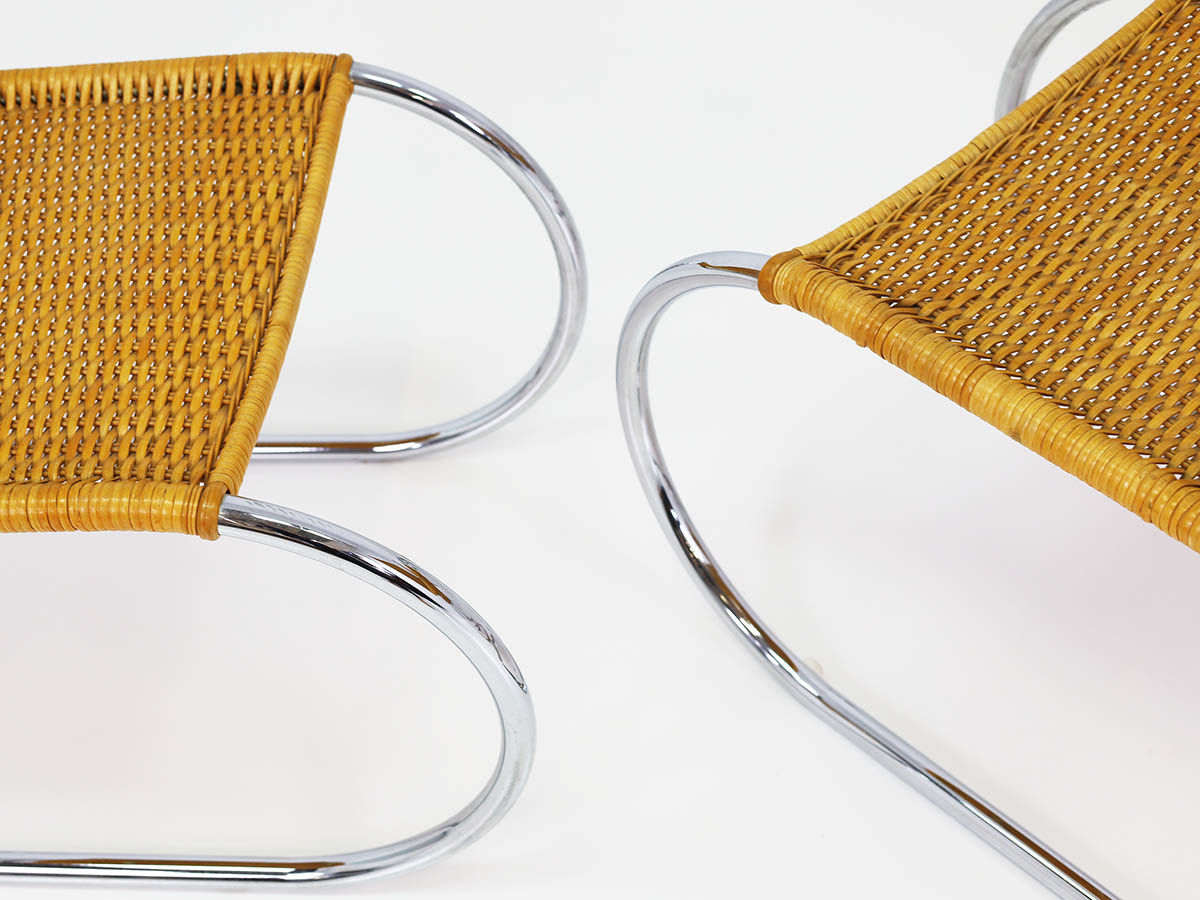
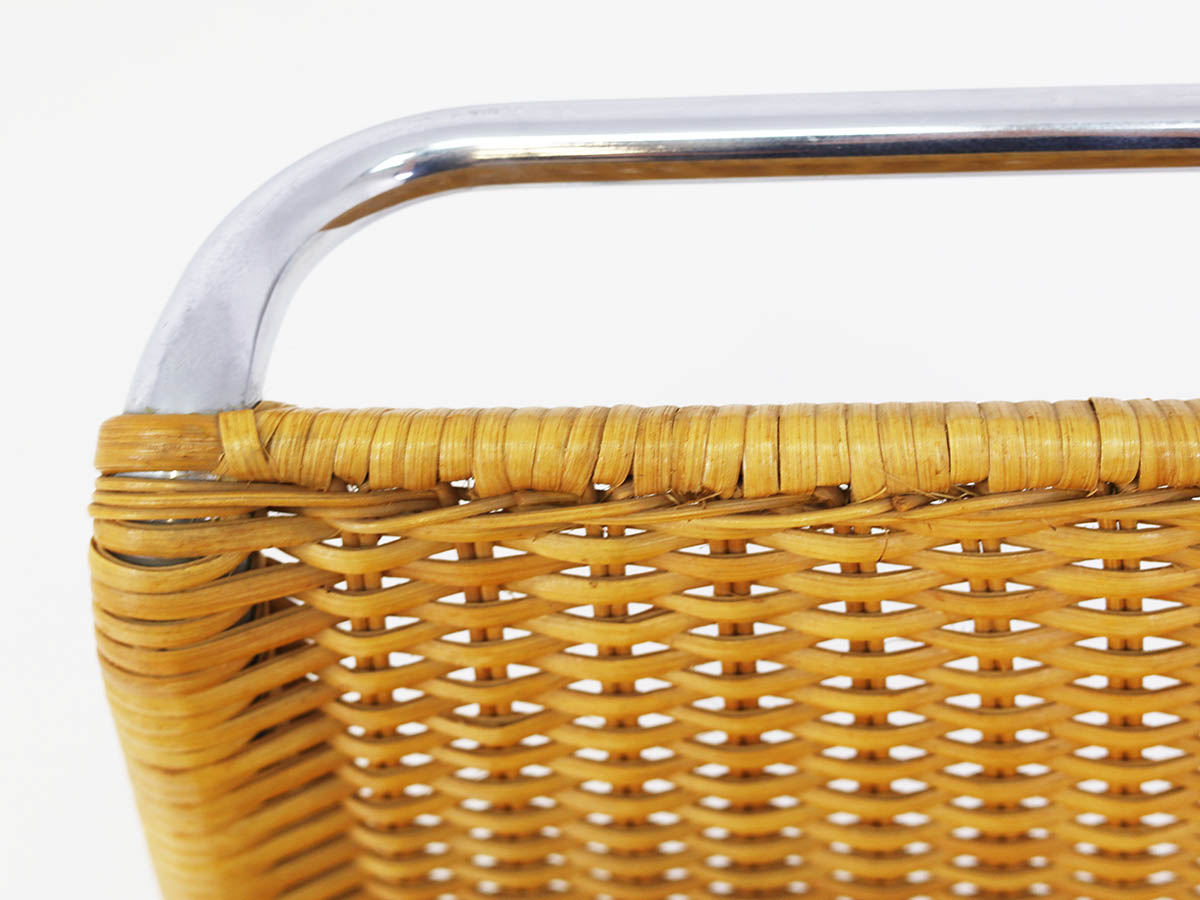
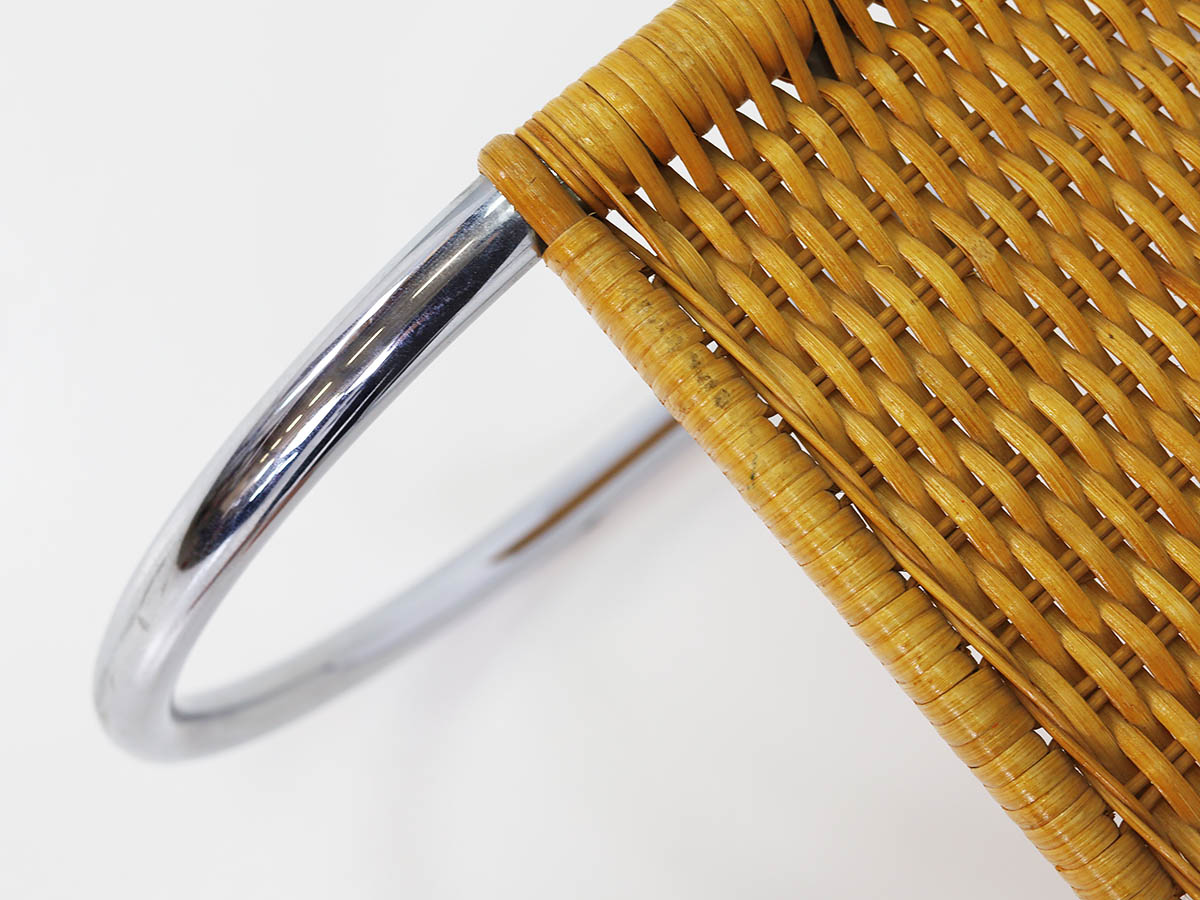
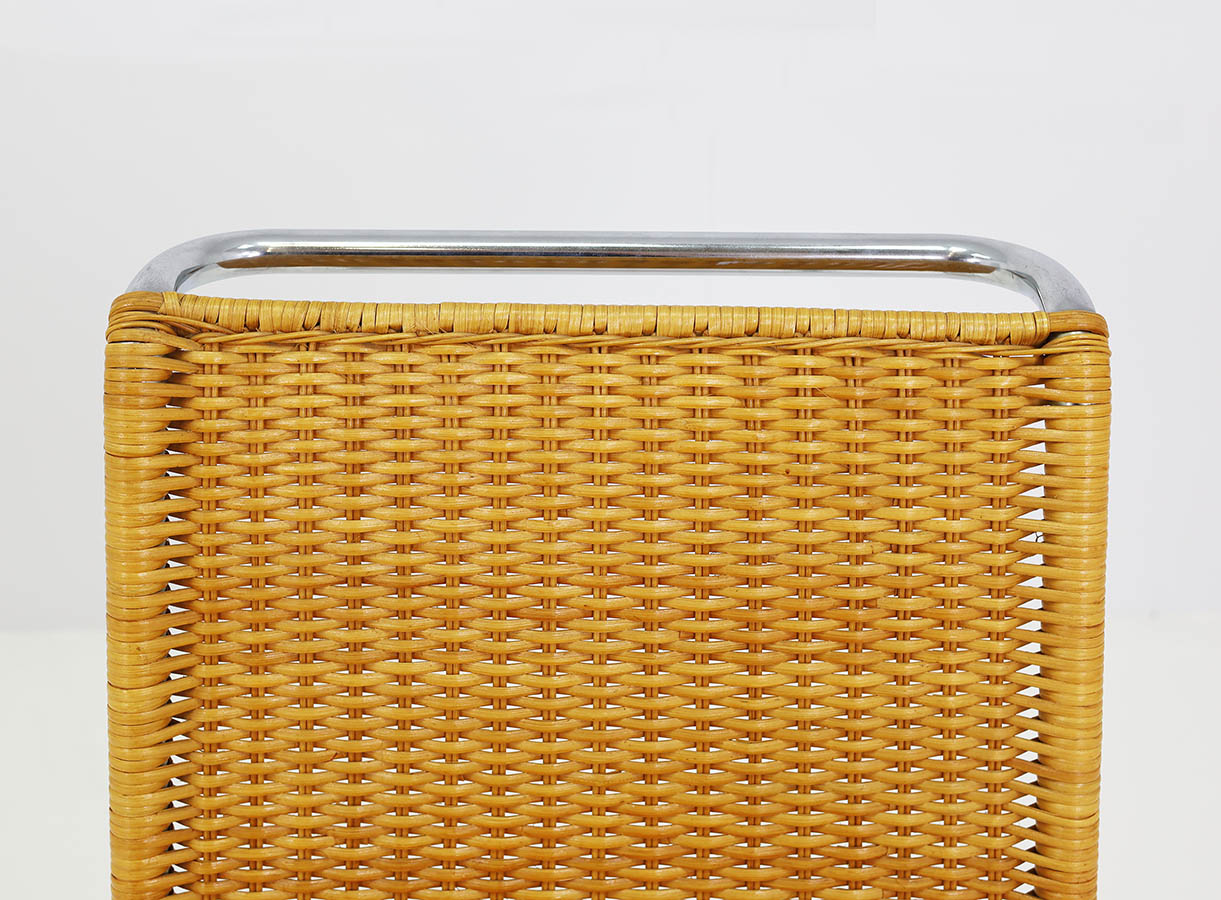
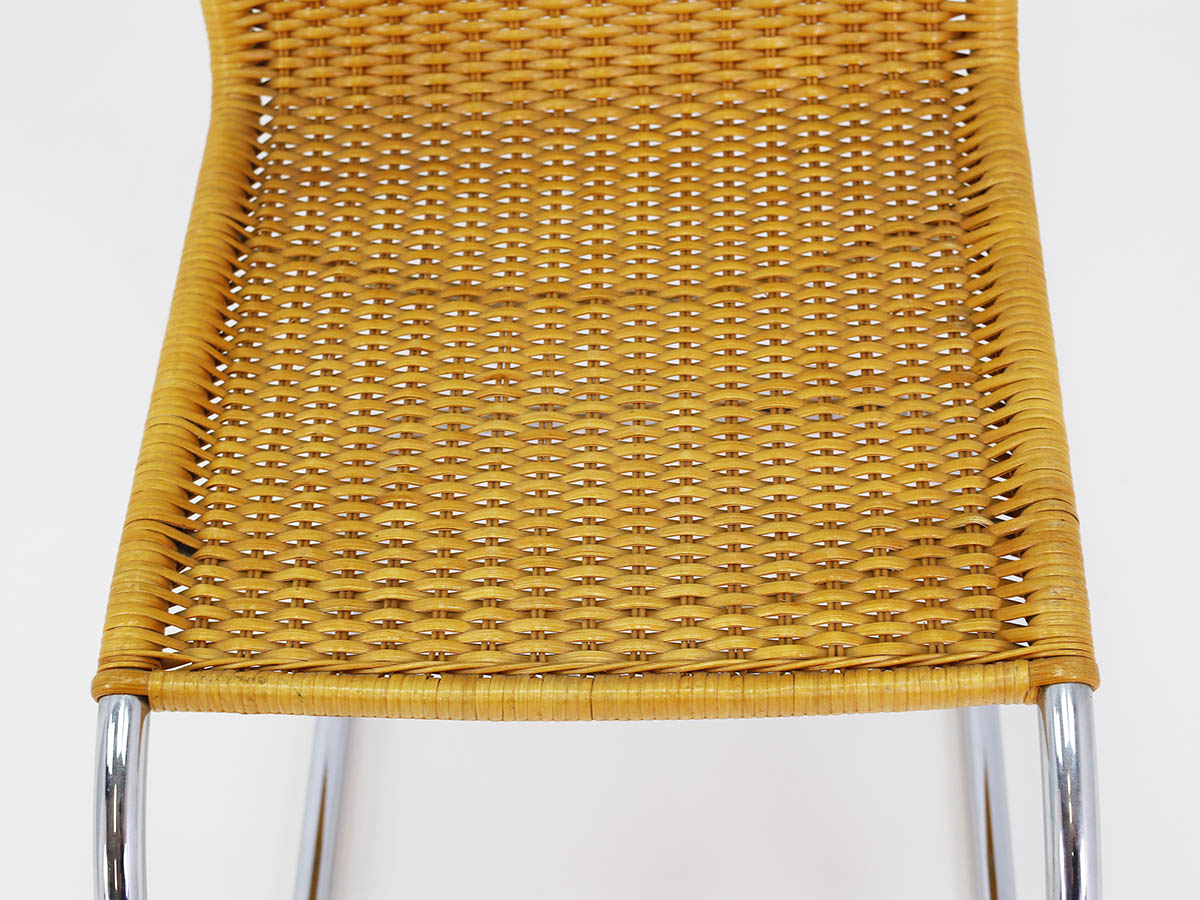
The MR20 version with woven cane seat and backrest combines the rigorous geometry of the metal frame with the natural character of a traditional material. The contrast between chrome-plated steel and woven cane creates a sophisticated dialogue between technology and craftsmanship, one of the distinctive qualities of European modernism.


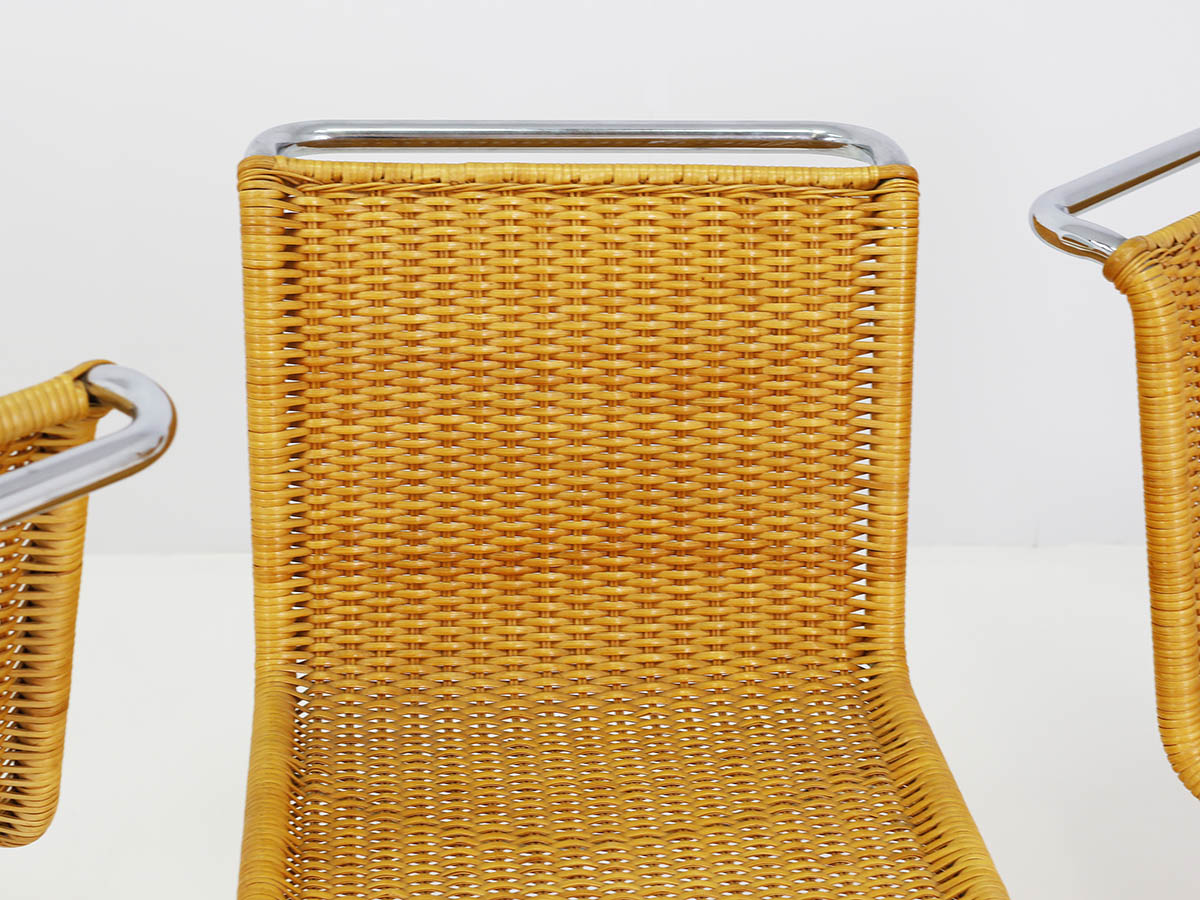
The woven surface also introduces a tactile and material dimension that softens the precise geometry of the frame. This version was also produced by Thonet, which contributed to the international diffusion of the model and its enduring presence in 20th-century design collections. Thonet examples are documented from the 1970s, retaining the characteristic cantilever structure and woven cane seating.


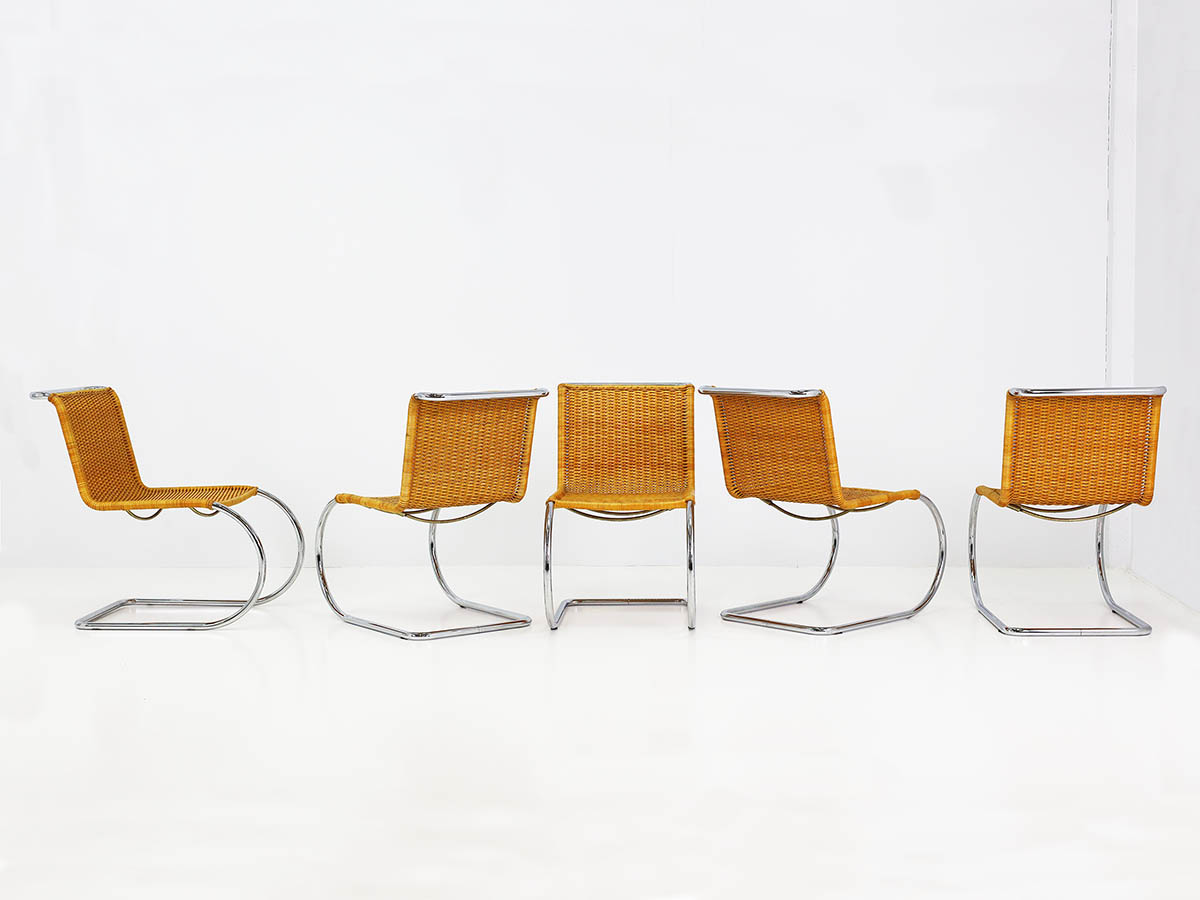
A set of five Mies van der Rohe MR20 chairs in woven cane, produced by Thonet in the 1970s, therefore represents a refined example of European modernist design, particularly appealing to collectors and enthusiasts of Bauhaus, Modernism, Thonet, and 20th-century furniture design.
Item nr. 26119

Chairs in Woven Cane model MR 20 Cantilever, 5 available

Designer

ProductionThonet
USA | Germany 1927 | 1975

MaterialTubular steel | woven cane

Dimension48 x 76 x Seating HT 44 x Total HT 80 cm

Price in Swiss Francs / Euro 1'200.00

chairs-in-woven-cane-model-mr-20-cantilever-5-available

Price for one piece


Ludwig Mies van der Rohe (1886–1969) – Architecture, Design and Modernism


Ludwig Mies van der Rohe (1886–1969) was one of the defining figures of modern architecture and 20th-century design. Born in Germany in 1886, he developed a design philosophy based on geometric rigor, structural clarity, precise proportions, and the essential use of materials. His celebrated principle, “less is more,” helped shape the language of modern architecture and had a profound influence on furniture design.


Mies van der Rohe considered furniture an integral part of architectural space. His chairs, tables, and furnishings are distinguished by their pursuit of visual lightness, constructional precision, and a refined balance between structure and function. Steel, glass, and natural materials are reduced to their essential elements, creating objects with a strong sculptural identity and enduring relevance.


Mies van der Rohe’s Cantilever Chair


Among Mies van der Rohe’s most celebrated designs is the MR20 cantilever chair, designed in 1927 as part of his research into cantilever structures. Its characteristic frame in curved tubular steel eliminates the traditional rear legs, creating an innovative structure with a subtle degree of flexibility and a remarkably lightweight appearance.


The design represents an important milestone in the history of modern furniture design and experimentation with tubular steel. The essential form of the MR20 demonstrates how technical innovation can become an integral part of the aesthetic language of a piece of furniture.


The Woven Cane Version


The MR20 version with woven cane seat and backrest combines the rigorous geometry of the metal frame with the natural character of a traditional material. The contrast between chrome-plated steel and woven cane creates a sophisticated dialogue between technology and craftsmanship, one of the distinctive qualities of European modernism.


The woven surface also introduces a tactile and material dimension that softens the precise geometry of the frame. This version was also produced by Thonet, which contributed to the international diffusion of the model and its enduring presence in 20th-century design collections. Thonet examples are documented from the 1970s, retaining the characteristic cantilever structure and woven cane seating.


A set of five Mies van der Rohe MR20 chairs in woven cane, produced by Thonet in the 1970s, therefore represents a refined example of European modernist design, particularly appealing to collectors and enthusiasts of Bauhaus, Modernism, Thonet, and 20th-century furniture design.
Description

Ludwig Mies van der Rohe (1886–1969) – Architecture, Design and Modernism

Ludwig Mies van der Rohe (1886–1969) was one of the defining figures of modern architecture and 20th-century design. Born in Germany in 1886, he developed a design philosophy based on geometric rigor, structural clarity, precise proportions, and the essential use of materials. His celebrated principle, “less is more,” helped shape the language of modern architecture and had a profound influence on furniture design.

Mies van der Rohe considered furniture an integral part of architectural space. His chairs, tables, and furnishings are distinguished by their pursuit of visual lightness, constructional precision, and a refined balance between structure and function. Steel, glass, and natural materials are reduced to their essential elements, creating objects with a strong sculptural identity and enduring relevance.

Mies van der Rohe’s Cantilever Chair

Among Mies van der Rohe’s most celebrated designs is the MR20 cantilever chair, designed in 1927 as part of his research into cantilever structures. Its characteristic frame in curved tubular steel eliminates the traditional rear legs, creating an innovative structure with a subtle degree of flexibility and a remarkably lightweight appearance.

The design represents an important milestone in the history of modern furniture design and experimentation with tubular steel. The essential form of the MR20 demonstrates how technical innovation can become an integral part of the aesthetic language of a piece of furniture.

The Woven Cane Version

The MR20 version with woven cane seat and backrest combines the rigorous geometry of the metal frame with the natural character of a traditional material. The contrast between chrome-plated steel and woven cane creates a sophisticated dialogue between technology and craftsmanship, one of the distinctive qualities of European modernism.

The woven surface also introduces a tactile and material dimension that softens the precise geometry of the frame. This version was also produced by Thonet, which contributed to the international diffusion of the model and its enduring presence in 20th-century design collections. Thonet examples are documented from the 1970s, retaining the characteristic cantilever structure and woven cane seating.

A set of five Mies van der Rohe MR20 chairs in woven cane, produced by Thonet in the 1970s, therefore represents a refined example of European modernist design, particularly appealing to collectors and enthusiasts of Bauhaus, Modernism, Thonet, and 20th-century furniture design.
Additional information

Material

Dimension