

Yngve Ekström (1913–1988) – Swedish Design, Modernism and Ergonomics


Yngve Ekström (1913–1988) was one of the most important figures in 20th-century Swedish design and a central exponent of Swedish Modernism. Born in 1913, Ekström developed a distinctive design language rooted in the Scandinavian tradition of fine woodworking, combining functionality, ergonomics, natural materials, and organic forms.


His designs are distinguished by their ability to enhance the natural beauty of wood through lightweight structures, carefully developed curves, and balanced proportions. Ekström viewed furniture primarily as an element designed around comfort and the relationship between the human body and its surroundings, anticipating many of the principles that would later make Scandinavian design internationally renowned. His armchairs and seating are particularly appreciated for their ergonomic qualities, refined construction, and elegant formal language.


Yngve Ekström and Swedese


In 1945, Yngve Ekström founded Swedese together with his brother Jerker Ekström and Bertil Sjöqvist. The company became one of the leading names in post-war Swedish design, producing furniture that combined traditional craftsmanship, innovative design, and high-quality industrial manufacturing.


The collaboration between Ekström and Swedese was fundamental to the international development of Swedish design. Through the company, many of his designs were manufactured and distributed internationally, helping to establish the distinctive identity of Swedish Modern design during the 1950s and 1960s.


The Mingo Ergonomic Armchair


Among Yngve Ekström’s most interesting designs is the Mingo ergonomic armchair, designed in 1956 and produced by Swedese from the same year onward. The model perfectly expresses Ekström’s research into ergonomics and the relationship between structure, body, and comfort.


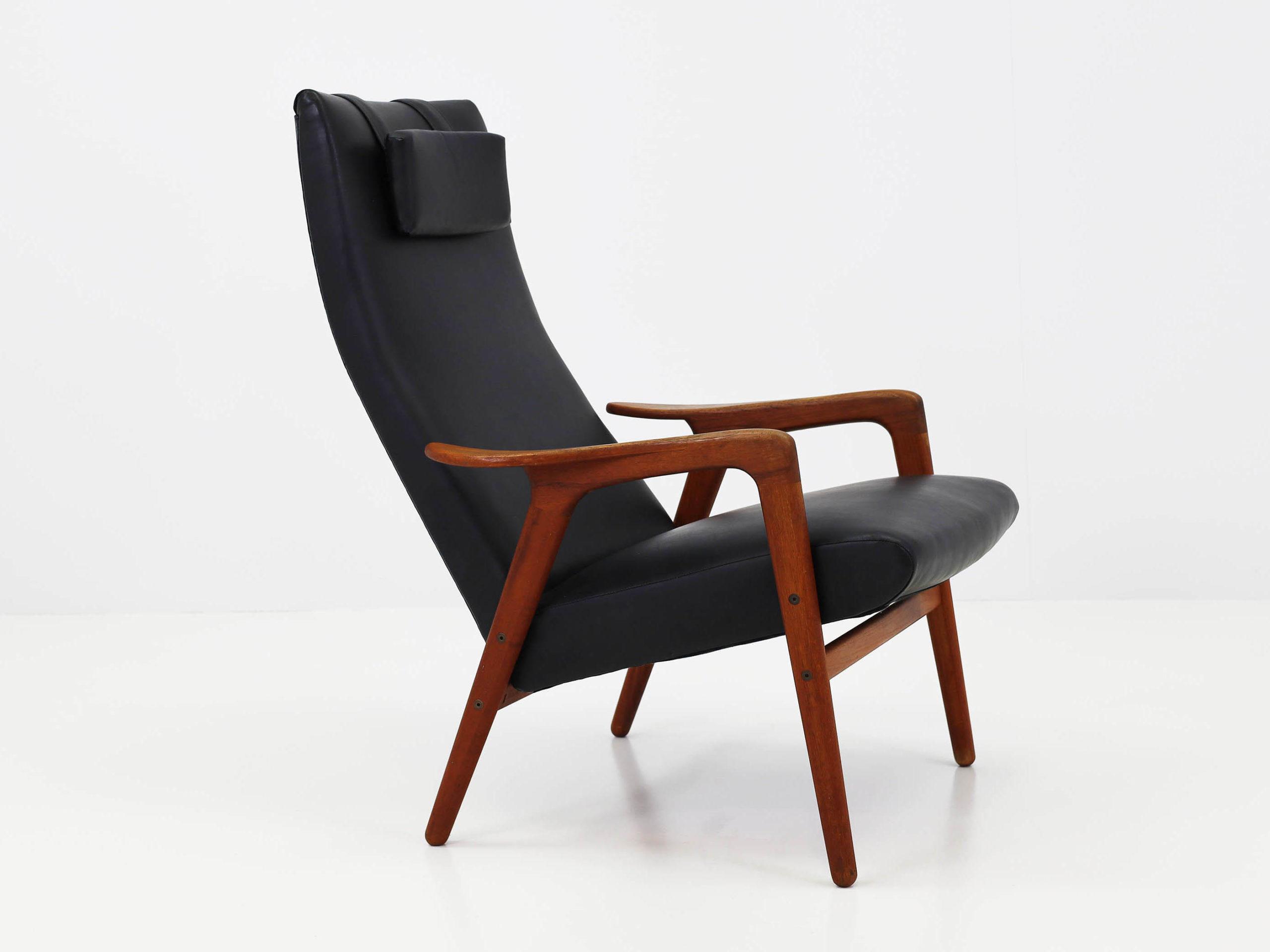
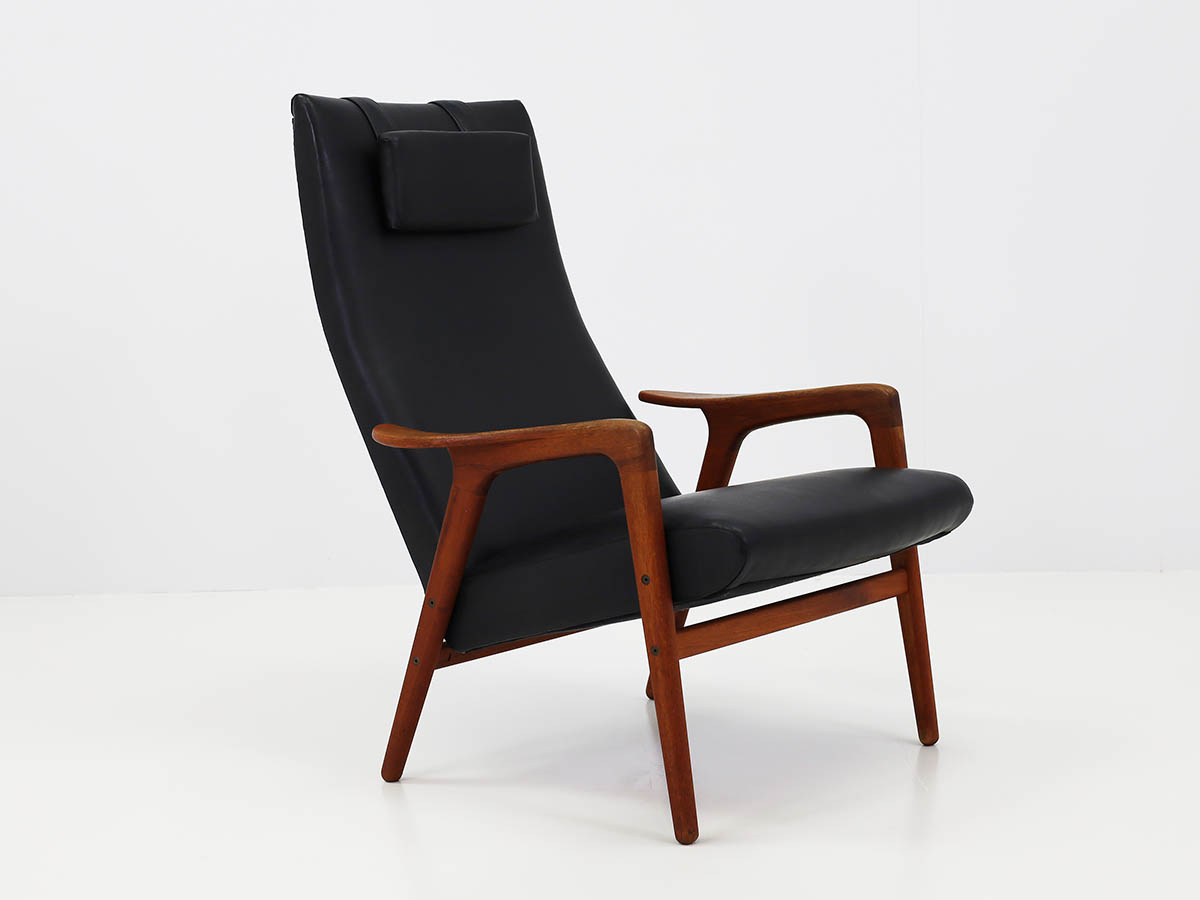
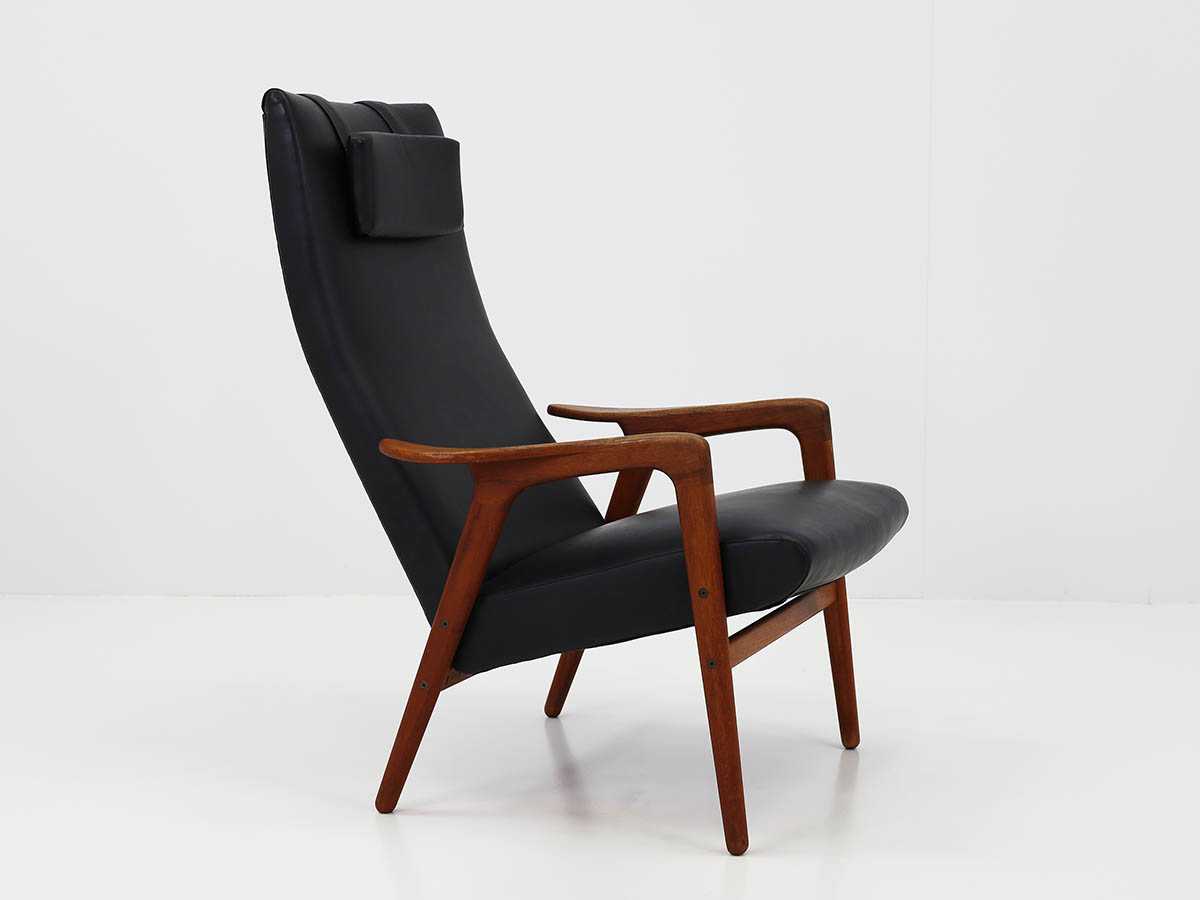
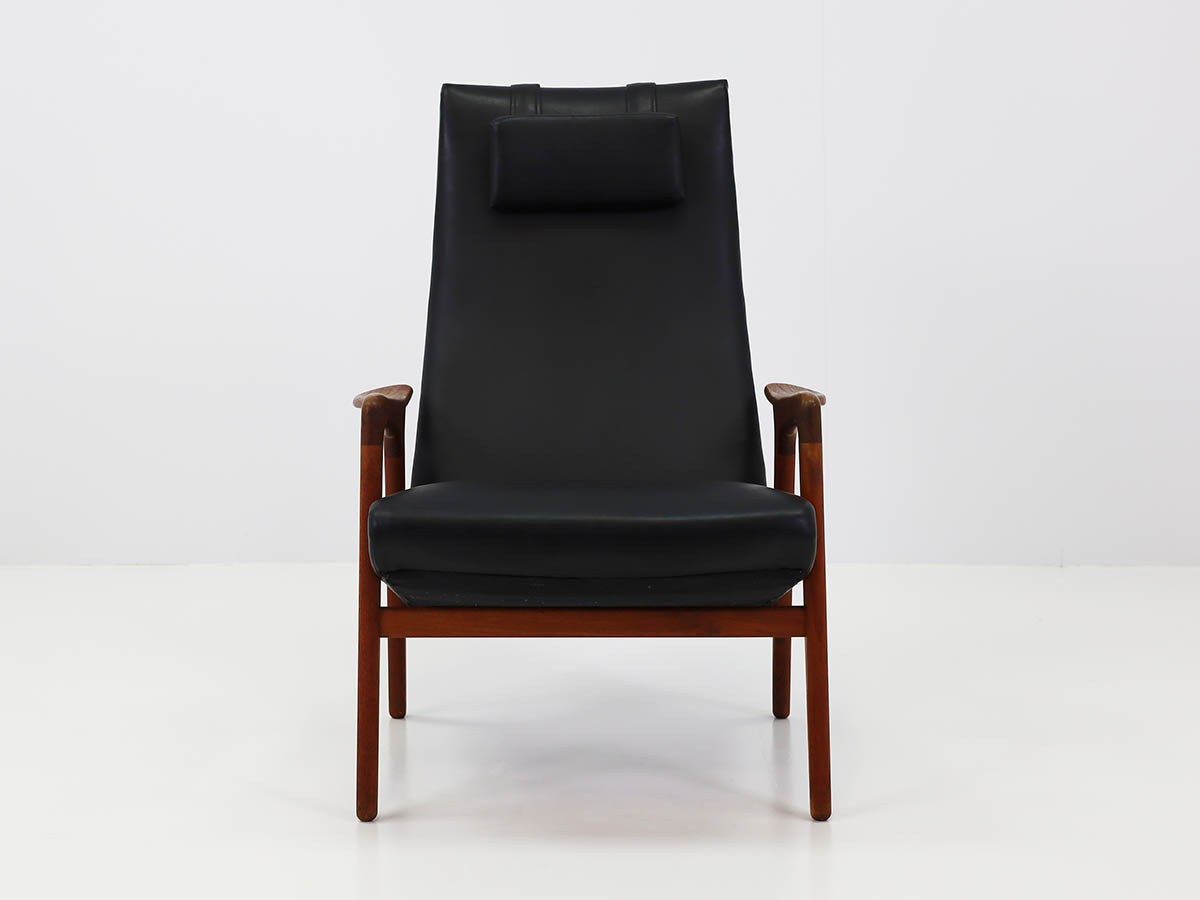
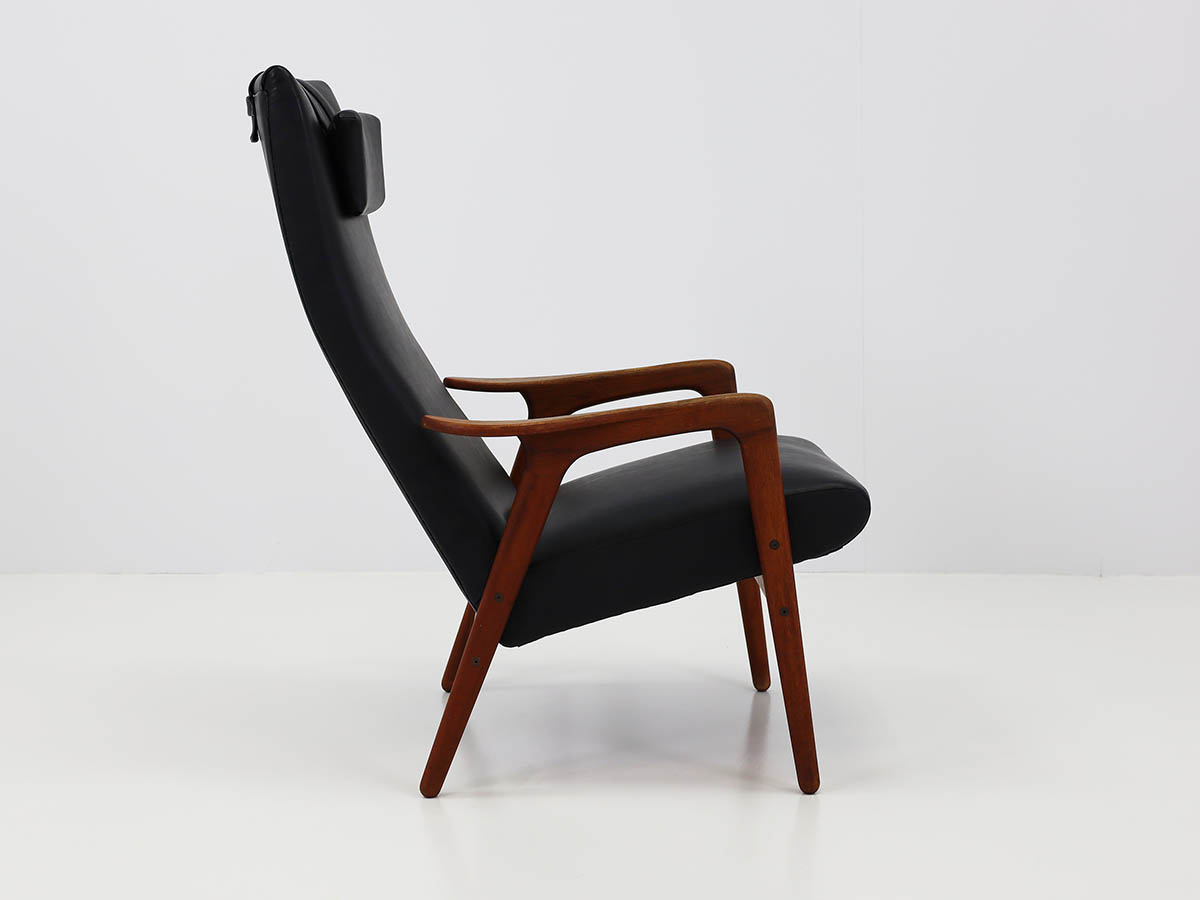
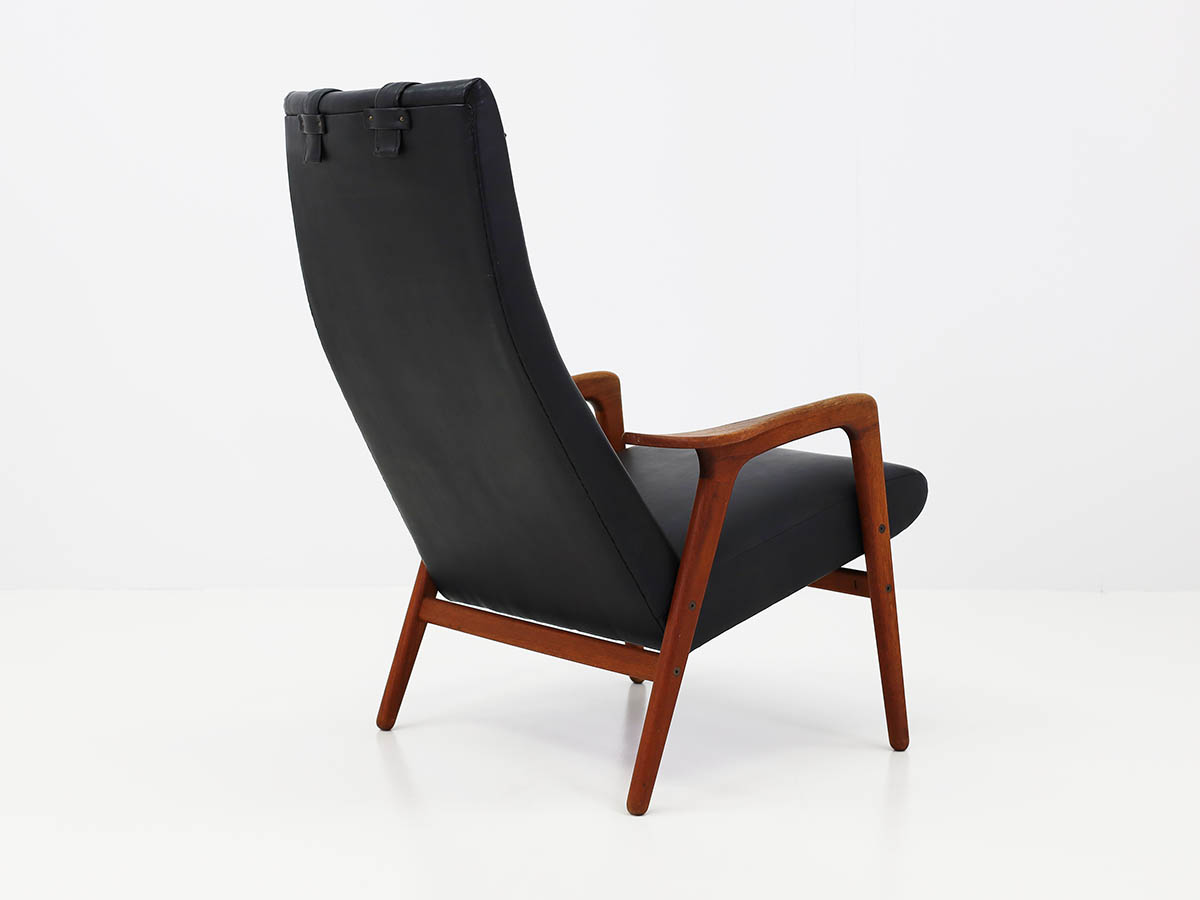
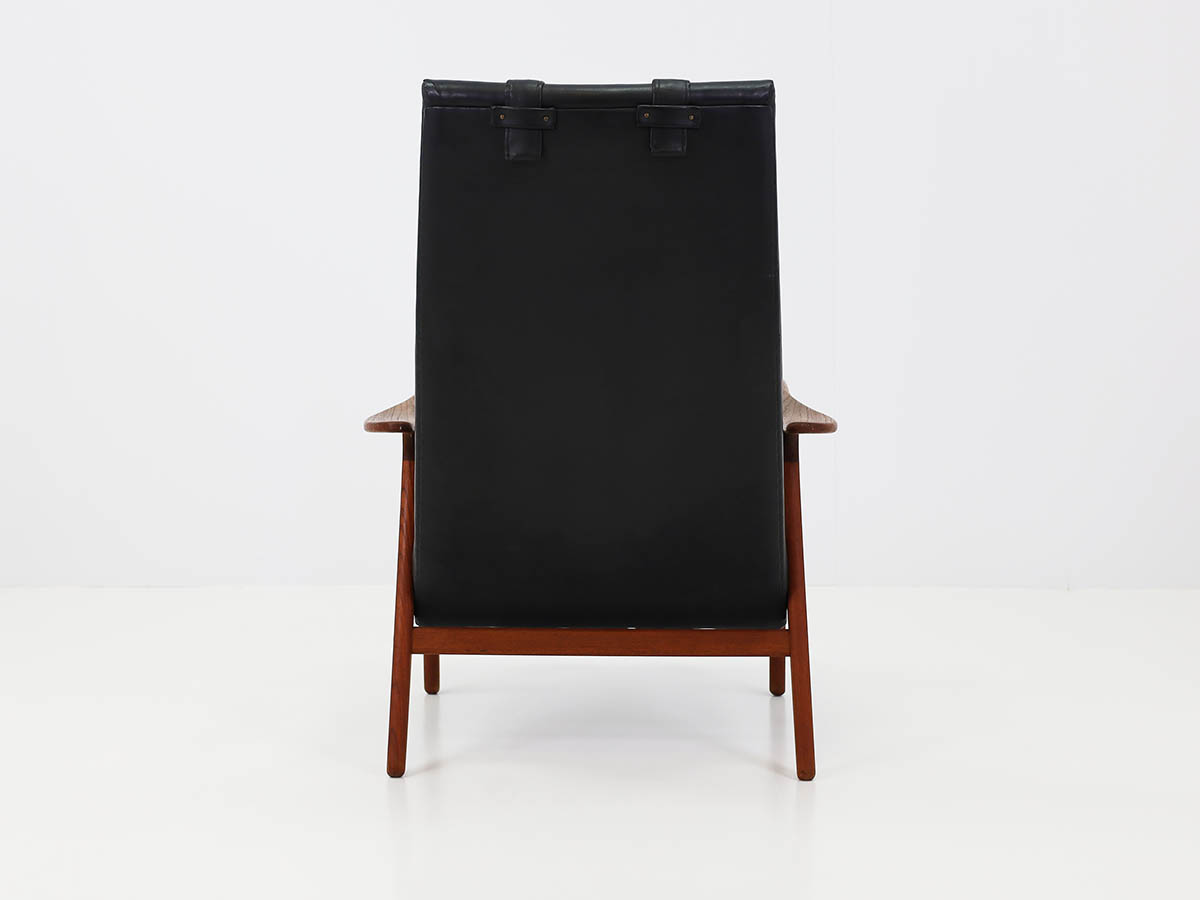
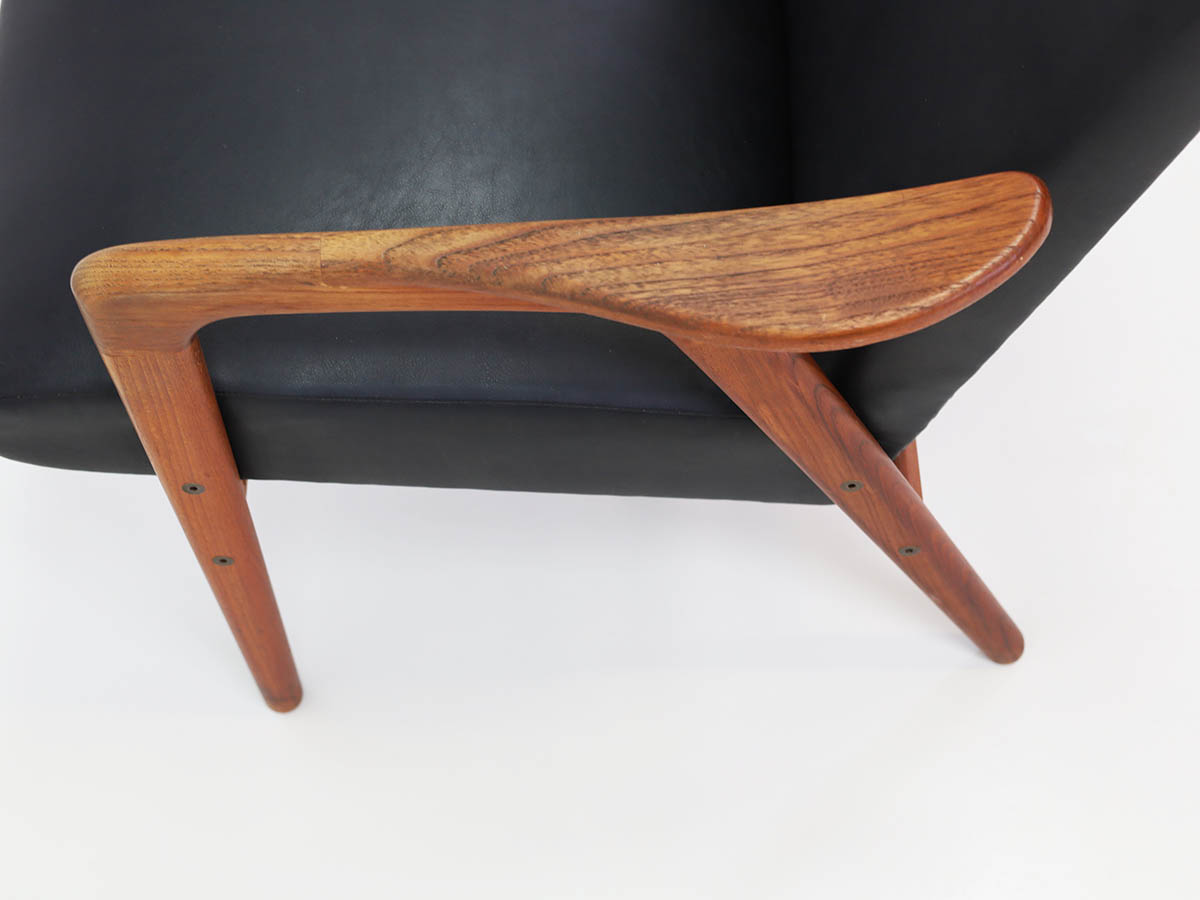
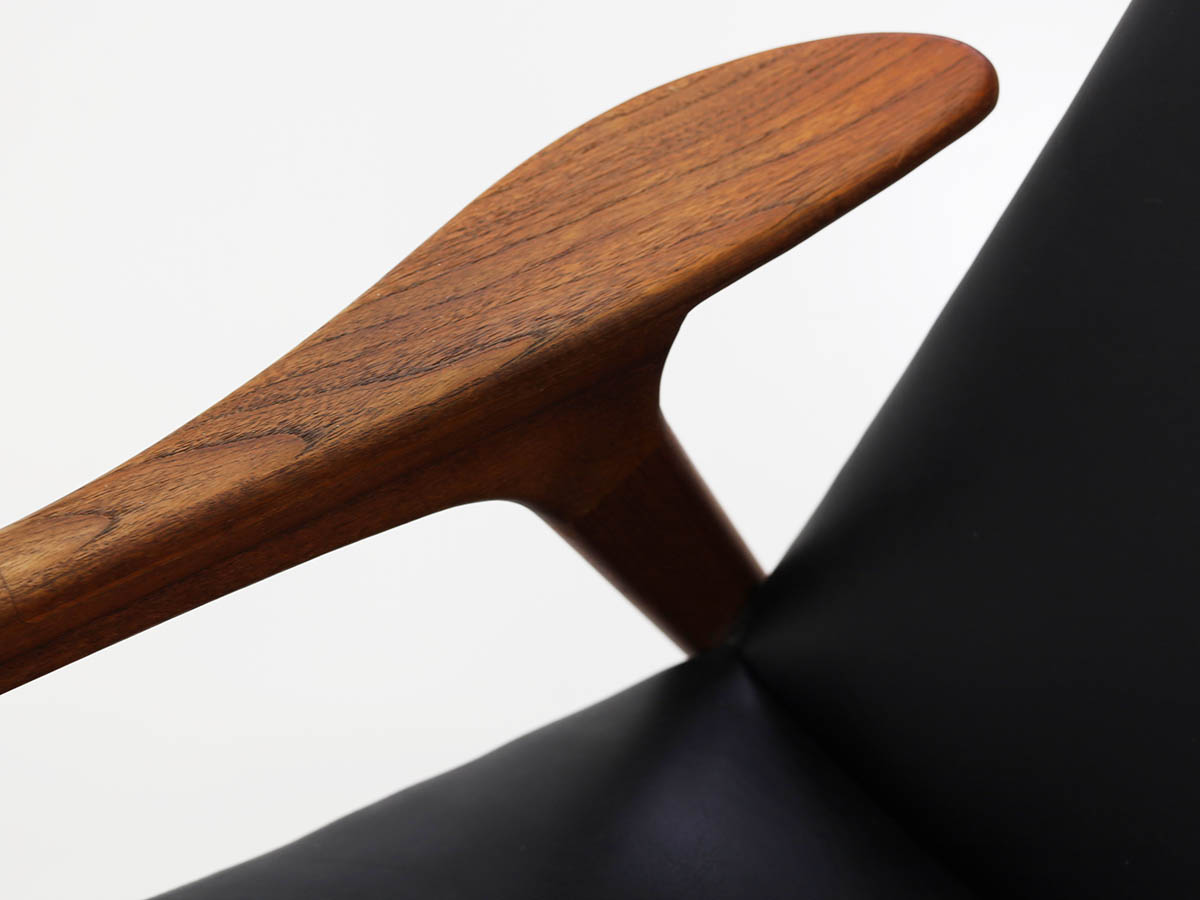
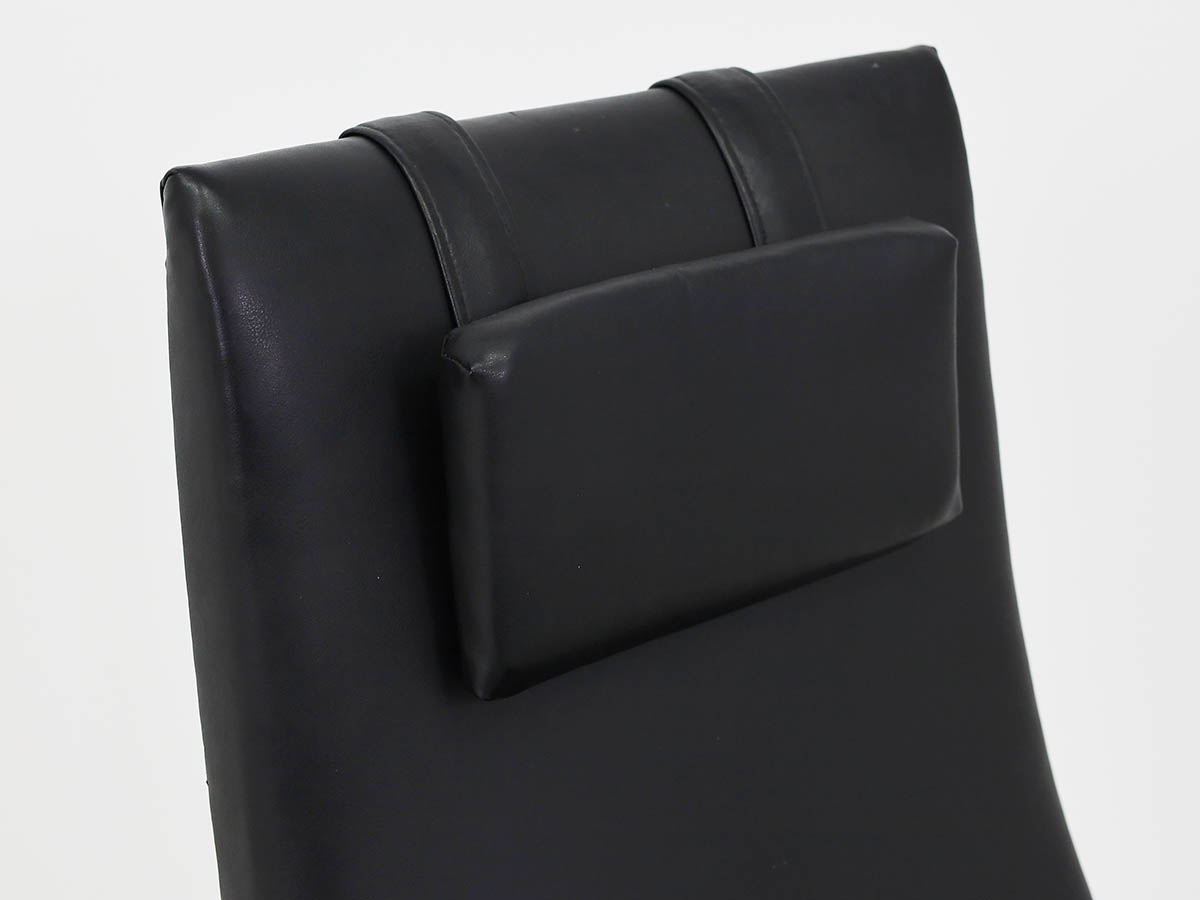
The Mingo features an enveloping silhouette and a carefully engineered structure designed to provide natural support for the body. Its soft curves and balanced proportions give the armchair a sculptural presence while maintaining a remarkable sense of visual lightness. Upholstered versions in leather, such as this black leather example, further enhance the sophisticated and timeless character of the design.


The combination of ergonomics, quality materials, and organic design makes the Mingo a particularly representative example of Yngve Ekström’s approach to seating. Today, the armchair is highly appreciated by collectors and enthusiasts of Scandinavian design, Swedish Modern furniture, and vintage furniture from the 1950s.


The Yngve Ekström Mingo armchair for Swedese is therefore a refined example of post-war Swedish design, combining functionality, comfort, craftsmanship, and a timeless sculptural form.
Article nr. 26117

Ergonomic Armchair in Black Leather model Mingo

Designer

ÉditeurSwedese
Suède 1956

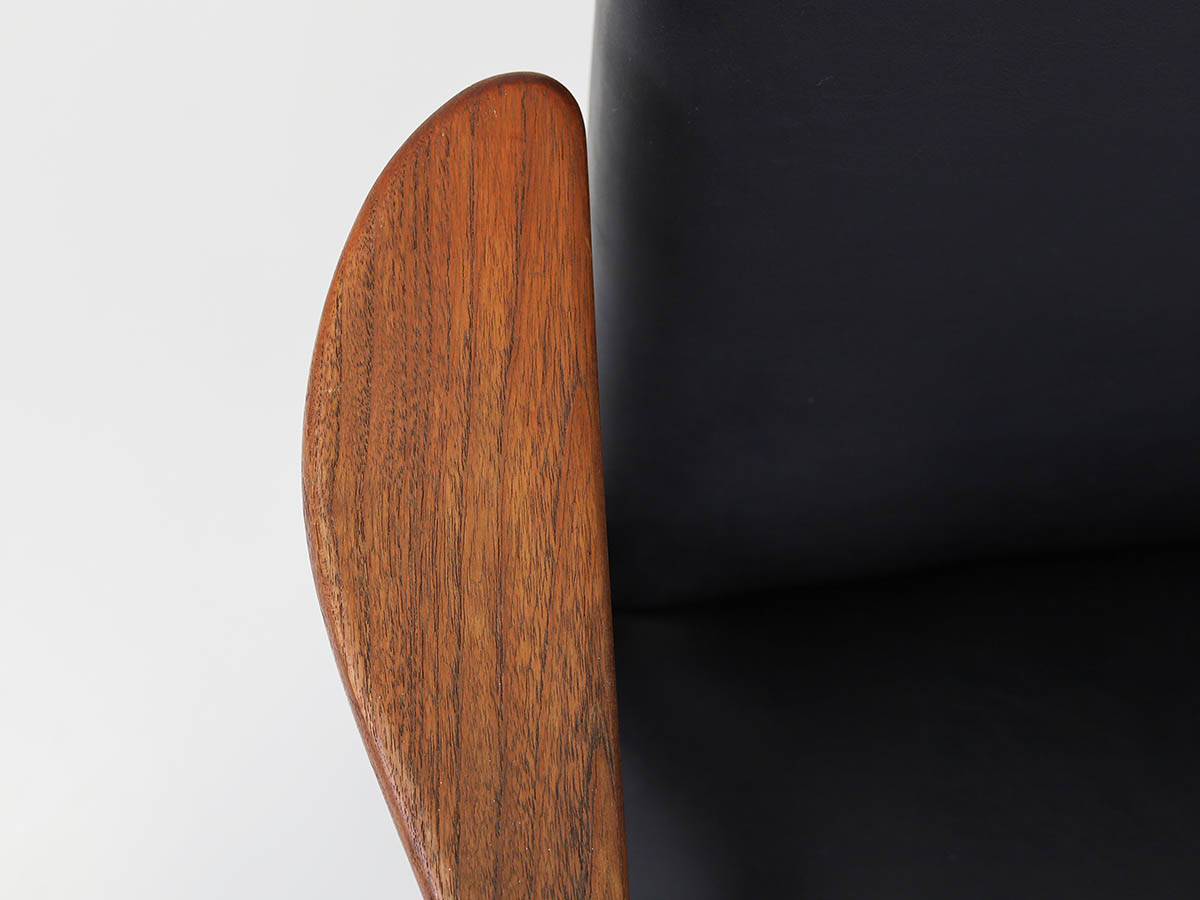
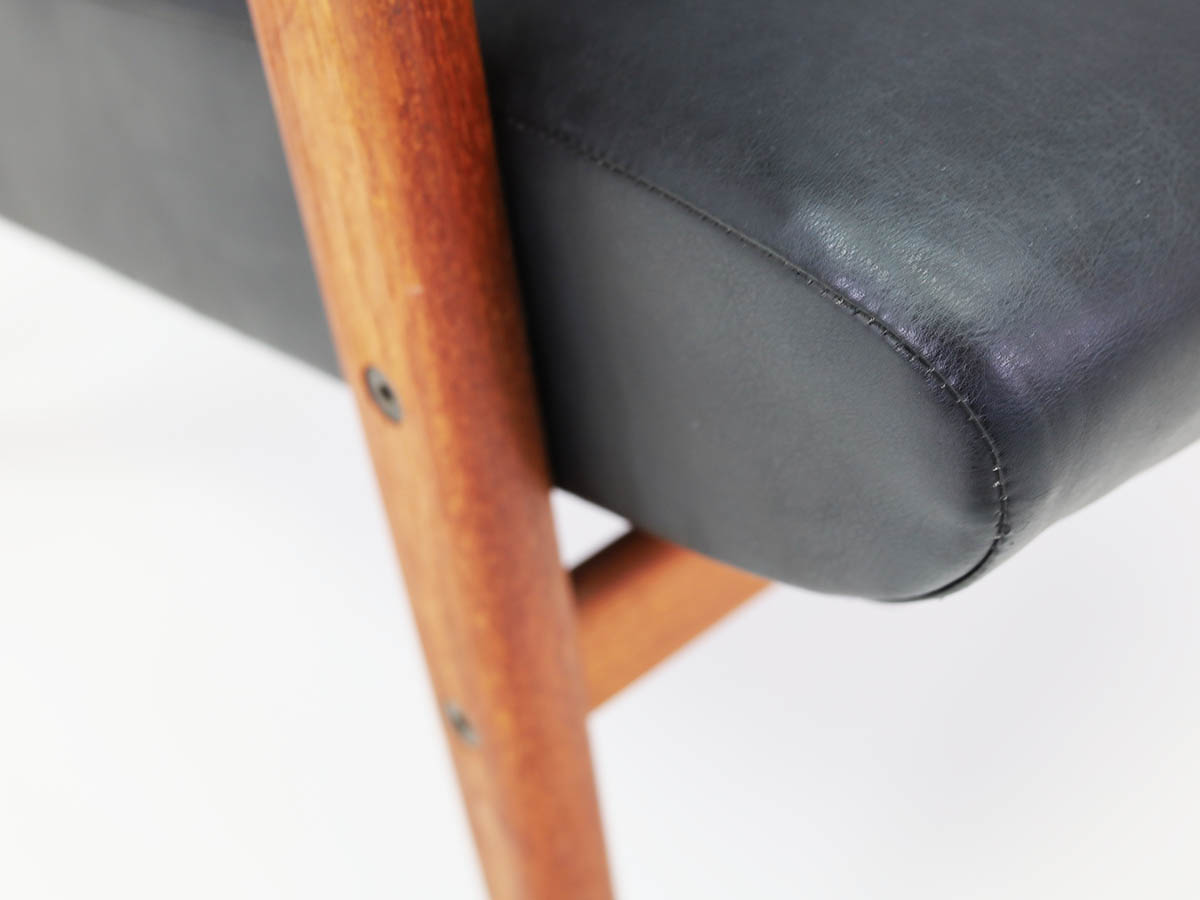
MatériauxTeak | black leather

Dimensions68.5 x 72 x Seating HT 42 x Total HT 98 cm

Prix en Francs Suisses / Euro 1'400.00

ergonomic-armchair-in-black-leather-model-mingo


Yngve Ekström (1913–1988) – Swedish Design, Modernism and Ergonomics


Yngve Ekström (1913–1988) was one of the most important figures in 20th-century Swedish design and a central exponent of Swedish Modernism. Born in 1913, Ekström developed a distinctive design language rooted in the Scandinavian tradition of fine woodworking, combining functionality, ergonomics, natural materials, and organic forms.


His designs are distinguished by their ability to enhance the natural beauty of wood through lightweight structures, carefully developed curves, and balanced proportions. Ekström viewed furniture primarily as an element designed around comfort and the relationship between the human body and its surroundings, anticipating many of the principles that would later make Scandinavian design internationally renowned. His armchairs and seating are particularly appreciated for their ergonomic qualities, refined construction, and elegant formal language.


Yngve Ekström and Swedese


In 1945, Yngve Ekström founded Swedese together with his brother Jerker Ekström and Bertil Sjöqvist. The company became one of the leading names in post-war Swedish design, producing furniture that combined traditional craftsmanship, innovative design, and high-quality industrial manufacturing.


The collaboration between Ekström and Swedese was fundamental to the international development of Swedish design. Through the company, many of his designs were manufactured and distributed internationally, helping to establish the distinctive identity of Swedish Modern design during the 1950s and 1960s.


The Mingo Ergonomic Armchair


Among Yngve Ekström’s most interesting designs is the Mingo ergonomic armchair, designed in 1956 and produced by Swedese from the same year onward. The model perfectly expresses Ekström’s research into ergonomics and the relationship between structure, body, and comfort.


The Mingo features an enveloping silhouette and a carefully engineered structure designed to provide natural support for the body. Its soft curves and balanced proportions give the armchair a sculptural presence while maintaining a remarkable sense of visual lightness. Upholstered versions in leather, such as this black leather example, further enhance the sophisticated and timeless character of the design.


The combination of ergonomics, quality materials, and organic design makes the Mingo a particularly representative example of Yngve Ekström’s approach to seating. Today, the armchair is highly appreciated by collectors and enthusiasts of Scandinavian design, Swedish Modern furniture, and vintage furniture from the 1950s.


The Yngve Ekström Mingo armchair for Swedese is therefore a refined example of post-war Swedish design, combining functionality, comfort, craftsmanship, and a timeless sculptural form.
Description

Yngve Ekström (1913–1988) – Swedish Design, Modernism and Ergonomics

Yngve Ekström (1913–1988) was one of the most important figures in 20th-century Swedish design and a central exponent of Swedish Modernism. Born in 1913, Ekström developed a distinctive design language rooted in the Scandinavian tradition of fine woodworking, combining functionality, ergonomics, natural materials, and organic forms.

His designs are distinguished by their ability to enhance the natural beauty of wood through lightweight structures, carefully developed curves, and balanced proportions. Ekström viewed furniture primarily as an element designed around comfort and the relationship between the human body and its surroundings, anticipating many of the principles that would later make Scandinavian design internationally renowned. His armchairs and seating are particularly appreciated for their ergonomic qualities, refined construction, and elegant formal language.

Yngve Ekström and Swedese

In 1945, Yngve Ekström founded Swedese together with his brother Jerker Ekström and Bertil Sjöqvist. The company became one of the leading names in post-war Swedish design, producing furniture that combined traditional craftsmanship, innovative design, and high-quality industrial manufacturing.

The collaboration between Ekström and Swedese was fundamental to the international development of Swedish design. Through the company, many of his designs were manufactured and distributed internationally, helping to establish the distinctive identity of Swedish Modern design during the 1950s and 1960s.

The Mingo Ergonomic Armchair

Among Yngve Ekström’s most interesting designs is the Mingo ergonomic armchair, designed in 1956 and produced by Swedese from the same year onward. The model perfectly expresses Ekström’s research into ergonomics and the relationship between structure, body, and comfort.

The Mingo features an enveloping silhouette and a carefully engineered structure designed to provide natural support for the body. Its soft curves and balanced proportions give the armchair a sculptural presence while maintaining a remarkable sense of visual lightness. Upholstered versions in leather, such as this black leather example, further enhance the sophisticated and timeless character of the design.

The combination of ergonomics, quality materials, and organic design makes the Mingo a particularly representative example of Yngve Ekström’s approach to seating. Today, the armchair is highly appreciated by collectors and enthusiasts of Scandinavian design, Swedish Modern furniture, and vintage furniture from the 1950s.

The Yngve Ekström Mingo armchair for Swedese is therefore a refined example of post-war Swedish design, combining functionality, comfort, craftsmanship, and a timeless sculptural form.
Informations complémentaires

Matériaux

Dimensions