
Description
Norman Foster (1935–) is one of the most influential figures in contemporary architecture. Founder of Foster + Partners, he has redefined modern architectural language through advanced technology, lightweight structures, and a design philosophy based on transparency, efficiency, and innovation. His work is characterized by the integration of engineering and design, with a strong focus on sustainability and spatial quality.
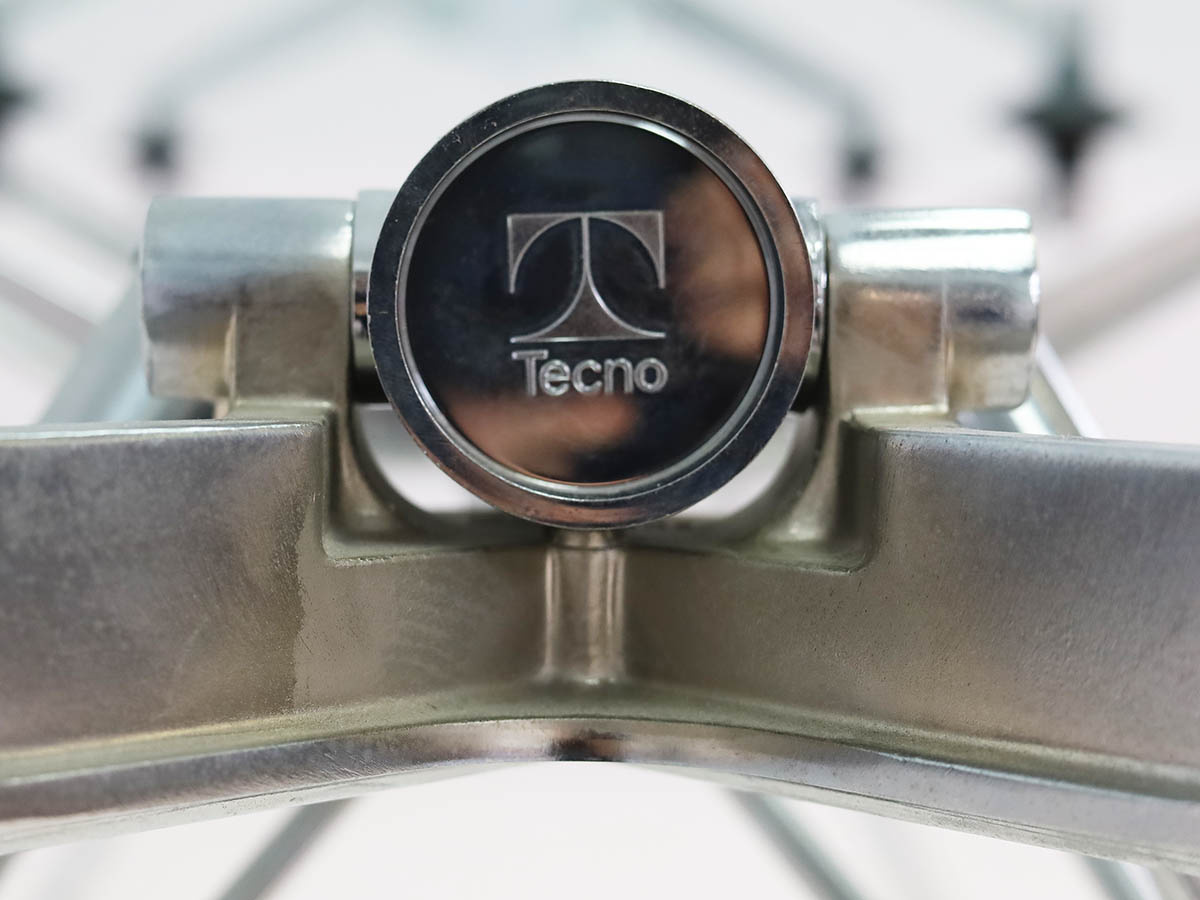
This same design approach extends into product design, where Foster applies principles of structural clarity and formal precision. Within this context, the Nomos Table was created for Tecno, representing one of the purest expressions of his architectural thinking translated into furniture design.
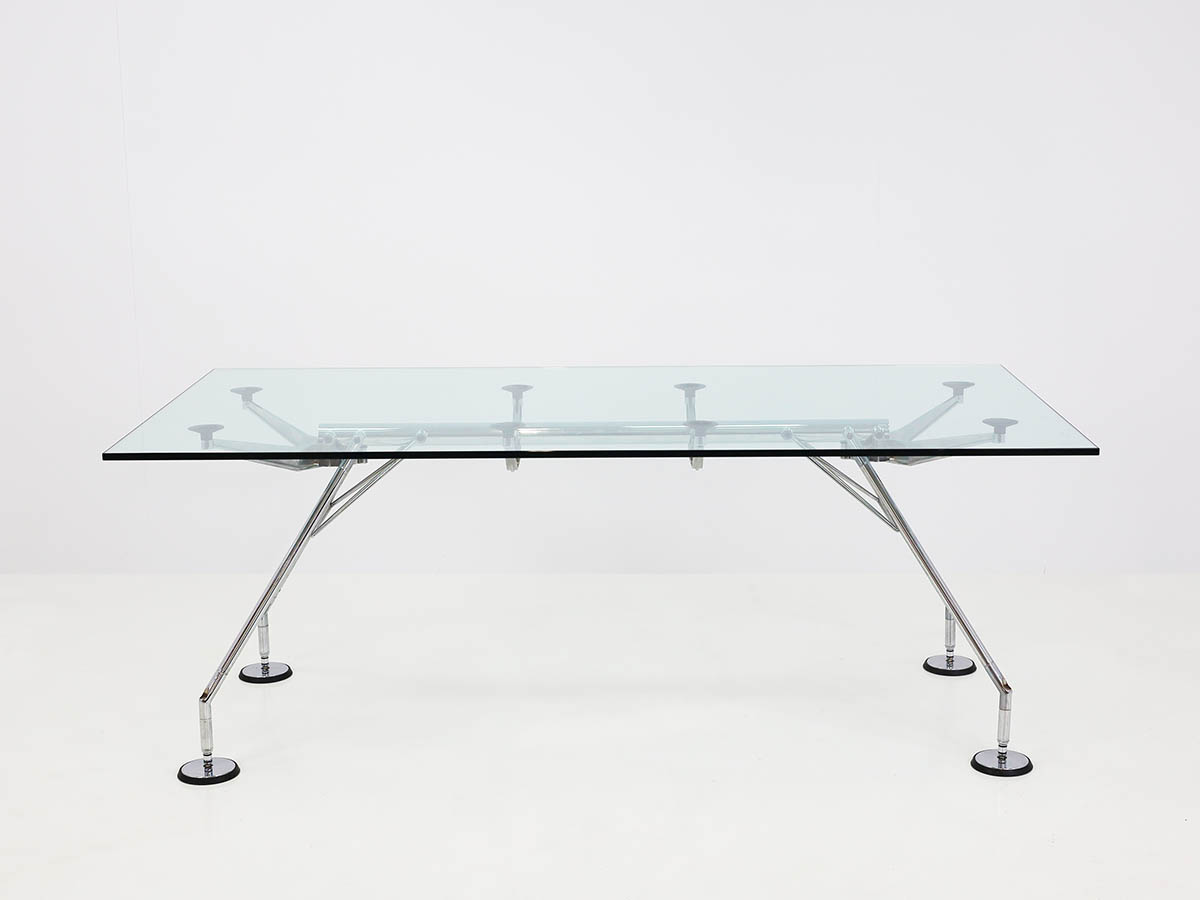
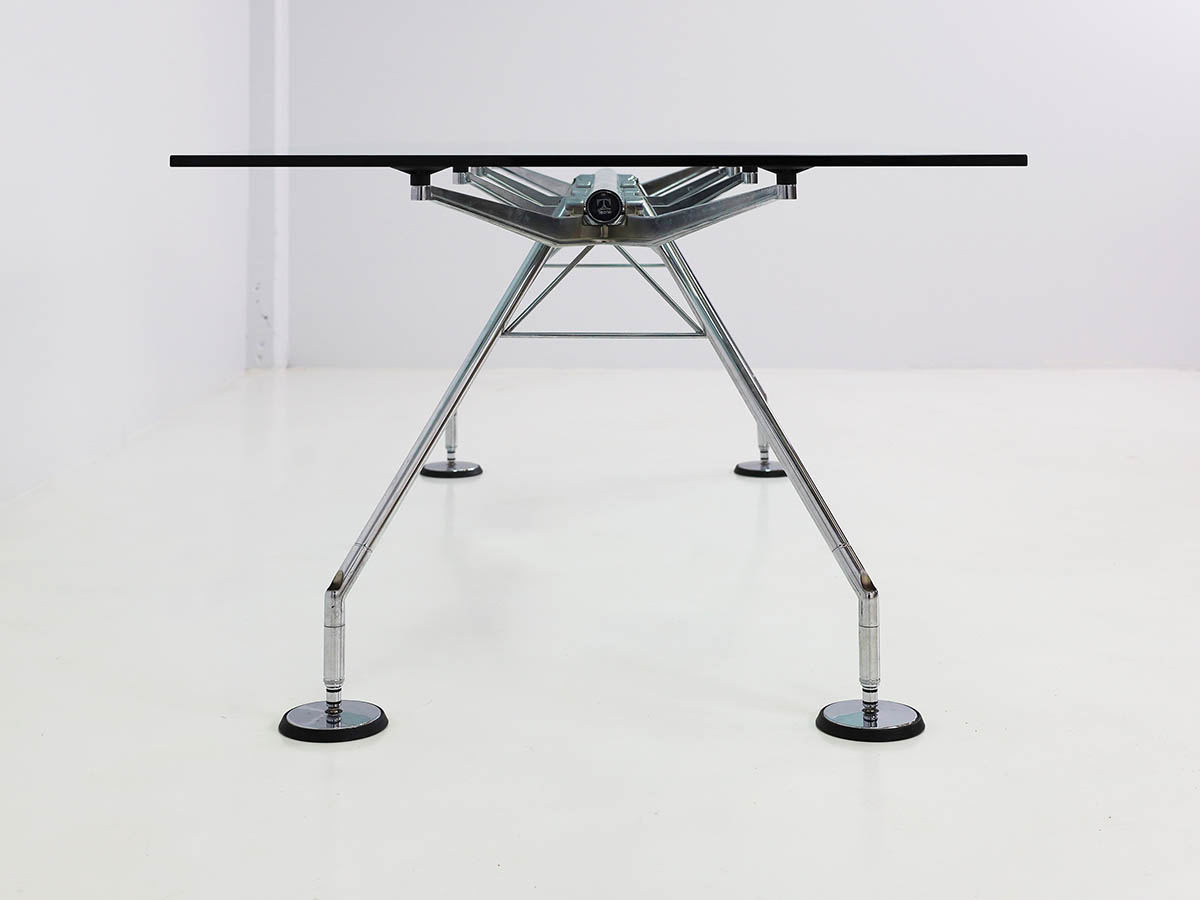
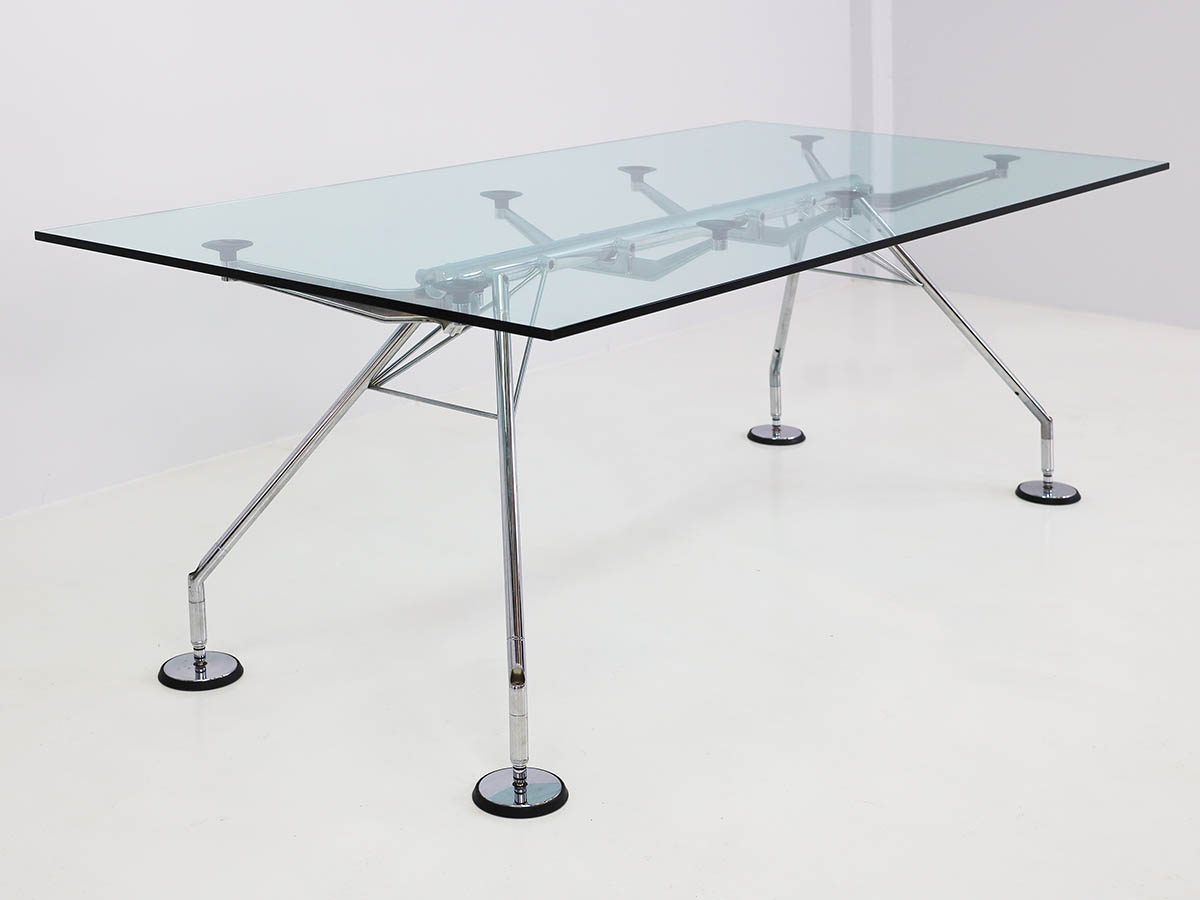
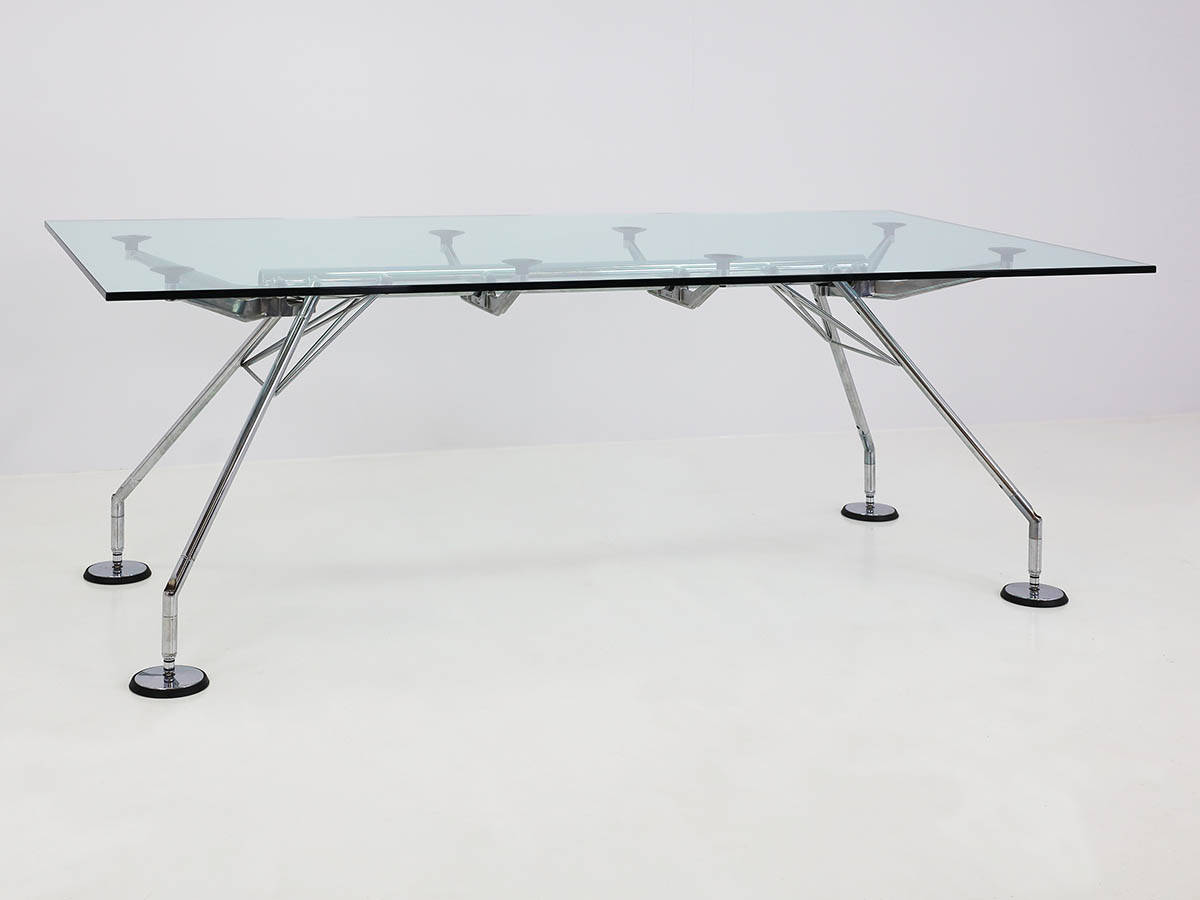
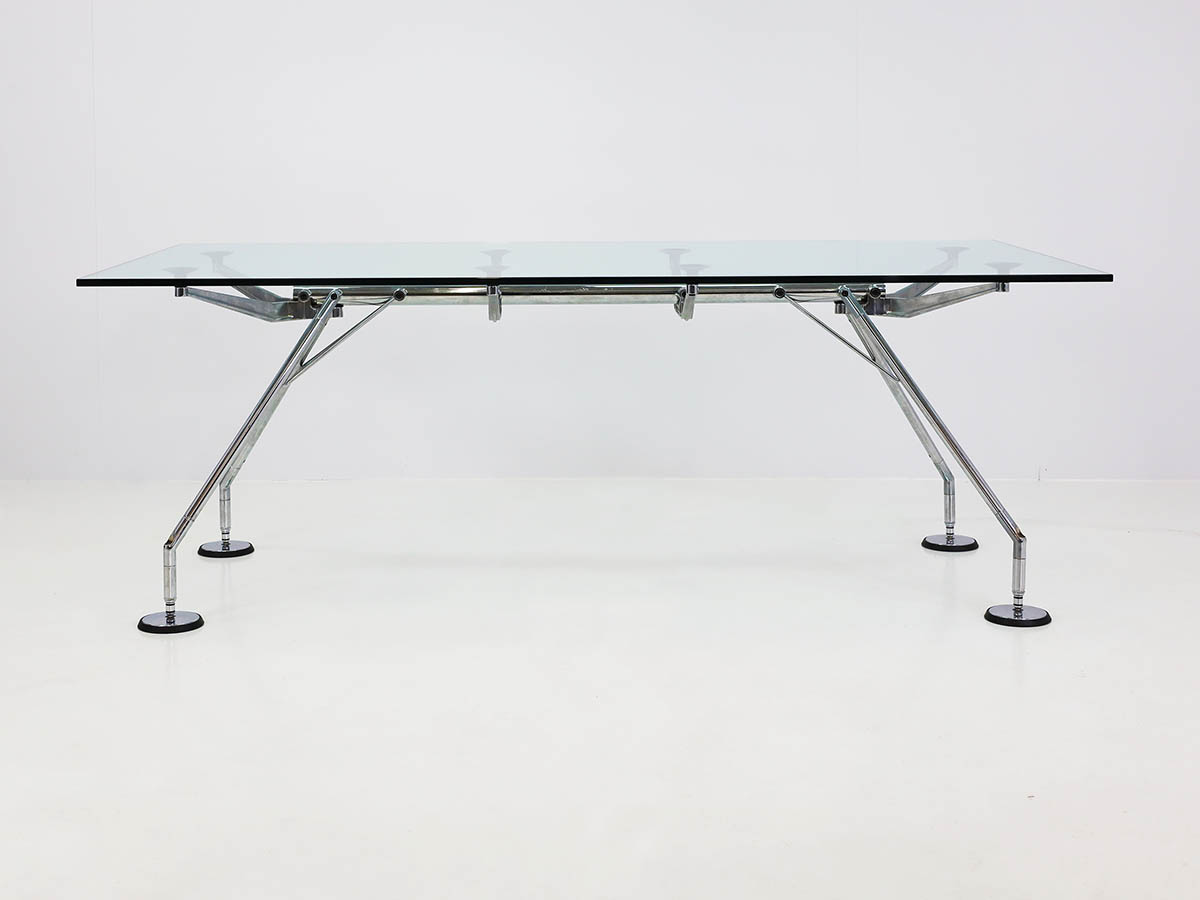
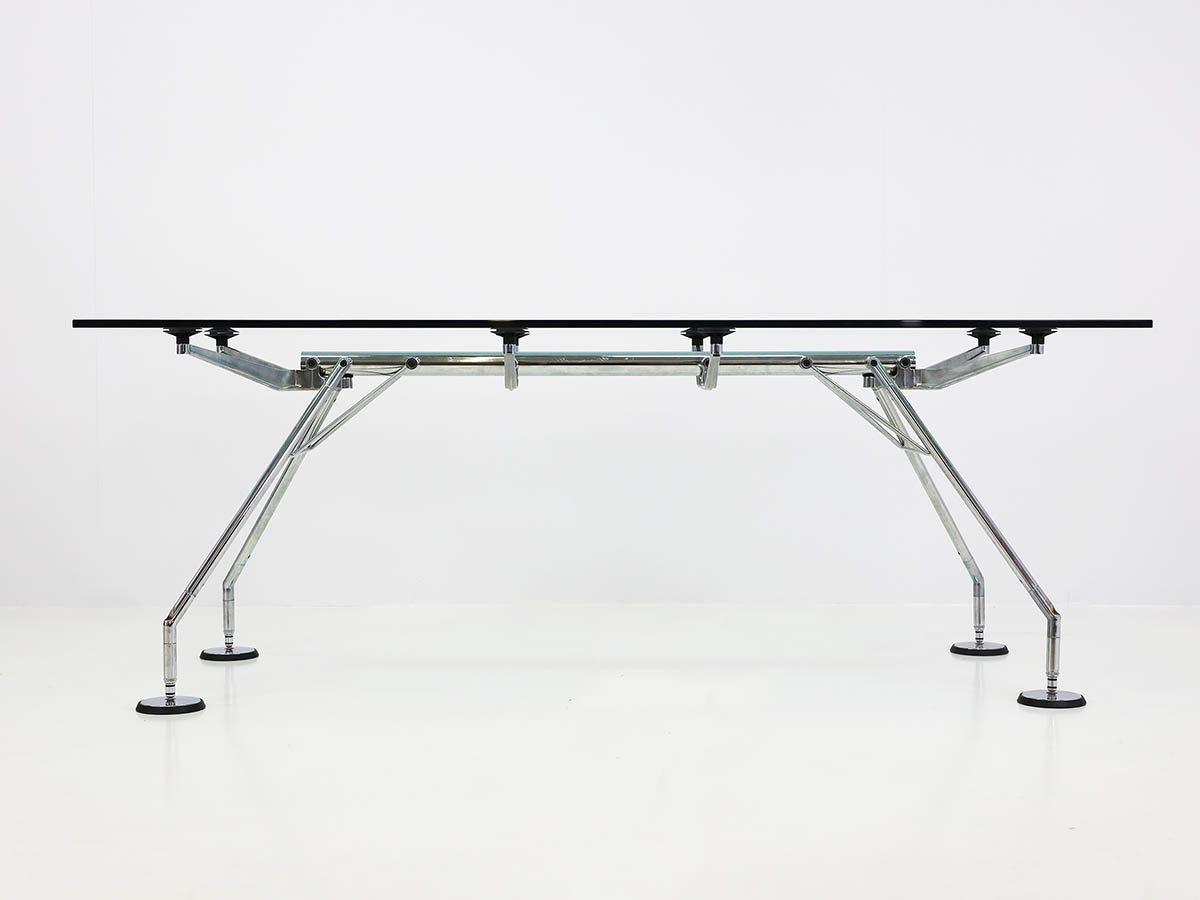
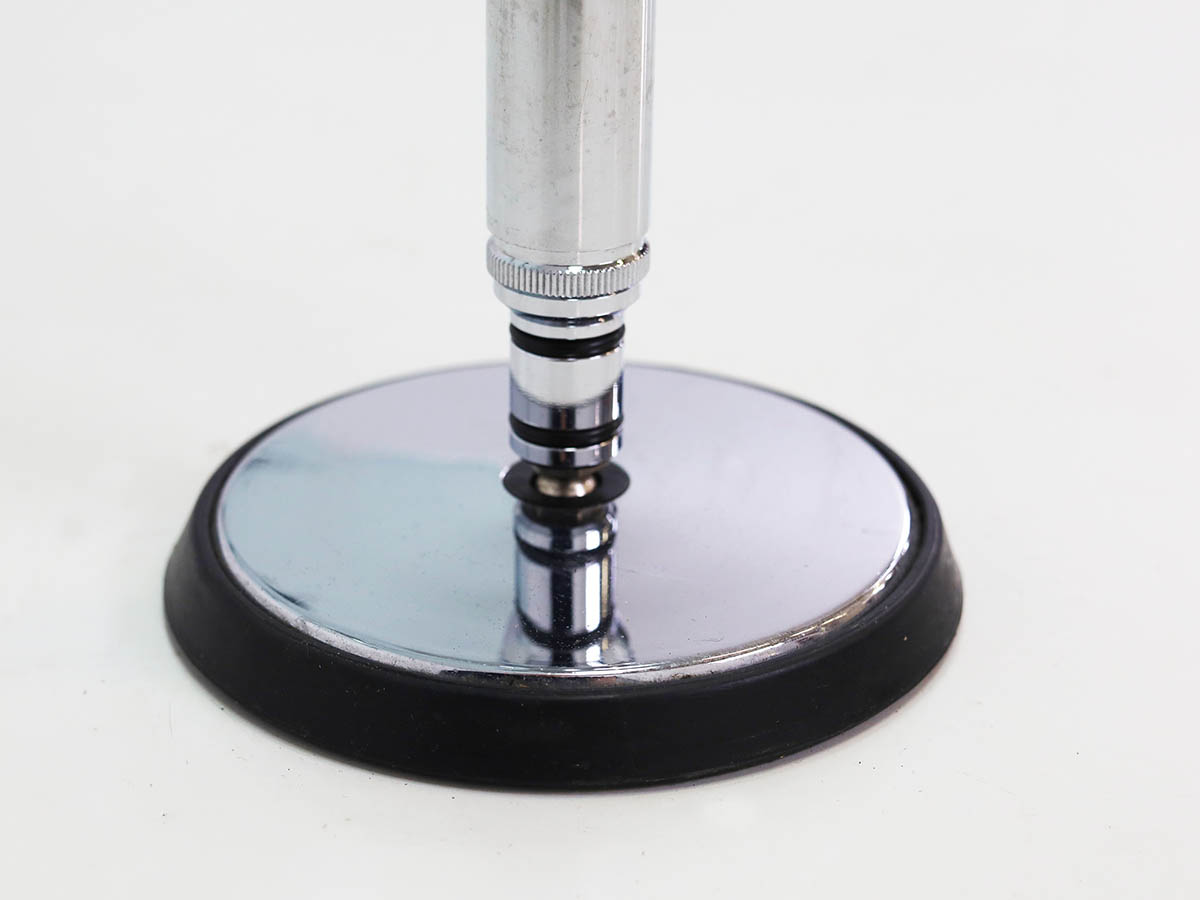
The Nomos Table is conceived as a miniature architectural structure. Its defining feature is the exposed metal support system, which eliminates the perception of a traditional solid volume and creates a sense of visual lightness. The structure is modular, rational, and highly engineered, designed to adapt to various contexts, from executive offices to contemporary representative spaces.
The glass top reinforces the idea of transparency and spatial continuity: the eye moves through the surface without interruption, emphasizing the relationship between structure and environment. This balance between solidity and lightness is one of Foster’s key design principles, translated in Nomos into an essential and highly sophisticated furniture object.
The Nomos Table is not only a functional element, but also an aesthetic statement reflecting contemporary design values: reduction of the superfluous, structural clarity, and integration between form and technology. Today, it is considered an icon of international design, embodying the perfect synthesis between architecture and furniture.