
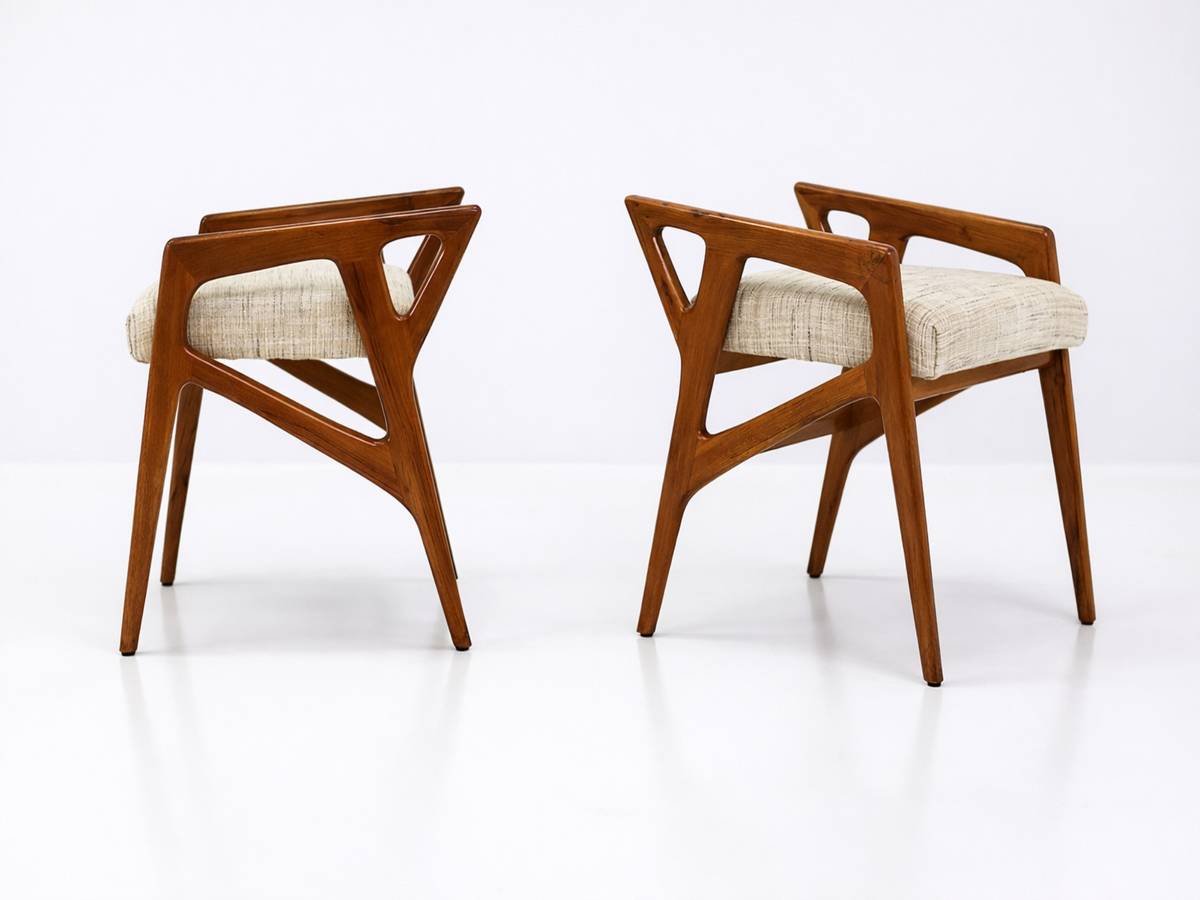
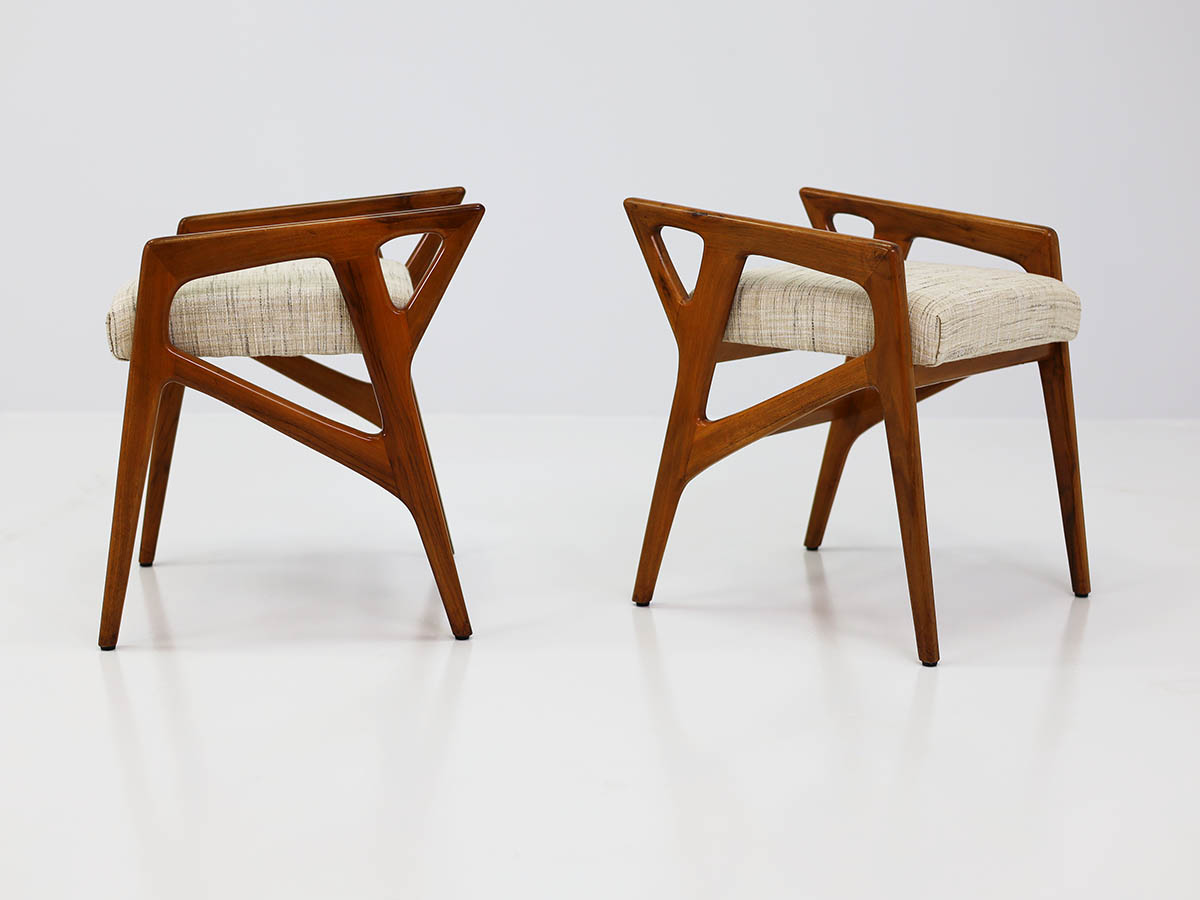
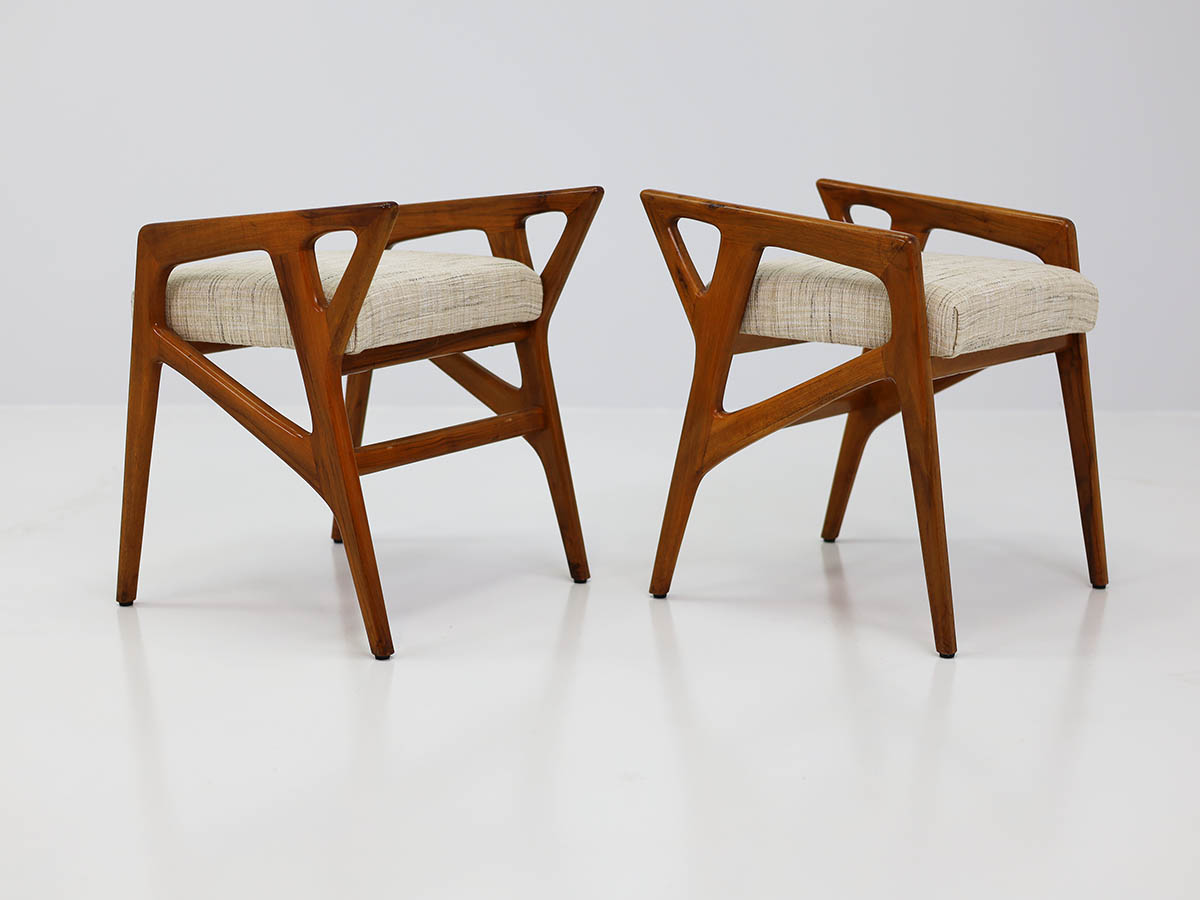
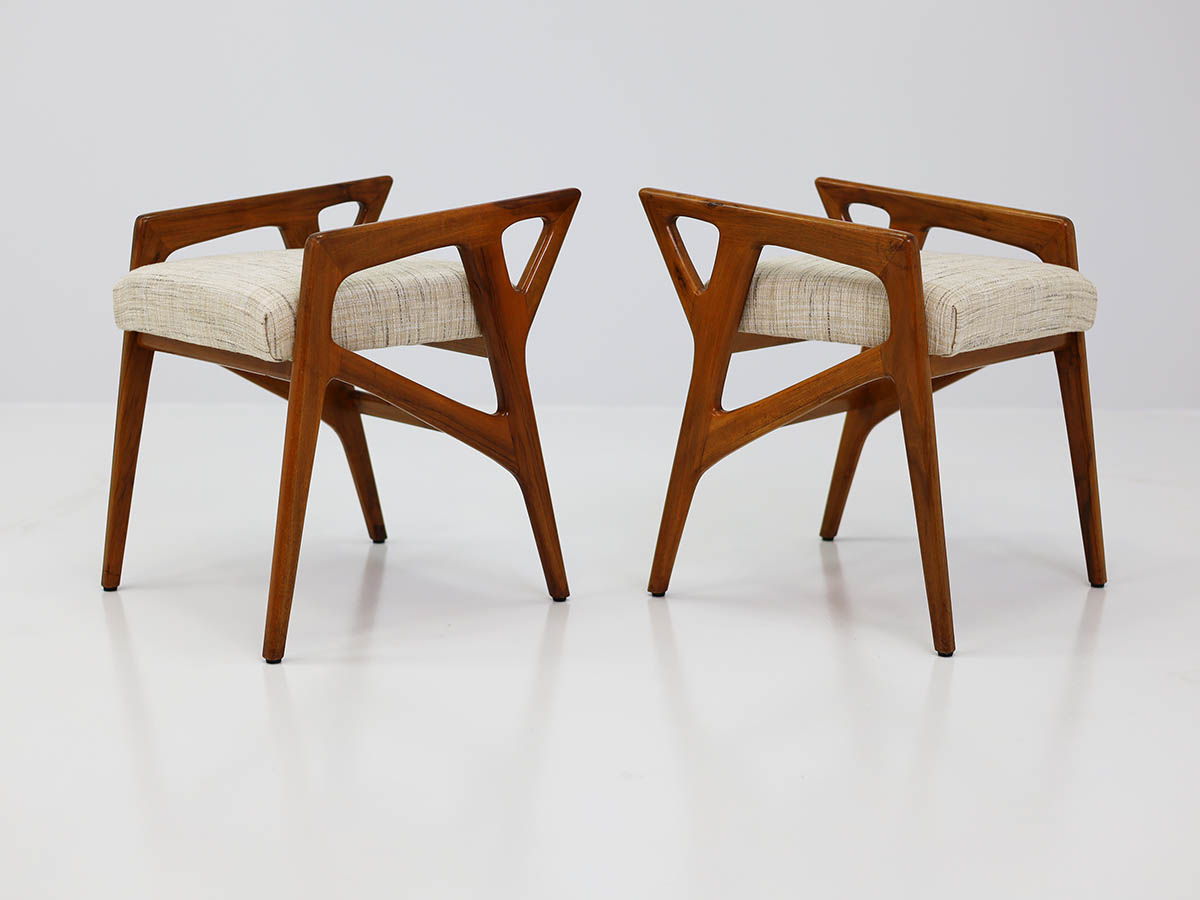
Description
Gio Ponti (Milan, 1891–1979) was one of the most influential Italian architects and designers of the post-war period. A central figure in modern architecture and design, Ponti promoted a vision in which creativity, craftsmanship, and innovation defined Italian cultural identity.
Gio Ponti graduated in architecture from the Politecnico di Milano in 1921 and quickly established himself as a leading designer. In 1923, he took part in the Monza Biennale of Decorative Arts and began collaborating with Richard Ginori, shaping a new language for modern ceramic design. In 1925, he won the Grand Prix at the Paris Exposition and founded Domus magazine, which became one of the most influential international publications on architecture and design.
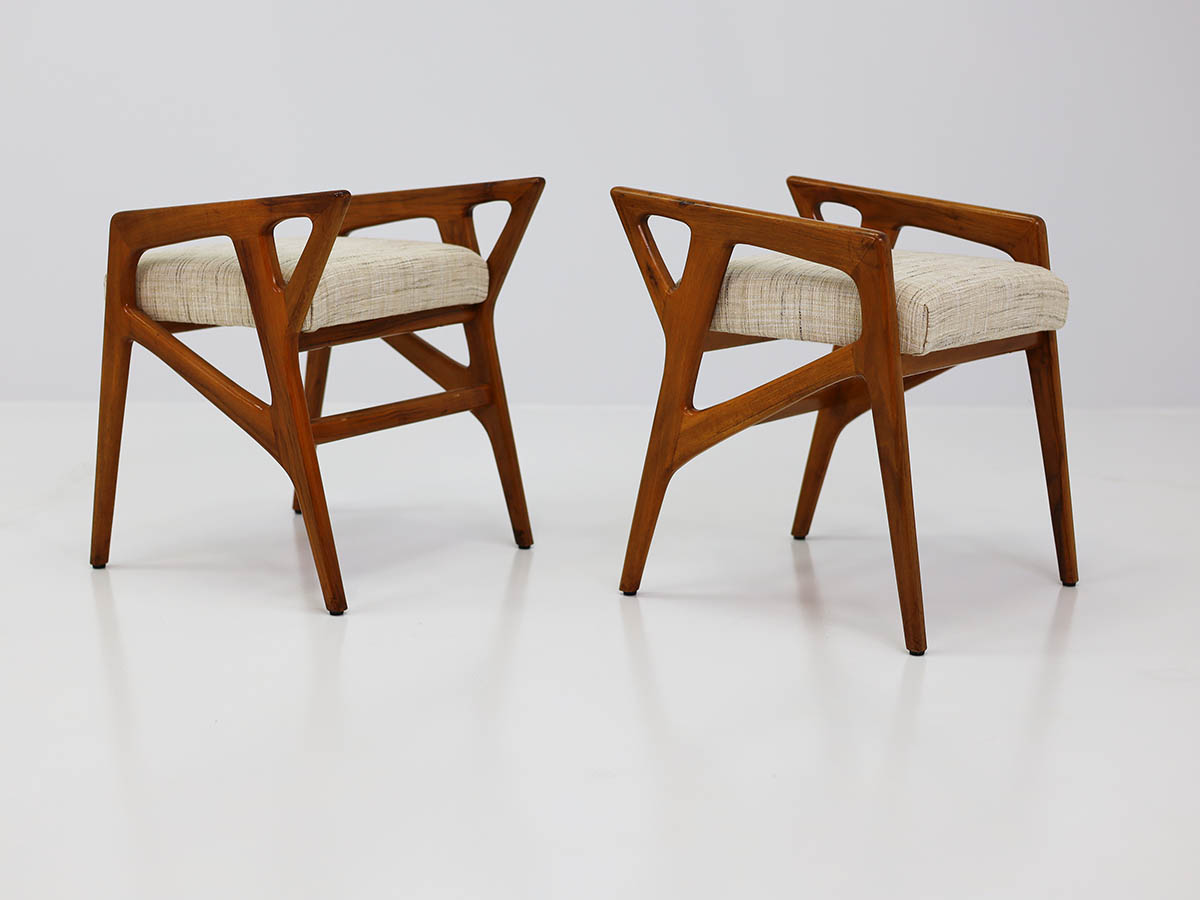
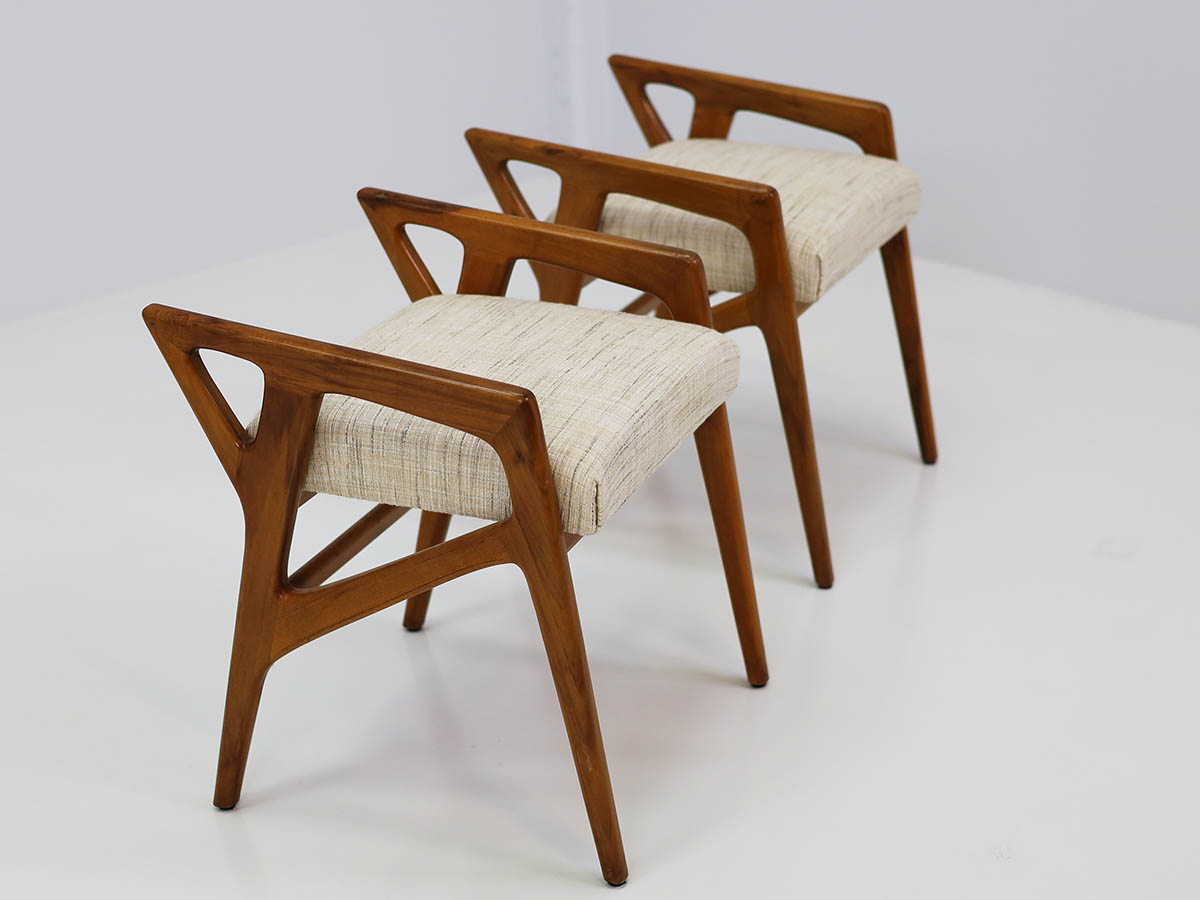
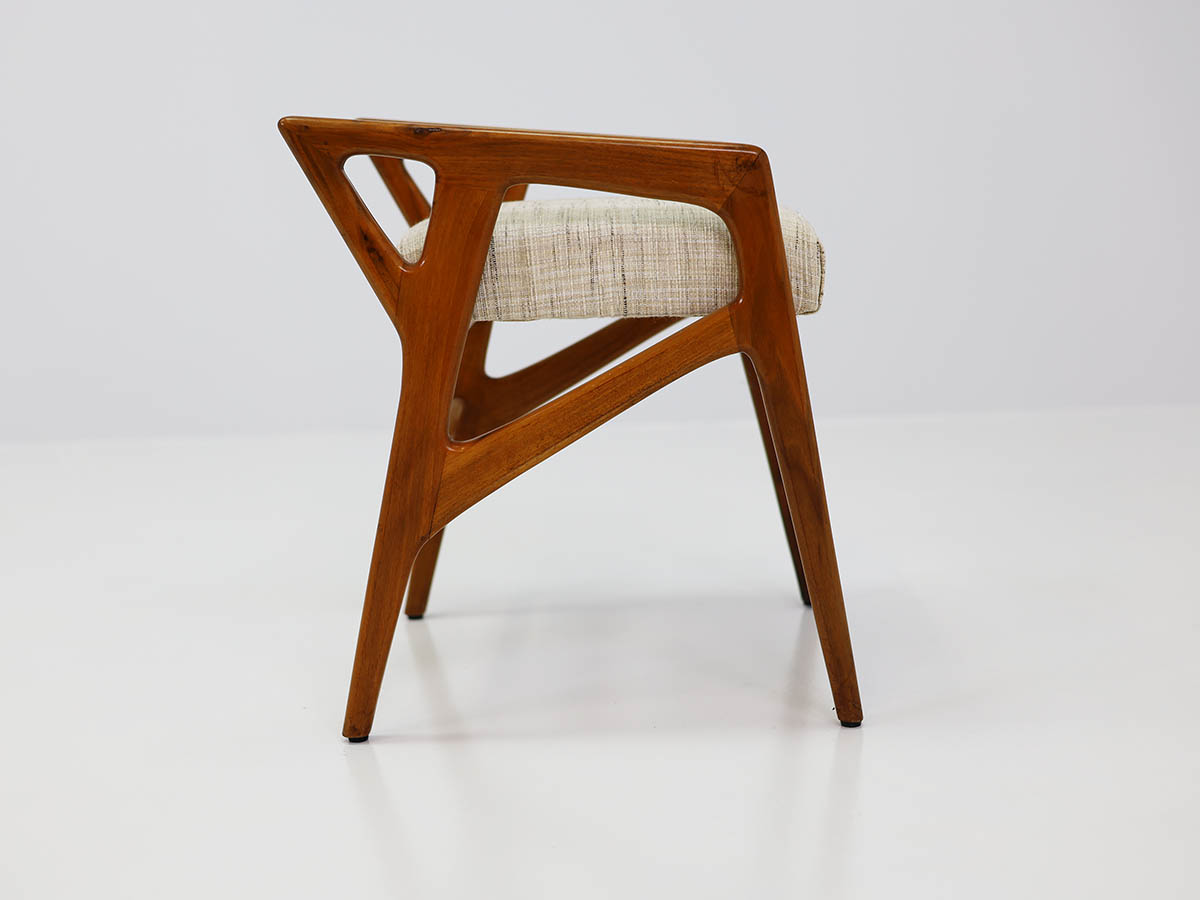
During the 1930s, Ponti played a key role in organizing the Milan Triennale and expanded his work across multiple fields, designing chairs, lighting, furniture, and household objects. He also taught at the Faculty of Architecture at the Politecnico di Milano, influencing generations of architects and designers.
In the 1950s, Gio Ponti realized some of his most iconic architectural projects, including the Montecatini office building and the Pirelli Tower, confirming his legacy as a master of Italian modernism and post-war design.