

Description
Vladimir Kagan – Sculptural American Modernism
Vladimir Kagan (1927–2016) was one of the most influential American furniture designers of the 20th century and a pioneering figure in Mid-Century Modern and sculptural furniture design. Born in Worms, Germany, Kagan emigrated to the United States as a child and later studied architecture at Columbia University before joining his father, a master cabinetmaker. His early training in craftsmanship became fundamental to a career devoted to combining technical construction with expressive, sculptural forms.
From the 1940s onward, Kagan developed a highly distinctive approach to furniture, rejecting rigid geometric conventions in favour of organic curves, flowing silhouettes and forms designed around the human body. His furniture was conceived not simply as functional objects, but as sculptural environments intended to support, embrace and interact with the sitter.
Kagan’s fascination with nature and its structural logic played a central role in his design philosophy. The organic movement of branches, leaves and natural forms informed his approach to furniture construction, resulting in pieces that appear fluid and almost architectural. His work helped establish a new vocabulary for American modern furniture, in which comfort, ergonomics and sculpture coexist within a single object.
The Freeform Curved Sofa – Model 150BC
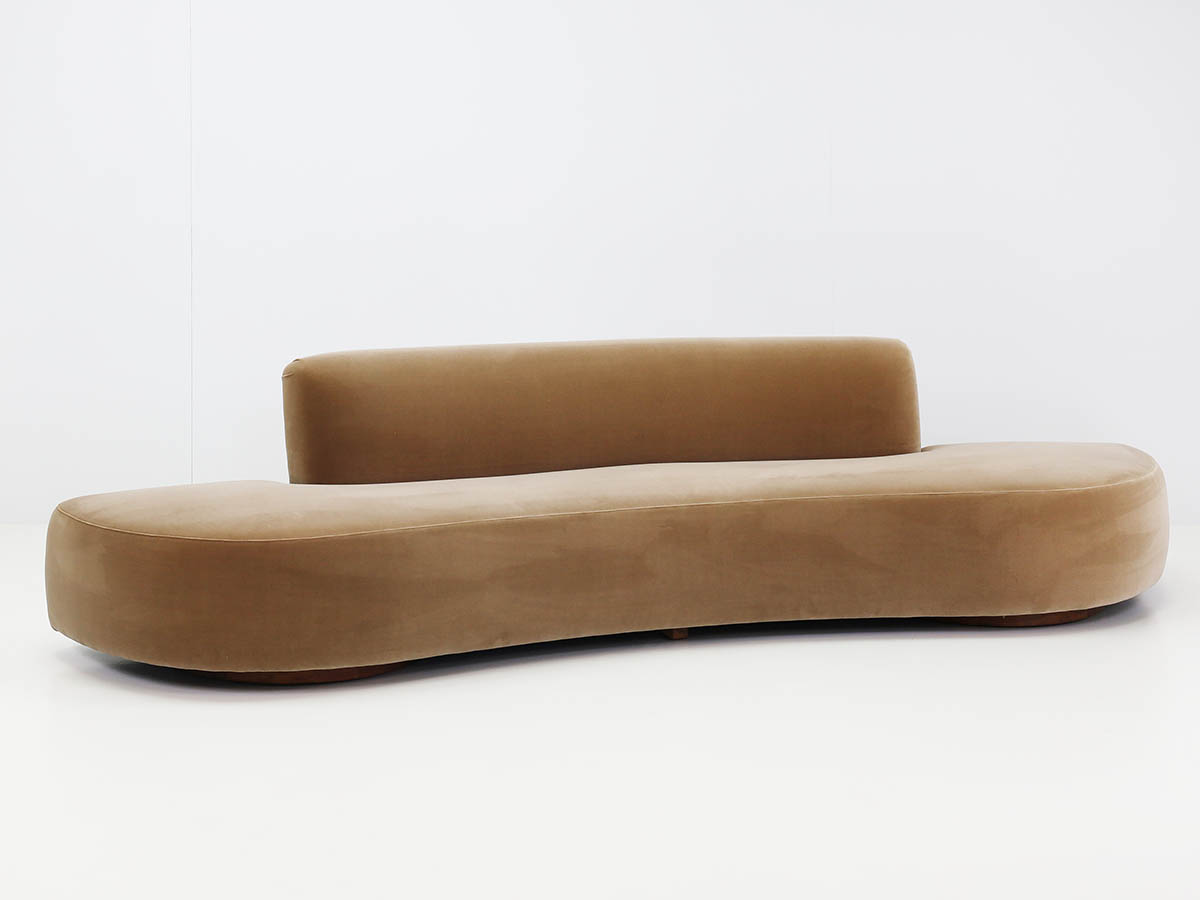
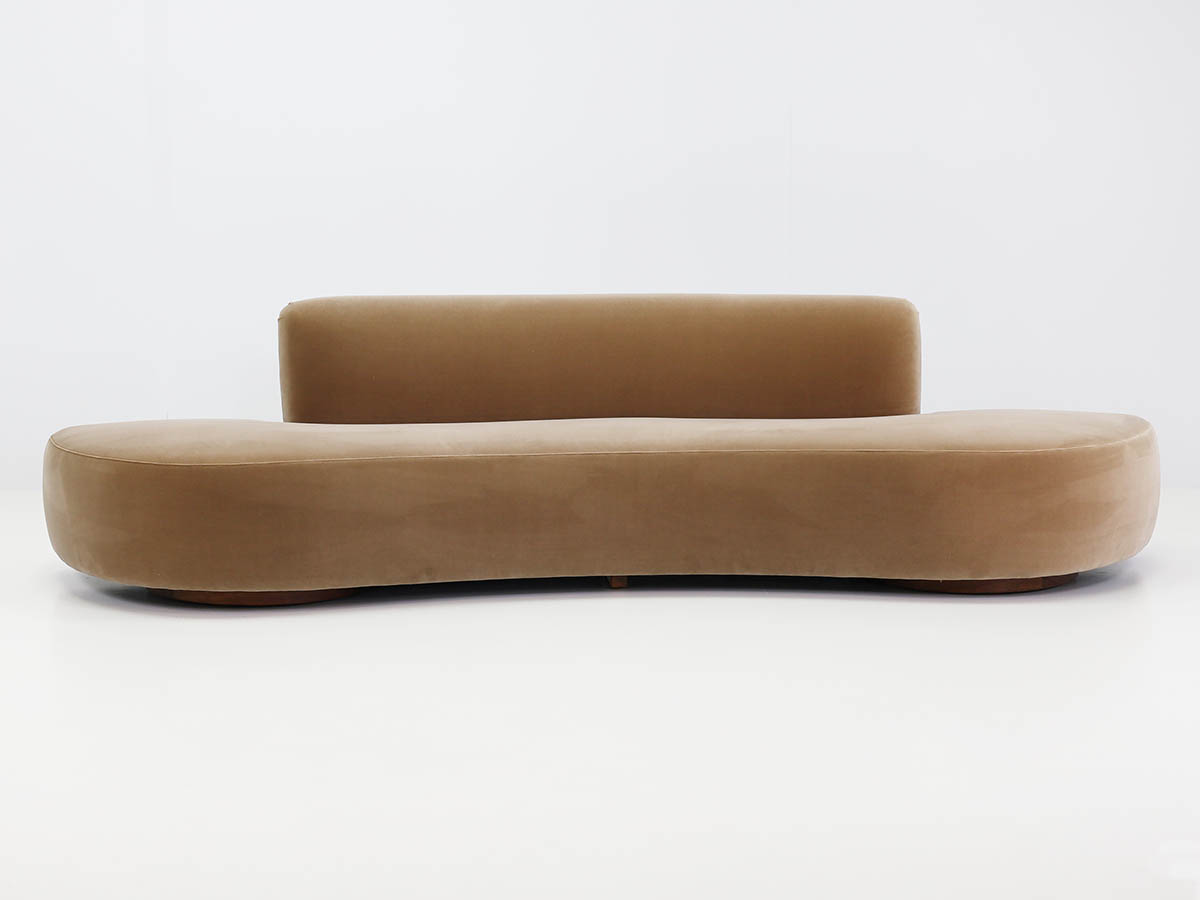
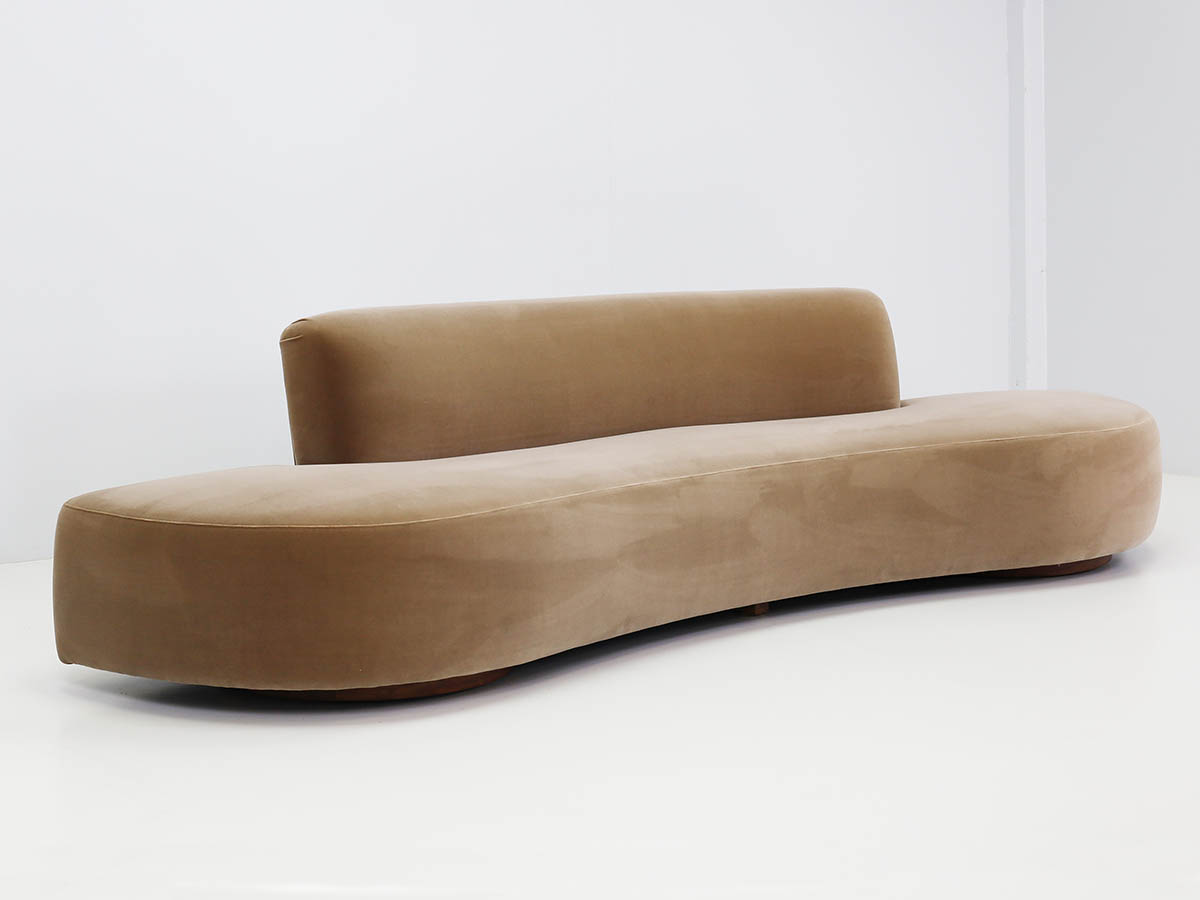
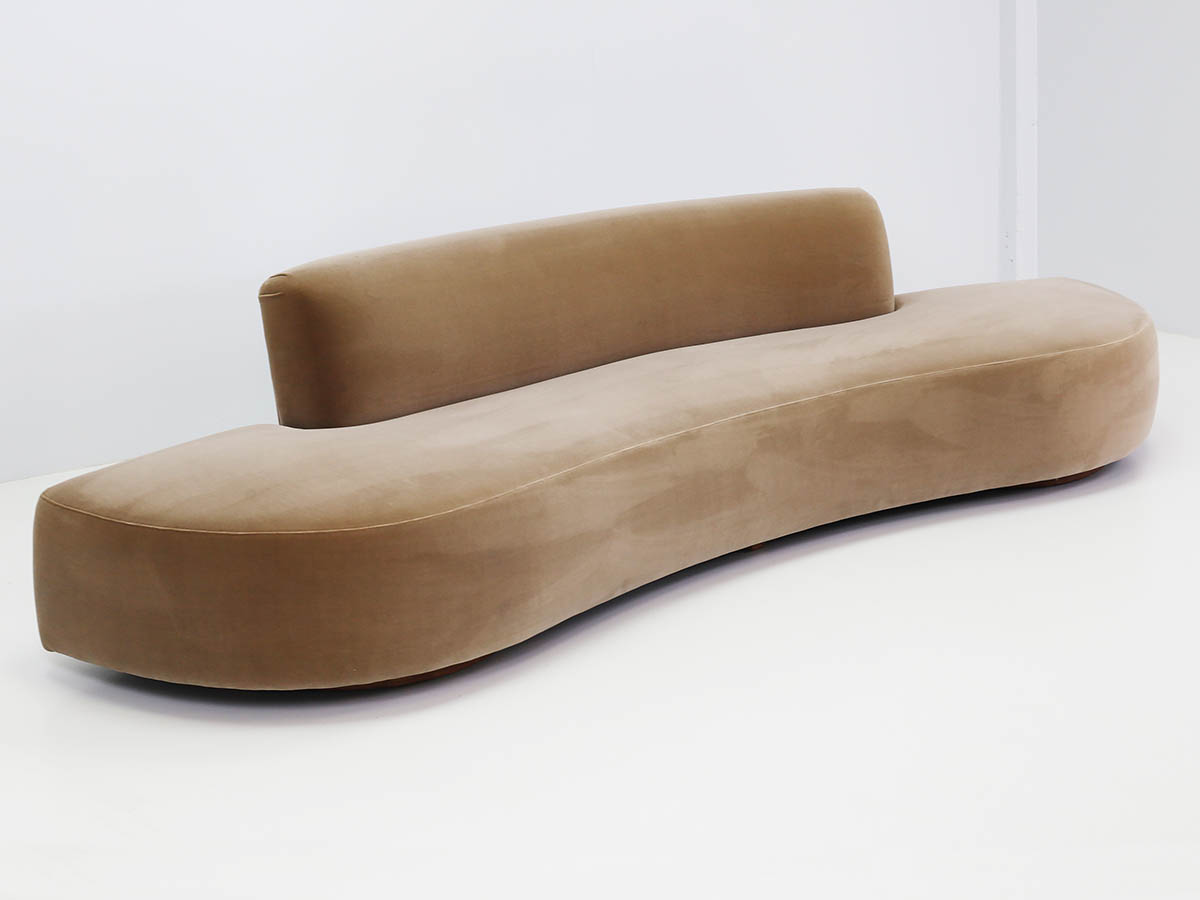
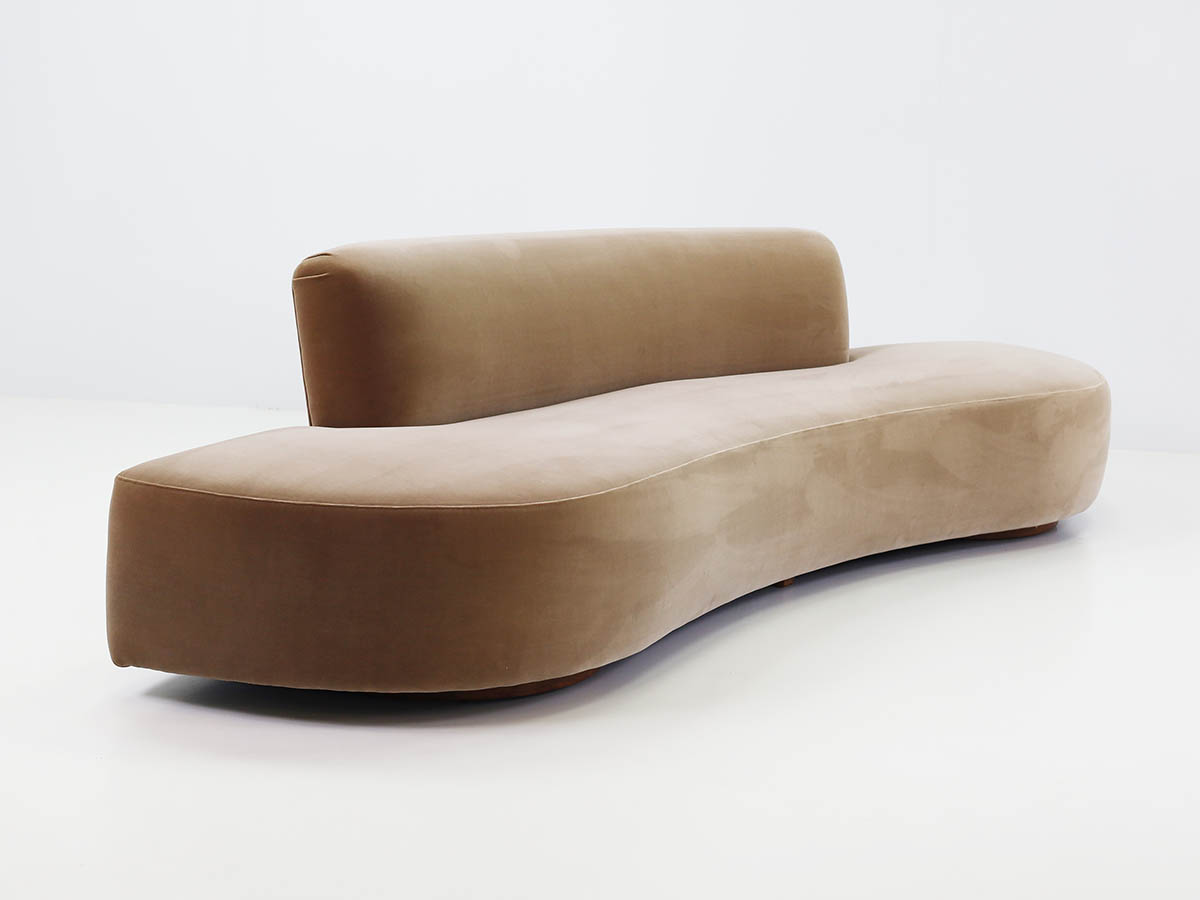
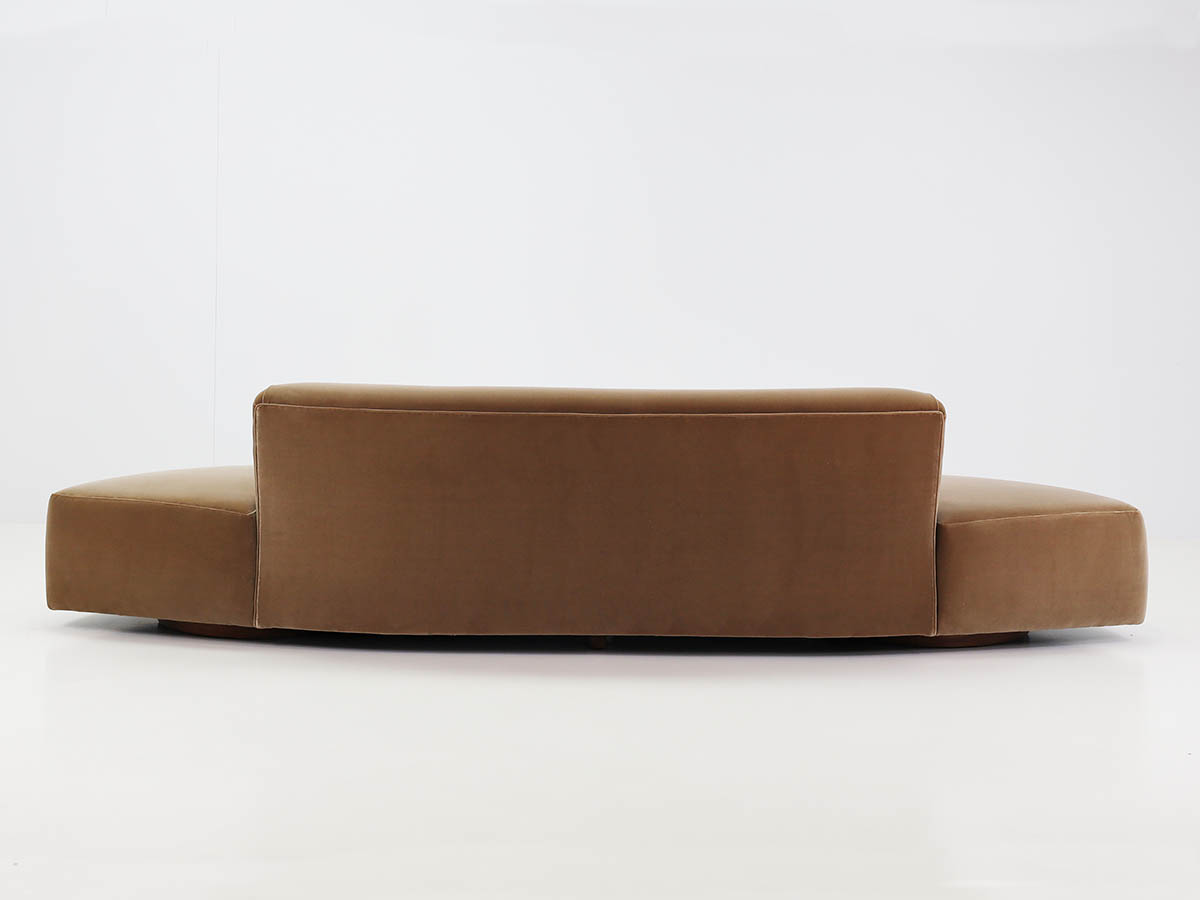
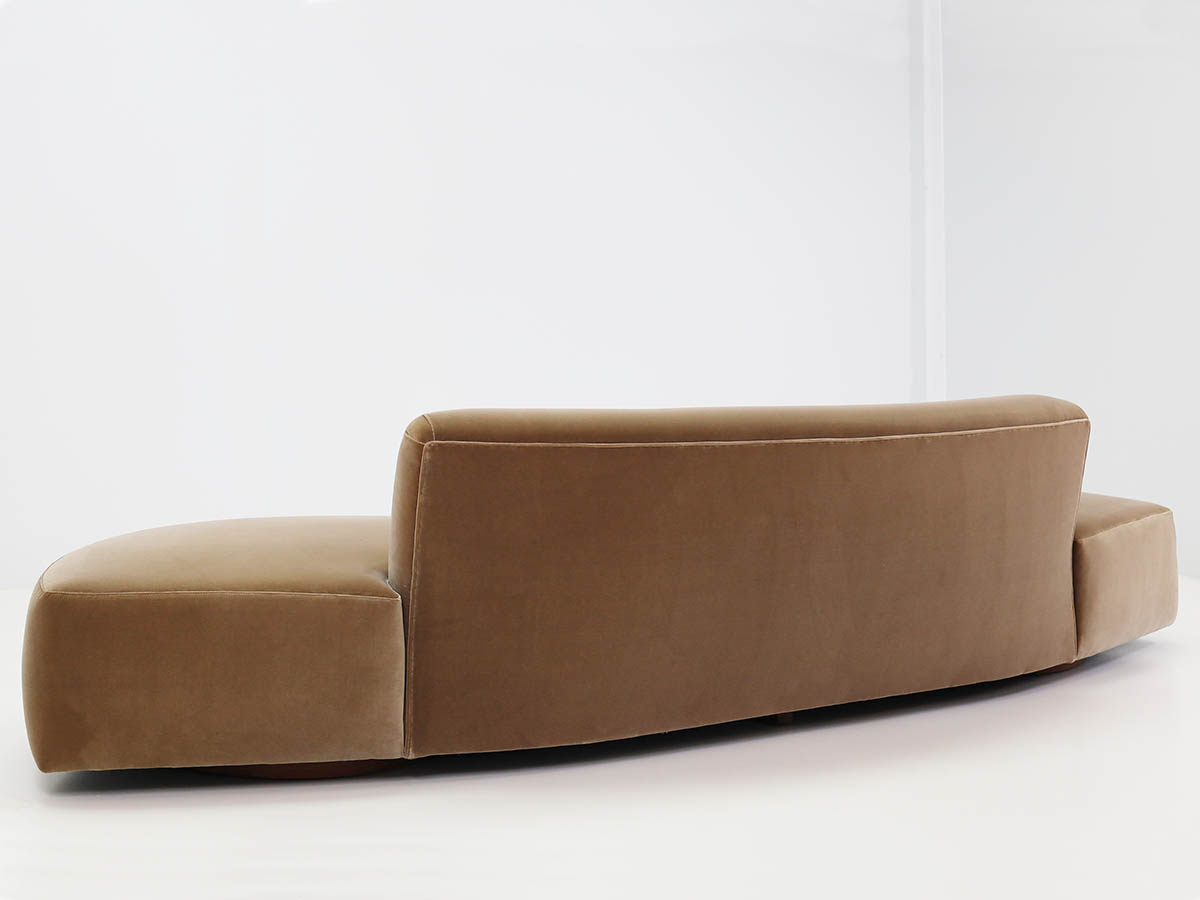
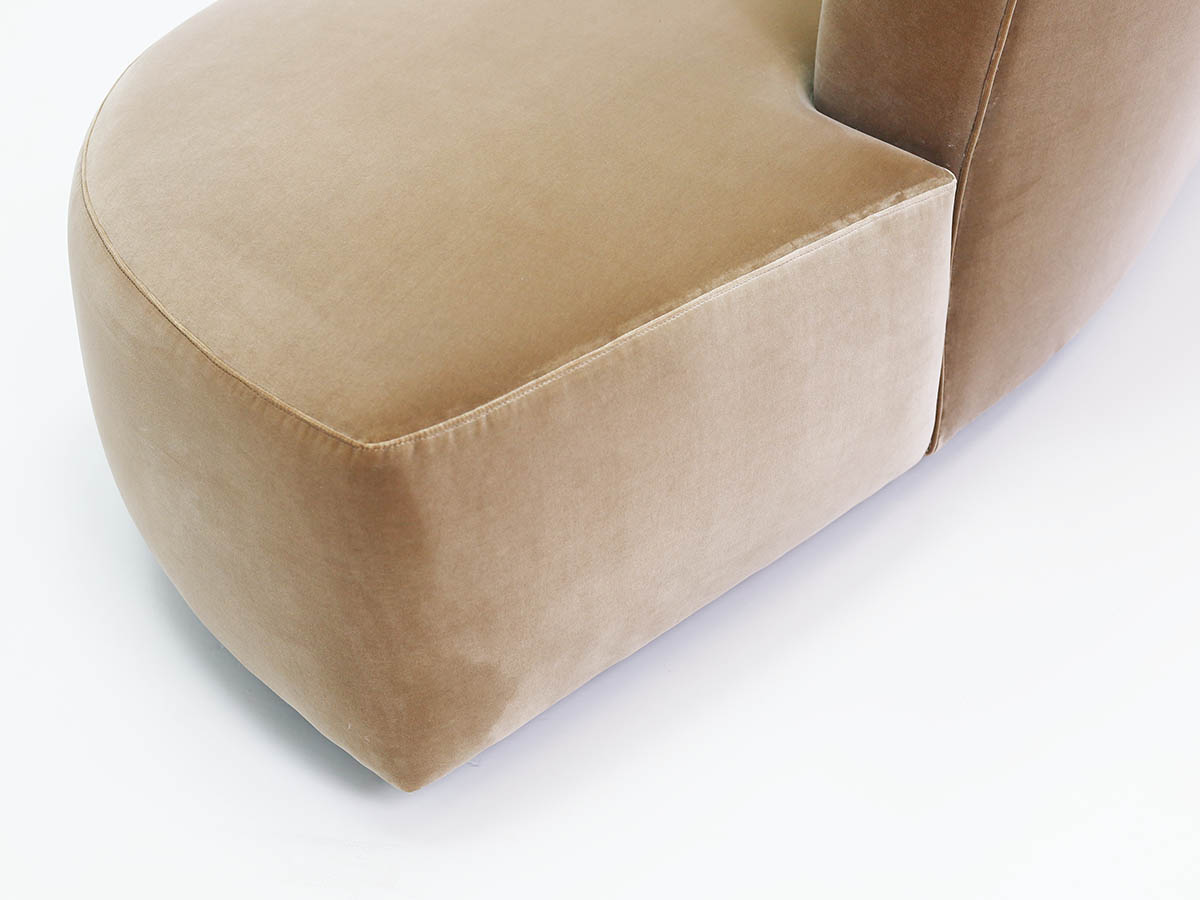
One of the clearest expressions of Kagan’s organic design language is the Freeform Curved Sofa, Model 150BC, originally designed in 1950. The design is characterized by its sweeping curved profile, low horizontal proportions and continuous sculptural silhouette.
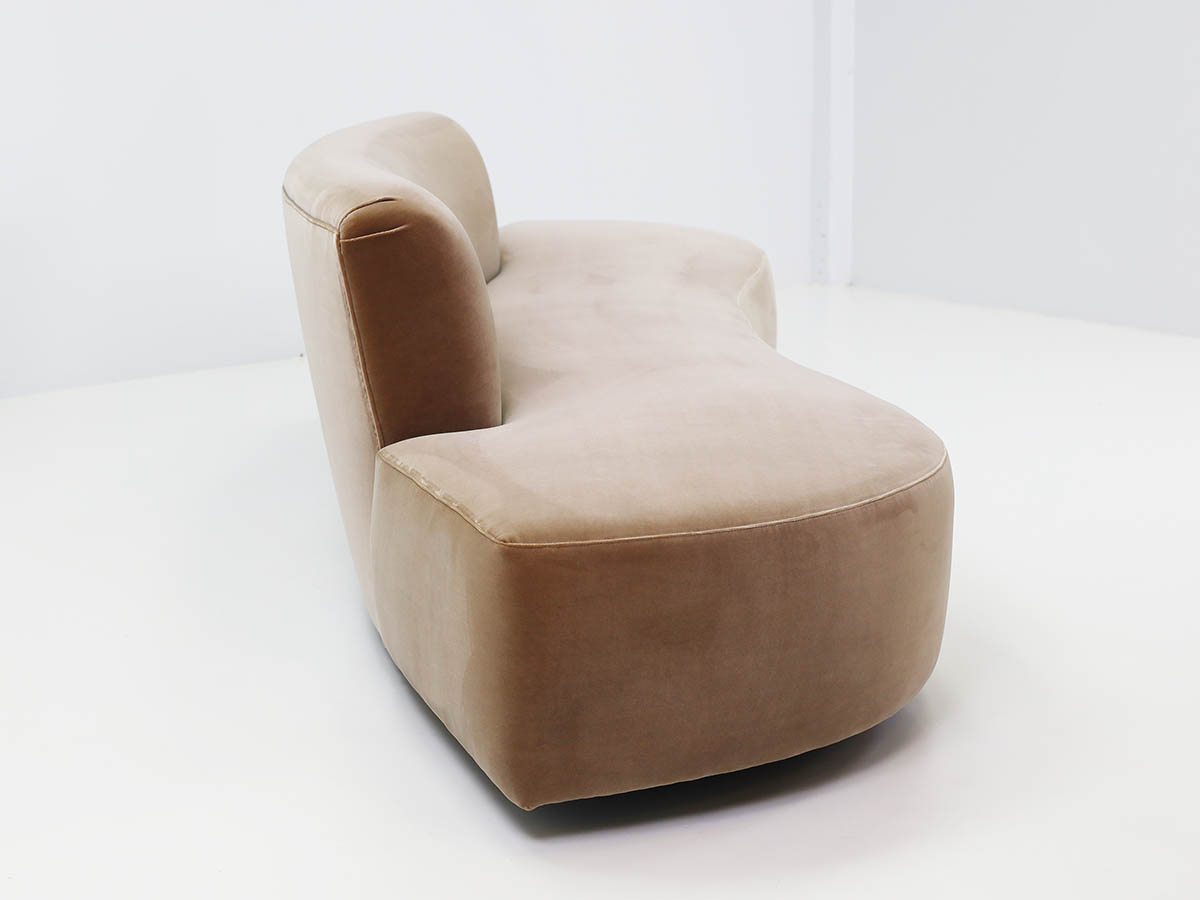
The pronounced curvature of the sofa creates a distinctly anthropomorphic quality: rather than imposing a rigid structure on the user, the form appears to embrace and accommodate the human body. This relationship between furniture and the body is central to Kagan’s design philosophy and is one of the reasons his work remains so influential within the field of collectible design.
A Rare Anthropomorphic 150BC Sofa Attributed to Vladimir Kagan
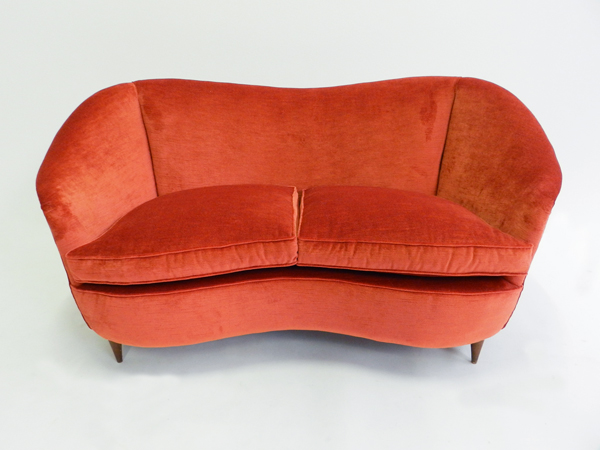
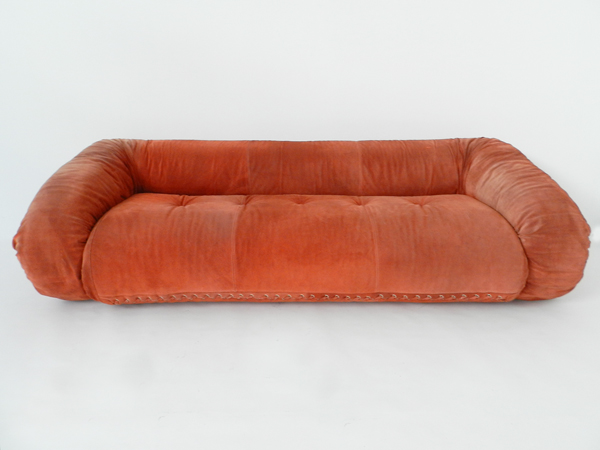
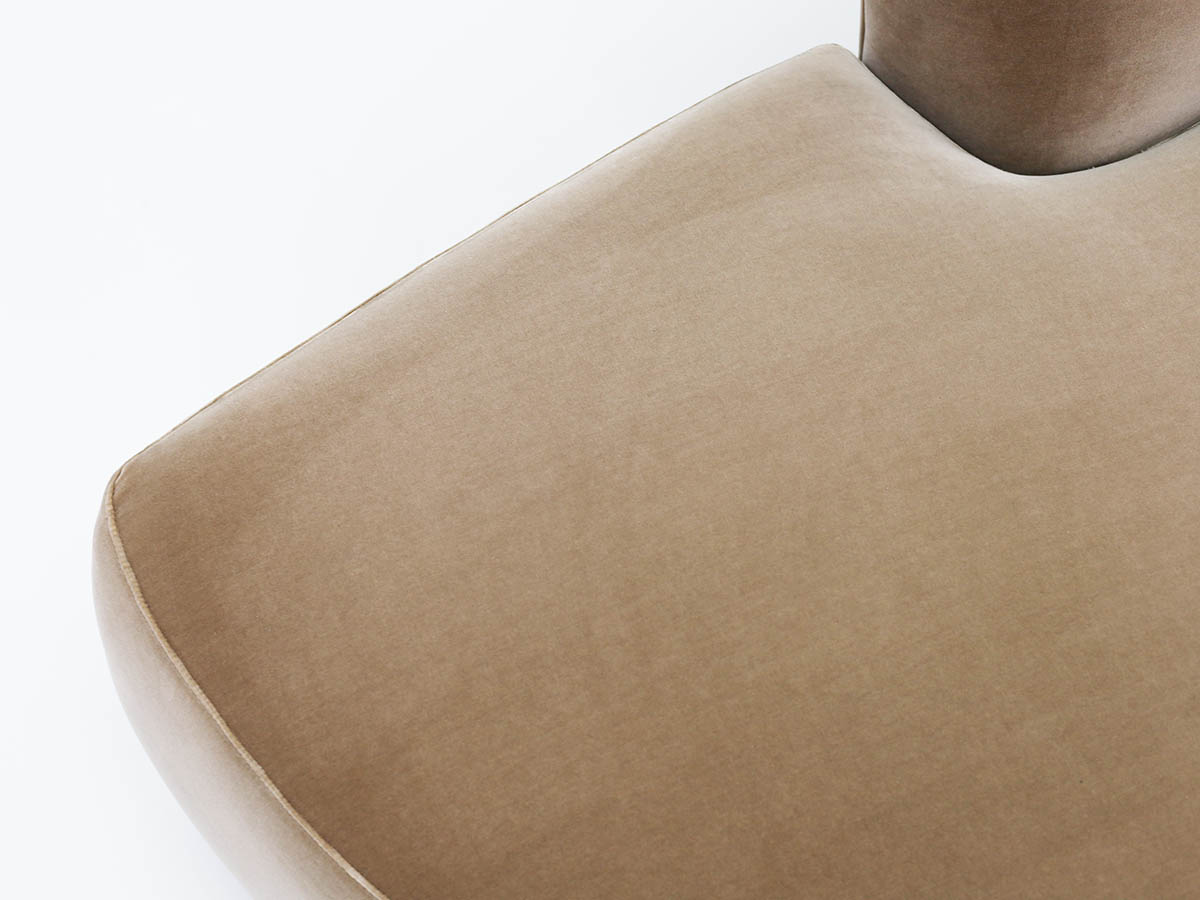
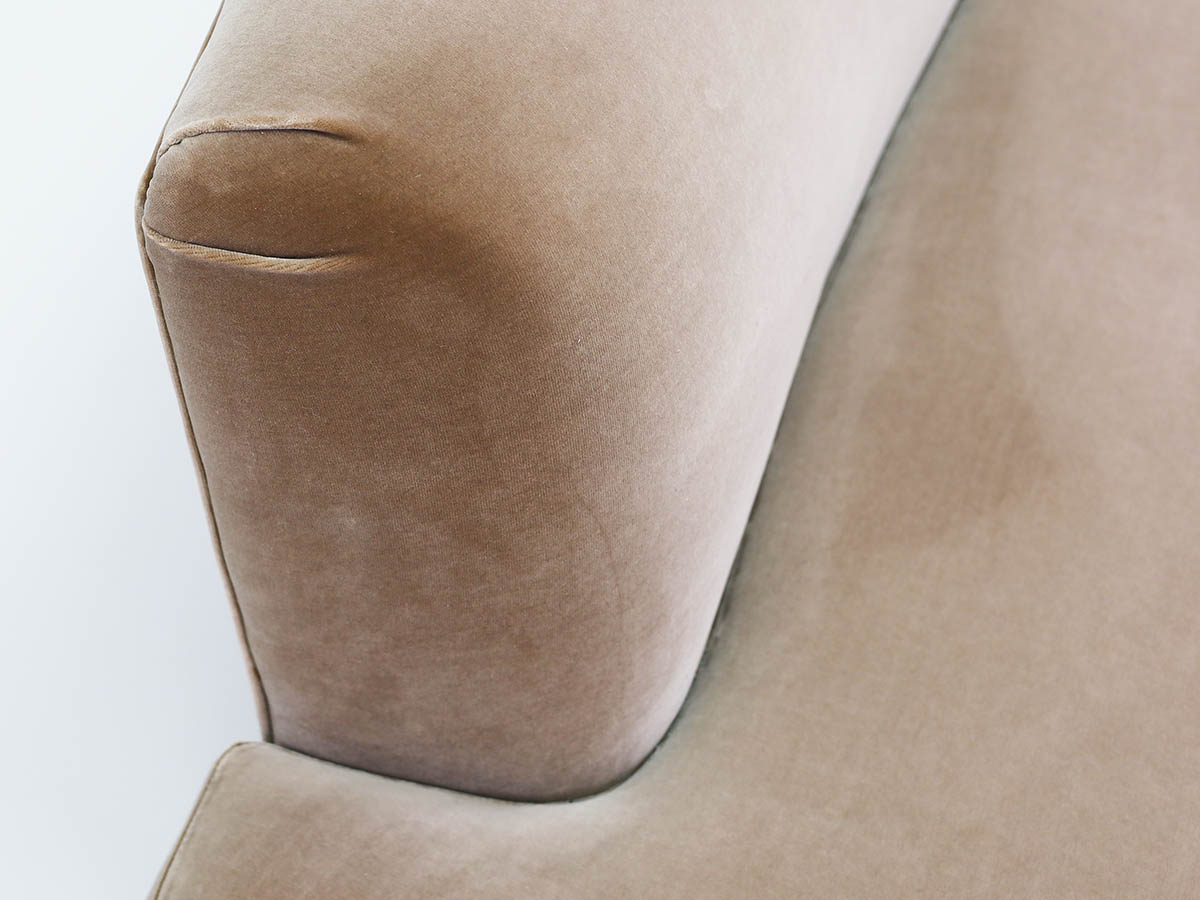
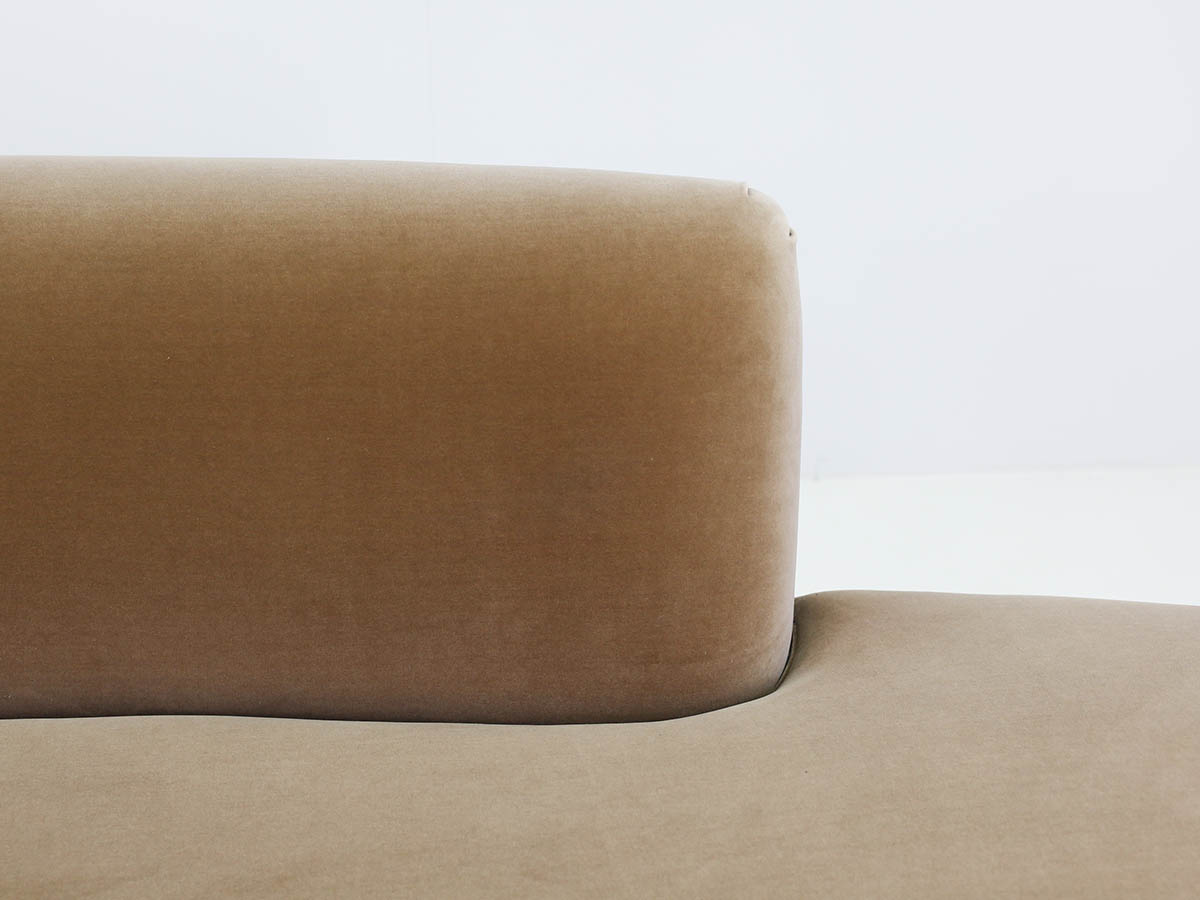
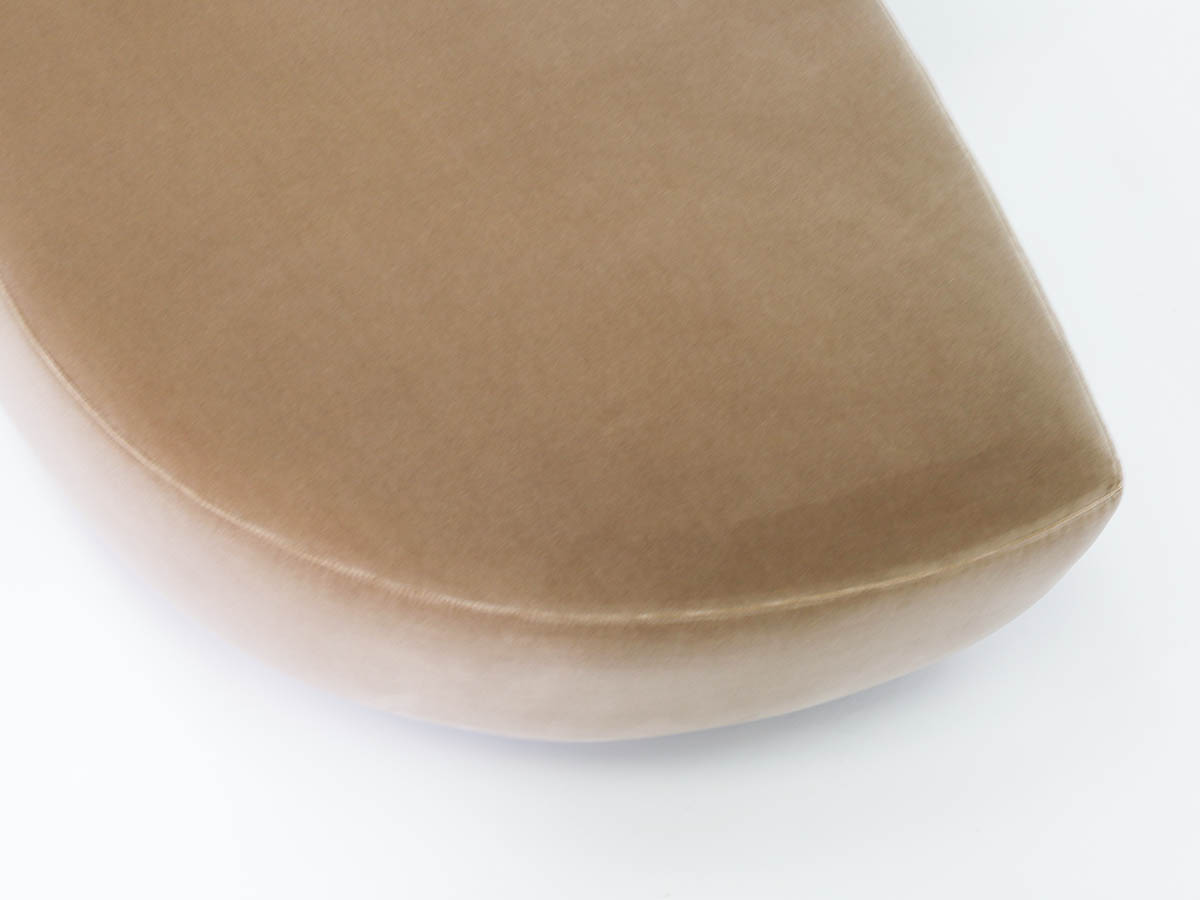
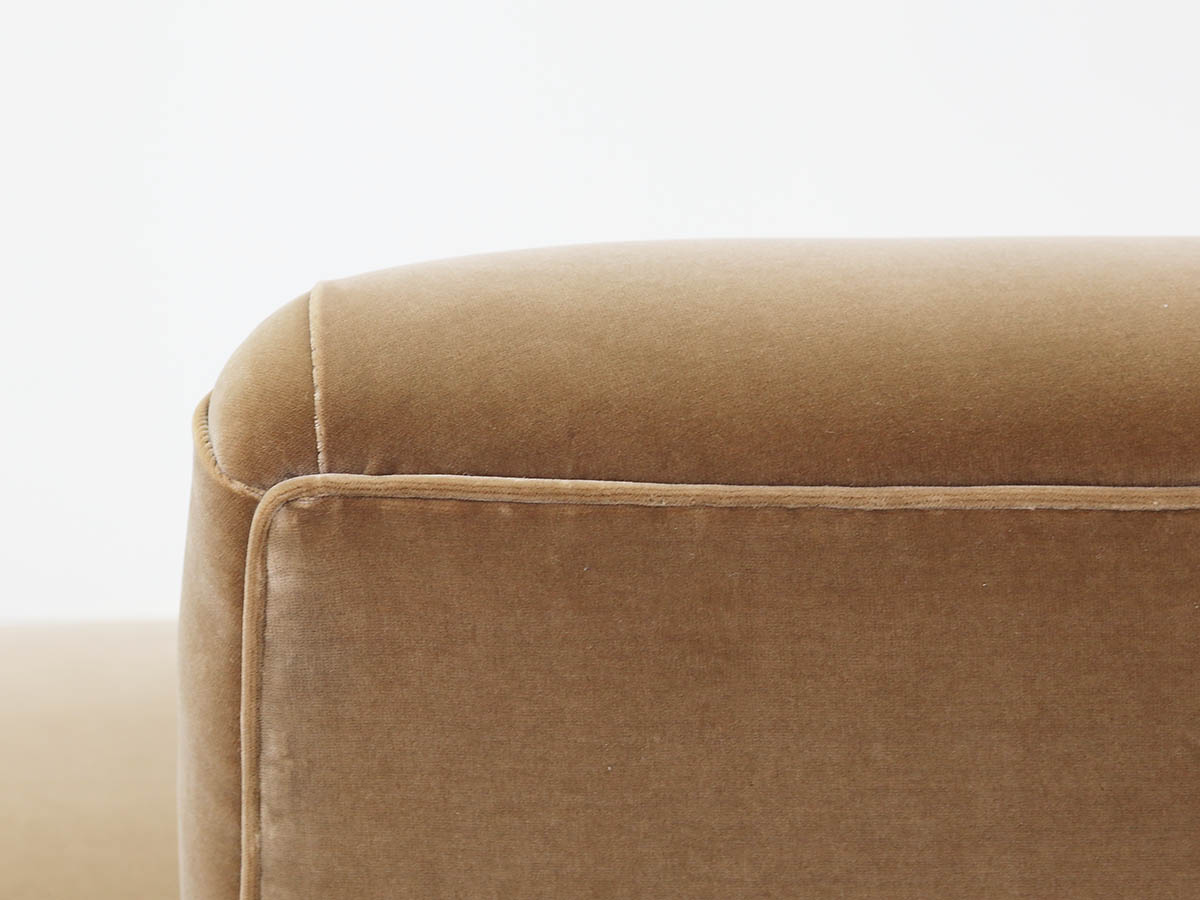
The present large curved anthropomorphic sofa, Model 150BC, is attributed to Vladimir Kagan and reflects the characteristic sculptural vocabulary associated with his early Freeform designs.
Its generous proportions and pronounced organic curvature create a powerful visual presence, while the enveloping silhouette gives the piece an almost human quality. The sofa can be read as both functional seating and sculptural furniture, embodying Kagan’s pioneering approach to the relationship between the human body, comfort and form.
While the piece is attributed to Vladimir Kagan rather than documented as a signed example, its form corresponds closely to the documented 150BC Freeform Curved Sofa, a model officially recorded by the Vladimir Kagan Design Group as having been designed in 1950. Comparable vintage examples of the 150BC have also appeared on the international design market as works attributed to Kagan.
Vladimir Kagan and Collectible Design
Kagan’s contribution to modern furniture lies in his ability to transform seating into sculptural architecture for the human body. His curved sofas, lounge chairs and tables demonstrate a continuous exploration of volume, movement and ergonomics.
Today, Vladimir Kagan is highly regarded by collectors, galleries and museums for his pioneering role in American Mid-Century Modern design, particularly for his organic and sculptural furniture. His works are represented in major international collections, including the Metropolitan Museum of Art, Vitra Design Museum, San Francisco Museum of Modern Art and Victoria and Albert Museum.
The 150BC remains one of the most recognizable expressions of Kagan’s design philosophy: organic form, sculptural presence, exceptional comfort and a sophisticated understanding of the human body. It stands as a defining example of the transition from traditional mid-century furniture toward the more expressive language of collectible and sculptural design.