

Italian furniture design of the late 1940s and 1950s represents one of the most decisive phases in the development of the modern Made in Italy identity, a period in which architecture, industry, and craftsmanship merged to redefine the very concept of living spaces. In the post-war reconstruction years, Italy developed a new design language based on functionality, innovation, and aesthetic quality.


Key figures such as Gio Ponti, Franco Albini, and Carlo Mollino played a central role in shaping this transformation. Their approach combined aesthetic research, material experimentation, and a strong focus on everyday living, giving rise to furniture and objects that became international design icons.


Within this context, new Italian companies and production systems emerged, strengthening the design ecosystem by turning concepts into products and products into cultural statements. Materials such as wood, metal, glass, and early industrial compounds were reinterpreted with artisanal sensitivity, resulting in essential yet highly refined furniture designed for modern homes, offices, and public spaces.


Italian design of the 1940s and 1950s stands out for its ability to balance innovation and tradition, anticipating many principles of European and American modernism. Lightweight seating, modular systems, sculptural lighting, and multifunctional furniture became symbols of a new contemporary lifestyle.


Today, this period is considered fundamental in the vintage and collectible design market due to its high design quality, aesthetic coherence, and strong historical value. Post-war Italian design remains a global reference point for architects, interior designers, and collectors, confirming Italy’s central role in the history of international design.
Item nr. 26061

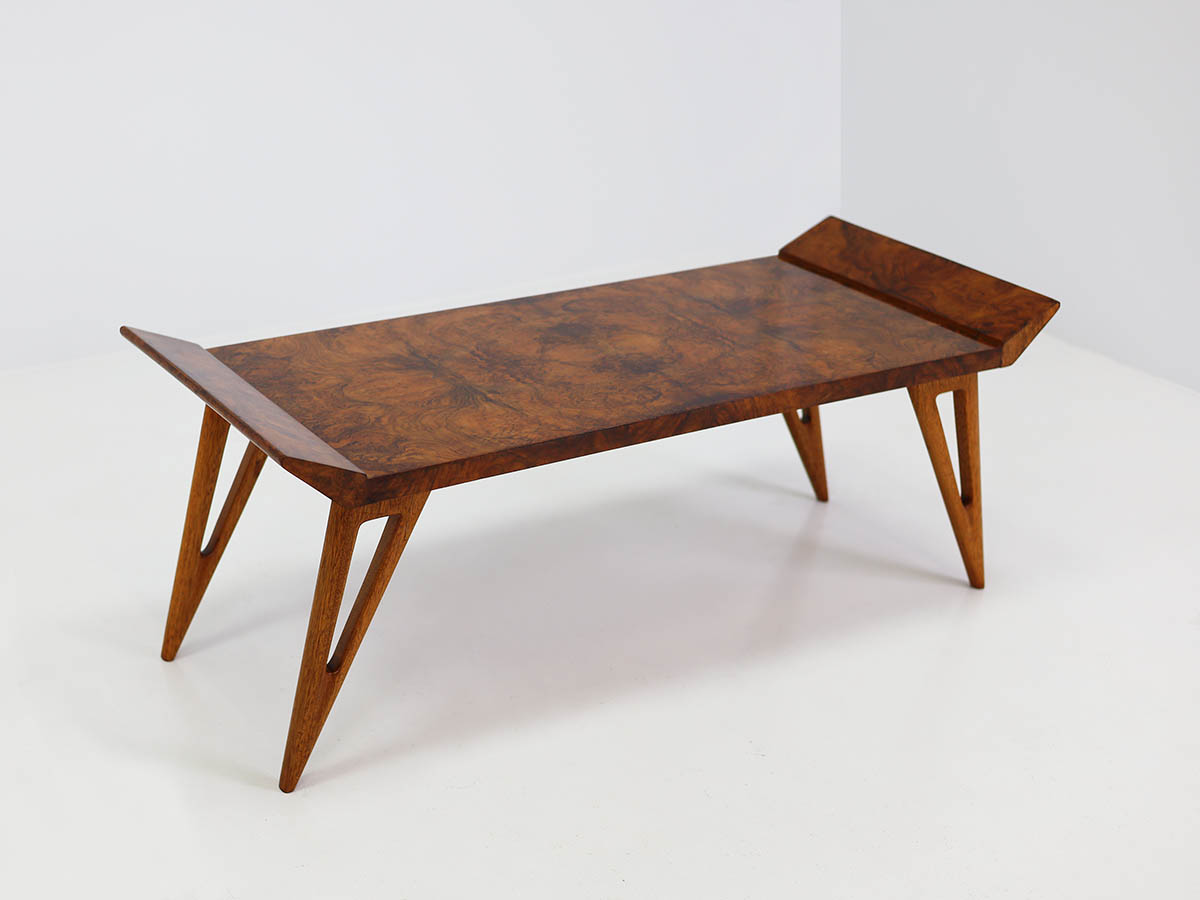
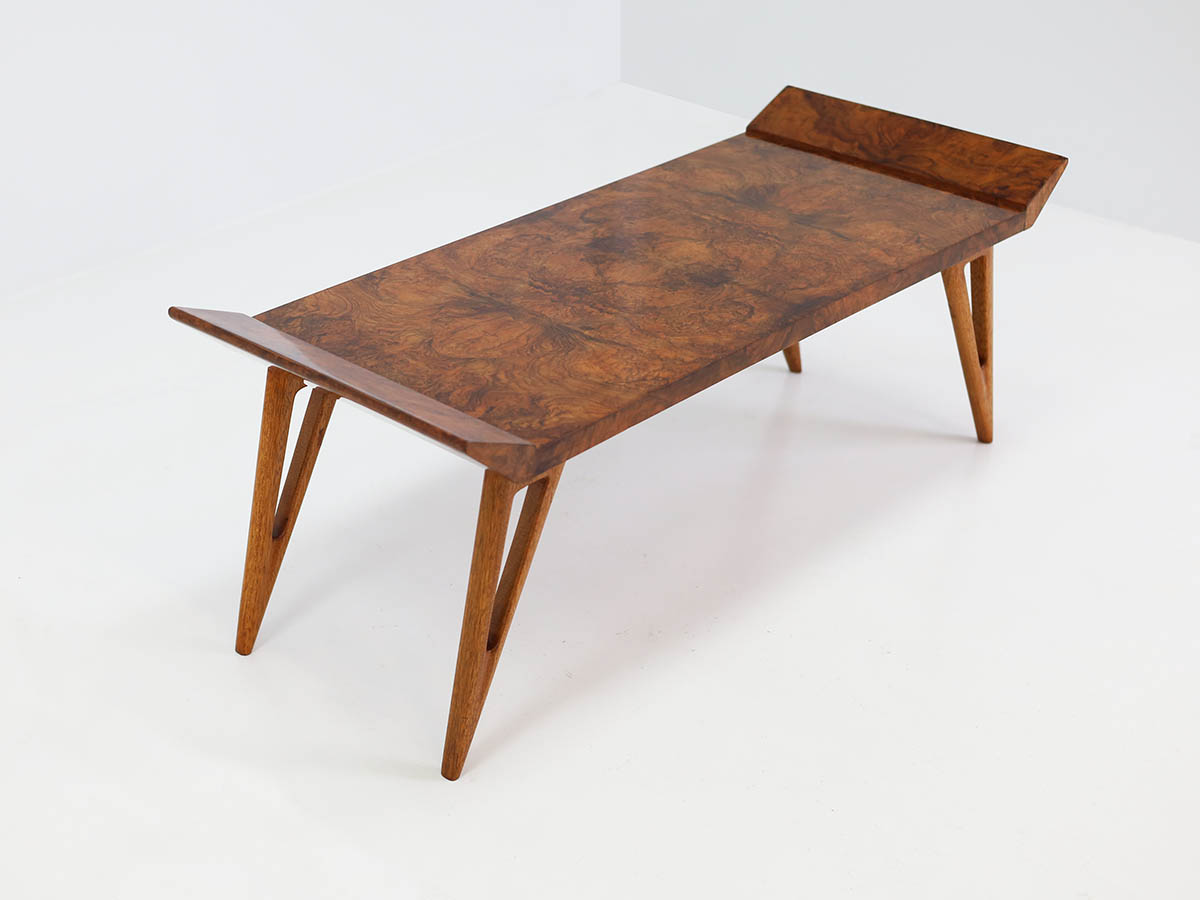
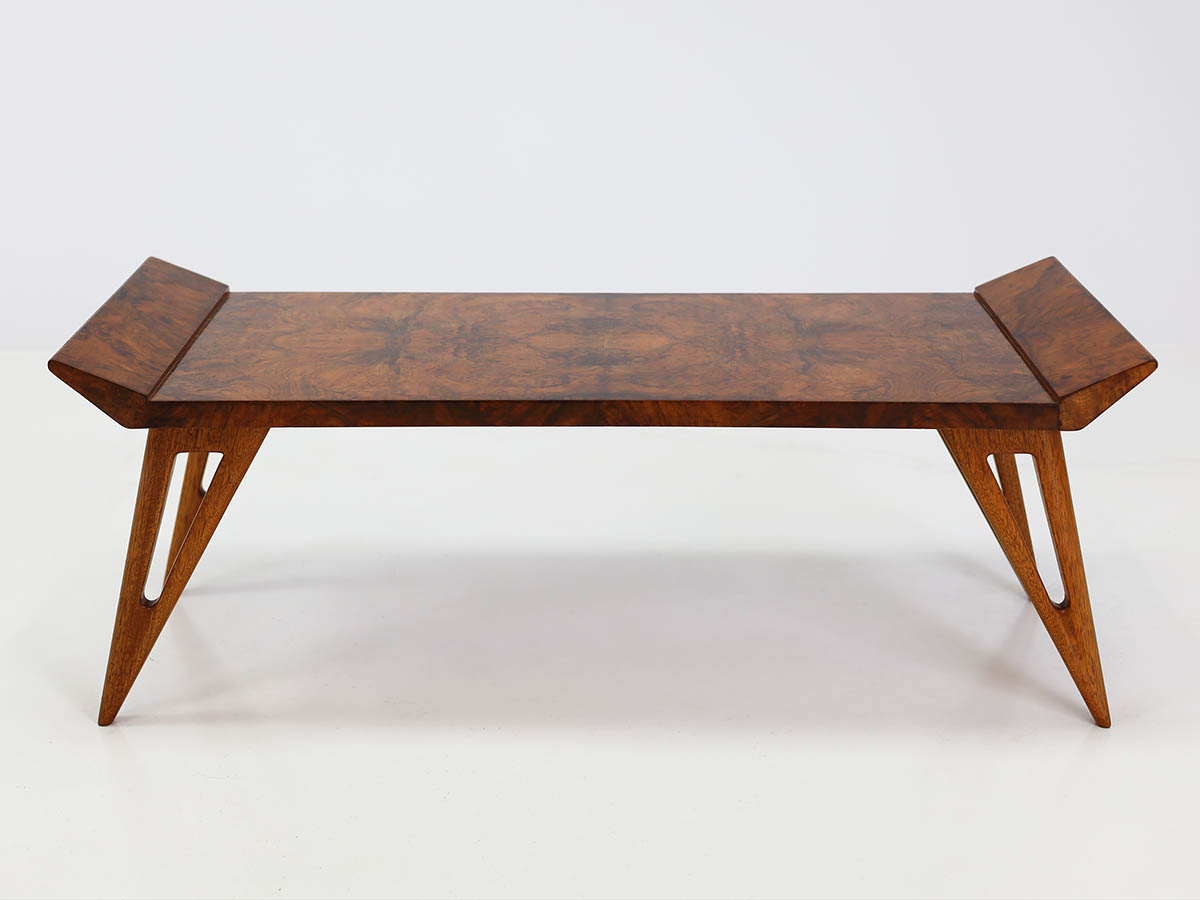
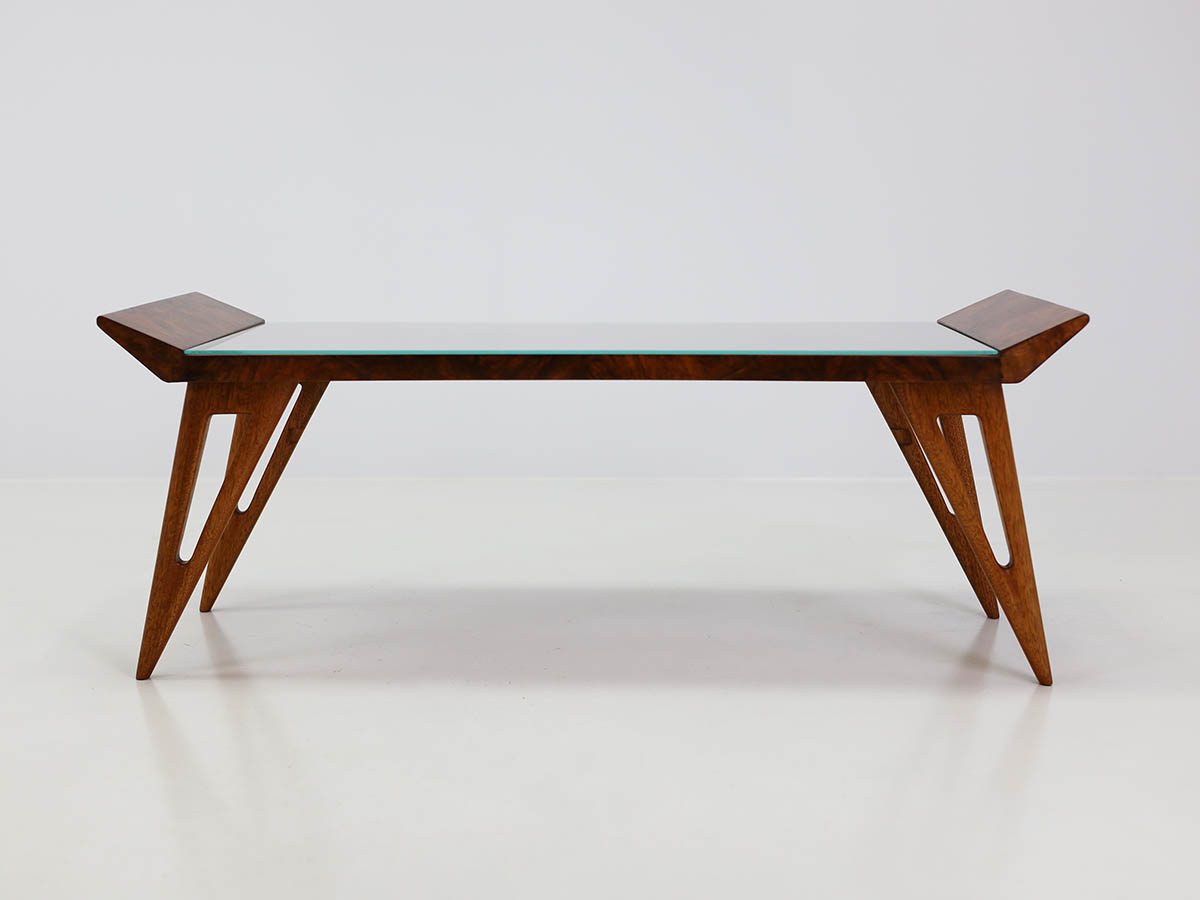
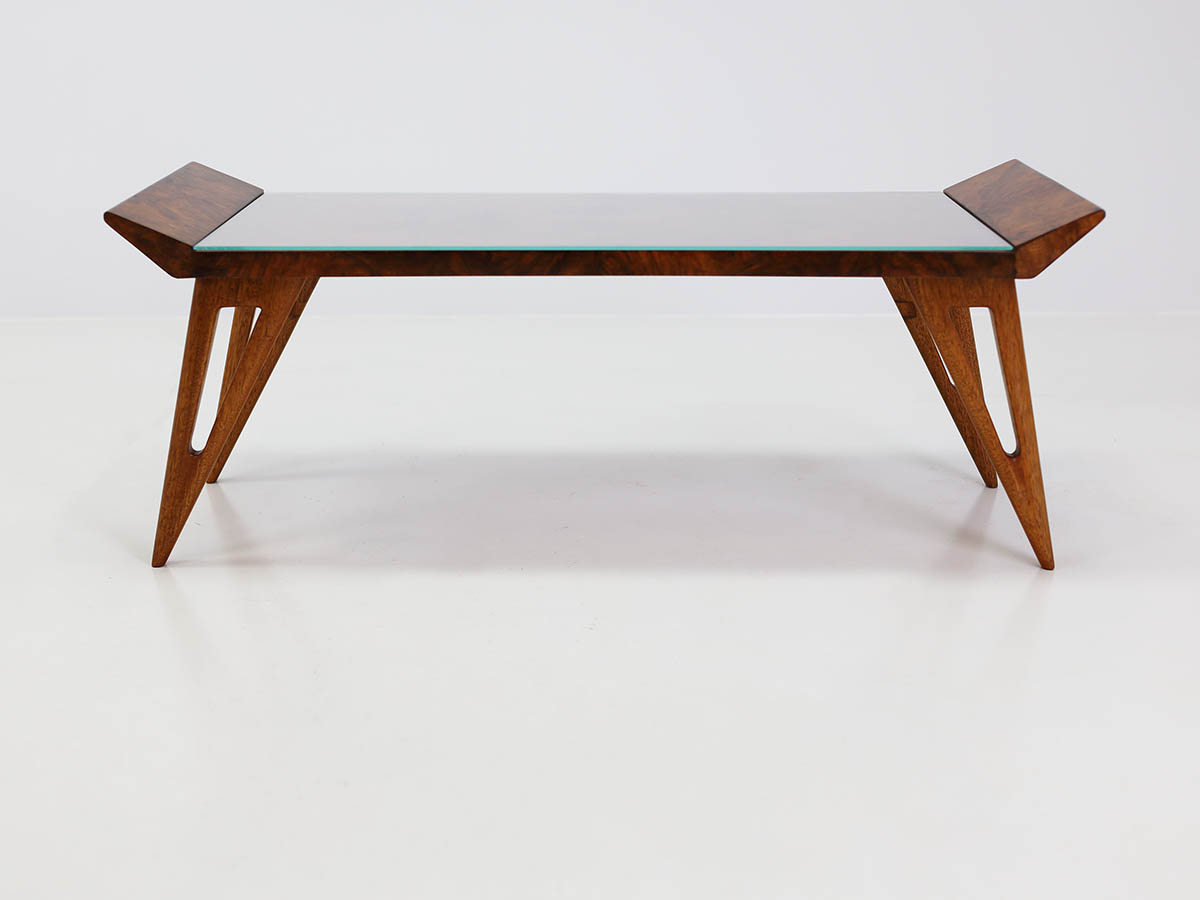
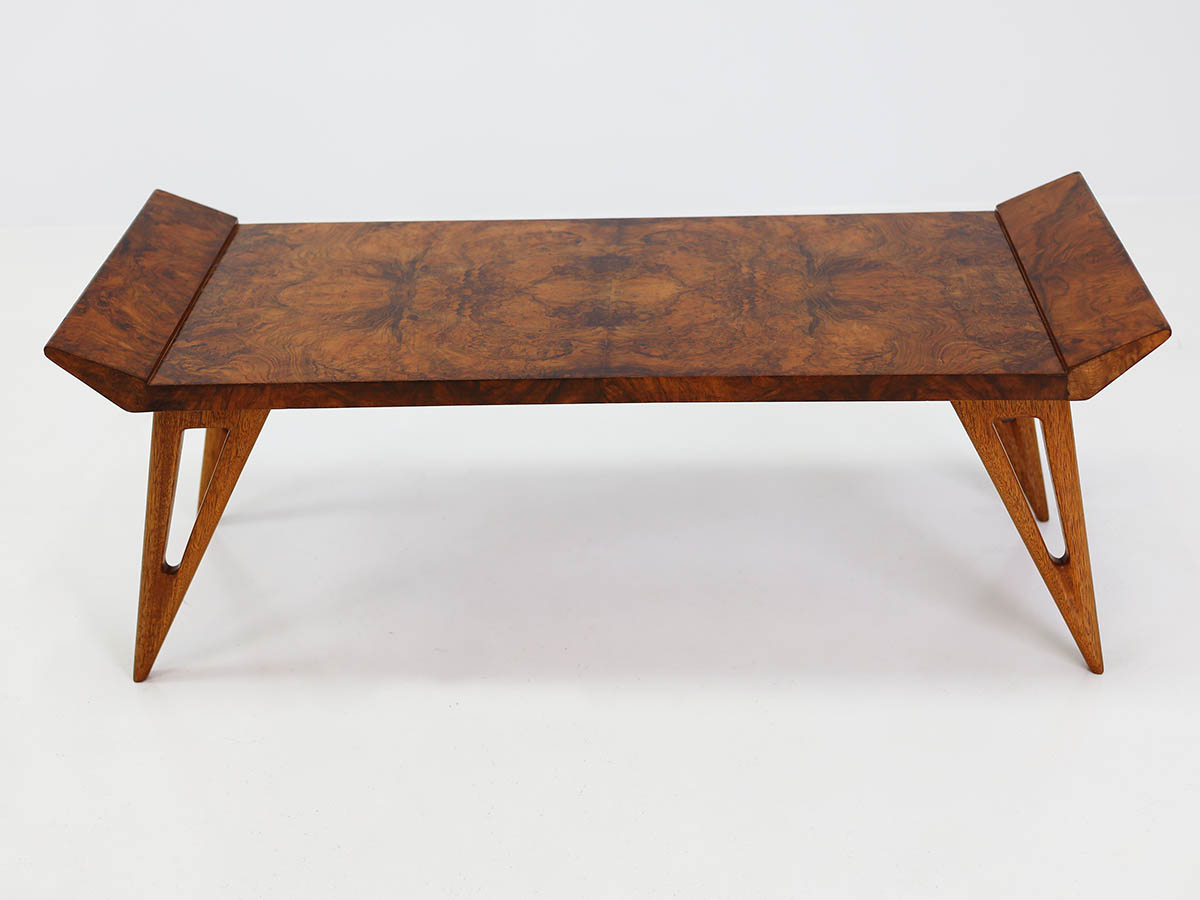
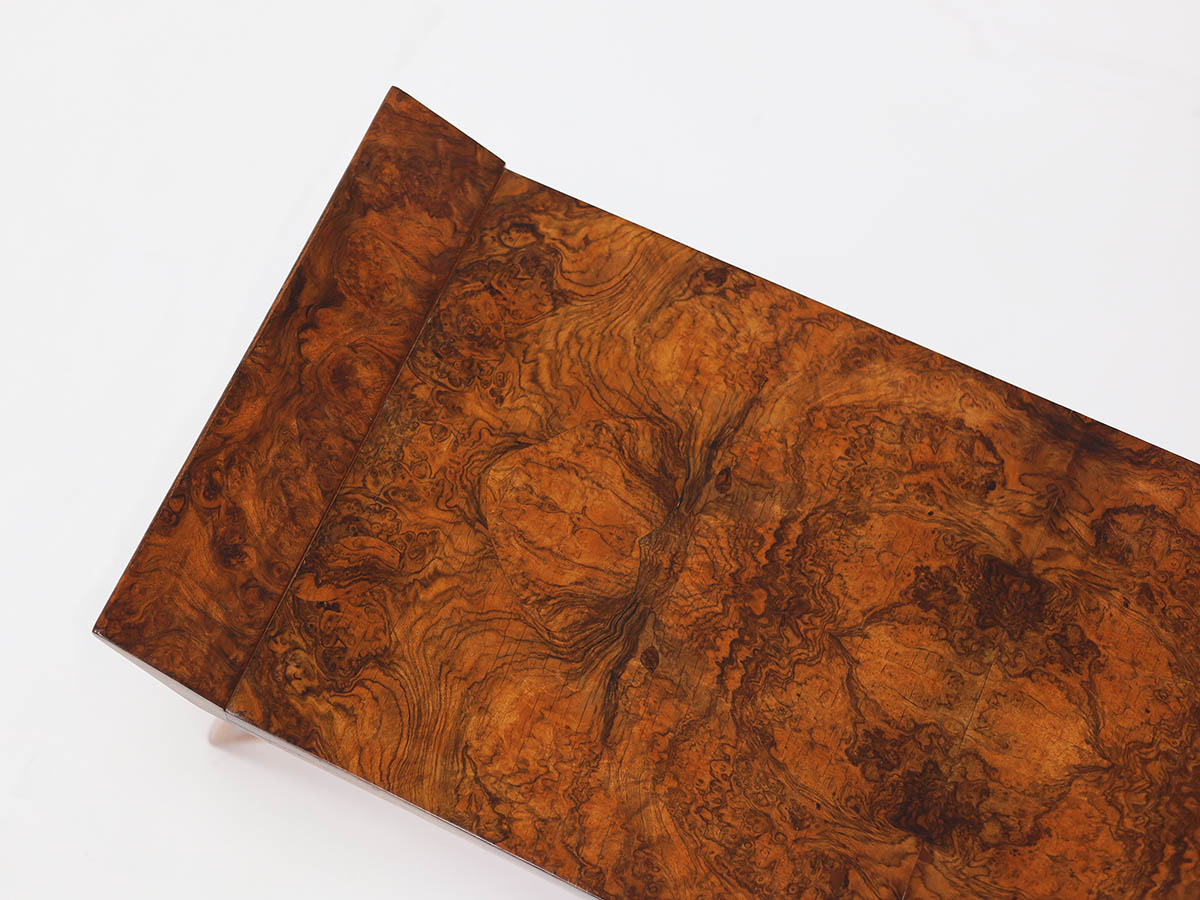
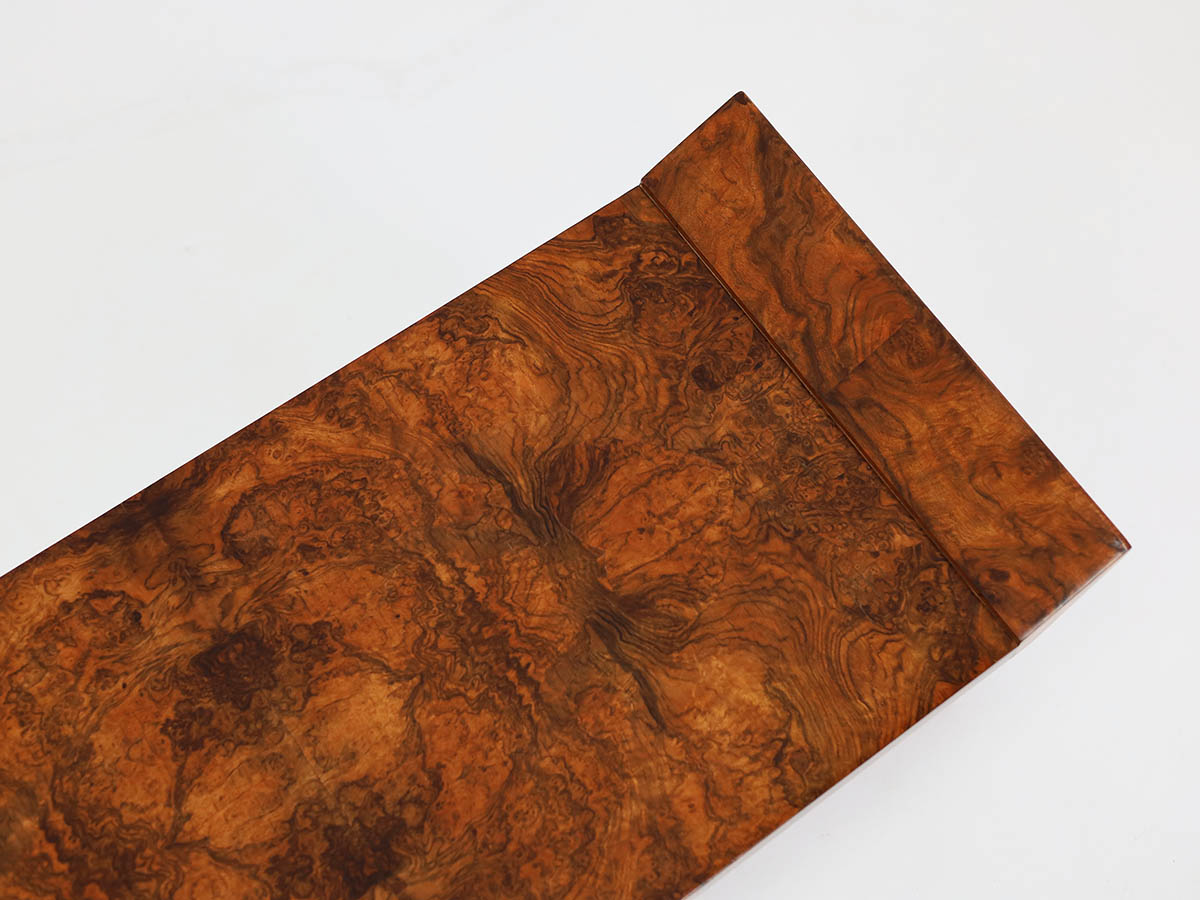
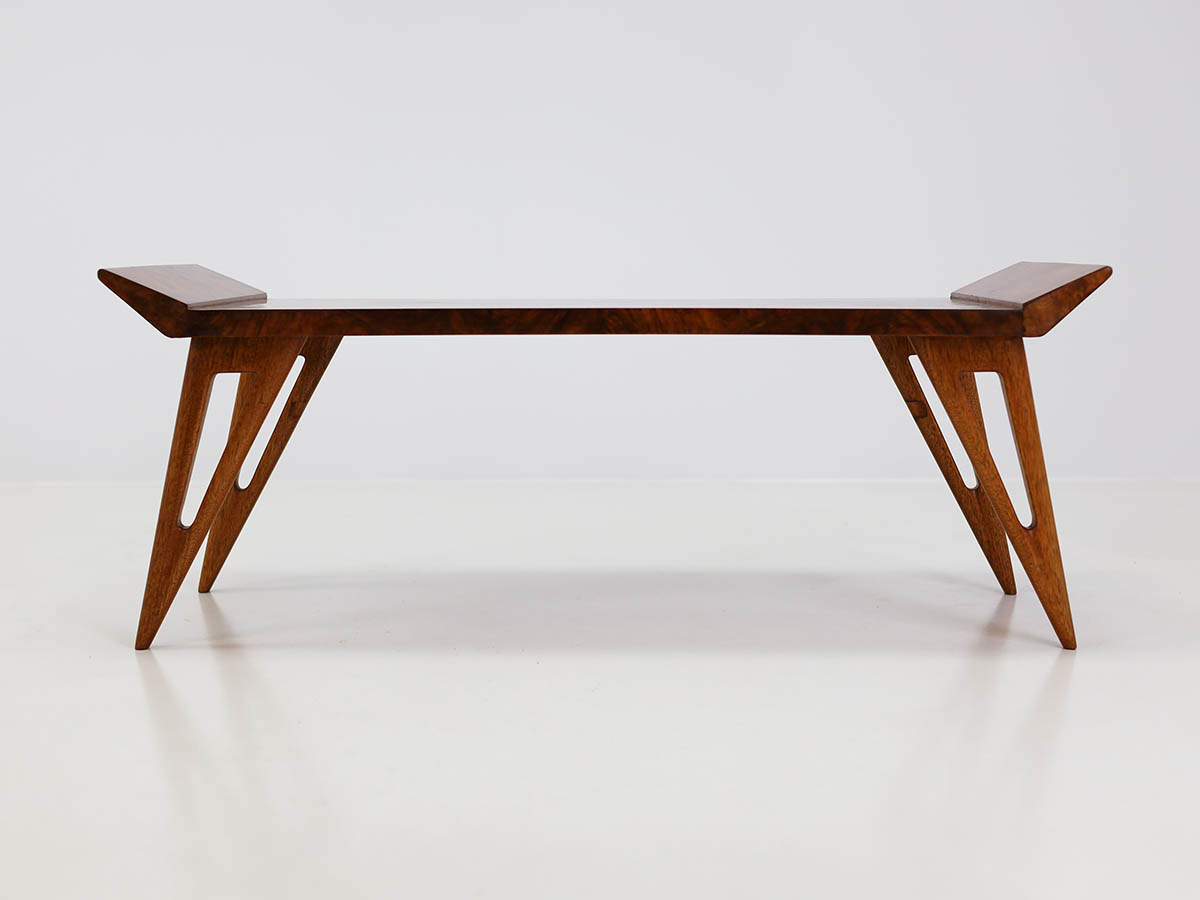
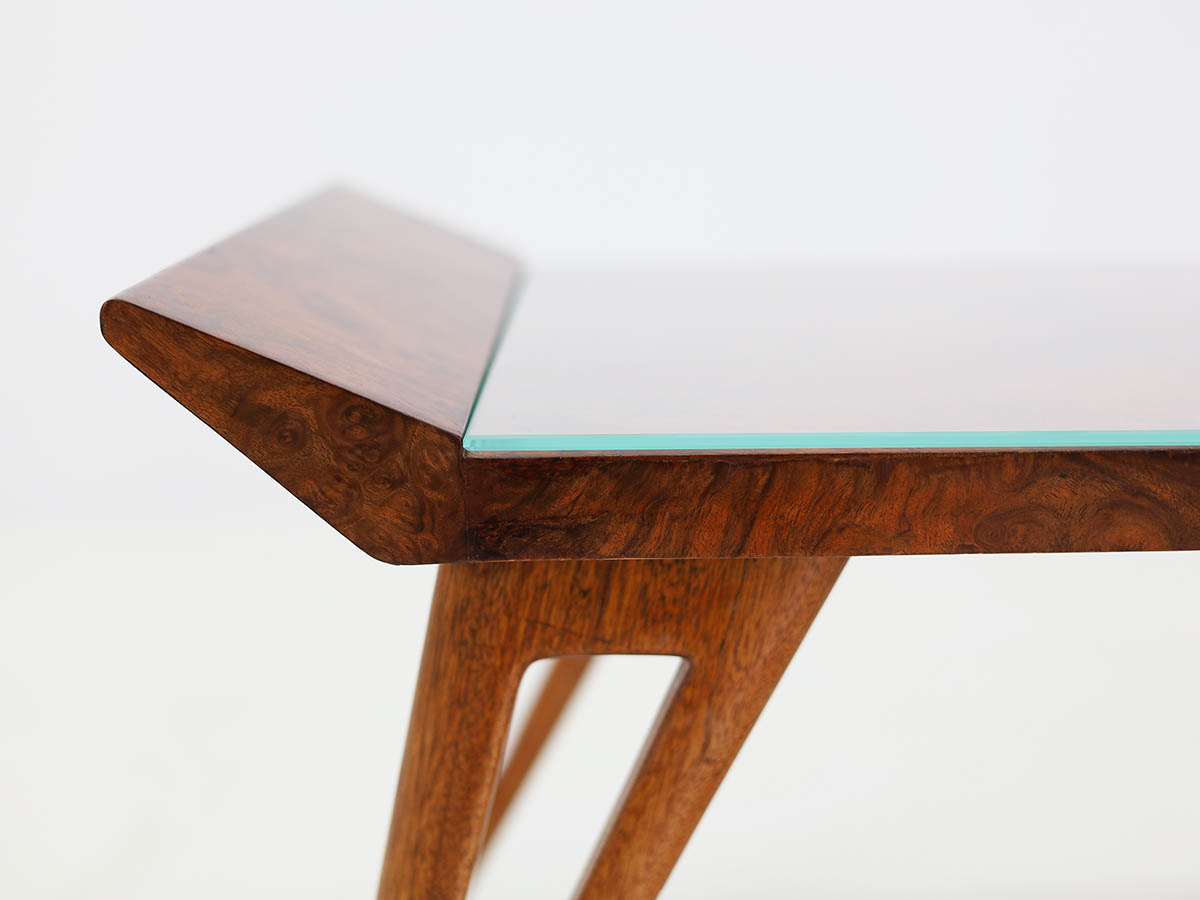
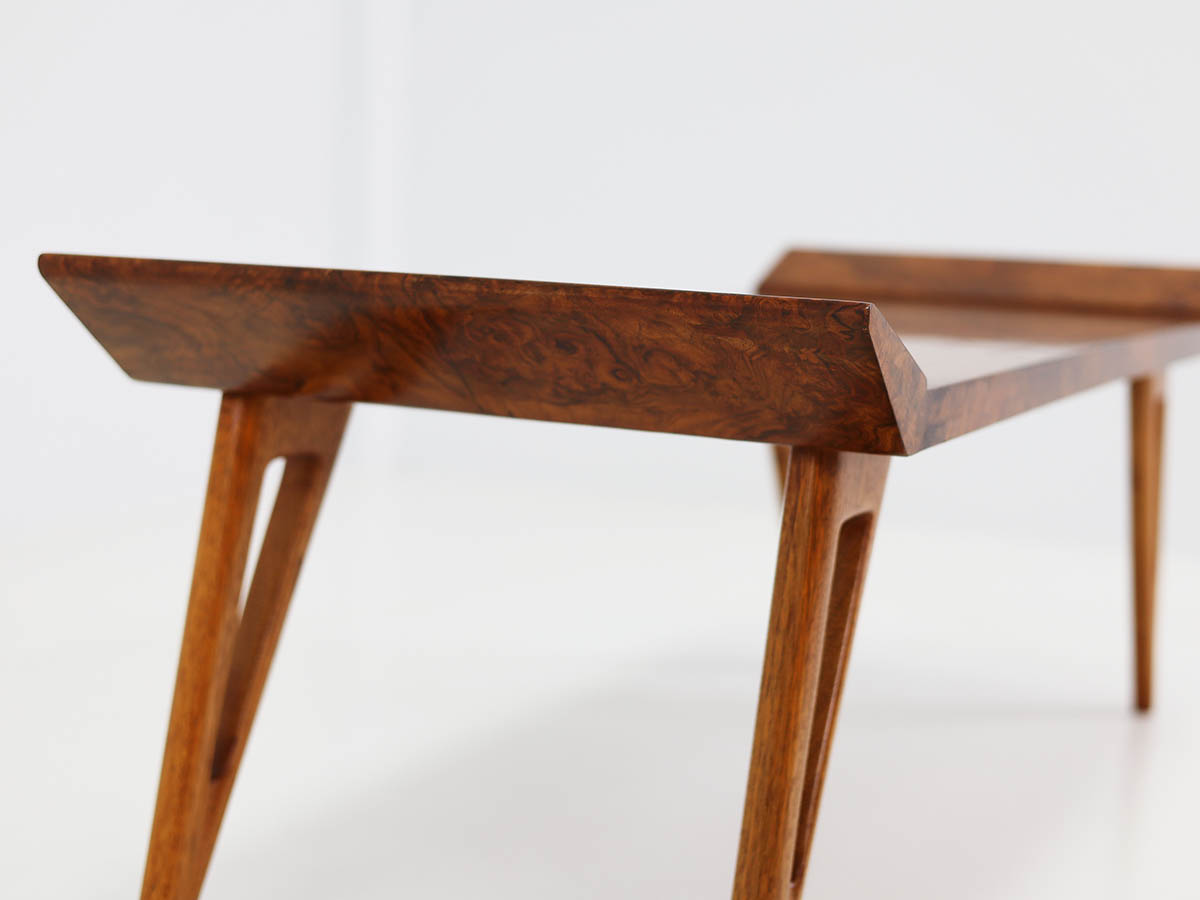
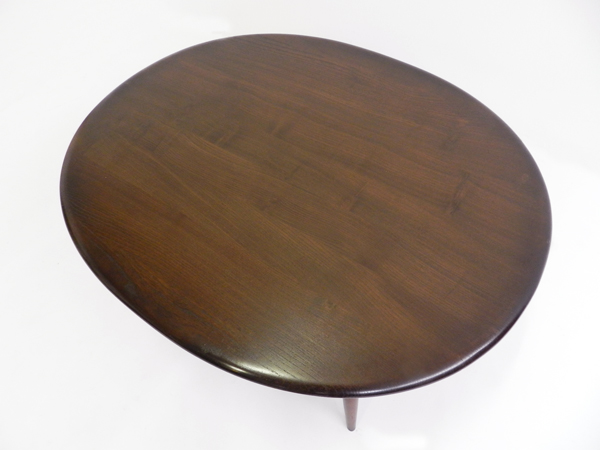
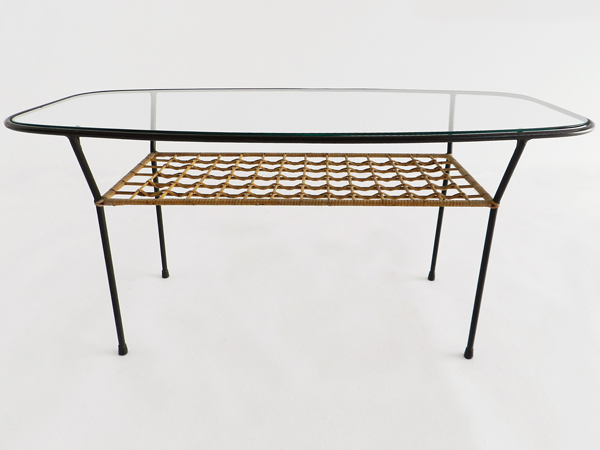
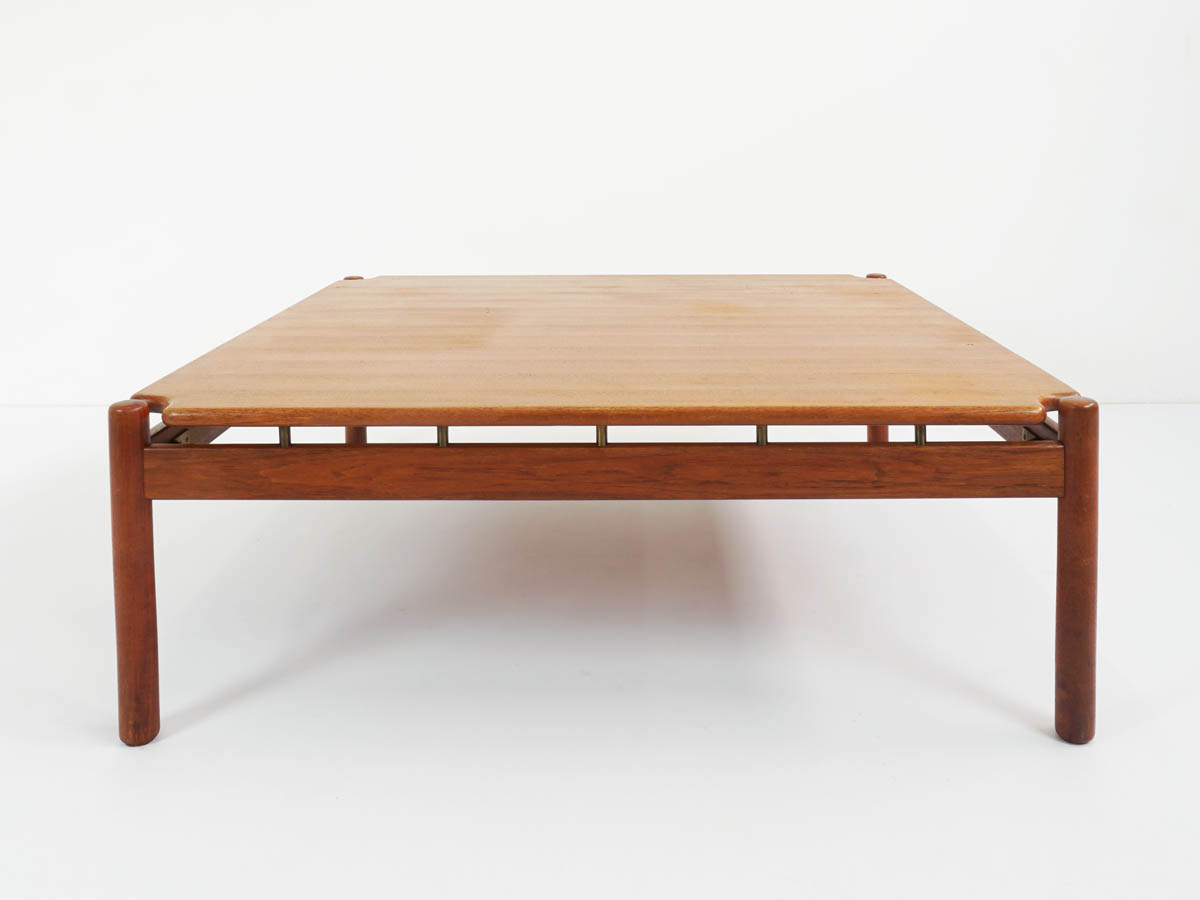
Italian design coffee table in walnut burl wood

ProductionItalian Production

MaterialWalnut burl wood | walnut | glass

Dimension122 x 51 x Top HT 43.5 x Total HT 48 cm

italian-design-coffee-table-in-walnut-burl-wood


Italian furniture design of the late 1940s and 1950s represents one of the most decisive phases in the development of the modern Made in Italy identity, a period in which architecture, industry, and craftsmanship merged to redefine the very concept of living spaces. In the post-war reconstruction years, Italy developed a new design language based on functionality, innovation, and aesthetic quality.


Key figures such as Gio Ponti, Franco Albini, and Carlo Mollino played a central role in shaping this transformation. Their approach combined aesthetic research, material experimentation, and a strong focus on everyday living, giving rise to furniture and objects that became international design icons.


Within this context, new Italian companies and production systems emerged, strengthening the design ecosystem by turning concepts into products and products into cultural statements. Materials such as wood, metal, glass, and early industrial compounds were reinterpreted with artisanal sensitivity, resulting in essential yet highly refined furniture designed for modern homes, offices, and public spaces.


Italian design of the 1940s and 1950s stands out for its ability to balance innovation and tradition, anticipating many principles of European and American modernism. Lightweight seating, modular systems, sculptural lighting, and multifunctional furniture became symbols of a new contemporary lifestyle.


Today, this period is considered fundamental in the vintage and collectible design market due to its high design quality, aesthetic coherence, and strong historical value. Post-war Italian design remains a global reference point for architects, interior designers, and collectors, confirming Italy’s central role in the history of international design.
Description

Italian furniture design of the late 1940s and 1950s represents one of the most decisive phases in the development of the modern Made in Italy identity, a period in which architecture, industry, and craftsmanship merged to redefine the very concept of living spaces. In the post-war reconstruction years, Italy developed a new design language based on functionality, innovation, and aesthetic quality.

Key figures such as Gio Ponti, Franco Albini, and Carlo Mollino played a central role in shaping this transformation. Their approach combined aesthetic research, material experimentation, and a strong focus on everyday living, giving rise to furniture and objects that became international design icons.

Within this context, new Italian companies and production systems emerged, strengthening the design ecosystem by turning concepts into products and products into cultural statements. Materials such as wood, metal, glass, and early industrial compounds were reinterpreted with artisanal sensitivity, resulting in essential yet highly refined furniture designed for modern homes, offices, and public spaces.

Italian design of the 1940s and 1950s stands out for its ability to balance innovation and tradition, anticipating many principles of European and American modernism. Lightweight seating, modular systems, sculptural lighting, and multifunctional furniture became symbols of a new contemporary lifestyle.

Today, this period is considered fundamental in the vintage and collectible design market due to its high design quality, aesthetic coherence, and strong historical value. Post-war Italian design remains a global reference point for architects, interior designers, and collectors, confirming Italy’s central role in the history of international design.
Additional information

Material

Dimension