
Description
Paco Muñoz, Club de Campo Villa de Madrid and the Riaza children’s chair
The work of Paco Muñoz stands as one of the most coherent expressions of postwar Spanish design, where architecture and interior design merge into a functional, essential and deeply context-driven vision. The project for the Club de Campo Villa de Madrid was developed between the late 1950s and early 1960s, a period in which the complex was shaped as a modern social environment designed to integrate sports facilities, community life and architectural quality.
Within this intervention, Muñoz developed a unified furniture system in which every element follows a precise functional logic. The Riaza seating family was created in this context, designed to ensure aesthetic continuity between adult spaces and areas dedicated to children.
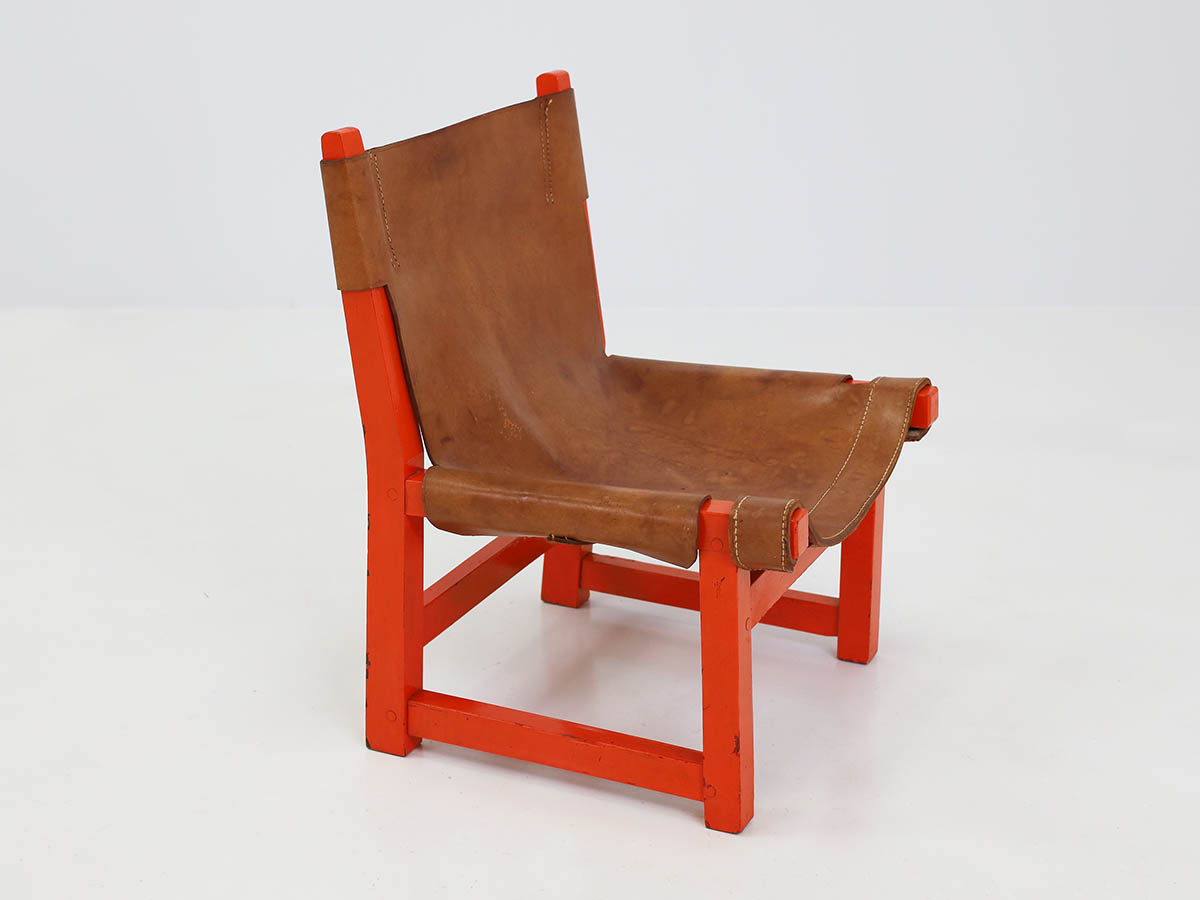
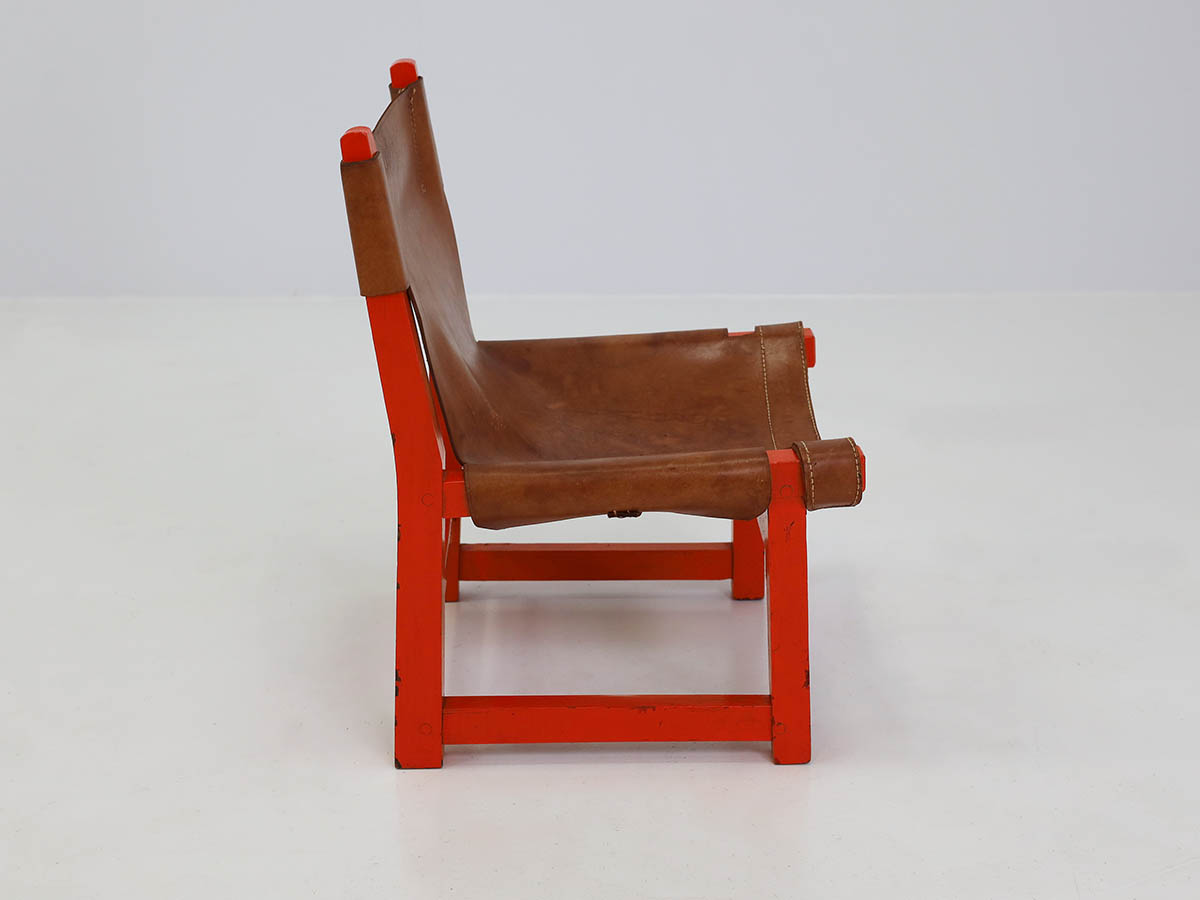
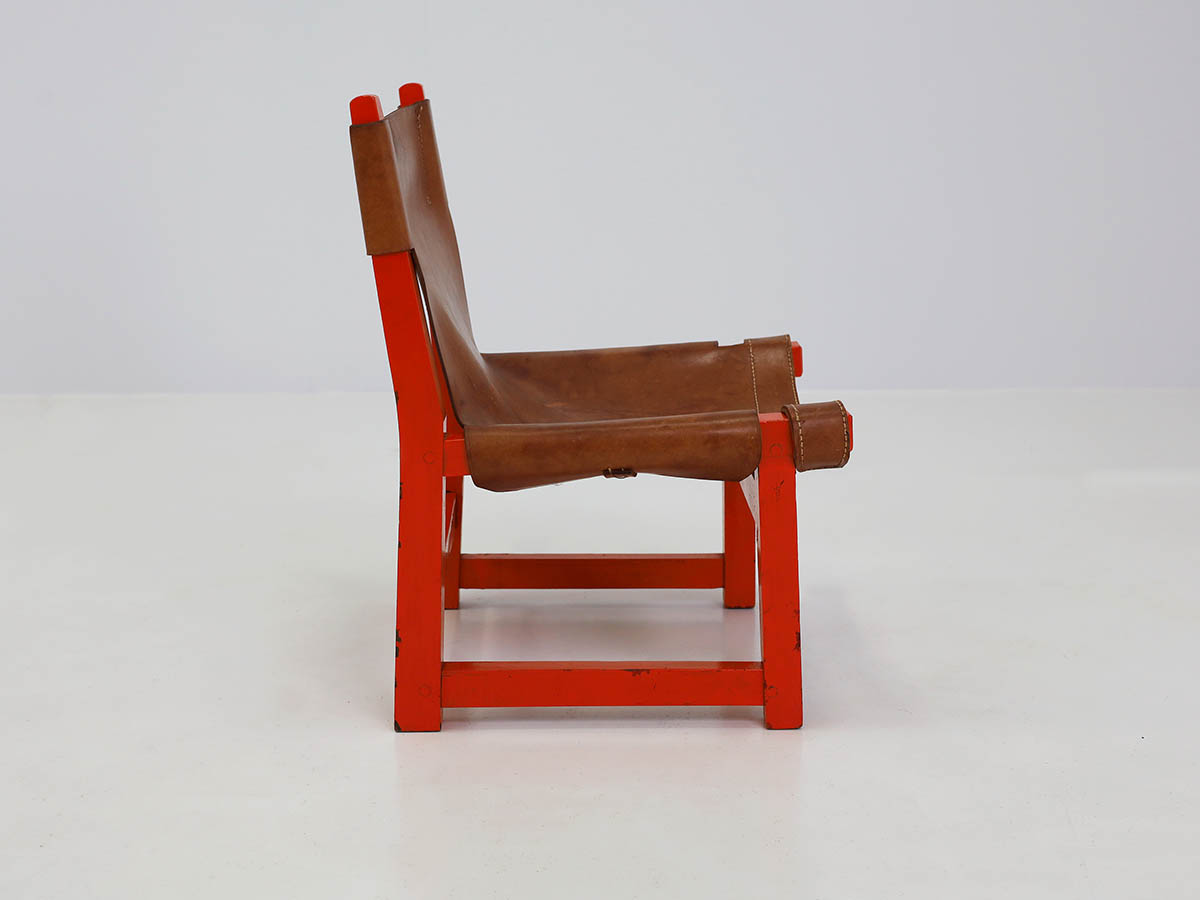
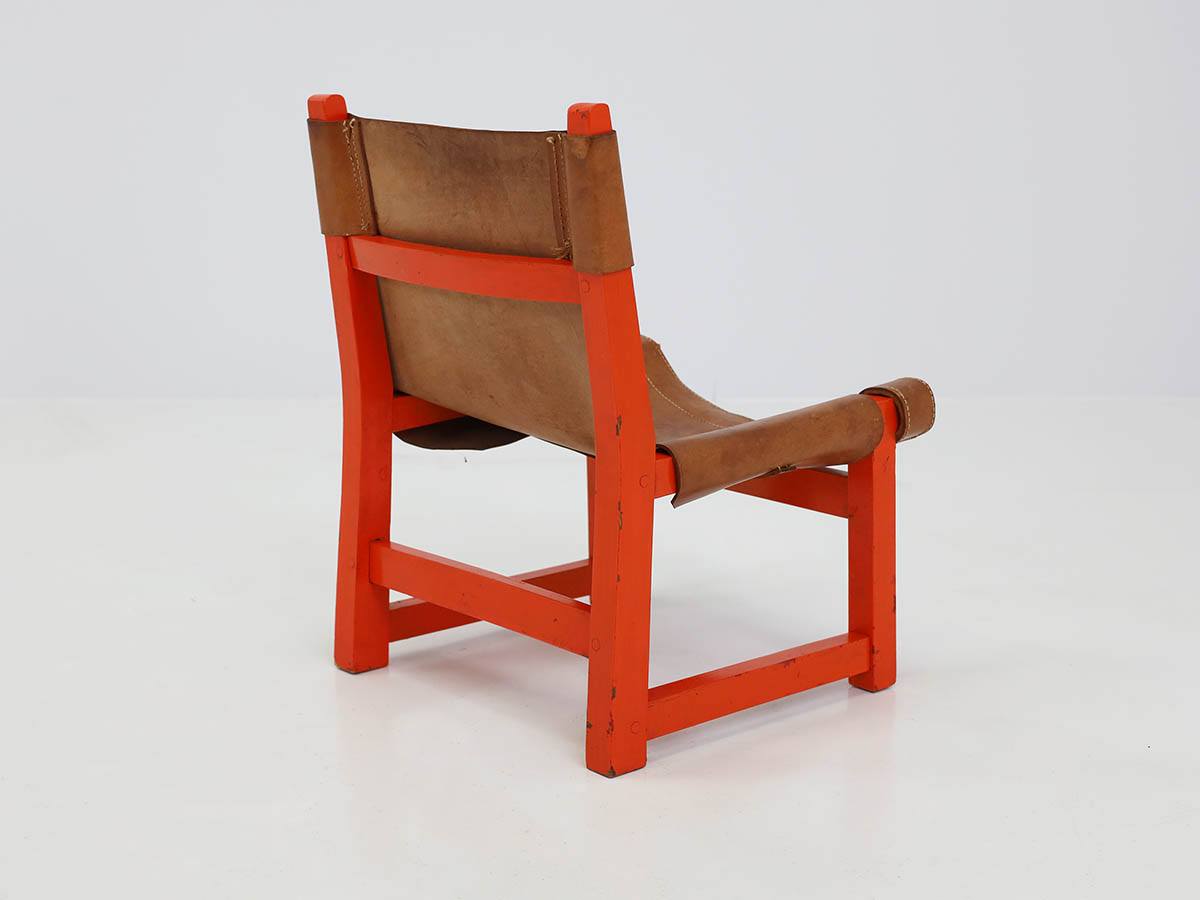
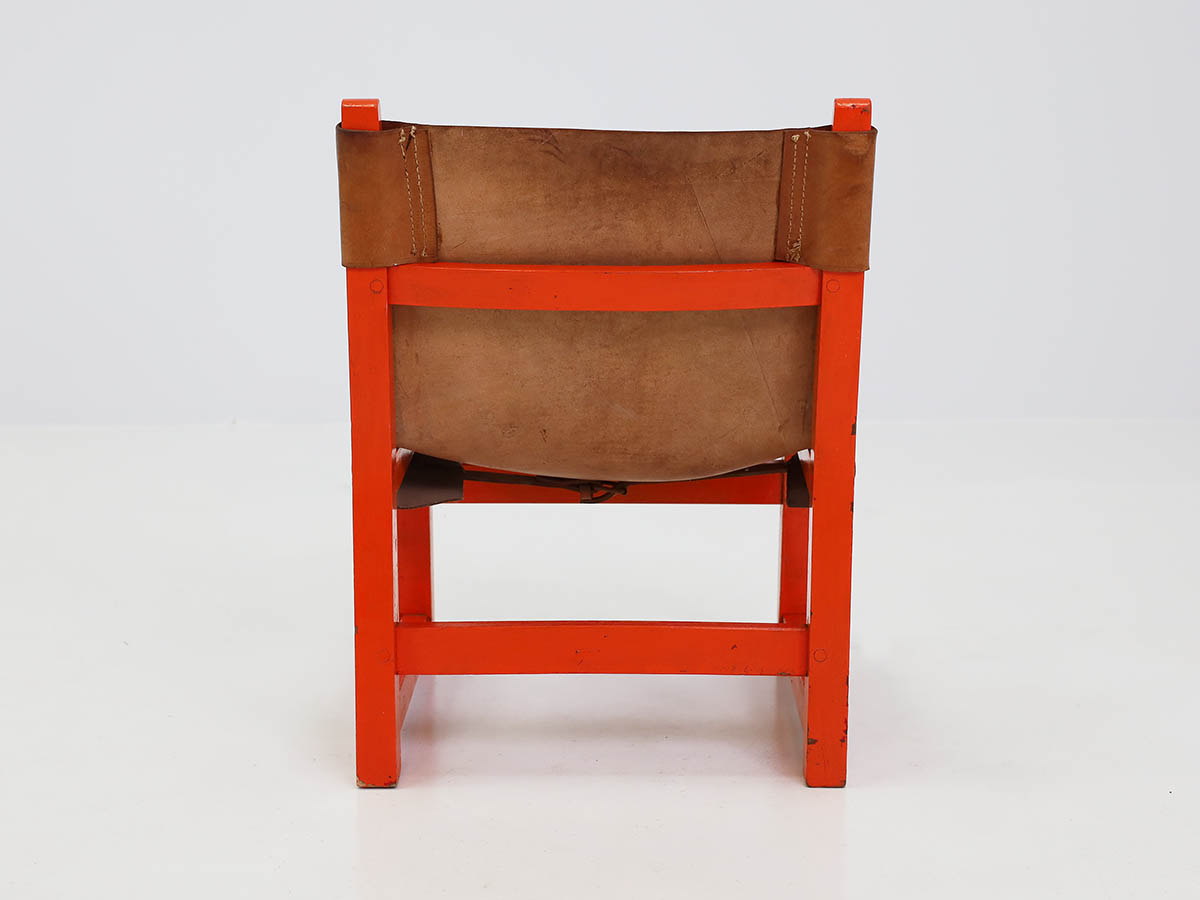
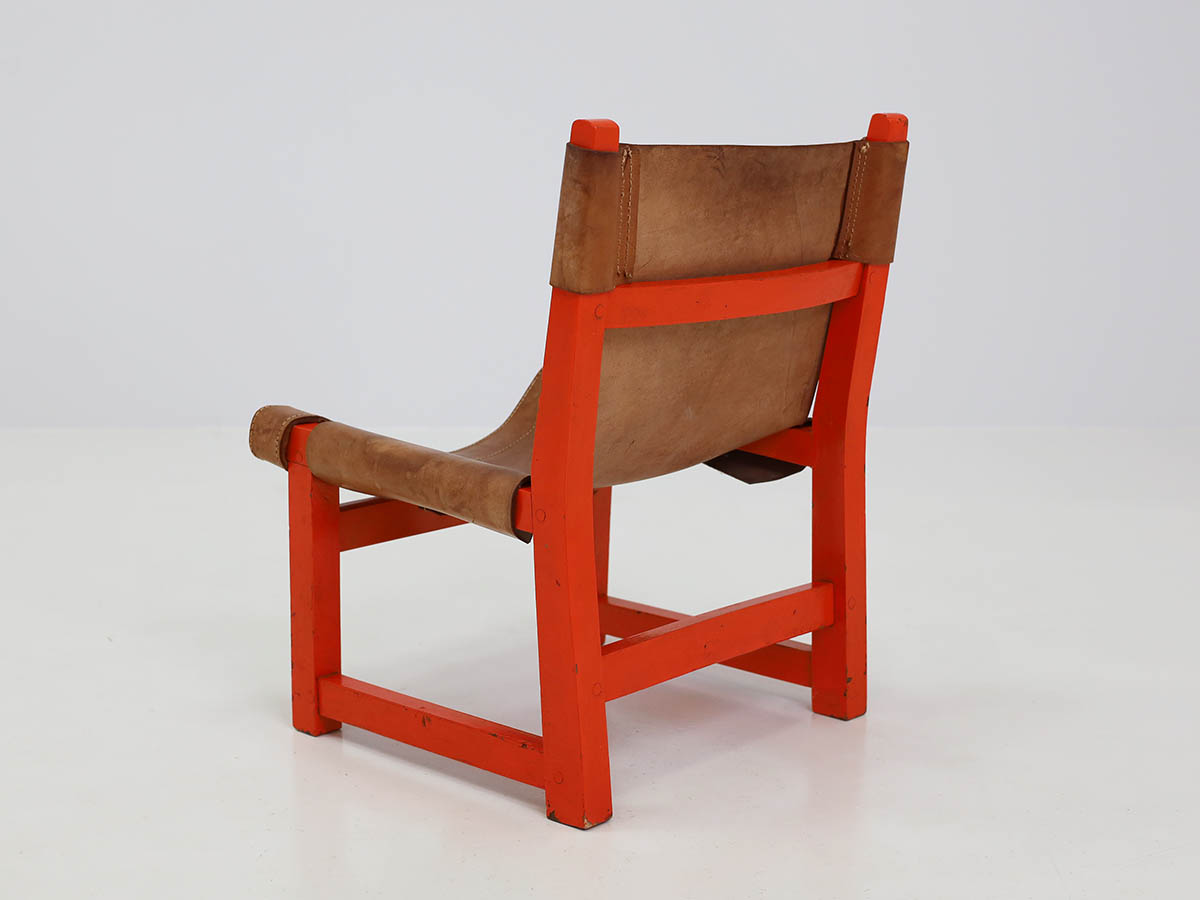
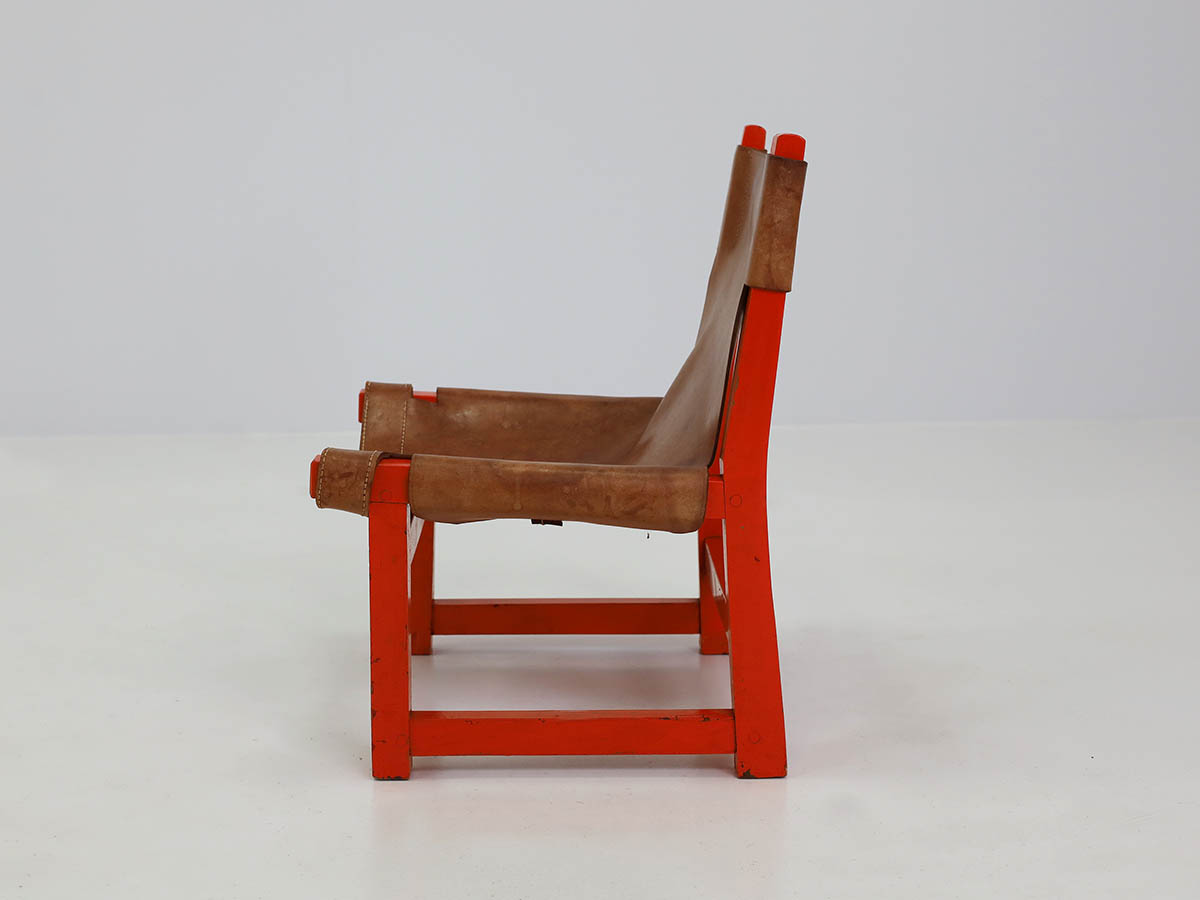
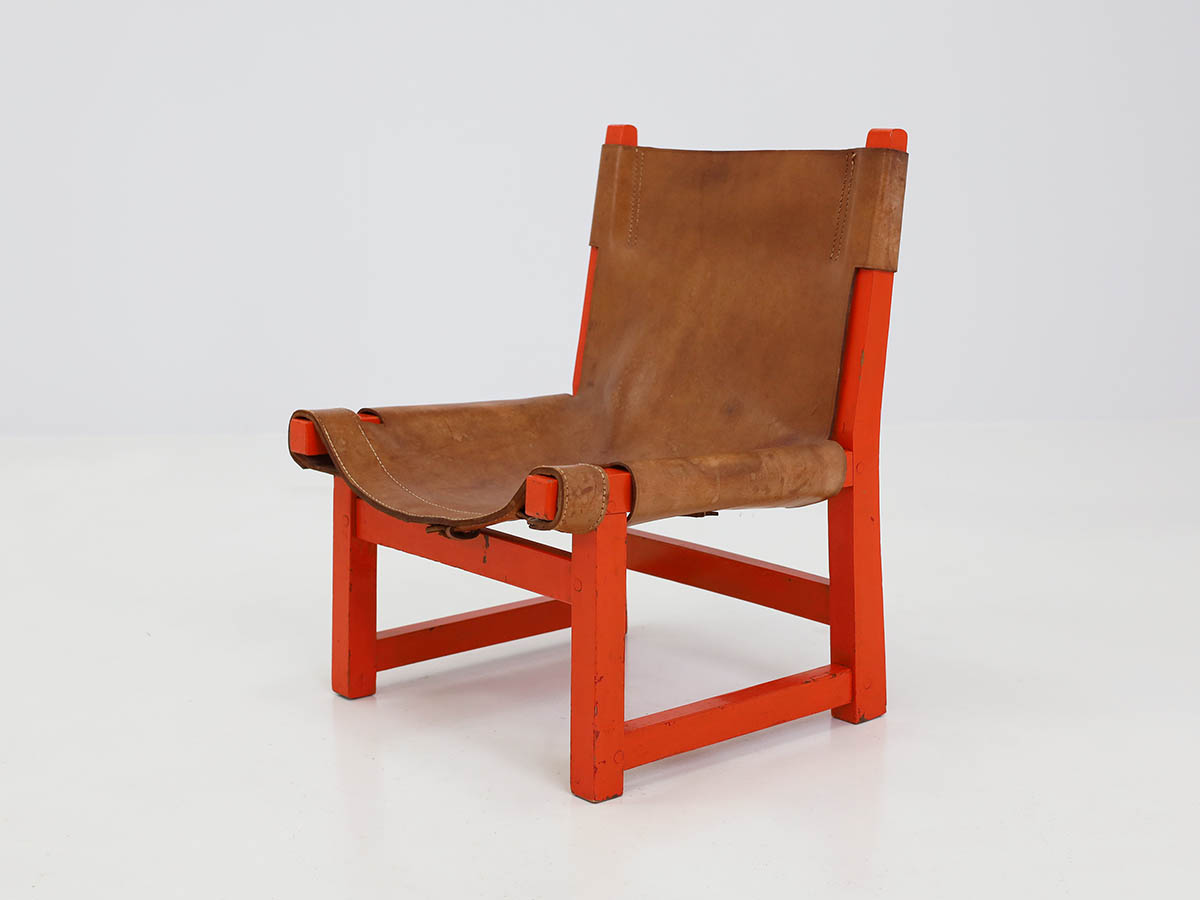
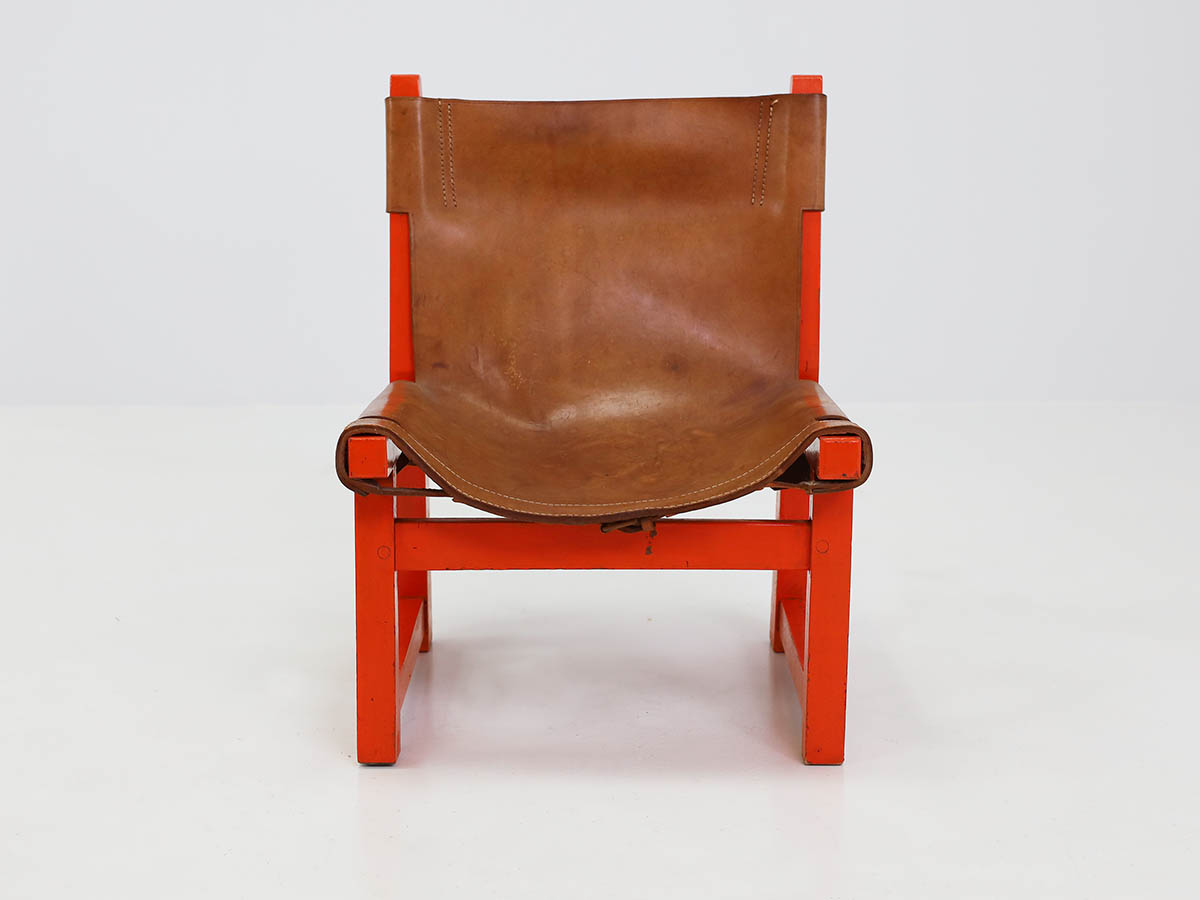
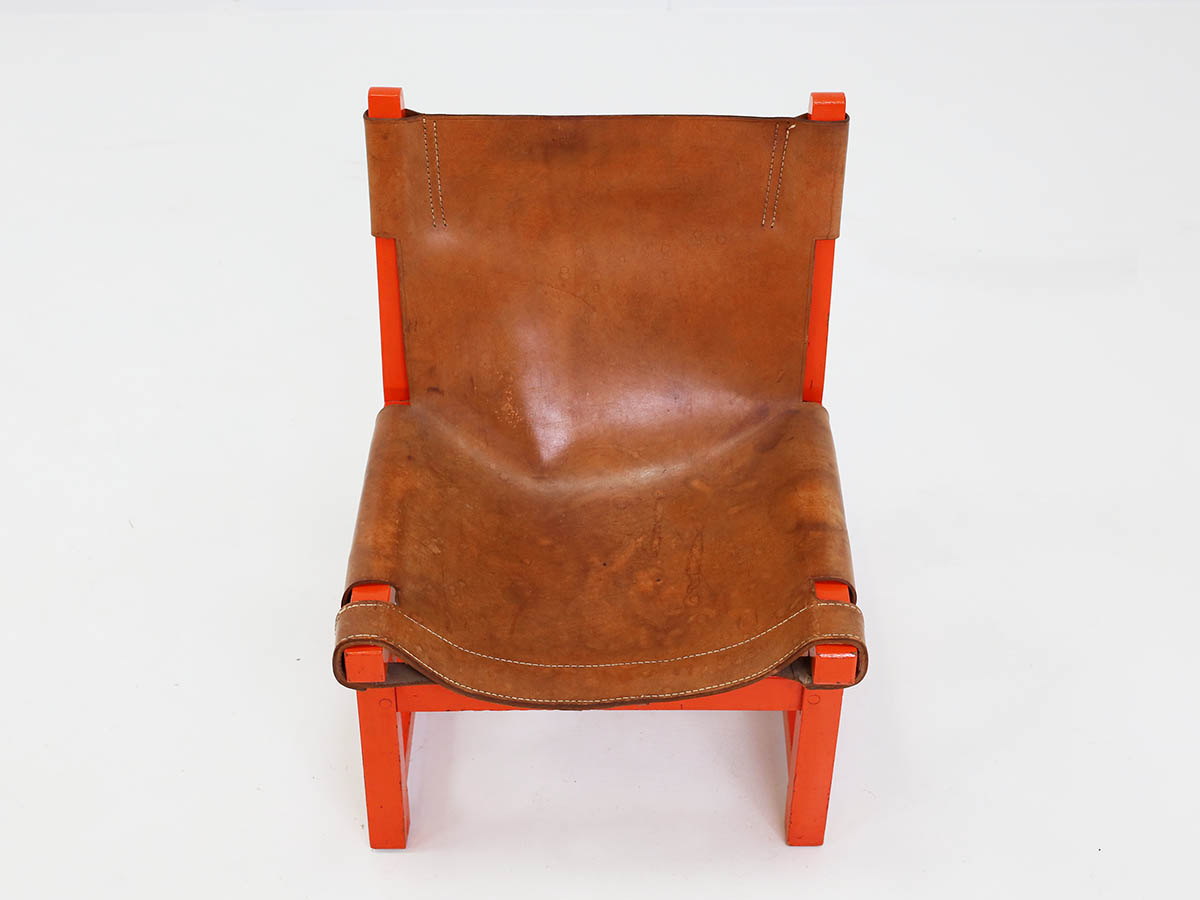
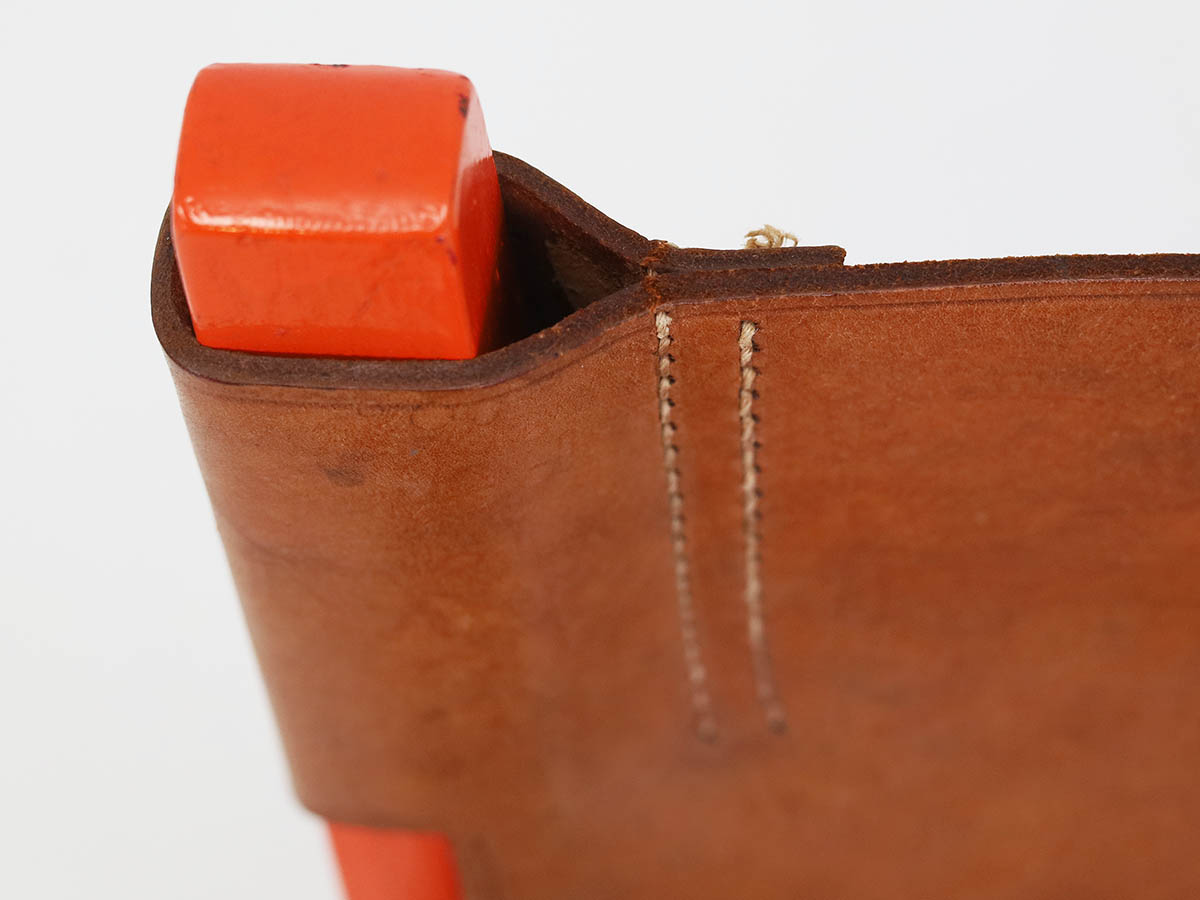
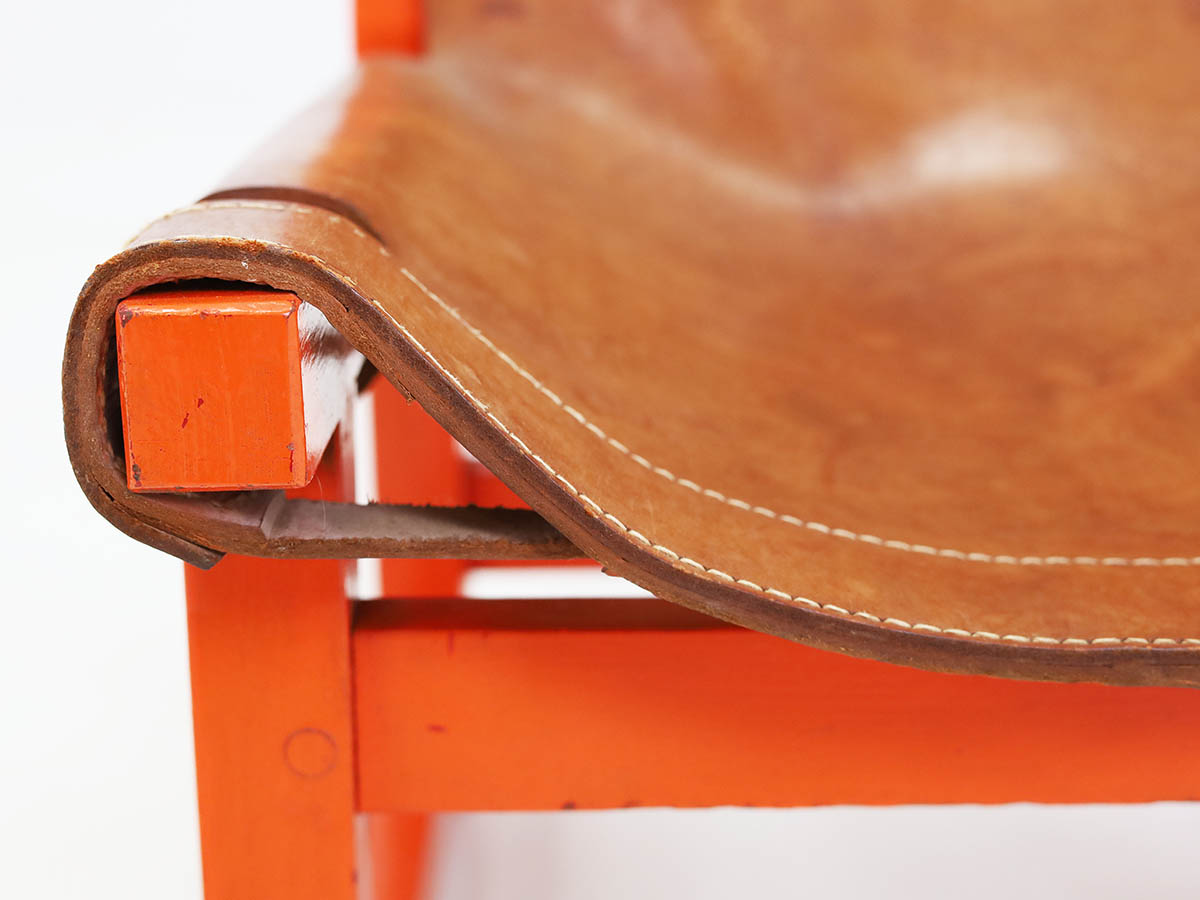
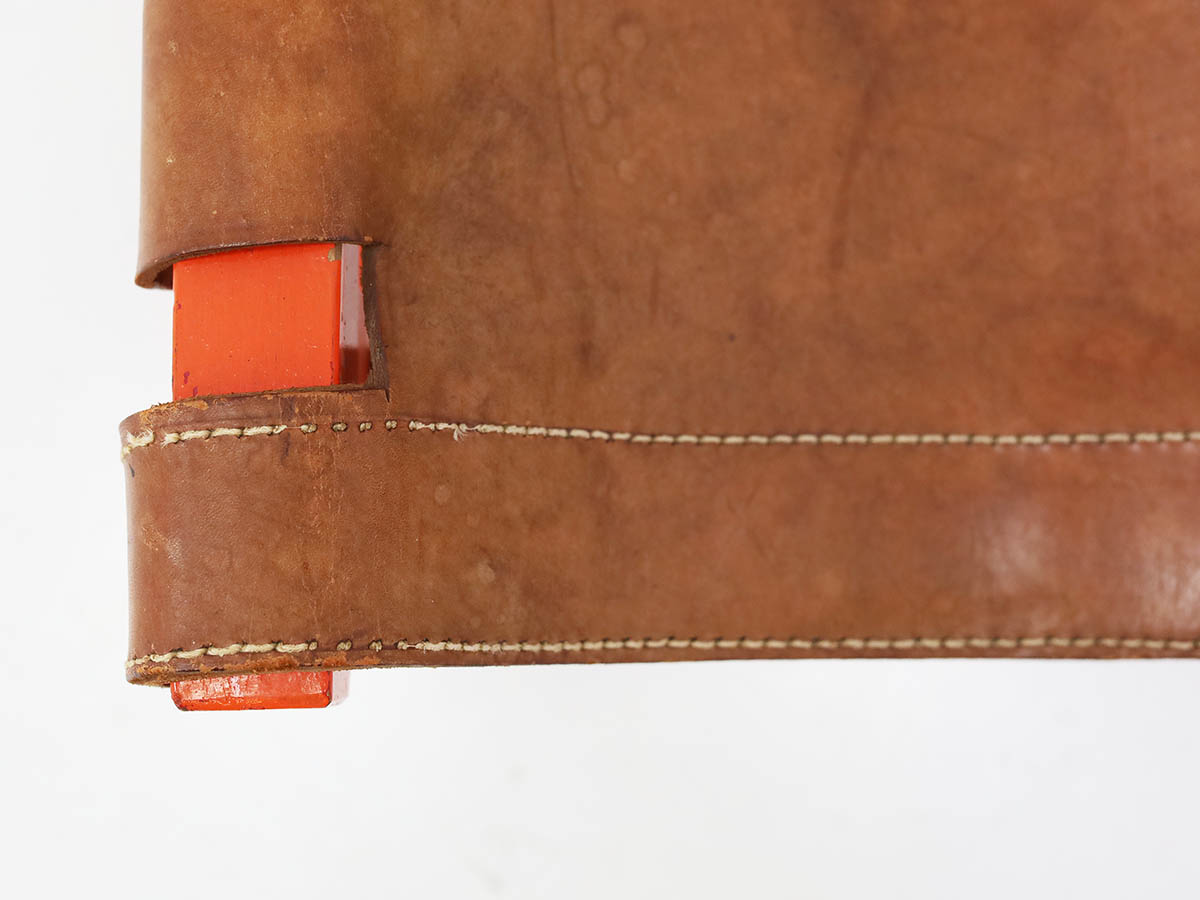
The Riaza children’s chair represents a specific variation within this system: reduced proportions, a solid wood structure, and an essential formal language that remains consistent with the original design. The piece was conceived for intensive everyday use within a collective environment such as the Club de Campo Villa de Madrid, where durability and constructive simplicity are essential values.
Production of the chair was entrusted to Darro, the workshop and brand founded by Paco Muñoz himself, known for producing wooden furniture with a strong artisanal identity and direct design control by the architect. This close relationship between design and production strengthens the coherence of the Riaza project, ensuring continuity between concept and execution.
Today, the furniture system of the Club de Campo Villa de Madrid and the Riaza children’s chair are recognized as significant examples of institutional design, where functionality, education and material quality merge into a sober yet highly distinctive language.