

Paul Nagel (Germany, active mainly during the 1950s–1970s) is associated with post-war European industrial design and German functional modernism, a movement focused on efficiency, modularity, and intelligent furniture solutions for contemporary living. His work emerges in a context where design responds to new housing needs, with a strong emphasis on practicality, structural lightness, and industrial production.


Nagel develops a refined and essential design language based on metal structures, folding forms, and transformable systems, interpreting the principles of European modernism and the legacy of the Bauhaus. His projects aim to eliminate unnecessary elements, prioritizing function and structural clarity while maintaining a sober and coherent aesthetic.


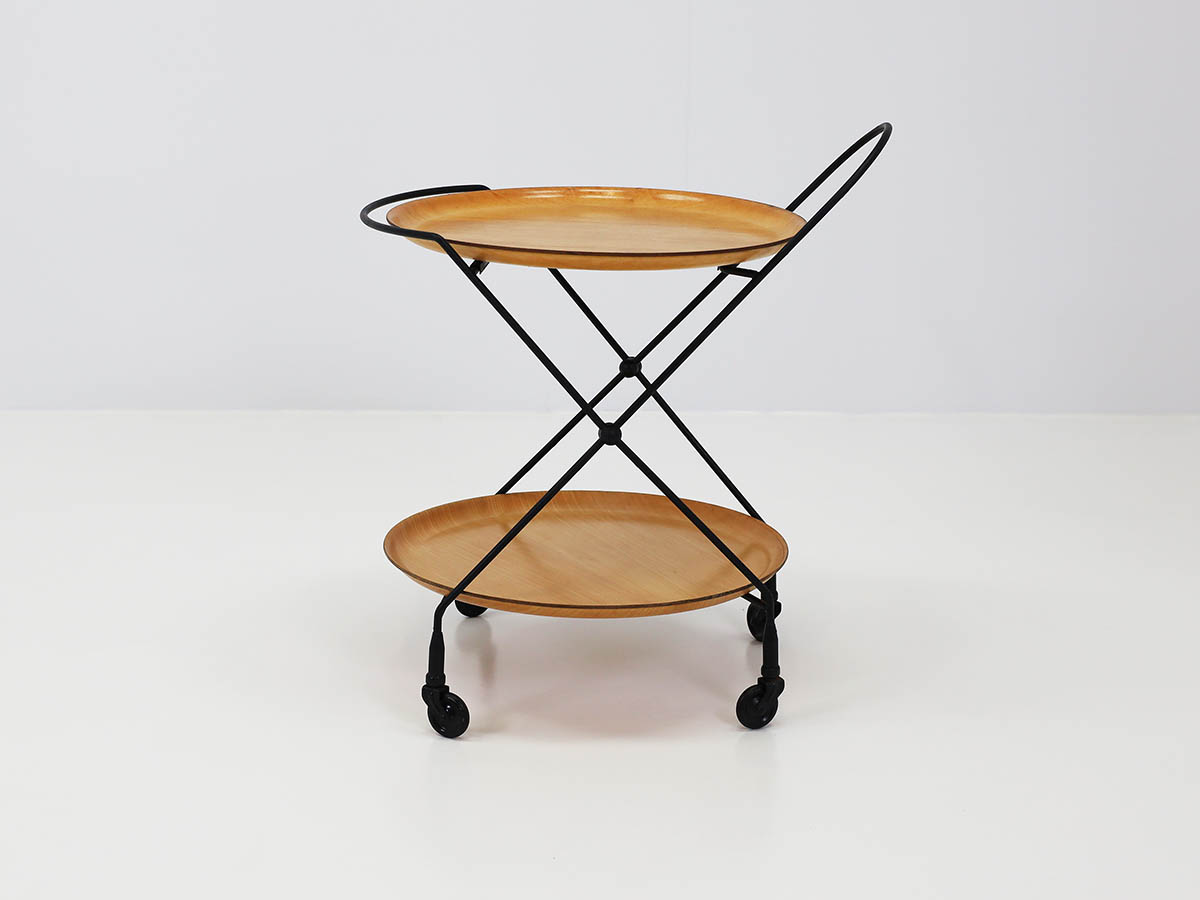
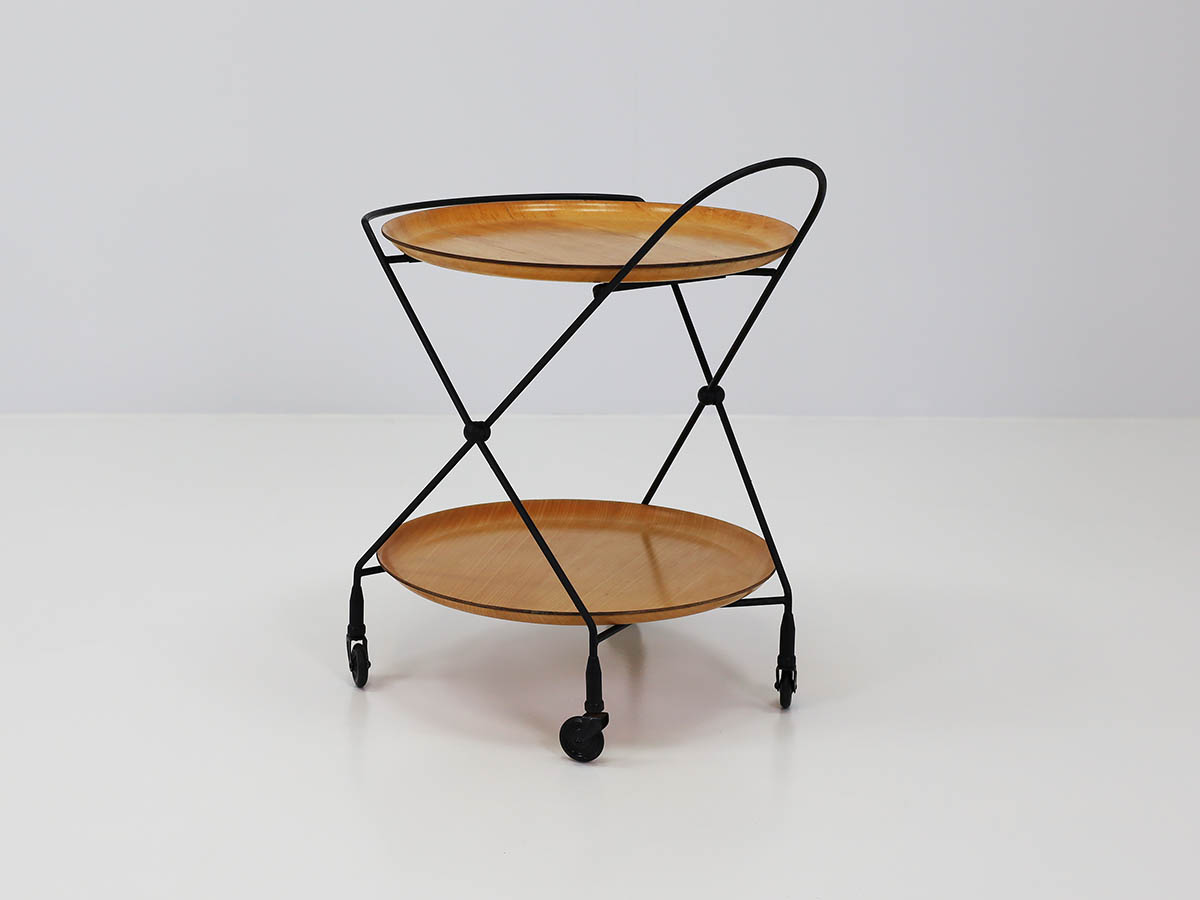
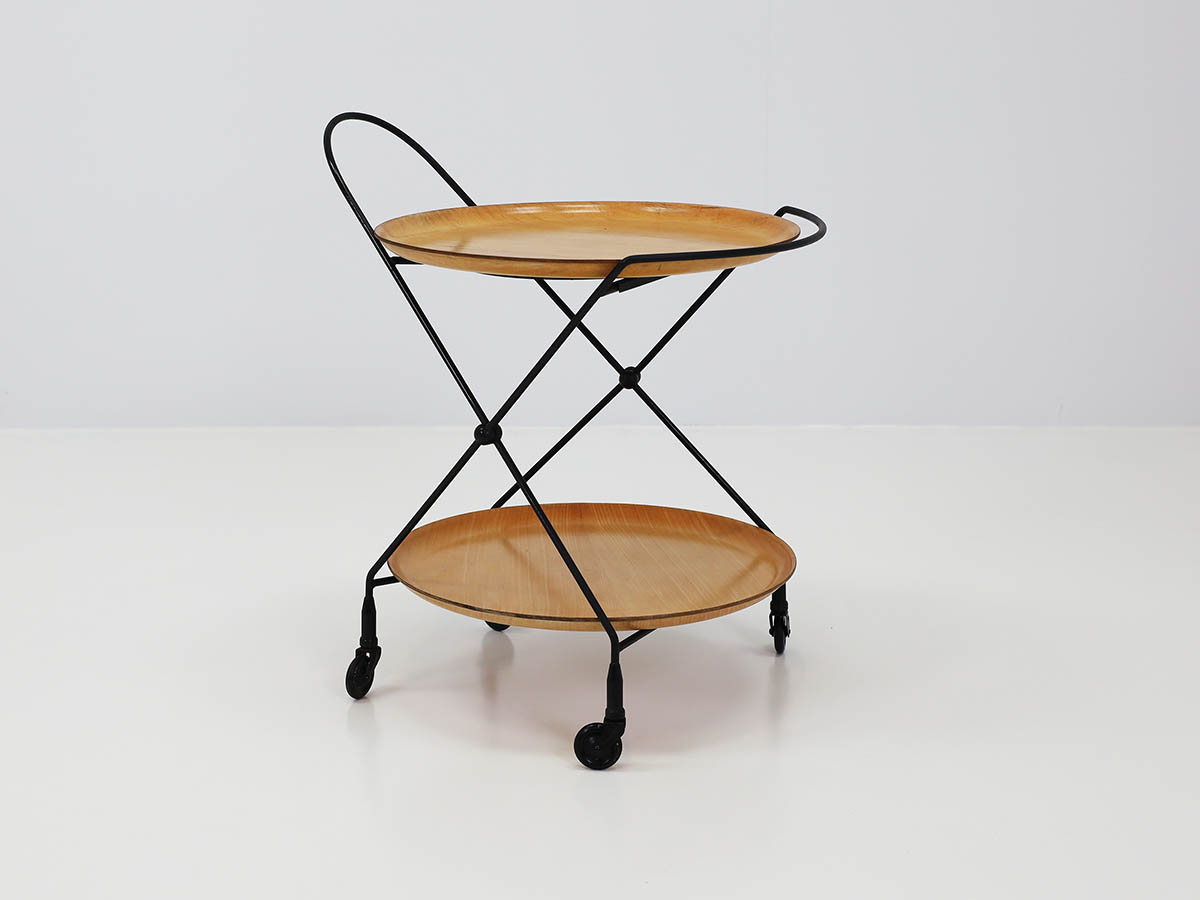
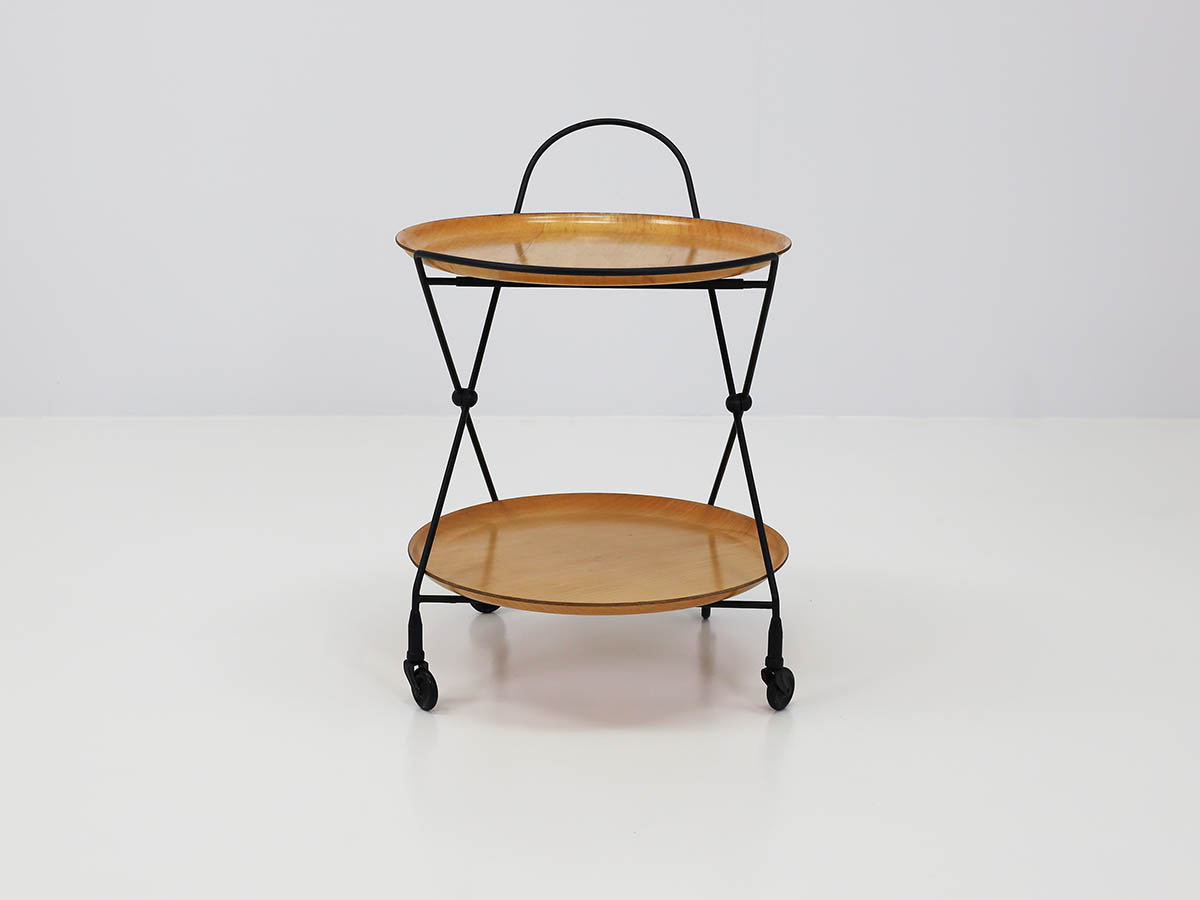
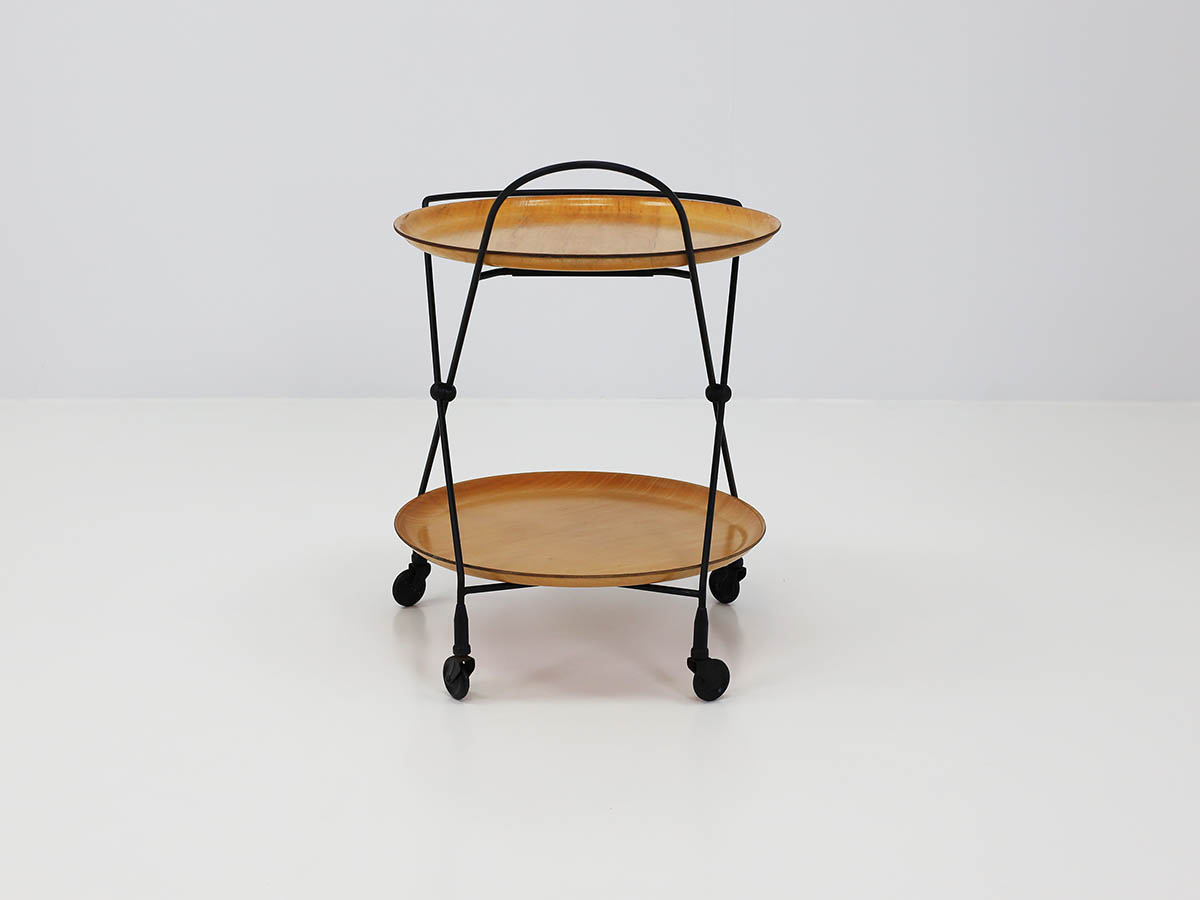
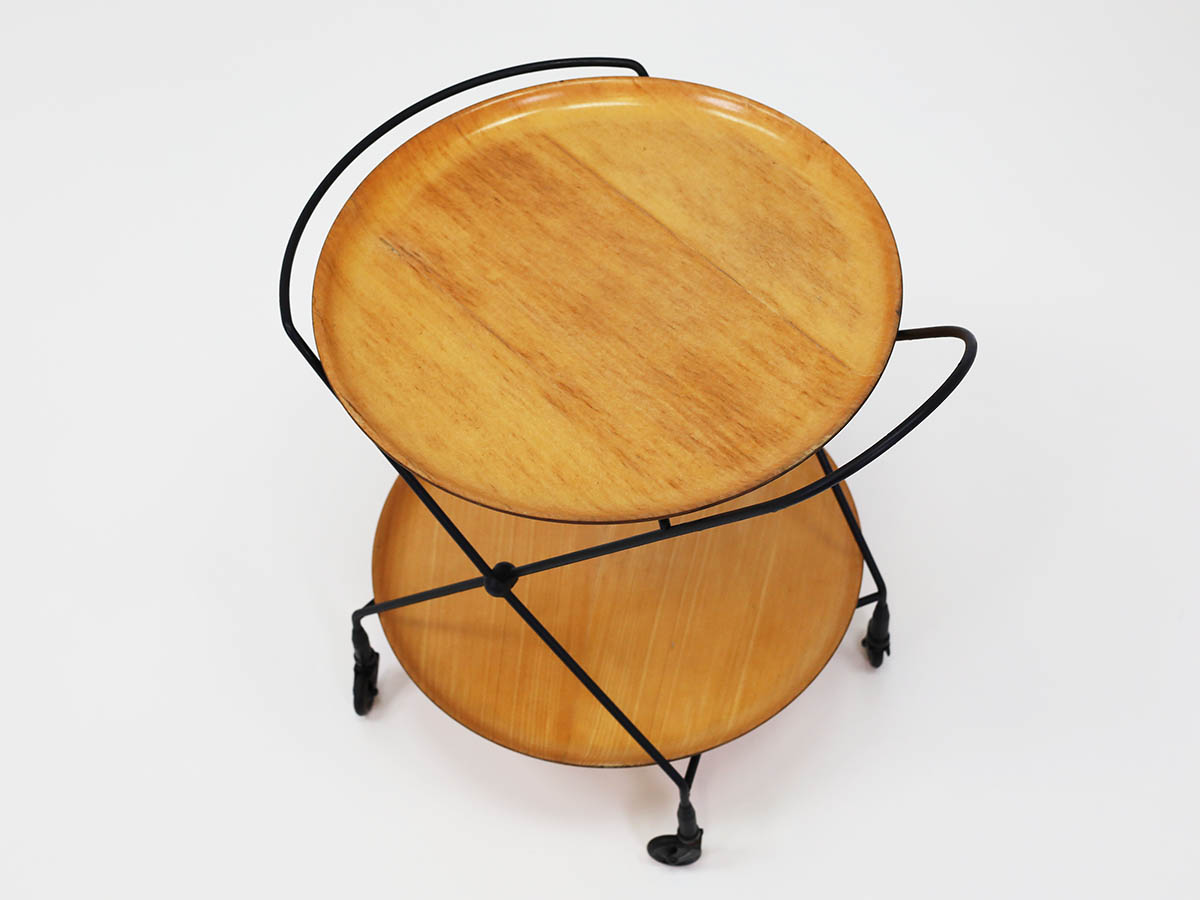
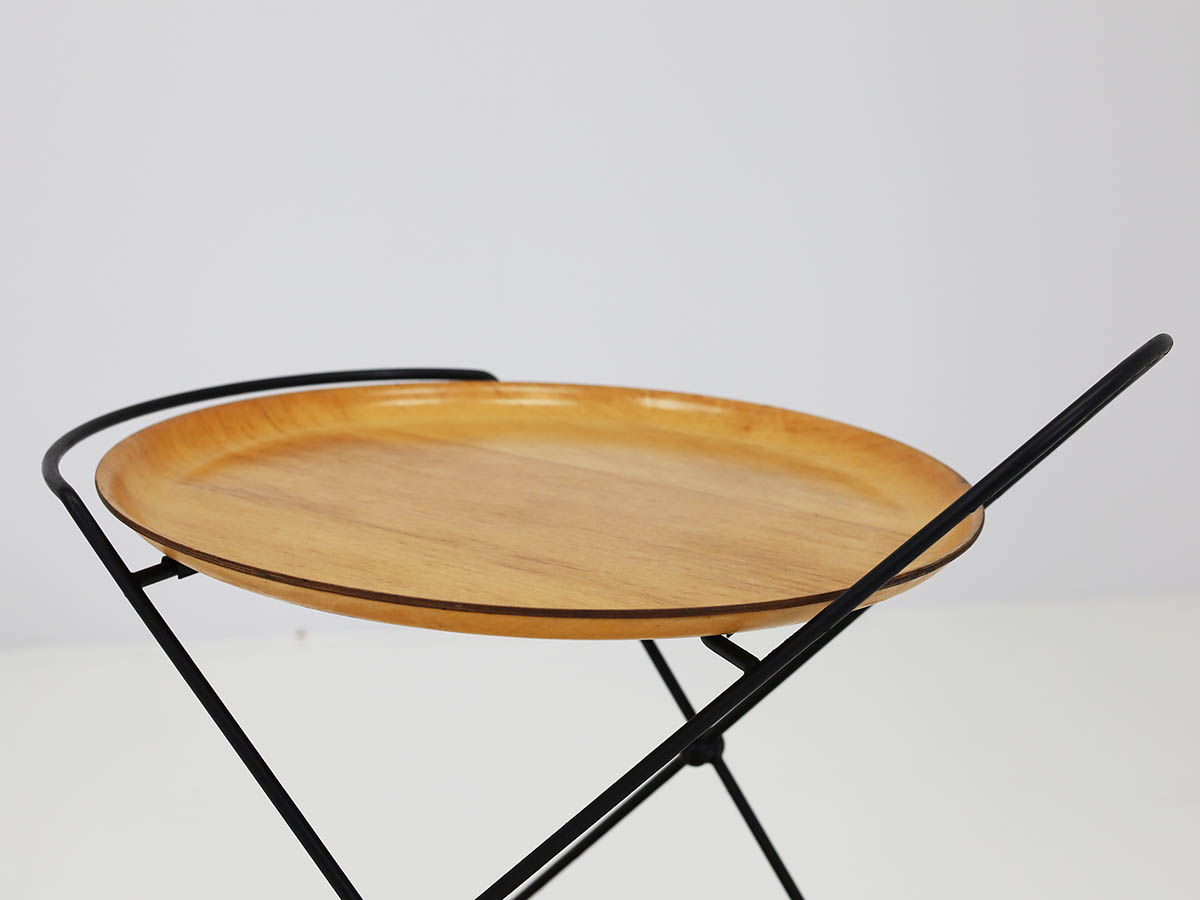
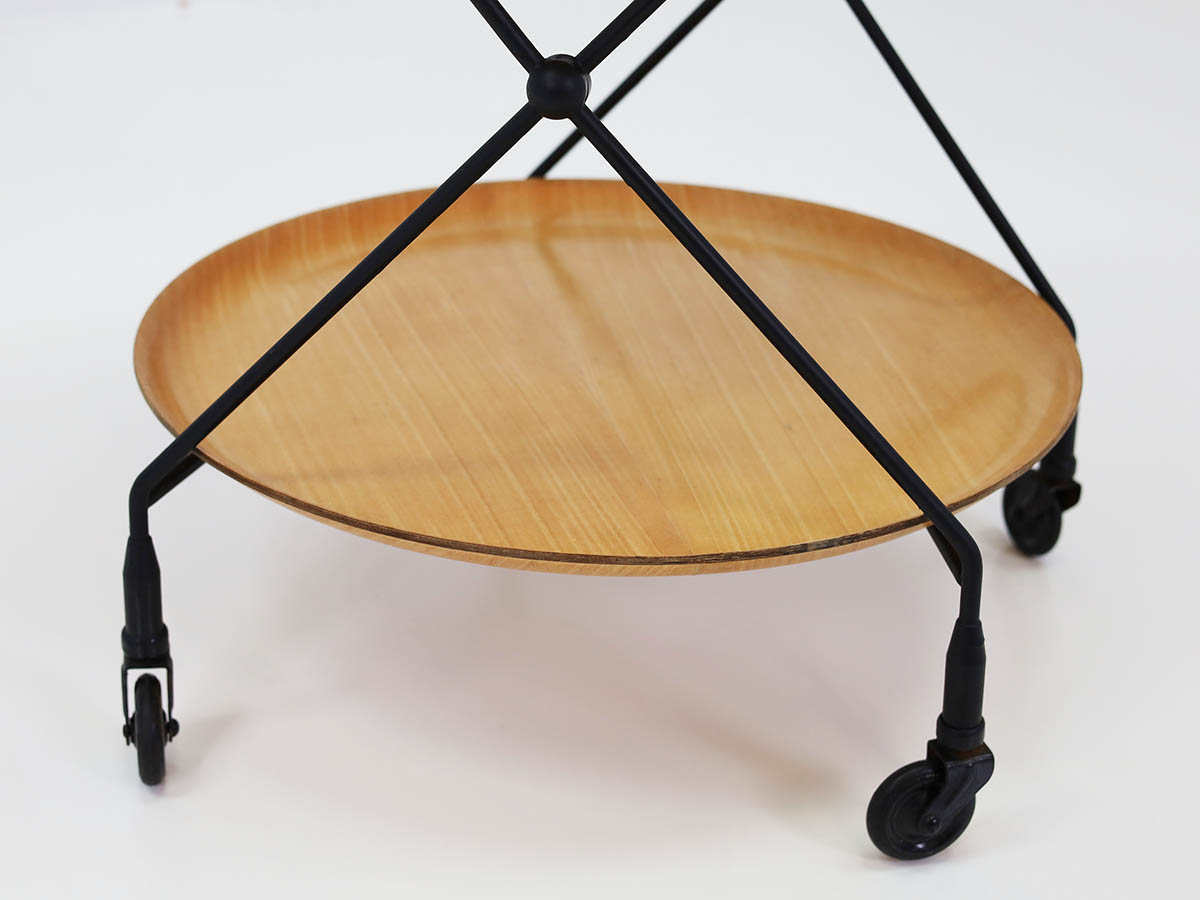
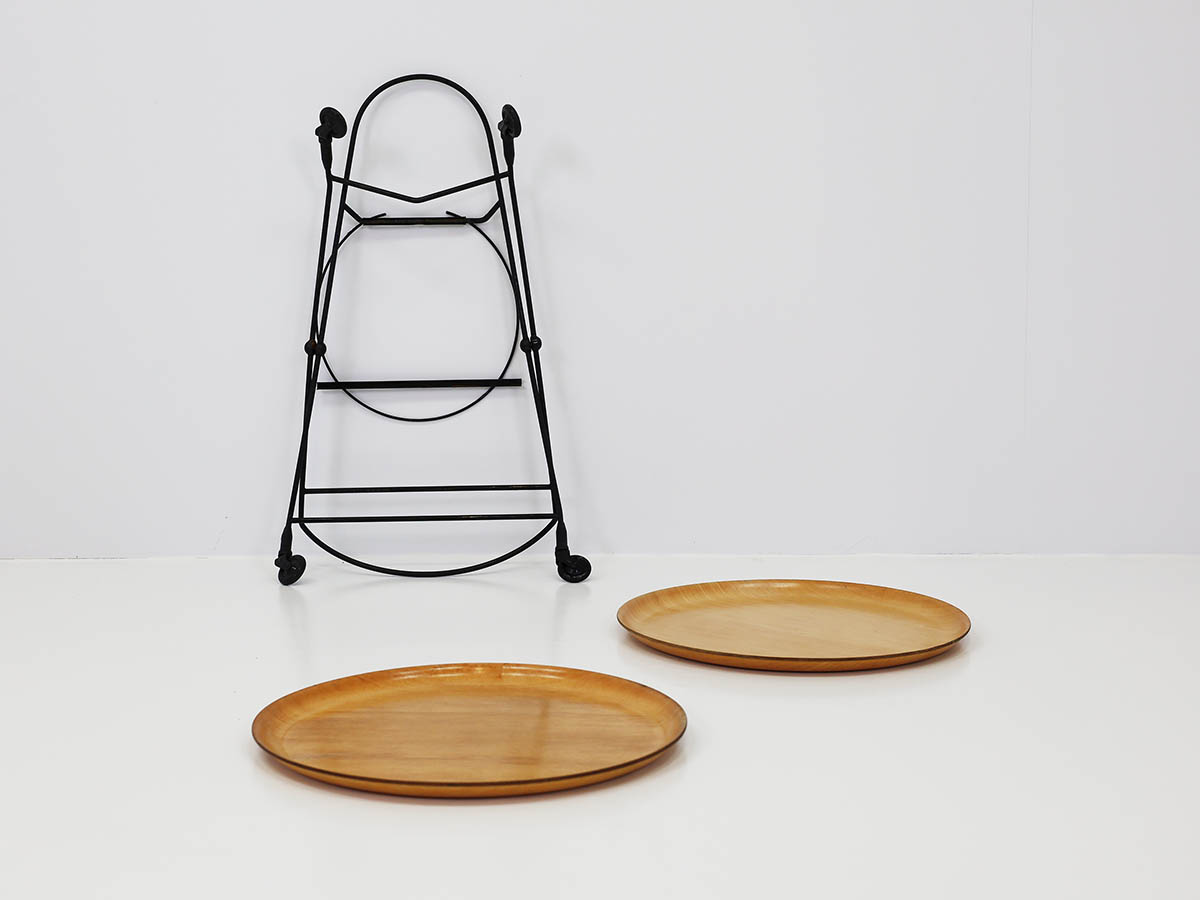
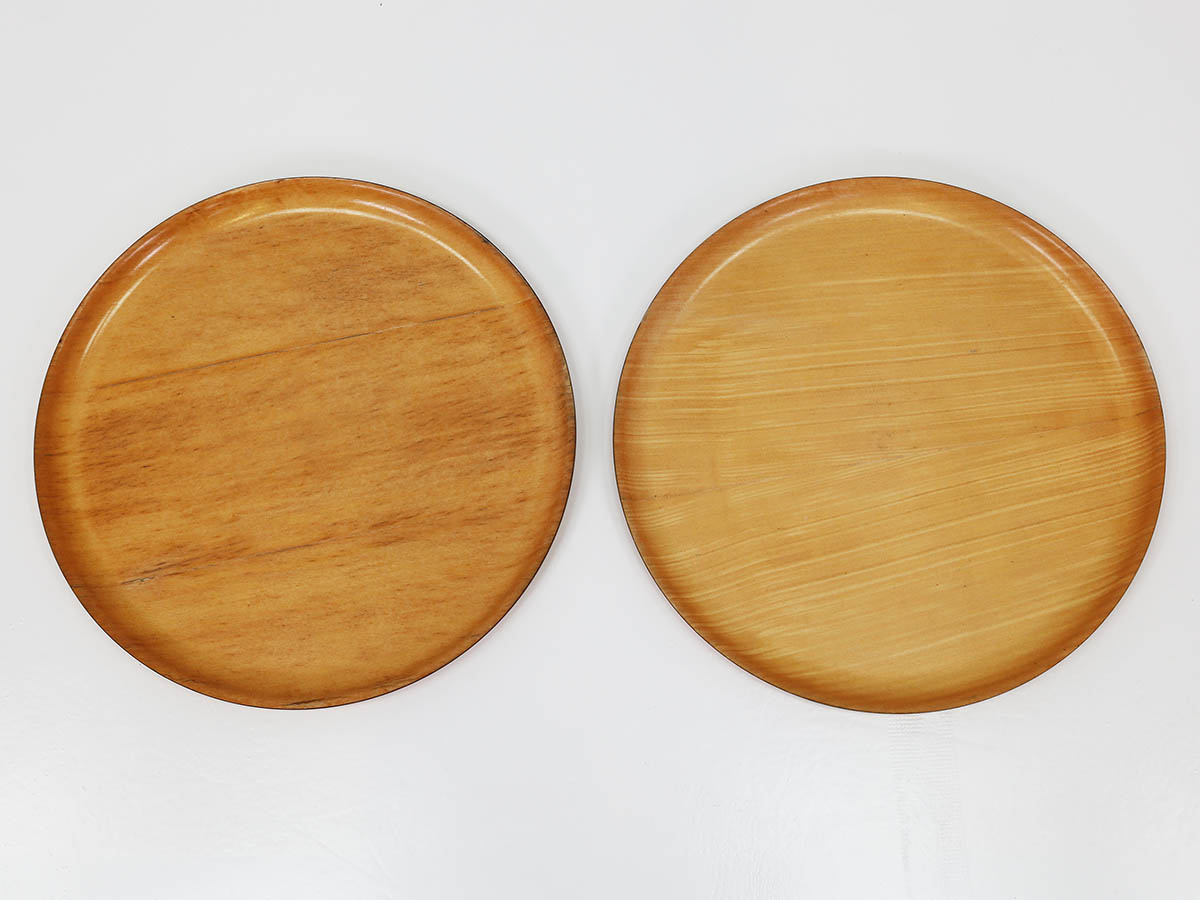
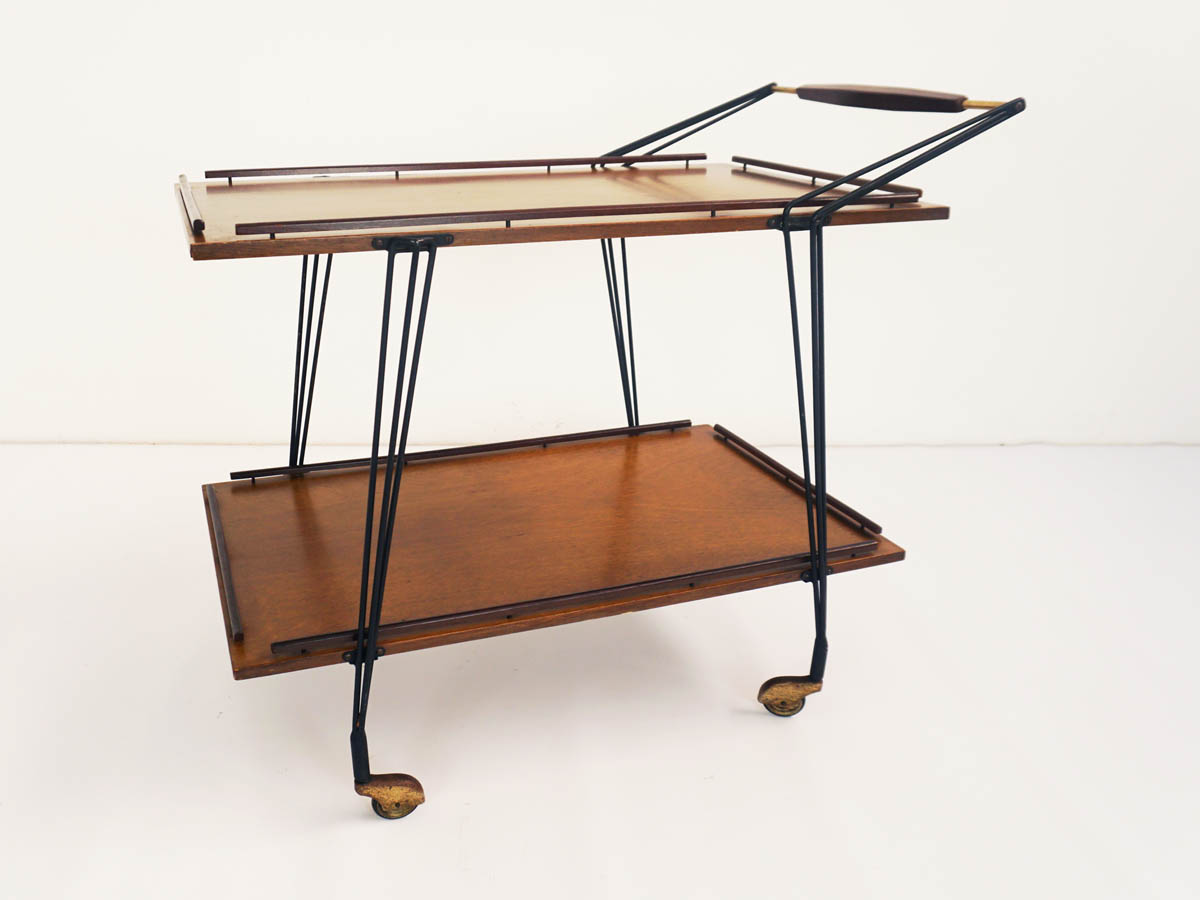
Among the works attributed or associated with his name is the folding service trolley with metal frame and plywood trays, produced in Sweden by Jie Gantofta. This piece perfectly illustrates the dialogue between functional design and Nordic manufacturing: the metal structure ensures stability and lightness, while the plywood trays add material warmth and practical versatility. The folding system reflects a dynamic approach to furniture design, created for flexible and contemporary living spaces.
Item nr. 26089

Foldable serving table design with detachable trays

Designer

ProductionJie Gantofta
Sweden 1960 Approx.

MaterialString metal | blond plywood

Dimension57 x 45 x HT 62 cm

Price in Swiss Francs / Euro 400.00

foldable-serving-table-design-with-detachable-trays


Paul Nagel (Germany, active mainly during the 1950s–1970s) is associated with post-war European industrial design and German functional modernism, a movement focused on efficiency, modularity, and intelligent furniture solutions for contemporary living. His work emerges in a context where design responds to new housing needs, with a strong emphasis on practicality, structural lightness, and industrial production.


Nagel develops a refined and essential design language based on metal structures, folding forms, and transformable systems, interpreting the principles of European modernism and the legacy of the Bauhaus. His projects aim to eliminate unnecessary elements, prioritizing function and structural clarity while maintaining a sober and coherent aesthetic.


Among the works attributed or associated with his name is the folding service trolley with metal frame and plywood trays, produced in Sweden by Jie Gantofta. This piece perfectly illustrates the dialogue between functional design and Nordic manufacturing: the metal structure ensures stability and lightness, while the plywood trays add material warmth and practical versatility. The folding system reflects a dynamic approach to furniture design, created for flexible and contemporary living spaces.
Description

Paul Nagel (Germany, active mainly during the 1950s–1970s) is associated with post-war European industrial design and German functional modernism, a movement focused on efficiency, modularity, and intelligent furniture solutions for contemporary living. His work emerges in a context where design responds to new housing needs, with a strong emphasis on practicality, structural lightness, and industrial production.

Nagel develops a refined and essential design language based on metal structures, folding forms, and transformable systems, interpreting the principles of European modernism and the legacy of the Bauhaus. His projects aim to eliminate unnecessary elements, prioritizing function and structural clarity while maintaining a sober and coherent aesthetic.

Among the works attributed or associated with his name is the folding service trolley with metal frame and plywood trays, produced in Sweden by Jie Gantofta. This piece perfectly illustrates the dialogue between functional design and Nordic manufacturing: the metal structure ensures stability and lightness, while the plywood trays add material warmth and practical versatility. The folding system reflects a dynamic approach to furniture design, created for flexible and contemporary living spaces.
Additional information

Material

Dimension