
Description
Ludwig Mies van der Rohe (1886–1969) is considered one of the greatest masters of 20th-century architecture and modern furniture design. Born in Aachen, Germany, Mies van der Rohe revolutionized the concept of modern space through clean lines, innovative materials, and a constant search for formal purity. Famous for the principle “Less is more,” he removed every unnecessary element to create architecture and furniture capable of expressing timeless elegance, balance, and functionality.
As director of the Bauhaus from 1930 to 1933, Mies van der Rohe helped define the language of international modernism, deeply influencing contemporary architecture, interior design, and luxury furniture. His work is based on visual lightness, transparency, and harmony between structure and space. Chrome-plated steel, glass, and leather became central materials in a new modern aesthetic that still represents minimalist luxury and timeless contemporary design today.
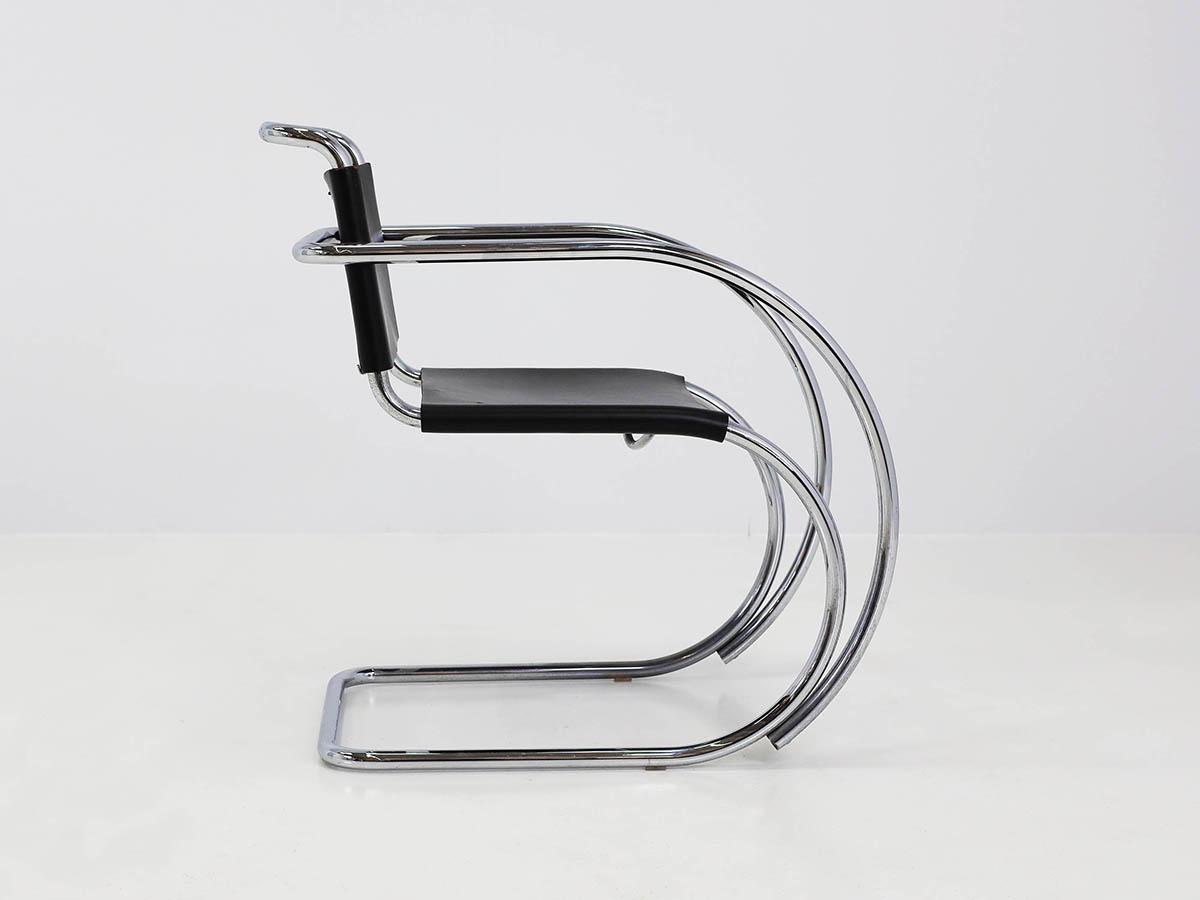
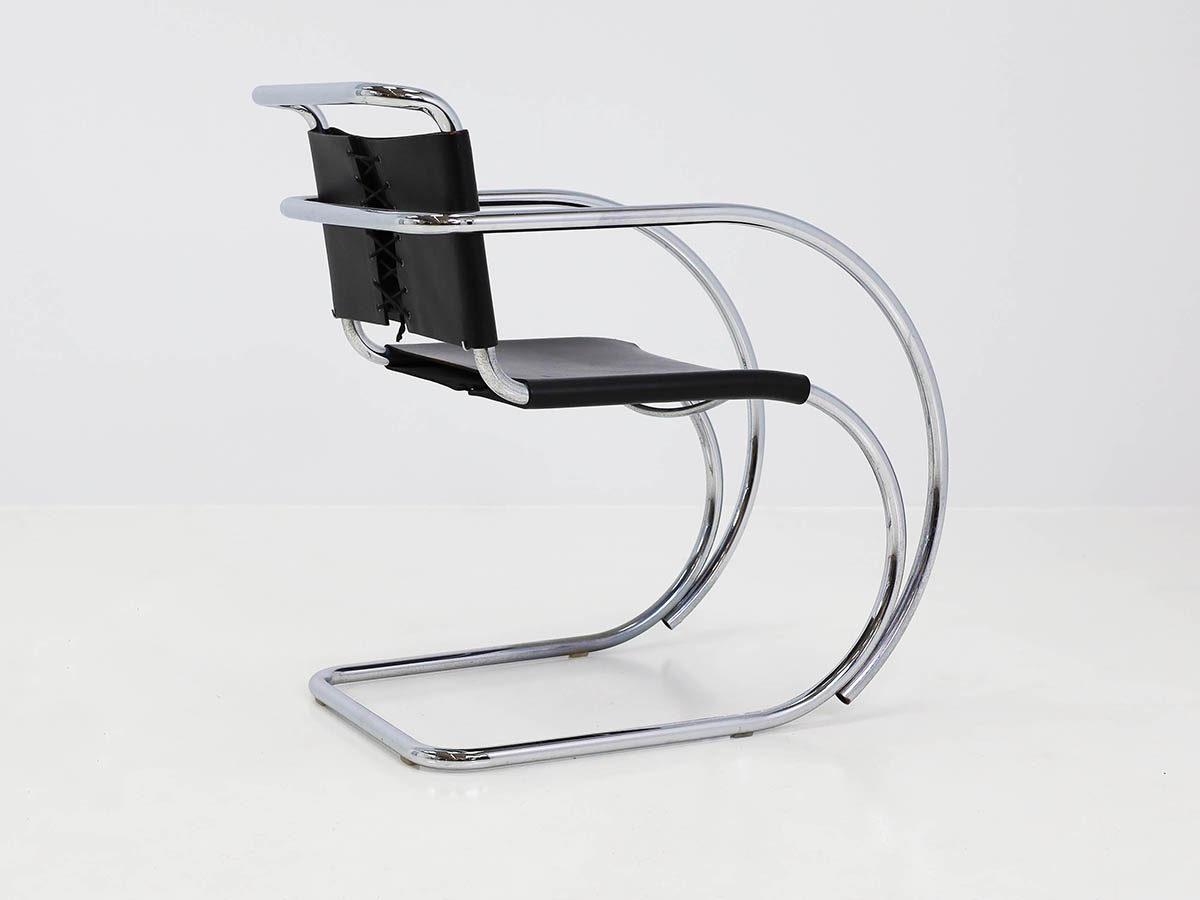
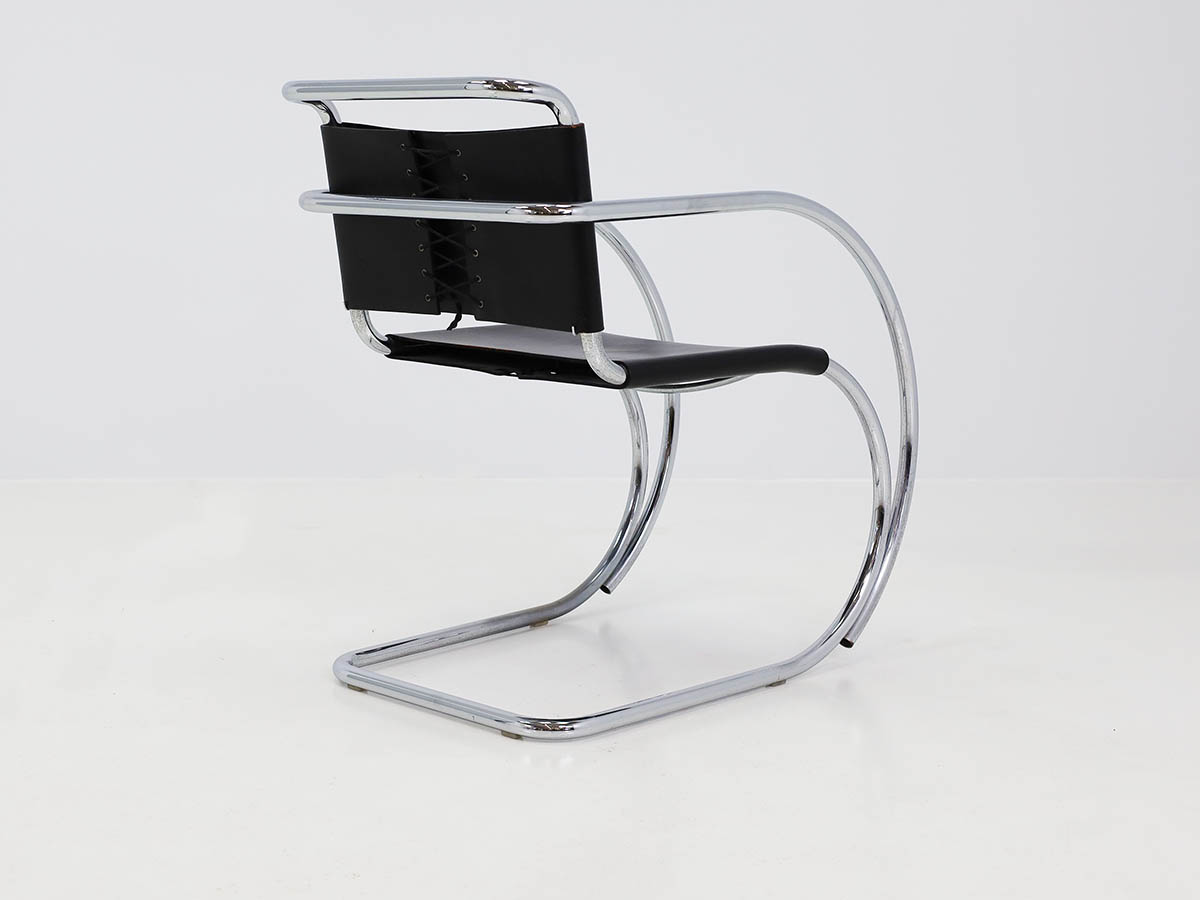
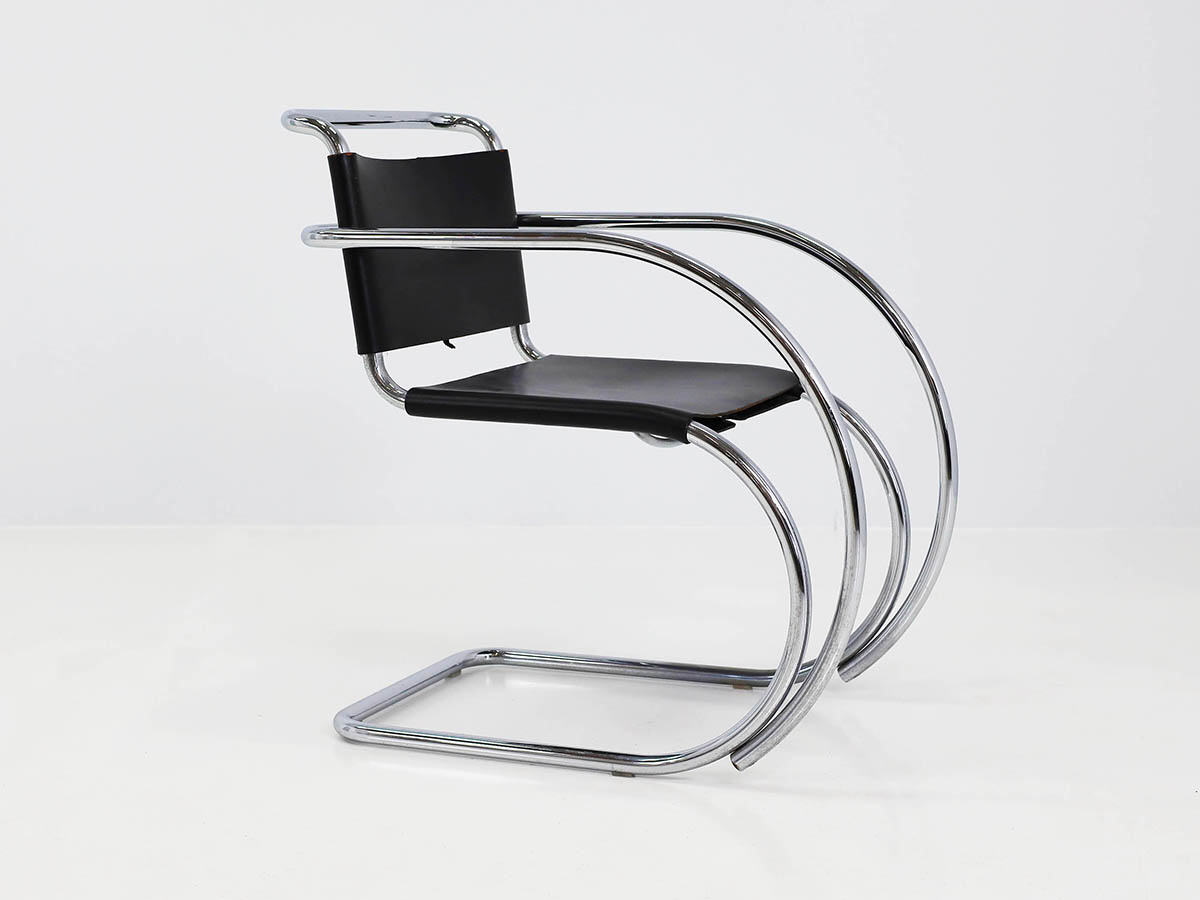
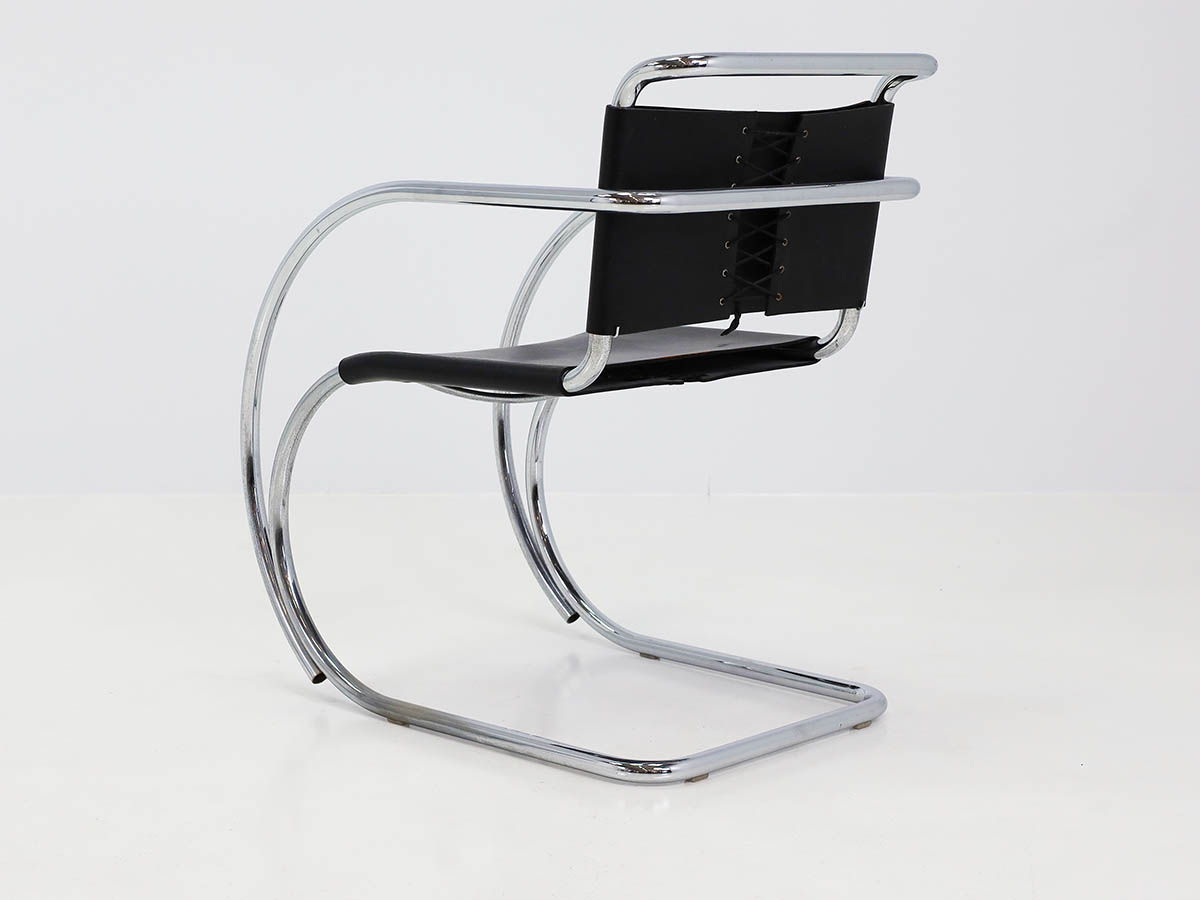
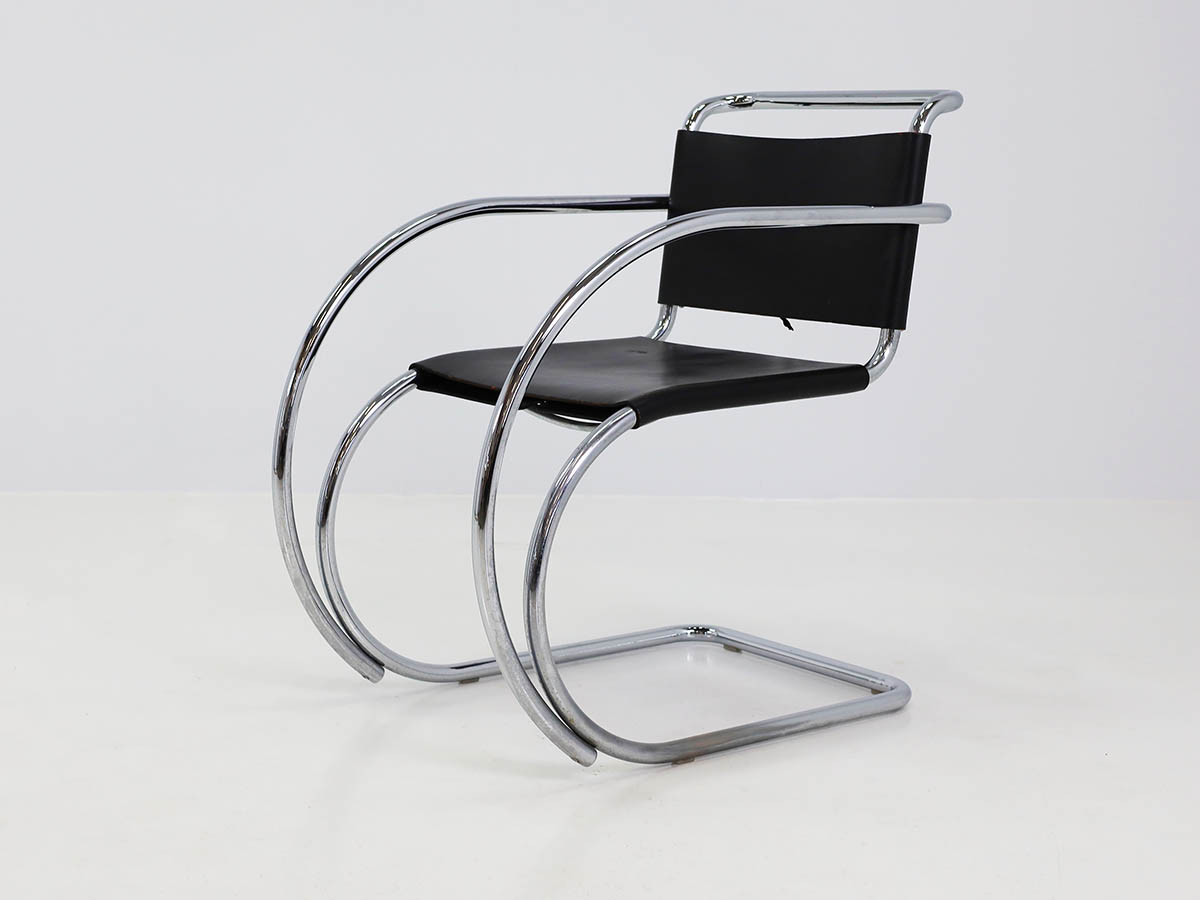
Among his most iconic creations is the MR20 Chair, designed in 1927 and considered one of the most representative pieces of Bauhaus furniture and modernist seating design. The MR20 perfectly embodies Mies van der Rohe’s design philosophy: absolute simplicity, technical innovation, and functional comfort.
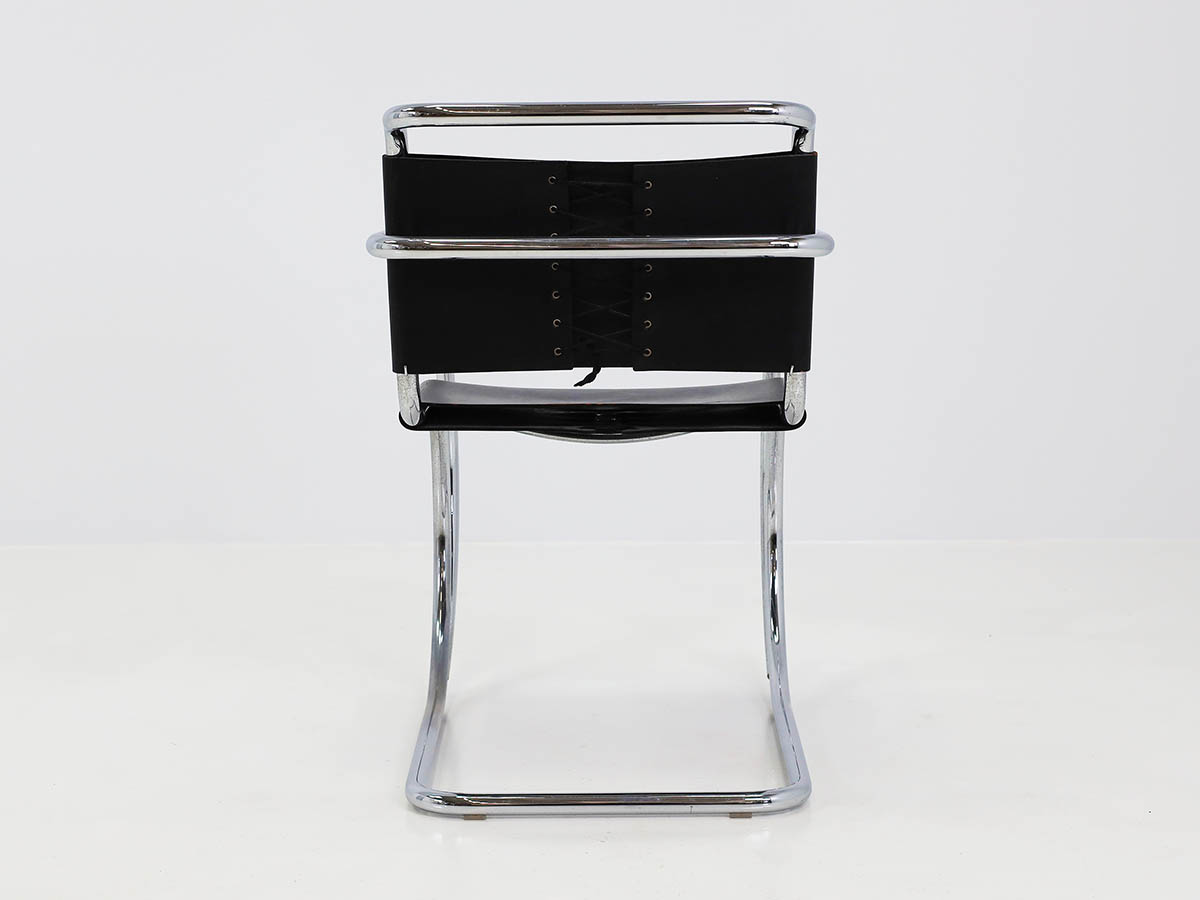
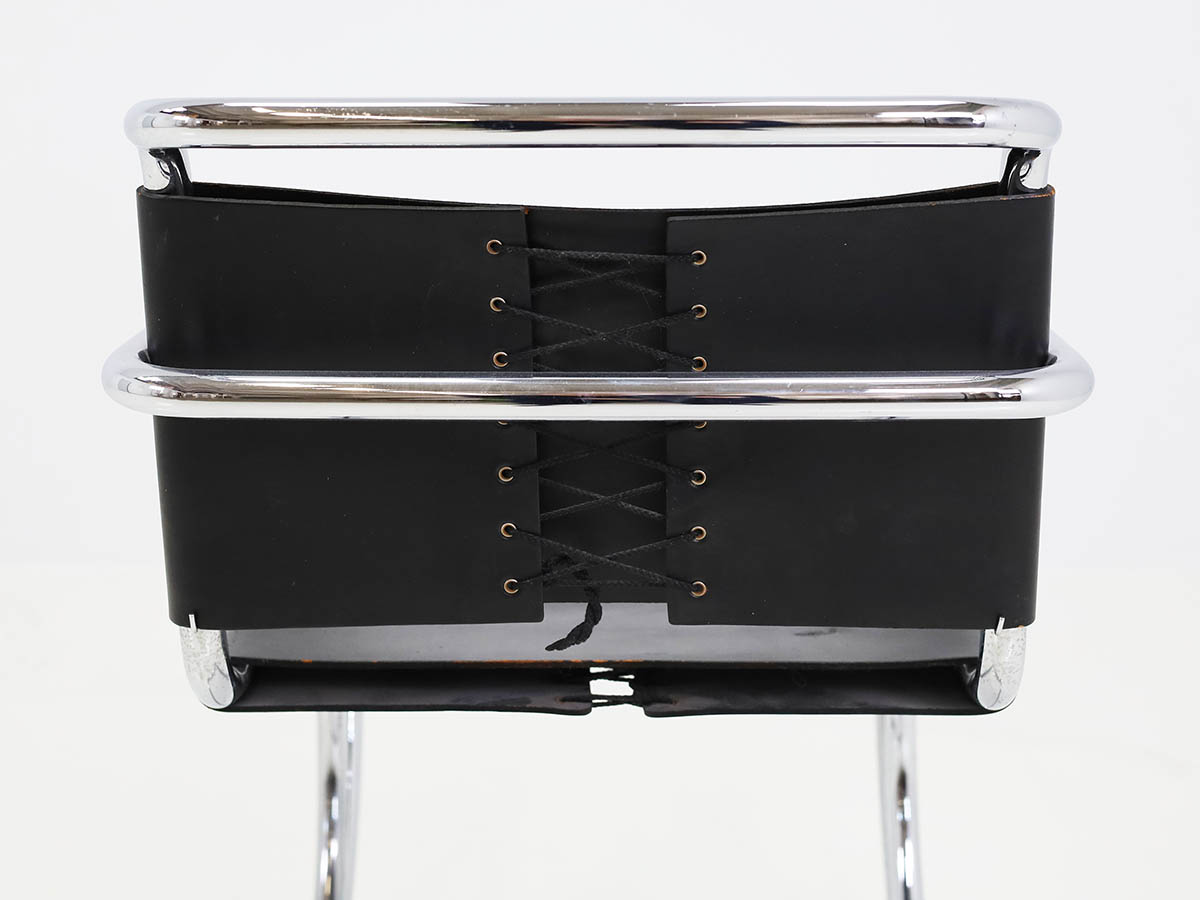
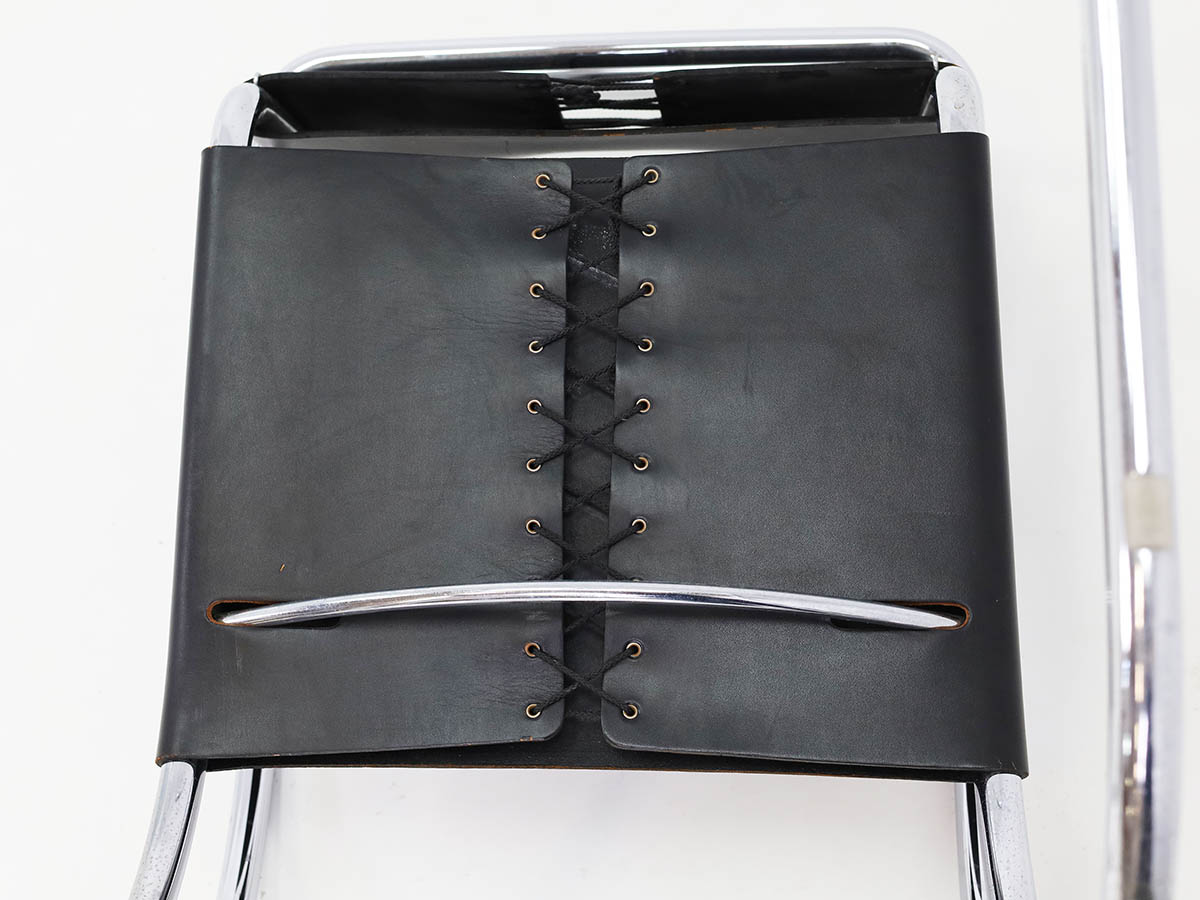
The structure of the MR20 Chair is made of curved tubular steel, a material that represented a true industrial revolution in furniture design during the 1920s. Thanks to the continuous line of the metal frame, the chair appears almost suspended in space, creating a sense of lightness and movement. Its cantilever design removes the traditional rear legs, generating a futuristic visual effect that transformed the history of modern furniture design.
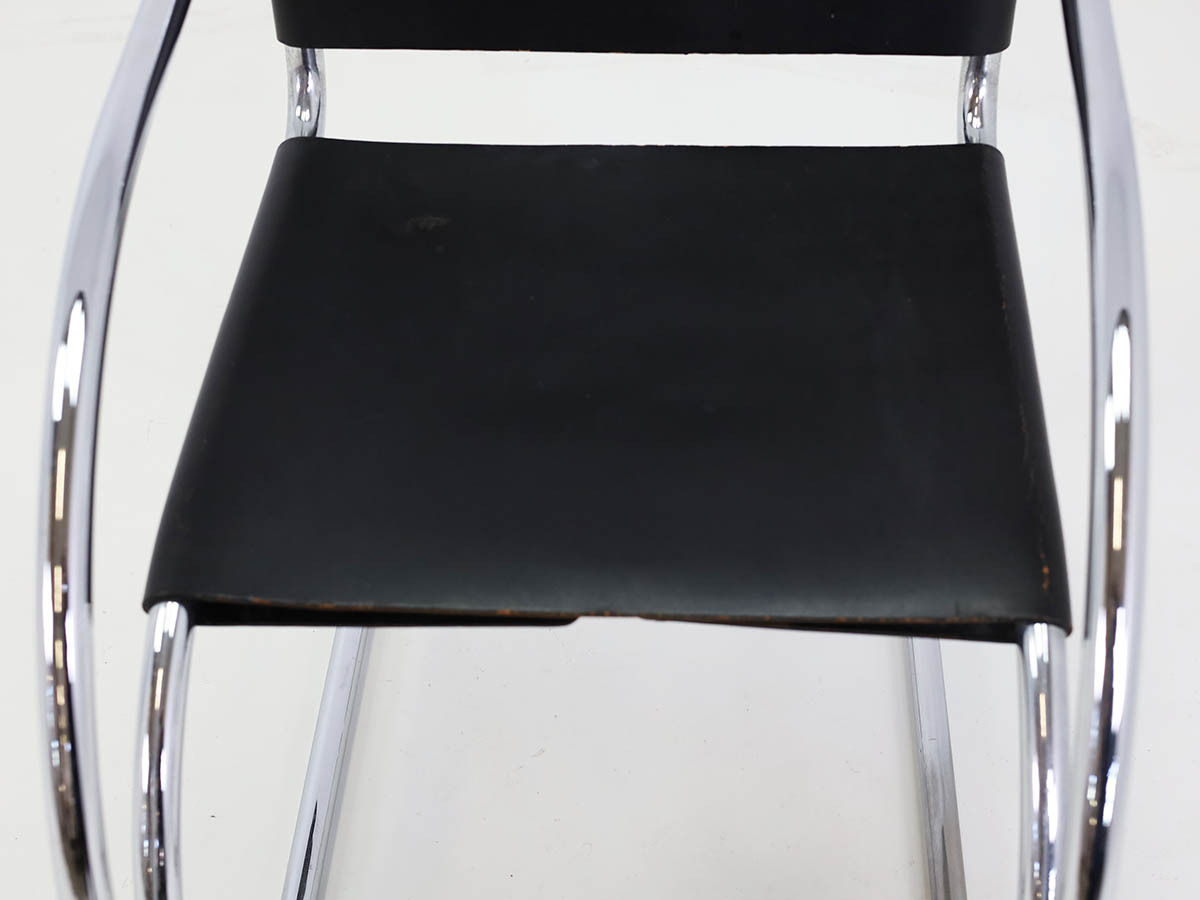
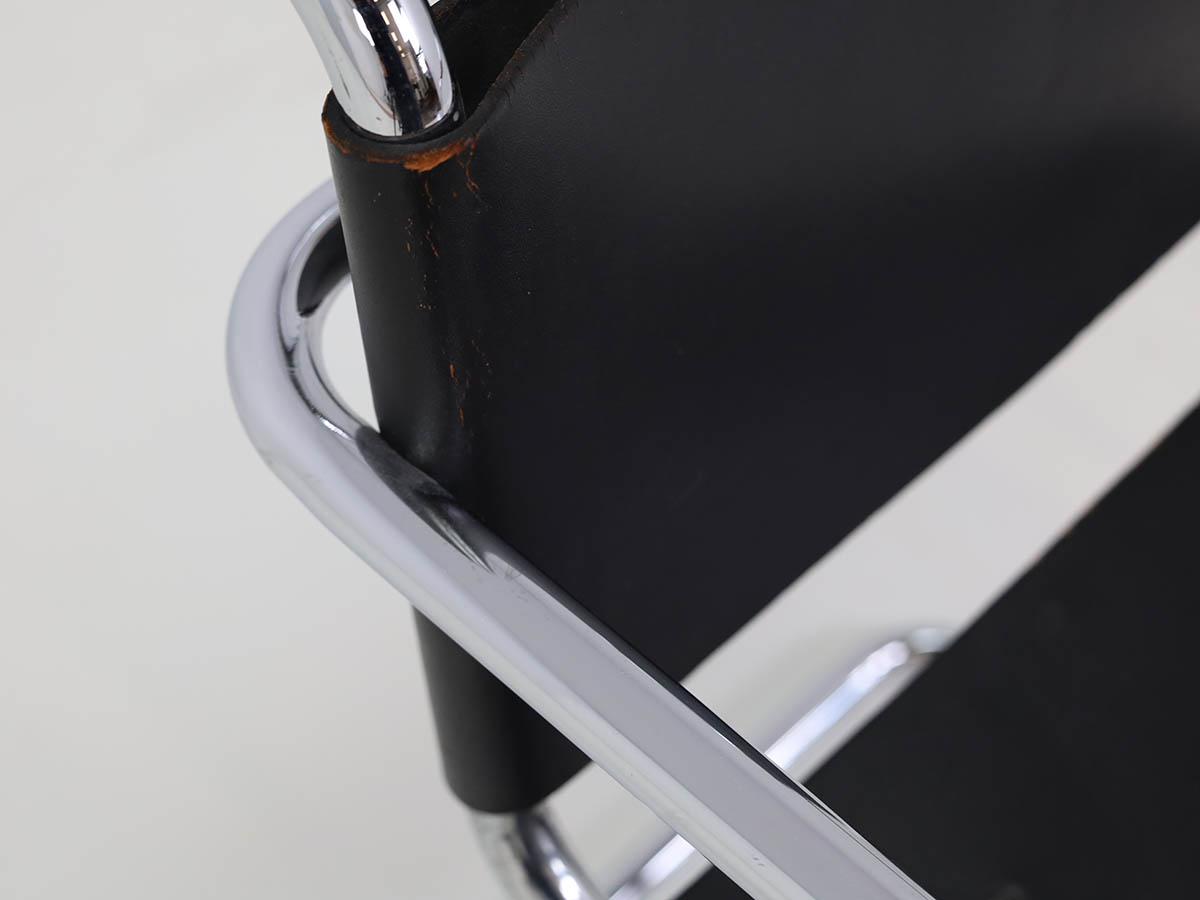
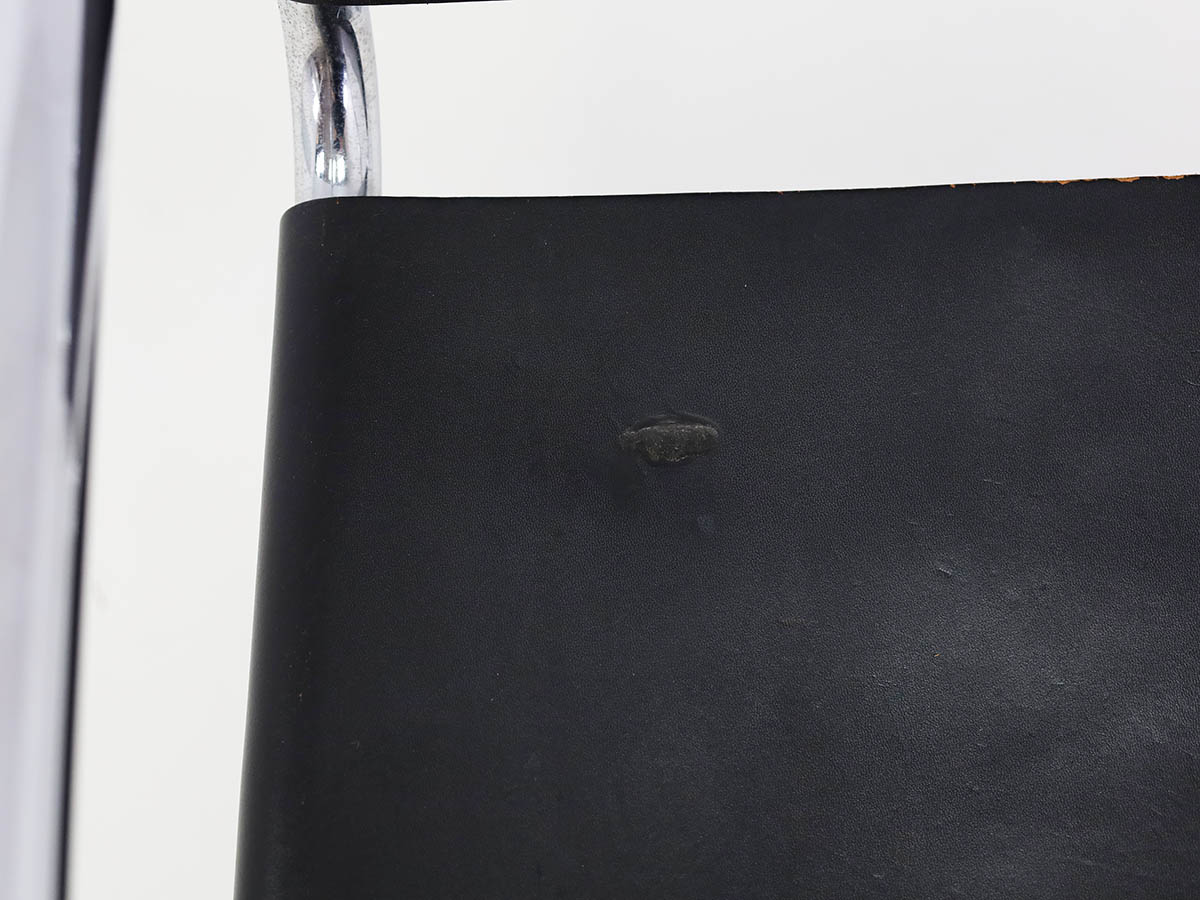
The seat and backrest, usually crafted in leather or saddle leather, create a perfect balance between geometric rigor and ergonomic comfort. The MR20 Chair is not simply a chair, but a true design statement capable of uniting art, architecture, and functionality in one pure and essential form.
Today, the MR20 remains an icon of minimalist furniture, Bauhaus design, and European modernism. Its presence in contemporary interiors, art galleries, luxury homes, and collectible design spaces demonstrates the enduring relevance of Mies van der Rohe’s vision. Every detail of the chair reflects his timeless approach to design: creating objects that transcend trends while preserving aesthetic power,