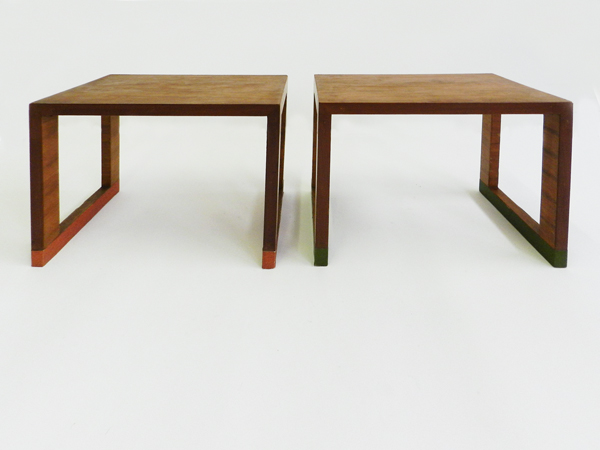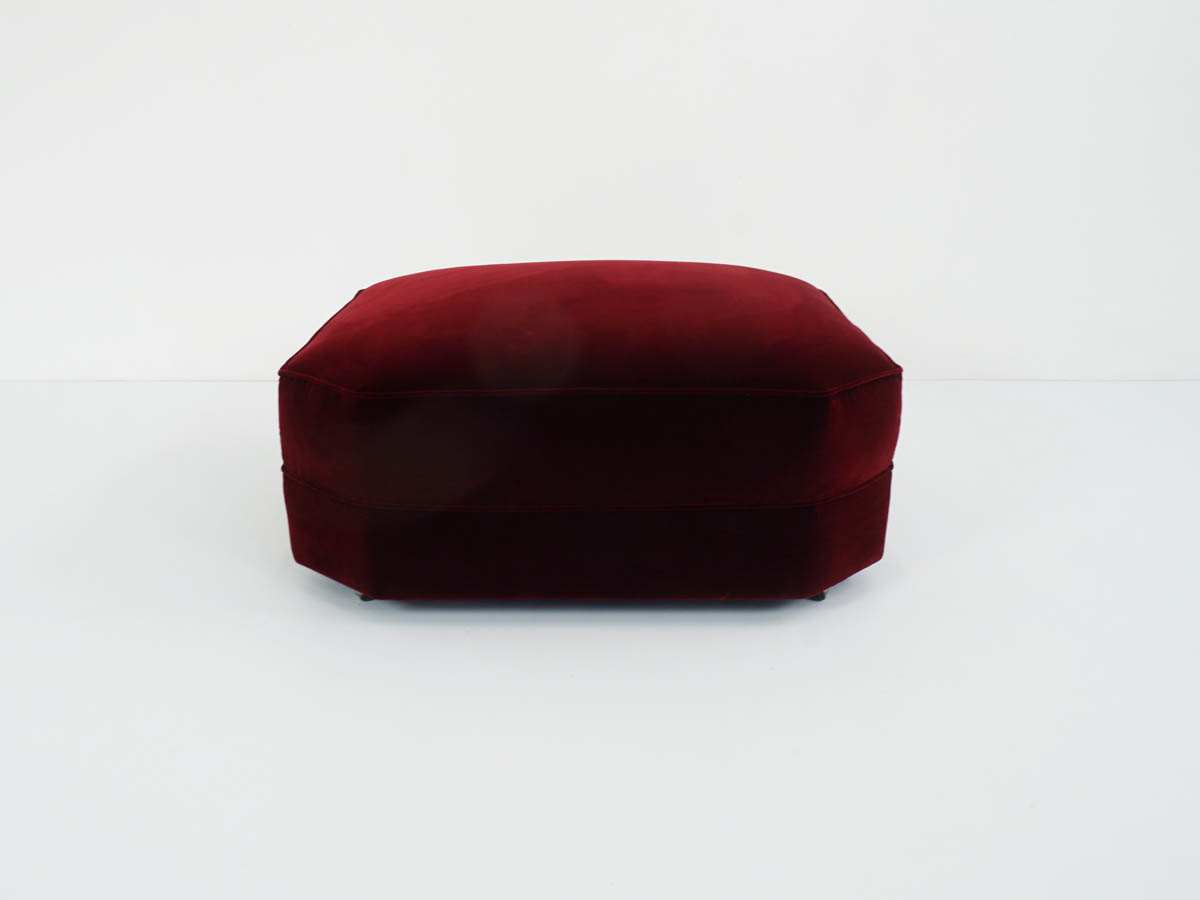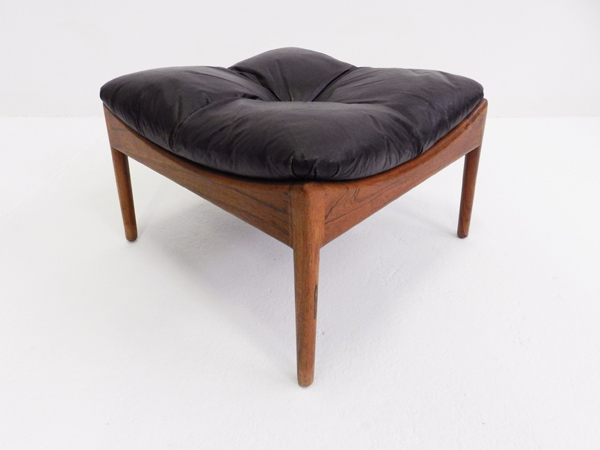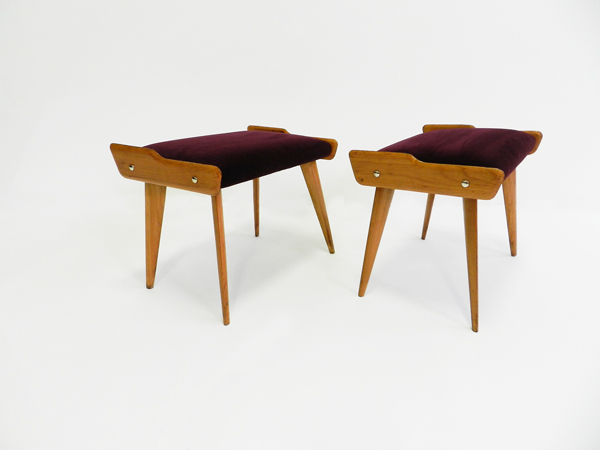

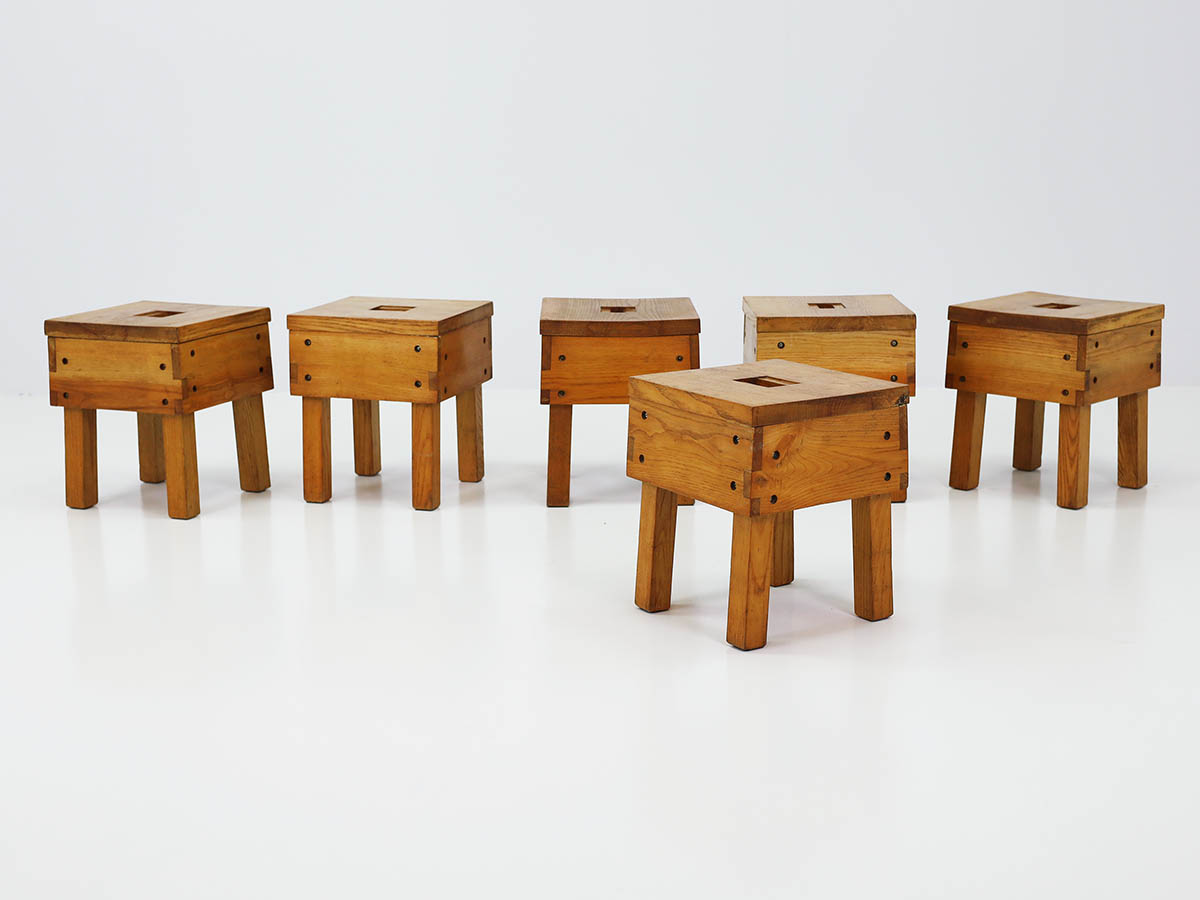
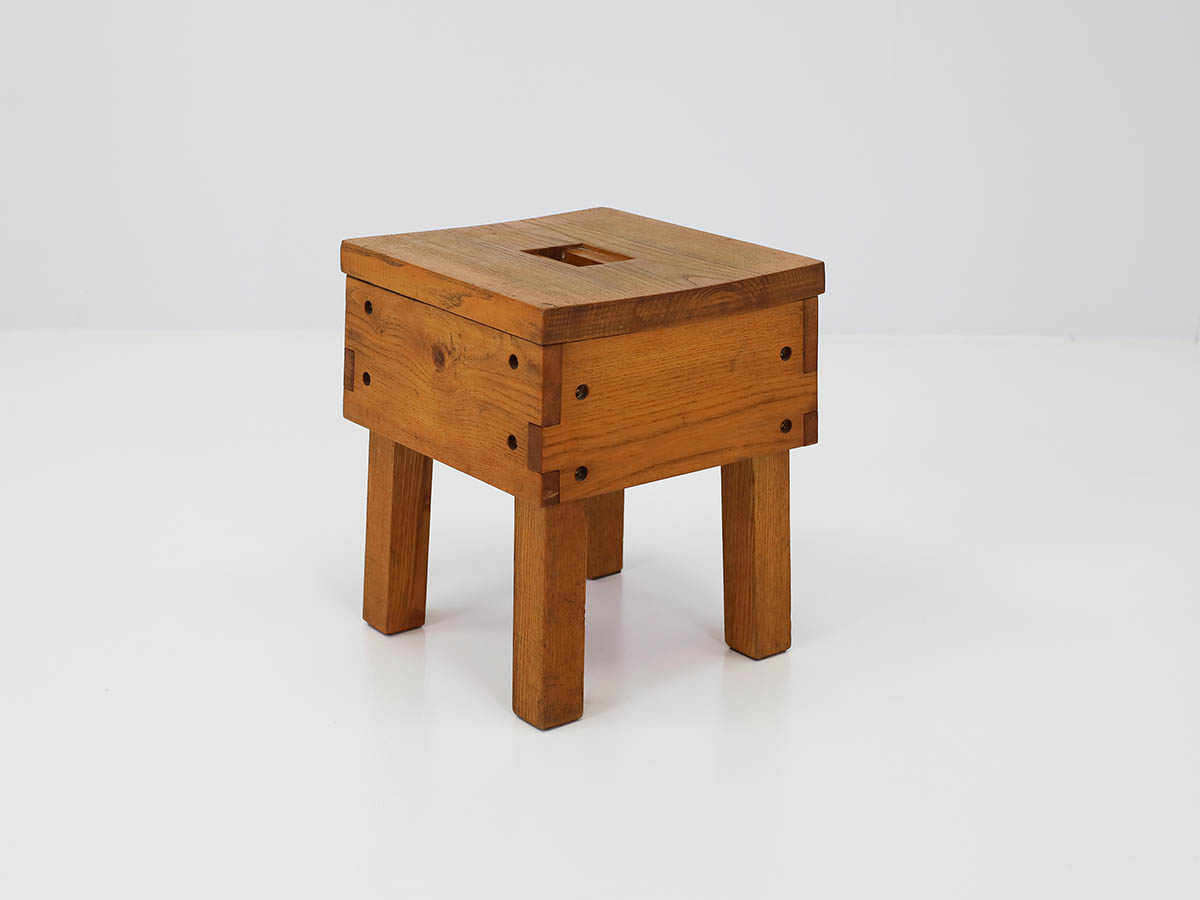
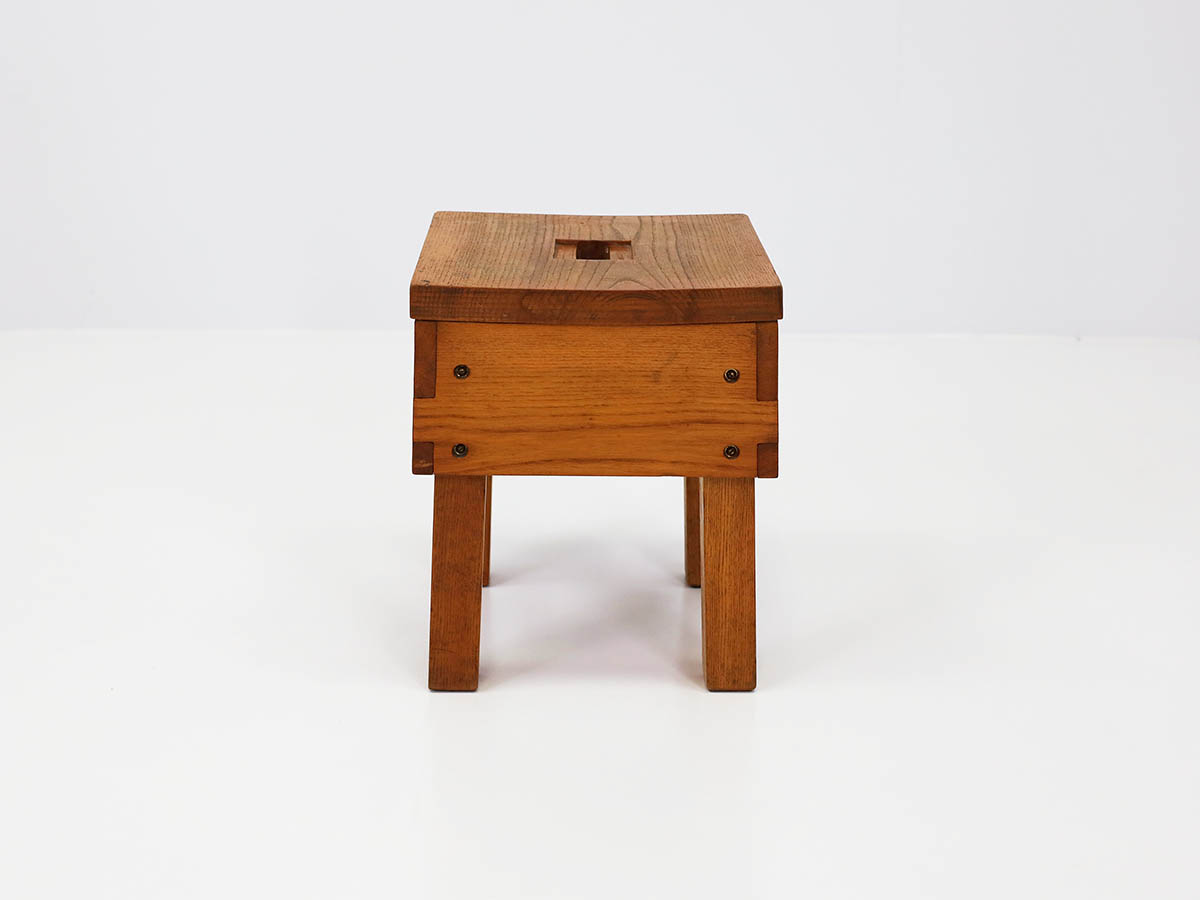
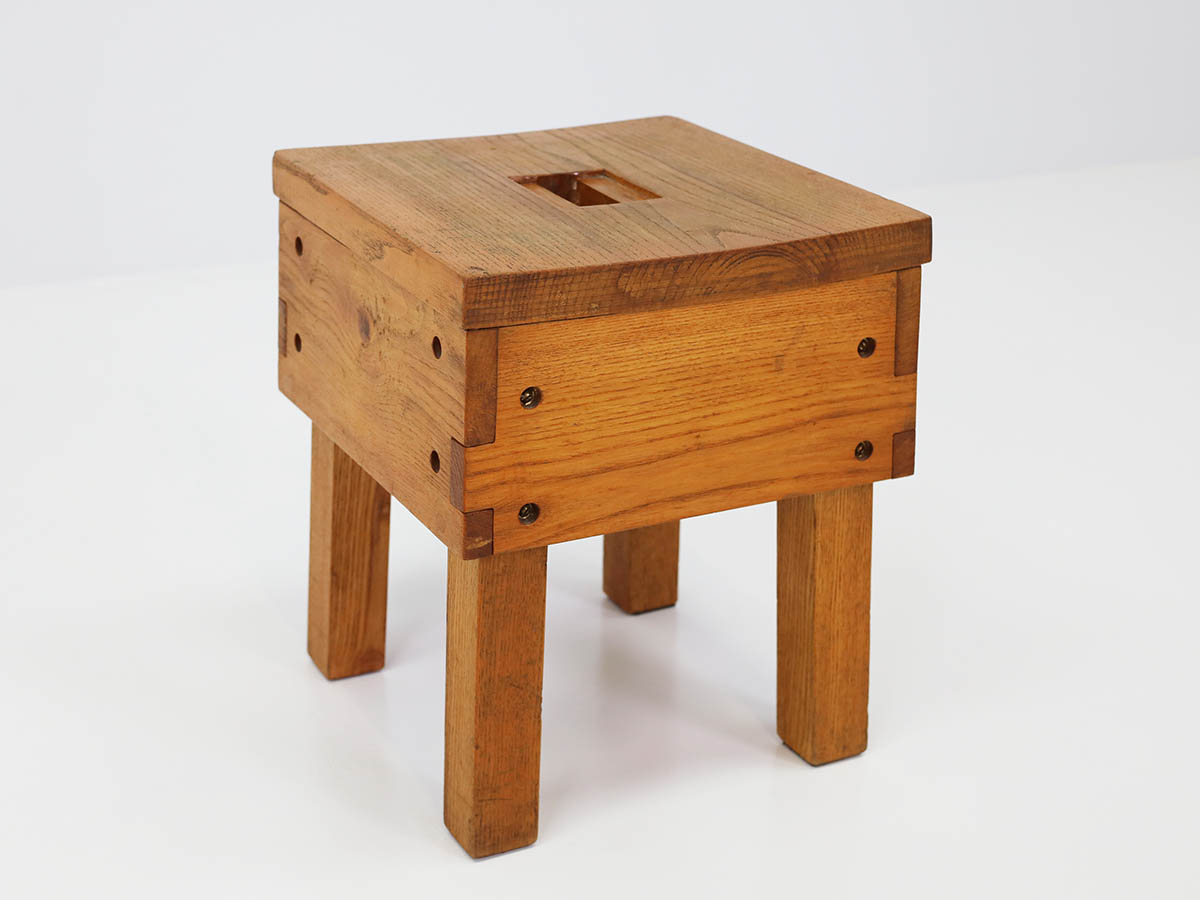
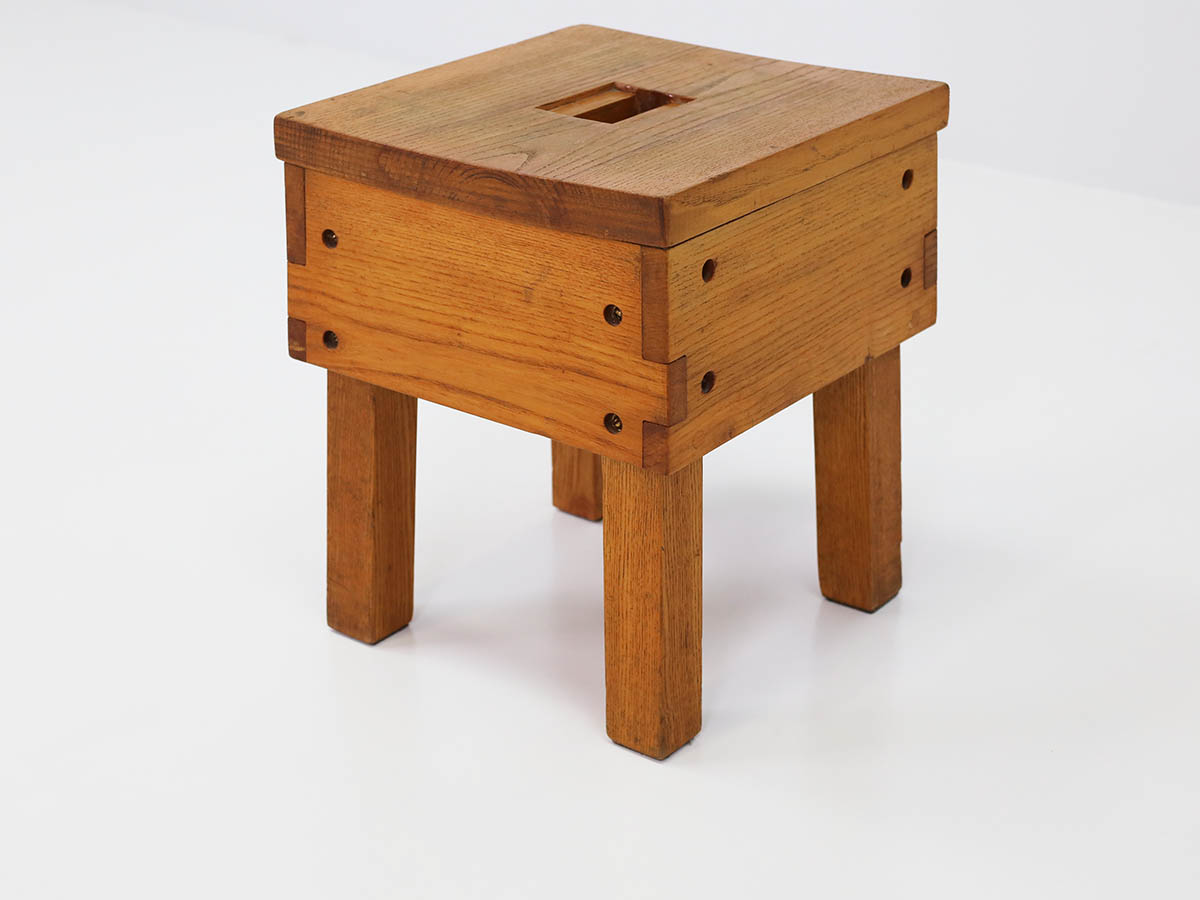
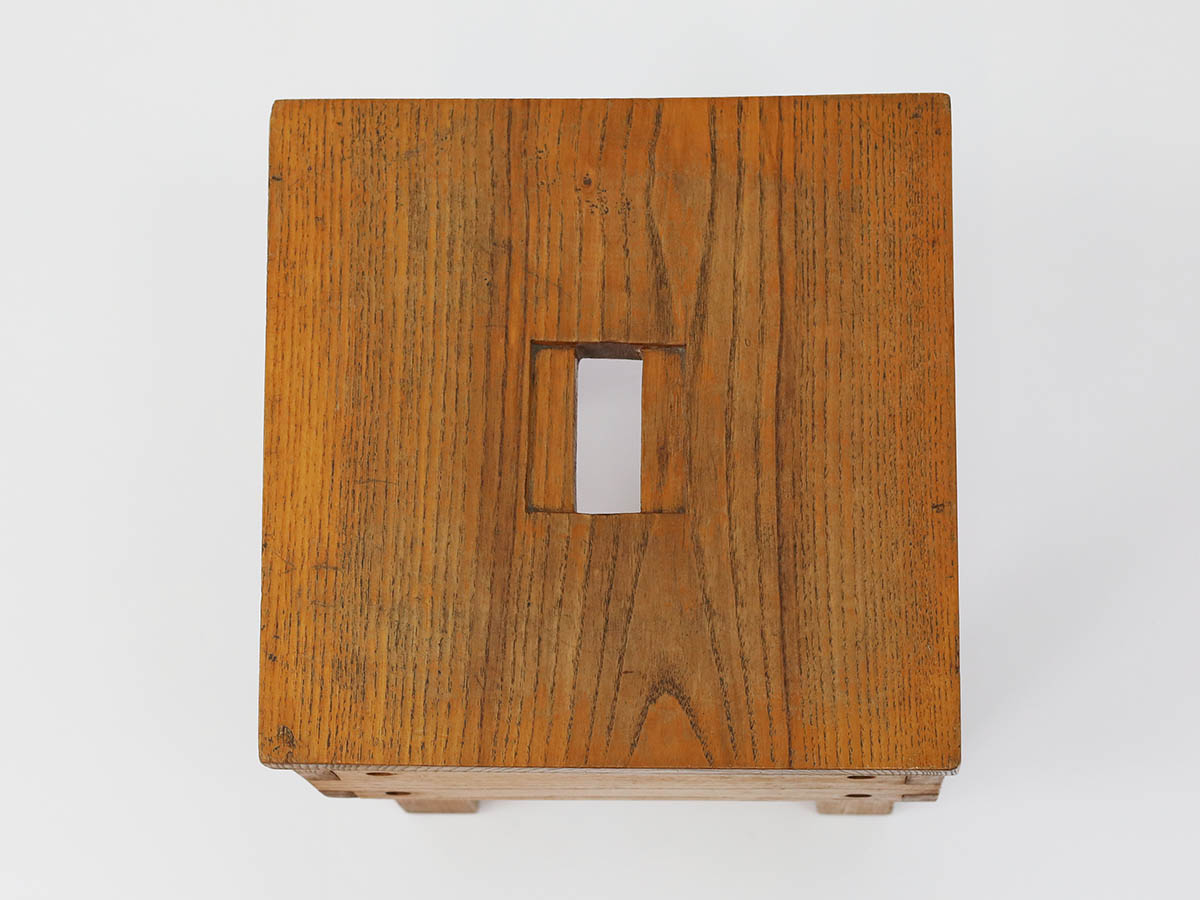
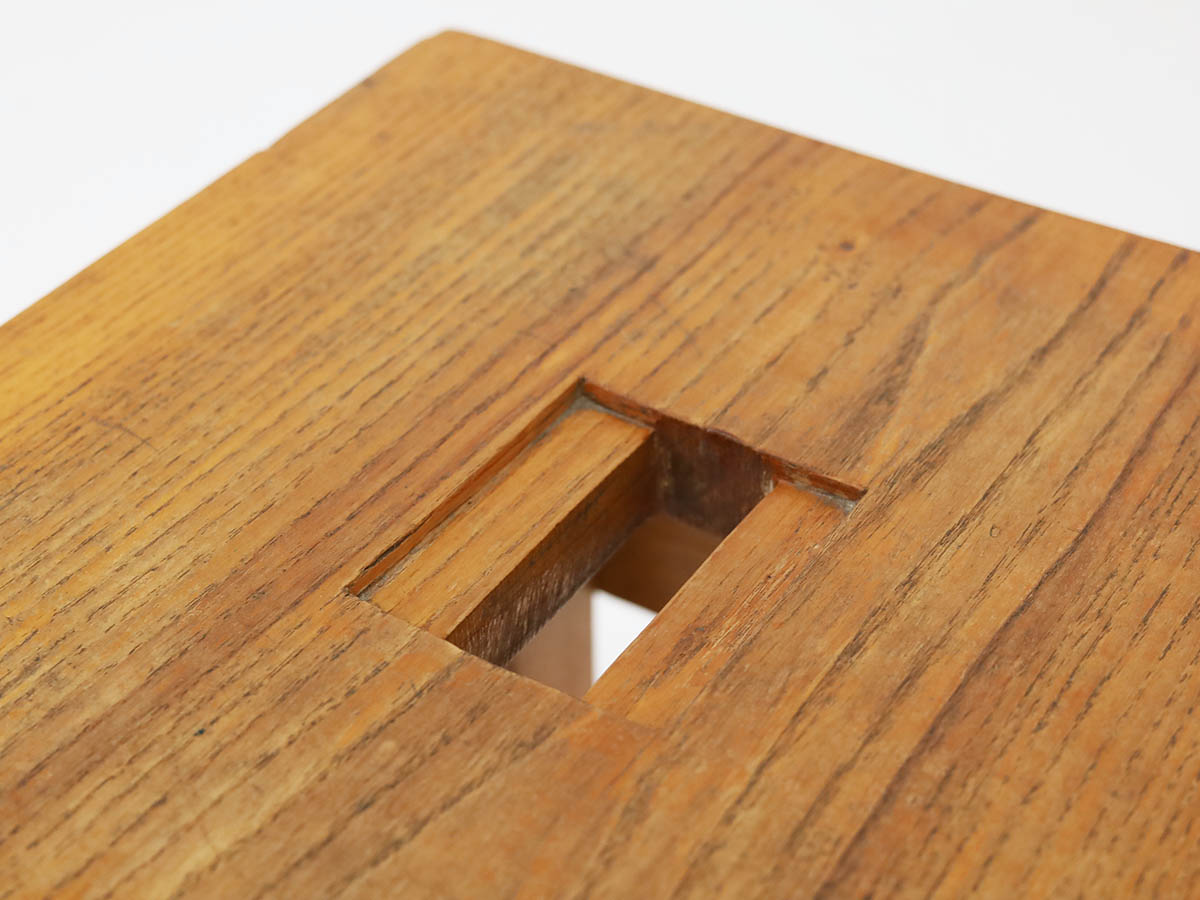
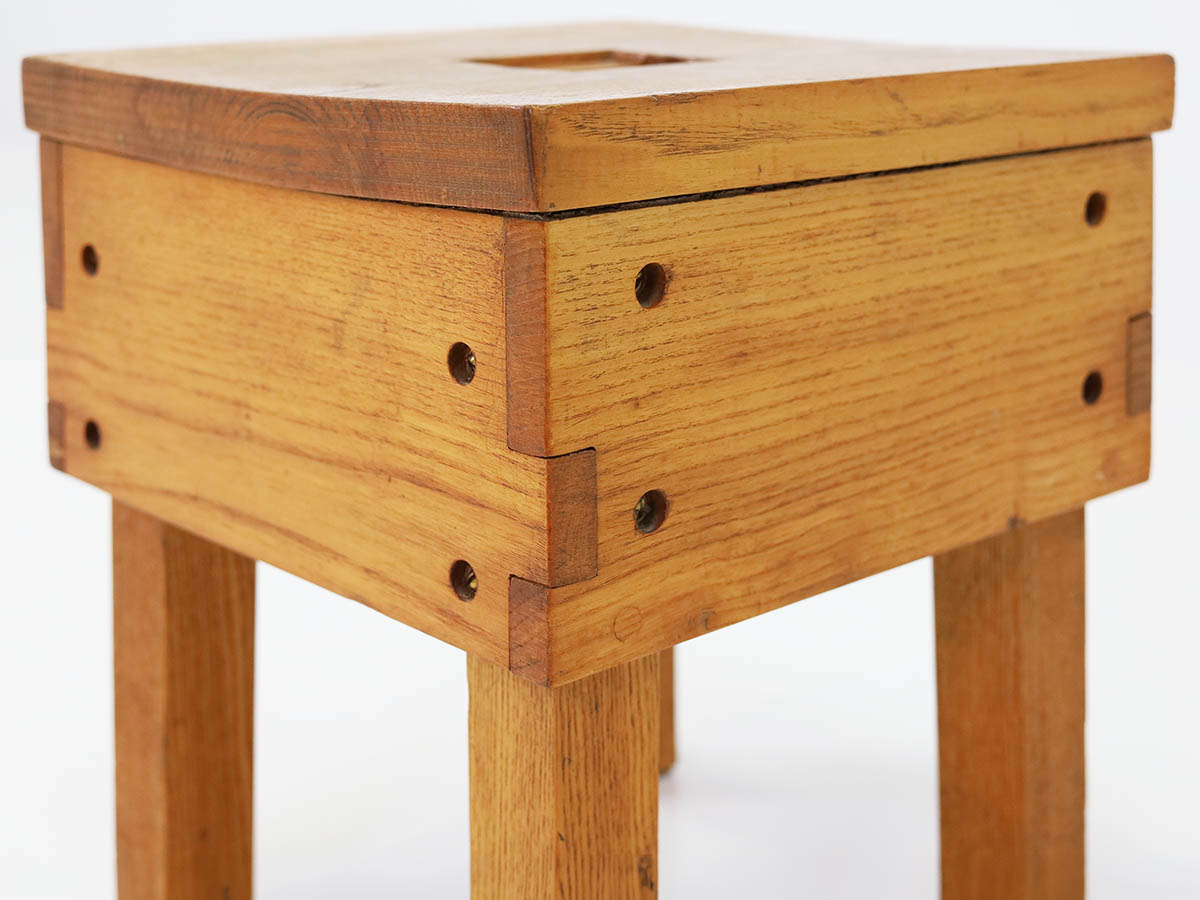
Description
Le Corbusier: Influence on Design and Modernism
Le Corbusier (1887–1965) is one of the key figures who defined the language of 20th-century architecture and modern design. His importance lies not only in his architectural works, but above all in the theoretical and design impact he had on the way space, living, and furniture objects are conceived.
His design philosophy, based on rationality, proportion, functionality, and standardization, radically transformed modern design thinking. The idea of the house as a “machine for living” deeply influenced architects and designers, establishing a new visual language defined by formal simplicity, readable structures, and the reduction of ornament.
Le Corbusier’s influence is reflected in a vast production of objects and furniture solutions developed later by international designers and companies, which reinterpreted his principles through contemporary materials and new manufacturing techniques. His language paved the way for a generation of designers who adopted pure geometries, exposed structures, and strong formal essentiality.
His influence is particularly evident in Brutalist and post-war design, where architectural language translates into massive, monolithic, and functional objects. Elements such as exposed concrete, raw wood, primary forms, and structural expression became aesthetic principles widely spread across Europe and beyond. Many contemporary stools, seating pieces, and furniture designs still reference this imagery today, reinterpreting his idea of pure functionality and sculptural presence.