

Charles & Ray Eames – Herman Miller, Mid-Century Modern Design and the Iconic DSX Chair


Charles and Ray Eames are among the most influential figures in 20th-century design. Through their continuous exploration of innovative materials, functionality and the possibilities of industrial production, they helped redefine the concept of modern furniture, creating objects that combine aesthetics, comfort and accessibility.

Charles Eames (1907–1978), architect and designer, and Ray Eames (1912–1988), artist and designer with a background in the visual arts, formed one of the most important creative partnerships in the history of modern design. Their professional and personal collaboration gave rise to a distinctive design language, characterised by organic forms, innovative technical solutions and particular attention to the relationship between people and everyday objects.

Their design philosophy was based on an essential principle: good design should be beautiful, functional, comfortable and accessible. Through experimentation with moulded plywood, fibreglass, metal and plastics, the Eameses developed a new generation of furniture that profoundly transformed domestic interiors and public spaces.

Charles and Ray Eames and Herman Miller – A Historic Design Partnership


The collaboration between Charles and Ray Eames and Herman Miller began in the 1940s and represents one of the most important chapters in the history of post-war American design.

Founded in 1923 in Zeeland, Michigan, Herman Miller gradually became one of the most innovative companies in the modern furniture industry. Under the direction of D.J. De Pree and through collaborations with influential figures such as George Nelson, the company developed an industrial vision based on design quality, technological research and the recognition of designers' creative contributions.

In 1946, Herman Miller began presenting and marketing the Eameses' first moulded plywood creations, establishing a partnership that would last for decades.

One of the decisive moments came with their exploration of new materials for creating lightweight, durable chairs suitable for mass production. The Eameses recognised the extraordinary potential of fibreglass-reinforced plastic: it made it possible to create a single, ergonomic shell, shaped to follow the contours of the human body.

In 1950, Herman Miller introduced the first Eames Fiberglass Chairs to the market, inaugurating a new concept of modern seating. The shell could be combined with different base configurations, giving rise to an exceptionally versatile family of chairs designed for a wide range of domestic and professional environments.

The collaboration with Herman Miller enabled the Eameses to transform their design ideas into highly successful industrial products, making a decisive contribution to the international spread of Mid-Century Modern design.

Eames DSX Chair – Dining Height Side Chair, 1954


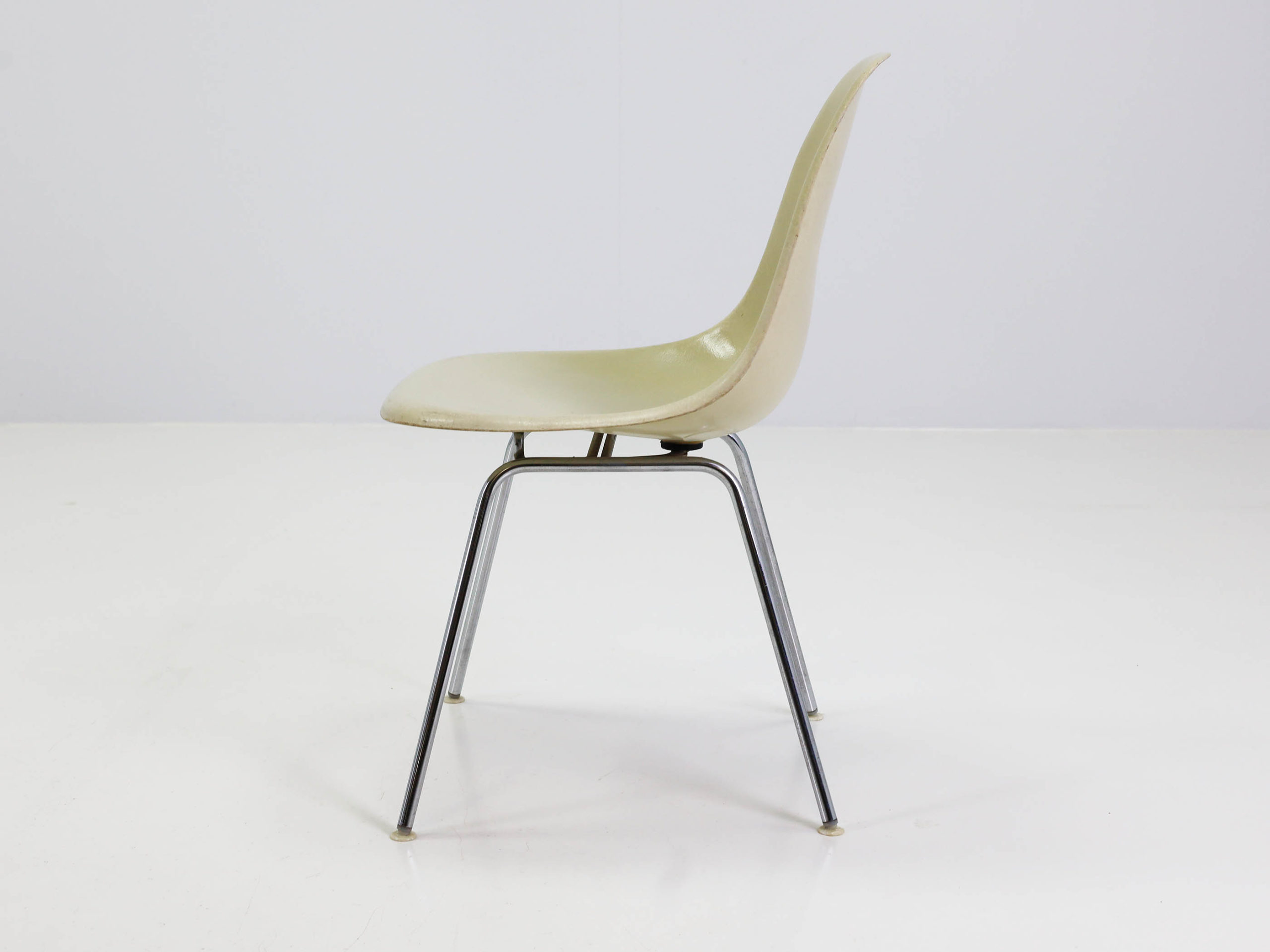
Among the most representative seating designs created by Charles and Ray Eames is the DSX (Dining Height Side Chair on X Base), part of the celebrated Eames Fiberglass Chairs family.

Conceived within the design research initiated in the late 1940s and further developed during the early 1950s, the DSX perfectly expresses the Eameses' philosophy: achieving the greatest aesthetic and functional result through constructional simplicity and intelligent design.

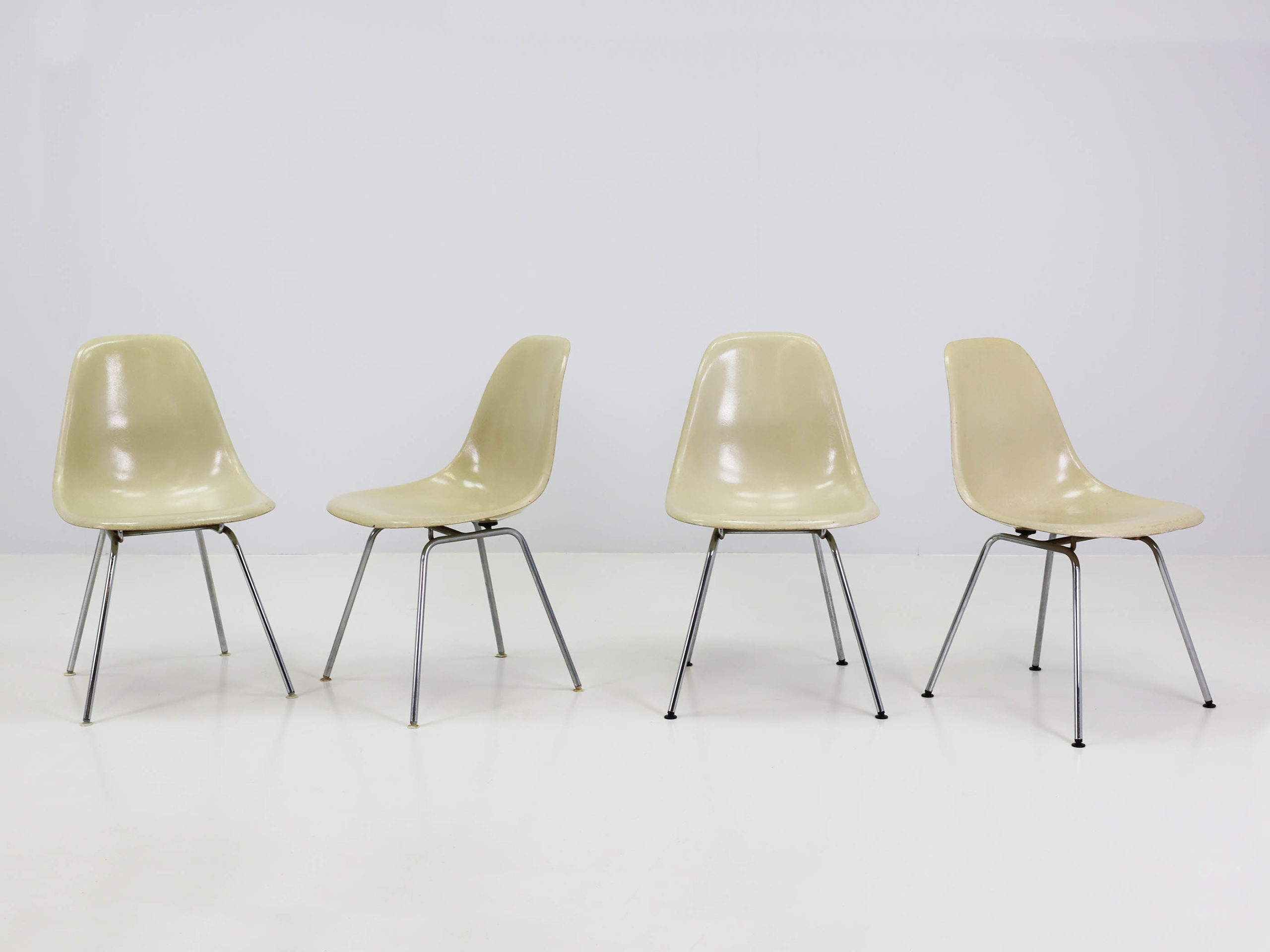
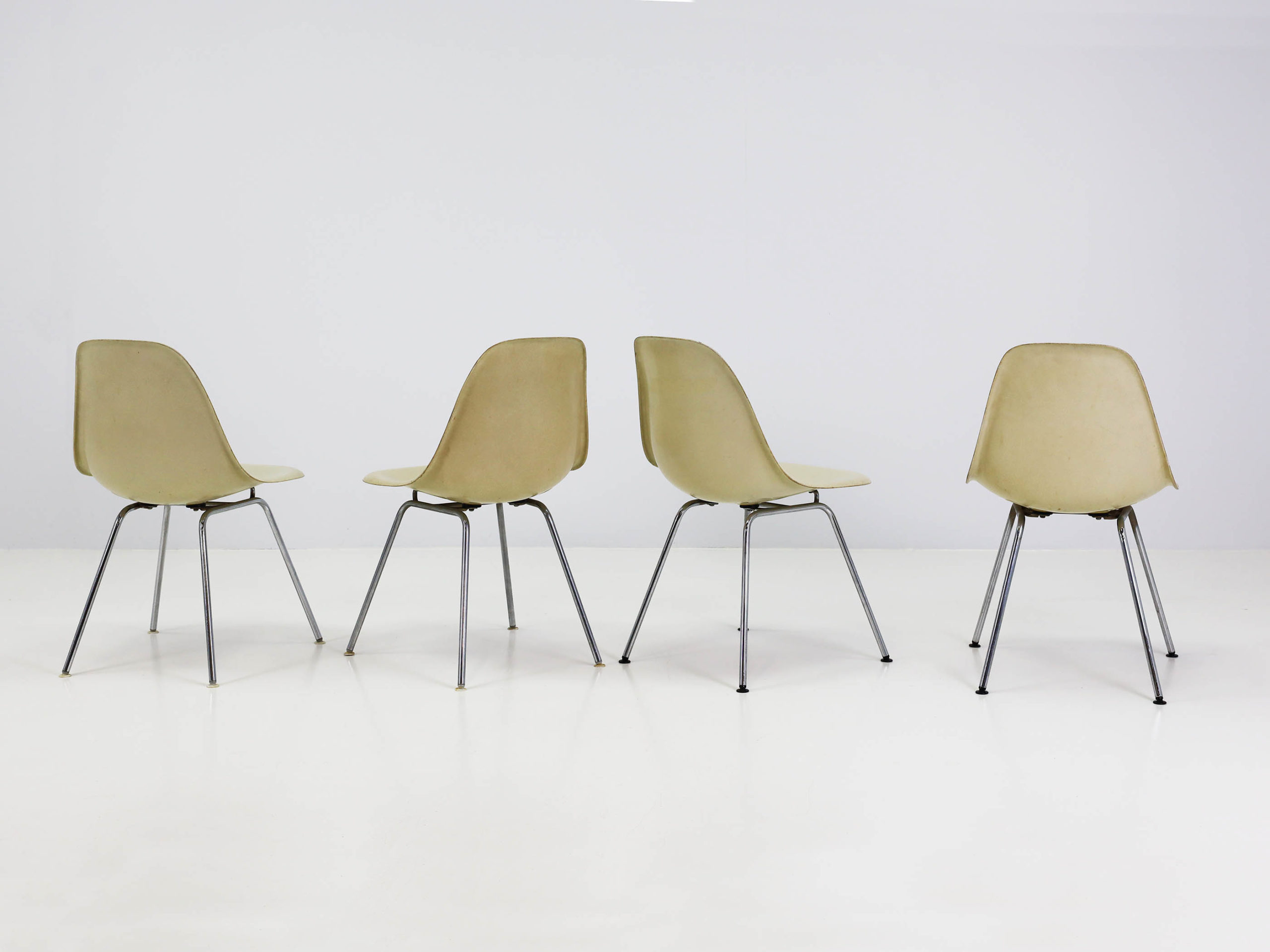
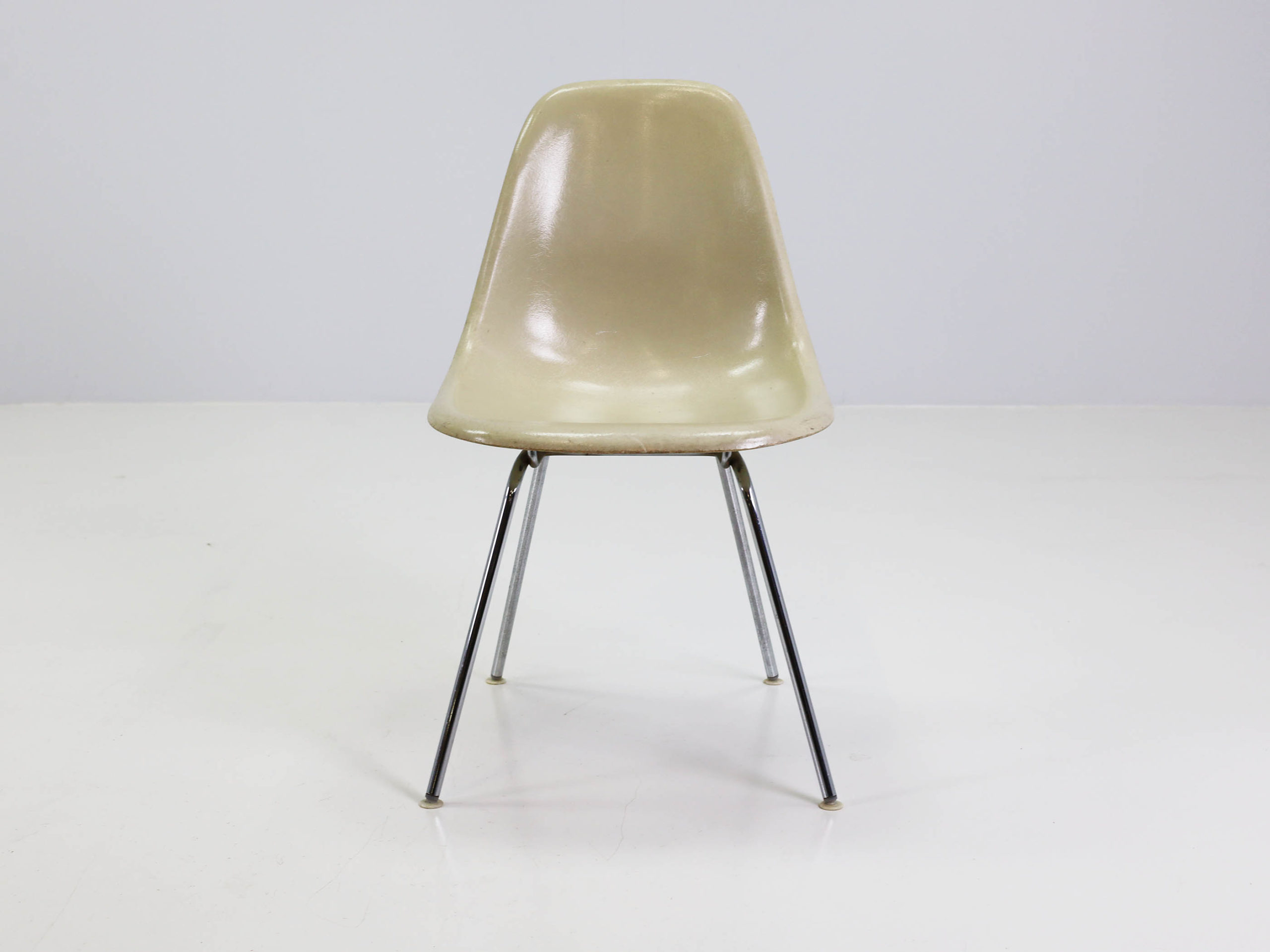
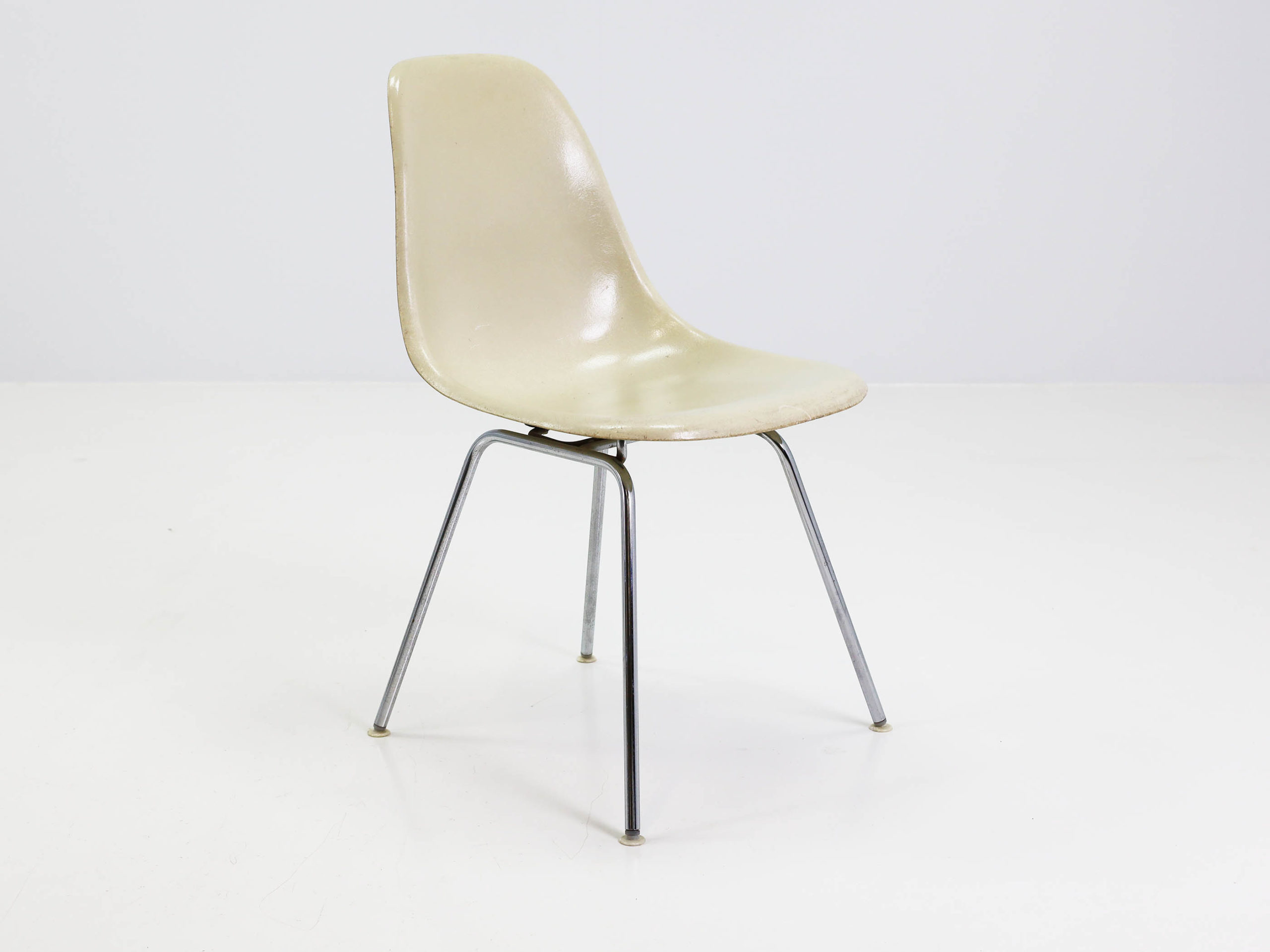
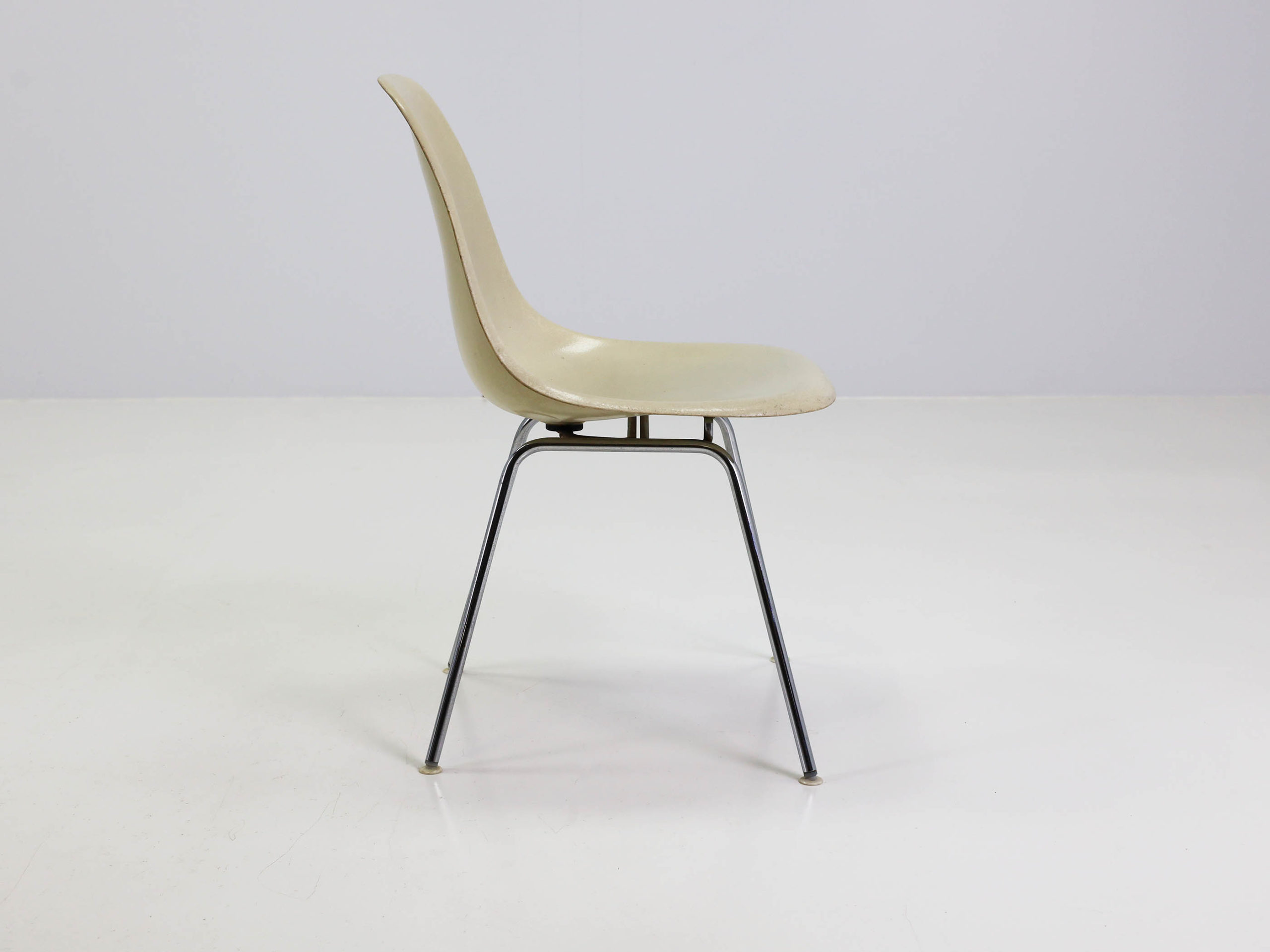
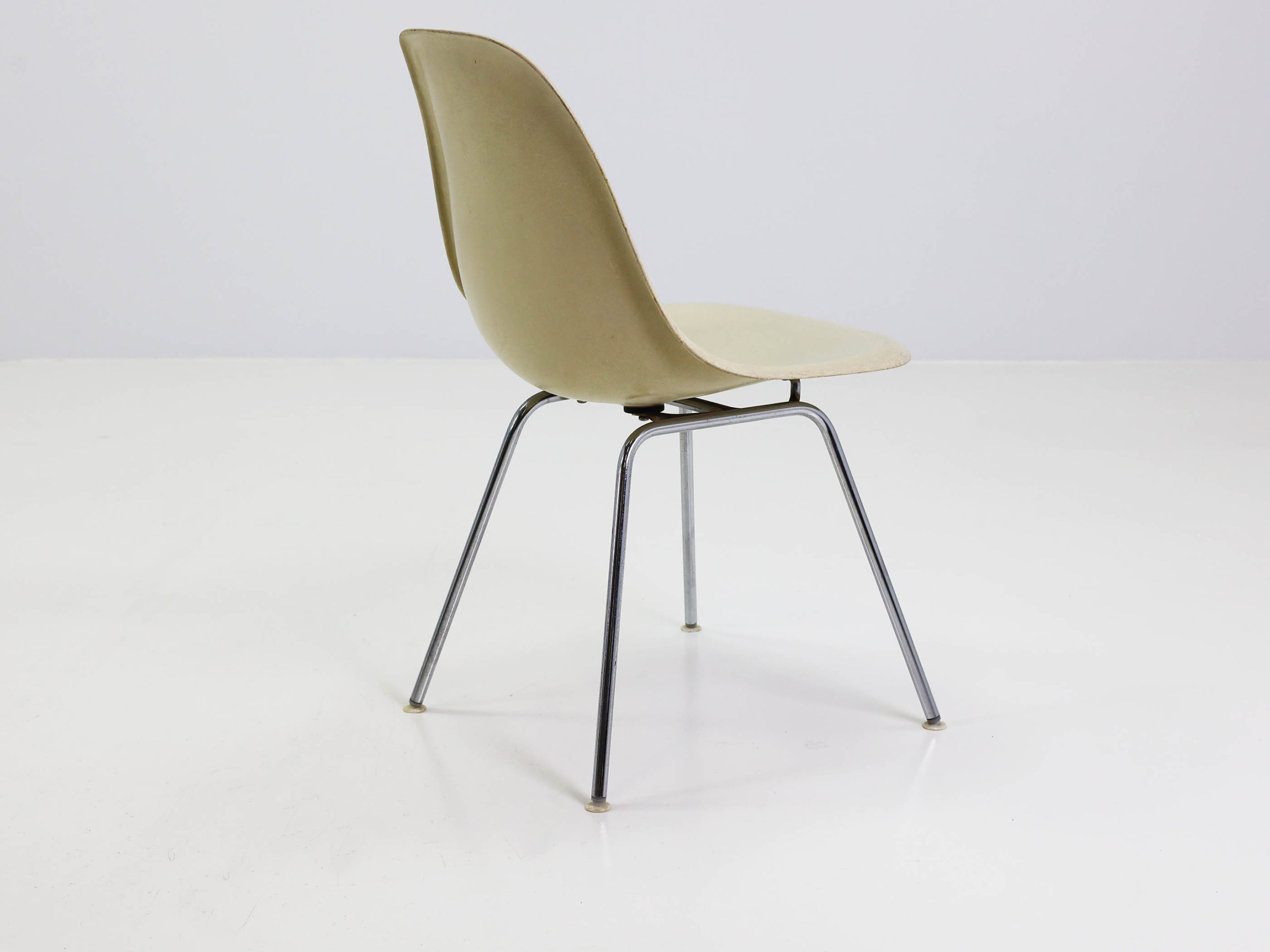
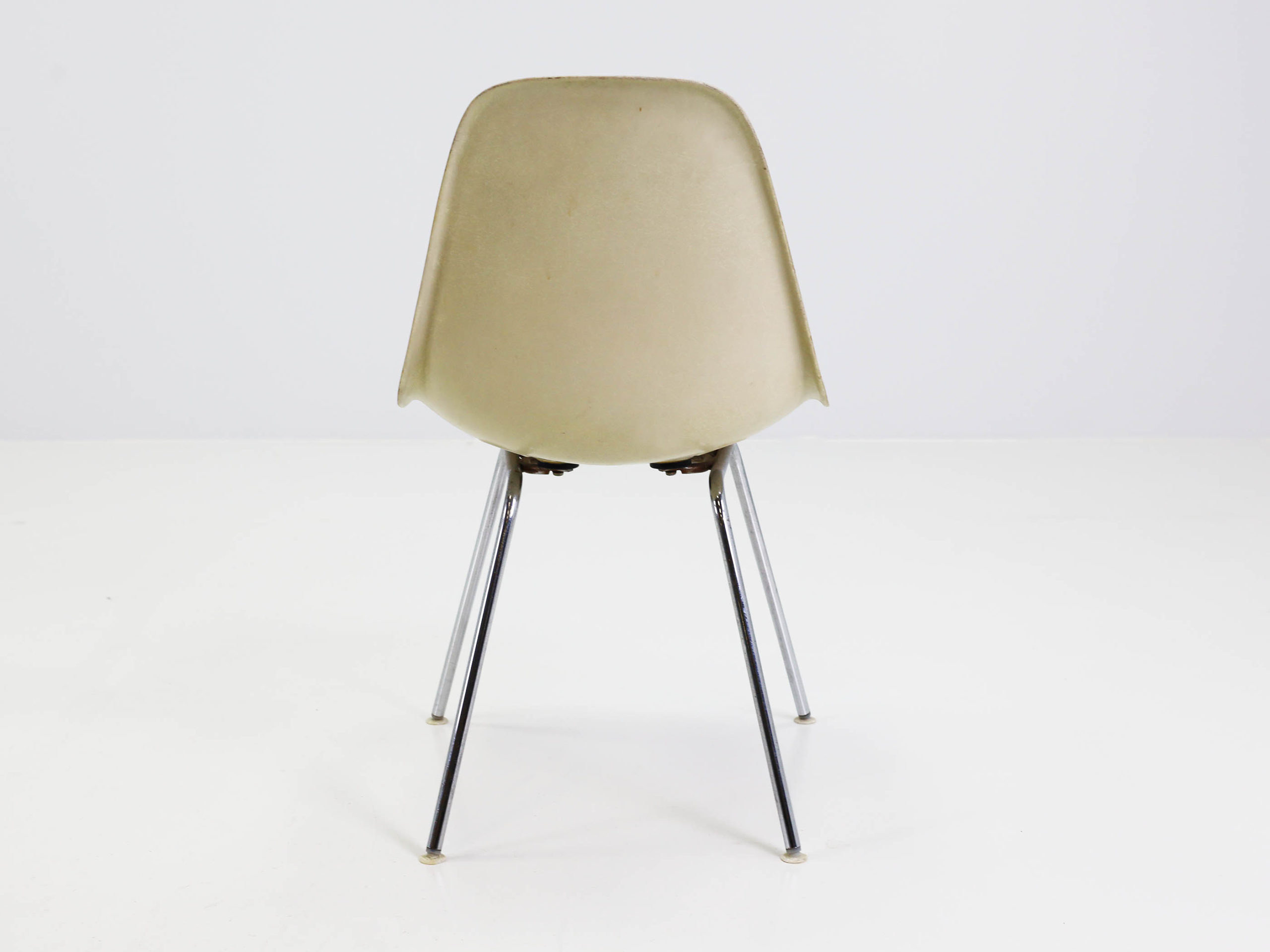
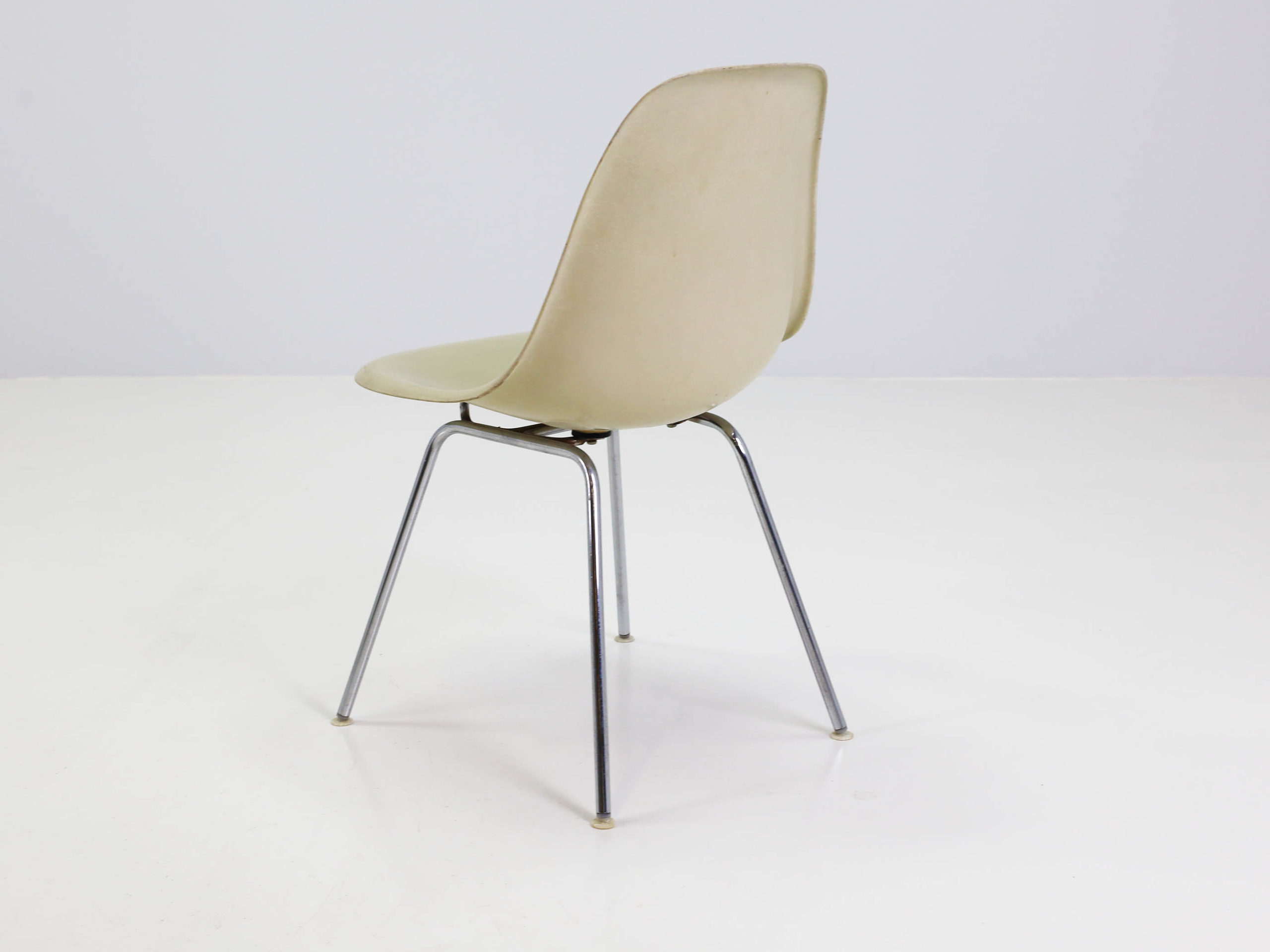
Its defining feature is the ergonomic shell, originally made from fibreglass-reinforced plastic, moulded into a single enveloping form integrating the seat and backrest. Its curves were carefully designed to follow the contours of the body and provide comfortable support, while the slender structure and essential silhouette give the chair a light and contemporary appearance.

The DSX designation identifies the armless dining-height version, fitted with a four-legged base. The name refers to its original structural configuration, subsequently developed with different metal-frame solutions.

The tubular steel base, characterised by clean lines and precise geometry, creates an interesting contrast with the organic shape of the shell. The combination of softly sculpted surfaces and the precision of the metal structure represents one of the most successful aspects of the Eameses' design language.

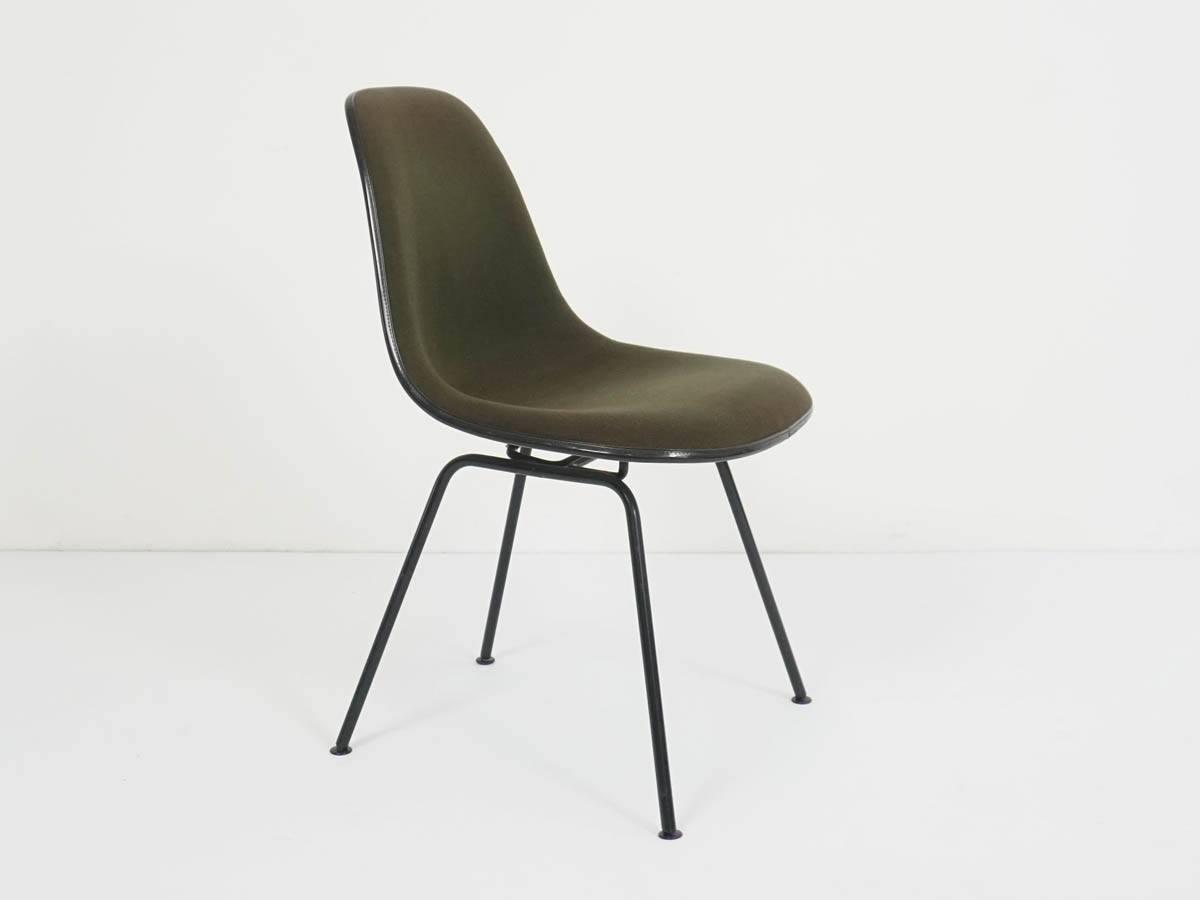
The DSX also demonstrates their ability to develop a modular seating system in which the same shell could be combined with different bases, adapting to a variety of requirements and uses.

Originally conceived for dining areas, this chair is equally suited to workspaces, professional studios and contemporary interiors, while retaining its distinctive aesthetic identity.

The Design Philosophy – Innovation, Ergonomics and Material Research


Charles and Ray Eames's research extended beyond the formal appearance of objects, focusing primarily on how materials and manufacturing techniques could improve everyday life.

Their fibreglass chairs represented a turning point in the history of industrial furniture production. A material previously used mainly in technical and industrial applications was transformed into ergonomic, durable seating suitable for mass production.

Particular attention was also given to colour. The Eameses developed a carefully considered colour palette designed to enhance the surfaces and shapes of the shells, introducing a new sensitivity towards material expression into modern design.

The combination of technical innovation, ergonomic research and creative freedom made these chairs instantly recognisable and profoundly influential.

The Legacy of Charles and Ray Eames


The legacy of Charles and Ray Eames continues to occupy a central place in the history of international design. Their collaboration with Herman Miller gave rise to some of the most recognisable chairs and furniture pieces of the 20th century, now considered true icons of Mid-Century Modern design.

Their work demonstrated how industrial production could achieve exceptional levels of aesthetic and design quality without compromising functionality or material innovation.

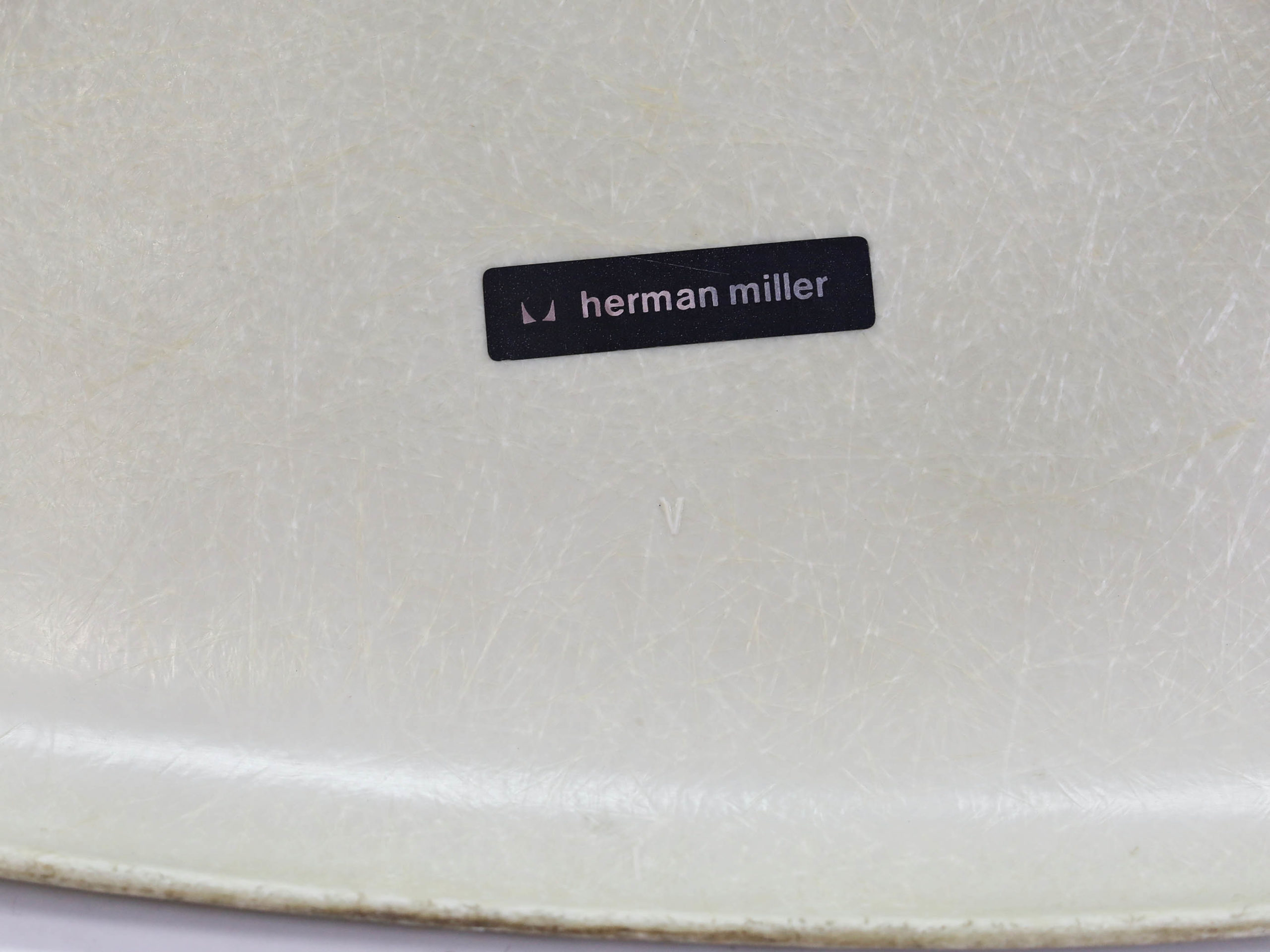
Today, early vintage examples of Eames Fiberglass Chairs are particularly appreciated by collectors and enthusiasts of modern design for their construction details, original colourways and historical significance in the evolution of American design.

The DSX remains an emblematic expression of this philosophy: an apparently simple chair in which every element responds to a precise design requirement. A timeless balance of form, function, innovation and beauty that continues to make the work of Charles and Ray Eames remarkably relevant and contemporary.
Item nr. 26144

Herman Miller Edition Fiber Chairs in Ivory White model DSX, set of 4

Designer

ProductionHerman Miller
USA 1954

MaterialFiberglass | tubular metal | plastic

Dimension46 x 53 x Seating HT 44 x Total HT 79.5 cm

Price in Swiss Francs / Euro€ 2'400.00

herman-miller-edition-fiber-chairs-in-ivory-white-model-dsx-set-of-4


Charles & Ray Eames – Herman Miller, Mid-Century Modern Design and the Iconic DSX Chair


Charles and Ray Eames are among the most influential figures in 20th-century design. Through their continuous exploration of innovative materials, functionality and the possibilities of industrial production, they helped redefine the concept of modern furniture, creating objects that combine aesthetics, comfort and accessibility.

Charles Eames (1907–1978), architect and designer, and Ray Eames (1912–1988), artist and designer with a background in the visual arts, formed one of the most important creative partnerships in the history of modern design. Their professional and personal collaboration gave rise to a distinctive design language, characterised by organic forms, innovative technical solutions and particular attention to the relationship between people and everyday objects.

Their design philosophy was based on an essential principle: good design should be beautiful, functional, comfortable and accessible. Through experimentation with moulded plywood, fibreglass, metal and plastics, the Eameses developed a new generation of furniture that profoundly transformed domestic interiors and public spaces.

Charles and Ray Eames and Herman Miller – A Historic Design Partnership


The collaboration between Charles and Ray Eames and Herman Miller began in the 1940s and represents one of the most important chapters in the history of post-war American design.

Founded in 1923 in Zeeland, Michigan, Herman Miller gradually became one of the most innovative companies in the modern furniture industry. Under the direction of D.J. De Pree and through collaborations with influential figures such as George Nelson, the company developed an industrial vision based on design quality, technological research and the recognition of designers' creative contributions.

In 1946, Herman Miller began presenting and marketing the Eameses' first moulded plywood creations, establishing a partnership that would last for decades.

One of the decisive moments came with their exploration of new materials for creating lightweight, durable chairs suitable for mass production. The Eameses recognised the extraordinary potential of fibreglass-reinforced plastic: it made it possible to create a single, ergonomic shell, shaped to follow the contours of the human body.

In 1950, Herman Miller introduced the first Eames Fiberglass Chairs to the market, inaugurating a new concept of modern seating. The shell could be combined with different base configurations, giving rise to an exceptionally versatile family of chairs designed for a wide range of domestic and professional environments.

The collaboration with Herman Miller enabled the Eameses to transform their design ideas into highly successful industrial products, making a decisive contribution to the international spread of Mid-Century Modern design.

Eames DSX Chair – Dining Height Side Chair, 1954


Among the most representative seating designs created by Charles and Ray Eames is the DSX (Dining Height Side Chair on X Base), part of the celebrated Eames Fiberglass Chairs family.

Conceived within the design research initiated in the late 1940s and further developed during the early 1950s, the DSX perfectly expresses the Eameses' philosophy: achieving the greatest aesthetic and functional result through constructional simplicity and intelligent design.

Its defining feature is the ergonomic shell, originally made from fibreglass-reinforced plastic, moulded into a single enveloping form integrating the seat and backrest. Its curves were carefully designed to follow the contours of the body and provide comfortable support, while the slender structure and essential silhouette give the chair a light and contemporary appearance.

The DSX designation identifies the armless dining-height version, fitted with a four-legged base. The name refers to its original structural configuration, subsequently developed with different metal-frame solutions.

The tubular steel base, characterised by clean lines and precise geometry, creates an interesting contrast with the organic shape of the shell. The combination of softly sculpted surfaces and the precision of the metal structure represents one of the most successful aspects of the Eameses' design language.

The DSX also demonstrates their ability to develop a modular seating system in which the same shell could be combined with different bases, adapting to a variety of requirements and uses.

Originally conceived for dining areas, this chair is equally suited to workspaces, professional studios and contemporary interiors, while retaining its distinctive aesthetic identity.

The Design Philosophy – Innovation, Ergonomics and Material Research


Charles and Ray Eames's research extended beyond the formal appearance of objects, focusing primarily on how materials and manufacturing techniques could improve everyday life.

Their fibreglass chairs represented a turning point in the history of industrial furniture production. A material previously used mainly in technical and industrial applications was transformed into ergonomic, durable seating suitable for mass production.

Particular attention was also given to colour. The Eameses developed a carefully considered colour palette designed to enhance the surfaces and shapes of the shells, introducing a new sensitivity towards material expression into modern design.

The combination of technical innovation, ergonomic research and creative freedom made these chairs instantly recognisable and profoundly influential.

The Legacy of Charles and Ray Eames


The legacy of Charles and Ray Eames continues to occupy a central place in the history of international design. Their collaboration with Herman Miller gave rise to some of the most recognisable chairs and furniture pieces of the 20th century, now considered true icons of Mid-Century Modern design.

Their work demonstrated how industrial production could achieve exceptional levels of aesthetic and design quality without compromising functionality or material innovation.

Today, early vintage examples of Eames Fiberglass Chairs are particularly appreciated by collectors and enthusiasts of modern design for their construction details, original colourways and historical significance in the evolution of American design.

The DSX remains an emblematic expression of this philosophy: an apparently simple chair in which every element responds to a precise design requirement. A timeless balance of form, function, innovation and beauty that continues to make the work of Charles and Ray Eames remarkably relevant and contemporary.
Description

Charles & Ray Eames – Herman Miller, Mid-Century Modern Design and the Iconic DSX Chair

Charles and Ray Eames are among the most influential figures in 20th-century design. Through their continuous exploration of innovative materials, functionality and the possibilities of industrial production, they helped redefine the concept of modern furniture, creating objects that combine aesthetics, comfort and accessibility.

Charles Eames (1907–1978), architect and designer, and Ray Eames (1912–1988), artist and designer with a background in the visual arts, formed one of the most important creative partnerships in the history of modern design. Their professional and personal collaboration gave rise to a distinctive design language, characterised by organic forms, innovative technical solutions and particular attention to the relationship between people and everyday objects.

Their design philosophy was based on an essential principle: good design should be beautiful, functional, comfortable and accessible. Through experimentation with moulded plywood, fibreglass, metal and plastics, the Eameses developed a new generation of furniture that profoundly transformed domestic interiors and public spaces.

Charles and Ray Eames and Herman Miller – A Historic Design Partnership

The collaboration between Charles and Ray Eames and Herman Miller began in the 1940s and represents one of the most important chapters in the history of post-war American design.

Founded in 1923 in Zeeland, Michigan, Herman Miller gradually became one of the most innovative companies in the modern furniture industry. Under the direction of D.J. De Pree and through collaborations with influential figures such as George Nelson, the company developed an industrial vision based on design quality, technological research and the recognition of designers’ creative contributions.

In 1946, Herman Miller began presenting and marketing the Eameses’ first moulded plywood creations, establishing a partnership that would last for decades.

One of the decisive moments came with their exploration of new materials for creating lightweight, durable chairs suitable for mass production. The Eameses recognised the extraordinary potential of fibreglass-reinforced plastic: it made it possible to create a single, ergonomic shell, shaped to follow the contours of the human body.

In 1950, Herman Miller introduced the first Eames Fiberglass Chairs to the market, inaugurating a new concept of modern seating. The shell could be combined with different base configurations, giving rise to an exceptionally versatile family of chairs designed for a wide range of domestic and professional environments.

The collaboration with Herman Miller enabled the Eameses to transform their design ideas into highly successful industrial products, making a decisive contribution to the international spread of Mid-Century Modern design.

Eames DSX Chair – Dining Height Side Chair, 1954

Among the most representative seating designs created by Charles and Ray Eames is the DSX (Dining Height Side Chair on X Base), part of the celebrated Eames Fiberglass Chairs family.

Conceived within the design research initiated in the late 1940s and further developed during the early 1950s, the DSX perfectly expresses the Eameses’ philosophy: achieving the greatest aesthetic and functional result through constructional simplicity and intelligent design.

Its defining feature is the ergonomic shell, originally made from fibreglass-reinforced plastic, moulded into a single enveloping form integrating the seat and backrest. Its curves were carefully designed to follow the contours of the body and provide comfortable support, while the slender structure and essential silhouette give the chair a light and contemporary appearance.

The DSX designation identifies the armless dining-height version, fitted with a four-legged base. The name refers to its original structural configuration, subsequently developed with different metal-frame solutions.

The tubular steel base, characterised by clean lines and precise geometry, creates an interesting contrast with the organic shape of the shell. The combination of softly sculpted surfaces and the precision of the metal structure represents one of the most successful aspects of the Eameses’ design language.

The DSX also demonstrates their ability to develop a modular seating system in which the same shell could be combined with different bases, adapting to a variety of requirements and uses.

Originally conceived for dining areas, this chair is equally suited to workspaces, professional studios and contemporary interiors, while retaining its distinctive aesthetic identity.

The Design Philosophy – Innovation, Ergonomics and Material Research

Charles and Ray Eames’s research extended beyond the formal appearance of objects, focusing primarily on how materials and manufacturing techniques could improve everyday life.

Their fibreglass chairs represented a turning point in the history of industrial furniture production. A material previously used mainly in technical and industrial applications was transformed into ergonomic, durable seating suitable for mass production.

Particular attention was also given to colour. The Eameses developed a carefully considered colour palette designed to enhance the surfaces and shapes of the shells, introducing a new sensitivity towards material expression into modern design.

The combination of technical innovation, ergonomic research and creative freedom made these chairs instantly recognisable and profoundly influential.

The Legacy of Charles and Ray Eames

The legacy of Charles and Ray Eames continues to occupy a central place in the history of international design. Their collaboration with Herman Miller gave rise to some of the most recognisable chairs and furniture pieces of the 20th century, now considered true icons of Mid-Century Modern design.

Their work demonstrated how industrial production could achieve exceptional levels of aesthetic and design quality without compromising functionality or material innovation.

Today, early vintage examples of Eames Fiberglass Chairs are particularly appreciated by collectors and enthusiasts of modern design for their construction details, original colourways and historical significance in the evolution of American design.

The DSX remains an emblematic expression of this philosophy: an apparently simple chair in which every element responds to a precise design requirement. A timeless balance of form, function, innovation and beauty that continues to make the work of Charles and Ray Eames remarkably relevant and contemporary.
Additional information

Material

Dimension