
Description
Eugenio Gerli: Italian Architecture and Design Between Formal Research, Innovation and Functionality
Eugenio Gerli (Milan, 1923–2013) was one of the most interesting Italian architects and designers of the second half of the 20th century. Over a career spanning more than six decades, his work encompassed architecture, interior design and industrial design, with particular attention to the relationship between space, structure and furniture.
After studying engineering, he graduated in Architecture from the Polytechnic University of Milan in 1949 and established his own professional practice. From the outset, he demonstrated a strong inclination towards experimentation, working with innovative materials and techniques while seeking a balance between structural rigour, functionality and formal elegance.
A fundamental chapter in his career began in 1957, with his collaboration with Osvaldo and Fulgenzio Borsani and the company Tecno, a partnership that would last for more than thirty-five years. This collaboration led to some of the most significant projects in Italian design, including the S83 and PS142 seating models, the Clamis armchair and the Graphis office furniture system, developed together with Osvaldo Borsani and presented in 1968 at the 14th Milan Triennale. The latter represented an important milestone in the evolution of professional furniture design, thanks to its modular concept and the freedom it offered in configuring workspaces.
Gerli’s design language is distinguished by a constant pursuit of formal clarity and precision. His creations interpret modernity through carefully controlled geometries, intelligent technical solutions and a thoughtful relationship between materials and forms. His work reflects an integrated approach to design, in which architecture and furniture contribute equally to creating coherent and harmonious environments.
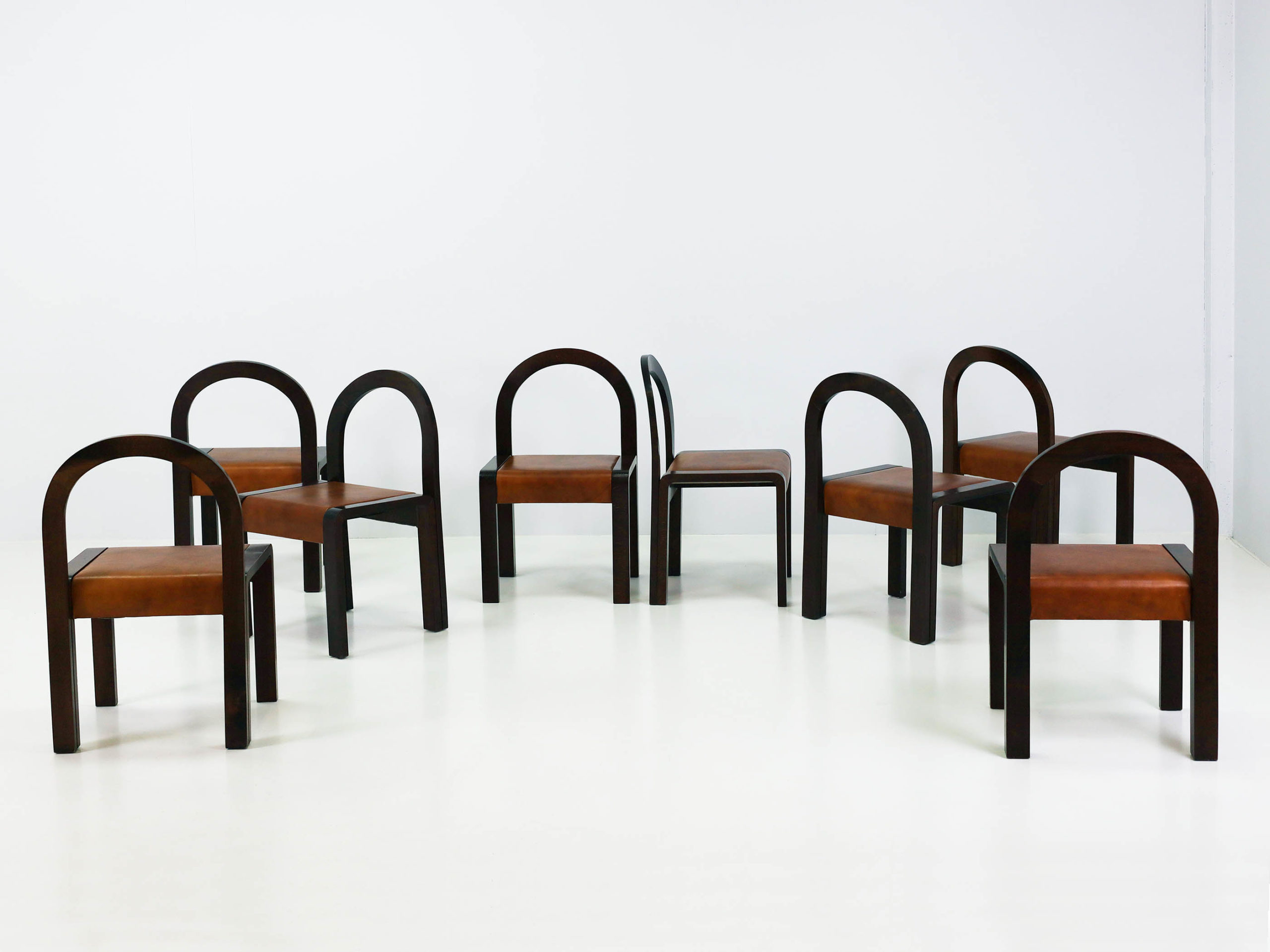
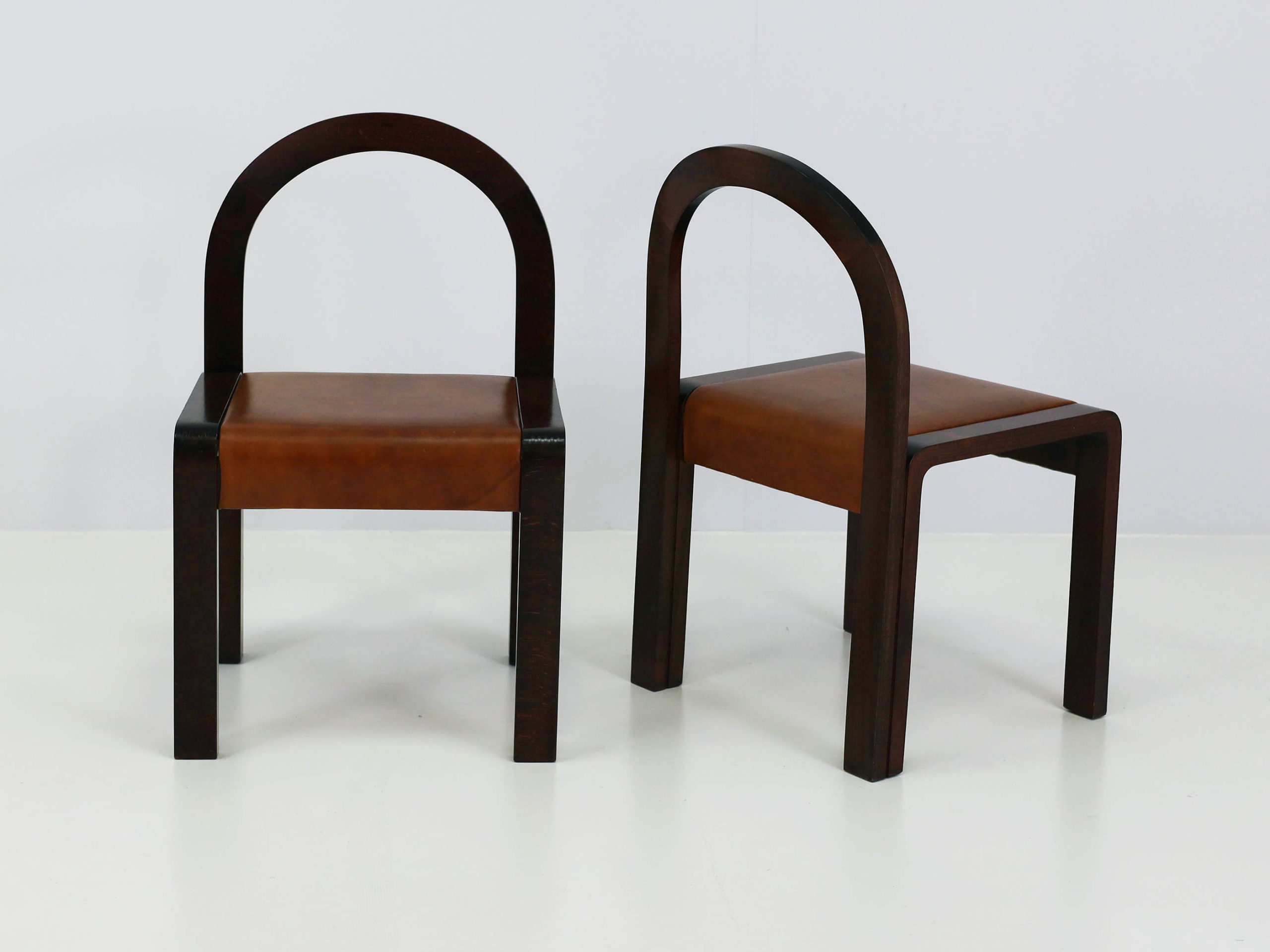
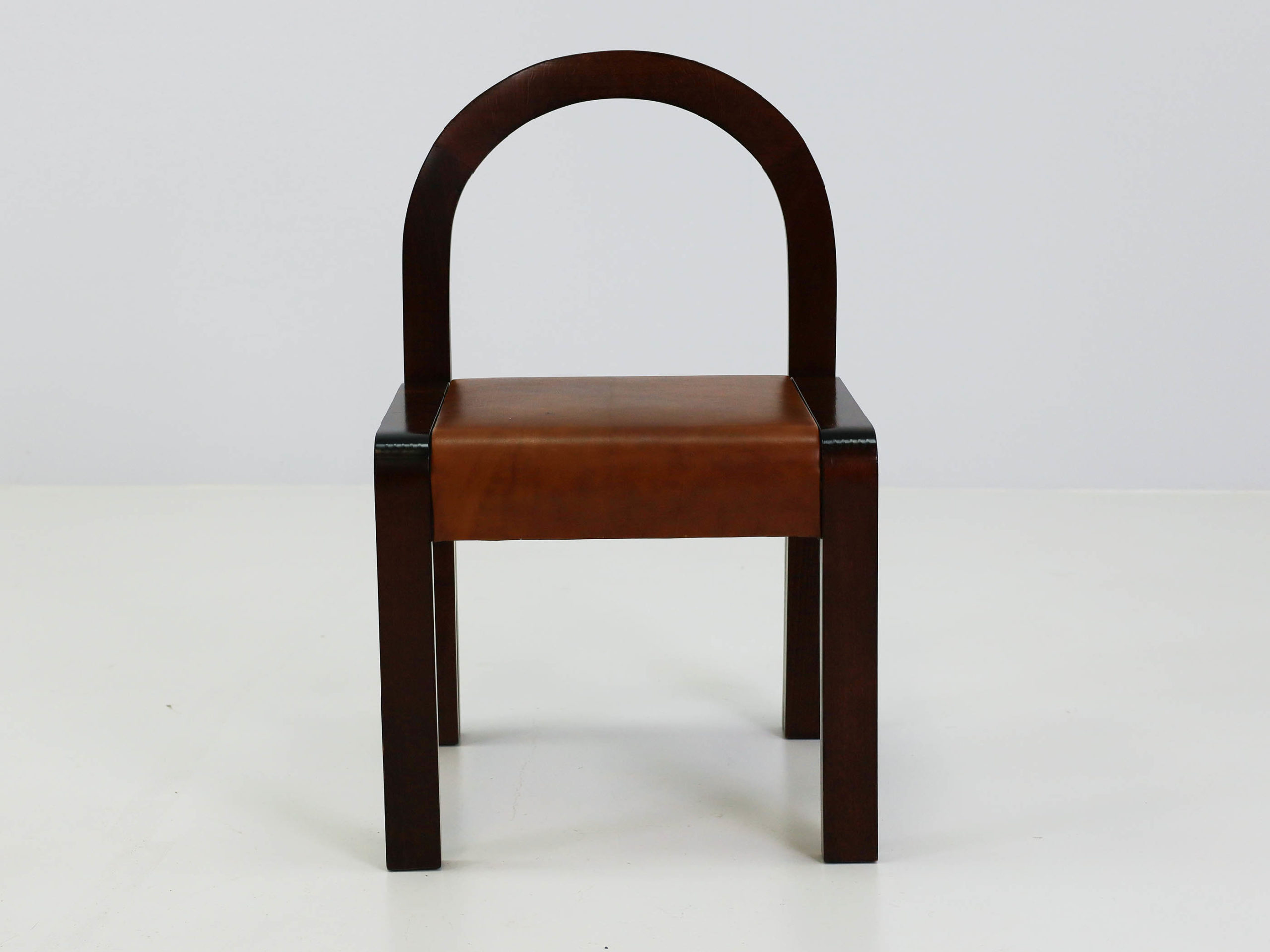
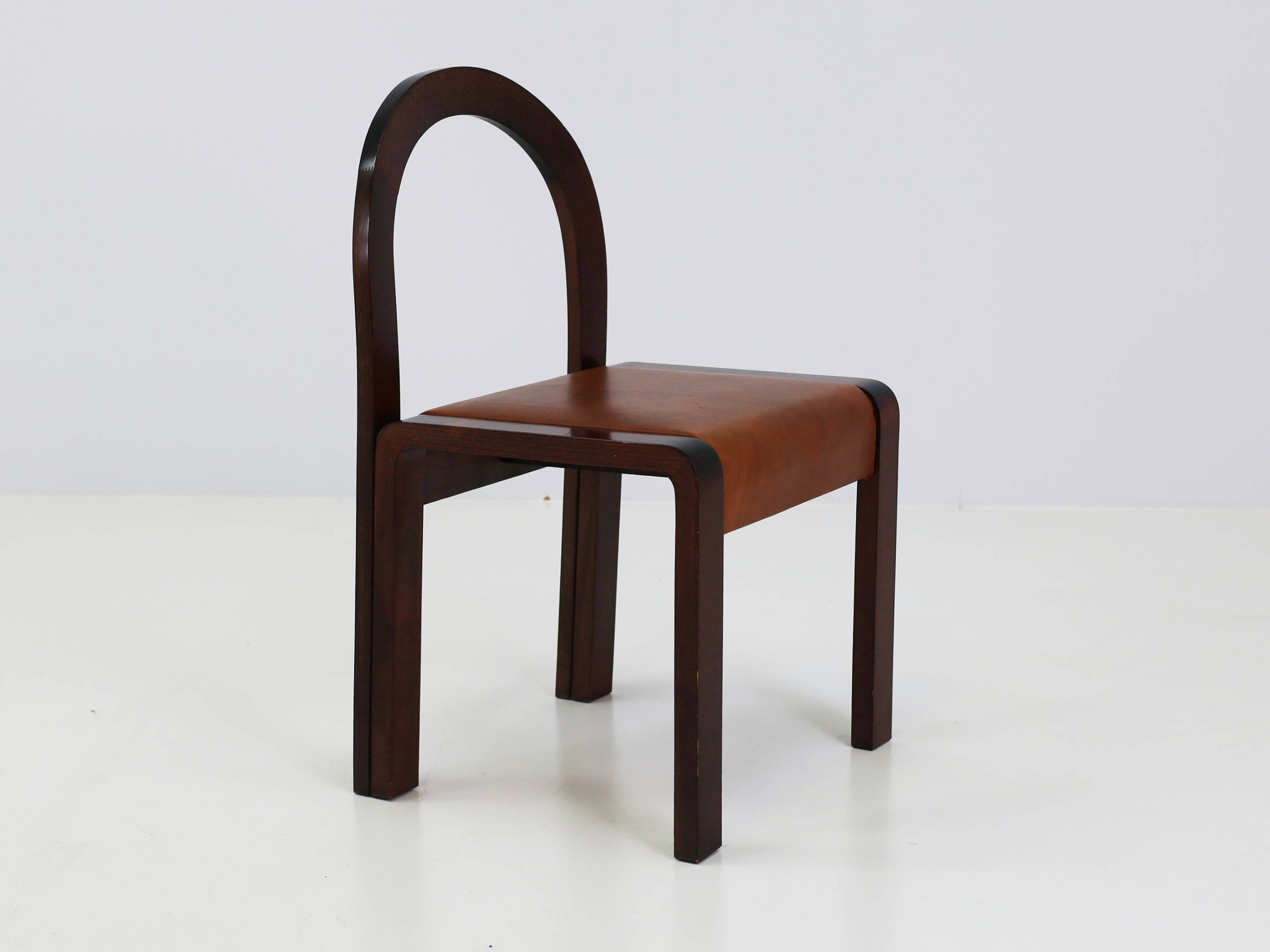
Chairs Attributed to Eugenio Gerli, Italy, 1970s
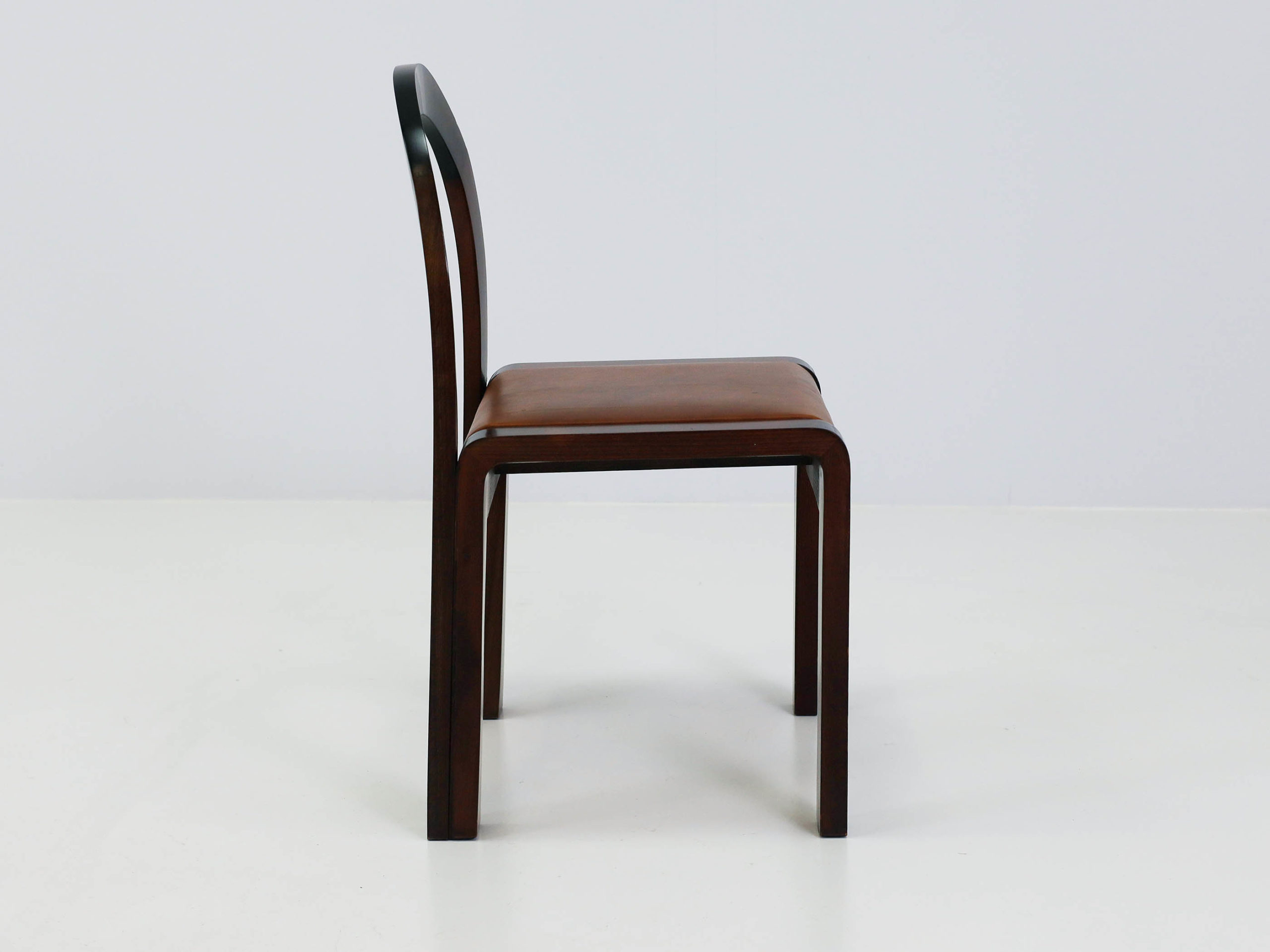
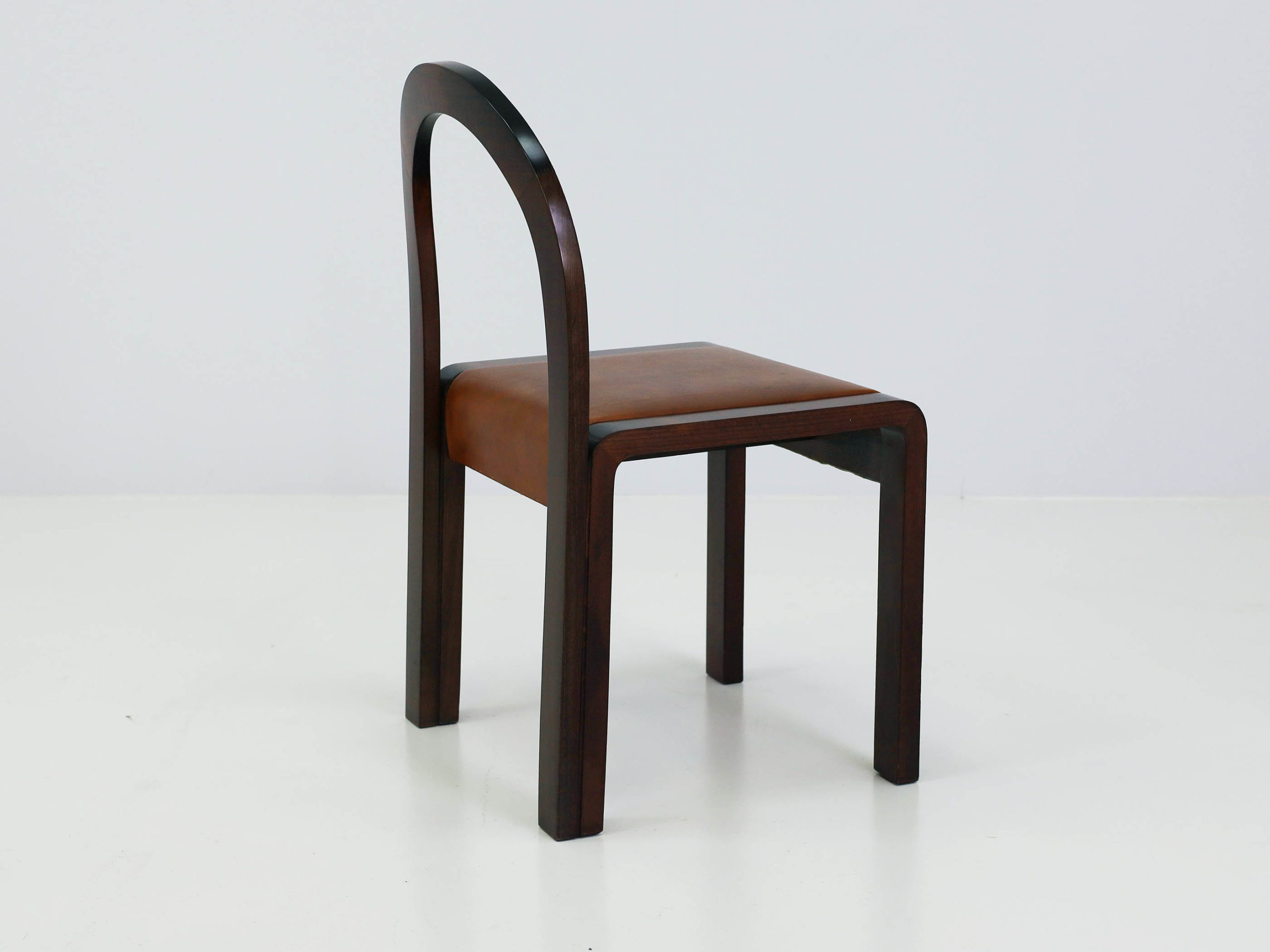
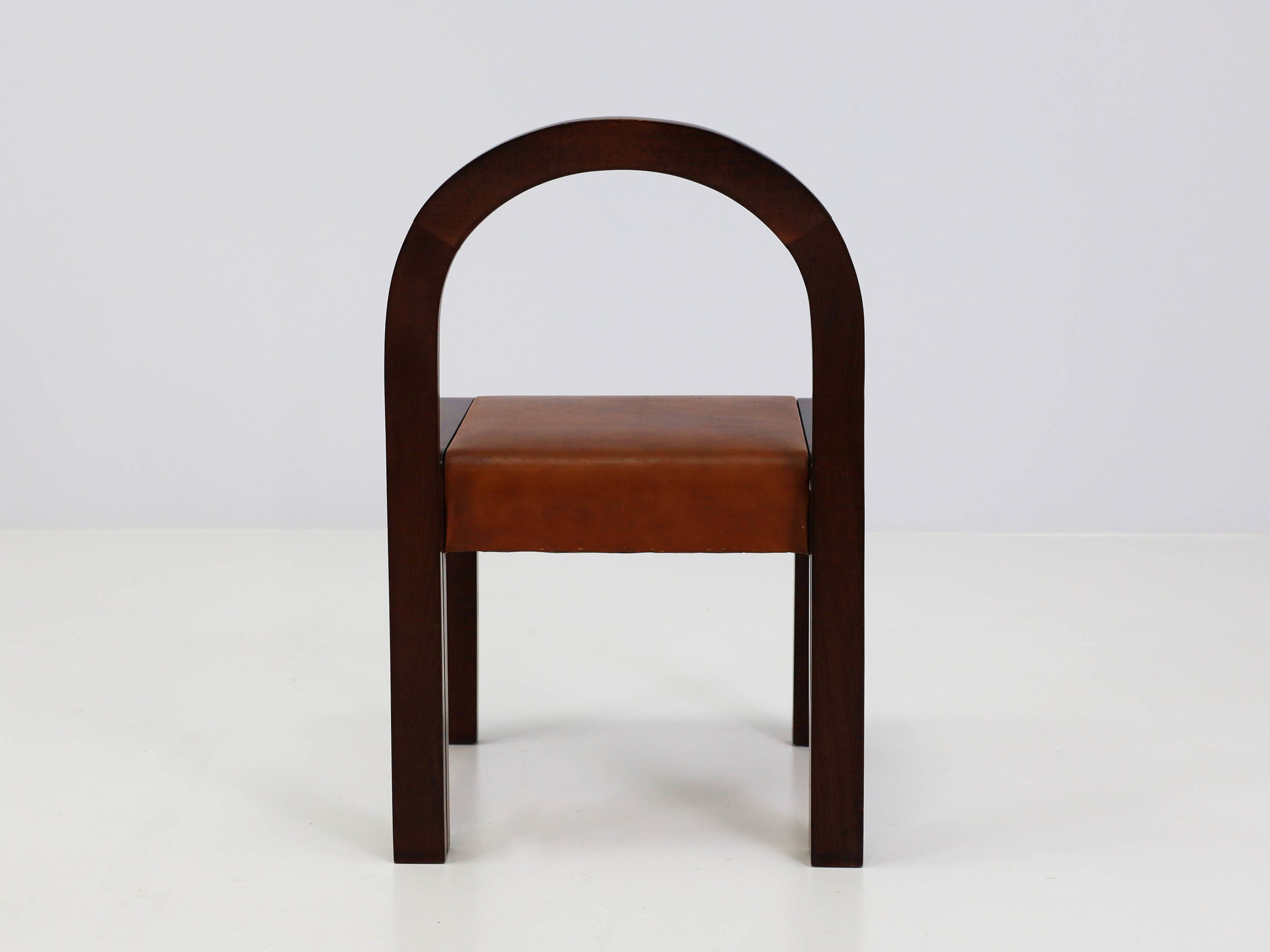
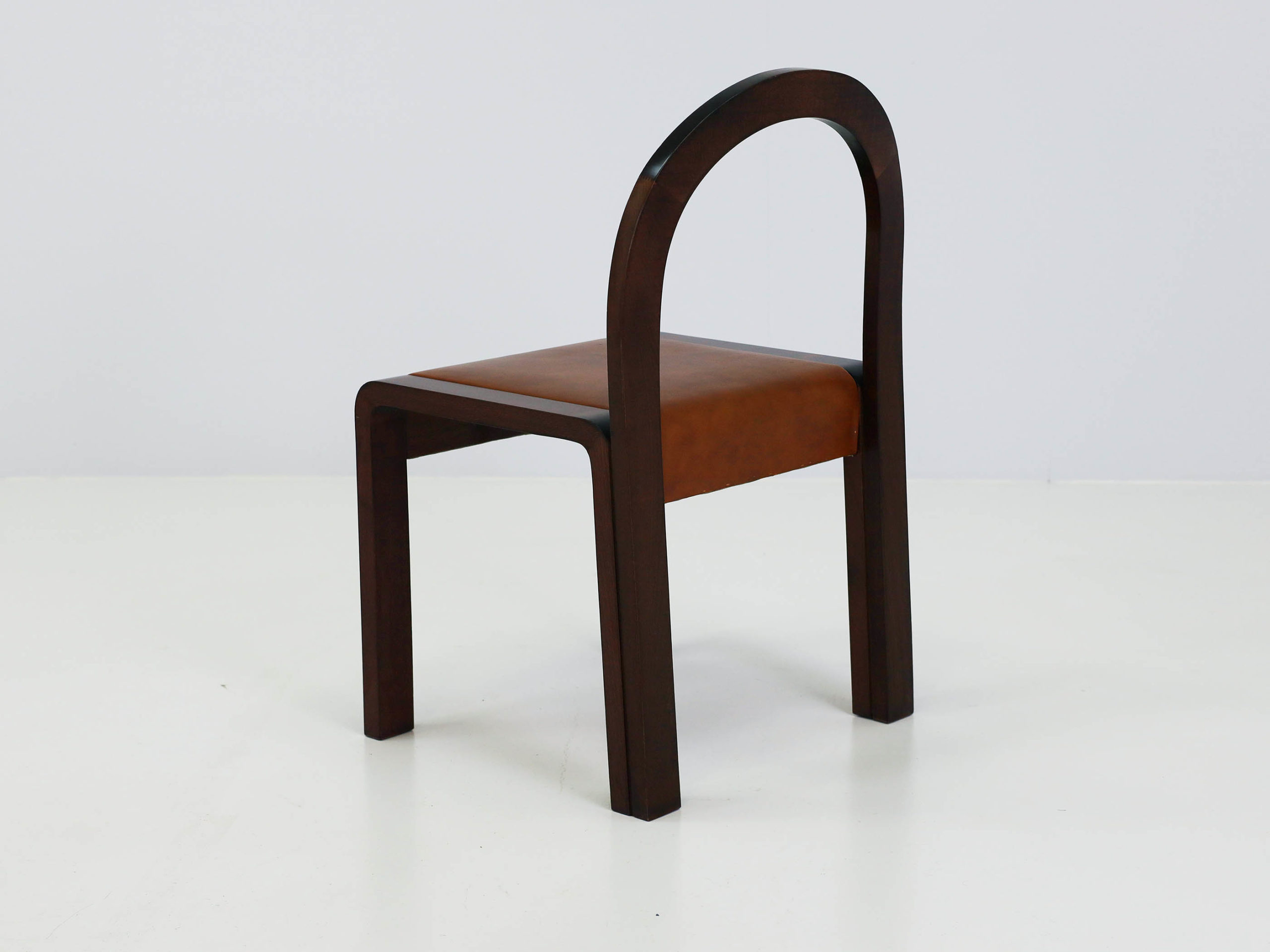
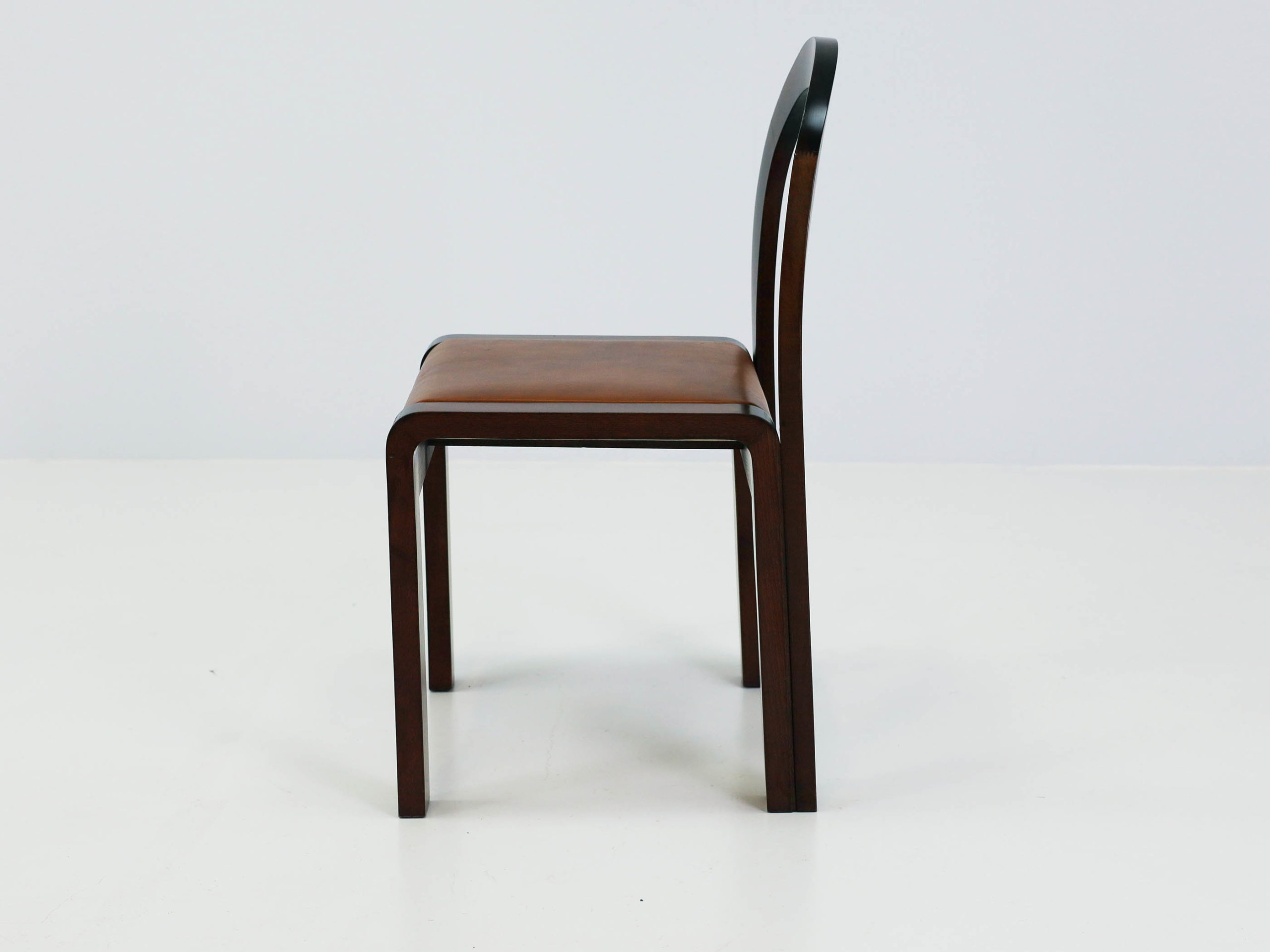
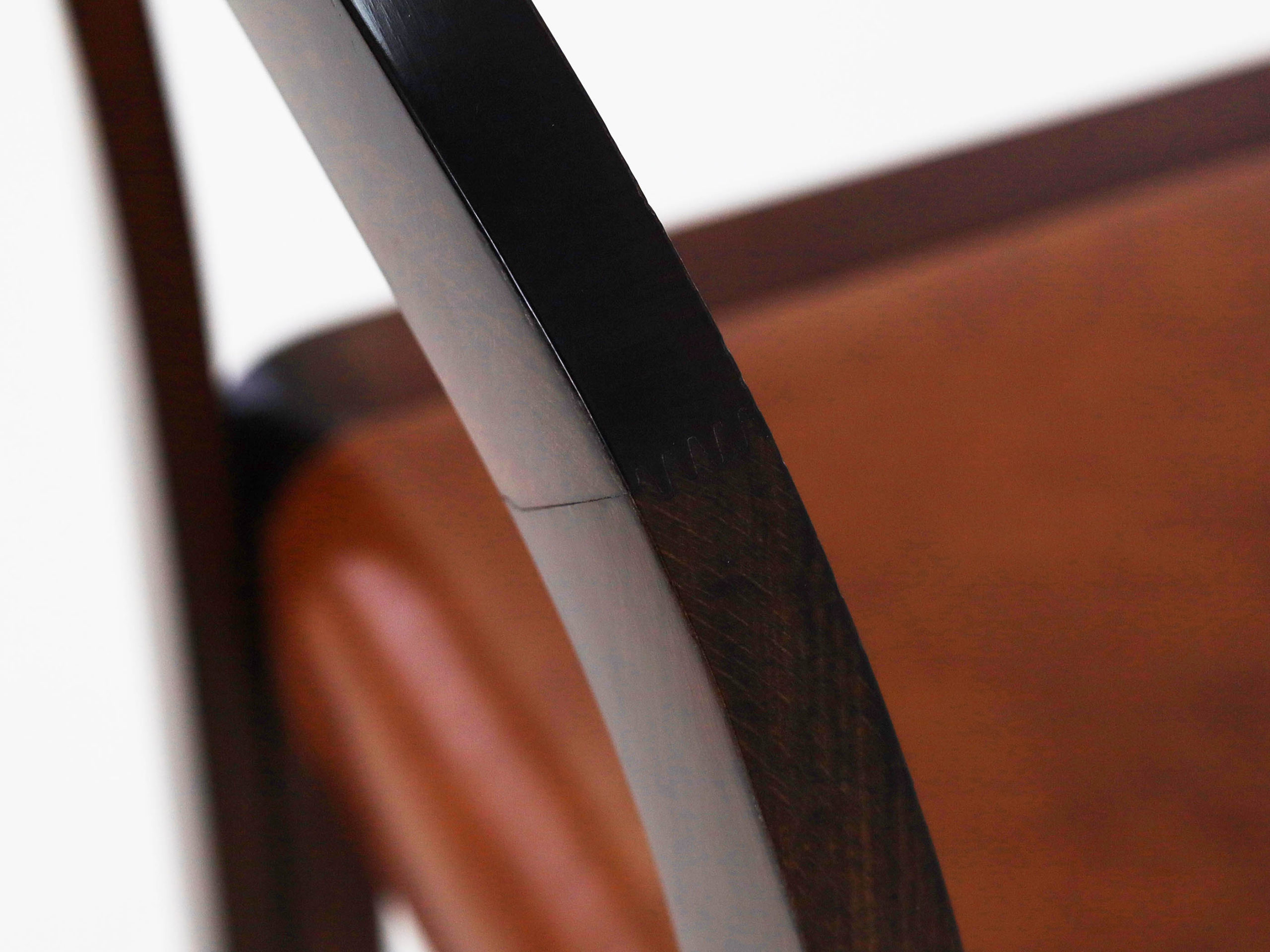
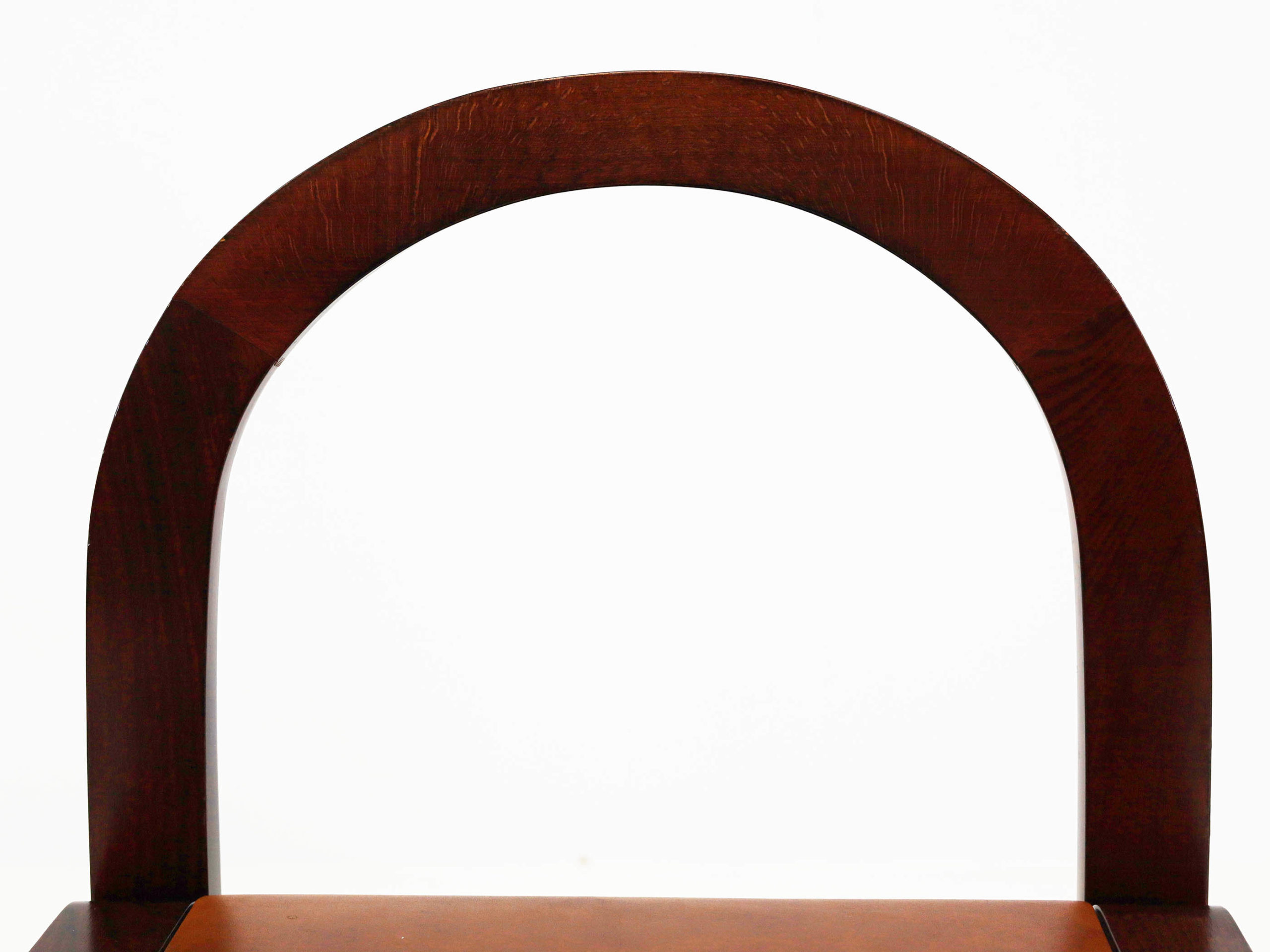
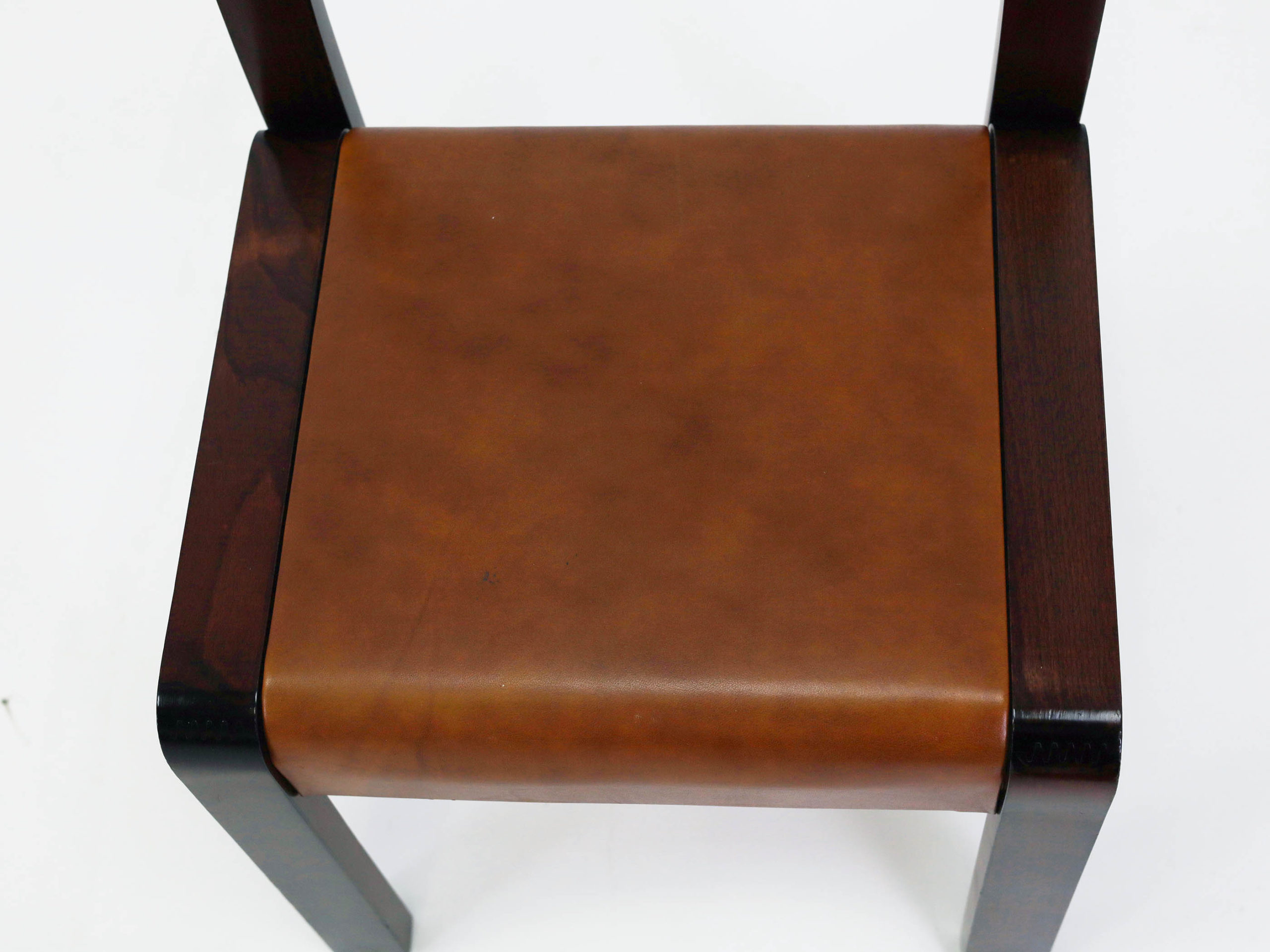
These 1970s chairs, attributed to Eugenio Gerli, embody a distinctly architectural approach to form. Their defining feature is the sculptural semicircular backrest, a bold geometric element that visually embraces the seat and gives the overall design a striking sculptural and theatrical presence. The leather-upholstered seat introduces a tactile, material quality, creating a sophisticated contrast with the rigorous geometry of the backrest. Far more than purely functional seating, these chairs stand out as architectural furniture pieces, capable of defining an interior through their monumental silhouette and distinctive character.