

Aldo Tura (1909–1963): Italian Design, Lacquered Parchment and Exclusive Furniture


Aldo Tura (1909–1963) was an Italian furniture designer renowned for his distinctive approach to materials, exceptional craftsmanship and sophisticated decorative style. In 1939, he founded his own furniture workshop near Milan, developing a highly individual design language that combined influences from Art Deco, modernism and traditional Italian craftsmanship.

Aldo Tura and the Art of Parchment Furniture


Parchment became one of the defining materials of Aldo Tura’s work. Often coloured and lacquered, it transformed tables, desks, cabinets, bar cabinets and decorative objects into distinctive pieces with a luxurious, sculptural presence.

Tura’s furniture stands out for its meticulous workmanship, unusual material combinations and rich finishes. Lacquered parchment, polished wood veneers, brass details and deep, saturated colours create surfaces that interact with light in remarkable ways. Shades of sage green, forest green, amber, red and brown enhance the depth and individuality of each piece.

Rather than embracing mass production, Tura remained committed to specialised artisanal techniques. His furniture reflects a vision of Italian collectible design in which material, texture and finish are integral to the identity of the object. His sophisticated use of parchment earned him a lasting reputation as one of the most distinctive designers of twentieth-century Italian furniture.

From the Bold Design of the 1970s to Postmodernism

The 1970s marked a period of increasing experimentation in Italian furniture design, with a growing interest in expressive forms, striking colours, luxurious surfaces and unconventional material combinations. This spirit of creative freedom would become even more pronounced in postmodern design during the late 1970s and, particularly, the 1980s.

Postmodern furniture pushed traditional boundaries through bold geometric shapes, sculptural volumes, unexpected contrasts and high-gloss lacquered finishes. The result was an aesthetic that was deliberately expressive, sophisticated and at times extravagant.

The appeal of lacquered parchment and polished surfaces lies in their ability to bridge decorative tradition and more experimental interiors. Their rich textures, reflective finishes and distinctive colours complement the bold, highly curated spaces associated with the most adventurous expressions of late twentieth-century design.

Collectible Italian Design: Craftsmanship, Material and Individuality


Aldo Tura’s legacy lies in his ability to transform traditional materials into highly distinctive design statements. His furniture celebrates craftsmanship, material experimentation and a refined approach to decorative luxury.
Item nr. 26134

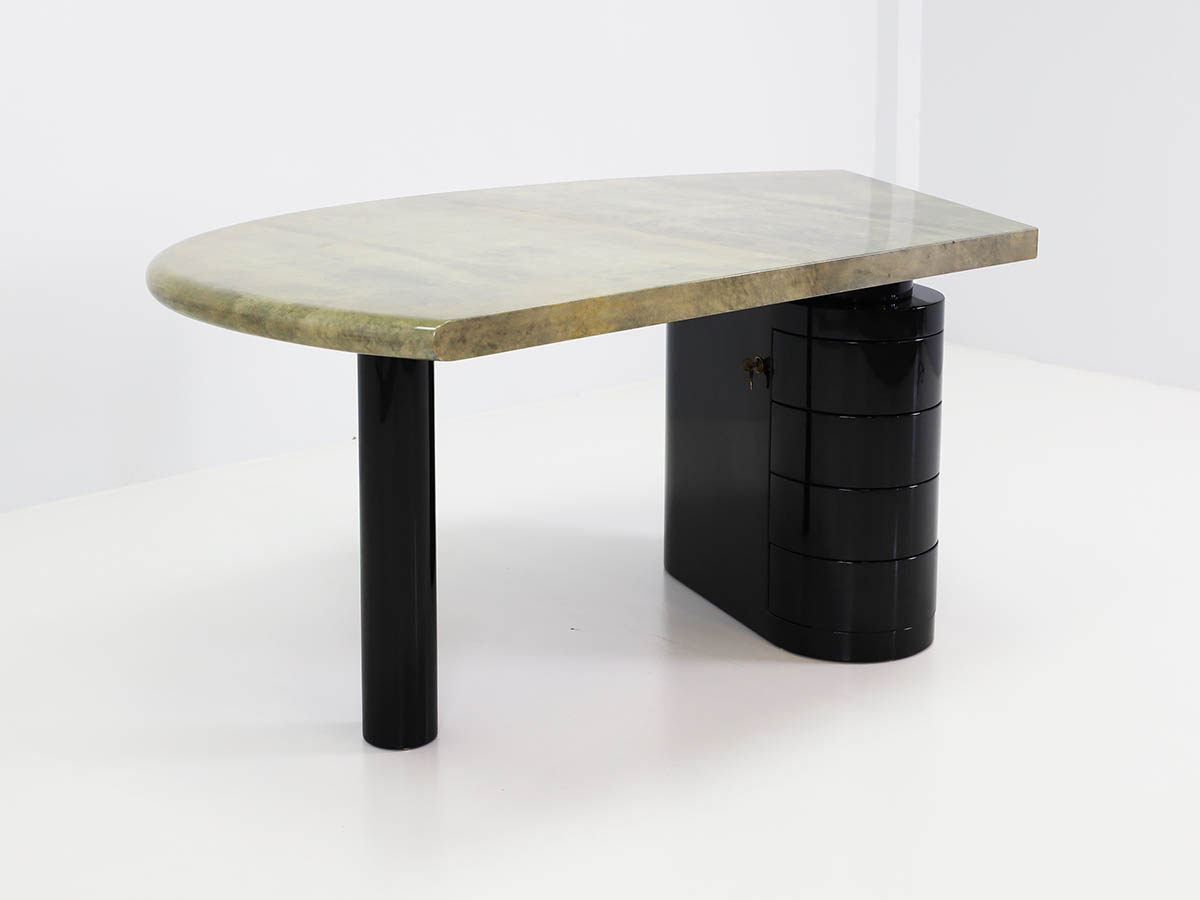
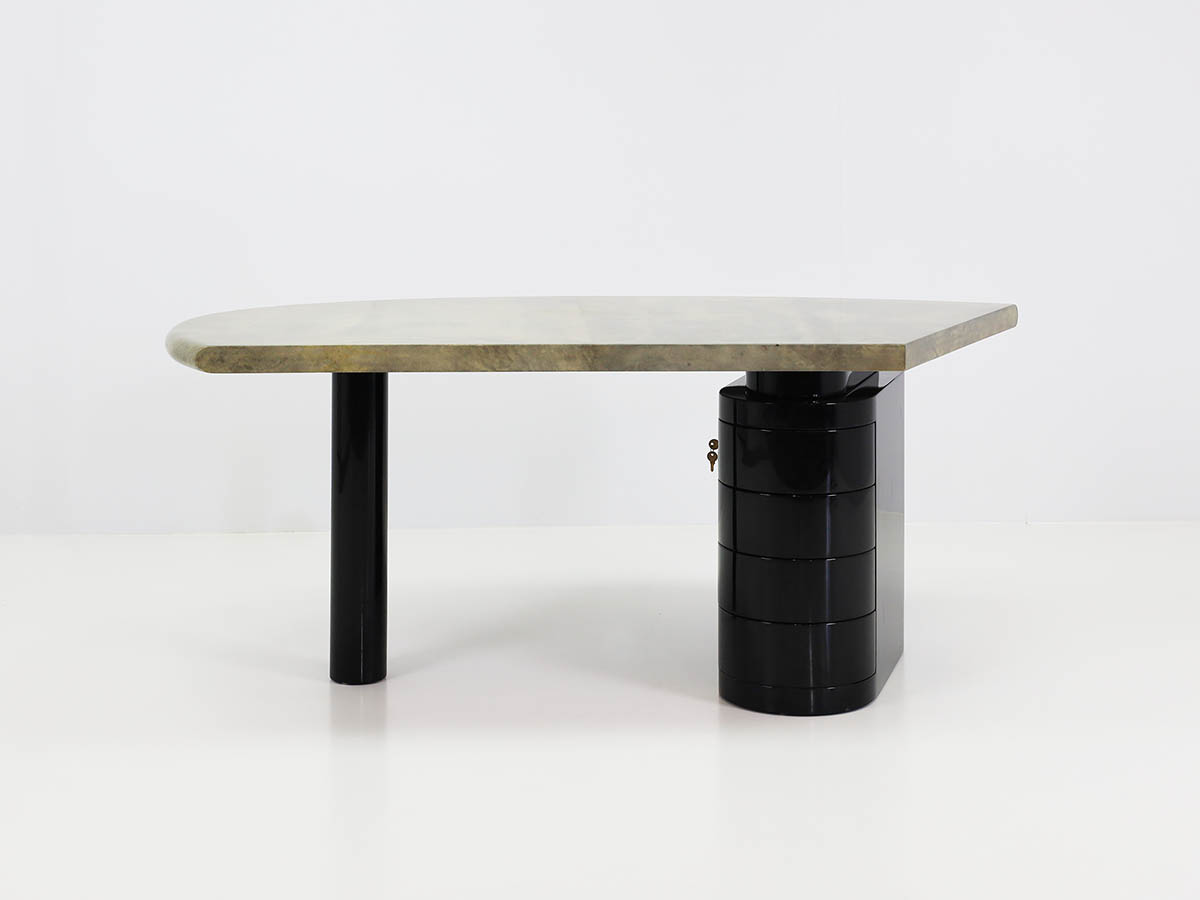
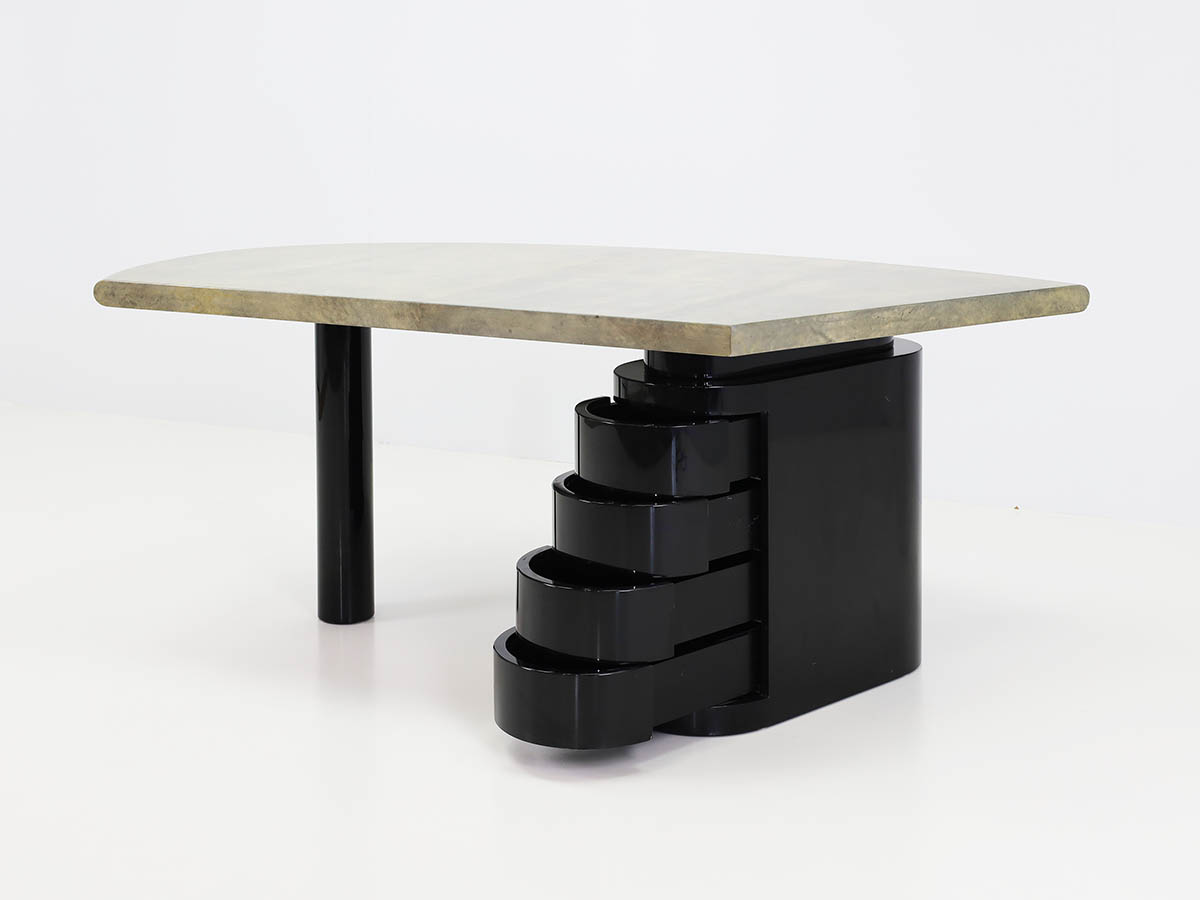
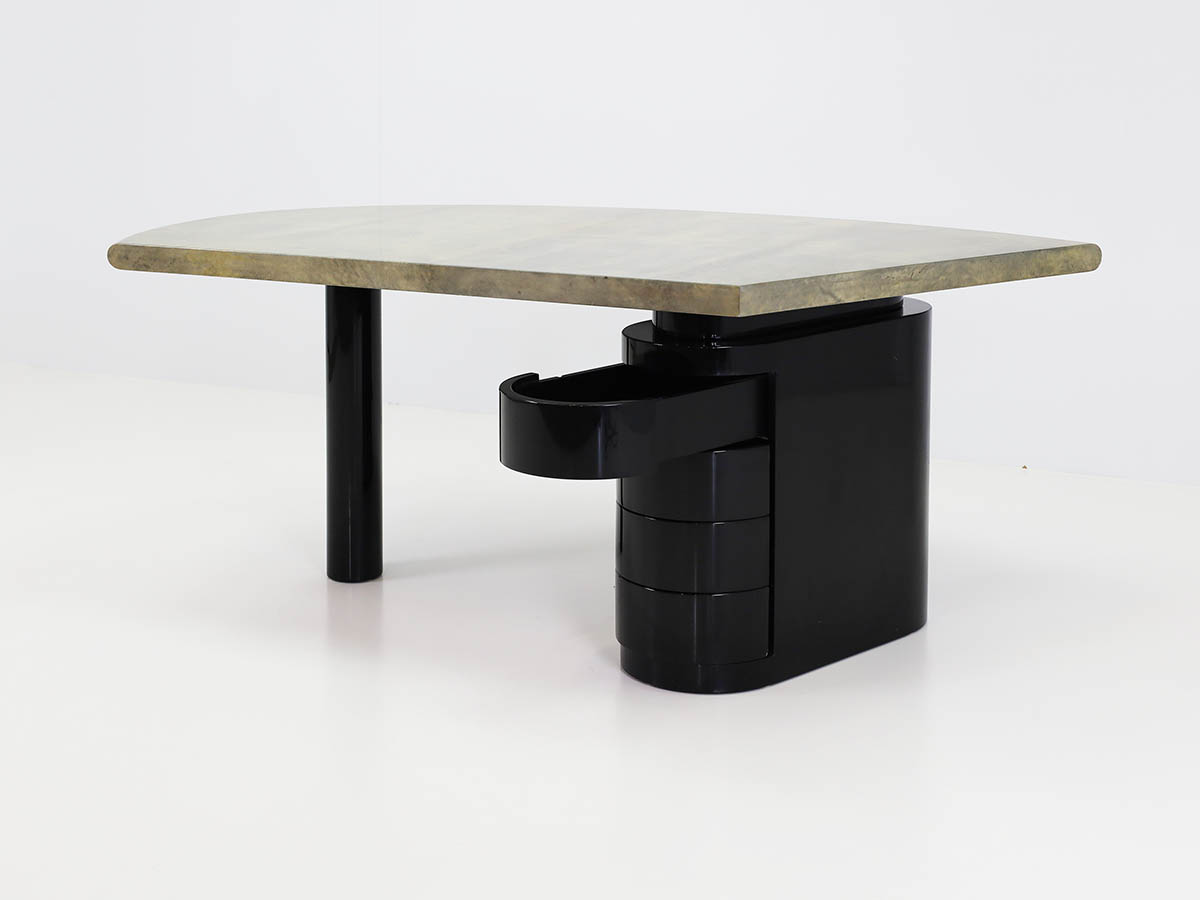
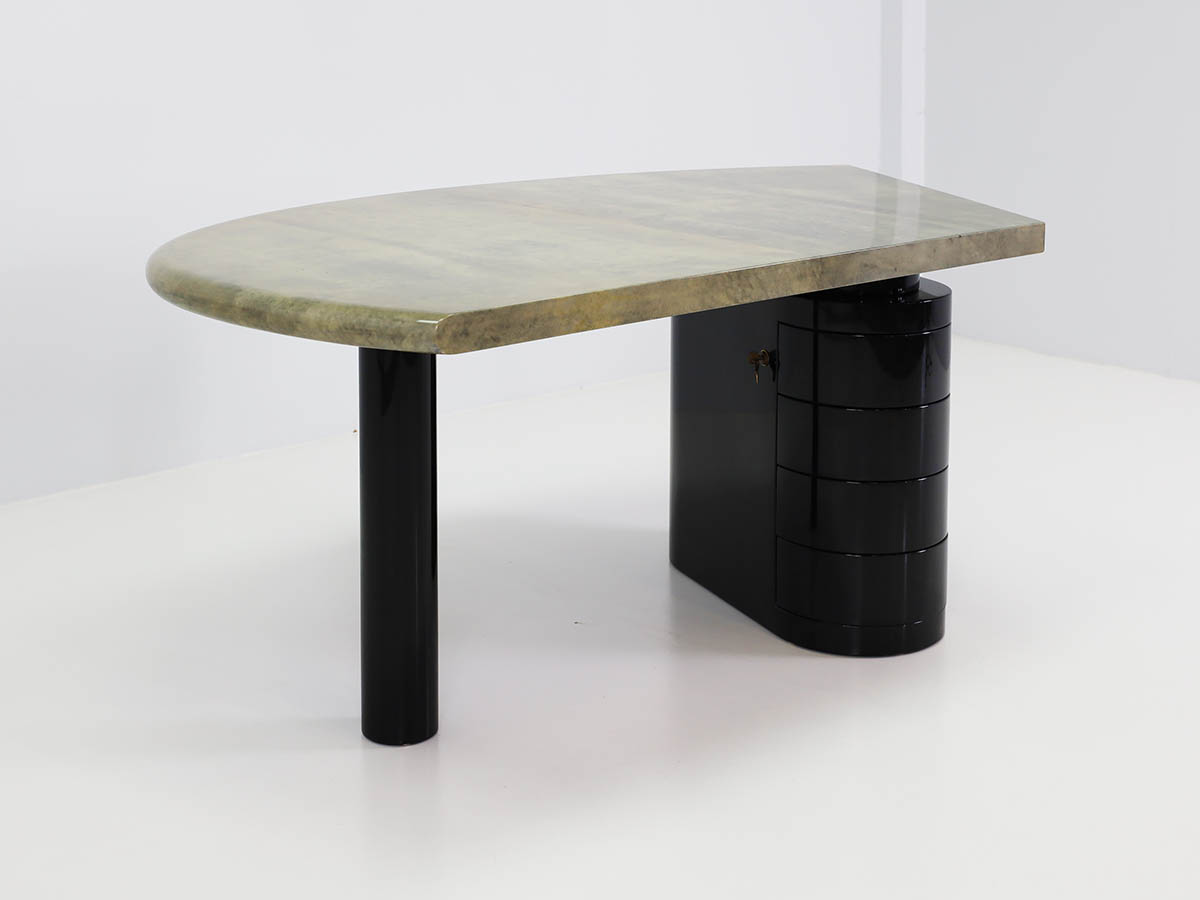
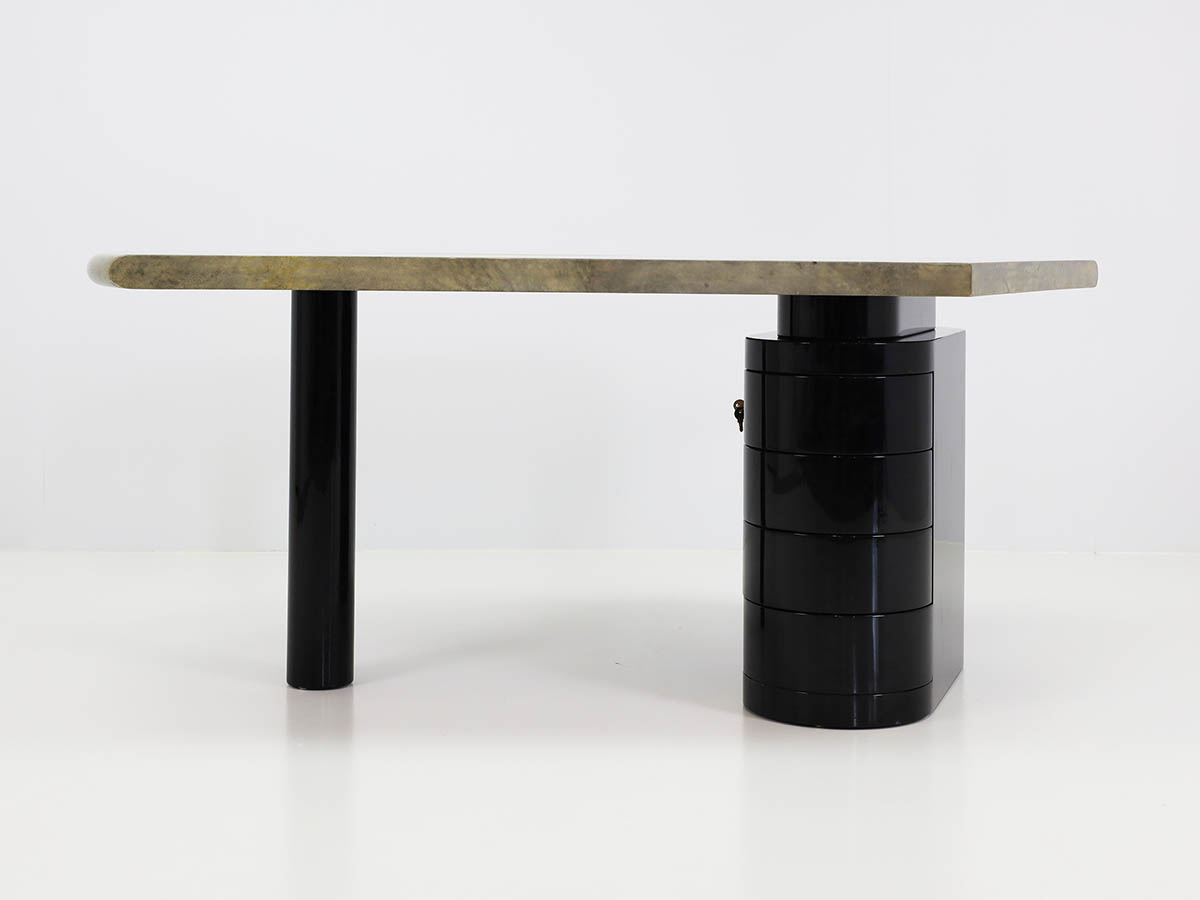
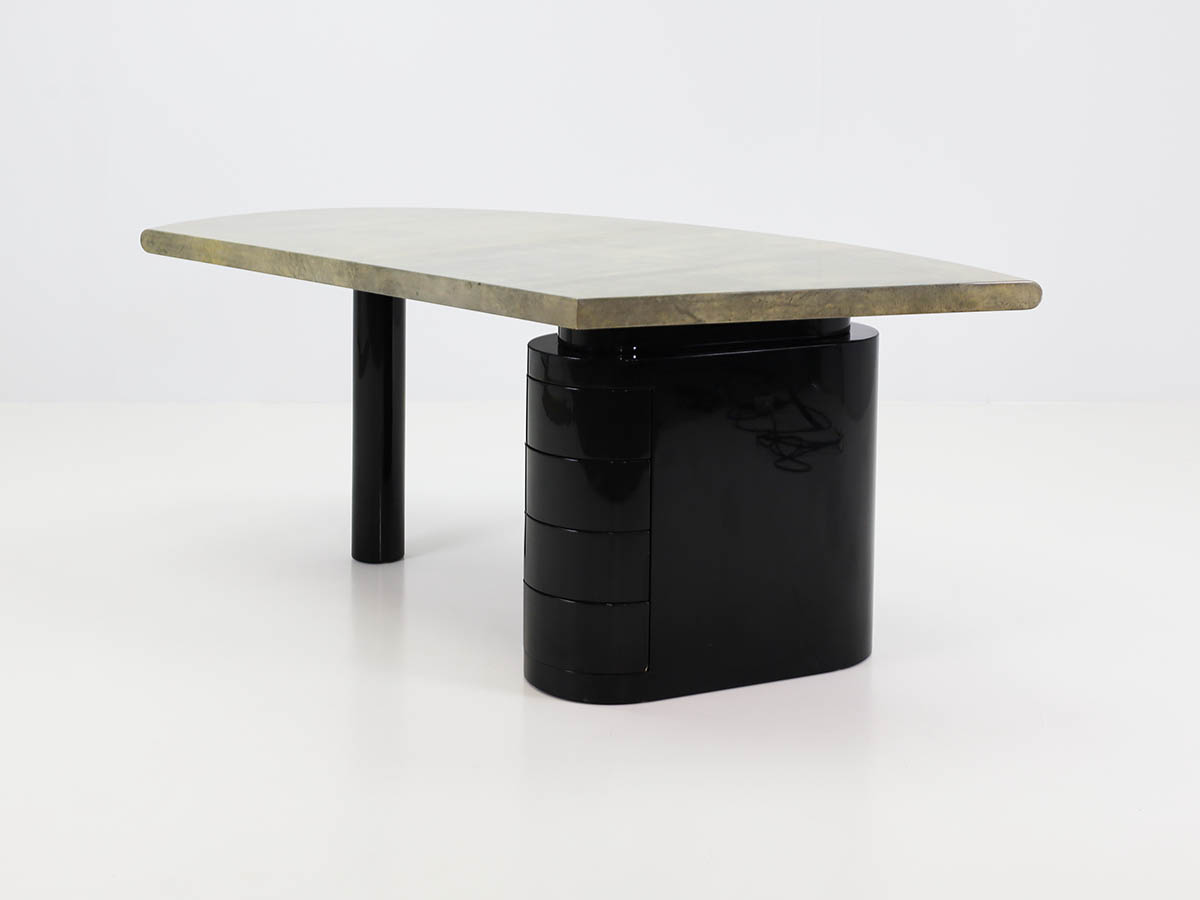
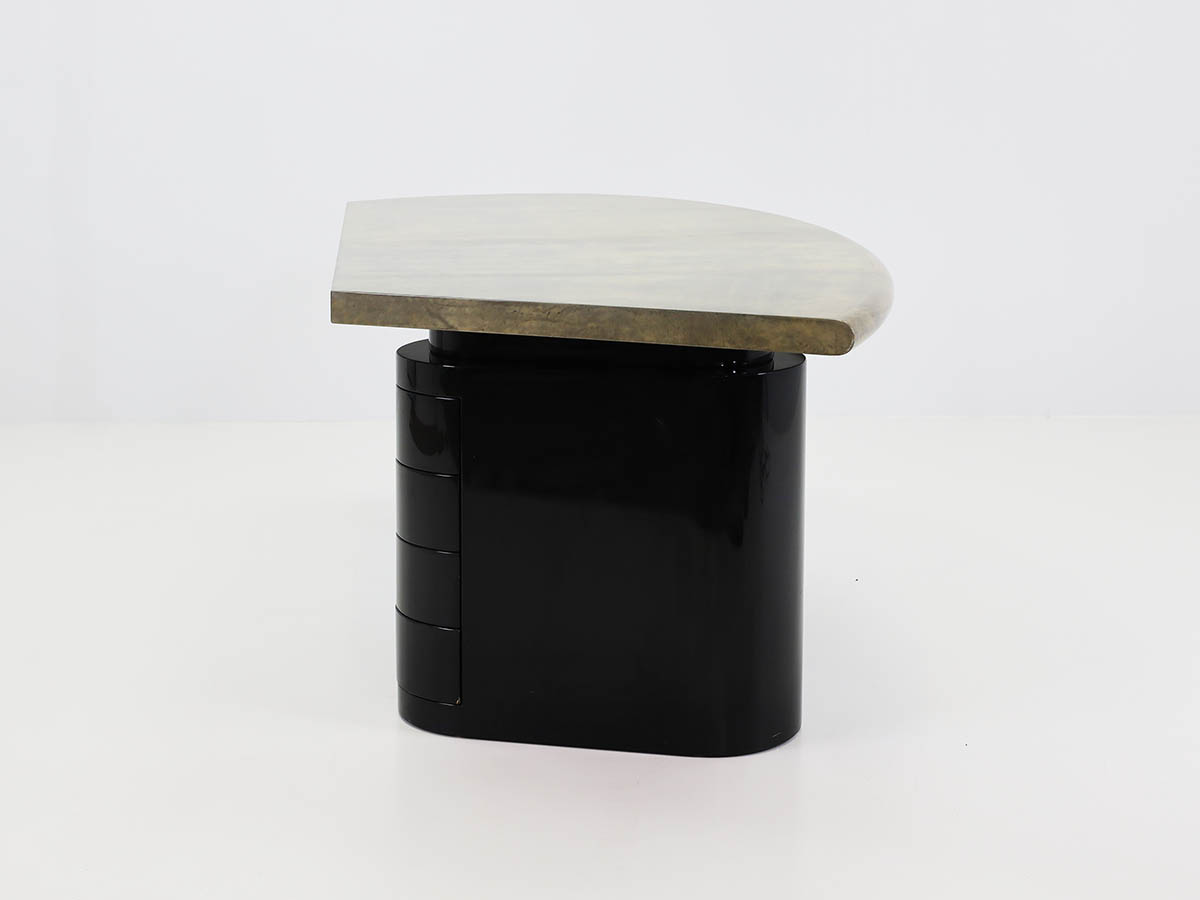
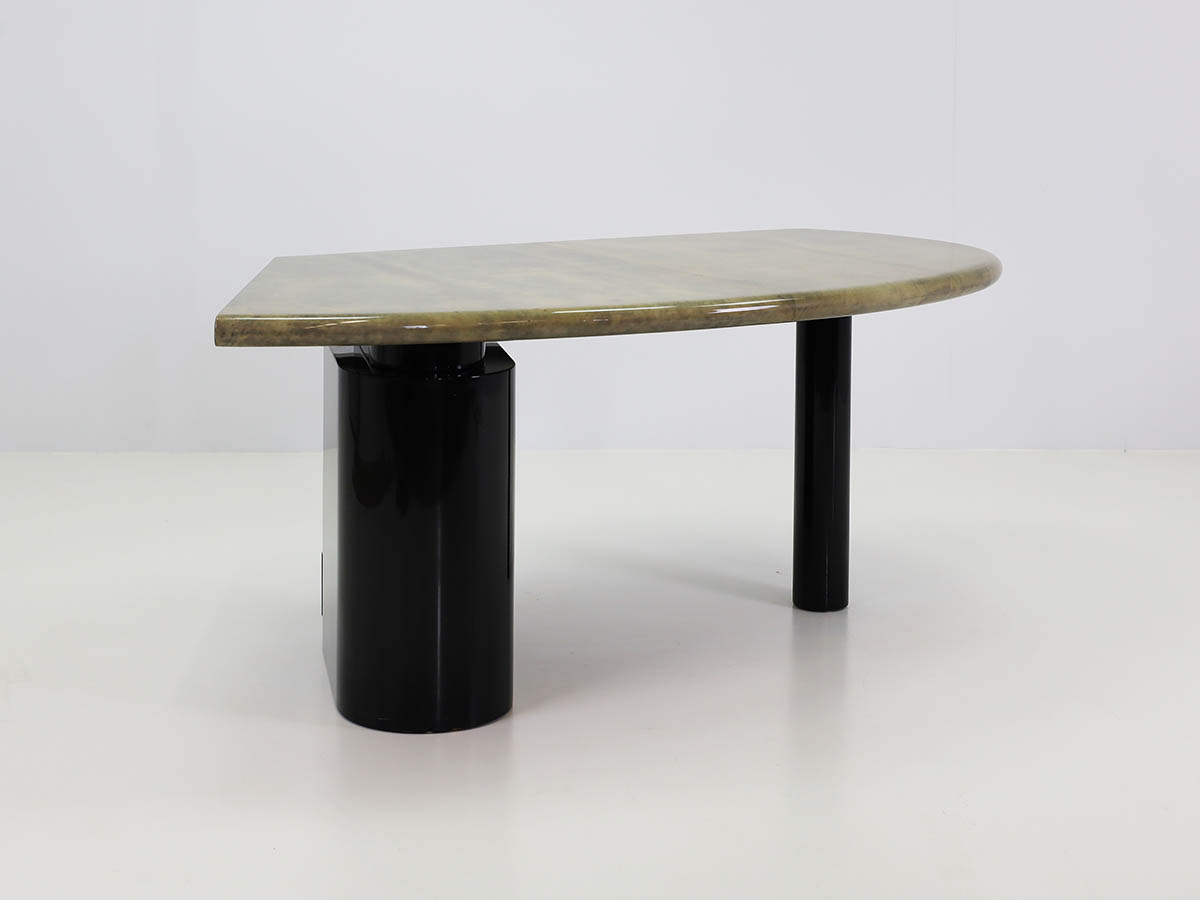
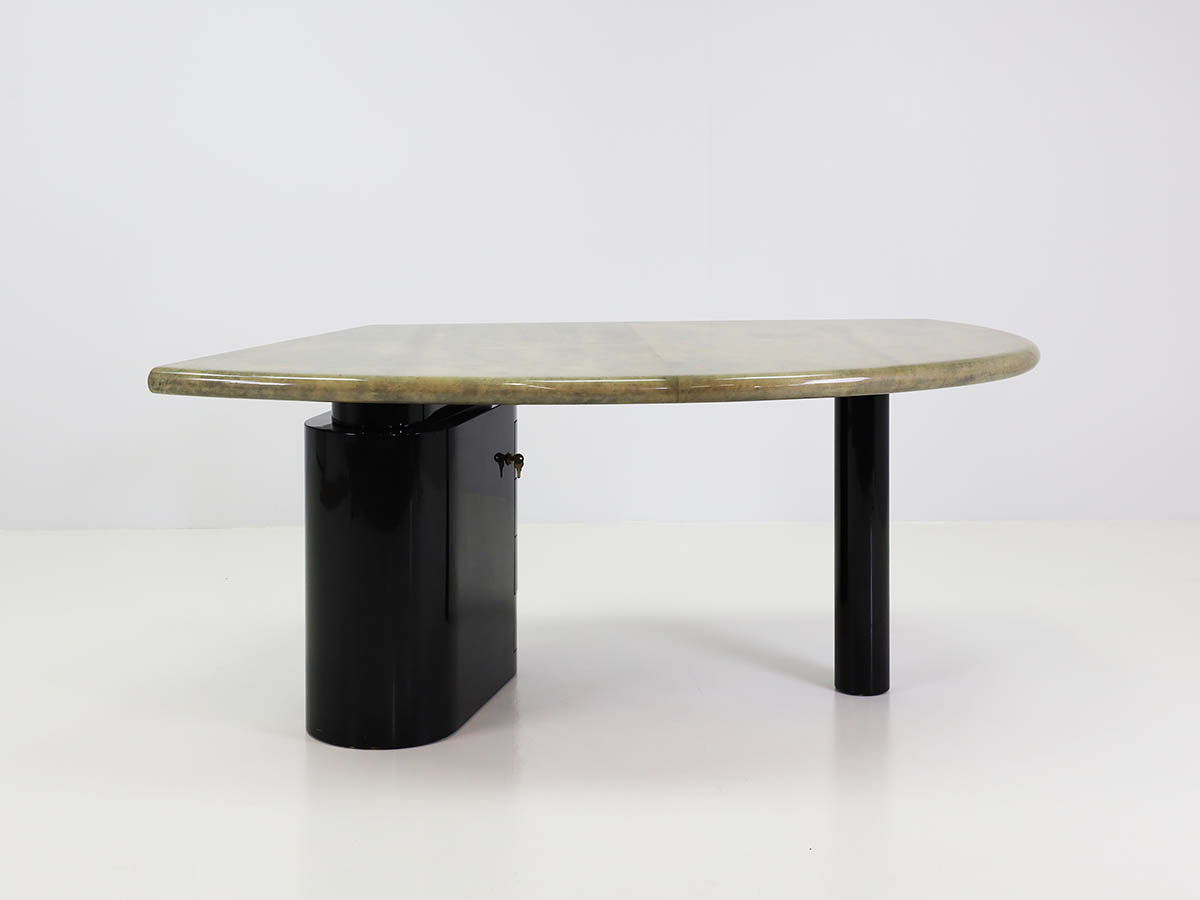
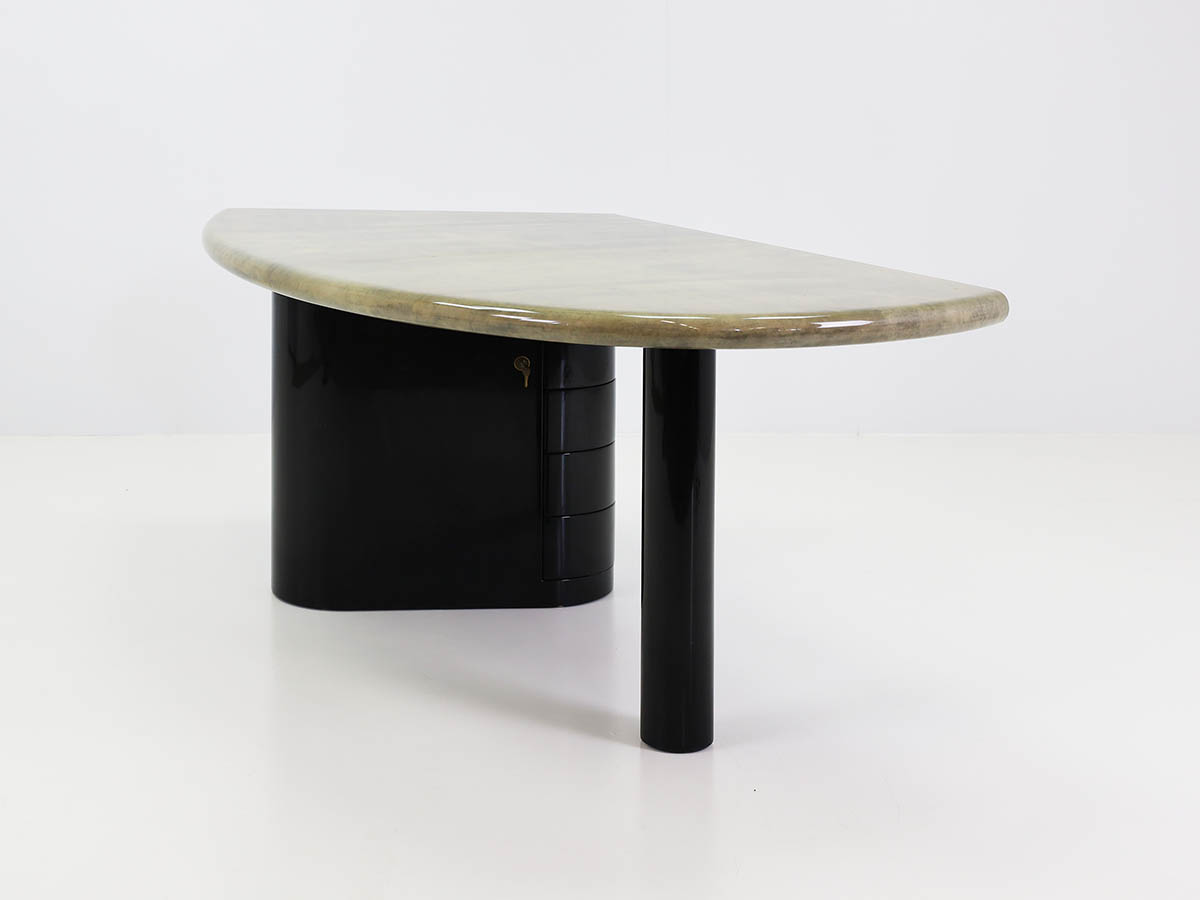
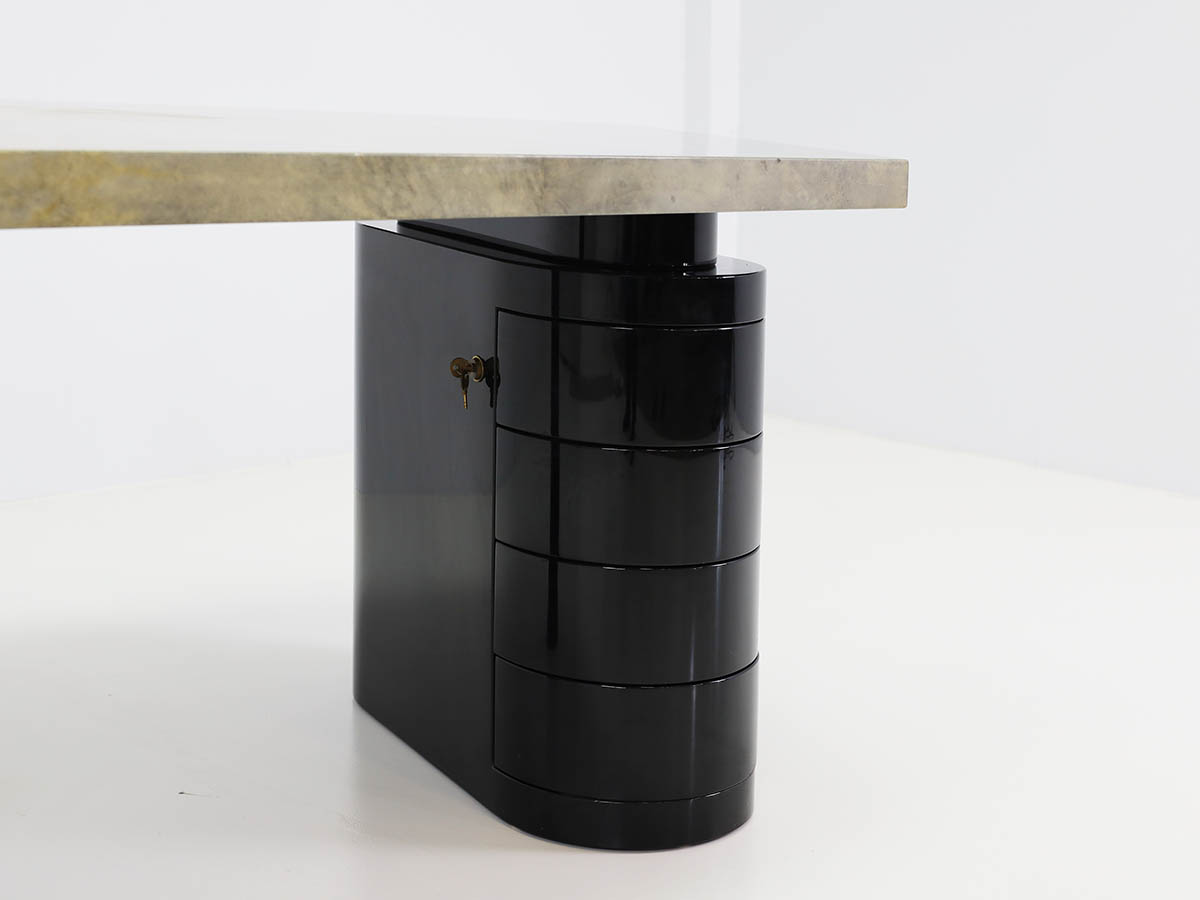
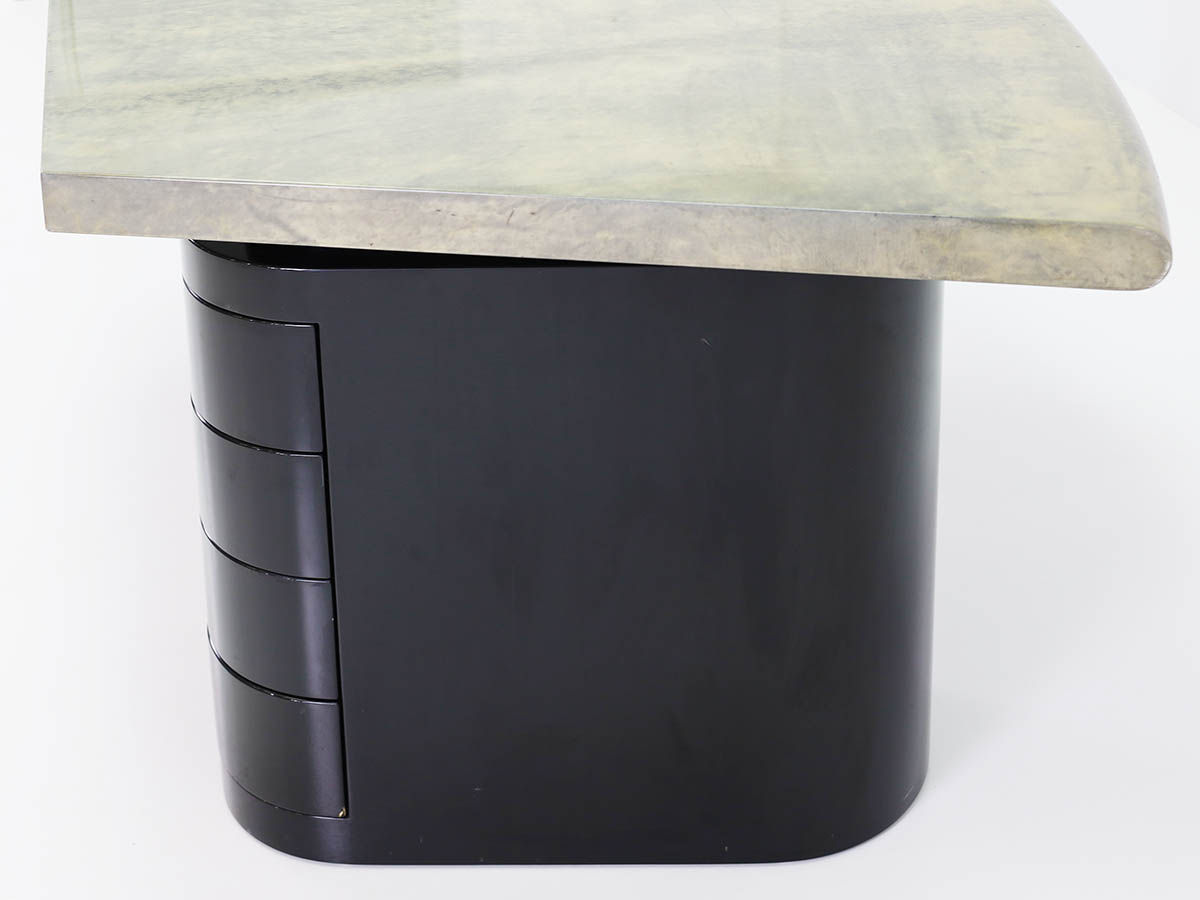
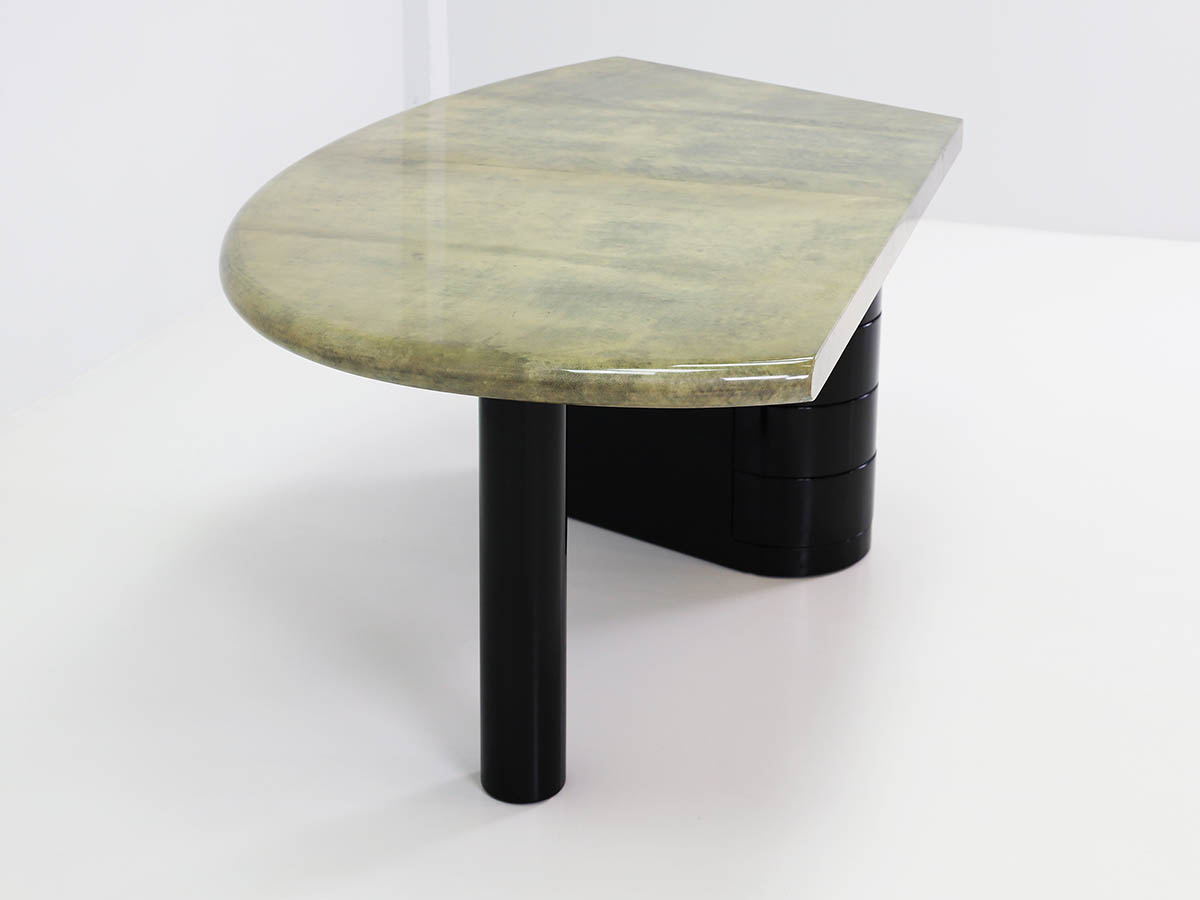
Postmodern Desk with Drawers in High-Gloss Sage Green Parchment

Designer

ProductionTura Milano
Italy 1970 Approx

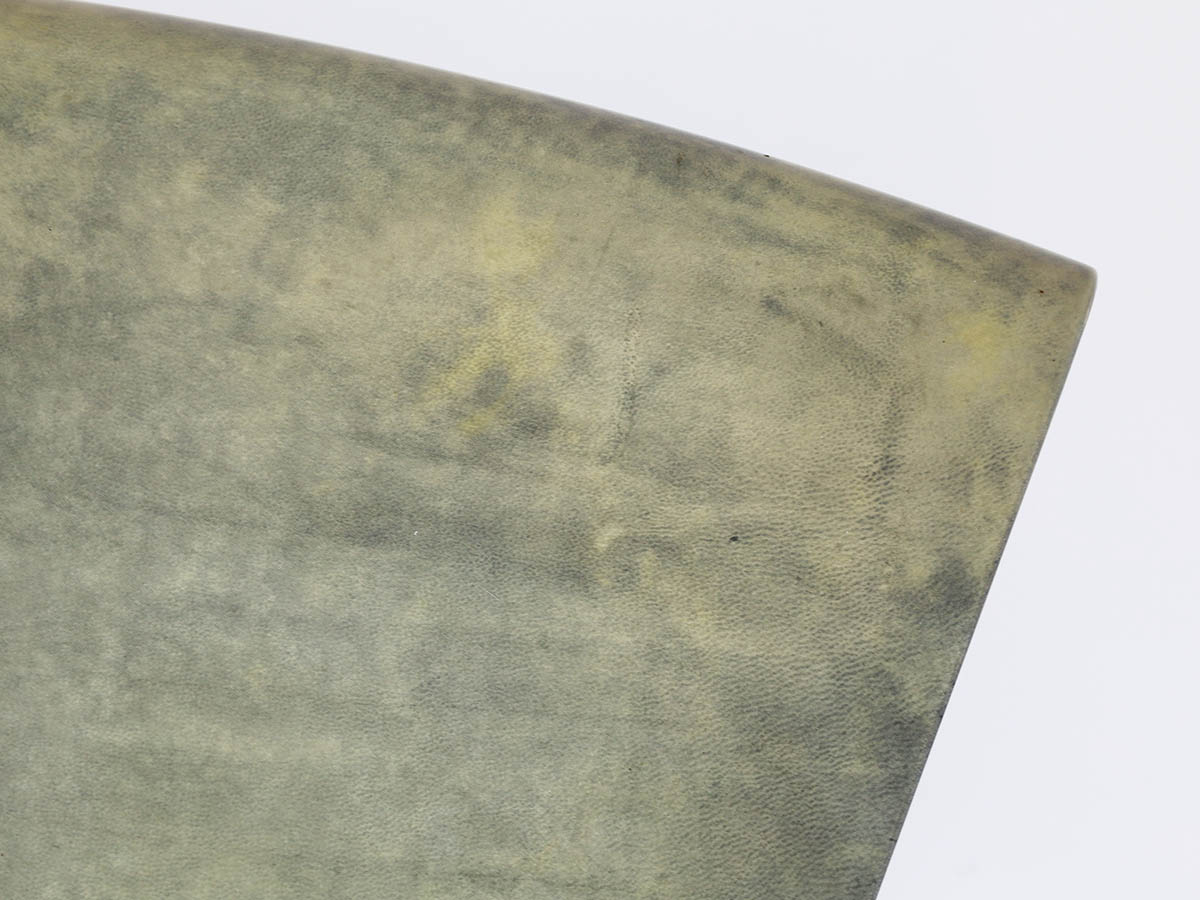
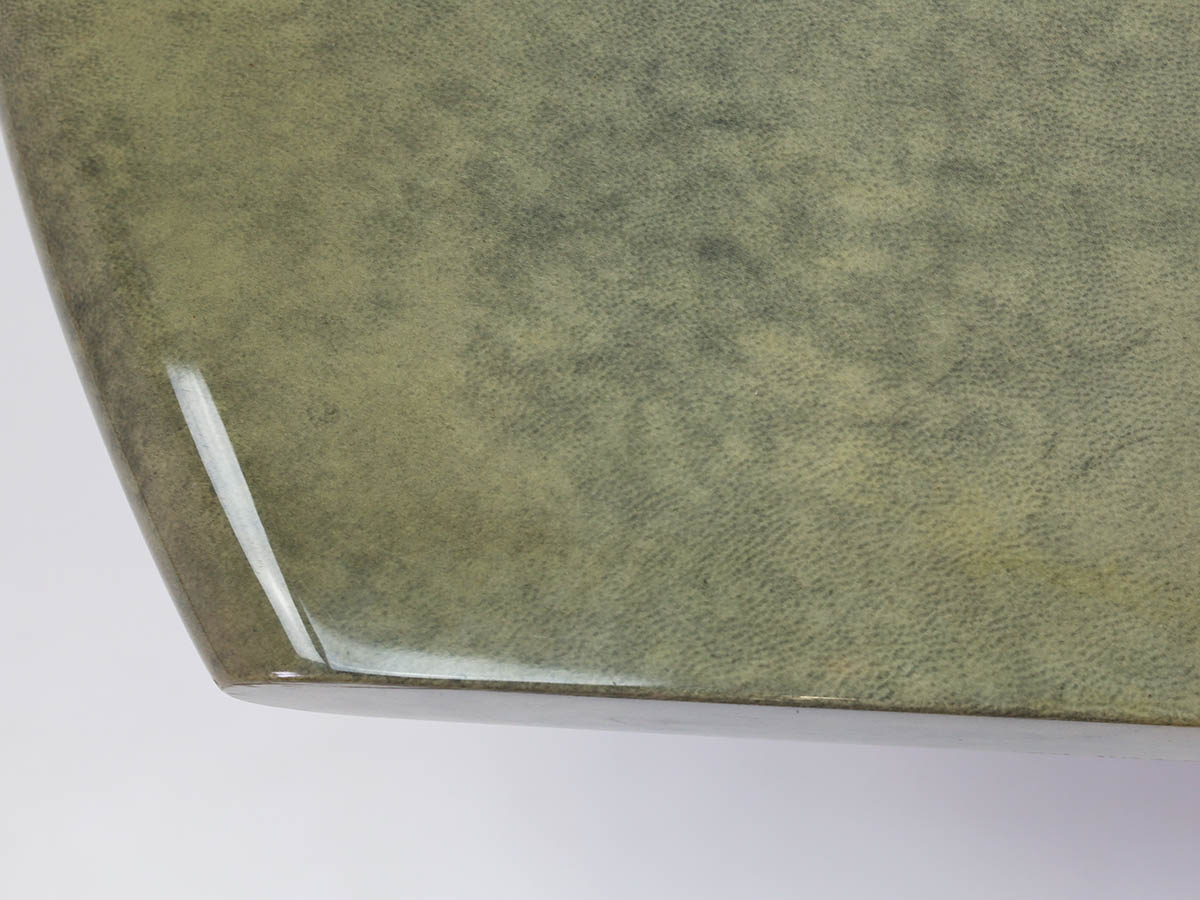
MaterialGlossy lacquered wood | High-gloss lacquered parchment

Dimension175 x 91 x HT 75 cm

postmodern-desk-with-drawers-in-high-gloss-sage-green-parchment


Aldo Tura (1909–1963): Italian Design, Lacquered Parchment and Exclusive Furniture


Aldo Tura (1909–1963) was an Italian furniture designer renowned for his distinctive approach to materials, exceptional craftsmanship and sophisticated decorative style. In 1939, he founded his own furniture workshop near Milan, developing a highly individual design language that combined influences from Art Deco, modernism and traditional Italian craftsmanship.

Aldo Tura and the Art of Parchment Furniture


Parchment became one of the defining materials of Aldo Tura’s work. Often coloured and lacquered, it transformed tables, desks, cabinets, bar cabinets and decorative objects into distinctive pieces with a luxurious, sculptural presence.

Tura’s furniture stands out for its meticulous workmanship, unusual material combinations and rich finishes. Lacquered parchment, polished wood veneers, brass details and deep, saturated colours create surfaces that interact with light in remarkable ways. Shades of sage green, forest green, amber, red and brown enhance the depth and individuality of each piece.

Rather than embracing mass production, Tura remained committed to specialised artisanal techniques. His furniture reflects a vision of Italian collectible design in which material, texture and finish are integral to the identity of the object. His sophisticated use of parchment earned him a lasting reputation as one of the most distinctive designers of twentieth-century Italian furniture.

From the Bold Design of the 1970s to Postmodernism

The 1970s marked a period of increasing experimentation in Italian furniture design, with a growing interest in expressive forms, striking colours, luxurious surfaces and unconventional material combinations. This spirit of creative freedom would become even more pronounced in postmodern design during the late 1970s and, particularly, the 1980s.

Postmodern furniture pushed traditional boundaries through bold geometric shapes, sculptural volumes, unexpected contrasts and high-gloss lacquered finishes. The result was an aesthetic that was deliberately expressive, sophisticated and at times extravagant.

The appeal of lacquered parchment and polished surfaces lies in their ability to bridge decorative tradition and more experimental interiors. Their rich textures, reflective finishes and distinctive colours complement the bold, highly curated spaces associated with the most adventurous expressions of late twentieth-century design.

Collectible Italian Design: Craftsmanship, Material and Individuality


Aldo Tura’s legacy lies in his ability to transform traditional materials into highly distinctive design statements. His furniture celebrates craftsmanship, material experimentation and a refined approach to decorative luxury.
Description

Aldo Tura (1909–1963): Italian Design, Lacquered Parchment and Exclusive Furniture

Aldo Tura (1909–1963) was an Italian furniture designer renowned for his distinctive approach to materials, exceptional craftsmanship and sophisticated decorative style. In 1939, he founded his own furniture workshop near Milan, developing a highly individual design language that combined influences from Art Deco, modernism and traditional Italian craftsmanship.

Aldo Tura and the Art of Parchment Furniture

Parchment became one of the defining materials of Aldo Tura’s work. Often coloured and lacquered, it transformed tables, desks, cabinets, bar cabinets and decorative objects into distinctive pieces with a luxurious, sculptural presence.

Tura’s furniture stands out for its meticulous workmanship, unusual material combinations and rich finishes. Lacquered parchment, polished wood veneers, brass details and deep, saturated colours create surfaces that interact with light in remarkable ways. Shades of sage green, forest green, amber, red and brown enhance the depth and individuality of each piece.

Rather than embracing mass production, Tura remained committed to specialised artisanal techniques. His furniture reflects a vision of Italian collectible design in which material, texture and finish are integral to the identity of the object. His sophisticated use of parchment earned him a lasting reputation as one of the most distinctive designers of twentieth-century Italian furniture.

From the Bold Design of the 1970s to Postmodernism

The 1970s marked a period of increasing experimentation in Italian furniture design, with a growing interest in expressive forms, striking colours, luxurious surfaces and unconventional material combinations. This spirit of creative freedom would become even more pronounced in postmodern design during the late 1970s and, particularly, the 1980s.

Postmodern furniture pushed traditional boundaries through bold geometric shapes, sculptural volumes, unexpected contrasts and high-gloss lacquered finishes. The result was an aesthetic that was deliberately expressive, sophisticated and at times extravagant.

The appeal of lacquered parchment and polished surfaces lies in their ability to bridge decorative tradition and more experimental interiors. Their rich textures, reflective finishes and distinctive colours complement the bold, highly curated spaces associated with the most adventurous expressions of late twentieth-century design.

Collectible Italian Design: Craftsmanship, Material and Individuality

Aldo Tura’s legacy lies in his ability to transform traditional materials into highly distinctive design statements. His furniture celebrates craftsmanship, material experimentation and a refined approach to decorative luxury.
Additional information

Material

Dimension