


When I think of Afra and Tobia Scarpa, I think of a profoundly Italian approach to design, one rooted in materials, technology, construction and attention to everyday life. Their work was not driven by the pursuit of spectacular forms, but by the ability to understand how an object should be constructed, used and experienced.
Afra Bianchin Scarpa and Tobia Scarpa represent one of the most important couples in 20th-century Italian design. Together, they worked across several decades of design history, moving between product design, architecture, interiors and restoration, while collaborating with some of the most important companies on the international scene.
What I find particularly interesting about their work is the way it demonstrates that design can be both technical and poetic, complex in its construction yet extremely simple in its visual expression. It is precisely this apparent contradiction that makes so many of their projects still relevant today.
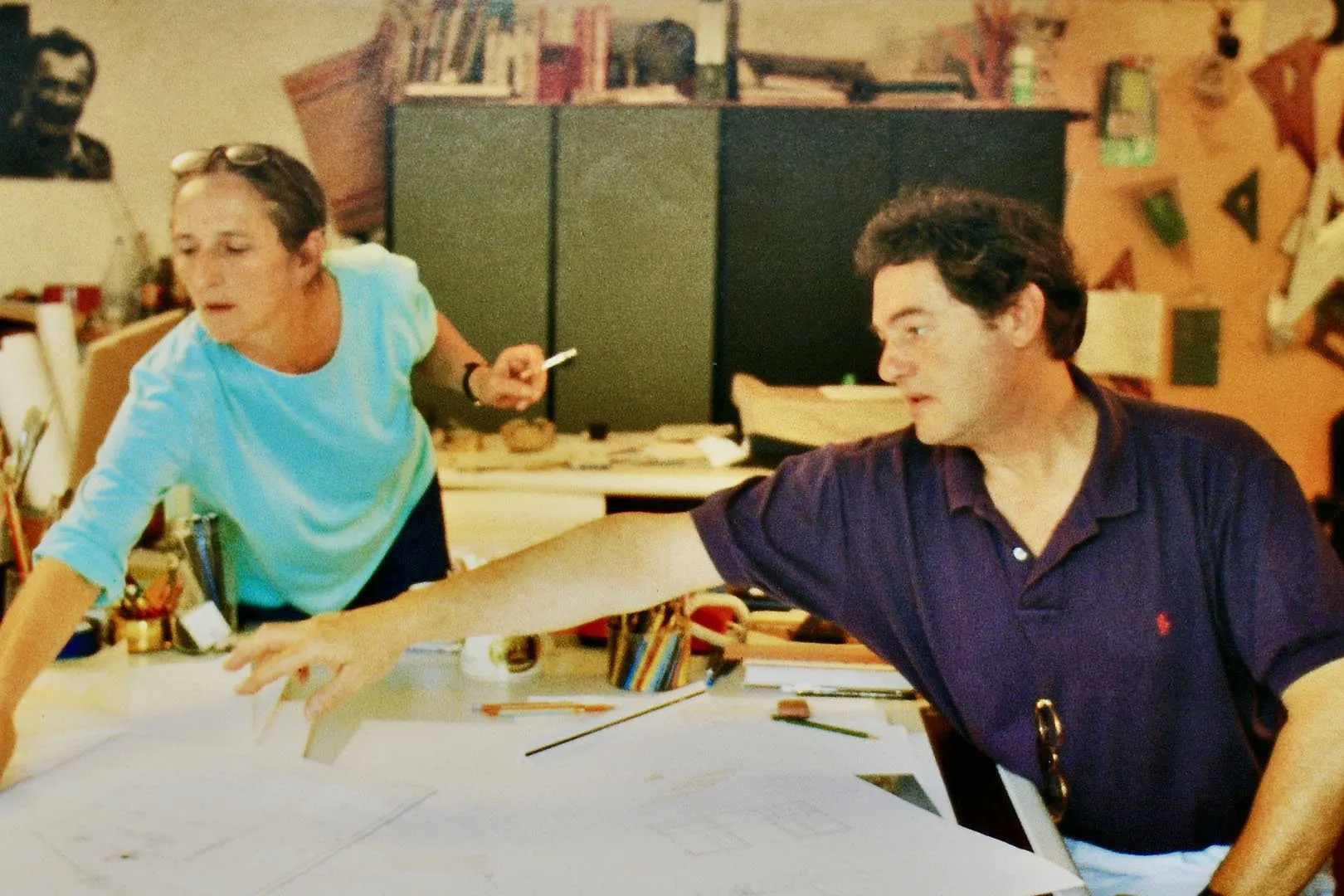
Afra and Tobia Scarpa: Who Were They?
Tobia Scarpa was born in Venice in 1935, the son of the celebrated architect and designer Carlo Scarpa. Afra Bianchin was born in Montebelluna in 1937. The two met while studying architecture at IUAV University in Venice and very soon began to share not only their private lives, but also a long and extraordinary professional journey.
Their professional collaboration took shape in the late 1950s, and in 1960 Afra and Tobia Scarpa opened their studio in Montebelluna, in the Veneto region where Afra was born.
This marked the beginning of one of the most fascinating partnerships in the history of Italian design.
It is difficult to completely separate Afra’s contribution from Tobia’s in their production. For decades, they worked as a true design partnership, developing a shared language in which architecture, furniture and industrial design were constantly connected.
Their Beginnings and Research into Construction
One of the aspects I find most fascinating about Afra and Tobia Scarpa’s work is their direct relationship with materials and the construction of objects.
From the very beginning, their design went beyond the creation of individual pieces of furniture. They often developed systems and families of products in which every element emerged from precise research into structure, materials and manufacturing processes.
Their early professional experiences included collaborations with companies such as Gavina and Venini, allowing the Scarpas to experiment with different materials and production techniques.
Wood, metal, glass and the materials used for upholstered furniture became tools through which they explored new design possibilities.
Among their early important projects were the Nictea pendant light, the Bastiano armchair, the Fantasma floor lamp made of the innovative Cocoon material, the Vanessa bed and the Pigreco chair. These designs already reveal some of the principles that would characterize their entire career: attention to structure, simplicity of form and the ability to transform technical solutions into comfort.
Their design therefore began with construction. Before considering the final appearance of an object, the Scarpas seemed to ask how it should function, which materials should be used and how those materials could best be worked.
This approach allowed them to move naturally from the small scale of individual objects to the larger scale of architecture.
Africa for Maxalto: An Extremely Visionary Project
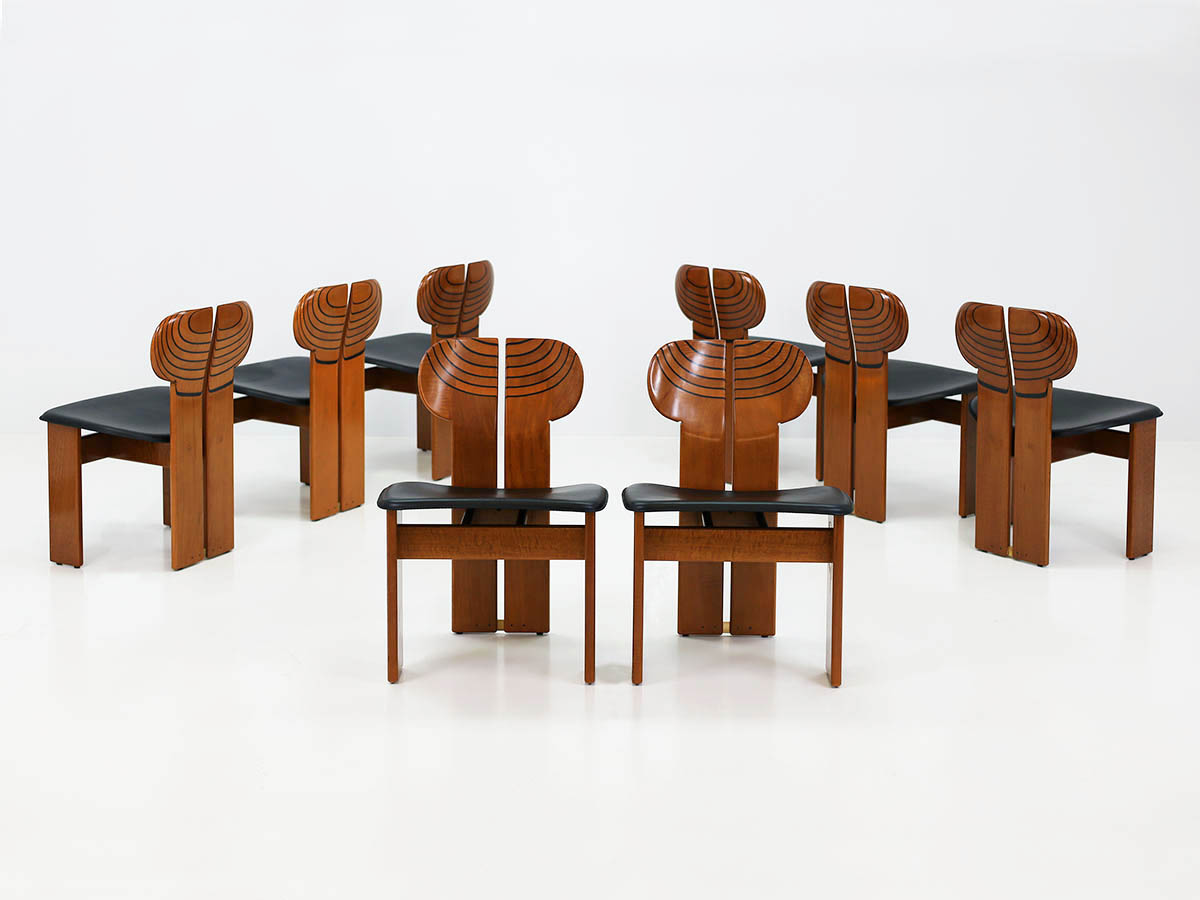
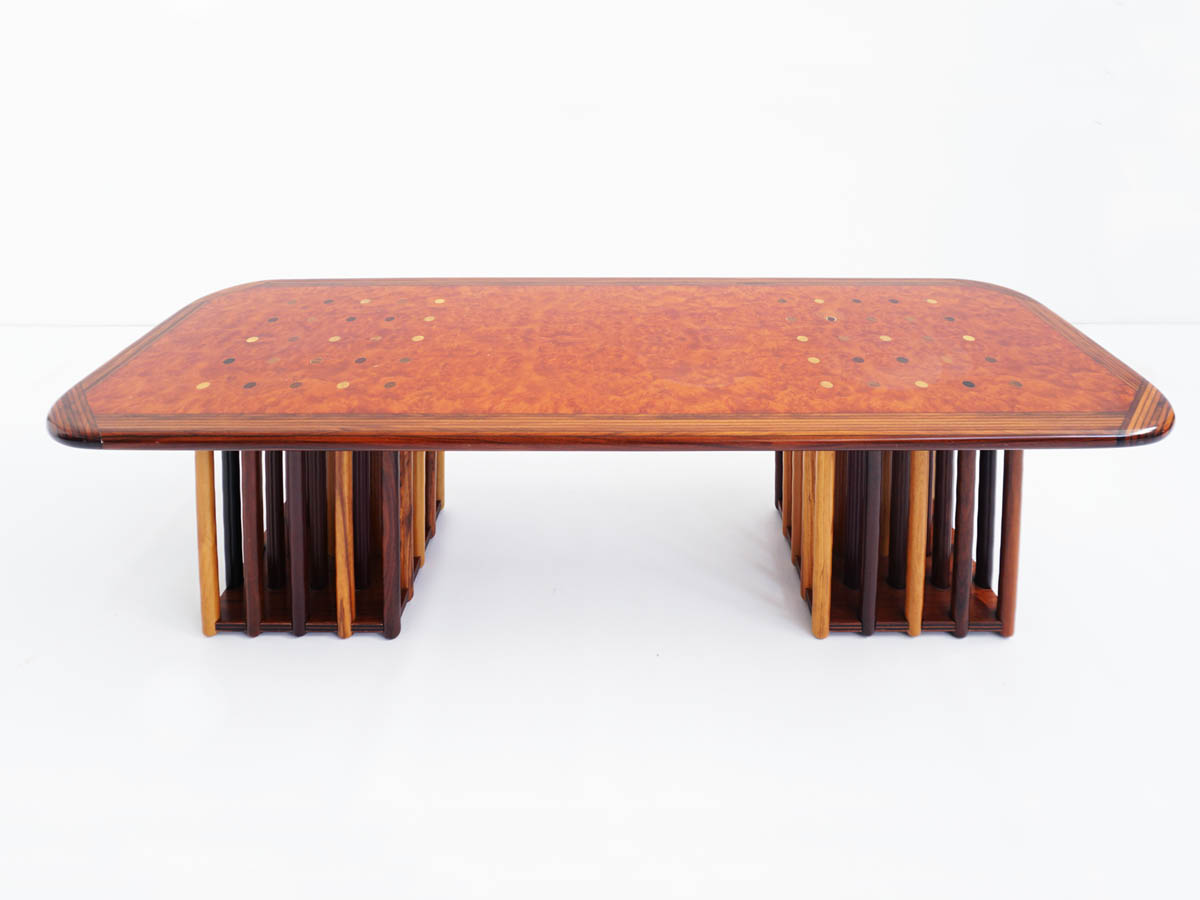
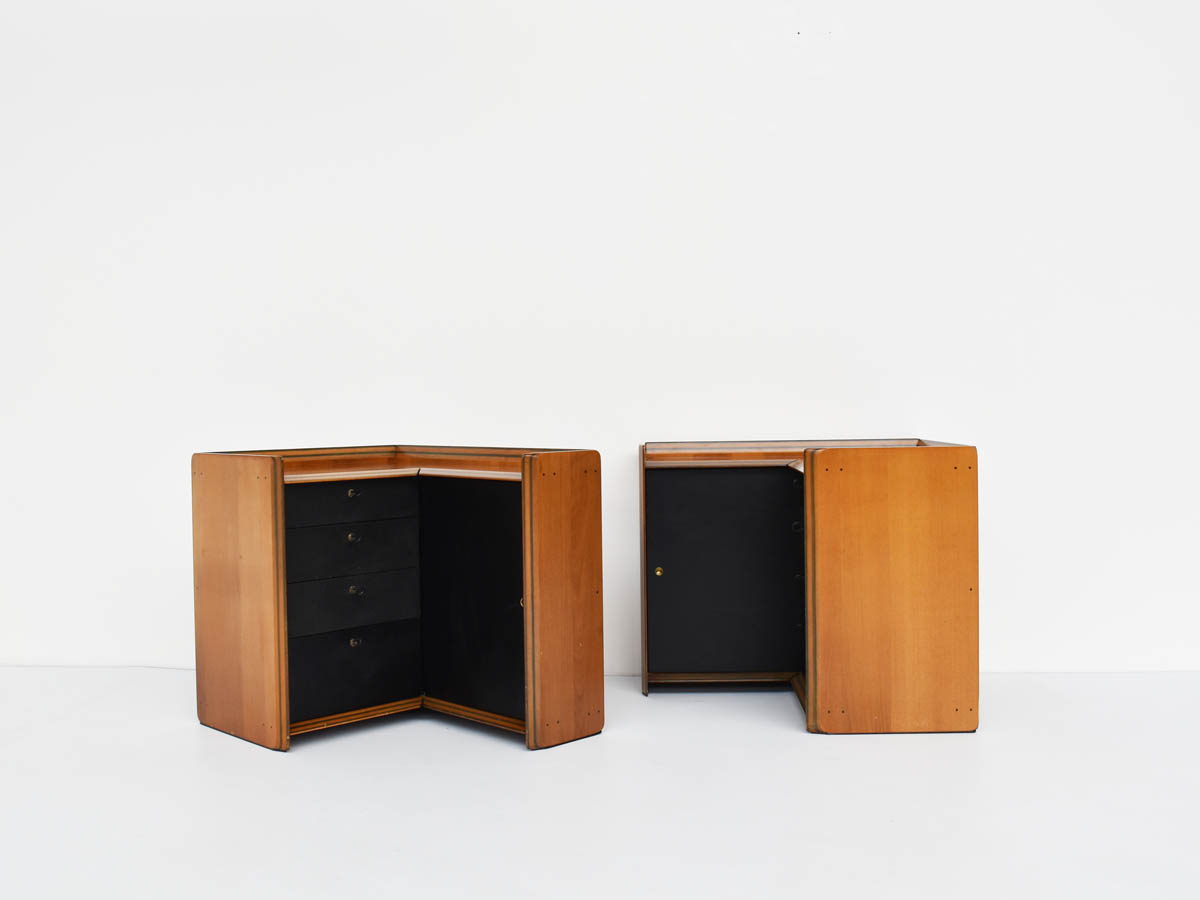
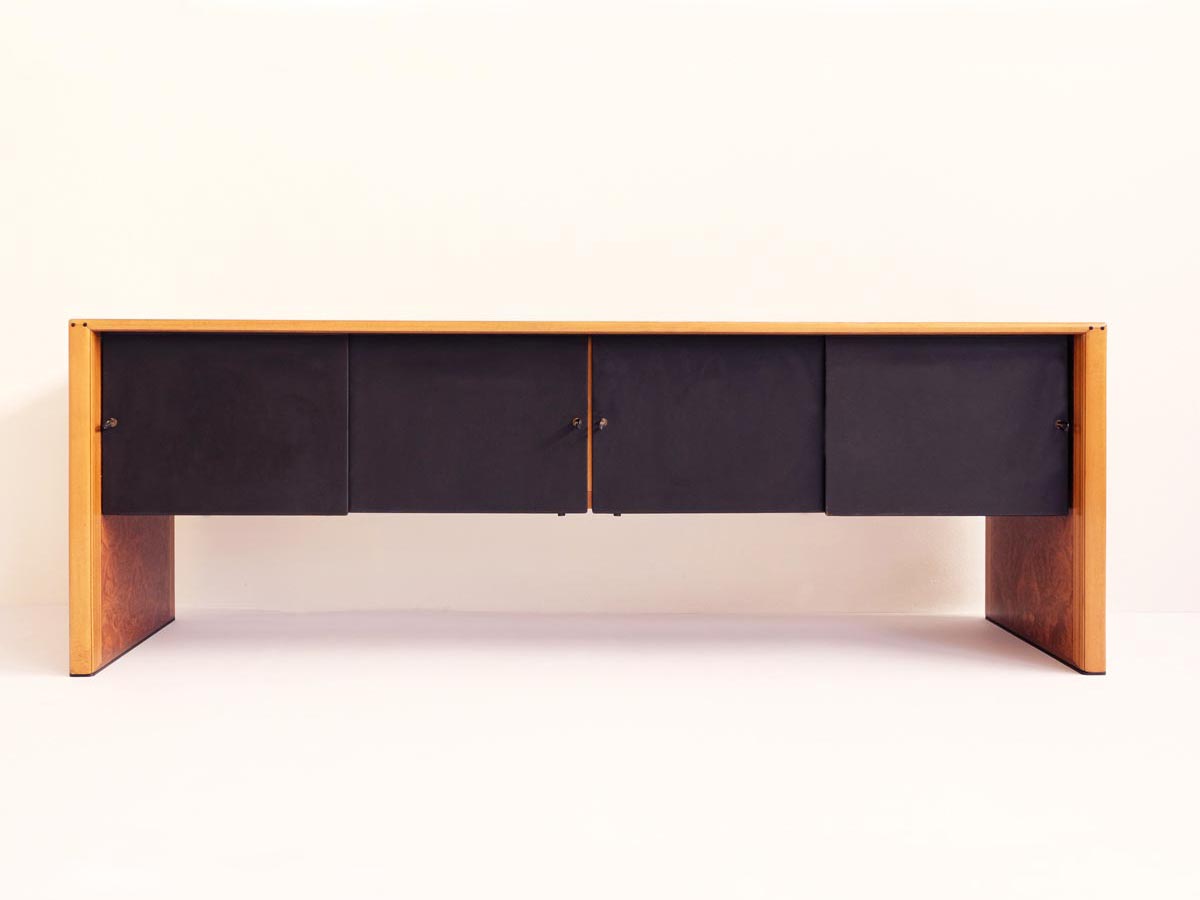
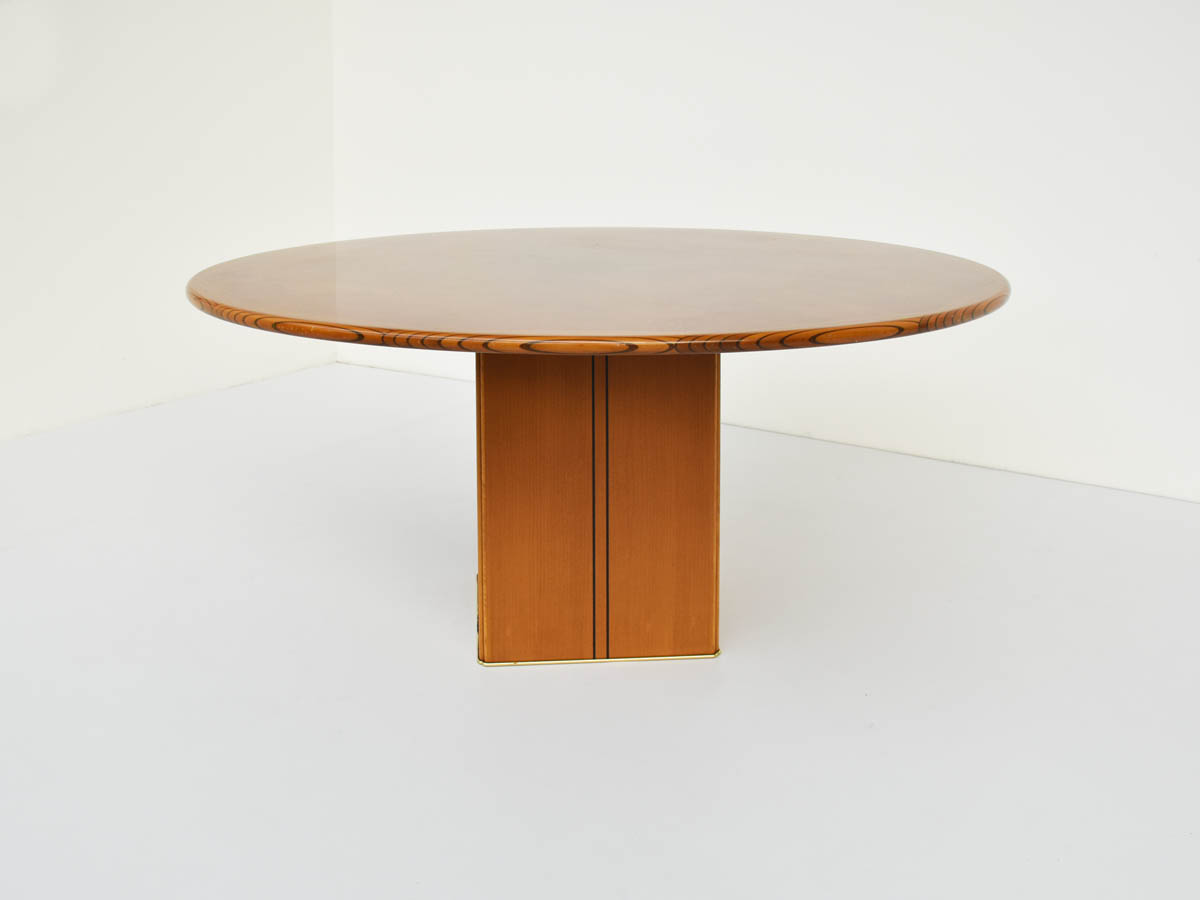
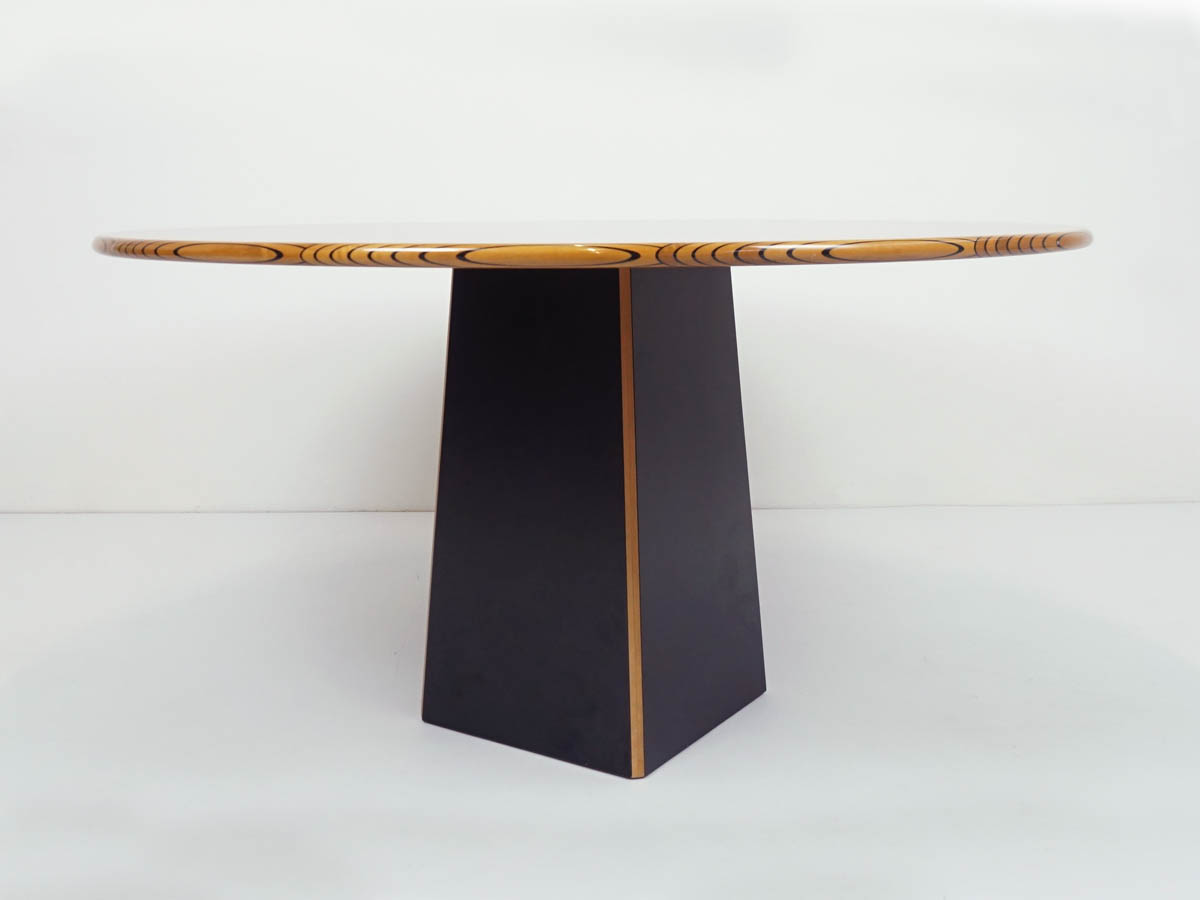
Among the projects I consider most important for understanding Afra and Tobia Scarpa’s design philosophy is the Africa series, created for Maxalto.
The Africa chairs represent a particularly significant moment in their research. They are part of a project in which complex construction is transformed into a sculptural, essential and at the same time highly rational form.
Africa is not simply a chair. It is the result of research into structure, materials, proportions and the possibility of creating a genuine family of objects through a coherent design language.
What I find particularly visionary about this project is the sheer number of design and construction problems that the Scarpas address simultaneously. The series explores numerous elements and approaches furniture as a system, in which every object must respond to precise structural requirements while maintaining a strong aesthetic identity.
The construction is complex, but the final result never appears complicated.
On the contrary, the forms of Africa have an almost sculptural presence while remaining extremely rational. Nothing appears to have been added simply for decorative purposes: every element emerges from the logic of the construction and contributes to the overall balance of the object.
This contrast between complex construction and visual simplicity is precisely what makes the Africa series so important.
The sculpture emerges from the structure.
Technology is not displayed for its own sake, but transformed into form. Complexity is not hidden, but organized until it becomes natural.
For me, Africa perfectly represents one of the fundamental principles of Afra and Tobia Scarpa’s design: transforming a difficult construction into an object that appears simple, functional and immediately recognizable.
Afra and Tobia Scarpa and Italian Design in the 1960s
The 1960s marked the period in which Afra and Tobia Scarpa established themselves fully within the Italian design scene.
Their work developed through collaborations with companies such as Gavina, Flos, Cassina and B&B Italia, covering a wide range of typologies: chairs, sofas, beds, lamps, tables and furniture accessories.
The Africa project already expresses this philosophy very clearly: start with the structure, understand its possibilities and transform a complex construction into an object capable of appearing essential.
What I recognize most strongly in their work is their attention to the relationship between form and technology. The Scarpas never seem particularly interested in decoration for its own sake. Instead, form emerges from construction, materials and the way an object is intended to be used.
It is this ability to combine industrial innovation, craftsmanship and formal research that makes their work so relevant even today.
Soriana: One of Afra and Tobia Scarpa’s Icons
Among their most celebrated projects is undoubtedly the Soriana armchair, designed in the late 1960s and now considered an icon of Italian design.
Soriana perfectly demonstrates the Scarpas’ ability to transform a constructional solution into an aesthetic element. The upholstered structure and its distinctive fastening system become an integral part of the armchair’s visual identity.
The project received the Compasso d’Oro in 1970, one of the most prestigious awards in the history of Italian design.
Soriana also entered the collection of the Museum of Modern Art in New York, confirming its importance in the history of international design.
For me, Soriana represents one of the clearest examples of their design philosophy: an immediately recognizable object built around a precise functional logic.
As with the Africa series, construction is not simply a technical element. It becomes language, image and identity.
Bastiano, Vanessa, Coronado and Other Famous Projects
The production of Afra and Tobia Scarpa extends far beyond Soriana.
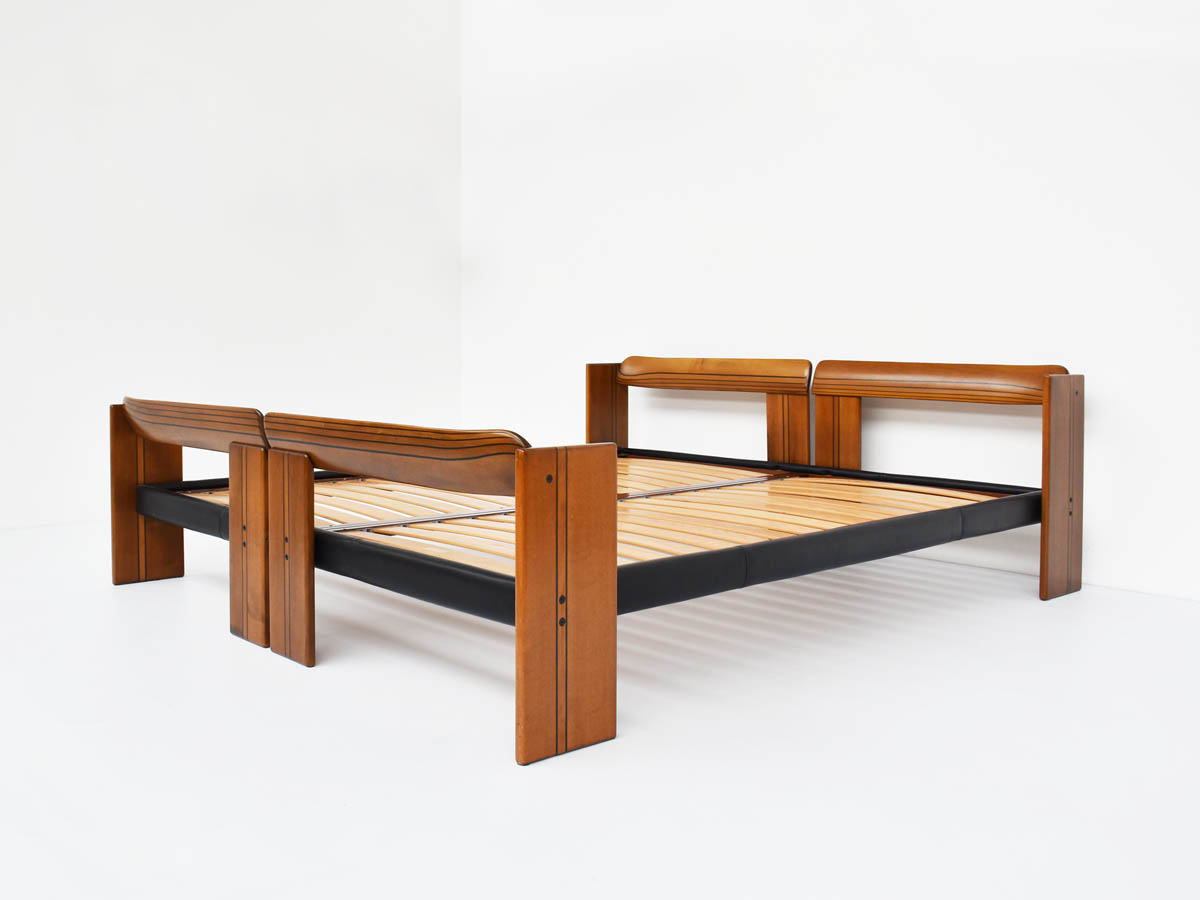
The Bastiano sofa, designed in the early 1960s, is one of their most representative projects. It was followed by the Vanessa bed, characterized by an essential structure, as well as a long series of projects created for important Italian and international companies.
For B&B Italia, they designed the celebrated Coronado sofa, introduced in 1966, along with other important furniture pieces.
Coronado is particularly significant because it demonstrates the Scarpas’ ability to work with industrial upholstery, transforming a technologically complex structure into an object with an exceptionally clean visual language.
In the field of lighting, they also worked with Flos, designing lamps such as Fantasma, Foglio and Biagio, now considered important examples of Italian design from the second half of the 20th century.
Once again, the same philosophy can be found in these projects: form is not separate from technology, but emerges from it.
Afra and Tobia Scarpa and Benetton
Another fundamental chapter in their career concerns their relationship with Benetton.
Beginning in 1964, Afra and Tobia Scarpa worked with the company, designing its first textile factory in Paderno di Ponzano, near Treviso.
Over the following years, their work expanded to include large-scale production facilities, company buildings and numerous Benetton stores in Italy and abroad.
Among their most significant projects was the production complex at Castrette di Villorba, together with the automated warehouse built in the 1980s and other important projects connected with the company’s industrial growth.
It is in these projects that their architectural vision becomes particularly clear: a building is not simply a container, but a system in which structure, production, people and environment must work together.
The Architecture of Afra and Tobia Scarpa
Reducing Afra and Tobia Scarpa to the category of designers alone would be a mistake.
Throughout their careers, they designed private residences, industrial buildings, shops, exhibitions and restoration projects.
Their architectural work includes important projects for Benetton as well as numerous residential buildings in Veneto and other parts of Italy.
Tobia Scarpa also worked on the restoration of historic and monumental buildings, developing an architectural practice that continued to interact with his experience in product design.
This versatility is, in my opinion, one of the most fascinating aspects of their career: for the Scarpas, designing a chair, a lamp, a house or a factory belonged to the same culture of design.
Their Relationship with Materials and Technology
If I had to identify one characteristic capable of summarizing their design, I would choose the relationship between material, technology and function.
Afra and Tobia Scarpa worked with glass, metal, wood, leather, textiles and synthetic materials, exploring their possibilities without ever losing sight of the function of the object.
Their design process often began with the simplest question: how can this object be constructed better?
This question led to an extremely concrete form of design, in which technology was not something to display, but a tool for achieving a more effective result.
The Africa series is a particularly clear example of this approach: complex construction leads to a sculptural and rational form, demonstrating how technology and aesthetics can become one.
Afra Scarpa: A Fundamental Figure
Talking about Afra and Tobia Scarpa also means recognizing the importance of Afra Bianchin Scarpa, who is too often described simply as Tobia’s wife and collaborator.
Afra was born in 1937 and developed, together with Tobia, a broad and recognizable design practice.
Their archive documents an extensive body of work encompassing design, architecture, interiors and experimental projects.
The archive held at the CSAC in Parma contains more than 1,800 sketches, drawings, prototypes and objects relating to numerous projects developed between 1956 and 1982.
Afra Bianchin Scarpa died in 2011. Her contribution remains fundamental to understanding both the history of the studio and the body of work she developed with Tobia.
Awards and Museums
Afra and Tobia Scarpa’s work has received numerous international recognitions.
The 1970 Compasso d’Oro for Soriana represents one of the most important moments of their career.
Over the years, their projects entered the collections of major international museums, including the Museum of Modern Art in New York.
Tobia Scarpa also received the Compasso d’Oro for Lifetime Achievement in 2008, recognizing the importance of his long career in Italian design.
The Legacy of Afra and Tobia Scarpa
Afra and Tobia Scarpa left a legacy that goes far beyond individual products.
Their design continues to be studied because it brings together apparently different elements: tradition and innovation, craftsmanship and industry, technology and comfort, architecture and product design.
The Africa series, Soriana, Bastiano, Vanessa, Coronado and their numerous projects in lighting and architecture reveal a coherent body of research developed over decades of work.
Many of their projects are still present in the collections of major brands and international museums.
Perhaps this is the clearest sign of the quality of their work: objects designed decades ago can still interact naturally with contemporary interiors.
When I look at a project by Afra and Tobia Scarpa, what strikes me most is precisely this ability not to chase time.
Their design does not seem created to belong to a particular trend, but to function well, to be well constructed and to last.
And this is probably why Afra and Tobia Scarpa are still considered fundamental protagonists of 20th-century Italian design: they demonstrated that the most authentic innovation does not need to be displayed, but can be incorporated into form, material and the way we live with objects.
Afra and Tobia Scarpa: Key Dates
Today — their projects continue to be represented in museum collections, archives and the catalogues of leading international design brands.
1935 — Tobia Scarpa is born in Venice.
1937 — Afra Bianchin is born in Montebelluna.
Late 1950s — their first shared professional experiences begin.
1960 — Afra and Tobia Scarpa open their own studio in Montebelluna.
1960s — they develop important collaborations with Gavina, Flos, Cassina and B&B Italia.
1964 — their collaboration with Benetton begins.
1966 — the Coronado sofa is designed.
Late 1960s — Soriana is designed.
1970 — they receive the Compasso d’Oro for Soriana.
1970s — their collaboration with Maxalto develops, leading to important furniture projects including the Africa series and Africa chairs, characterized by complex construction, sculptural forms and a strongly rational aesthetic.
1980 — the automated Benetton warehouse in Castrette is completed.
2008 — Tobia Scarpa receives the Compasso d’Oro for Lifetime Achievement.
2011 — Afra Bianchin Scarpa dies.