

Gio Ponti (1891–1979) – Architecture, Design and Italian Modernism


Gio Ponti (1891–1979) was one of the most important and influential figures in 20th-century Italian architecture and design. An architect, designer, artist, and editor, Ponti developed an exceptionally versatile body of work spanning architecture, furniture, ceramics, lighting, and interior design. His distinctive language combines lightness, functionality, elegant proportions, and formal innovation, helping to define the identity of modern Italian design.


His design philosophy placed particular emphasis on the relationship between form and function, together with a constant search for visual and structural lightness. Through the intelligent use of materials and the simplification of forms, Ponti created furniture that was both highly refined and remarkably functional, with many of his designs now regarded as icons of 20th-century Italian design.


Gio Ponti and Cassina


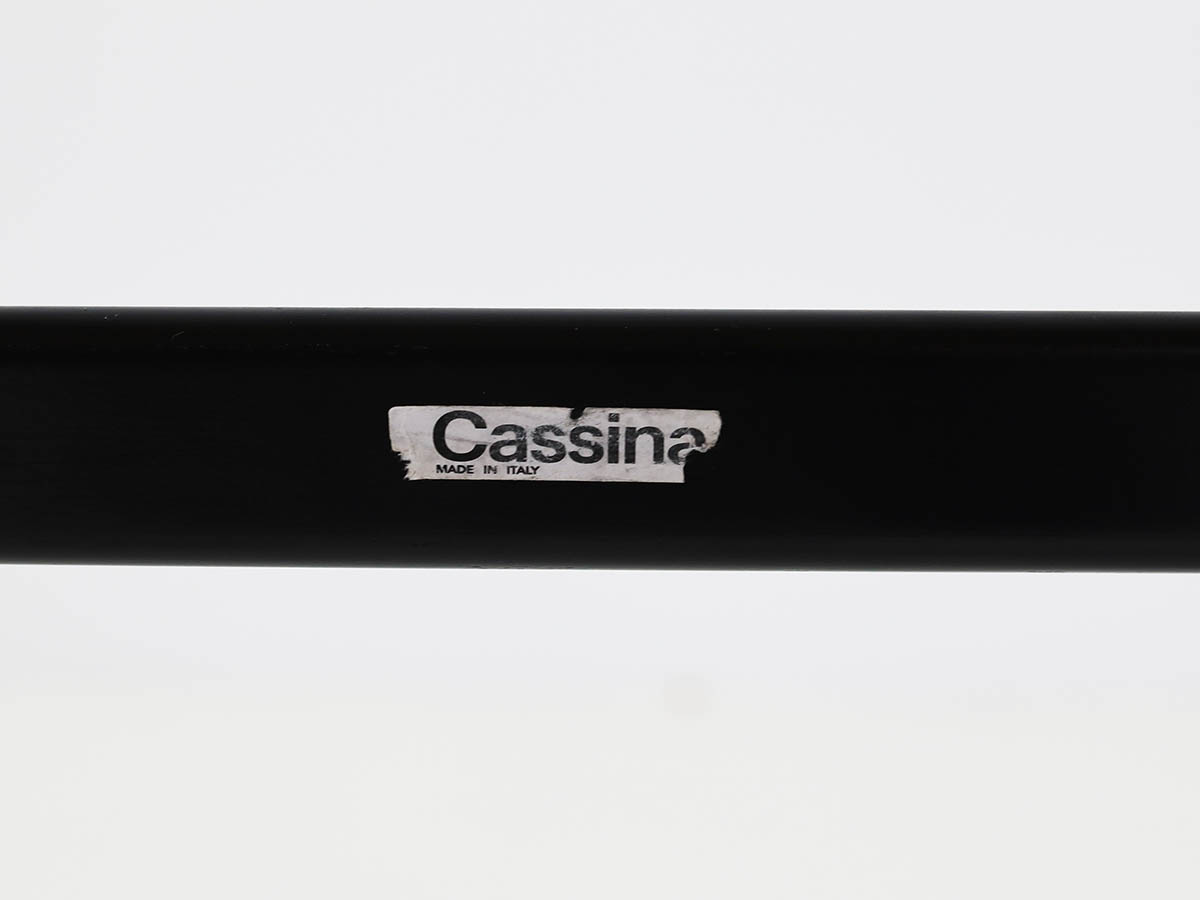
The collaboration between Gio Ponti and Cassina, which developed during the 1950s, represents a fundamental chapter in the history of Italian design. Working with Cesare Cassina and the company's skilled craftsmen, Ponti was able to experiment with innovative construction techniques, focusing on reducing weight and simplifying the structure without compromising strength or stability.


This collaboration produced some of the most significant designs in Cassina's history, combining fine craftsmanship, manufacturing innovation, and industrial design. Ponti's research into lightness reached its fullest expression with the celebrated Superleggera 699, which evolved from the earlier Leggera chair.


The Leggera Chair


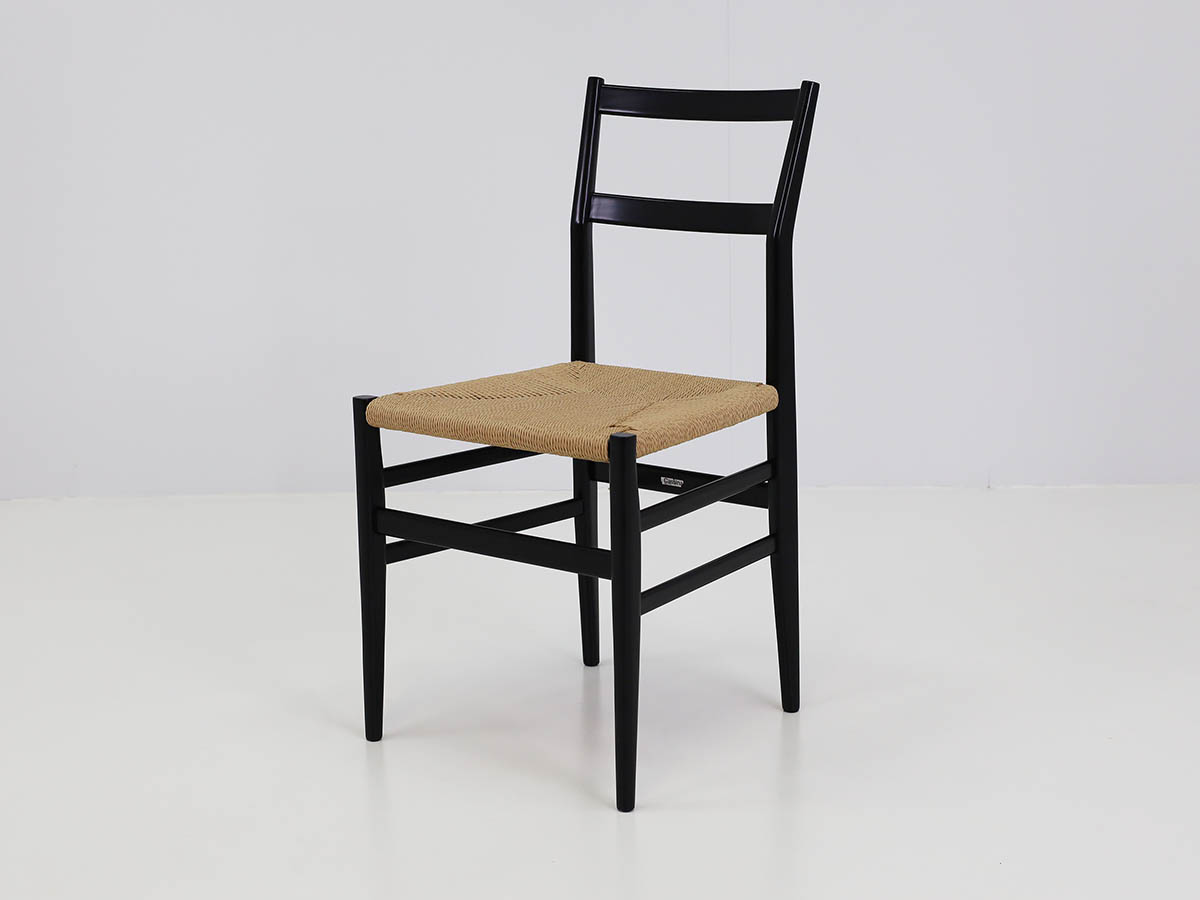
The Leggera chair, model 646, was designed by Gio Ponti in 1952 and represents one of the key achievements of the collaboration between Ponti, Cesare Cassina, and the company's craftsmen. Its structure reflects a progressive reduction of construction elements and draws inspiration from the traditional Chiavari chair, reinterpreted through a modern, sophisticated, and highly functional design language.


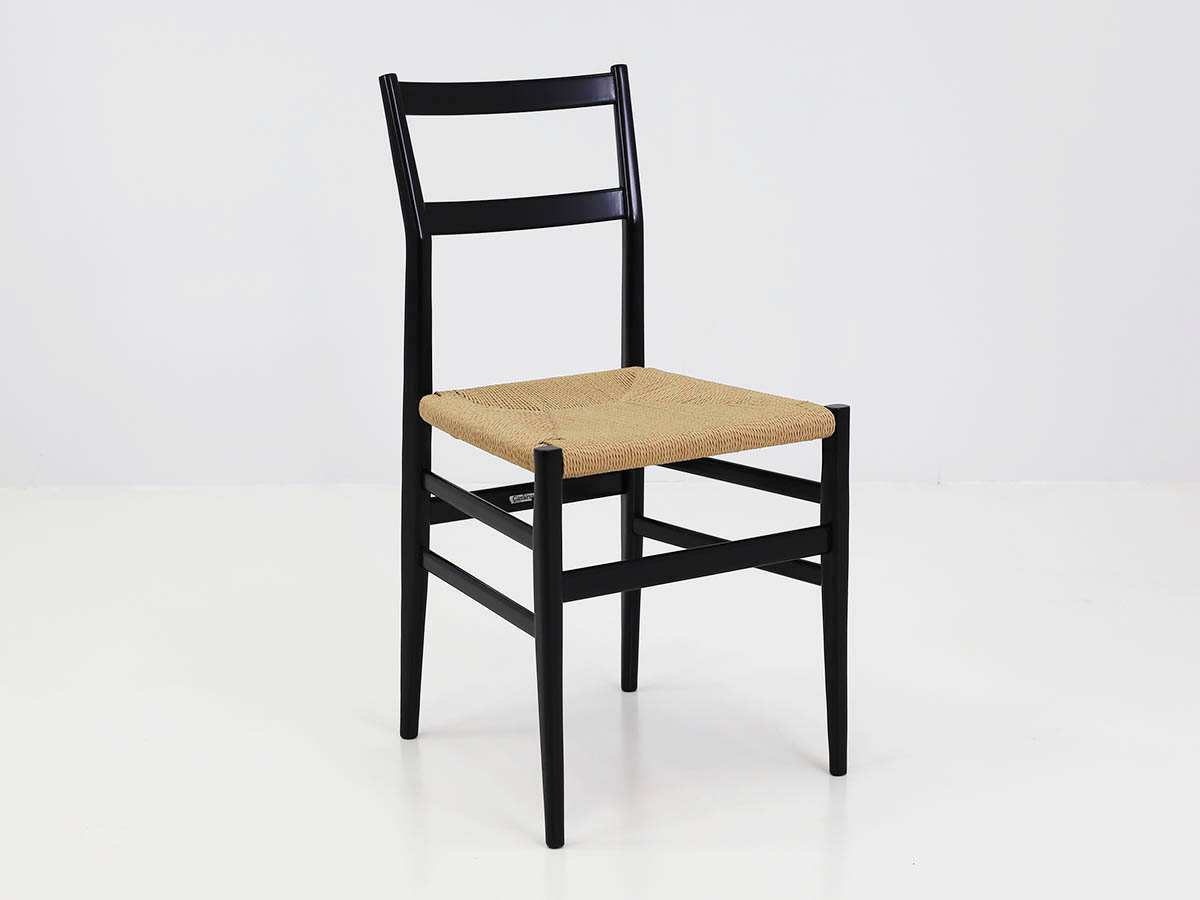
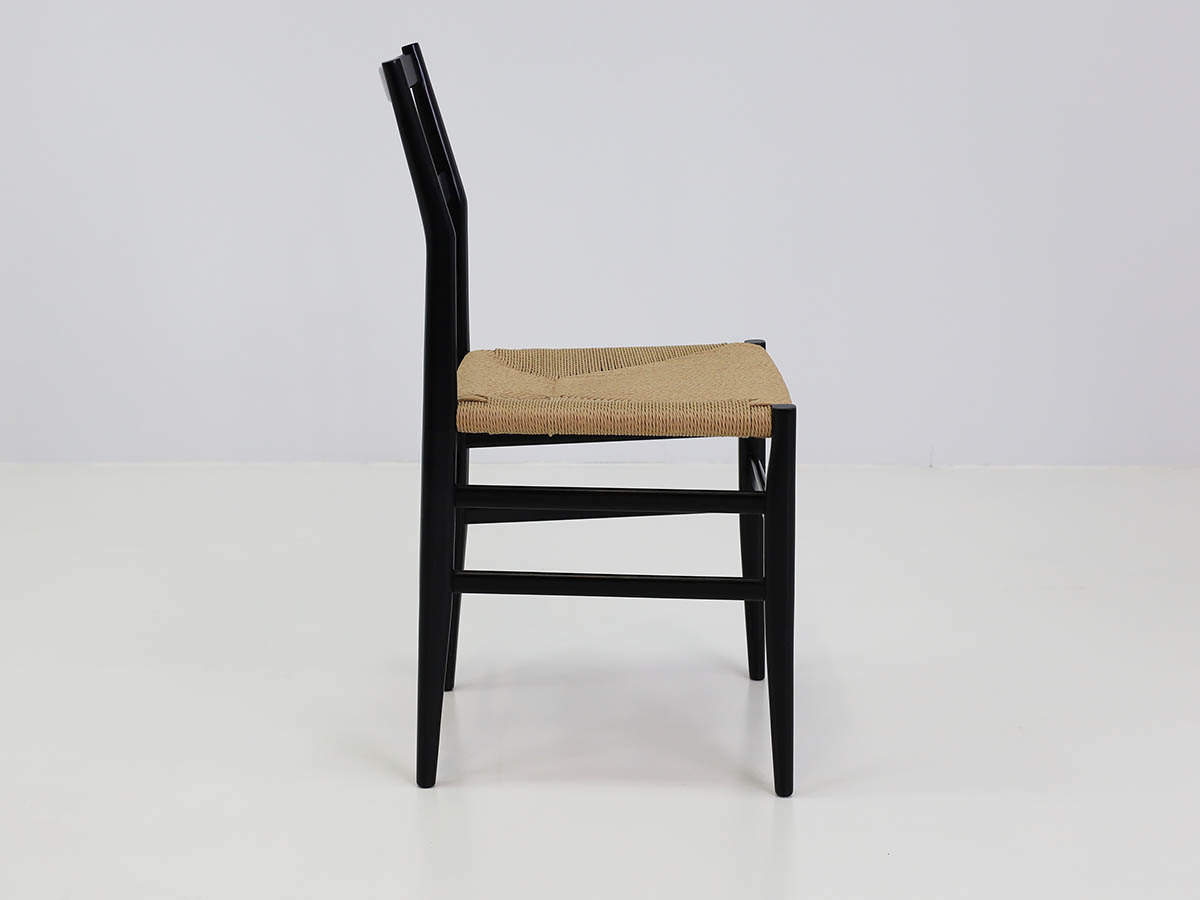
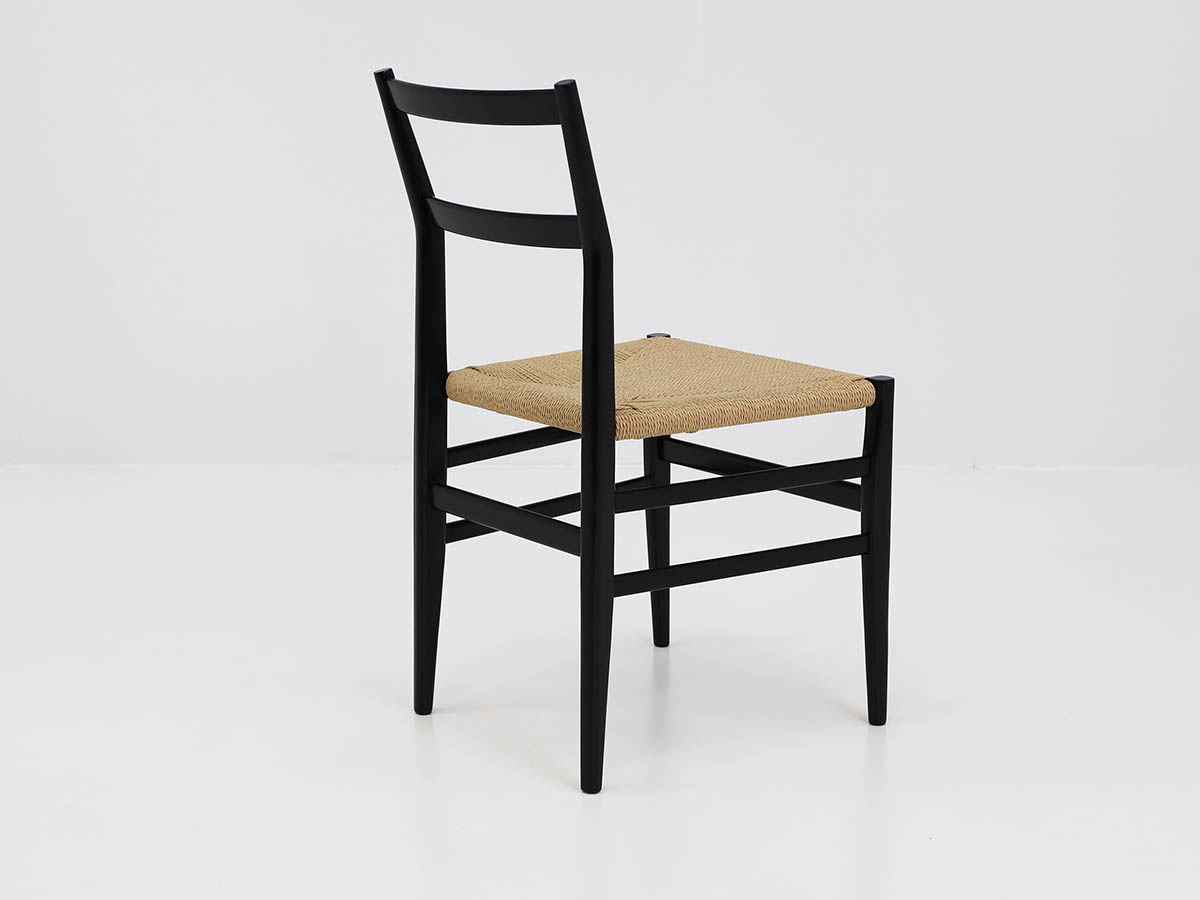
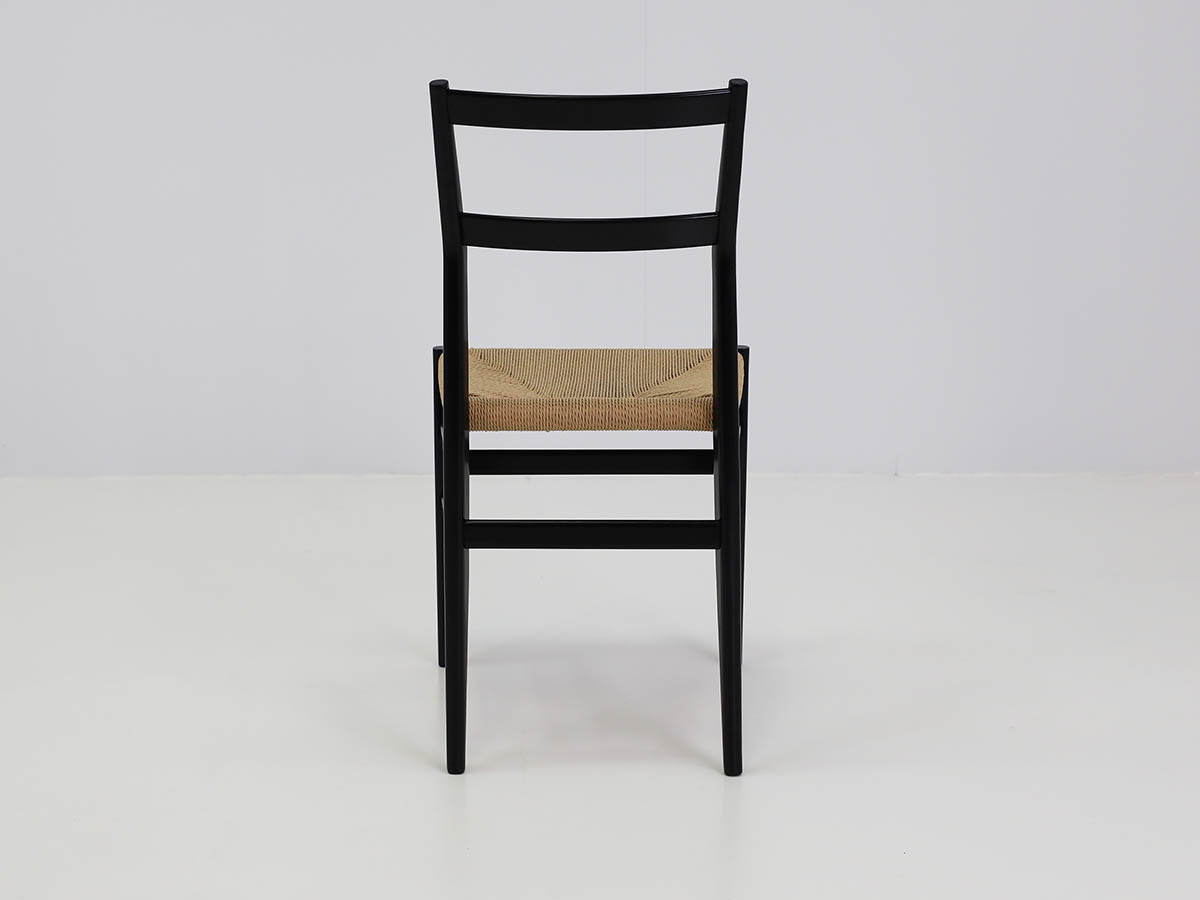
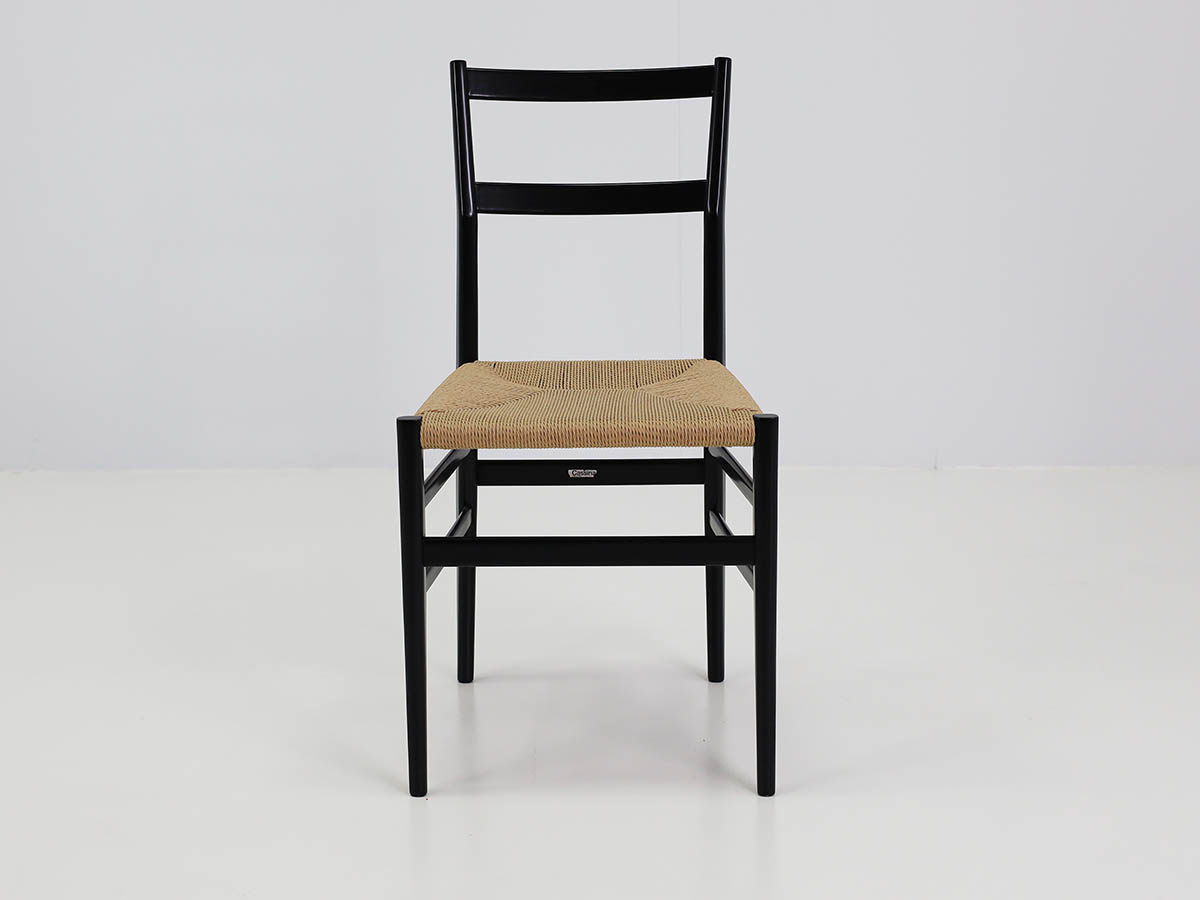
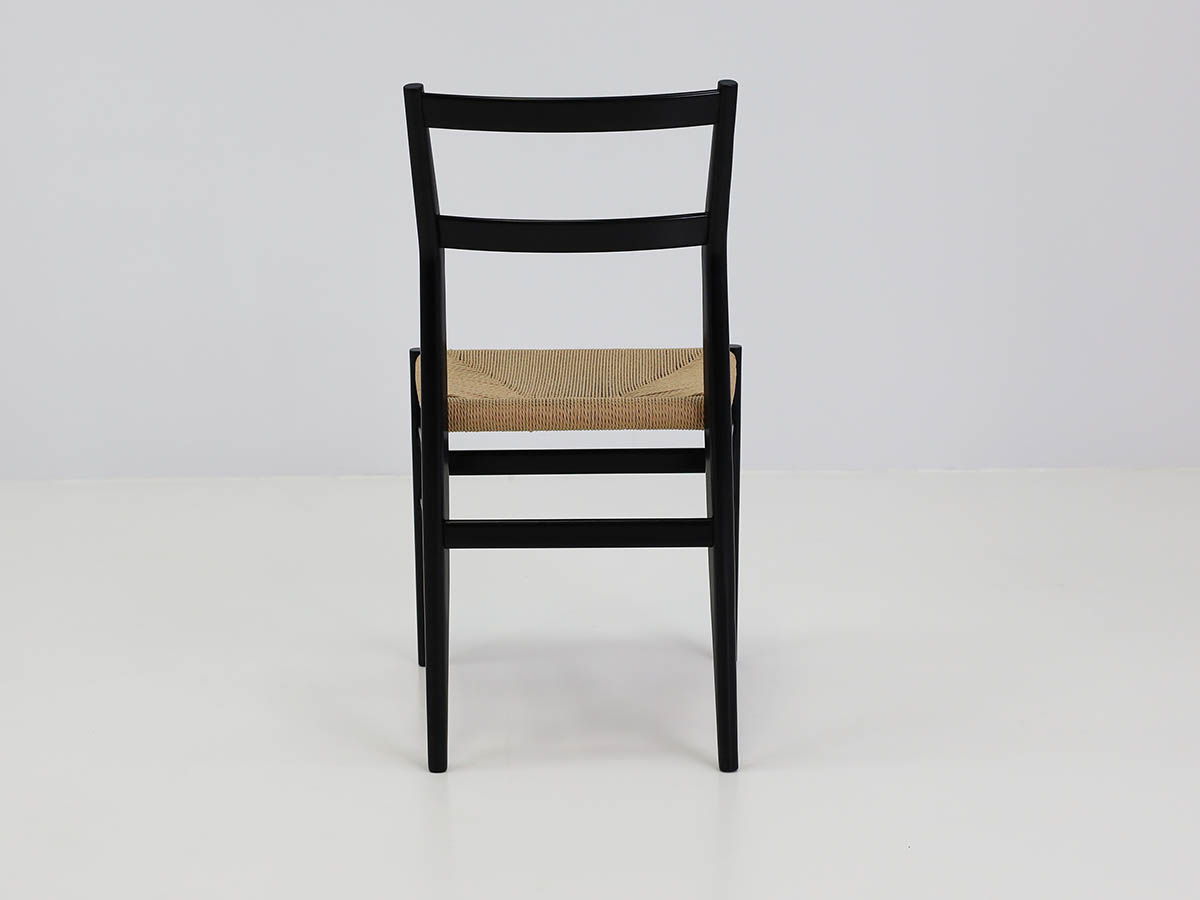
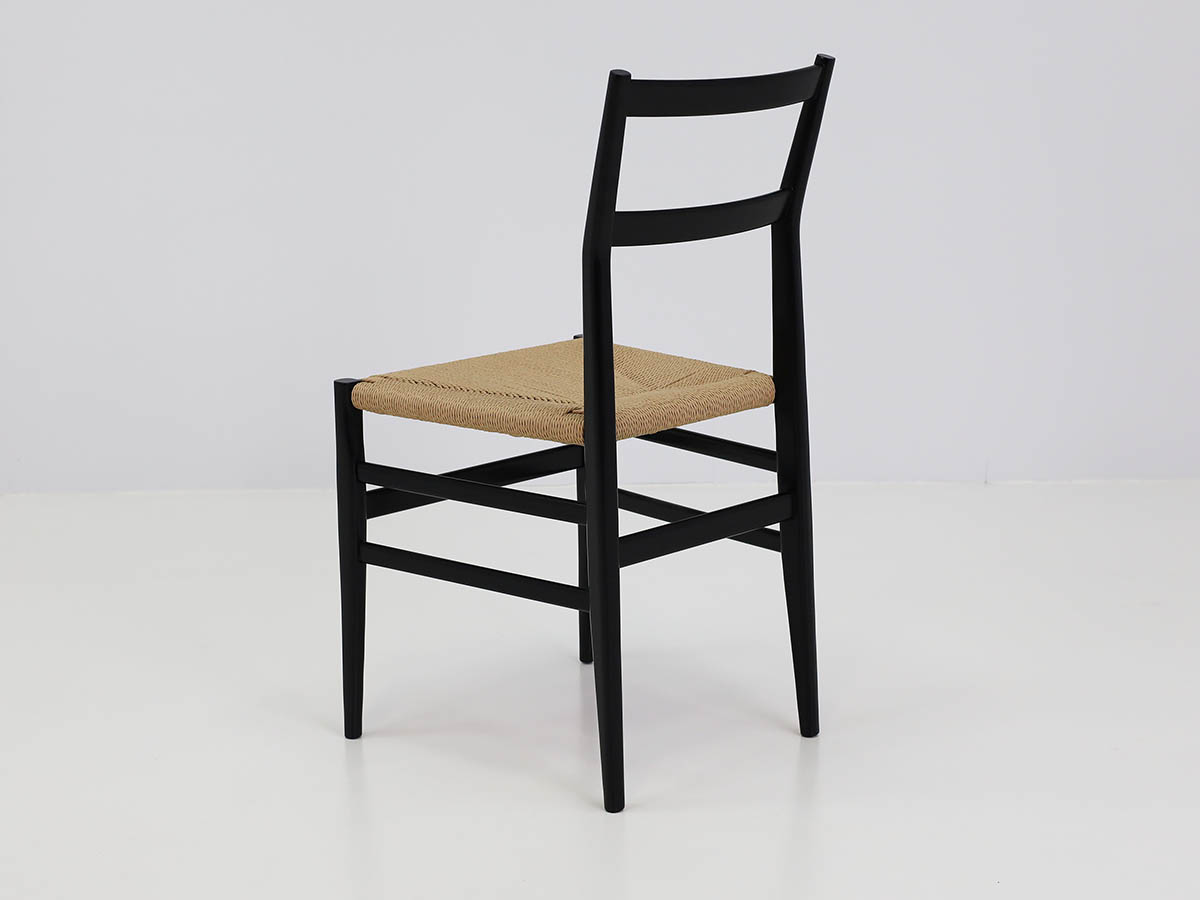
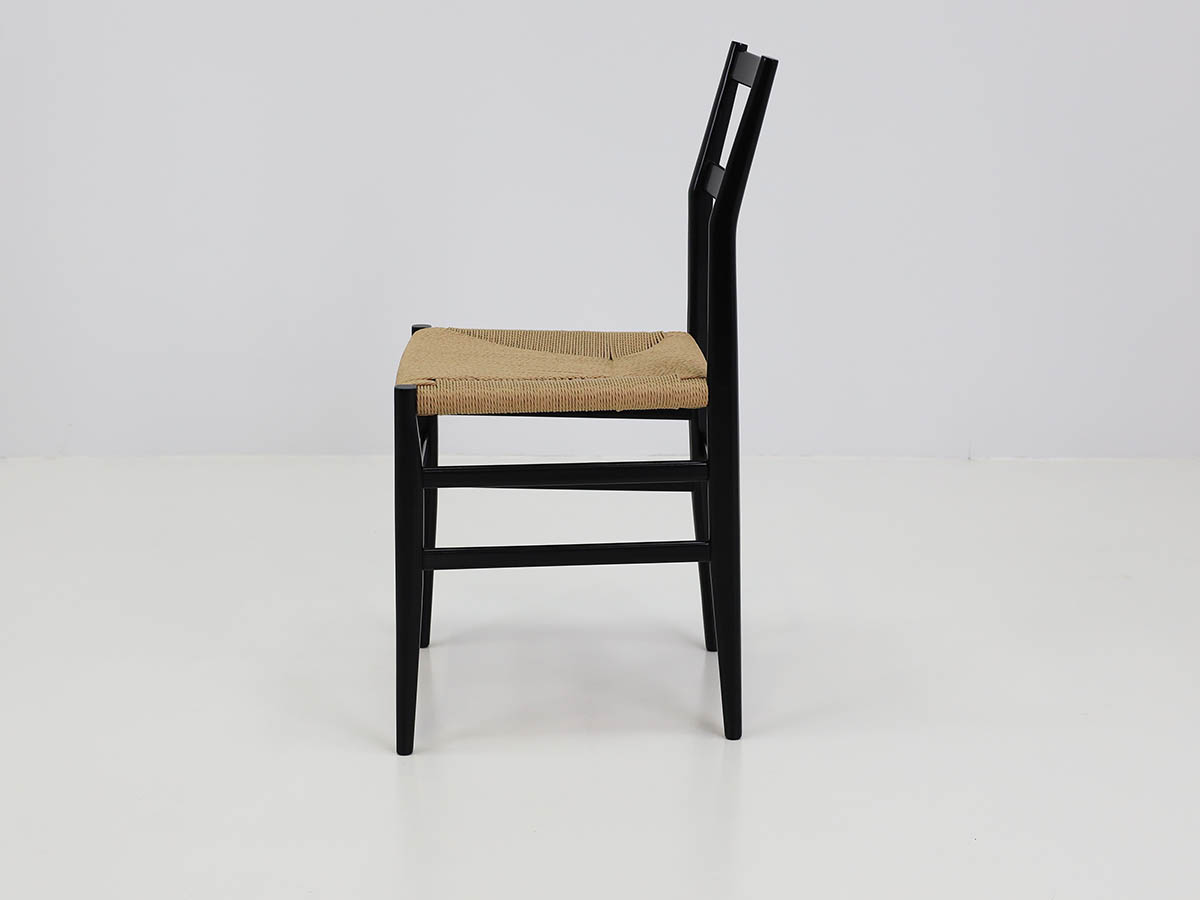
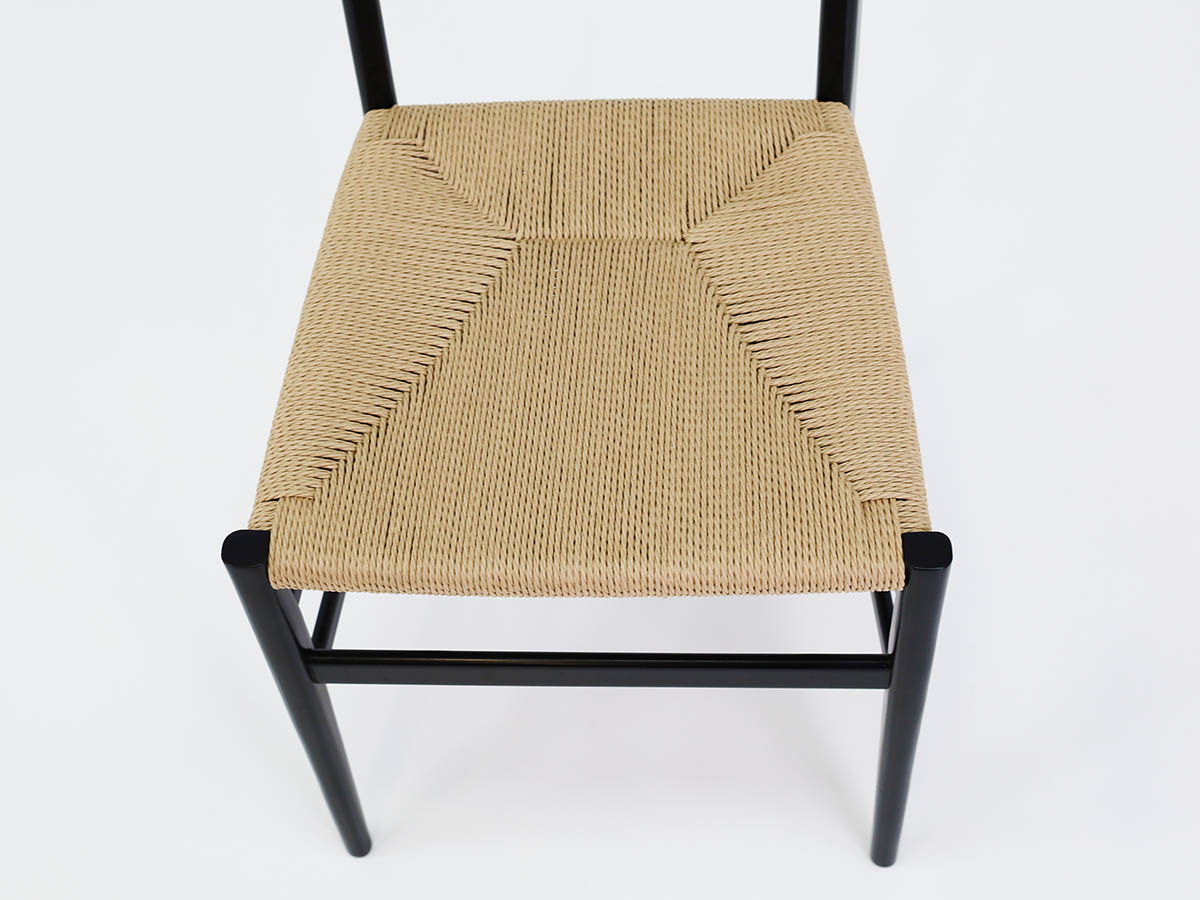
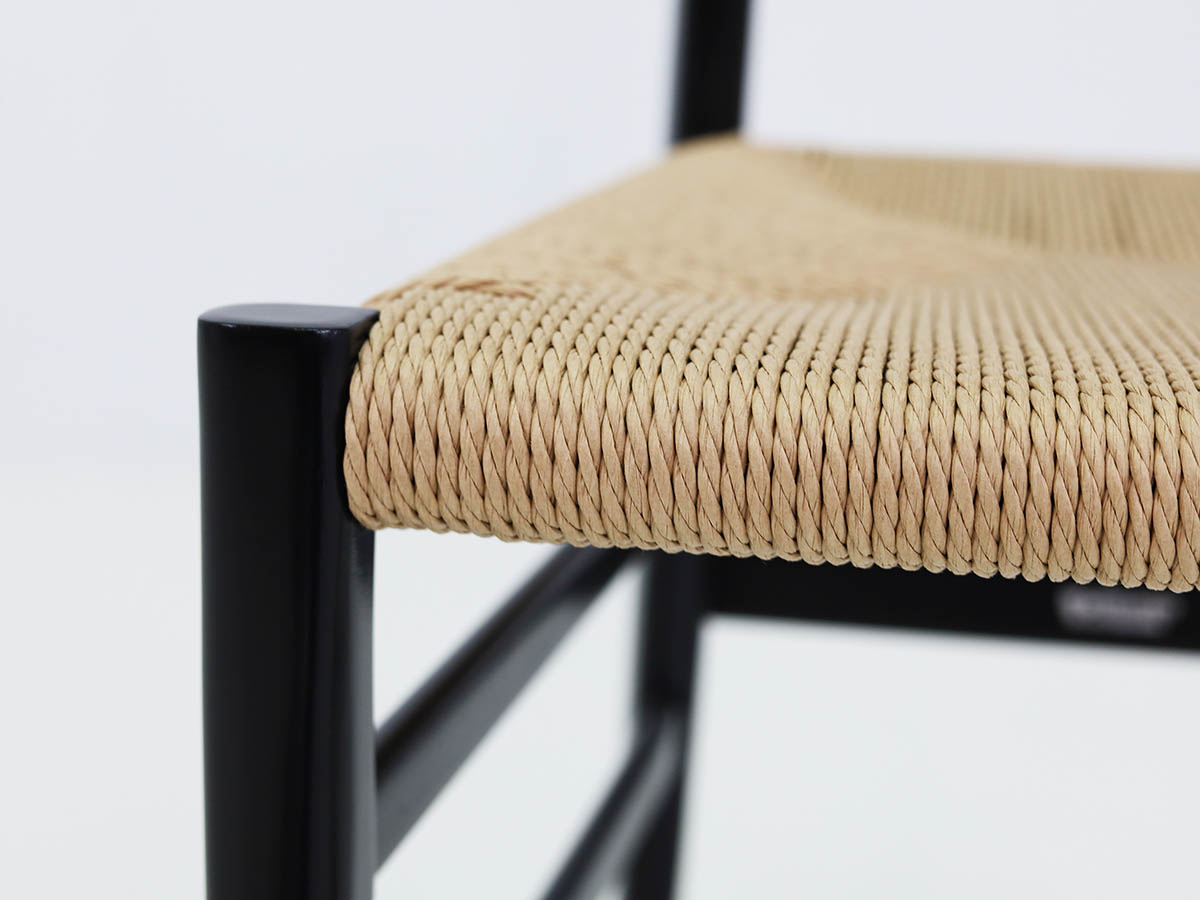
The Leggera is now recognized as an icon of post-war Italian design. The original structure was produced in solid ash wood or Canaletto walnut; in the version with a woven rope seat, the characteristic hand-woven surface further enhances the chair's sense of lightness and simplicity.


Ponti's design research reaches an extraordinary balance in the Leggera between strength, stability, ergonomics, and visual lightness. The result is an elegant and versatile chair that integrates effortlessly into both modernist and contemporary interiors.


The Gio Ponti Leggera chair for Cassina remains one of the most representative symbols of 20th-century Italian design, demonstrating Ponti's ability to unite architectural culture, craftsmanship, and industrial innovation in an object of exceptional formal simplicity.
Item nr. 26118

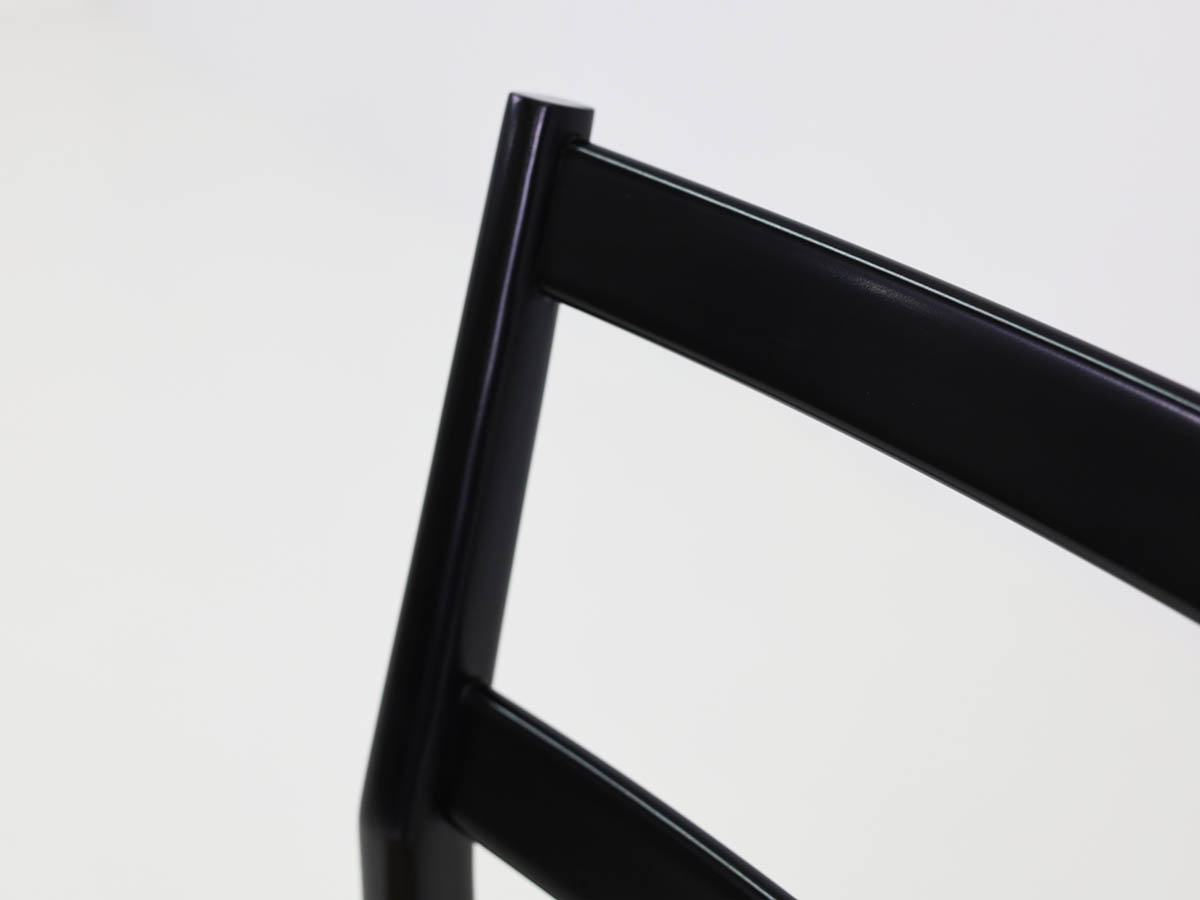
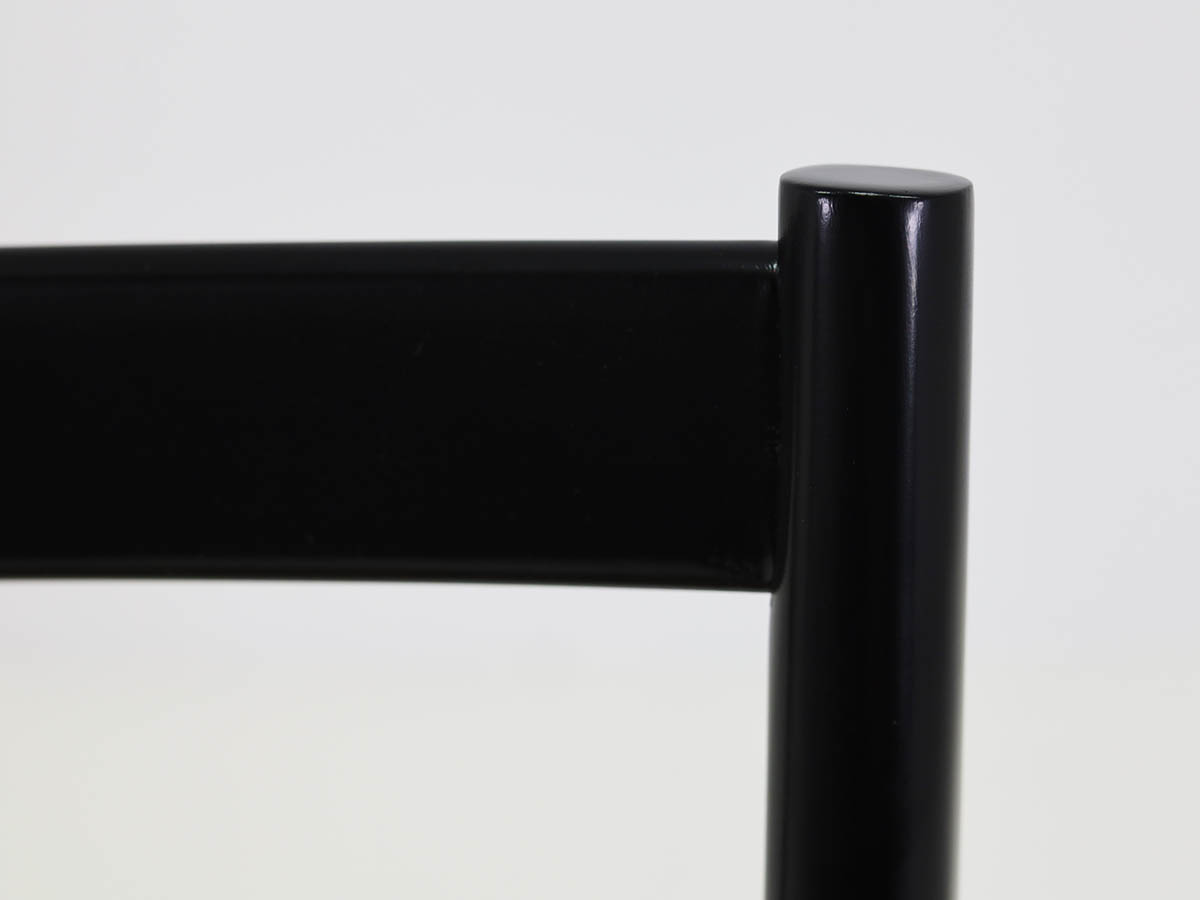
Chair in Black Lacquered with Woven Rope Seat model Leggera 646

Designer

ProductionCassina
Italy 1952

MaterialBlack lacquered ash | rope

Dimension43.5 x 45.5 x Seating HT 45 x Total HT 82.5 cm

Price in Swiss Francs / Euro 1'100.00

chair-in-black-lacquered-with-woven-rope-seat-model-leggera


Gio Ponti (1891–1979) – Architecture, Design and Italian Modernism


Gio Ponti (1891–1979) was one of the most important and influential figures in 20th-century Italian architecture and design. An architect, designer, artist, and editor, Ponti developed an exceptionally versatile body of work spanning architecture, furniture, ceramics, lighting, and interior design. His distinctive language combines lightness, functionality, elegant proportions, and formal innovation, helping to define the identity of modern Italian design.


His design philosophy placed particular emphasis on the relationship between form and function, together with a constant search for visual and structural lightness. Through the intelligent use of materials and the simplification of forms, Ponti created furniture that was both highly refined and remarkably functional, with many of his designs now regarded as icons of 20th-century Italian design.


Gio Ponti and Cassina


The collaboration between Gio Ponti and Cassina, which developed during the 1950s, represents a fundamental chapter in the history of Italian design. Working with Cesare Cassina and the company's skilled craftsmen, Ponti was able to experiment with innovative construction techniques, focusing on reducing weight and simplifying the structure without compromising strength or stability.


This collaboration produced some of the most significant designs in Cassina's history, combining fine craftsmanship, manufacturing innovation, and industrial design. Ponti's research into lightness reached its fullest expression with the celebrated Superleggera 699, which evolved from the earlier Leggera chair.


The Leggera Chair


The Leggera chair, model 646, was designed by Gio Ponti in 1952 and represents one of the key achievements of the collaboration between Ponti, Cesare Cassina, and the company's craftsmen. Its structure reflects a progressive reduction of construction elements and draws inspiration from the traditional Chiavari chair, reinterpreted through a modern, sophisticated, and highly functional design language.


The Leggera is now recognized as an icon of post-war Italian design. The original structure was produced in solid ash wood or Canaletto walnut; in the version with a woven rope seat, the characteristic hand-woven surface further enhances the chair's sense of lightness and simplicity.


Ponti's design research reaches an extraordinary balance in the Leggera between strength, stability, ergonomics, and visual lightness. The result is an elegant and versatile chair that integrates effortlessly into both modernist and contemporary interiors.


The Gio Ponti Leggera chair for Cassina remains one of the most representative symbols of 20th-century Italian design, demonstrating Ponti's ability to unite architectural culture, craftsmanship, and industrial innovation in an object of exceptional formal simplicity.
Description

Gio Ponti (1891–1979) – Architecture, Design and Italian Modernism

Gio Ponti (1891–1979) was one of the most important and influential figures in 20th-century Italian architecture and design. An architect, designer, artist, and editor, Ponti developed an exceptionally versatile body of work spanning architecture, furniture, ceramics, lighting, and interior design. His distinctive language combines lightness, functionality, elegant proportions, and formal innovation, helping to define the identity of modern Italian design.

His design philosophy placed particular emphasis on the relationship between form and function, together with a constant search for visual and structural lightness. Through the intelligent use of materials and the simplification of forms, Ponti created furniture that was both highly refined and remarkably functional, with many of his designs now regarded as icons of 20th-century Italian design.

Gio Ponti and Cassina

The collaboration between Gio Ponti and Cassina, which developed during the 1950s, represents a fundamental chapter in the history of Italian design. Working with Cesare Cassina and the company’s skilled craftsmen, Ponti was able to experiment with innovative construction techniques, focusing on reducing weight and simplifying the structure without compromising strength or stability.

This collaboration produced some of the most significant designs in Cassina’s history, combining fine craftsmanship, manufacturing innovation, and industrial design. Ponti’s research into lightness reached its fullest expression with the celebrated Superleggera 699, which evolved from the earlier Leggera chair.

The Leggera Chair

The Leggera chair, model 646, was designed by Gio Ponti in 1952 and represents one of the key achievements of the collaboration between Ponti, Cesare Cassina, and the company’s craftsmen. Its structure reflects a progressive reduction of construction elements and draws inspiration from the traditional Chiavari chair, reinterpreted through a modern, sophisticated, and highly functional design language.

The Leggera is now recognized as an icon of post-war Italian design. The original structure was produced in solid ash wood or Canaletto walnut; in the version with a woven rope seat, the characteristic hand-woven surface further enhances the chair’s sense of lightness and simplicity.

Ponti’s design research reaches an extraordinary balance in the Leggera between strength, stability, ergonomics, and visual lightness. The result is an elegant and versatile chair that integrates effortlessly into both modernist and contemporary interiors.

The Gio Ponti Leggera chair for Cassina remains one of the most representative symbols of 20th-century Italian design, demonstrating Ponti’s ability to unite architectural culture, craftsmanship, and industrial innovation in an object of exceptional formal simplicity.
Additional information

Material

Dimension