

Toni Zuccheri (San Vito al Tagliamento, 1937 – Venice, 2008) was one of the most important Italian designers of the second half of the 20th century and a leading figure in the renewal of Murano art glass. After studying architecture at IUAV in Venice, Zuccheri developed a highly experimental design language that combined structural rigor, formal irony, and material research.


His collaboration with Venini began in the early 1960s and marked a decisive turning point both in the company’s history and in the evolution of contemporary glass design. Working closely with Murano master glassmakers, Zuccheri went beyond the traditional role of the designer, engaging directly with production processes. This approach led to the creation of works that redefined the glass object as a form of functional sculpture.


For Venini, Toni Zuccheri designed iconic collections of lighting and decorative objects distinguished by organic forms, bold volumes, and intense colors, often inspired by the natural and animal world. Among his most celebrated works are the “Tronchi”, “Cactus”, and “Piantana” series, as well as zoomorphic lamps such as Cat, Owl, and Penguin, now considered icons of Italian design from the 1960s and 1970s.


The collaboration between Toni Zuccheri and Venini represents one of the highest points of experimentation in Murano glassmaking, with a lasting impact on international design. Works from this partnership are now held in major museum collections and are highly sought after in the collectible design market.
Item nr. 26008

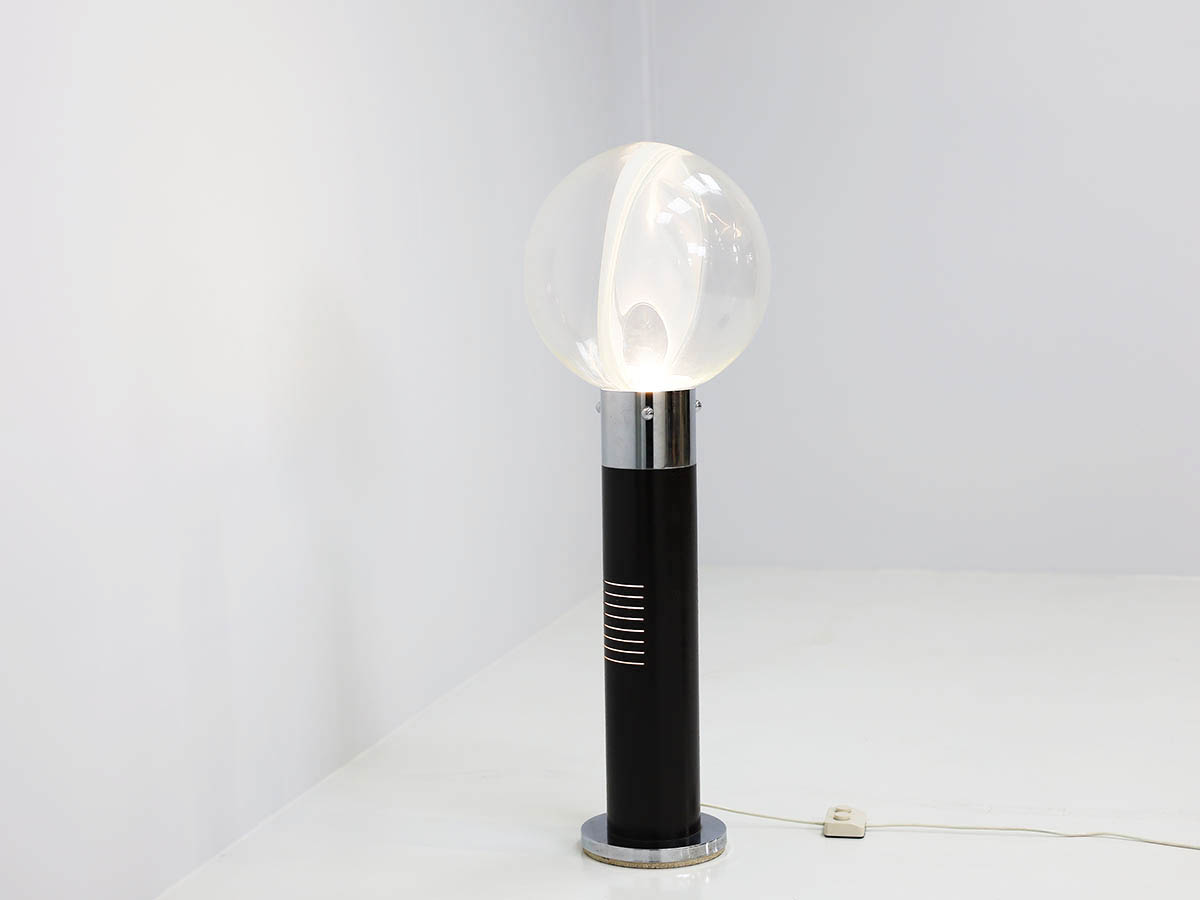
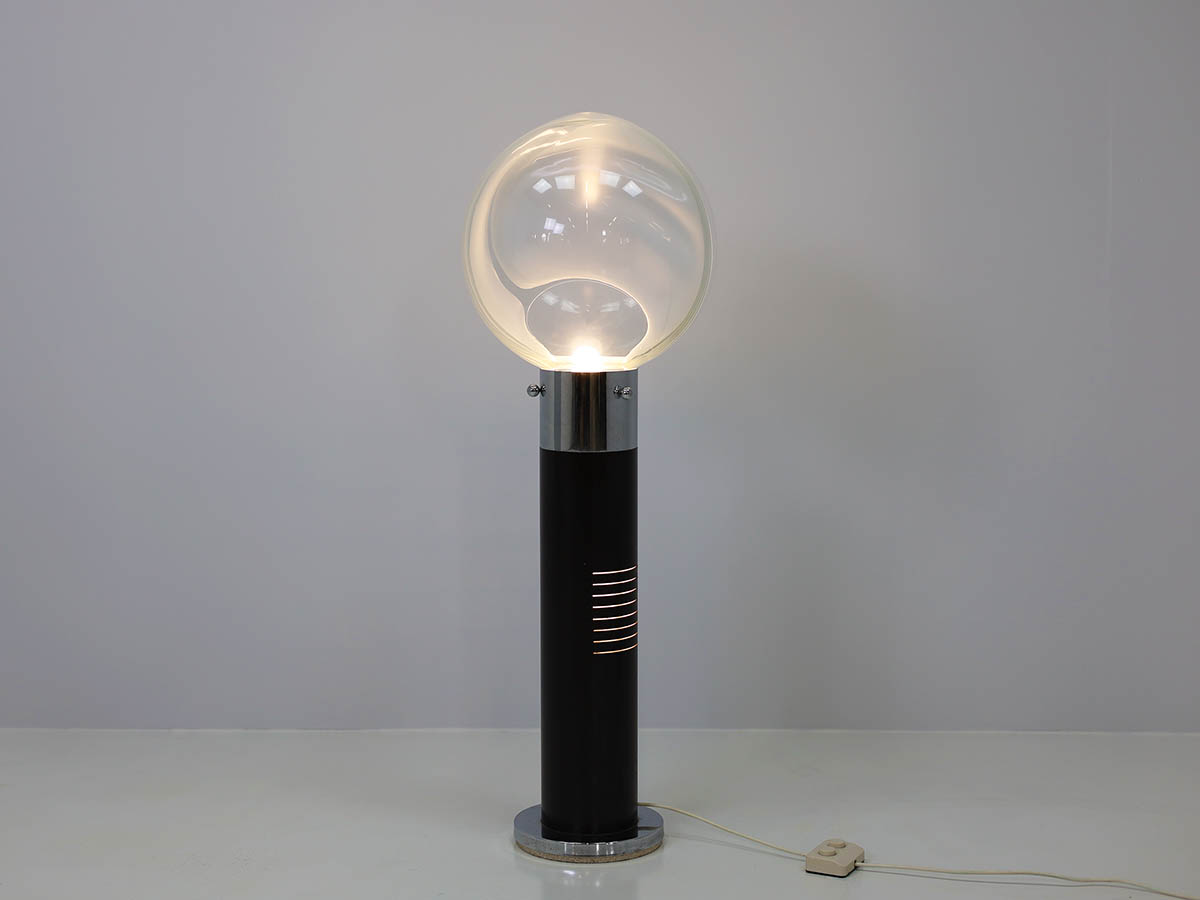
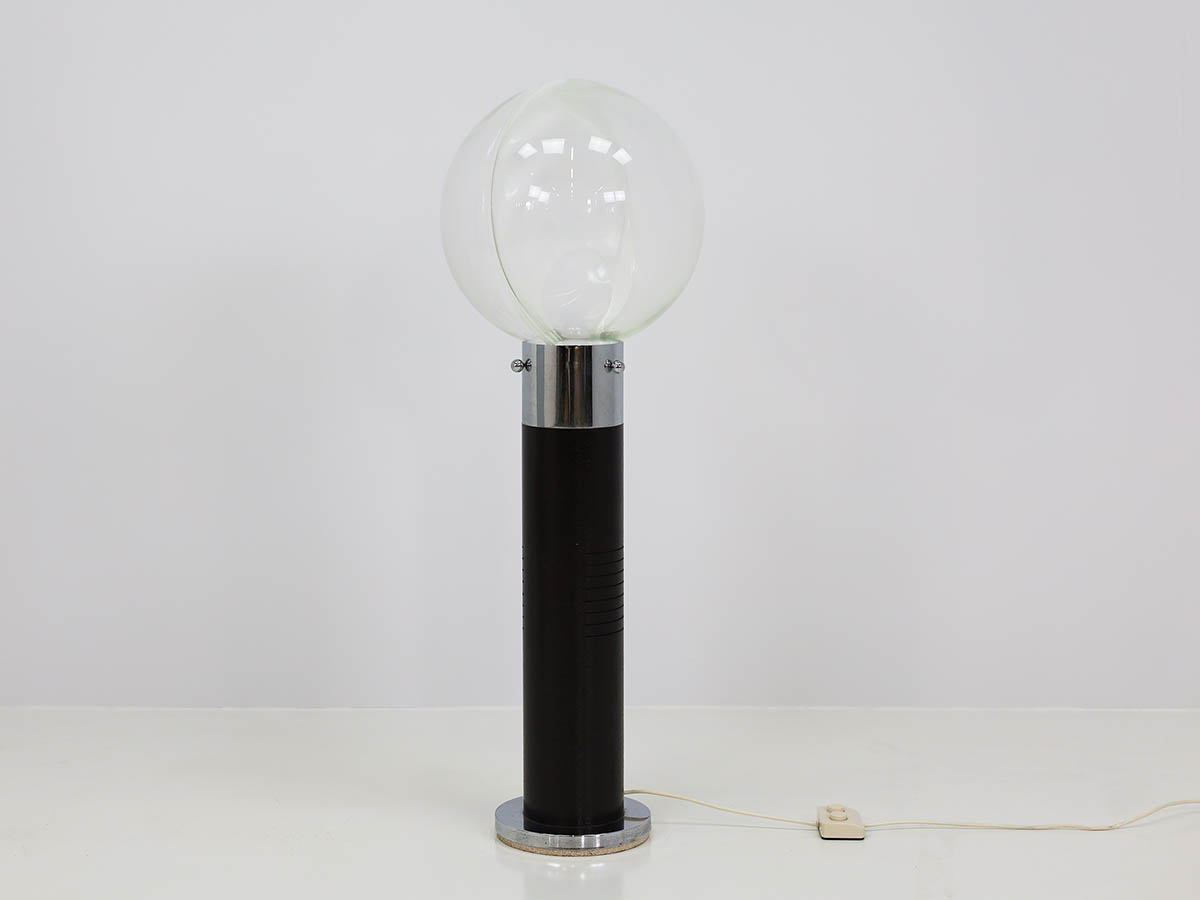
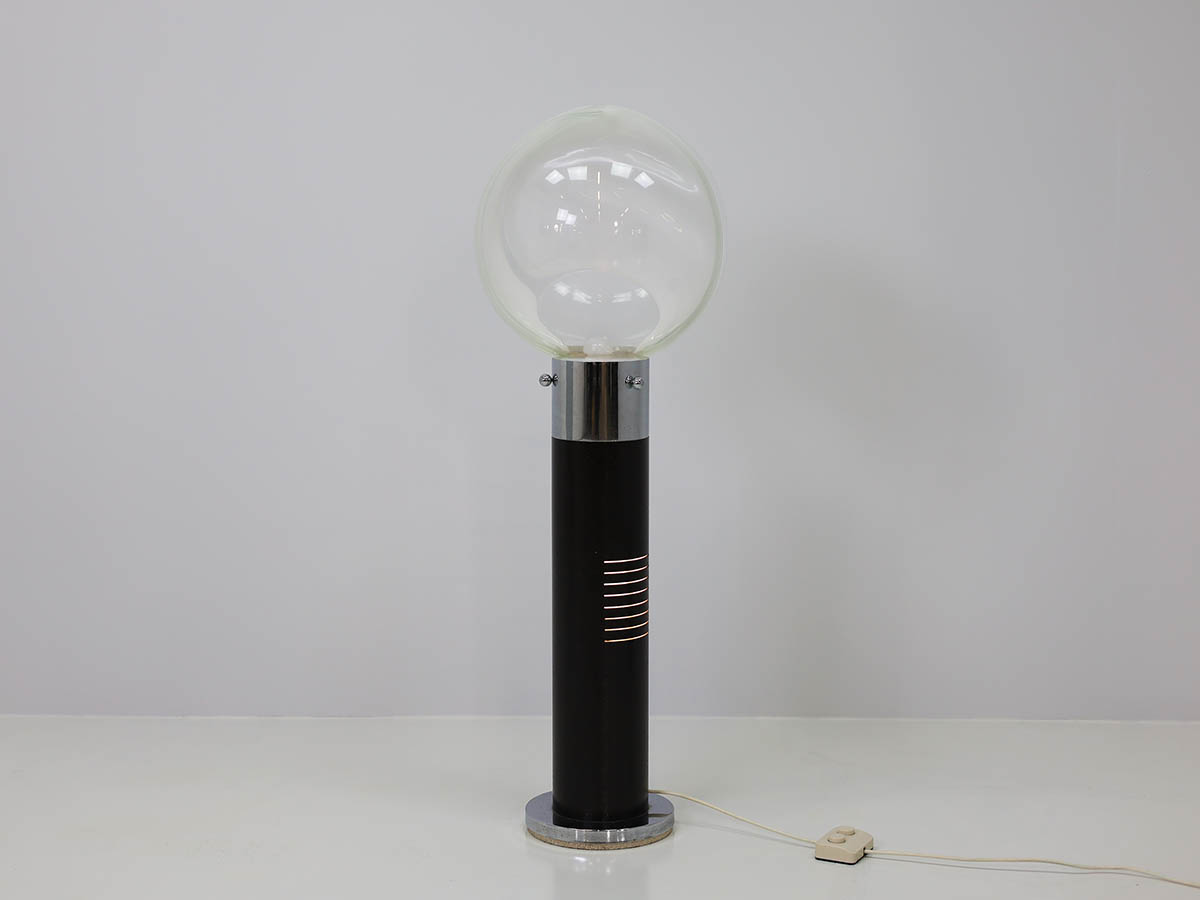
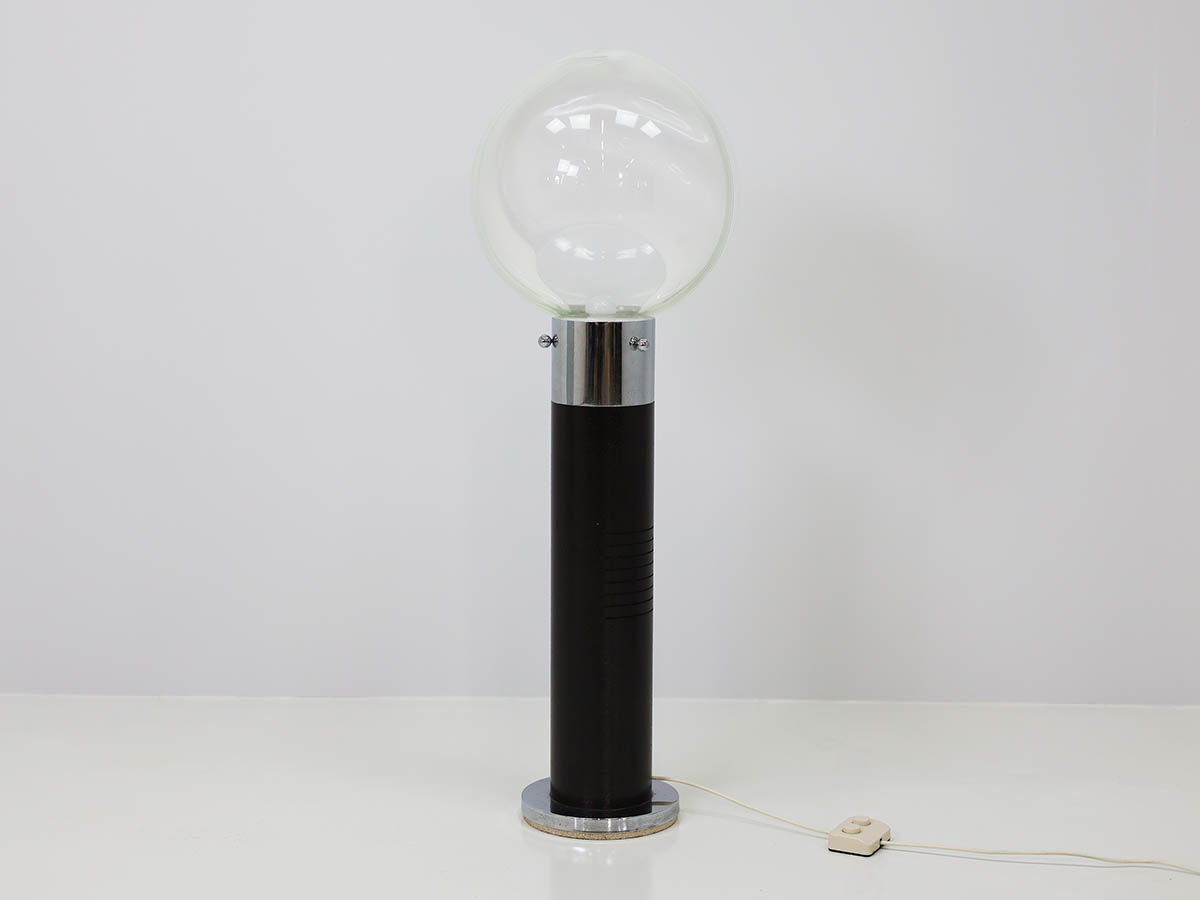
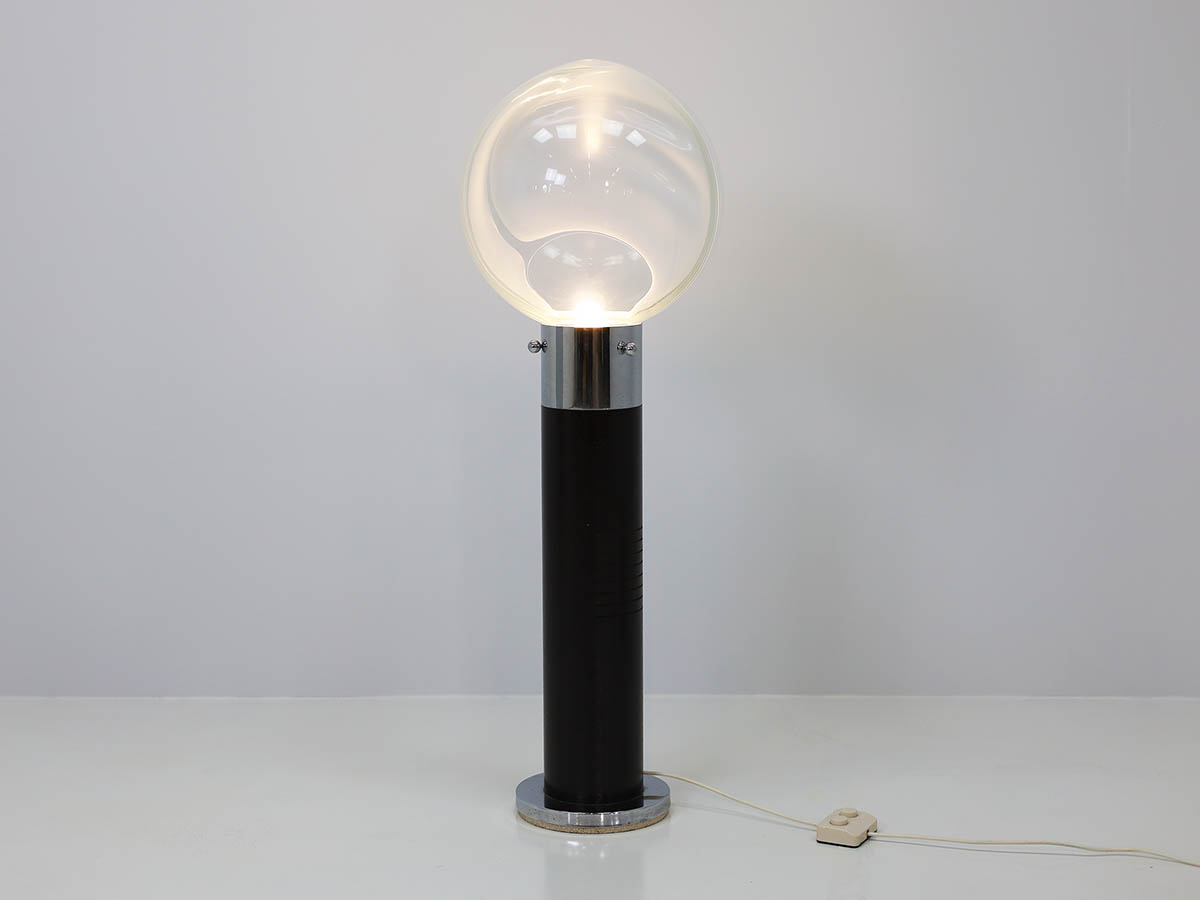
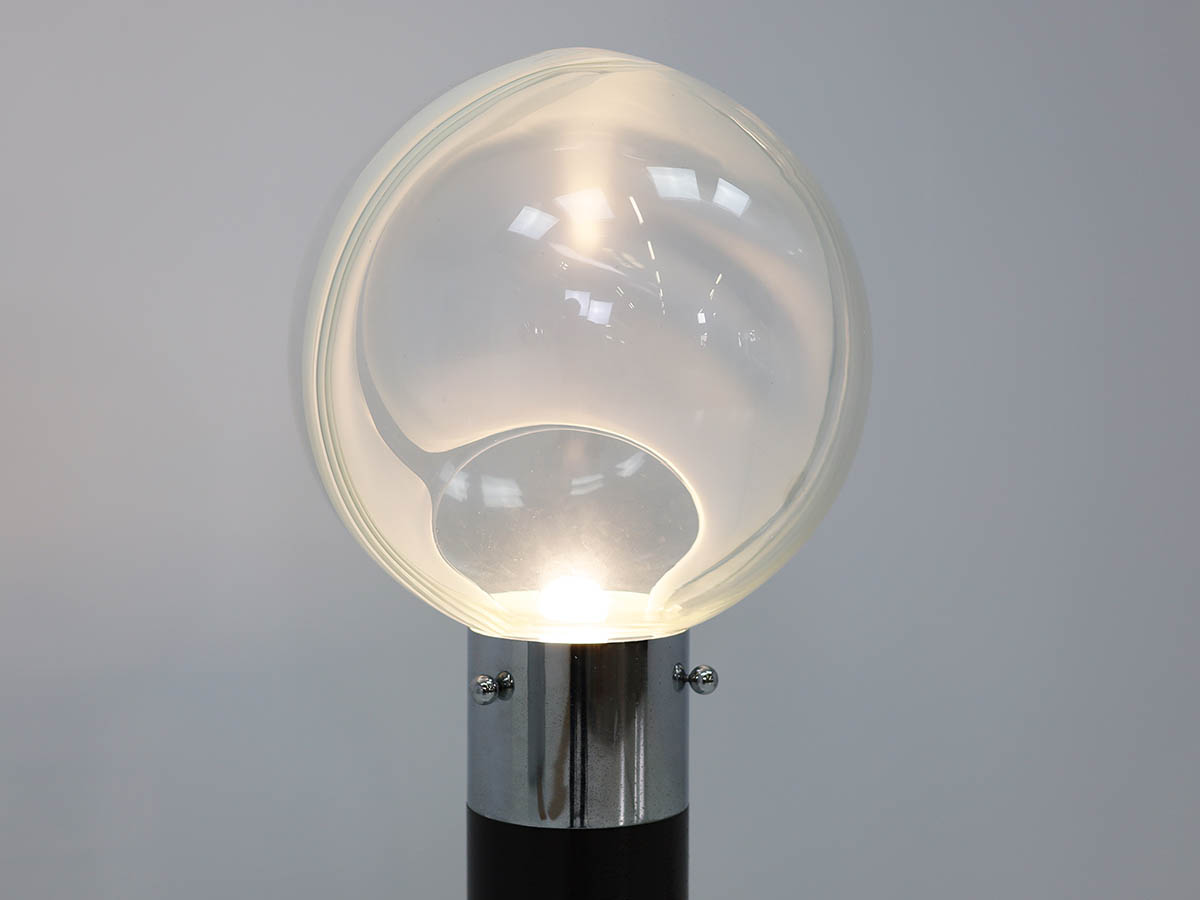
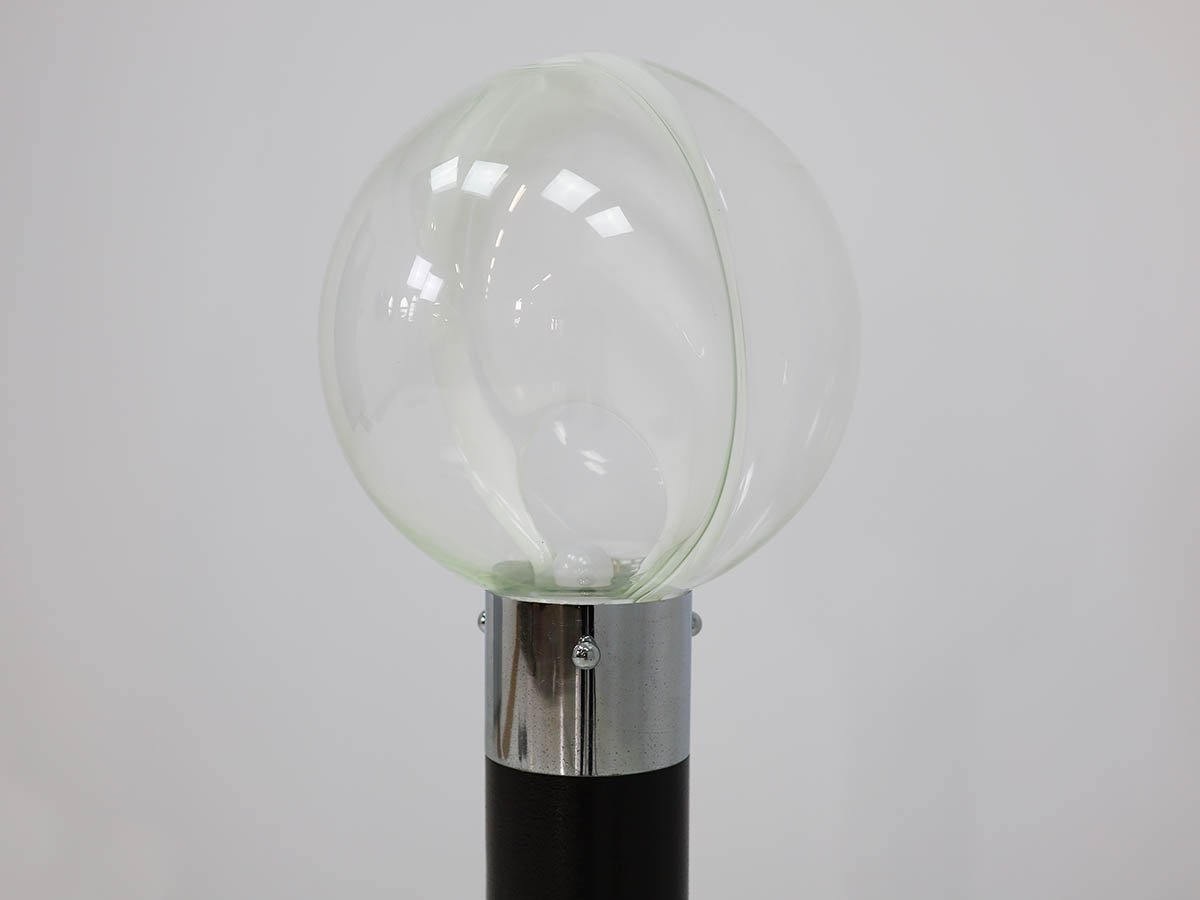
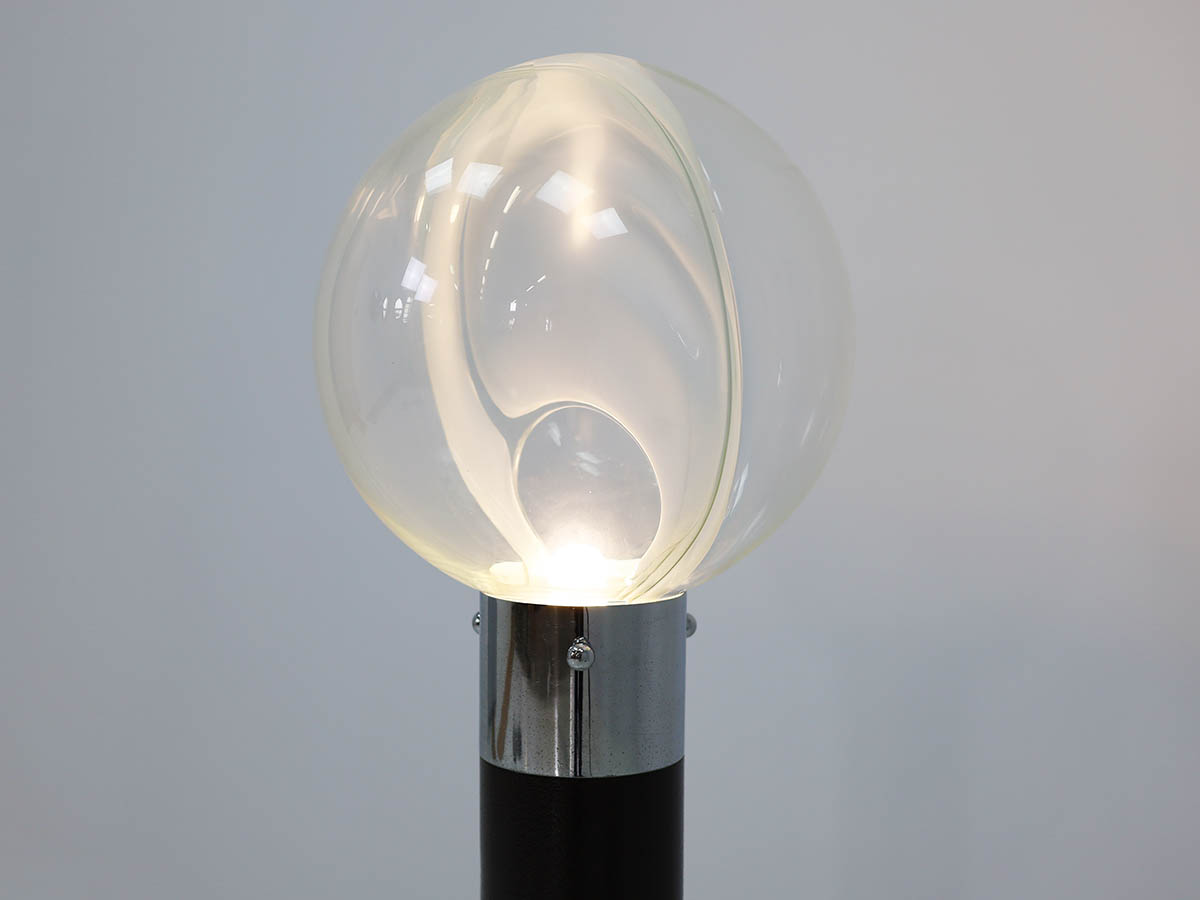
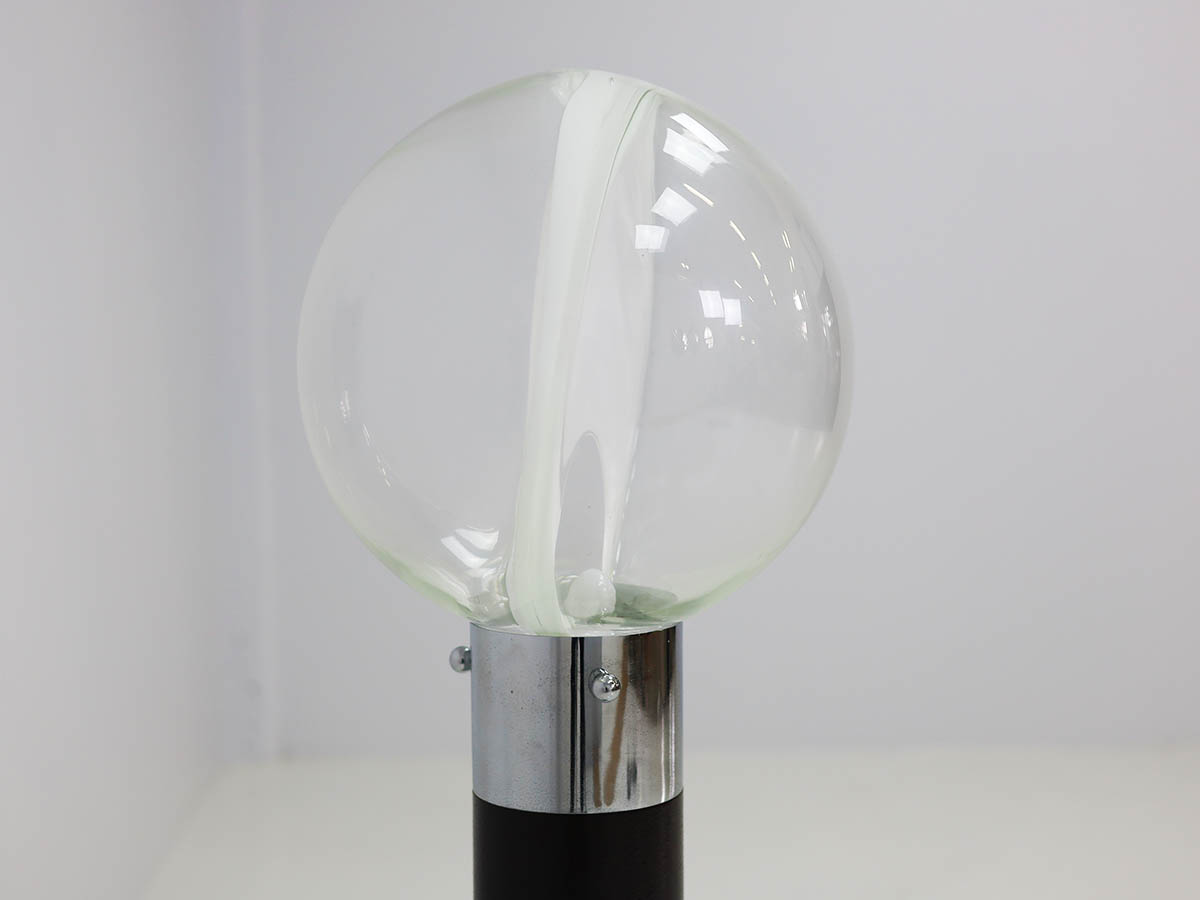
Large blown glass floor lamp model Membrana

Designer

ProductionVenini
Italy 1968

MaterialBlown glass | lacquered metal | steel

DimensionDia 40 x HT 115 cm

large-blown-glass-floor-lamp-model-membrana


Toni Zuccheri (San Vito al Tagliamento, 1937 – Venice, 2008) was one of the most important Italian designers of the second half of the 20th century and a leading figure in the renewal of Murano art glass. After studying architecture at IUAV in Venice, Zuccheri developed a highly experimental design language that combined structural rigor, formal irony, and material research.


His collaboration with Venini began in the early 1960s and marked a decisive turning point both in the company’s history and in the evolution of contemporary glass design. Working closely with Murano master glassmakers, Zuccheri went beyond the traditional role of the designer, engaging directly with production processes. This approach led to the creation of works that redefined the glass object as a form of functional sculpture.


For Venini, Toni Zuccheri designed iconic collections of lighting and decorative objects distinguished by organic forms, bold volumes, and intense colors, often inspired by the natural and animal world. Among his most celebrated works are the “Tronchi”, “Cactus”, and “Piantana” series, as well as zoomorphic lamps such as Cat, Owl, and Penguin, now considered icons of Italian design from the 1960s and 1970s.


The collaboration between Toni Zuccheri and Venini represents one of the highest points of experimentation in Murano glassmaking, with a lasting impact on international design. Works from this partnership are now held in major museum collections and are highly sought after in the collectible design market.
Description

Toni Zuccheri (San Vito al Tagliamento, 1937 – Venice, 2008) was one of the most important Italian designers of the second half of the 20th century and a leading figure in the renewal of Murano art glass. After studying architecture at IUAV in Venice, Zuccheri developed a highly experimental design language that combined structural rigor, formal irony, and material research.

His collaboration with Venini began in the early 1960s and marked a decisive turning point both in the company’s history and in the evolution of contemporary glass design. Working closely with Murano master glassmakers, Zuccheri went beyond the traditional role of the designer, engaging directly with production processes. This approach led to the creation of works that redefined the glass object as a form of functional sculpture.

For Venini, Toni Zuccheri designed iconic collections of lighting and decorative objects distinguished by organic forms, bold volumes, and intense colors, often inspired by the natural and animal world. Among his most celebrated works are the “Tronchi”, “Cactus”, and “Piantana” series, as well as zoomorphic lamps such as Cat, Owl, and Penguin, now considered icons of Italian design from the 1960s and 1970s.

The collaboration between Toni Zuccheri and Venini represents one of the highest points of experimentation in Murano glassmaking, with a lasting impact on international design. Works from this partnership are now held in major museum collections and are highly sought after in the collectible design market.
Additional information

Material

Dimension