
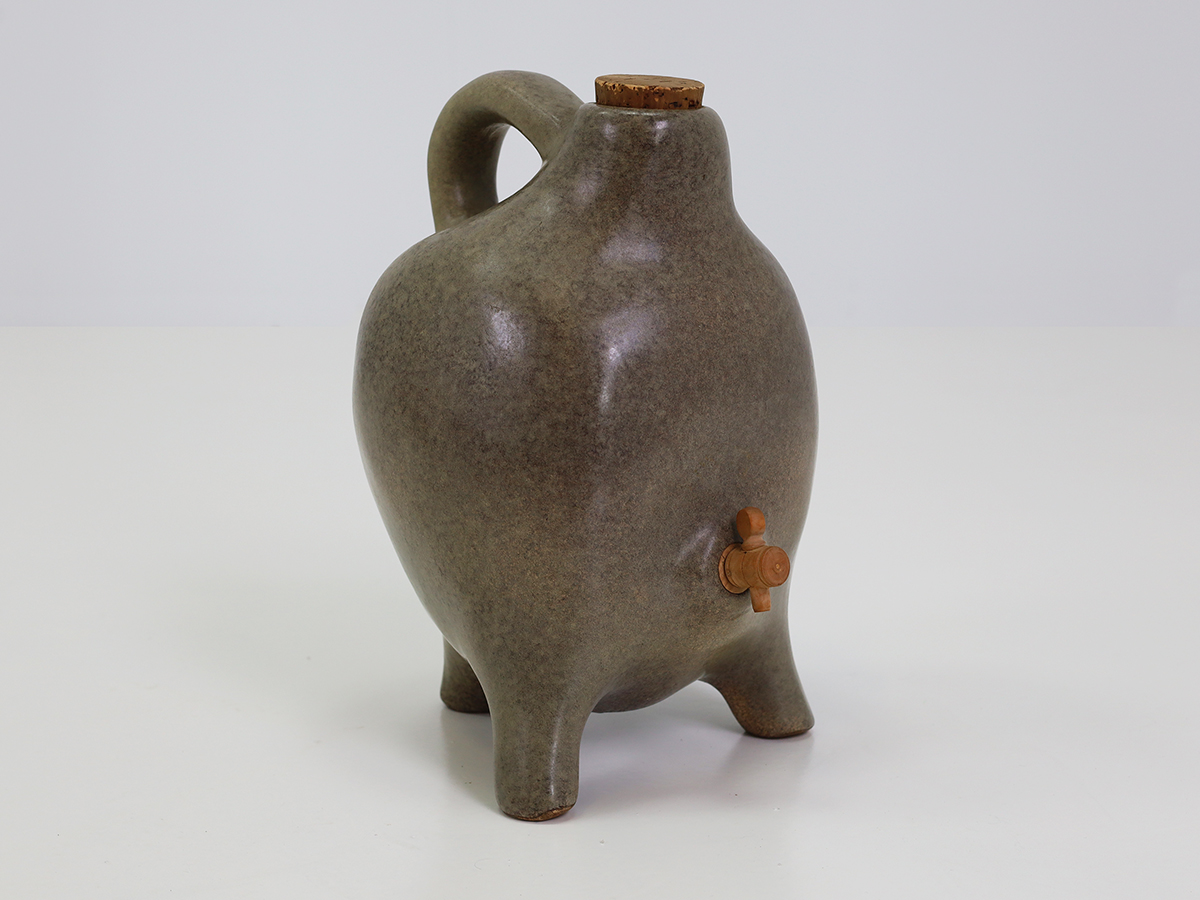
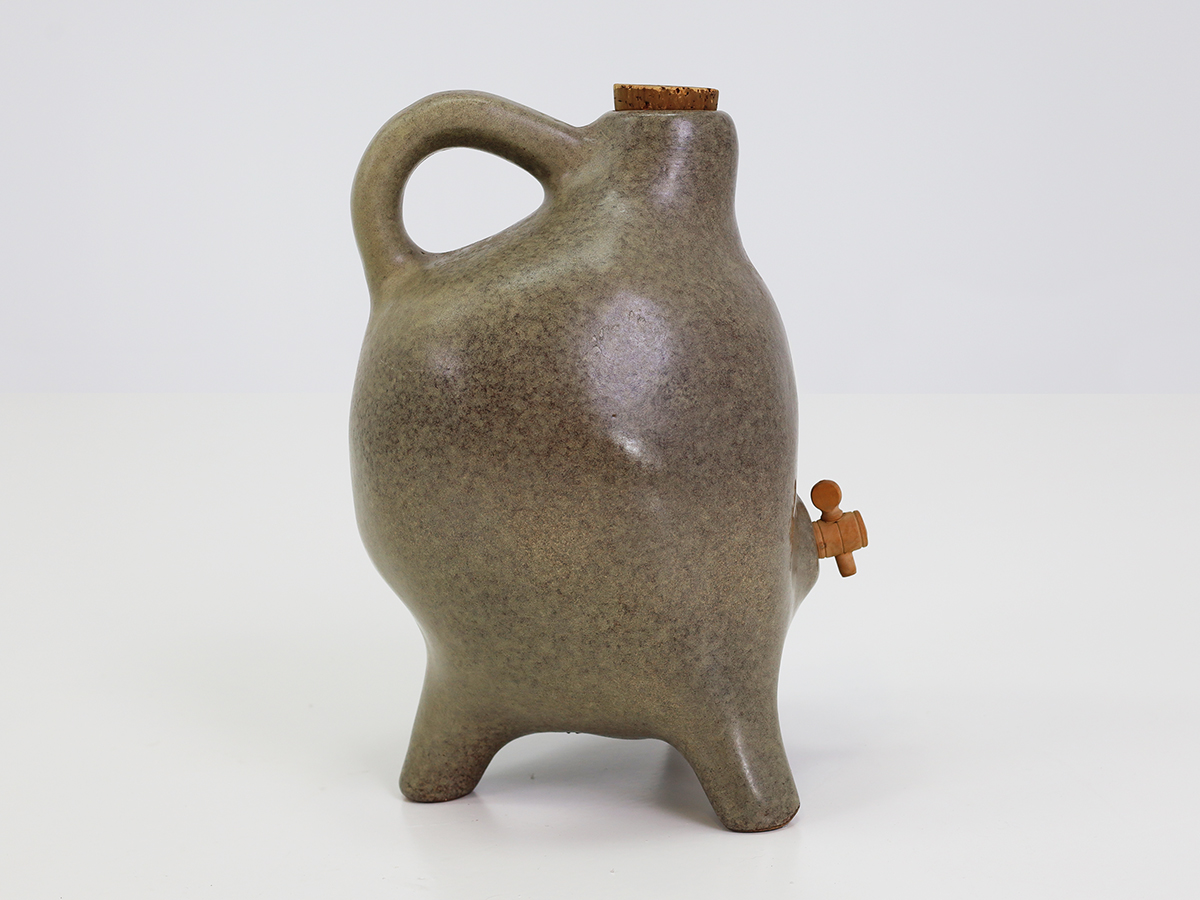
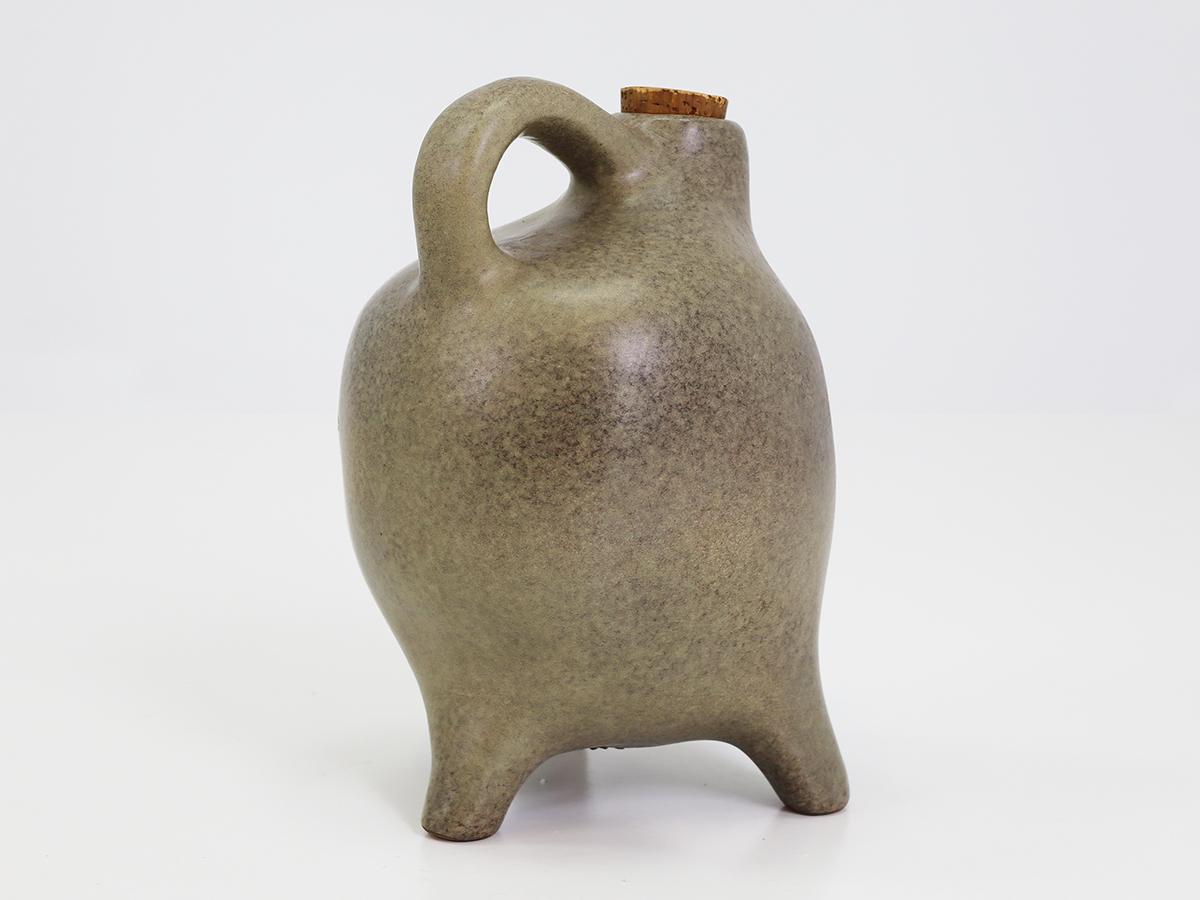
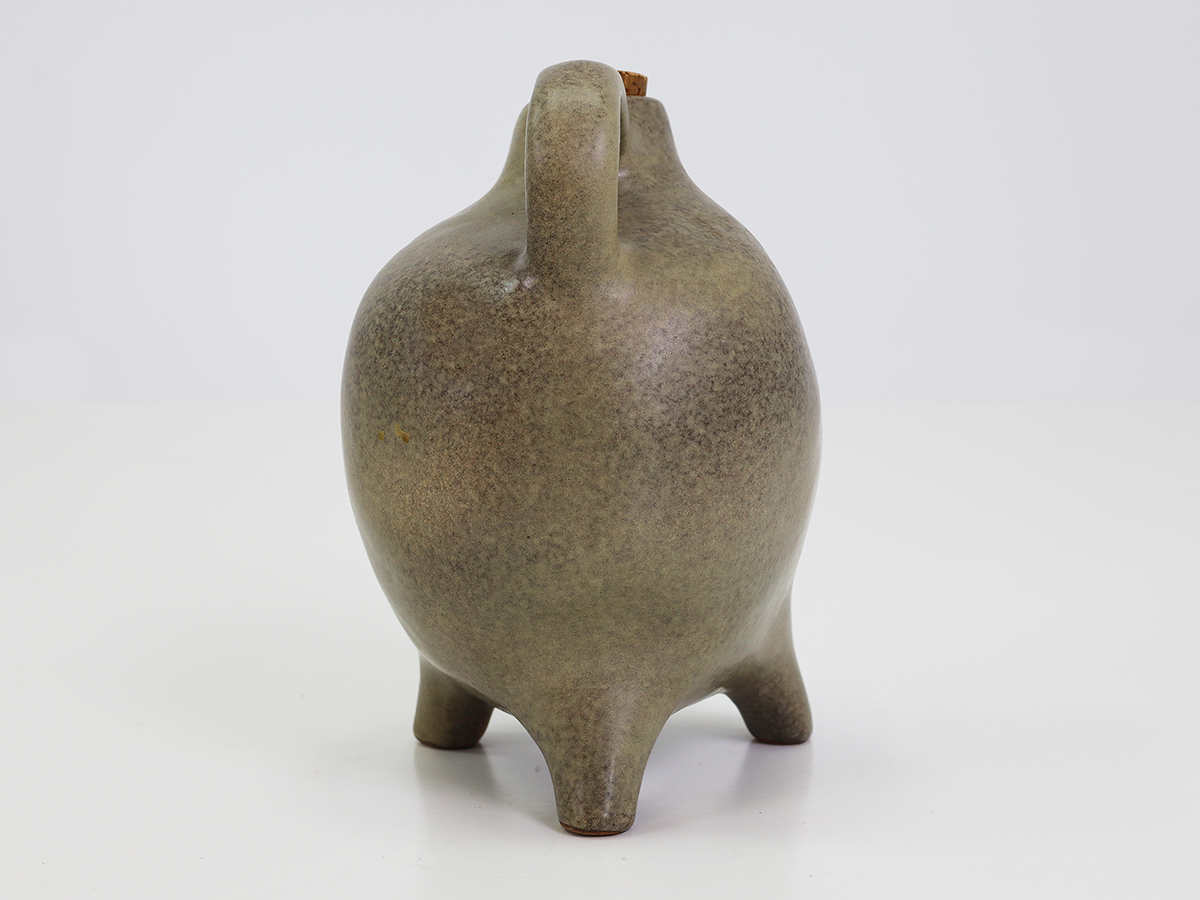
Description
Max Idlas: French Ceramic Art and Sculptural Design of the 1960s
Max Idlas (1932–2019) was a French ceramic artist and painter whose distinctive work reflects the expressive potential of studio ceramics in the second half of the 20th century. Born in Marseille, he was a self-taught artist who opened his first pottery workshop in Montmartre, Paris, in 1954. In 1964, he moved to Brittany, where he established a ceramics and painting studio in a former charcoal factory.
Sculptural Forms and Rich Ceramic Glazes
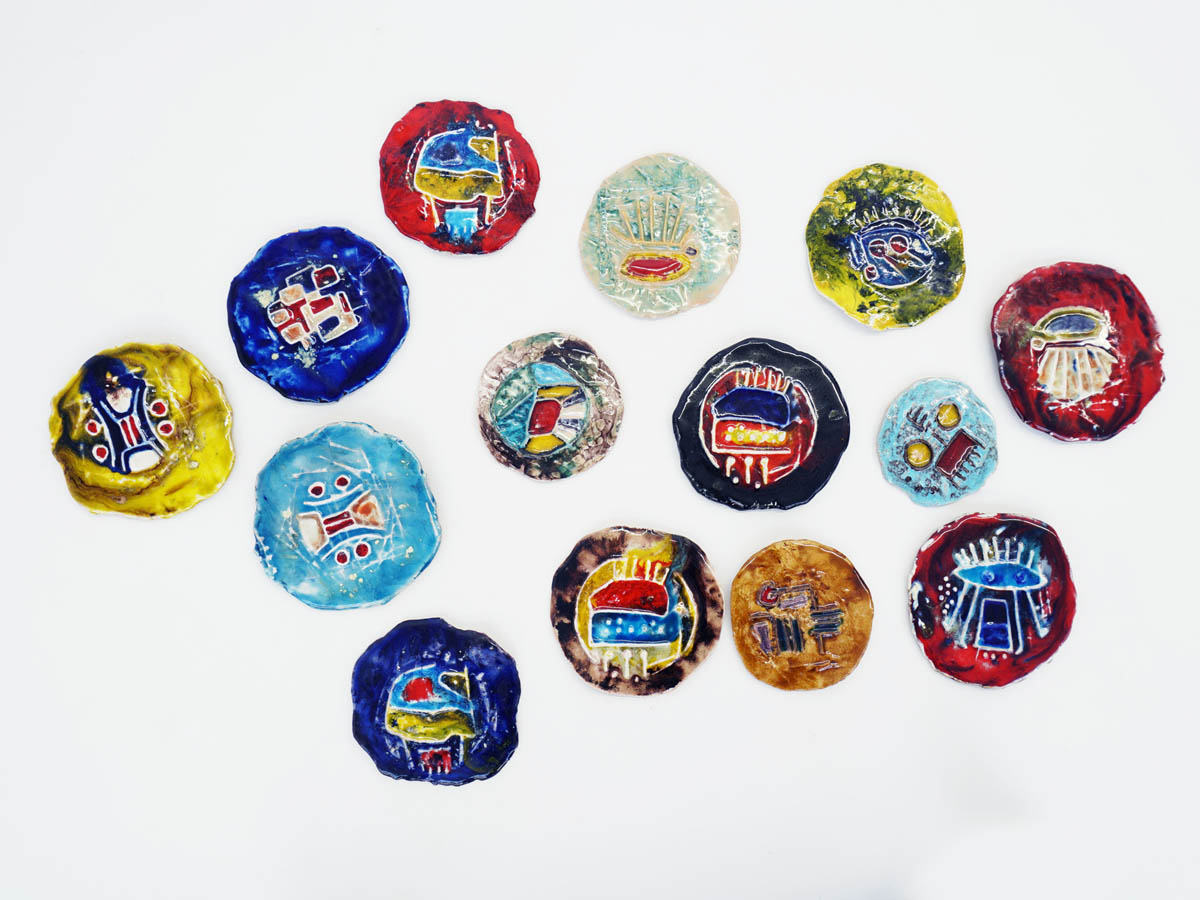
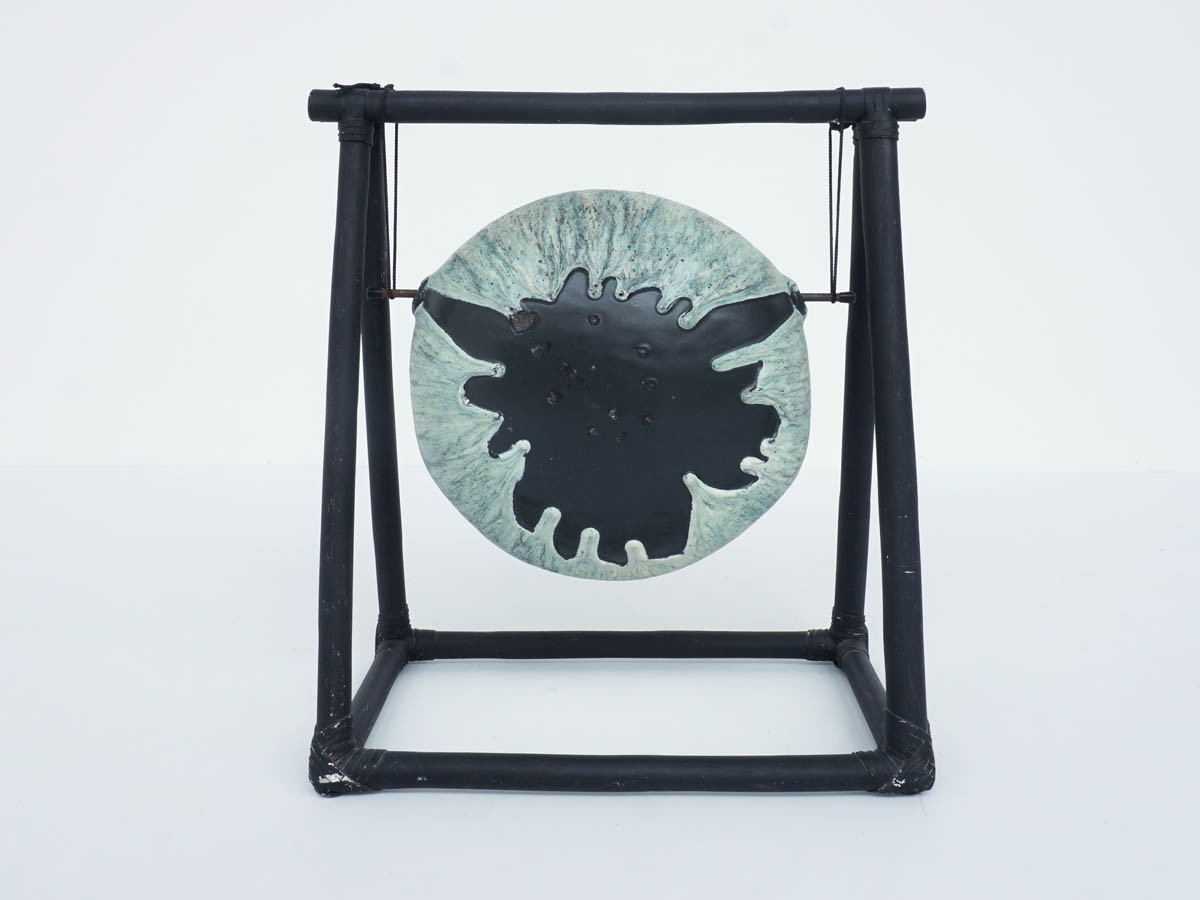
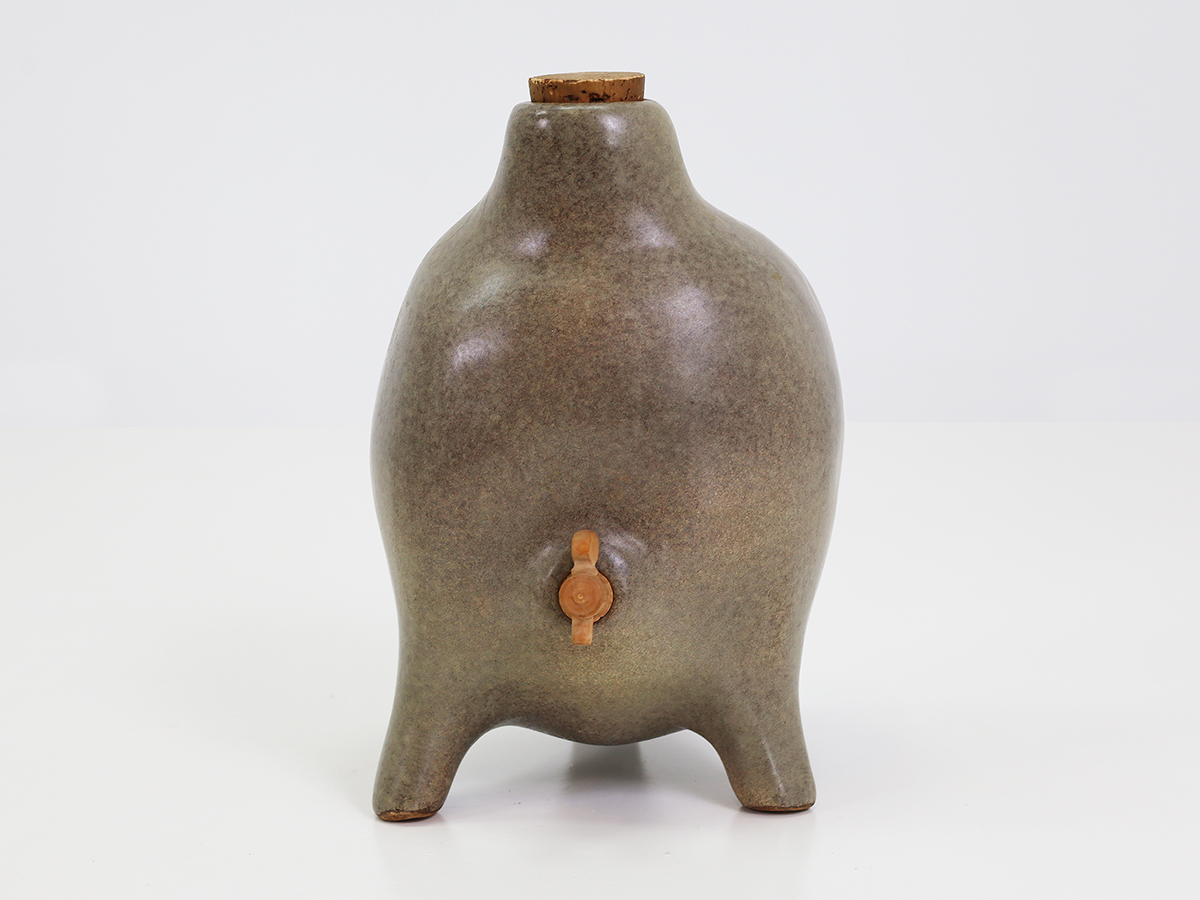
Max Idlas developed a distinctive approach to ceramic art, combining sculptural volumes with richly coloured, expressive glazes. His creations include vases, bottles and other decorative ceramic objects, often characterised by bold silhouettes and intense colours ranging from deep reds and blues to warm yellows and dark tones.
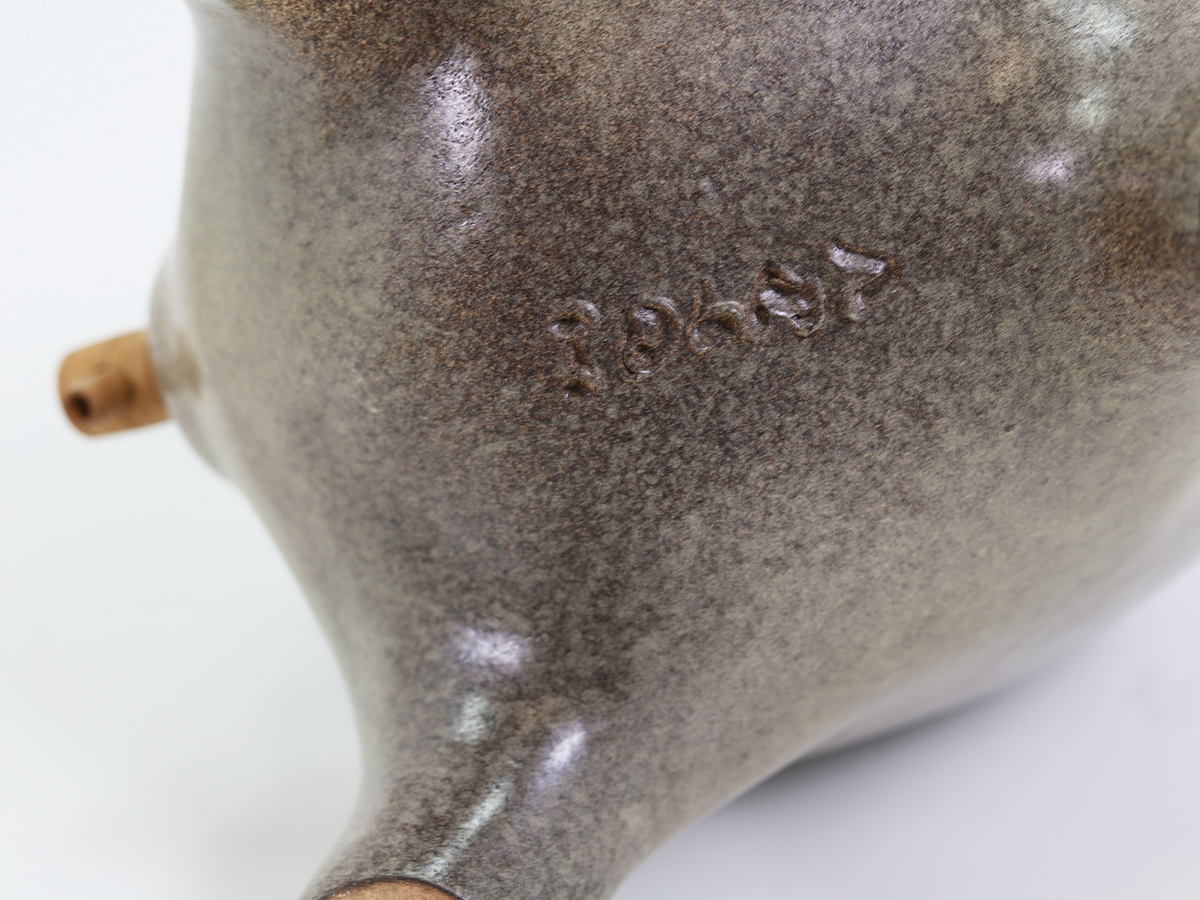
The interplay between shape, surface and glaze gives his work a strong visual presence. Rather than relying on elaborate decoration, Idlas allowed the material itself, the contours of each piece and the depth of the glaze to define its character.
Max Idlas and French Ceramic Design of the 1960s
The ceramics of Max Idlas belong to the broader history of French studio pottery and collectible design of the post-war period. During the 1950s and 1960s, ceramic artists explored new forms of expression, moving beyond purely functional pottery towards objects conceived as sculptural elements for modern interiors.
Idlas’s work is particularly appealing for its balance between organic shapes, bold volumes and vibrant surfaces. His glazed ceramic pieces can be appreciated both as decorative objects and as small-scale works of art, adding colour, texture and individuality to a carefully curated interior.