

Franz West (1947–2012) was one of the most original figures in the Austrian art and design scene of the second half of the 20th century. His practice, developed from the 1960s through the 2000s, explored art, sculpture, and furniture through an hyper-industrial, minimalist, and Brutalist language, characterized by essential forms and strongly material structures.


In his furniture series, developed mainly during the 1980s and 1990s, West transformed functional objects into conceptual and sculptural pieces. Chairs, tables, and lamps were conceived through a rigorous formal reduction, creating an original dialogue between design, contemporary art, and Postmodern culture.


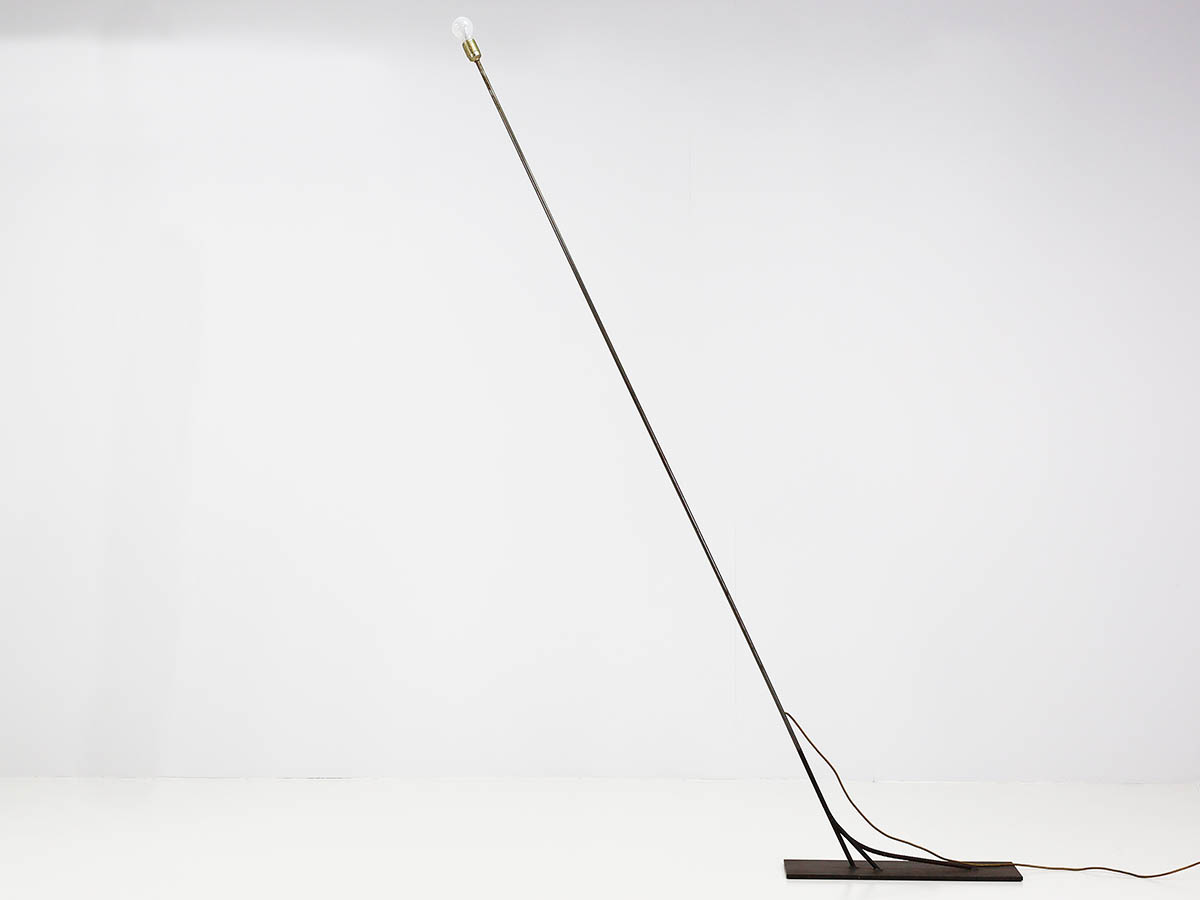
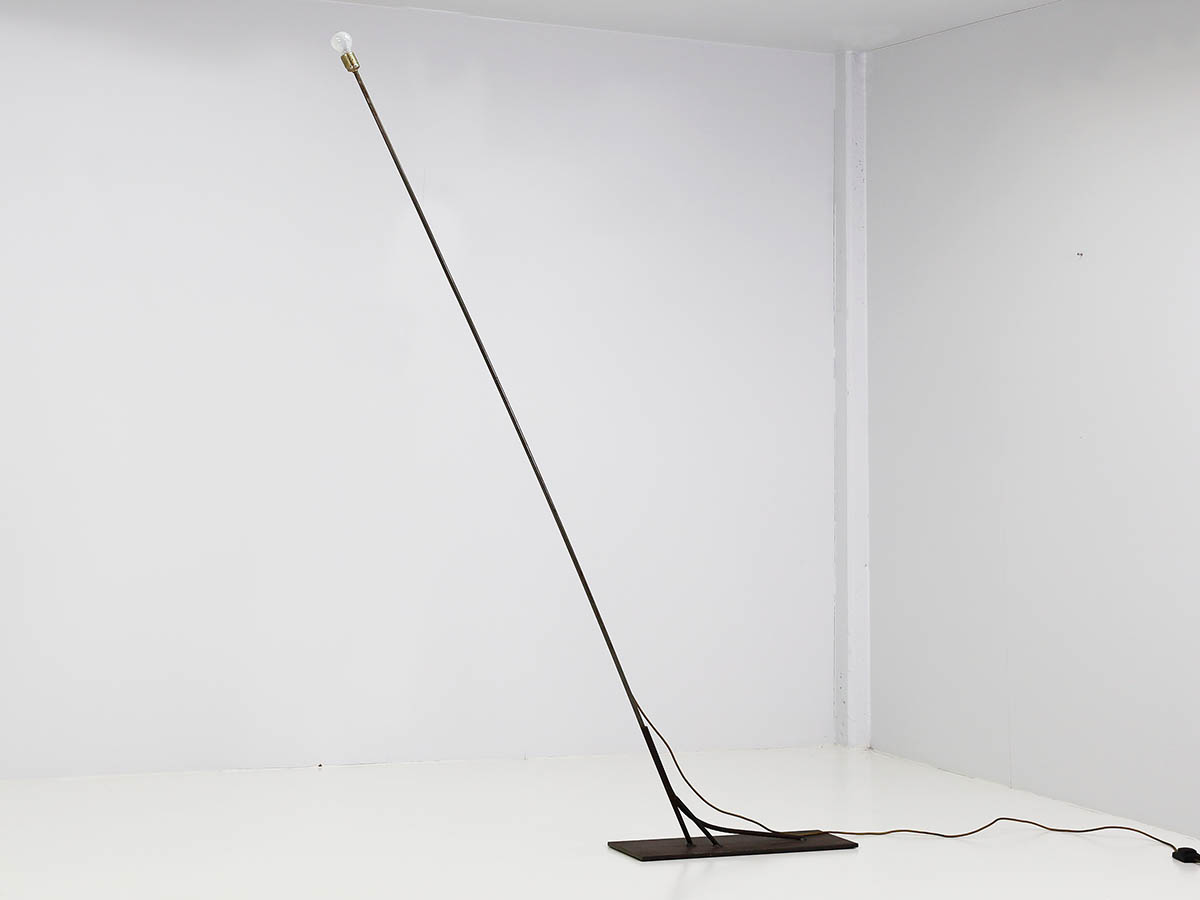
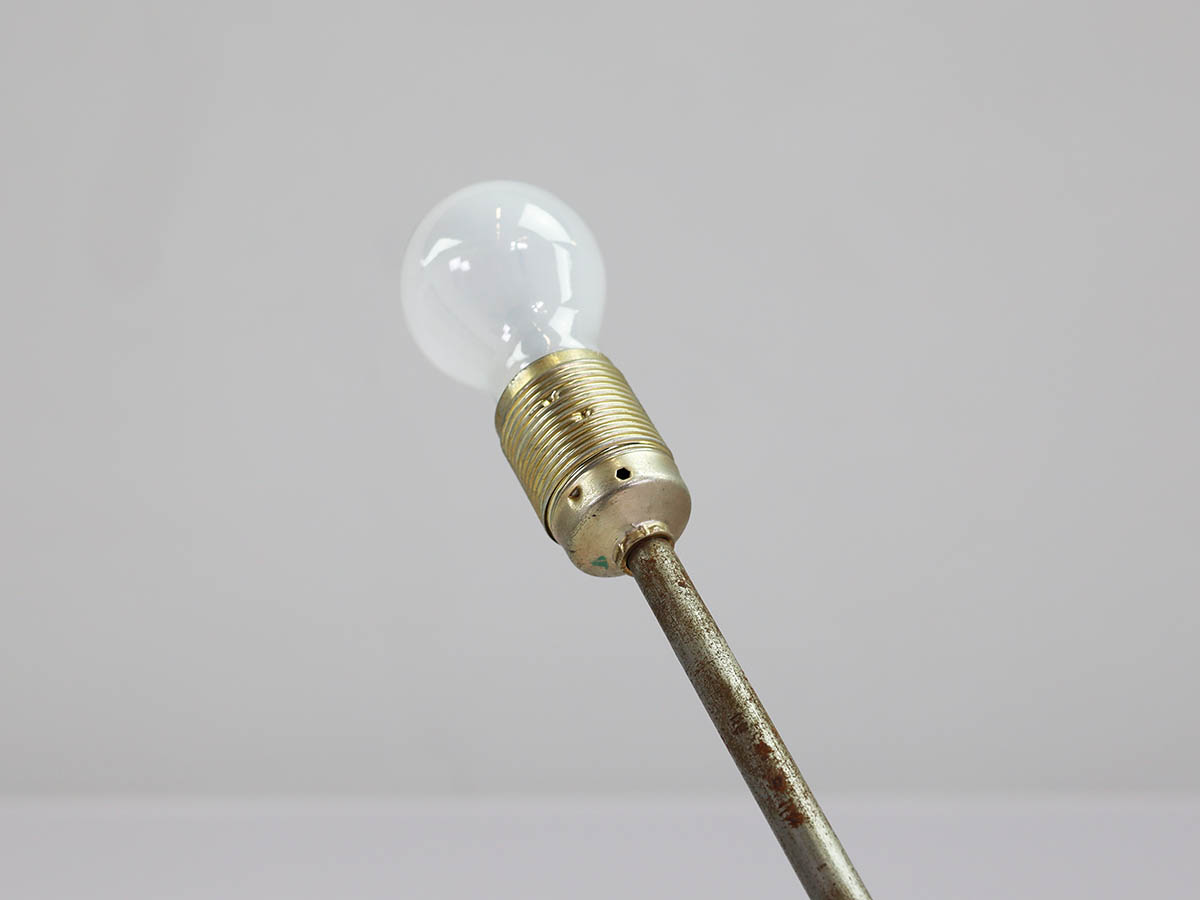
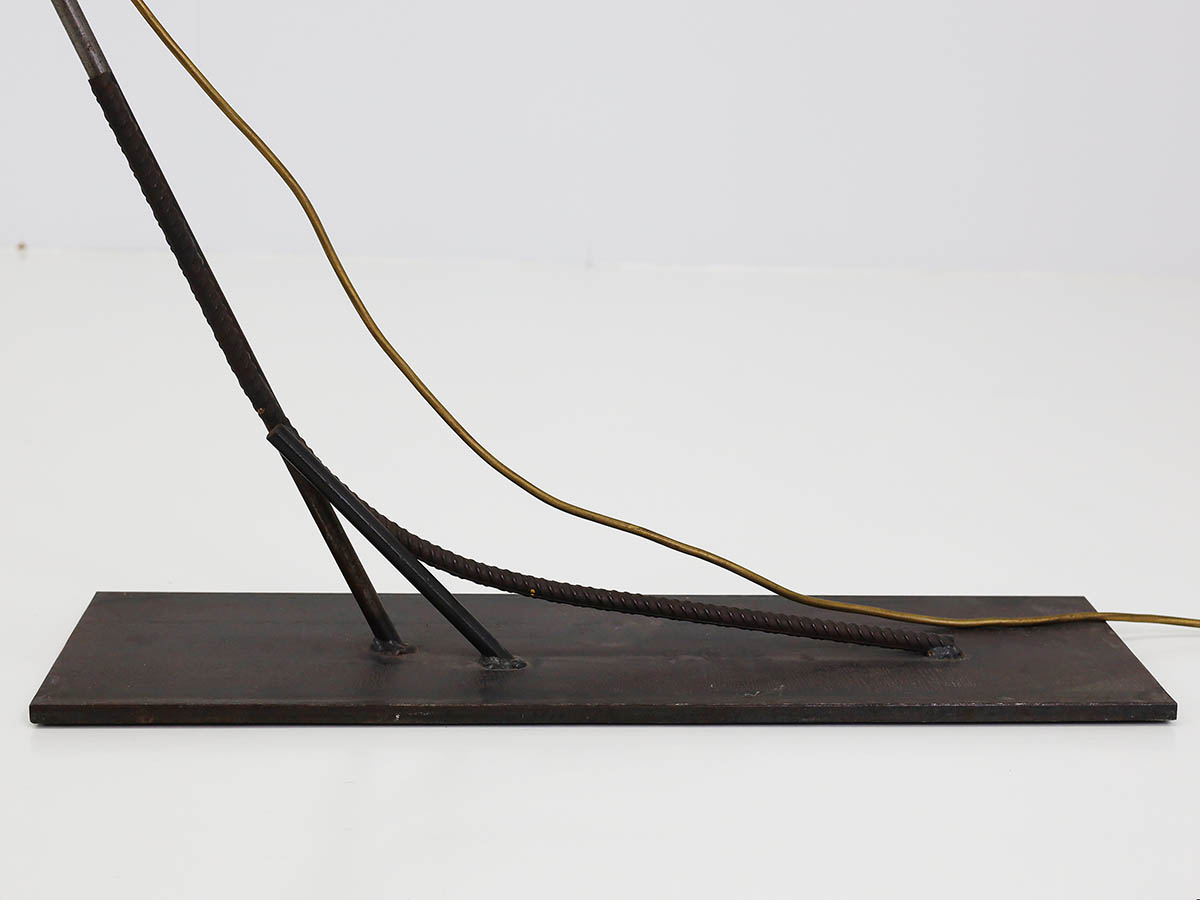
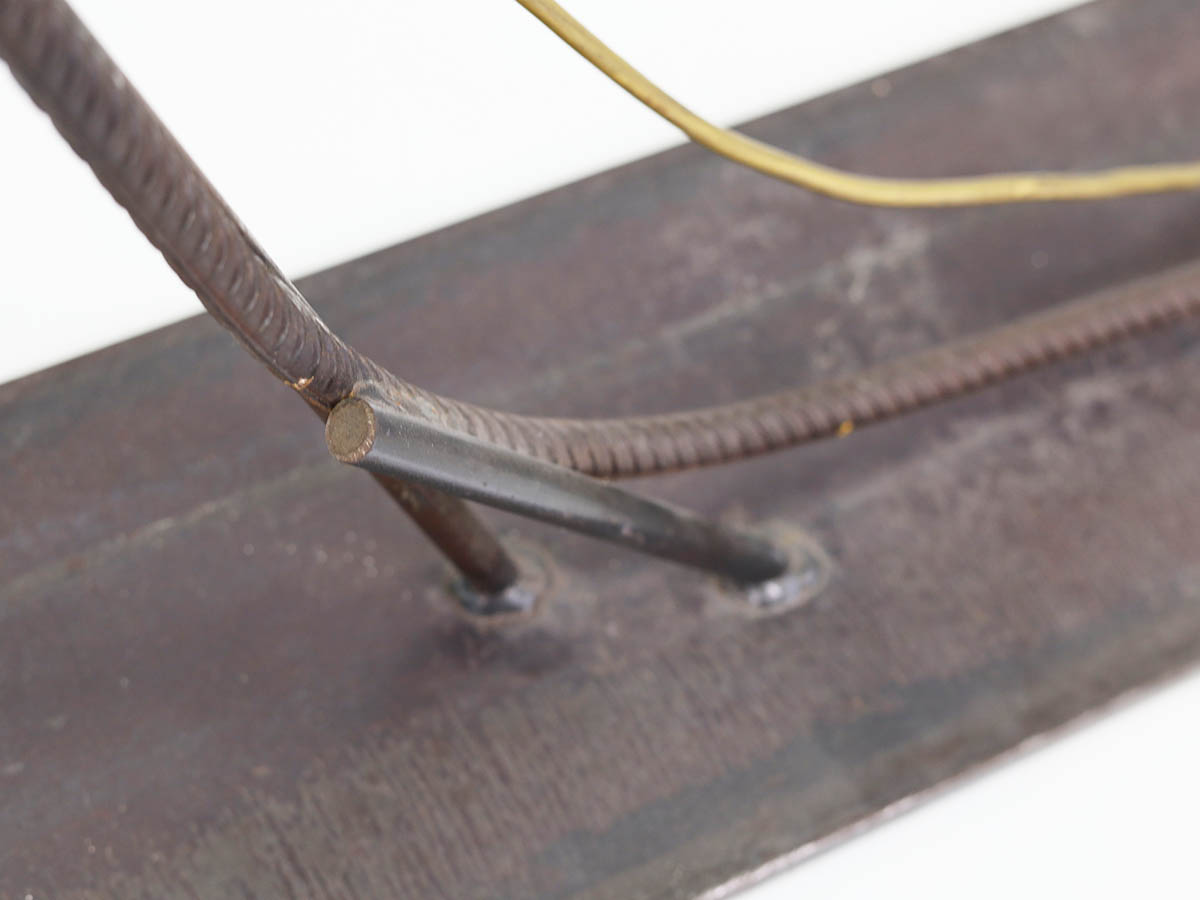
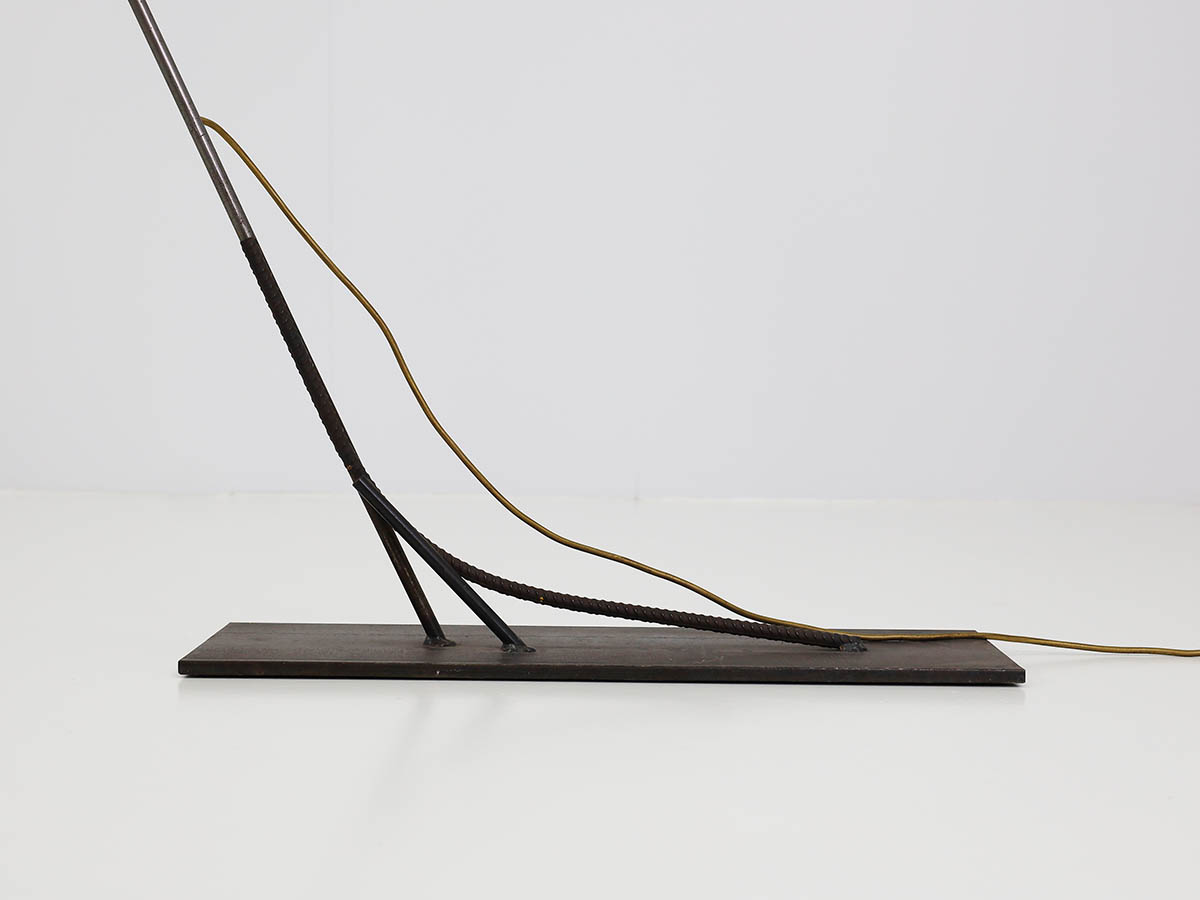
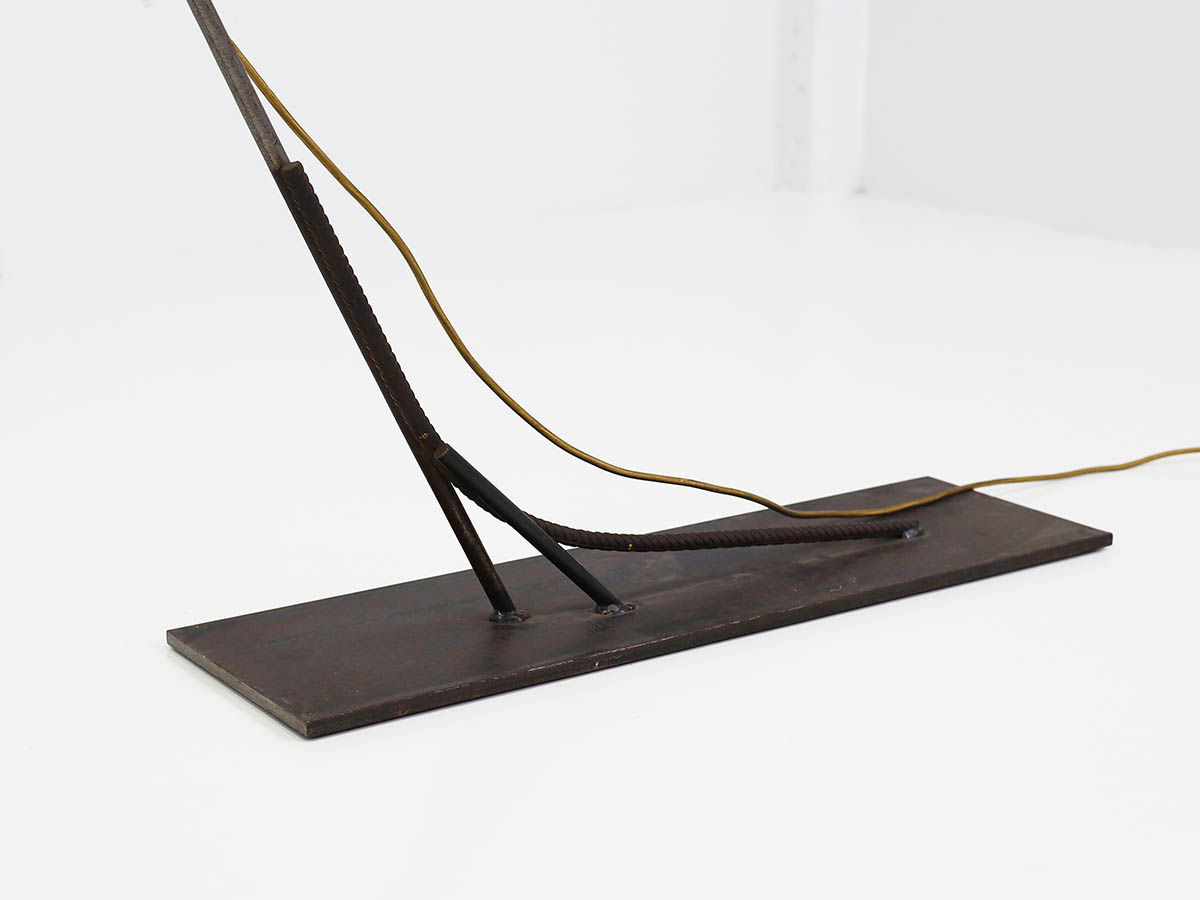
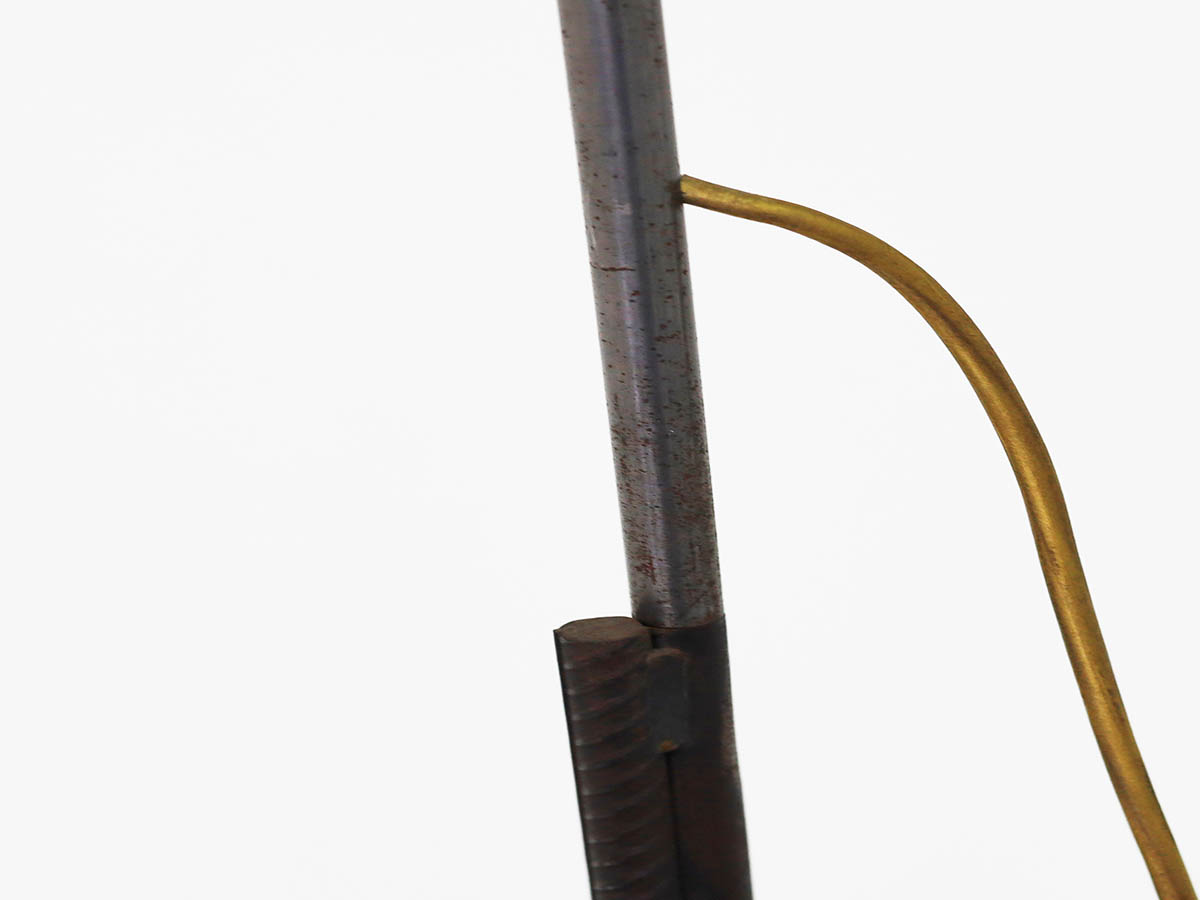
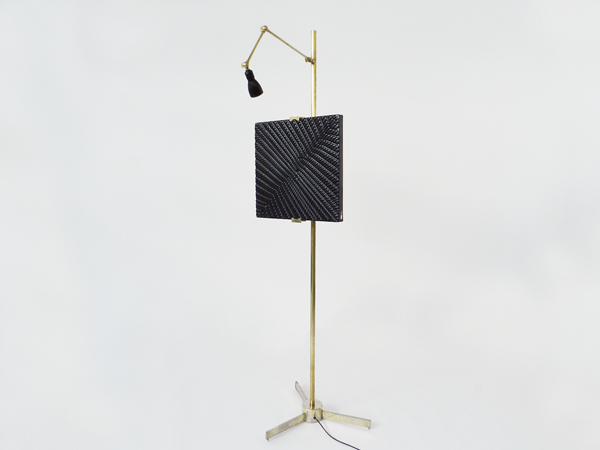
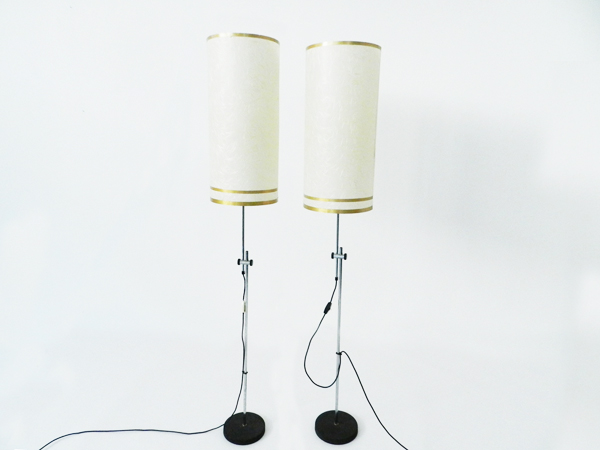
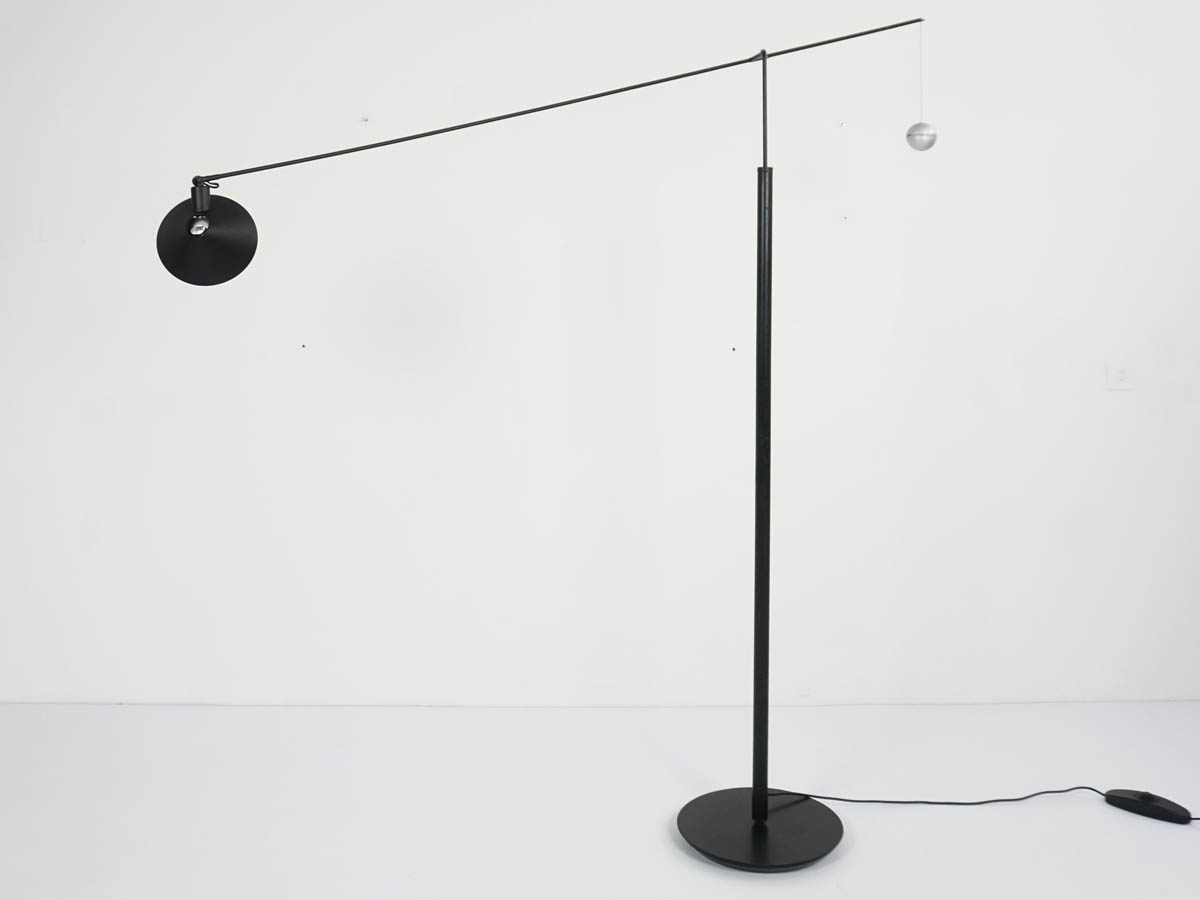
Among these works is the “Privat Lampe des Künstlers I” (1989), a floor lamp designed by West and produced by Meta-Memphis in the 1980s/1990s. Its minimalist, industrial, and Brutalist design reflects the artist’s experimental approach to everyday objects and places the work within the context of the Viennese avant-garde and European Postmodern design.


Franz West’s production (1947–2012) represents an important intersection between art and collectible design. His furniture and objects are highly sought after for their ability to combine functionality, experimentation, and artistic research.




Item nr. 26104

Post Modern floor lamp model "Privat Lampe Des Kunstlers I"

Designer

ProductionMeta Memphis
Austria | Italy 1989

Dimension180 x 20 x HT 240 cm

PiecesIron

post-modern-floor-lamp-model-privat-lampe-des-kunstlers-i


Franz West (1947–2012) was one of the most original figures in the Austrian art and design scene of the second half of the 20th century. His practice, developed from the 1960s through the 2000s, explored art, sculpture, and furniture through an hyper-industrial, minimalist, and Brutalist language, characterized by essential forms and strongly material structures.


In his furniture series, developed mainly during the 1980s and 1990s, West transformed functional objects into conceptual and sculptural pieces. Chairs, tables, and lamps were conceived through a rigorous formal reduction, creating an original dialogue between design, contemporary art, and Postmodern culture.


Among these works is the “Privat Lampe des Künstlers I” (1989), a floor lamp designed by West and produced by Meta-Memphis in the 1980s/1990s. Its minimalist, industrial, and Brutalist design reflects the artist’s experimental approach to everyday objects and places the work within the context of the Viennese avant-garde and European Postmodern design.


Franz West’s production (1947–2012) represents an important intersection between art and collectible design. His furniture and objects are highly sought after for their ability to combine functionality, experimentation, and artistic research.


Description

Franz West (1947–2012) was one of the most original figures in the Austrian art and design scene of the second half of the 20th century. His practice, developed from the 1960s through the 2000s, explored art, sculpture, and furniture through an hyper-industrial, minimalist, and Brutalist language, characterized by essential forms and strongly material structures.

In his furniture series, developed mainly during the 1980s and 1990s, West transformed functional objects into conceptual and sculptural pieces. Chairs, tables, and lamps were conceived through a rigorous formal reduction, creating an original dialogue between design, contemporary art, and Postmodern culture.

Among these works is the “Privat Lampe des Künstlers I” (1989), a floor lamp designed by West and produced by Meta-Memphis in the 1980s/1990s. Its minimalist, industrial, and Brutalist design reflects the artist’s experimental approach to everyday objects and places the work within the context of the Viennese avant-garde and European Postmodern design.

Franz West’s production (1947–2012) represents an important intersection between art and collectible design. His furniture and objects are highly sought after for their ability to combine functionality, experimentation, and artistic research.

Additional information

Dimension

Pieces