
Description
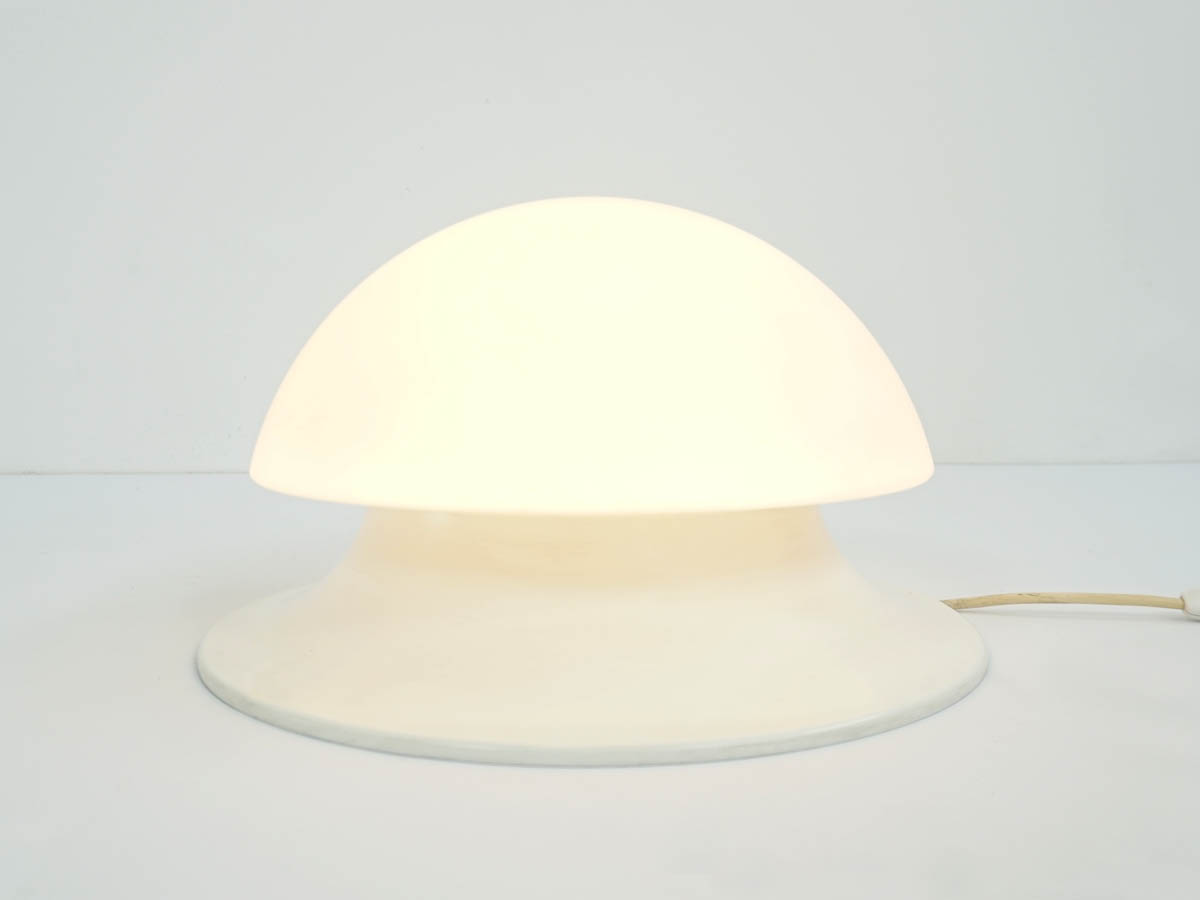
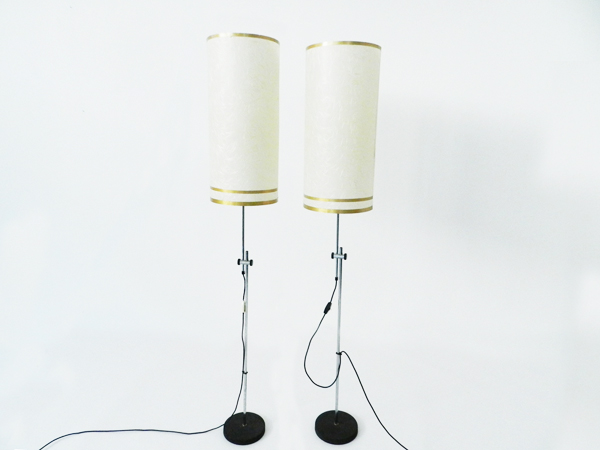
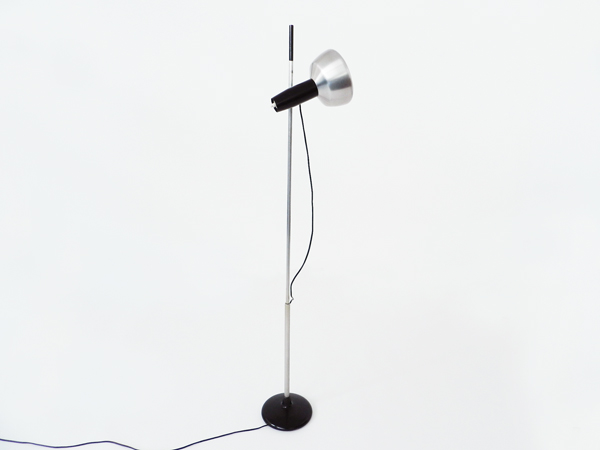
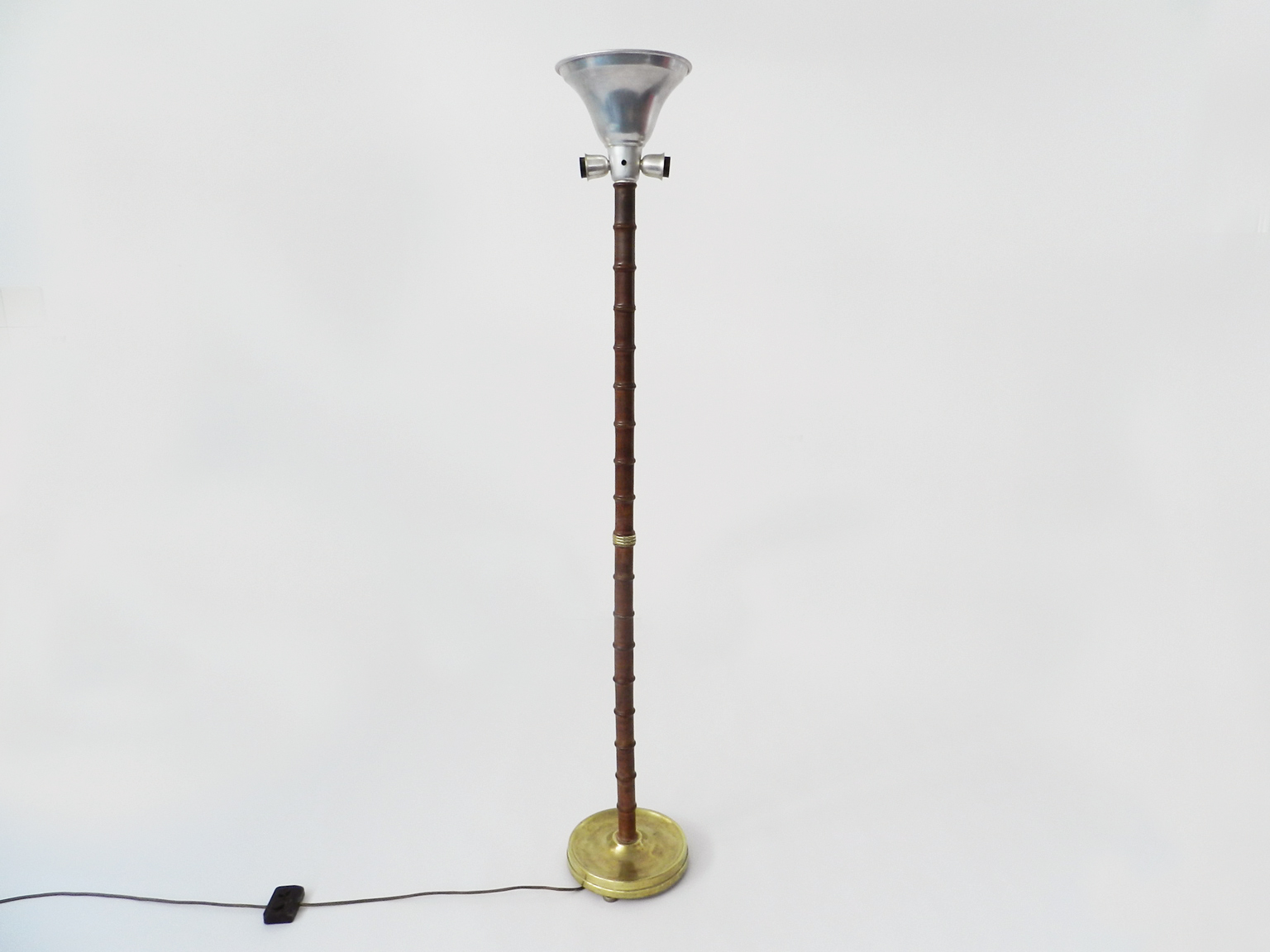
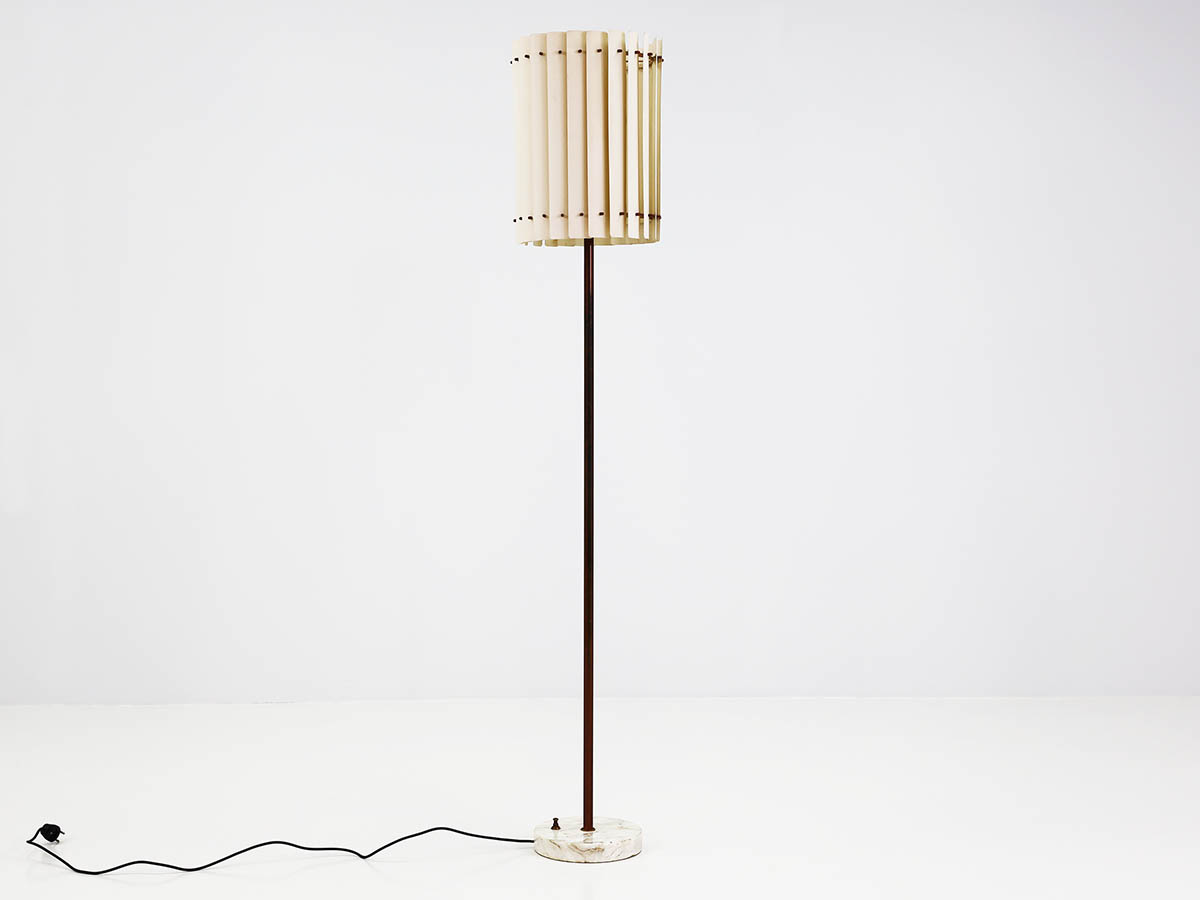
Scandinavian Mid-Century lighting represents one of the purest expressions of post-war Nordic design. Developed primarily between the 1950s and 1970s in countries such as Denmark, Sweden, and Finland, these lighting designs are celebrated for their outstanding craftsmanship, sophisticated approach to light, and the use of durable natural materials. Brass, copper, teak, rosewood, opaline glass, and aluminum often feature in designs distinguished by clean lines, balanced proportions, and timeless elegance.
The success of Scandinavian design was not built solely on the renowned names that dominate today’s collectors’ market, but rather on a widespread design culture involving manufacturers, workshops, and lighting companies dedicated to producing objects of exceptional quality. Many of the most interesting lamps from the period emerged from collaborative processes within technical departments and design studios, where the quality of the object itself mattered more than the public recognition of an individual designer.
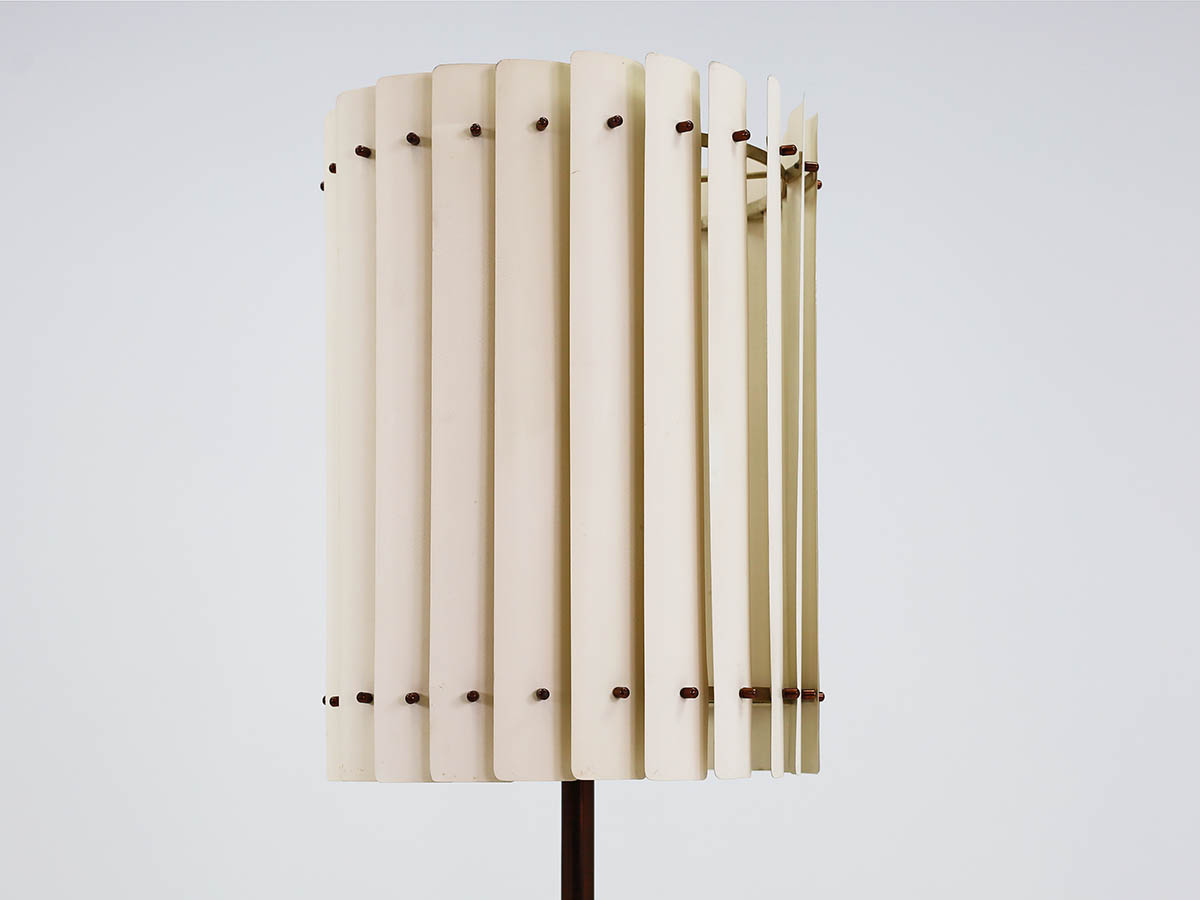
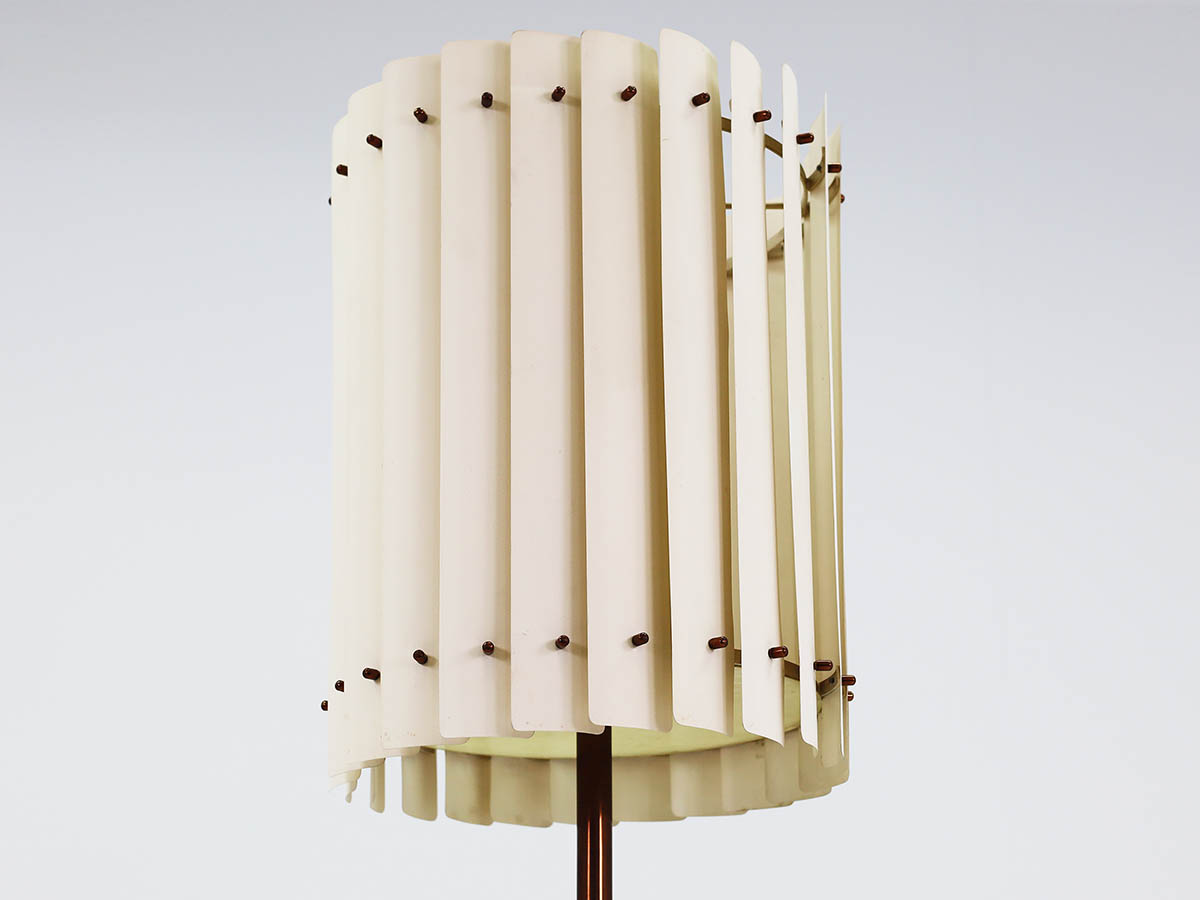
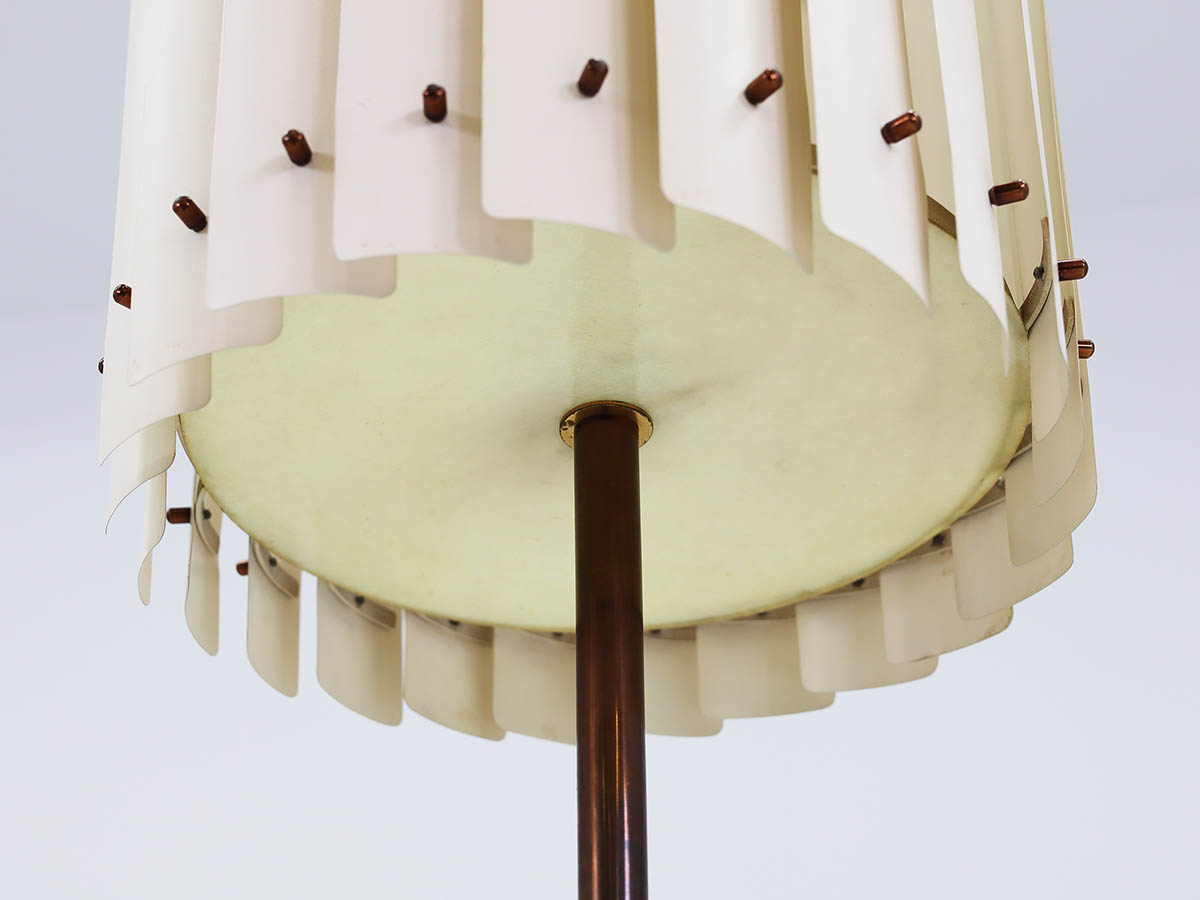
For this reason, within the world of Scandinavian Mid-Century design, the absence of a documented attribution should not be considered a limitation. Numerous anonymous or unattributed lamps display the same formal qualities, construction standards, and functional intelligence found in pieces associated with celebrated designers. The purity of the lines, the ability to create warm and comfortable illumination, the quality of the materials, and the refinement of the craftsmanship remain the most important factors in evaluating a design object.
The Nordic approach to design has always privileged the balance between aesthetics and function rather than the pursuit of authorship as an absolute value. This philosophy generated an extraordinary body of lighting design that continues to integrate effortlessly into contemporary interiors while retaining its original character and timeless appeal.
Collecting a Scandinavian Mid-Century lamp therefore means appreciating design in its purest form: thoughtful design, exceptional craftsmanship, and functional beauty. While the presence of a famous designer’s name may add historical interest, it should not be regarded as the sole measure of an object’s cultural, aesthetic, or collectible value. In many cases, the strength of the design speaks for itself, regardless of the name behind it.