

Anonymous American Modern-style lamps produced in Scandinavia in the 1960s: function, light, and modernist balance

Anonymous lamps in the American Modern style produced in Scandinavia during the 1960s represent a fascinating intersection between two design cultures that are seemingly distant yet highly compatible: the functional rigor of Nordic design and the clean, industrial modernism of the United States. The result is a body of lighting design defined by essential forms, strong usability, and often a lack of clear attribution, yet immediately recognizable for its coherence and quality.

During the 1960s, Scandinavian design experienced strong international growth. Countries such as Denmark, Sweden, and Finland became major production hubs for lighting objects destined for both European and American markets, where demand for modern, understated, and functional lighting was rapidly increasing. In this context, many anonymous or uncredited lamps were produced by local manufacturers working with shared models, industrial prototypes, and series production systems that did not always emphasize individual authorship.

The influence of American Modern aesthetics is visible in the use of clean geometric volumes, simplified silhouettes, and a strong focus on functional lighting performance. Scandinavian design sensibility, however, adds a distinct layer of warmth through natural materials, matte finishes, and a refined attention to diffused, comfortable light quality. These lamps avoid decorative excess and instead prioritize proportion, balance, and visual comfort.

Many of these lighting objects were produced by Nordic lighting companies operating between industrial manufacturing and design-driven production, which often makes attribution to a single designer difficult or impossible. This anonymity is not a limitation but rather a defining characteristic of a period in which design was primarily focused on function, accessibility, and industrial distribution rather than authorship.

Today, anonymous American Modern-style lamps produced in Scandinavia in the 1960s are increasingly valued in the vintage and collectible design market. Their appeal lies in their ability to integrate seamlessly into contemporary interiors while maintaining a strong identity: discreet, functional objects that embody a perfect synthesis of American modernism and Nordic design sensibility.
Item nr. 26086

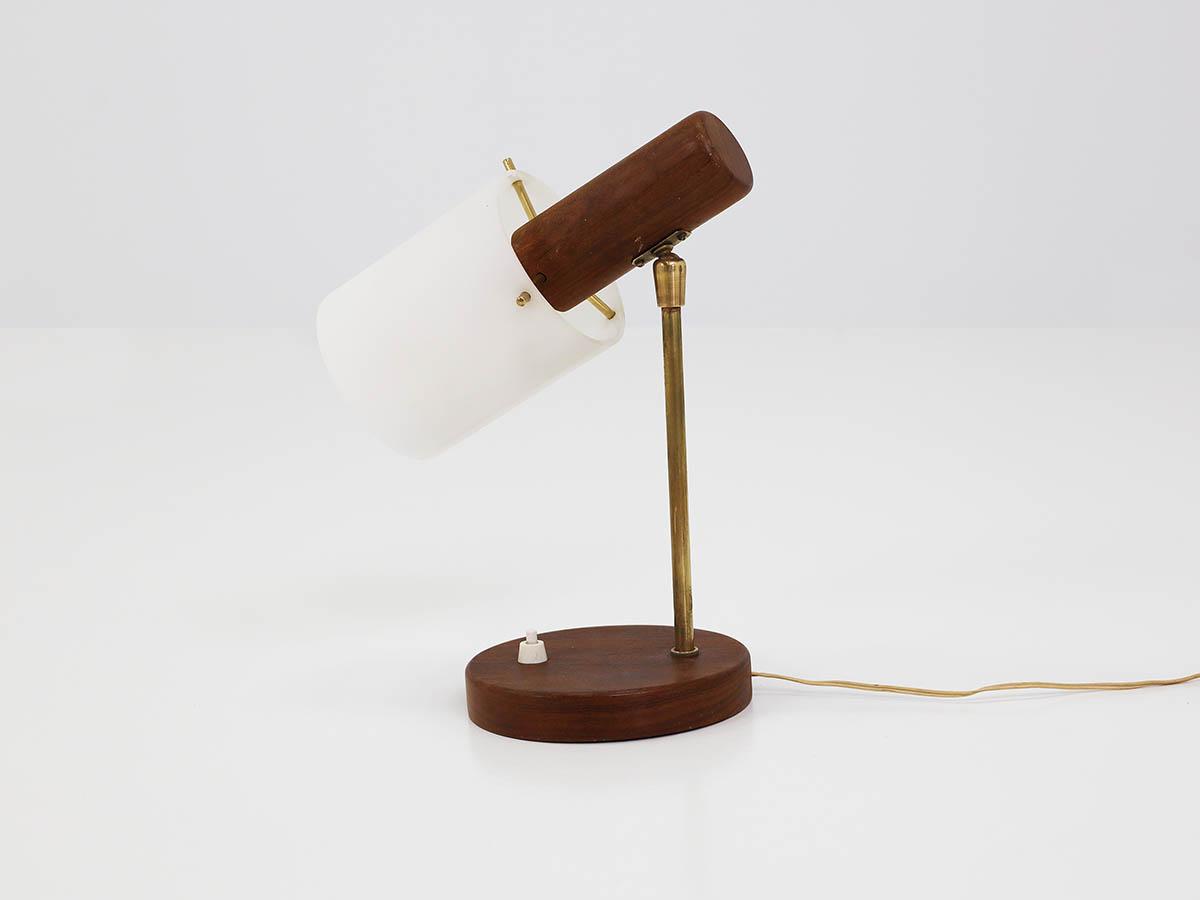
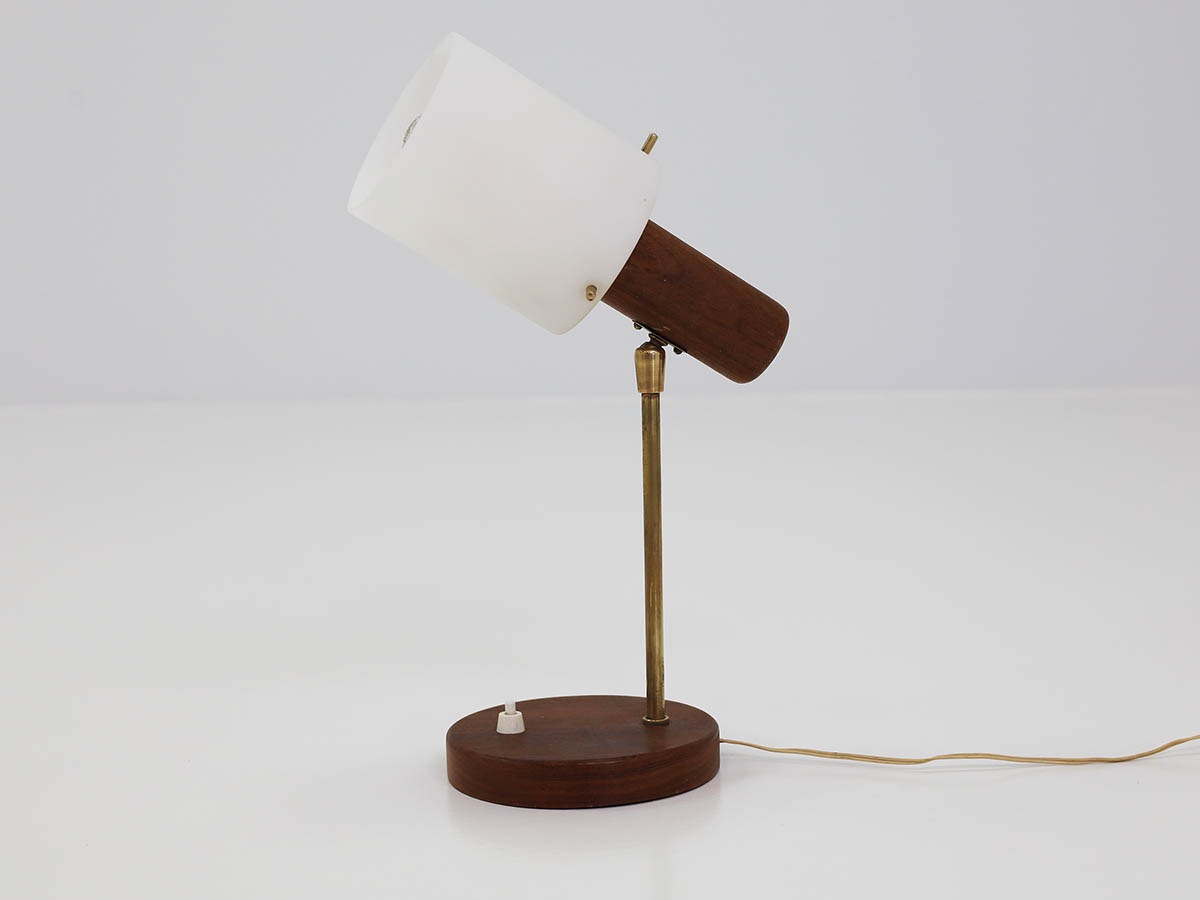
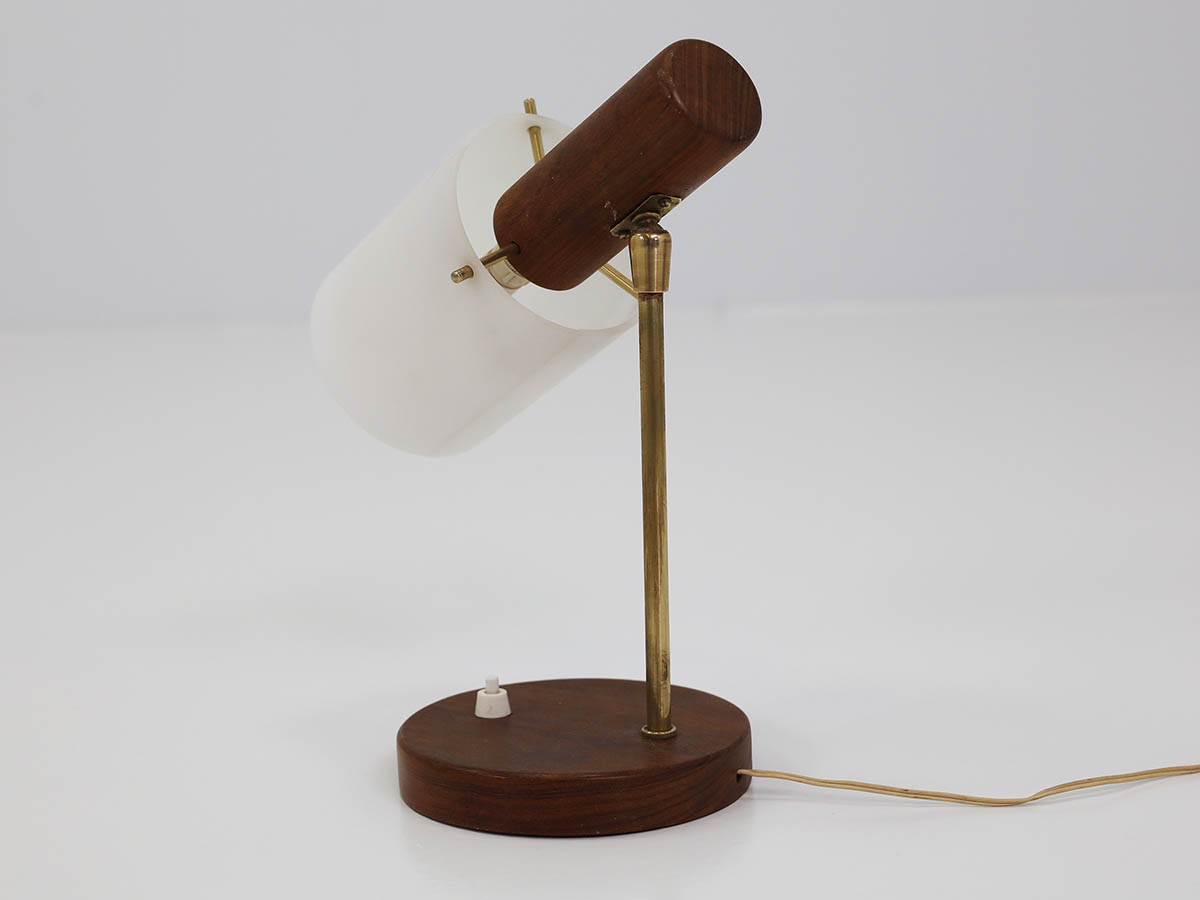
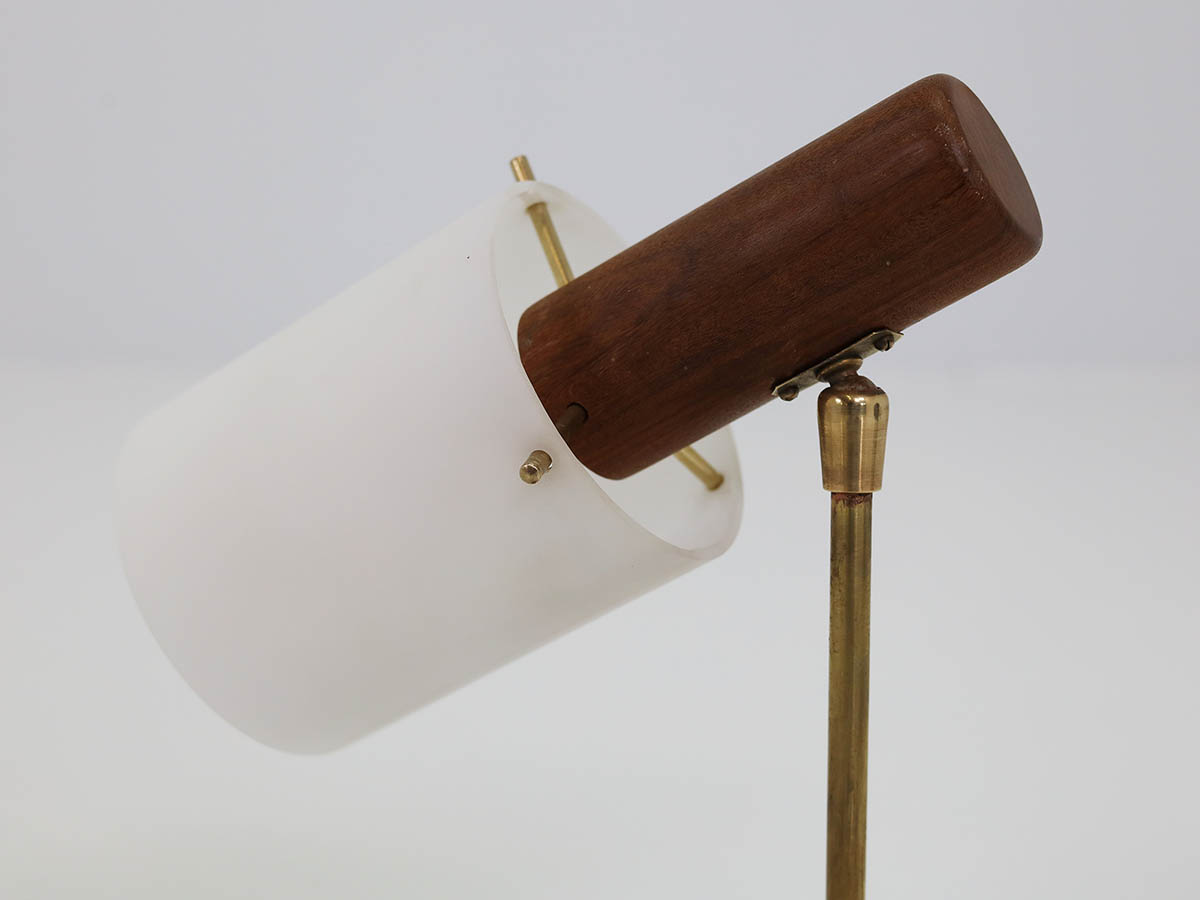
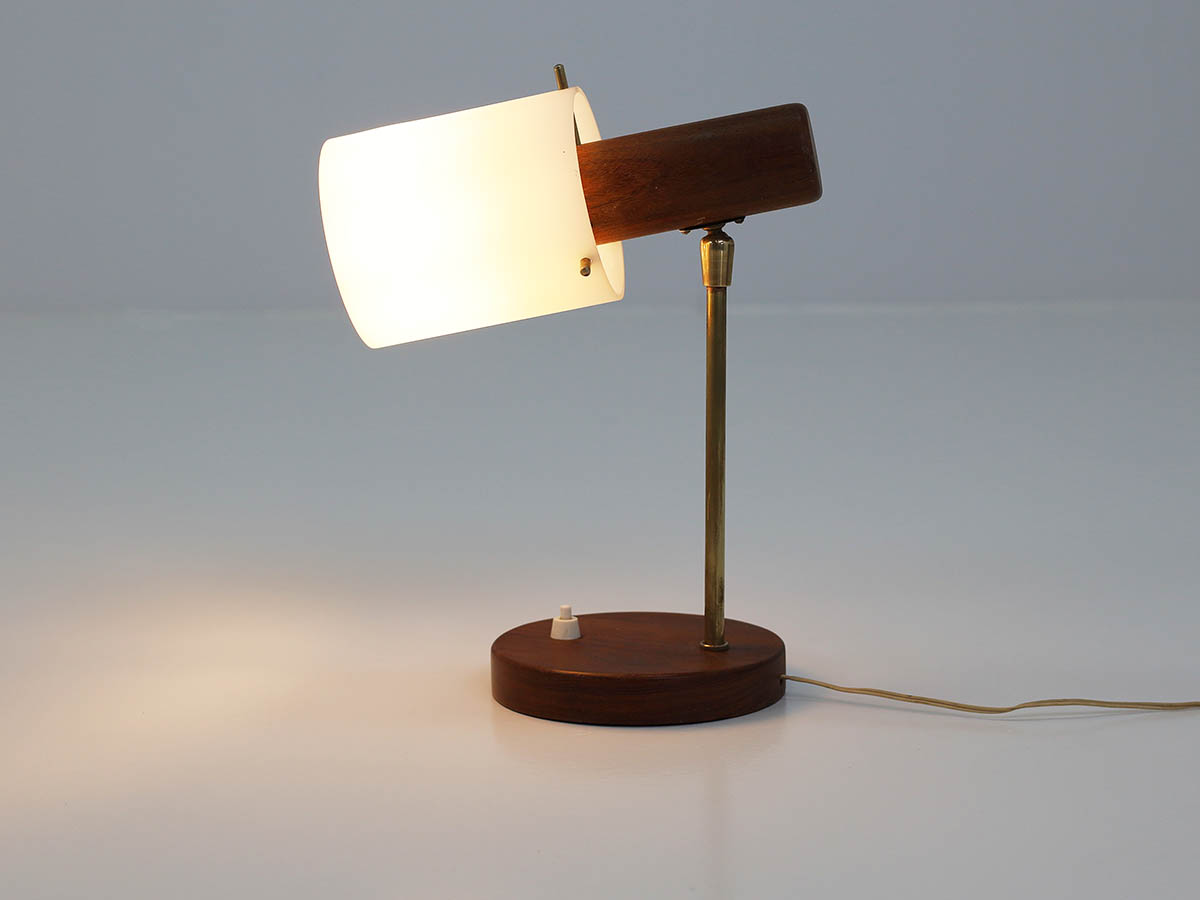
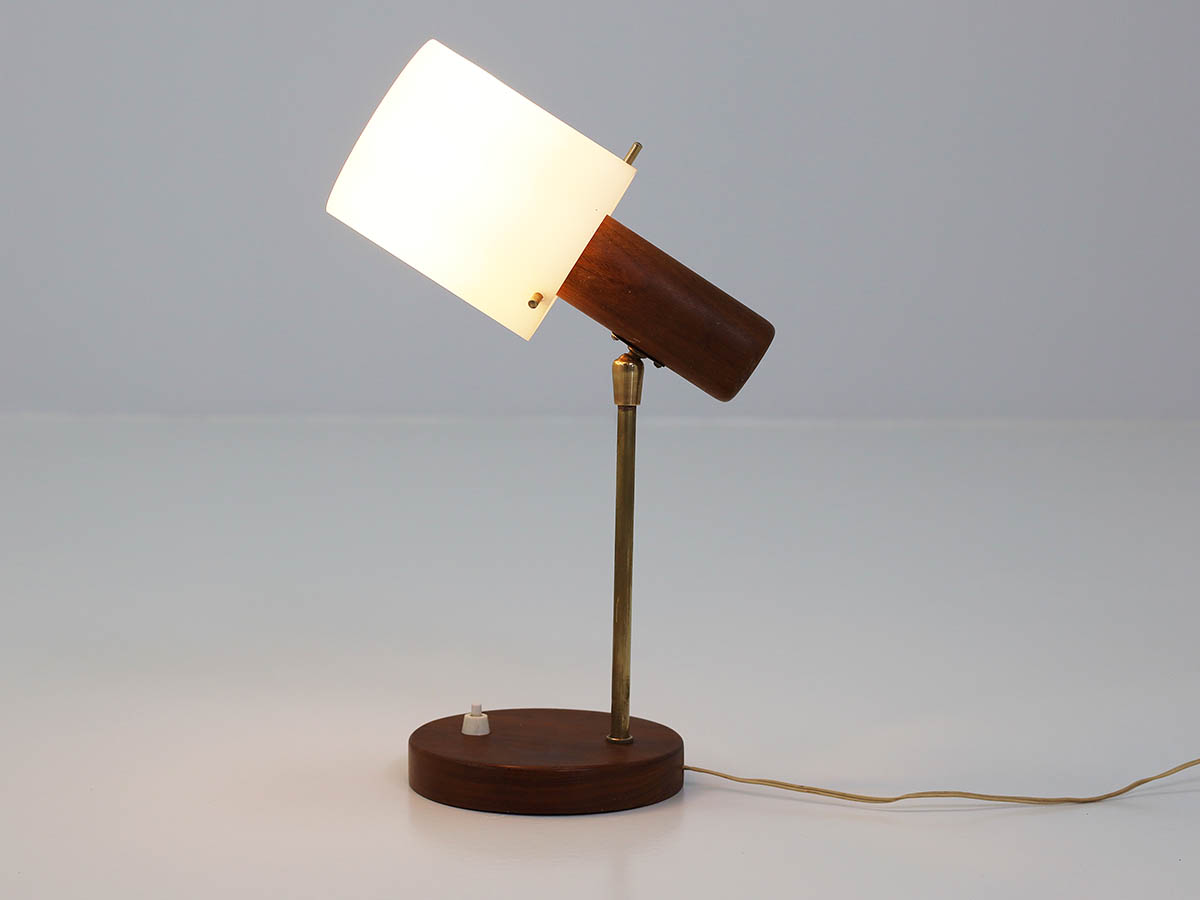
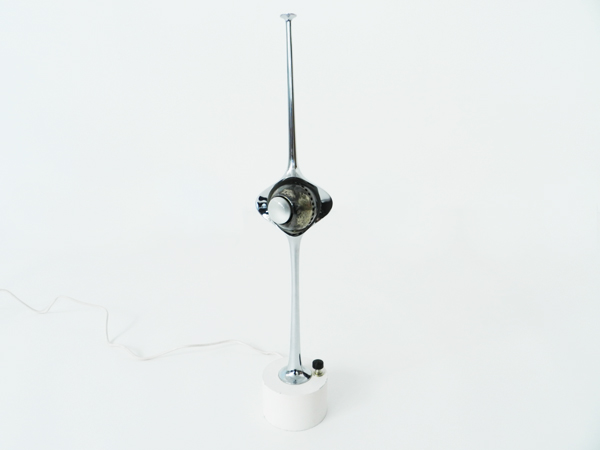
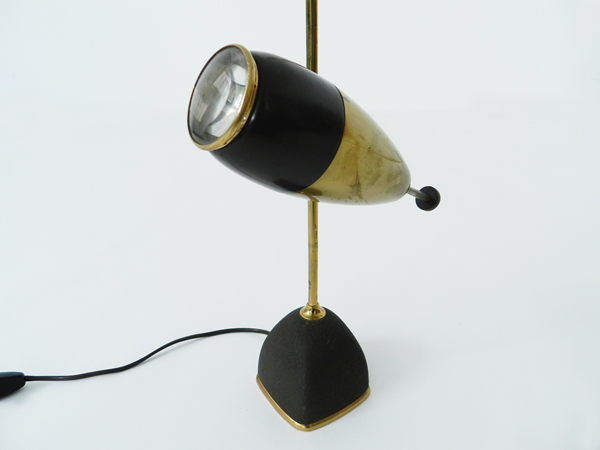
Modern adjustable table lamp

ProductionScandinavian Production
Denmark 1960 Approx.

MaterialTeak | brass | polycarbonate

Dimension24 x 14 x HT 40 cm

Price in Swiss Francs / Euro 250.00

modern-adjustable-table-lamp


Anonymous American Modern-style lamps produced in Scandinavia in the 1960s: function, light, and modernist balance

Anonymous lamps in the American Modern style produced in Scandinavia during the 1960s represent a fascinating intersection between two design cultures that are seemingly distant yet highly compatible: the functional rigor of Nordic design and the clean, industrial modernism of the United States. The result is a body of lighting design defined by essential forms, strong usability, and often a lack of clear attribution, yet immediately recognizable for its coherence and quality.

During the 1960s, Scandinavian design experienced strong international growth. Countries such as Denmark, Sweden, and Finland became major production hubs for lighting objects destined for both European and American markets, where demand for modern, understated, and functional lighting was rapidly increasing. In this context, many anonymous or uncredited lamps were produced by local manufacturers working with shared models, industrial prototypes, and series production systems that did not always emphasize individual authorship.

The influence of American Modern aesthetics is visible in the use of clean geometric volumes, simplified silhouettes, and a strong focus on functional lighting performance. Scandinavian design sensibility, however, adds a distinct layer of warmth through natural materials, matte finishes, and a refined attention to diffused, comfortable light quality. These lamps avoid decorative excess and instead prioritize proportion, balance, and visual comfort.

Many of these lighting objects were produced by Nordic lighting companies operating between industrial manufacturing and design-driven production, which often makes attribution to a single designer difficult or impossible. This anonymity is not a limitation but rather a defining characteristic of a period in which design was primarily focused on function, accessibility, and industrial distribution rather than authorship.

Today, anonymous American Modern-style lamps produced in Scandinavia in the 1960s are increasingly valued in the vintage and collectible design market. Their appeal lies in their ability to integrate seamlessly into contemporary interiors while maintaining a strong identity: discreet, functional objects that embody a perfect synthesis of American modernism and Nordic design sensibility.
Description

Anonymous American Modern-style lamps produced in Scandinavia in the 1960s: function, light, and modernist balance

Anonymous lamps in the American Modern style produced in Scandinavia during the 1960s represent a fascinating intersection between two design cultures that are seemingly distant yet highly compatible: the functional rigor of Nordic design and the clean, industrial modernism of the United States. The result is a body of lighting design defined by essential forms, strong usability, and often a lack of clear attribution, yet immediately recognizable for its coherence and quality.

During the 1960s, Scandinavian design experienced strong international growth. Countries such as Denmark, Sweden, and Finland became major production hubs for lighting objects destined for both European and American markets, where demand for modern, understated, and functional lighting was rapidly increasing. In this context, many anonymous or uncredited lamps were produced by local manufacturers working with shared models, industrial prototypes, and series production systems that did not always emphasize individual authorship.

The influence of American Modern aesthetics is visible in the use of clean geometric volumes, simplified silhouettes, and a strong focus on functional lighting performance. Scandinavian design sensibility, however, adds a distinct layer of warmth through natural materials, matte finishes, and a refined attention to diffused, comfortable light quality. These lamps avoid decorative excess and instead prioritize proportion, balance, and visual comfort.

Many of these lighting objects were produced by Nordic lighting companies operating between industrial manufacturing and design-driven production, which often makes attribution to a single designer difficult or impossible. This anonymity is not a limitation but rather a defining characteristic of a period in which design was primarily focused on function, accessibility, and industrial distribution rather than authorship.

Today, anonymous American Modern-style lamps produced in Scandinavia in the 1960s are increasingly valued in the vintage and collectible design market. Their appeal lies in their ability to integrate seamlessly into contemporary interiors while maintaining a strong identity: discreet, functional objects that embody a perfect synthesis of American modernism and Nordic design sensibility.
Additional information

Material

Dimension