

Marcel Breuer (1902–1981) was one of the leading figures of 20th-century modern design and a key protagonist of the Bauhaus movement. His design research is defined by the innovative use of industrial materials, particularly tubular steel, and by the pursuit of functional, lightweight, and accessible furniture designed to meet the needs of modern living.


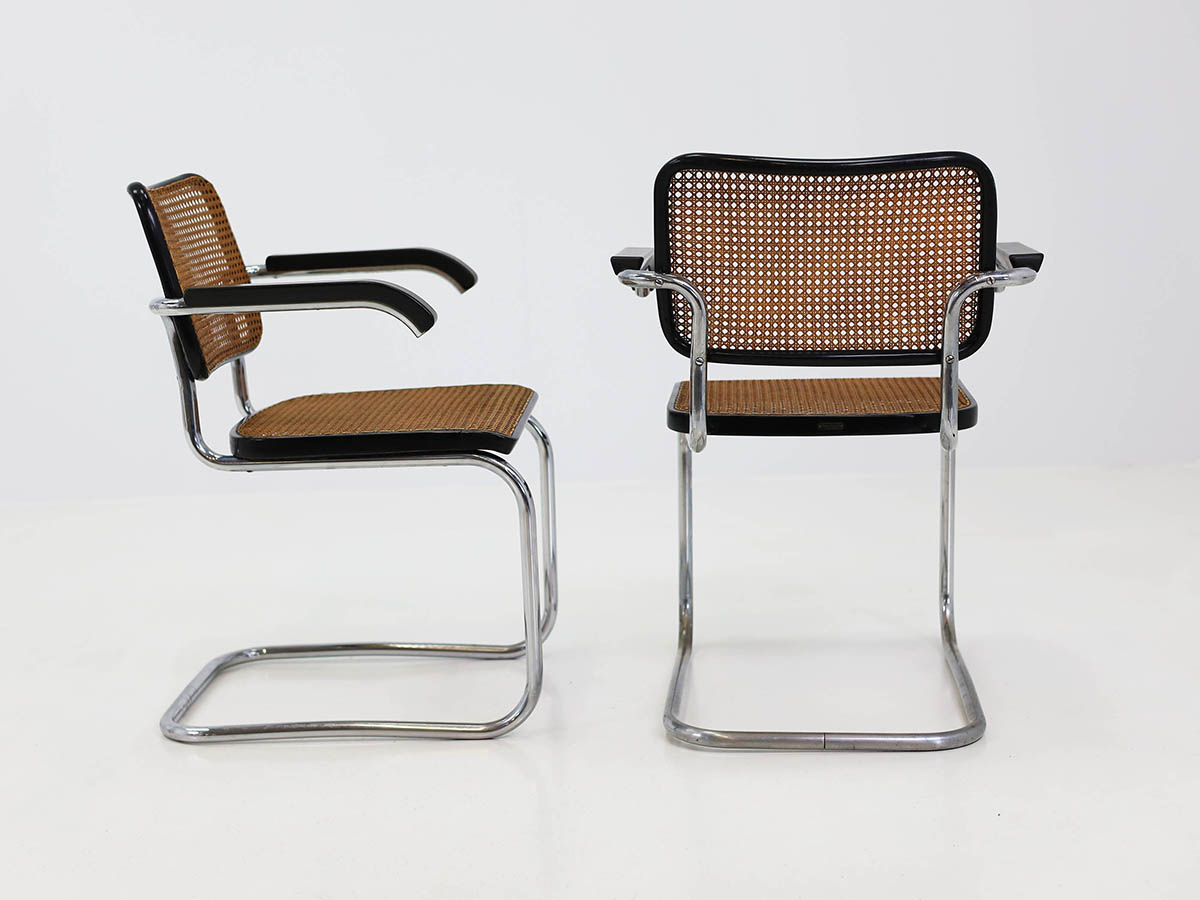
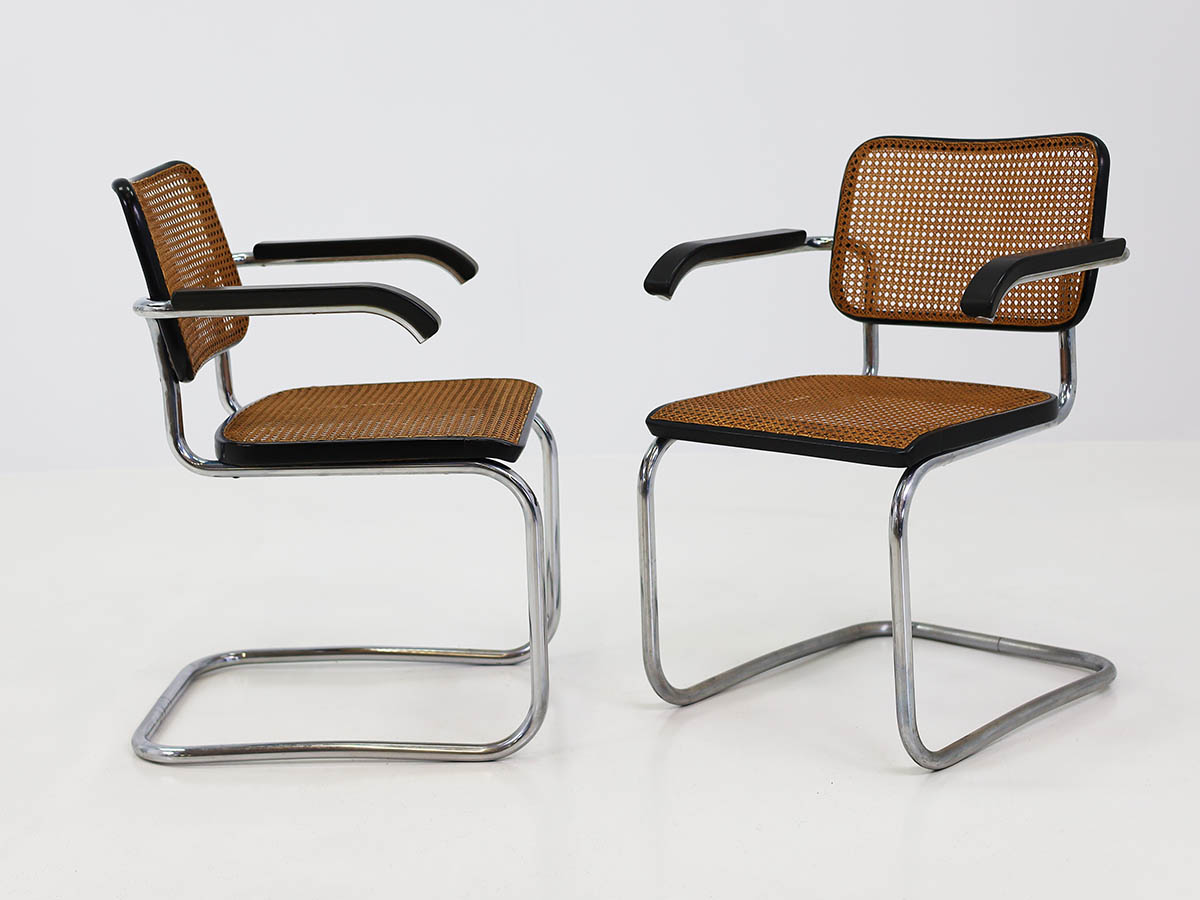
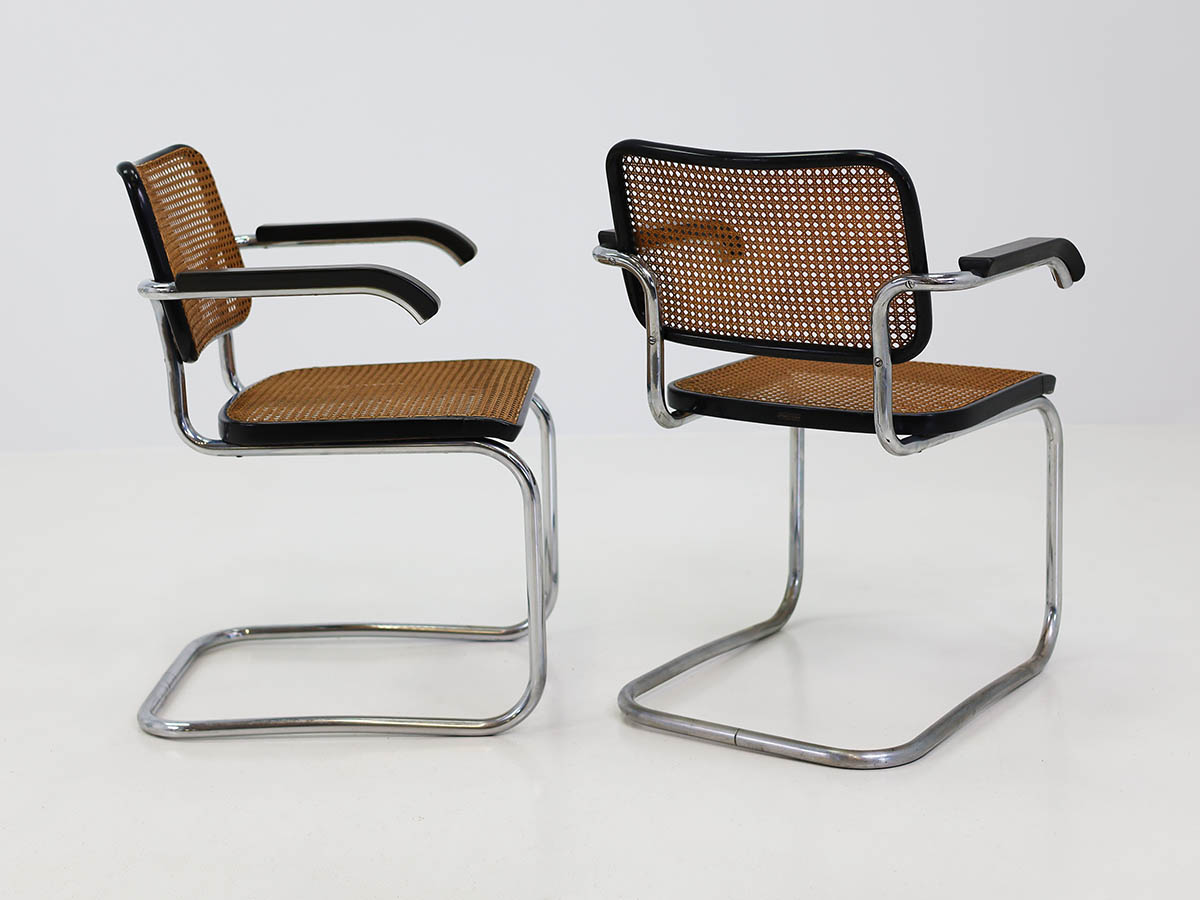
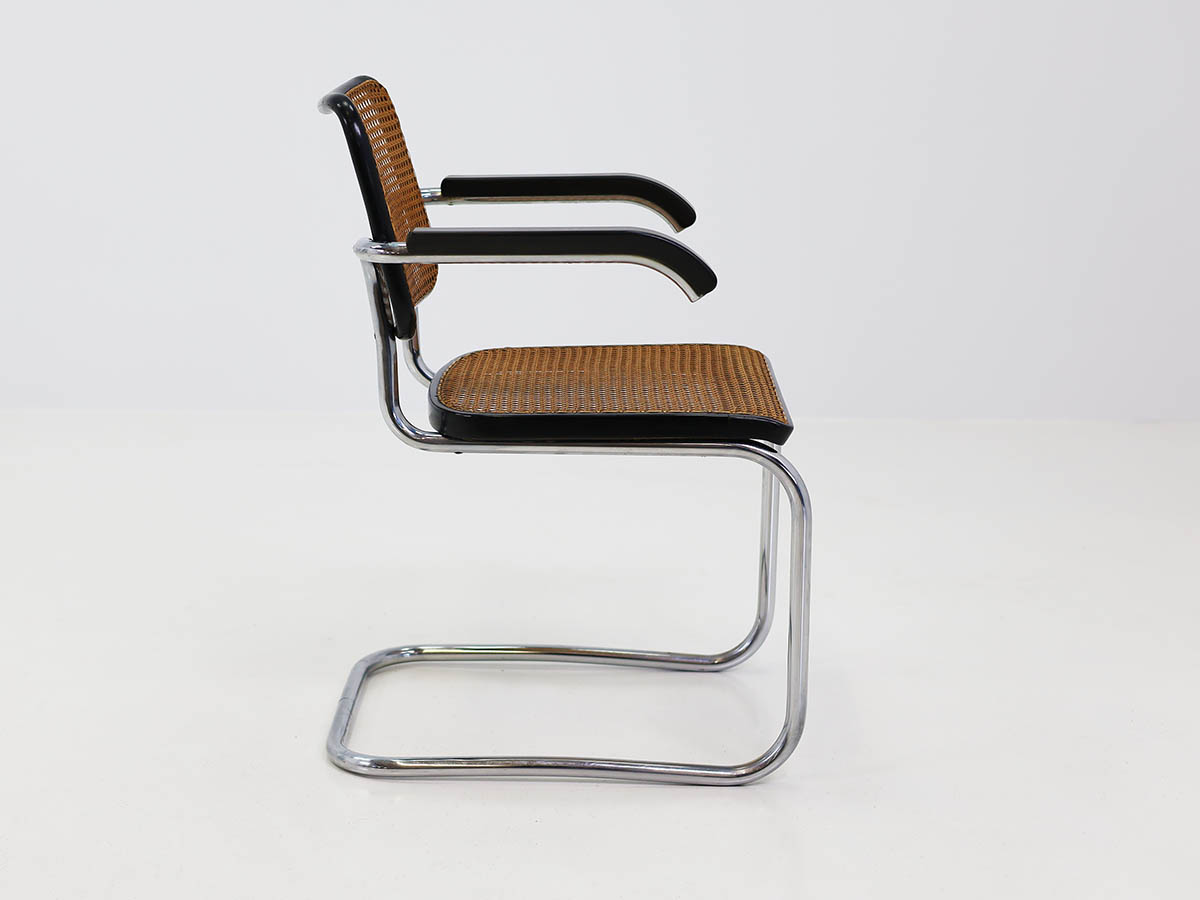
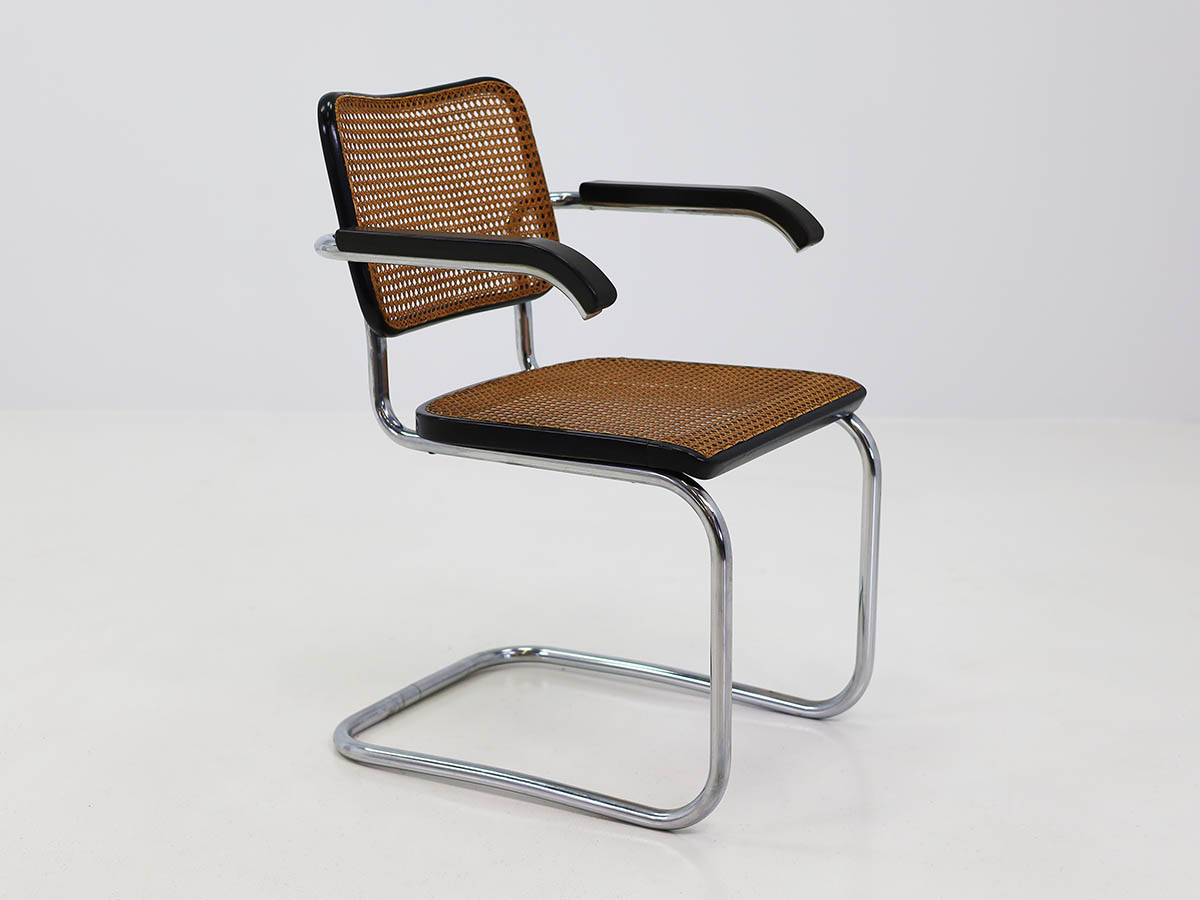
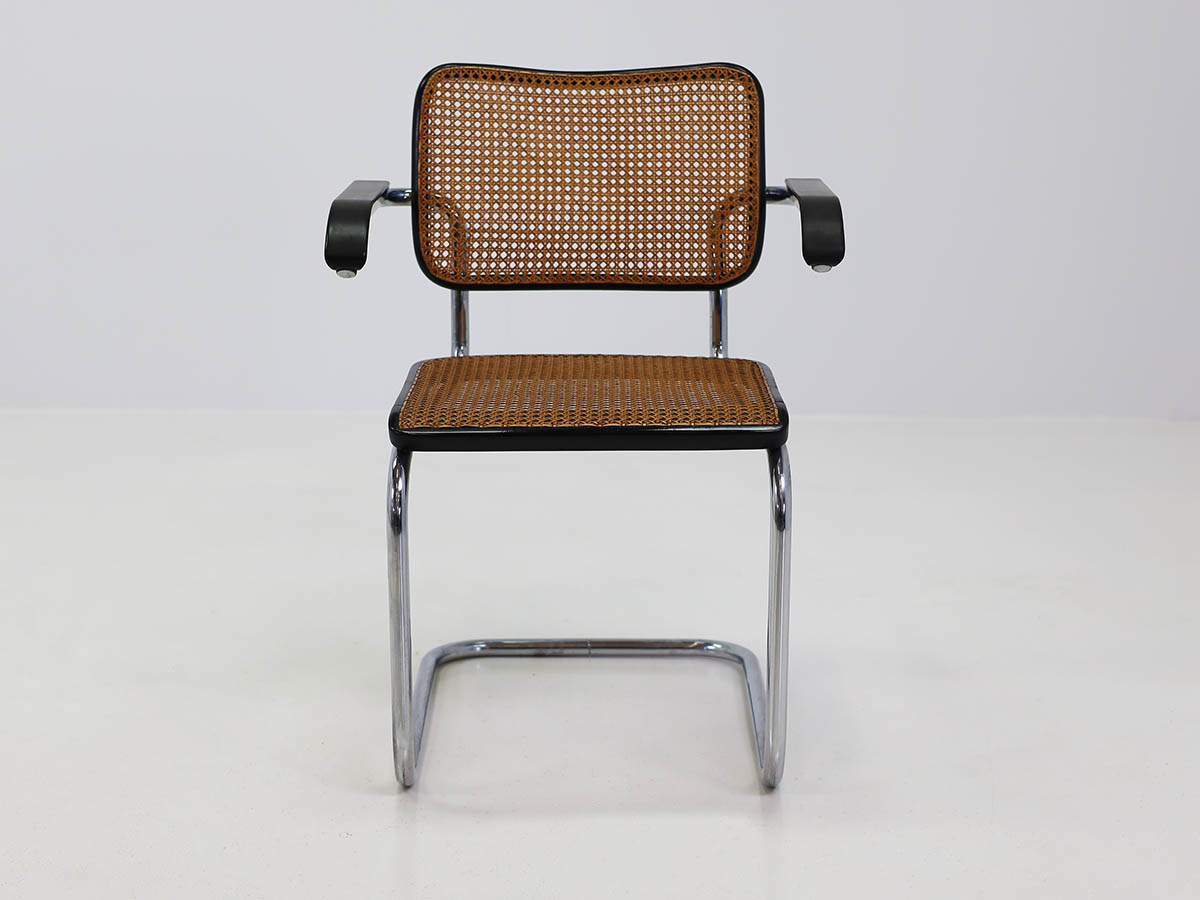
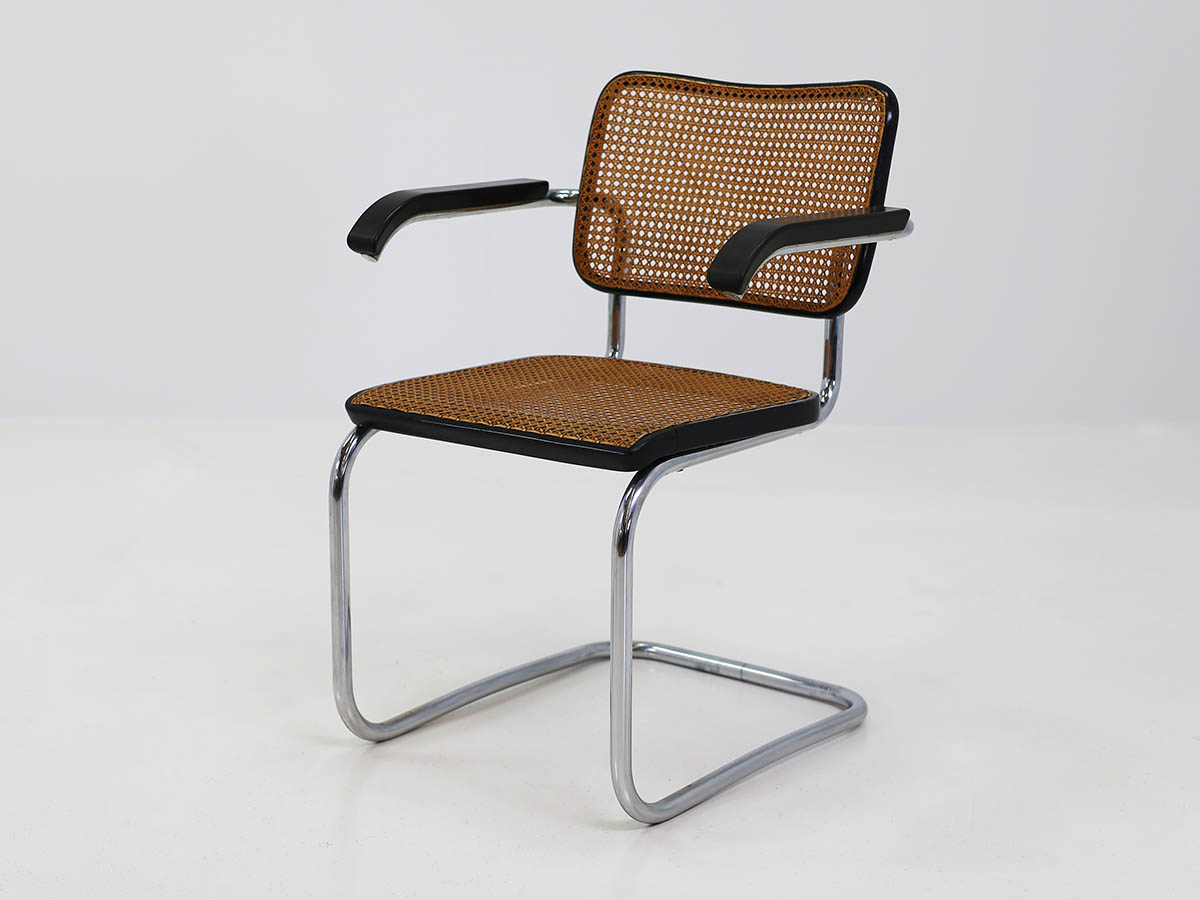
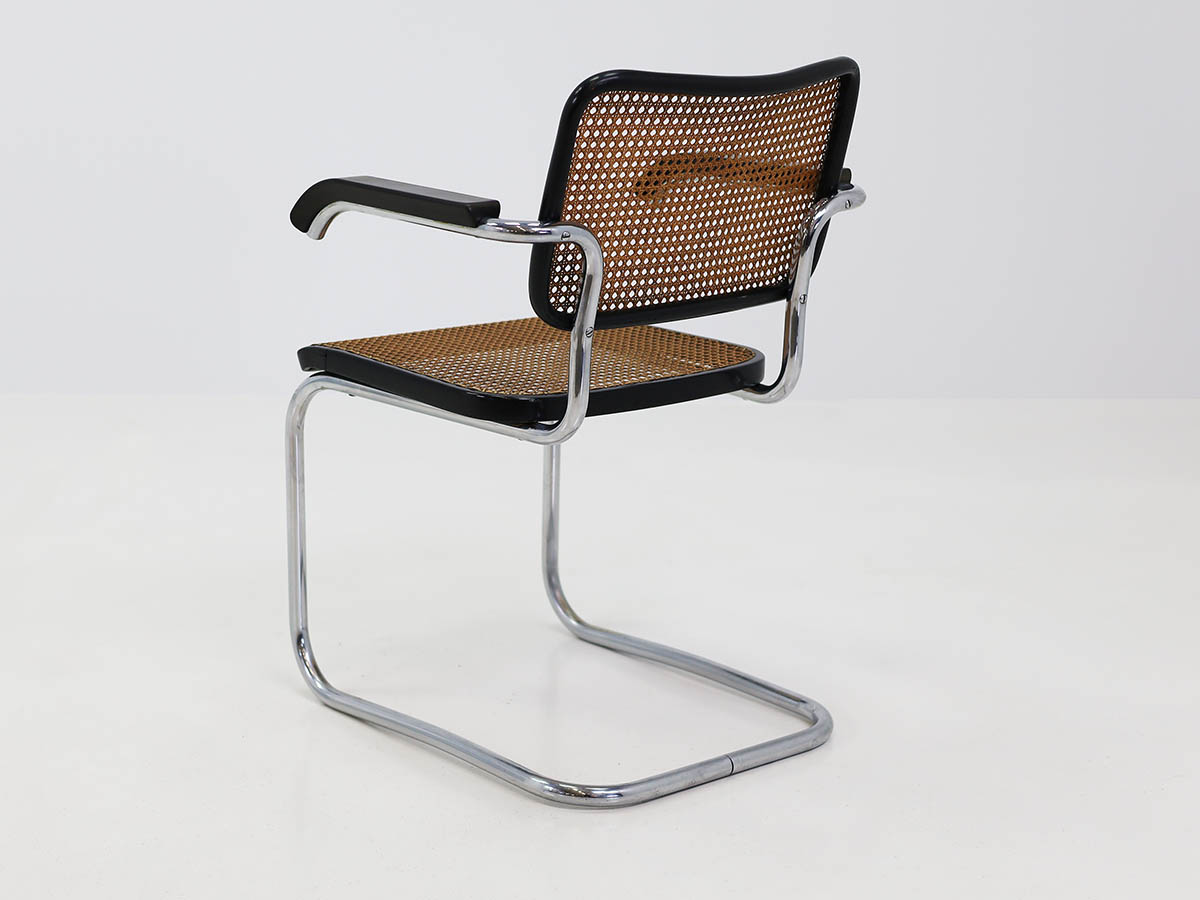
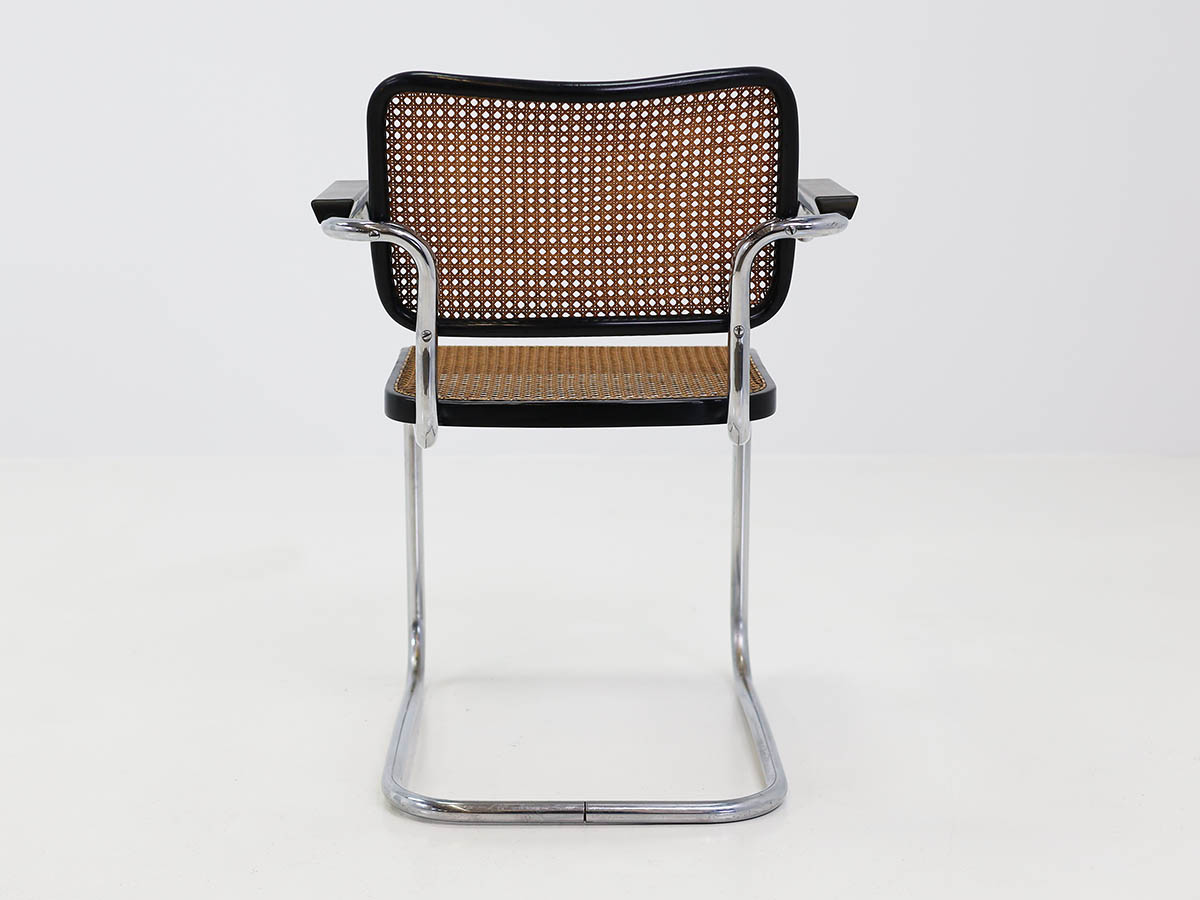
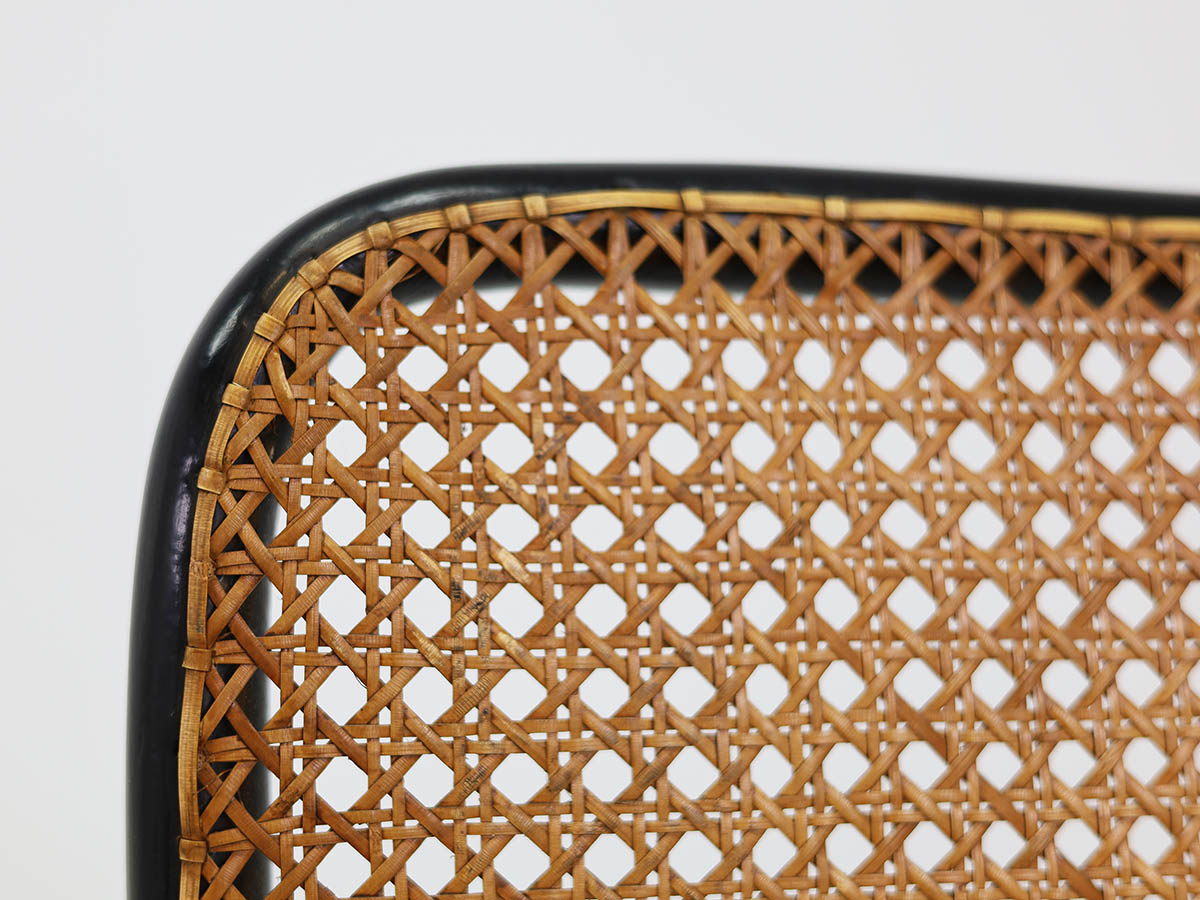
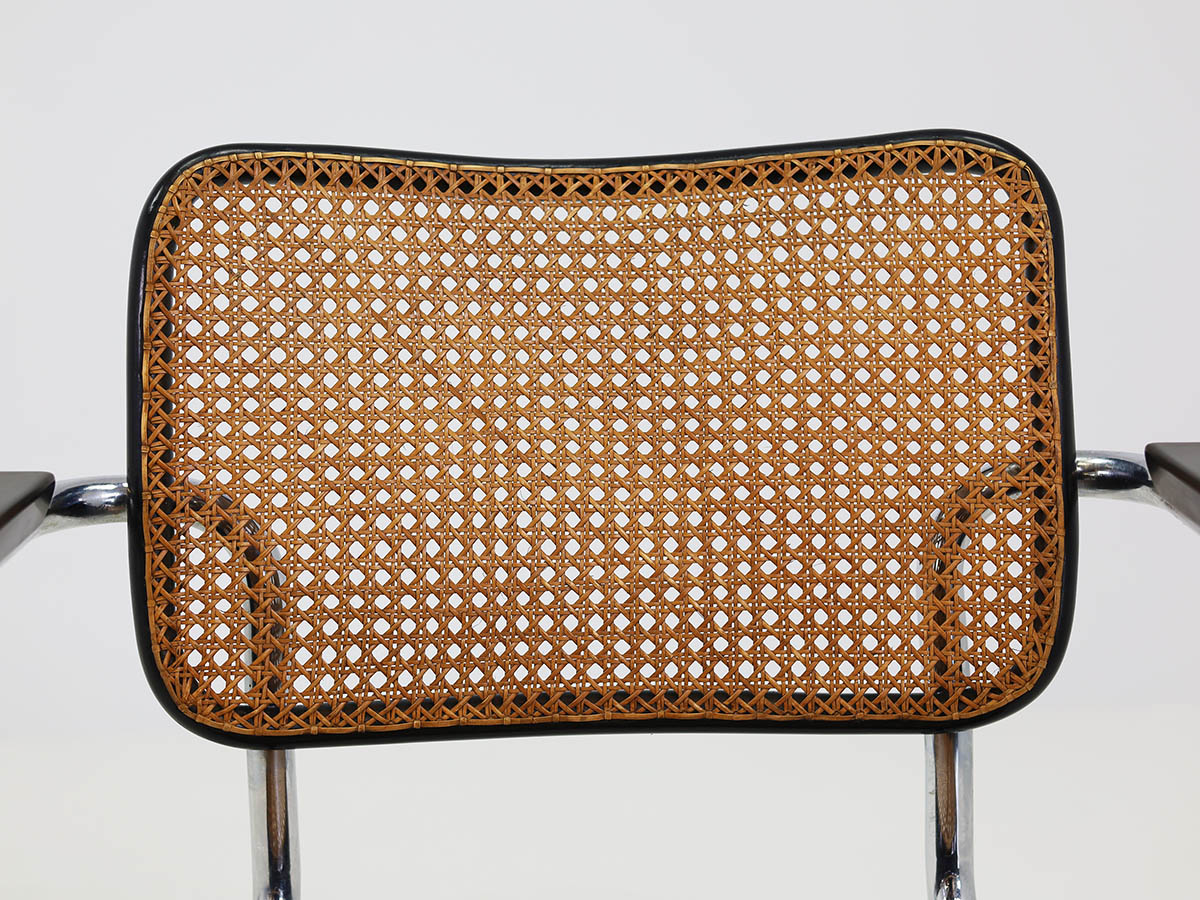
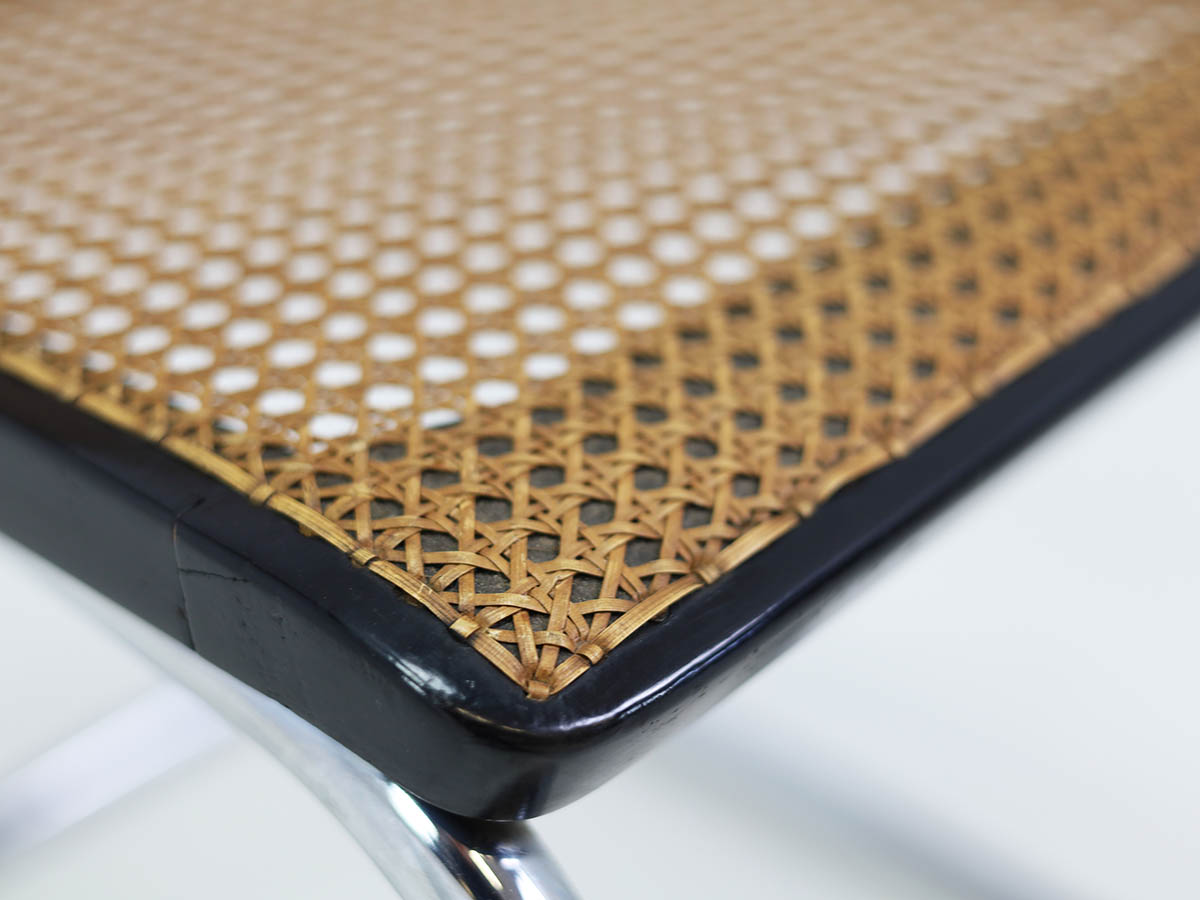
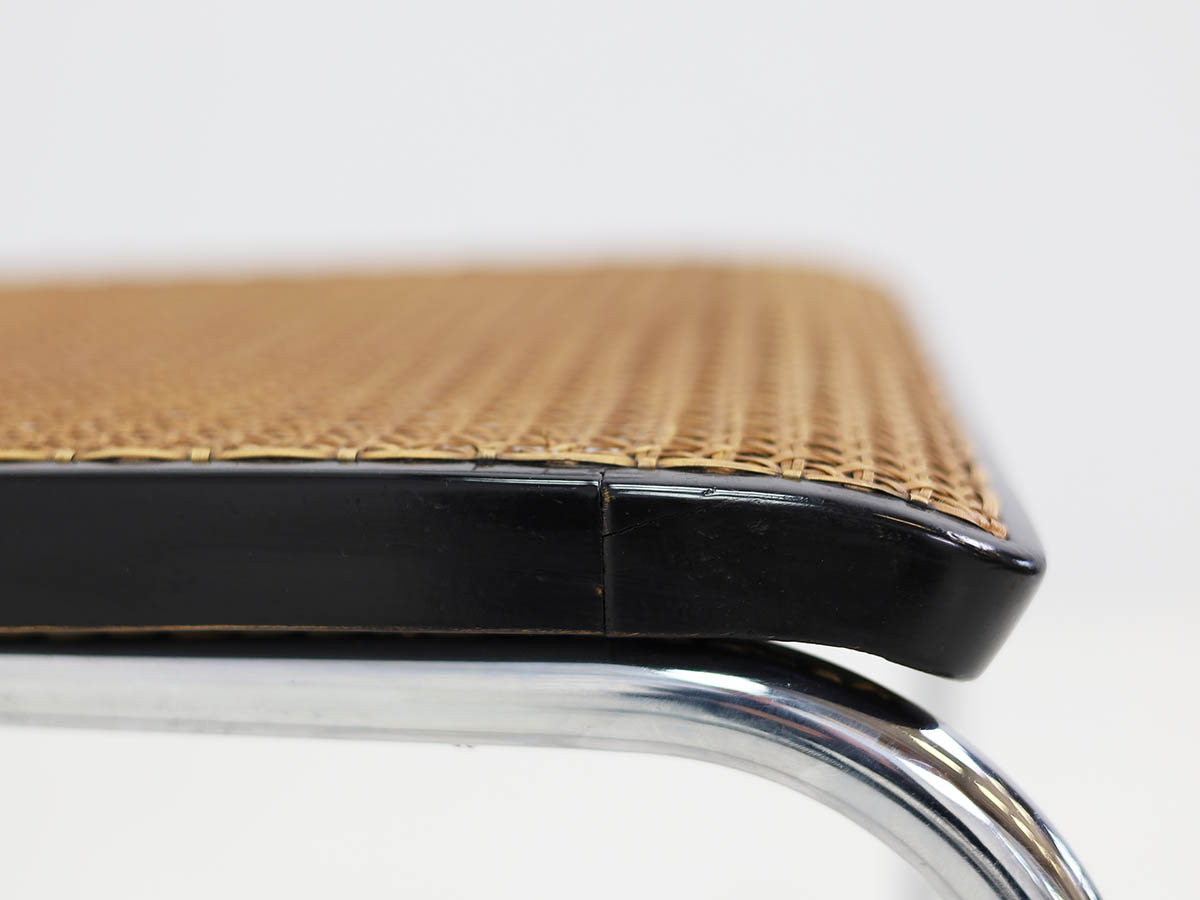
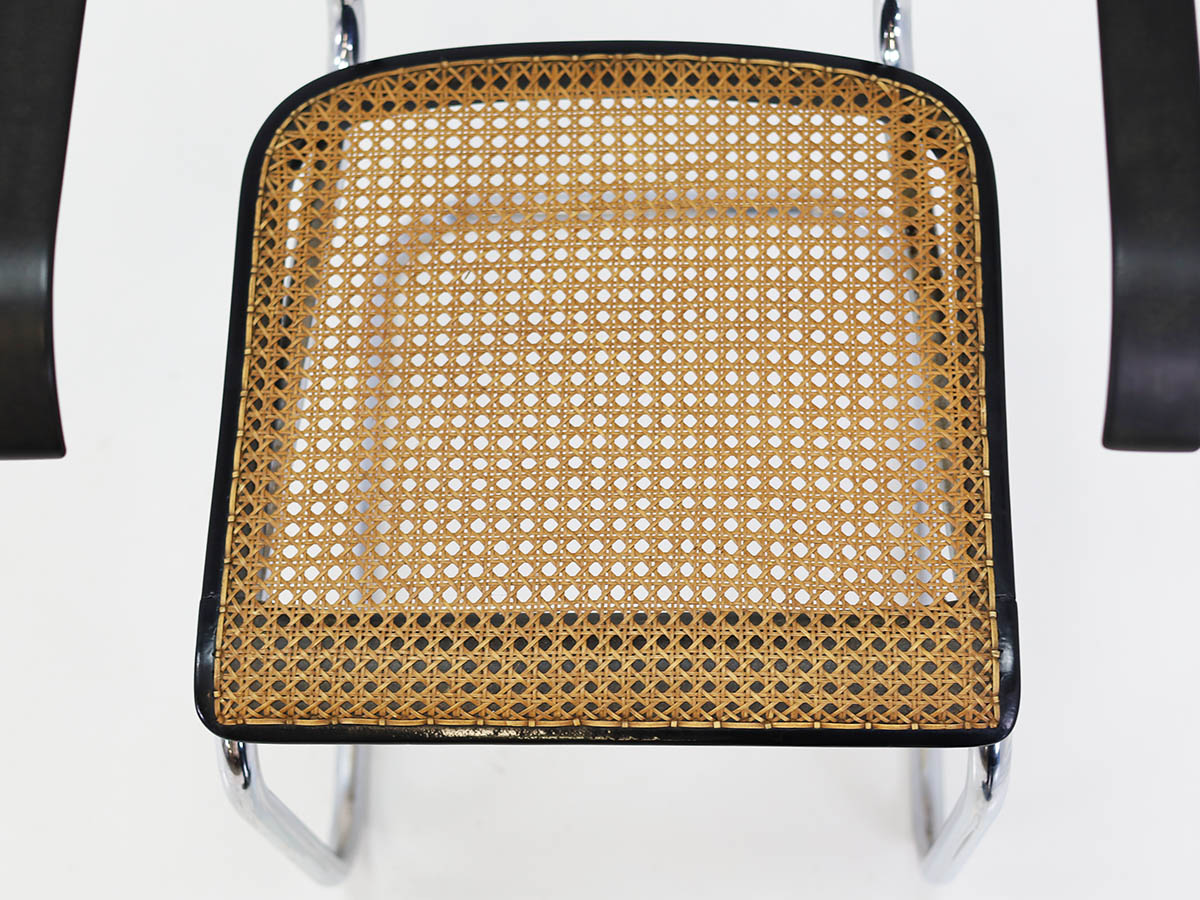
One of his most iconic creations is the Cesca chair, designed in 1928, and later becoming one of the global symbols of modern design. The Cesca represents a perfect synthesis between industrial structure and craftsmanship: a chrome-plated tubular steel frame supports a seat and backrest in hand-woven cane, creating a balance between structural rigidity and visual lightness.


The Cesca chair achieved worldwide distribution from the 1950s and 1960s onward, through authorized productions and international distributors, becoming a modernist icon used in residential interiors, offices, and public spaces. Its essential and timeless aesthetic makes it one of the most recognizable and sought-after pieces of 20th-century design.


Through Marcel Breuer’s vision, the Cesca helped define a new design language based on industrial production, ergonomics, and formal purity, reinforcing the Bauhaus movement as a fundamental reference point for contemporary design and European modernist heritage.
Item nr. 26025

Rare First Edition by Wohnbedarf 1950, Chair with armrests mod. Cesca 64

Designer

ProductionWohnbedarf
Germany
Switzerland 1928

Dimension66 x 58 x Seating HT 44 x Total HT 77 cm

MaterialLacquered wood | Vienna straw | Tubular steel

Price in Swiss Francs / Euro 1'400.00

rare-first-edition-by-wohnbedarf-1950-chair-with-armrests-mod-cesca-64

Price for one piece


Marcel Breuer (1902–1981) was one of the leading figures of 20th-century modern design and a key protagonist of the Bauhaus movement. His design research is defined by the innovative use of industrial materials, particularly tubular steel, and by the pursuit of functional, lightweight, and accessible furniture designed to meet the needs of modern living.


One of his most iconic creations is the Cesca chair, designed in 1928, and later becoming one of the global symbols of modern design. The Cesca represents a perfect synthesis between industrial structure and craftsmanship: a chrome-plated tubular steel frame supports a seat and backrest in hand-woven cane, creating a balance between structural rigidity and visual lightness.


The Cesca chair achieved worldwide distribution from the 1950s and 1960s onward, through authorized productions and international distributors, becoming a modernist icon used in residential interiors, offices, and public spaces. Its essential and timeless aesthetic makes it one of the most recognizable and sought-after pieces of 20th-century design.


Through Marcel Breuer’s vision, the Cesca helped define a new design language based on industrial production, ergonomics, and formal purity, reinforcing the Bauhaus movement as a fundamental reference point for contemporary design and European modernist heritage.
Description

Marcel Breuer (1902–1981) was one of the leading figures of 20th-century modern design and a key protagonist of the Bauhaus movement. His design research is defined by the innovative use of industrial materials, particularly tubular steel, and by the pursuit of functional, lightweight, and accessible furniture designed to meet the needs of modern living.

One of his most iconic creations is the Cesca chair, designed in 1928, and later becoming one of the global symbols of modern design. The Cesca represents a perfect synthesis between industrial structure and craftsmanship: a chrome-plated tubular steel frame supports a seat and backrest in hand-woven cane, creating a balance between structural rigidity and visual lightness.

The Cesca chair achieved worldwide distribution from the 1950s and 1960s onward, through authorized productions and international distributors, becoming a modernist icon used in residential interiors, offices, and public spaces. Its essential and timeless aesthetic makes it one of the most recognizable and sought-after pieces of 20th-century design.

Through Marcel Breuer’s vision, the Cesca helped define a new design language based on industrial production, ergonomics, and formal purity, reinforcing the Bauhaus movement as a fundamental reference point for contemporary design and European modernist heritage.
Additional information

Dimension

Material