
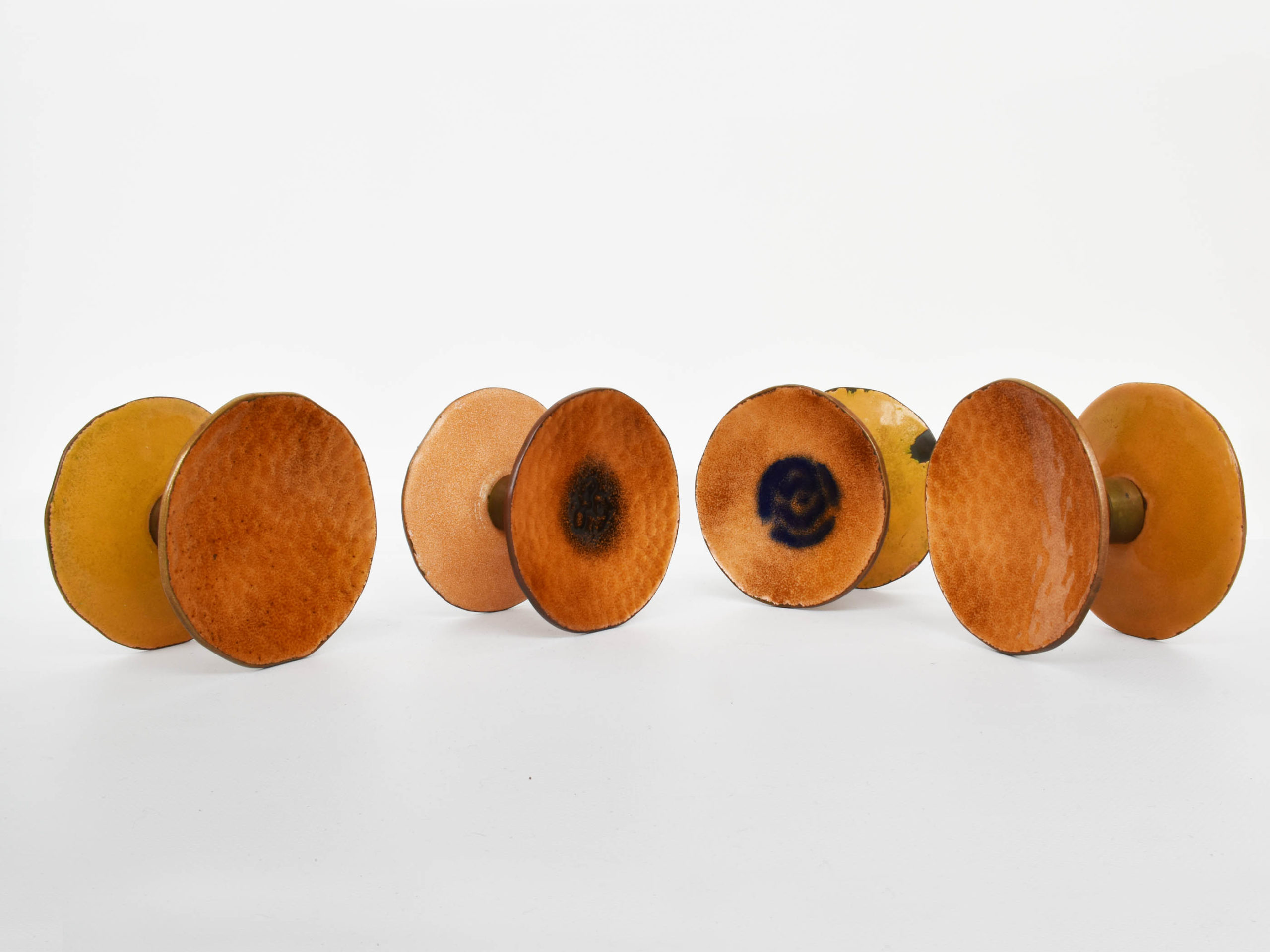
Description
Gio Ponti (Milan, 1891–1979) stands as one of the most influential Italian architects and designers of the 20th century and a key figure in shaping modern Italian design. Through his work, Ponti actively combined architecture, applied arts, and craftsmanship, promoting a forward-thinking vision that emphasized color, material experimentation, and artistic innovation.
After graduating in architecture from the Politecnico di Milano in 1921, Gio Ponti quickly established an international reputation. In 1923, he participated in the Monza Biennale of Decorative Arts and began his influential collaboration with Richard Ginori, where he helped redefine modern ceramic design. In 1925, Ponti won the Grand Prix at the Exposition Internationale in Paris and founded Domus magazine, which soon became one of the world’s leading publications on architecture and design.
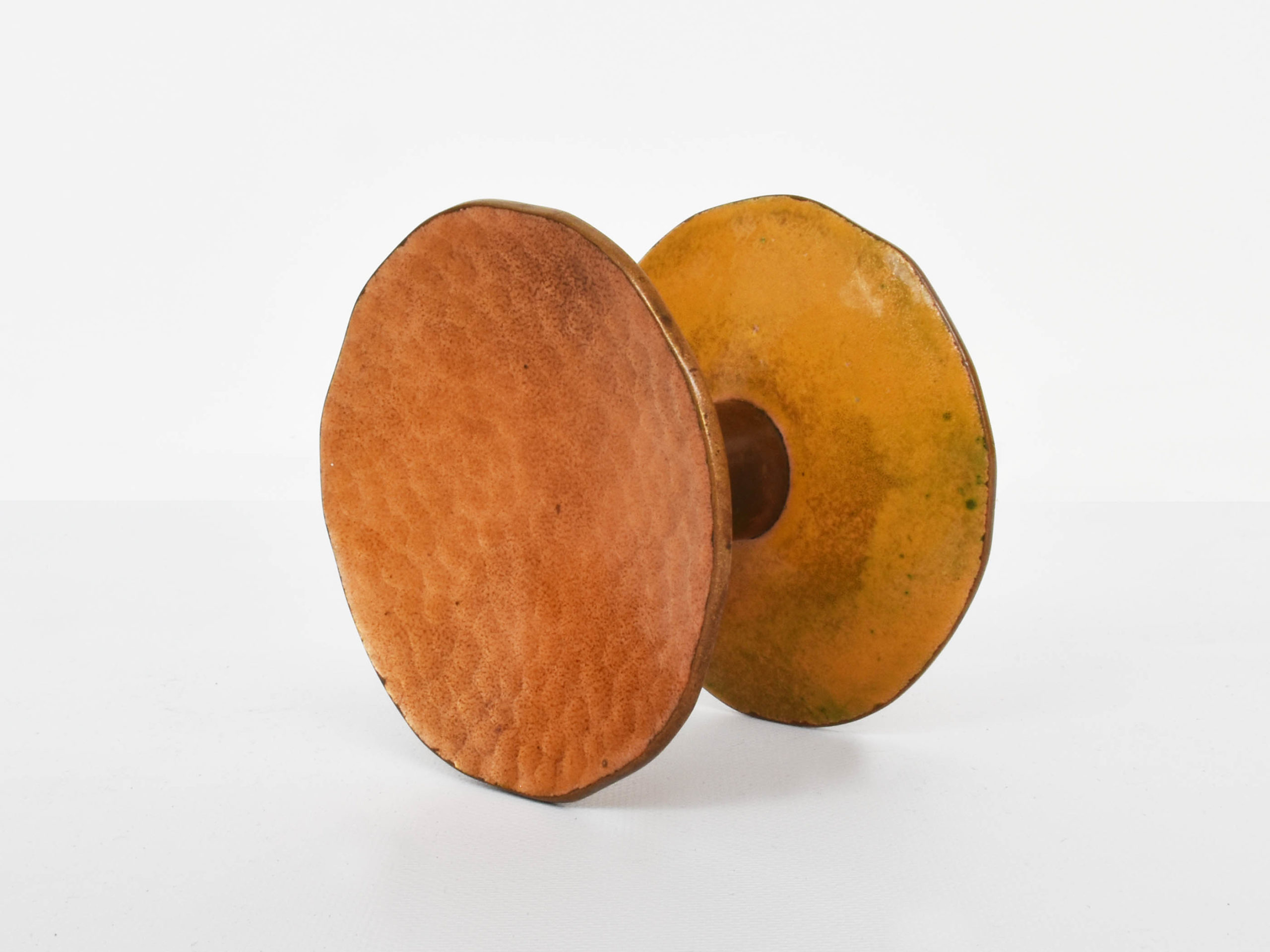
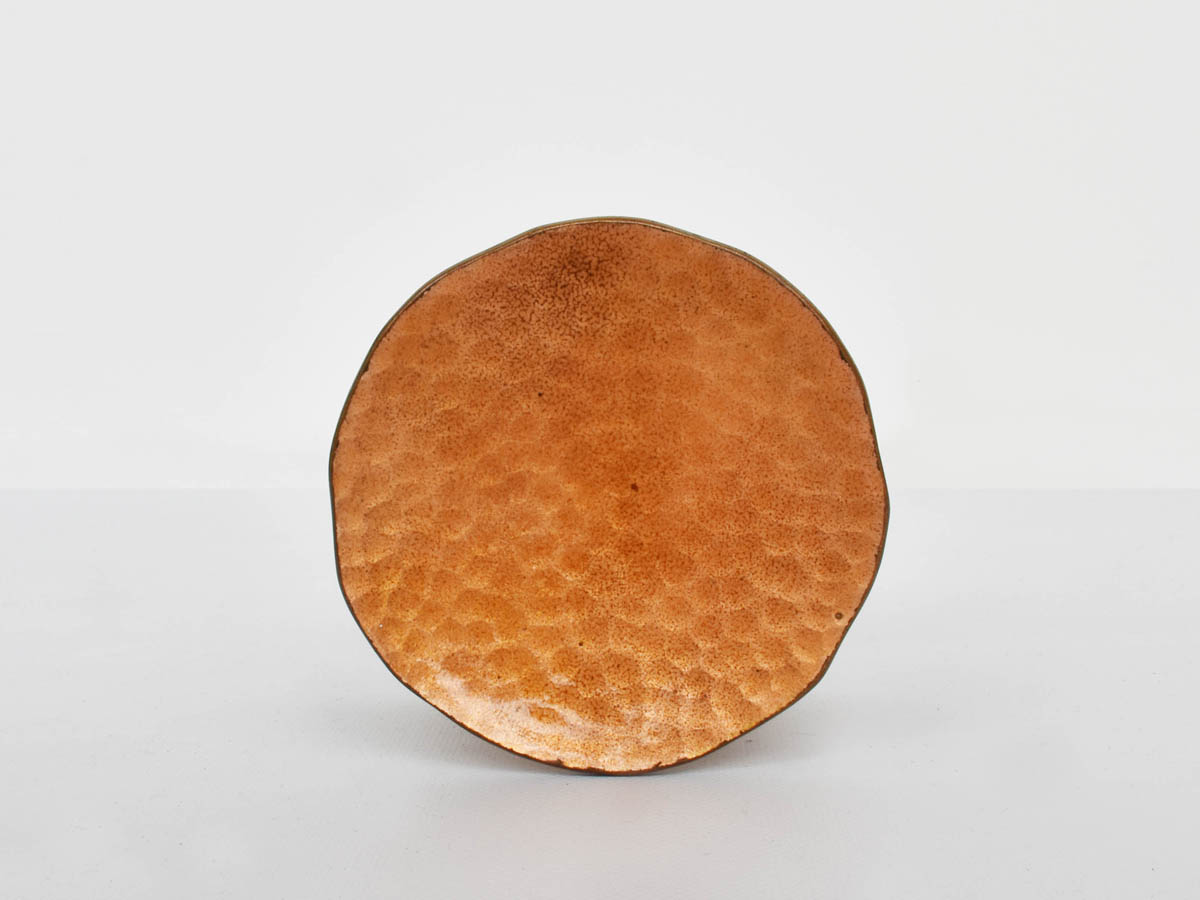
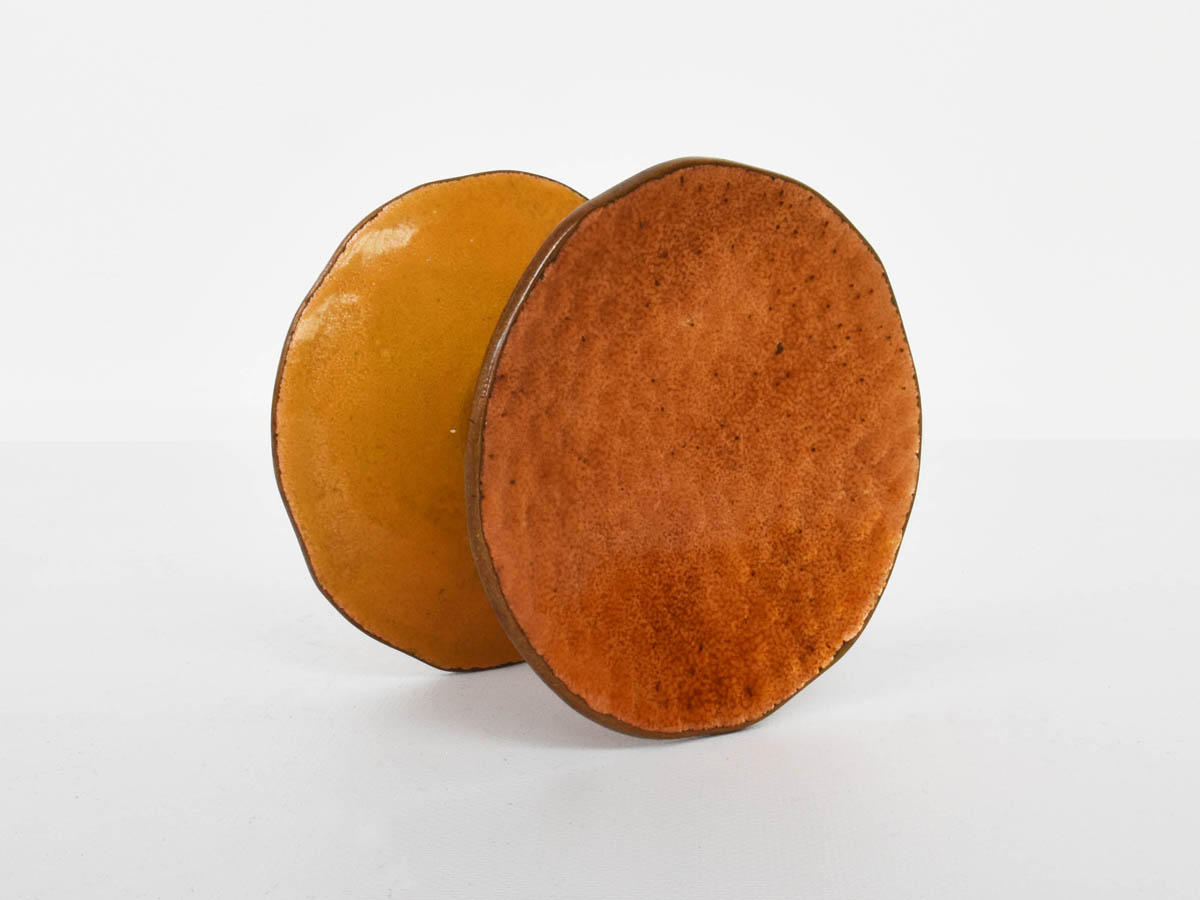
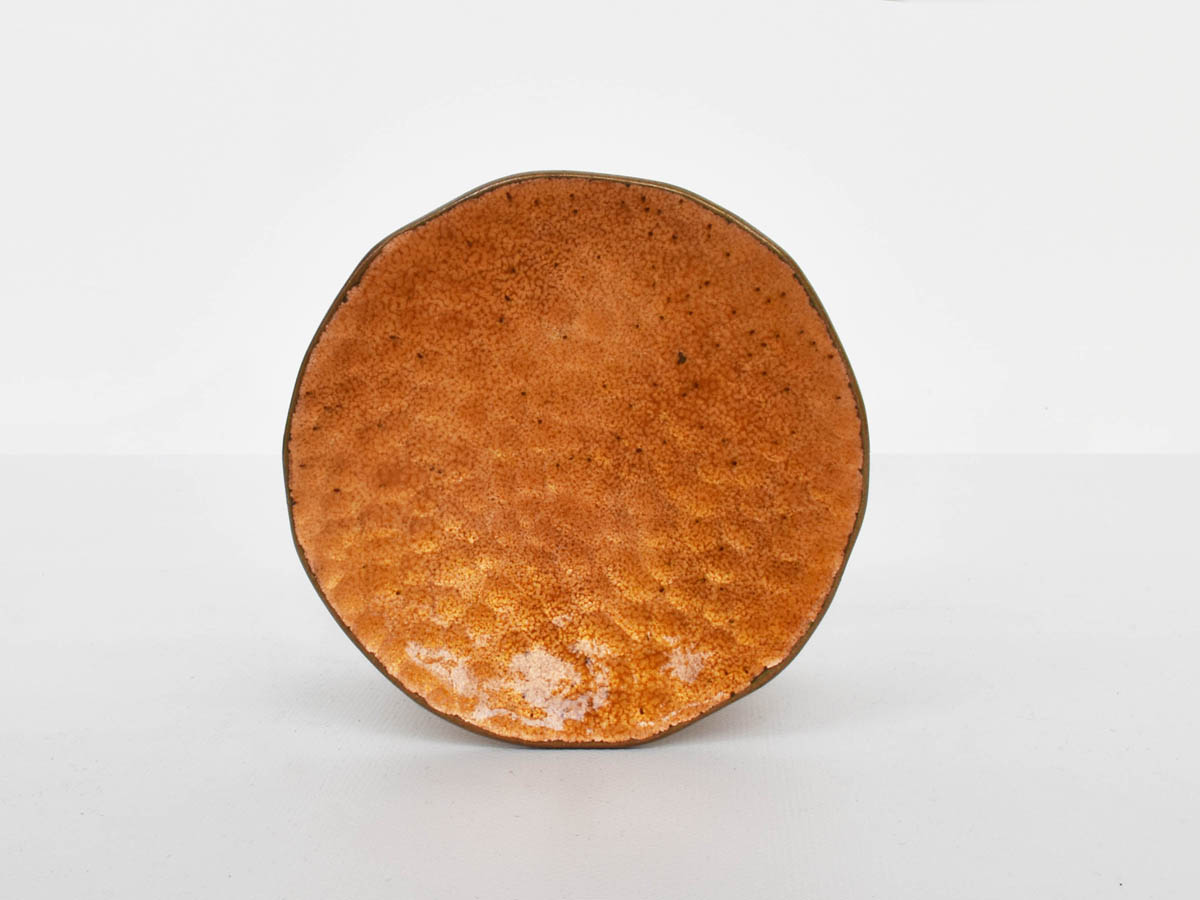
During the 1930s, Ponti played a central role in organizing the Milan Triennale and expanded his practice across furniture, lighting, objects, and interior design. In this period, he also initiated his important collaboration with Paolo De Poli, the master of enamel on copper. Together, Gio Ponti and De Poli explored luminous surfaces, bold color palettes, and innovative enamel techniques, transforming traditional craftsmanship into a modern artistic language. Ponti actively integrated De Poli’s enamel work into contemporary design, elevating enamel as a key expressive element in modern decorative arts.
In the 1950s, Gio Ponti realized some of his most iconic architectural projects, including the Montecatini Office Building and the Pirelli Tower, reinforcing his legacy as a master of Italian modernism and post-war design. His collaboration with De Poli remains a defining example of Ponti’s ability to merge industrial design with high craftsmanship, leaving a lasting impact on Italian design, decorative arts, and modern enamel production.