


Achille Castiglioni, Giancarlo Pozzi and the Camilla Folding Bench for Zanotta


Achille Castiglioni and Giancarlo Pozzi are two key figures in twentieth-century Italian design, united by a design approach focused on functionality, typological innovation, and formal synthesis. Their work is rooted in the post-war Italian design context, where furniture becomes essential, intuitive, and highly rational—combining aesthetics with everyday usability.


Achille Castiglioni, one of the undisputed masters of Italian design, developed a methodology based on observing existing objects and intelligently reinterpreting them. His approach, shared with other leading designers of his generation, helped define a design language that is essential, ironic, and profoundly functional, where every element has a precise technical and aesthetic justification.


Giancarlo Pozzi, active in contemporary Italian design, collaborated on projects exploring constructive simplicity and object transformability, with a strong focus on usability logic and furniture flexibility.


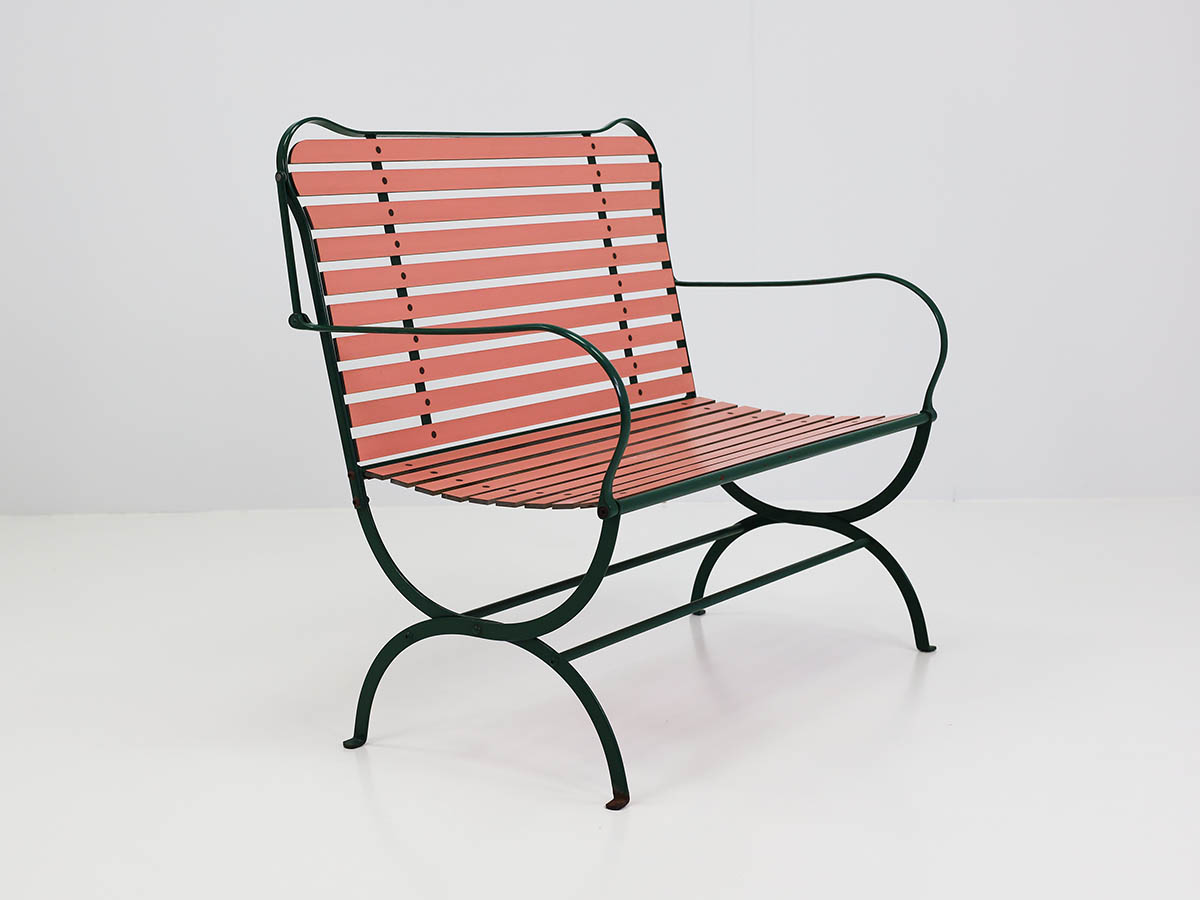
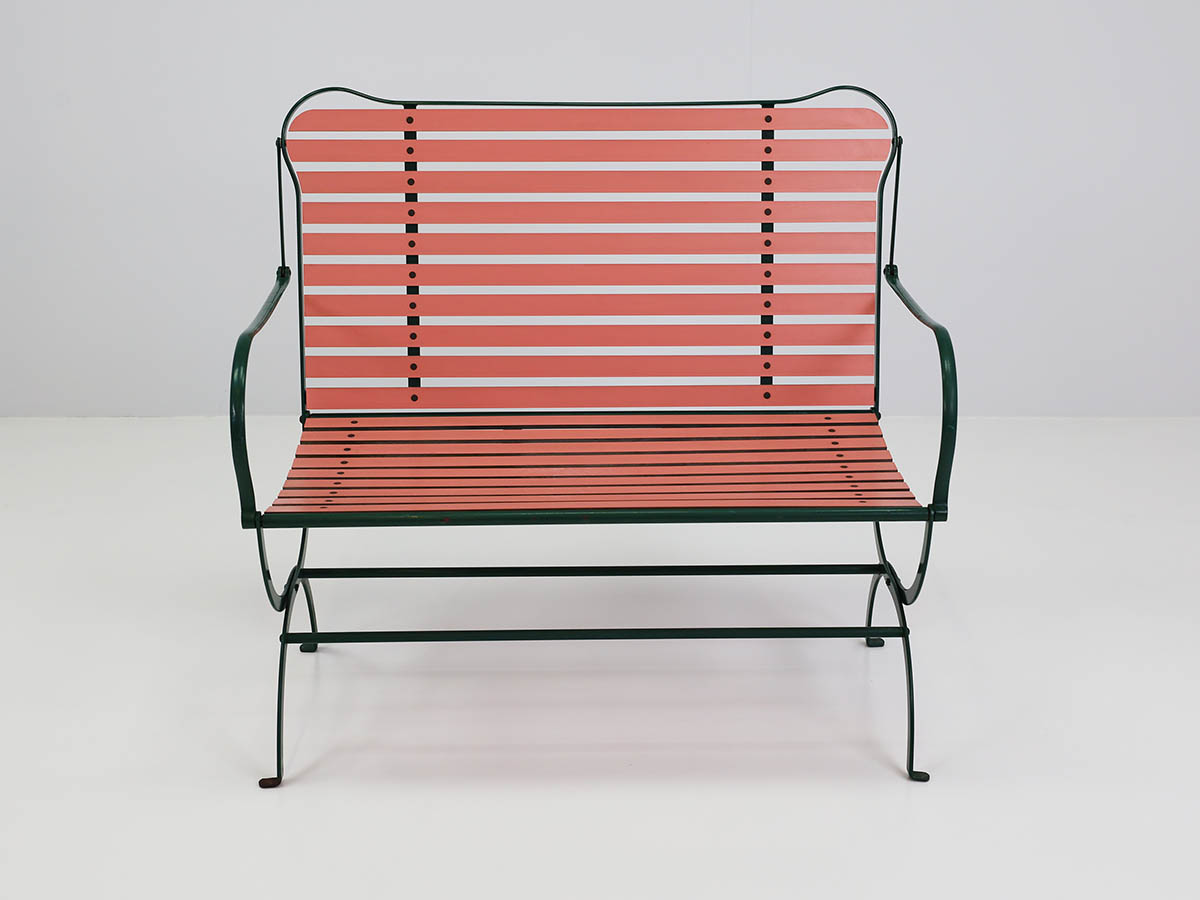
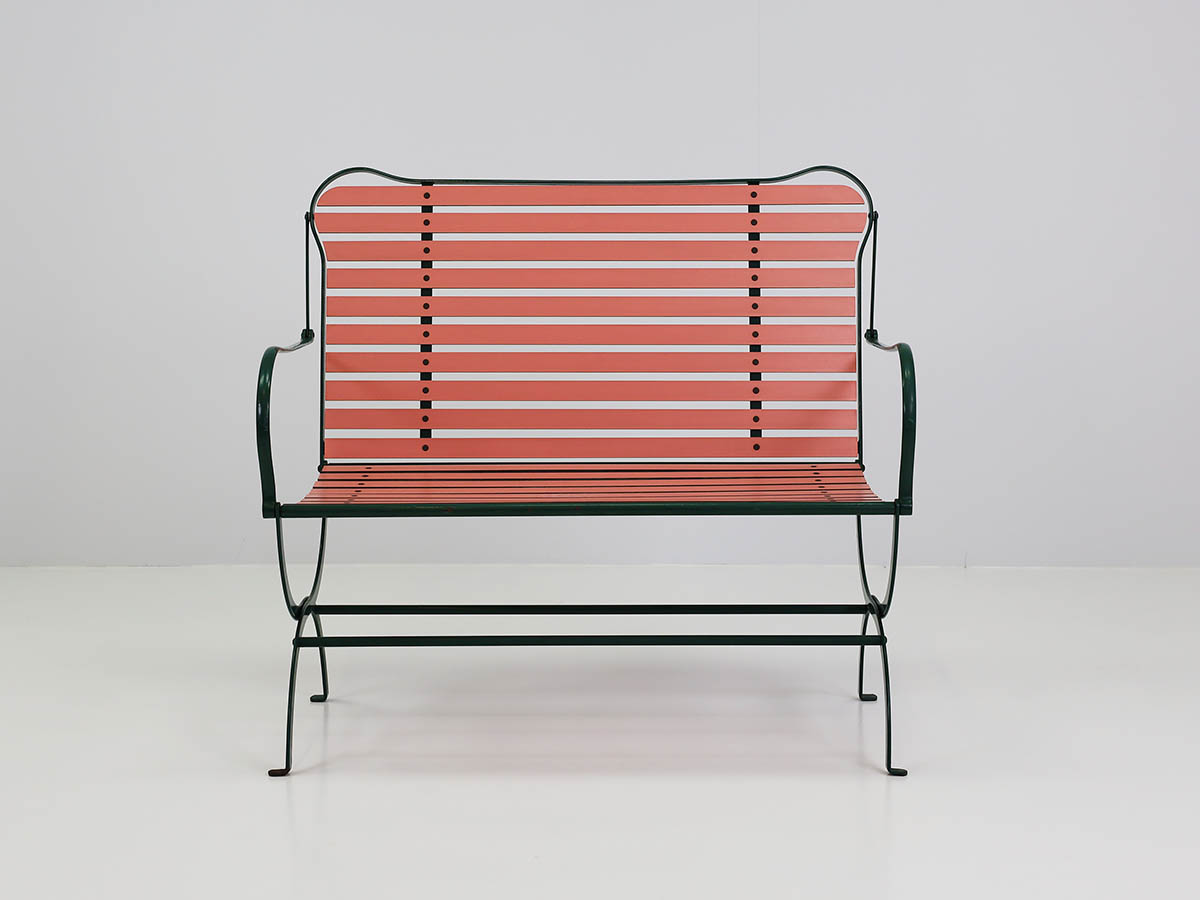
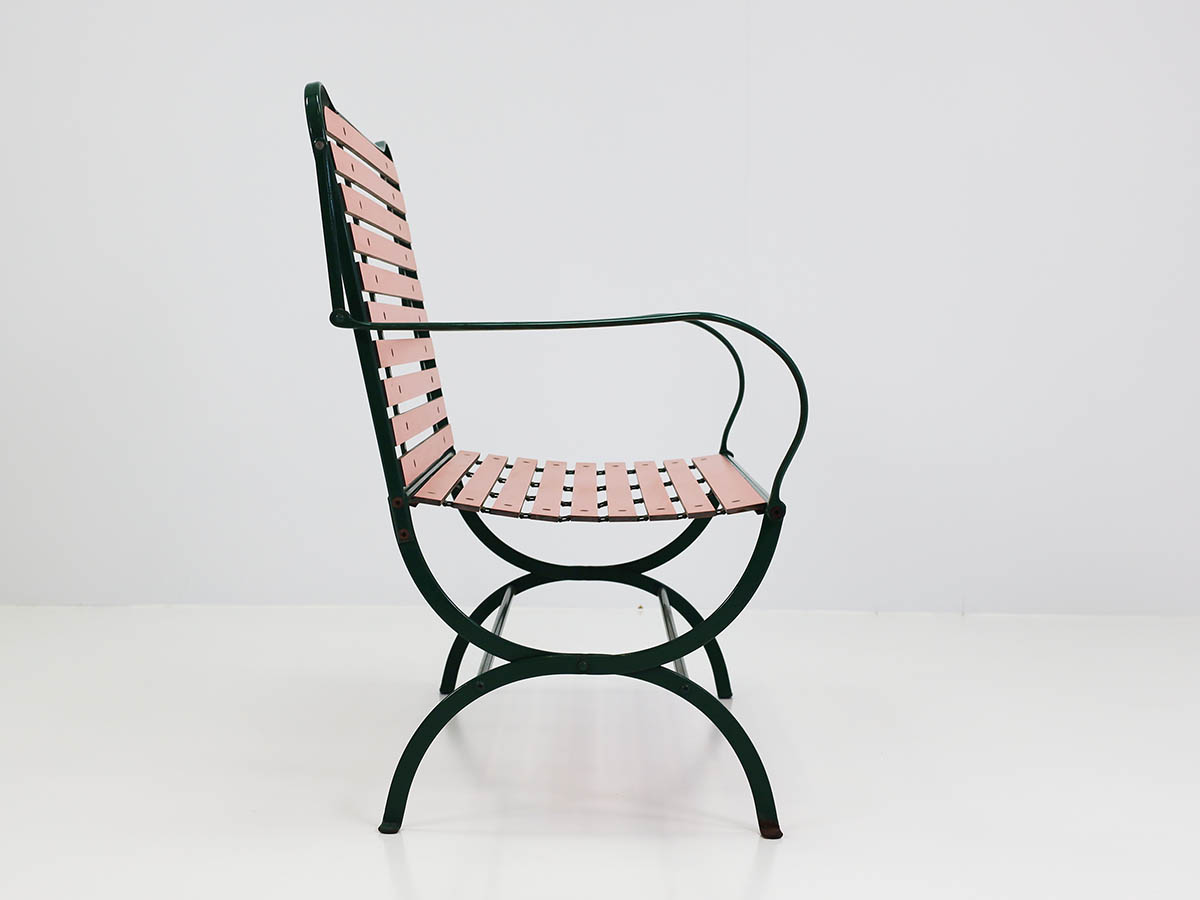
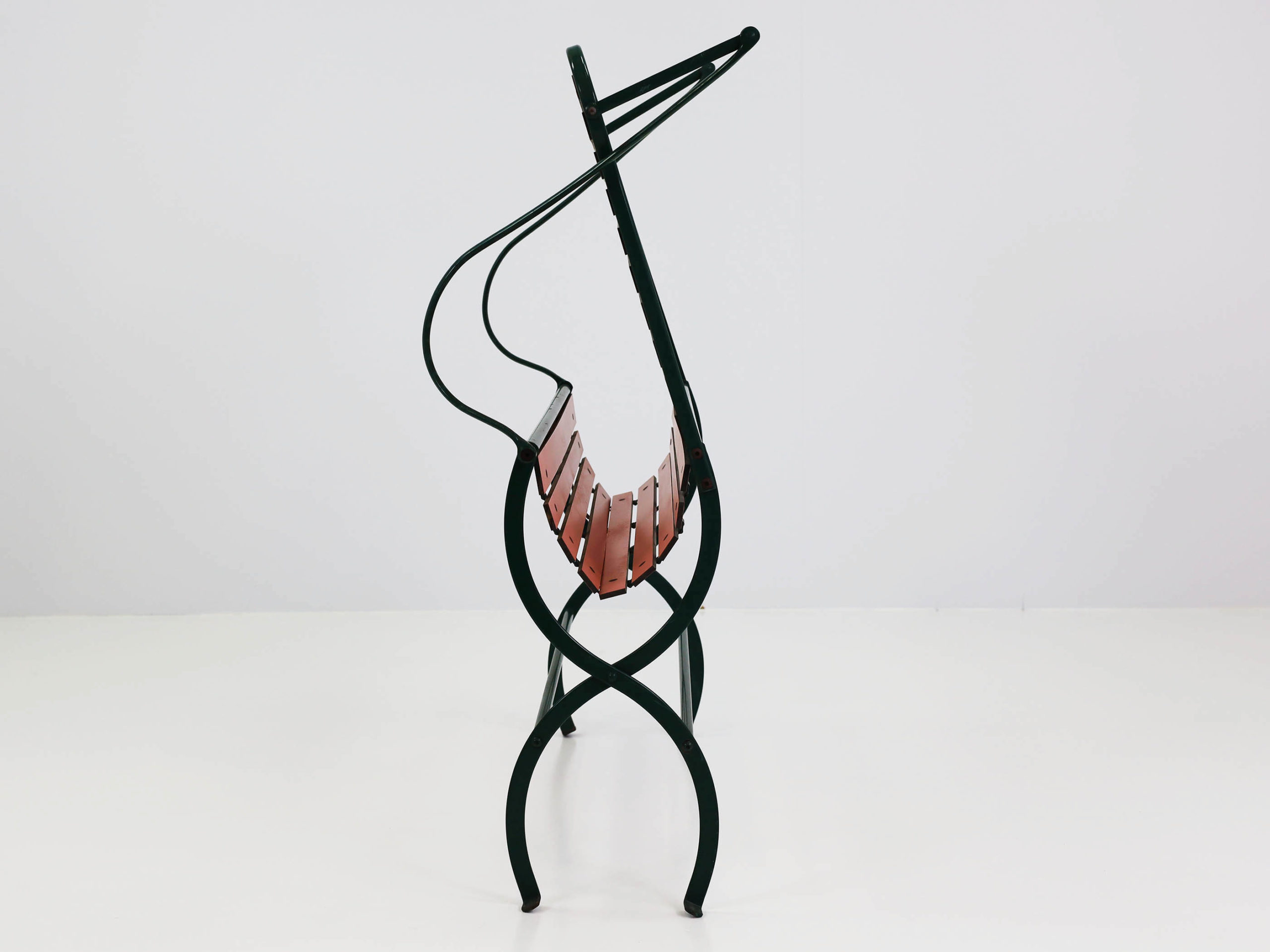
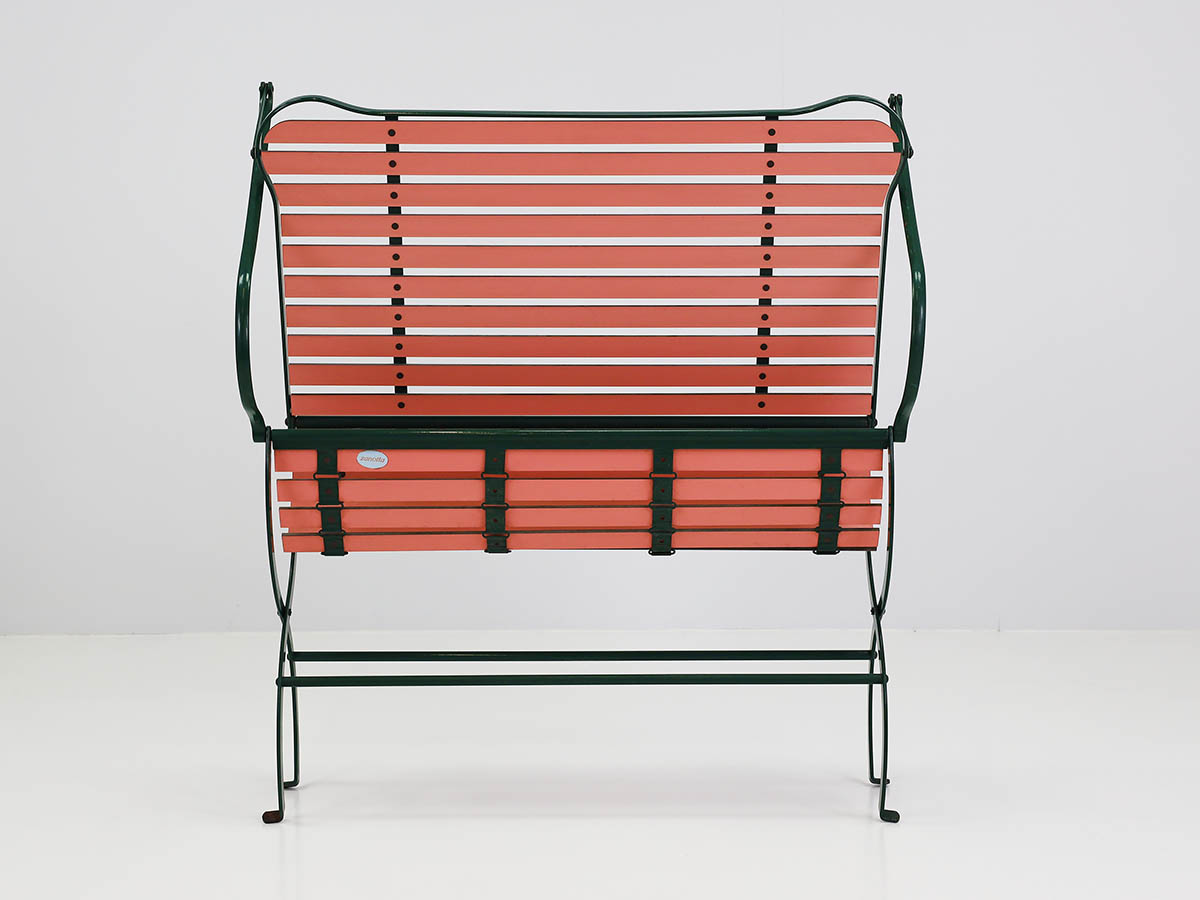
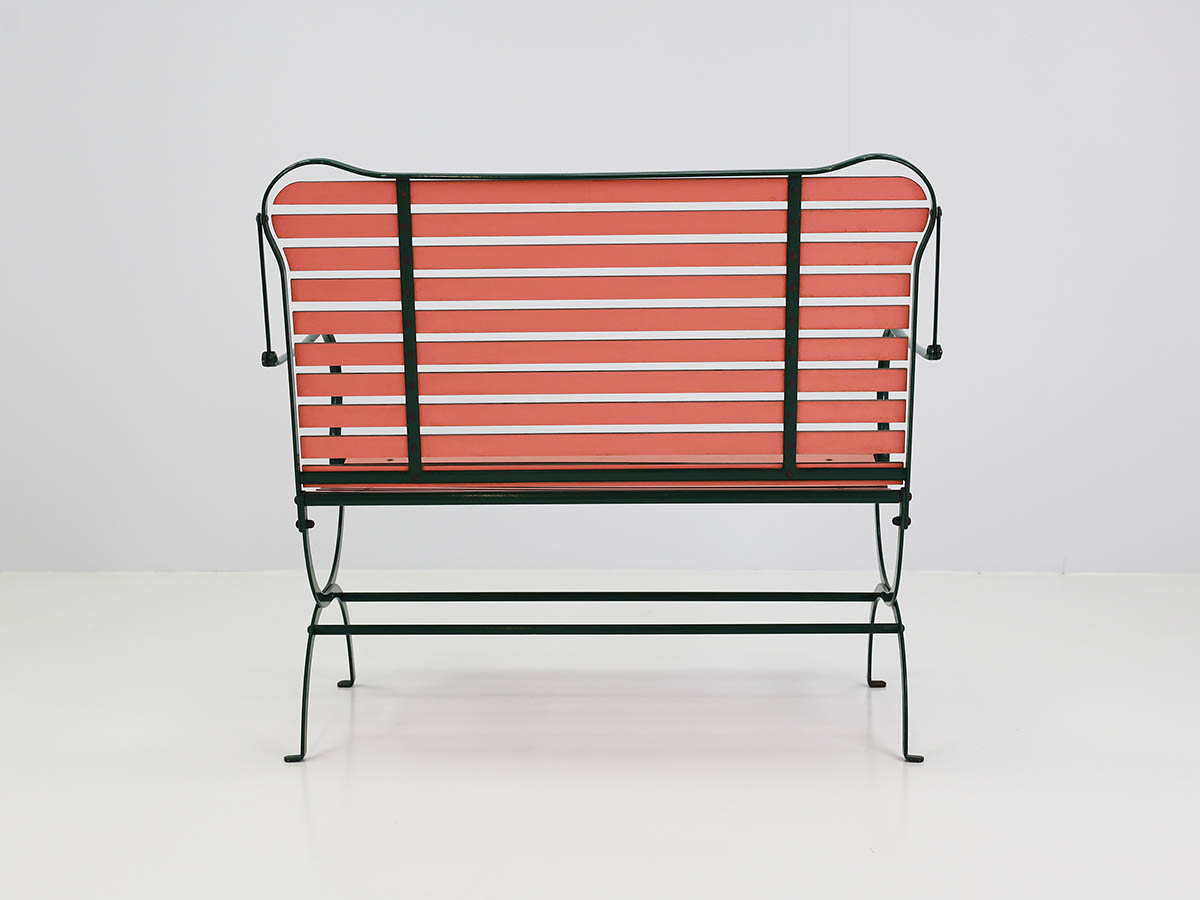
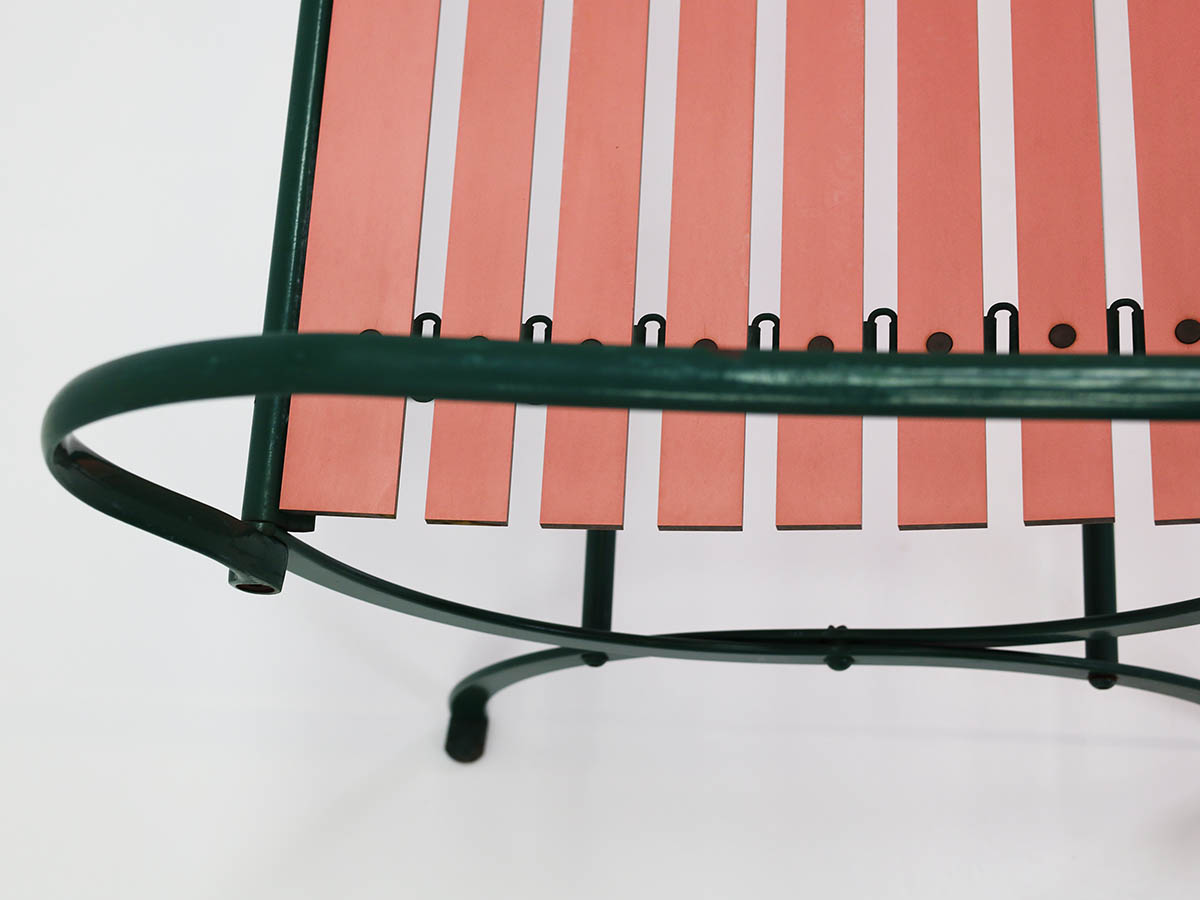
Within this context lies the Camilla folding bench, designed and produced by Zanotta in 1984, an exemplary expression of functional and intelligent design. The Camilla bench is conceived as a minimalist, transformable seating system, featuring a folding structure that allows easy transport and storage while maintaining a strong aesthetic identity.


The project fully reflects the design philosophy of the 1980s Italian scene, where typological experimentation meets high-quality industrial production. The Camilla bench combines visual lightness, practicality, and structural rigor, becoming a representative object of Zanotta’s research into innovative furniture systems.


Thanks to its hybrid nature between functional object and design piece, the Camilla folding bench (1984) represents a successful synthesis of authorial design and industrial production, confirming the central role of Castiglioni and Pozzi in the history of contemporary Italian design.

Artikel Nr.

Folding Bench model Camilla

Designer,

HerstellerZanotta
Italien 1984

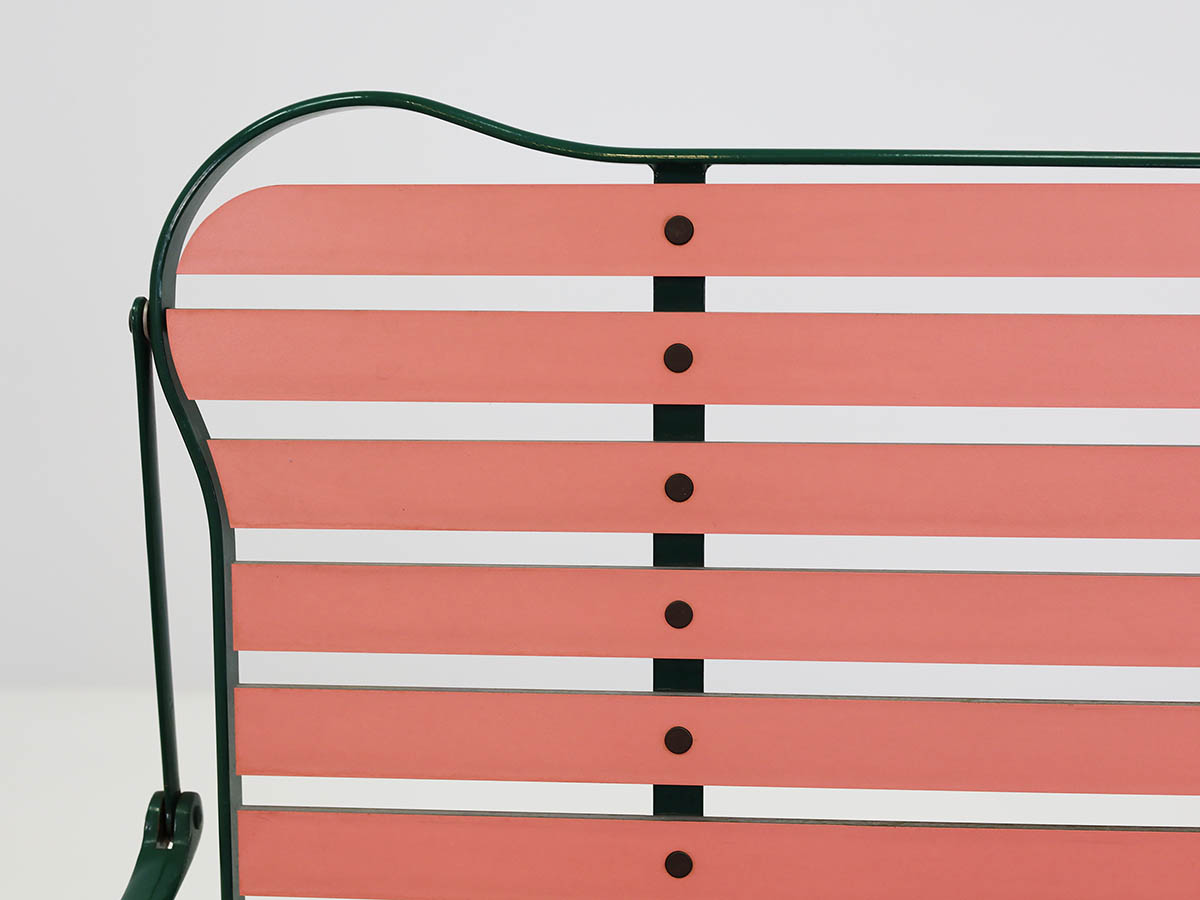
MaterialPainted metal | laminated plastic

Masse100 x 58 x Seating HT 41 x Total HT 93 cm | Dimensions when folded: 100 x 39 x Total HT 115 cm

folding-bench-model-camilla


Achille Castiglioni, Giancarlo Pozzi and the Camilla Folding Bench for Zanotta


Achille Castiglioni and Giancarlo Pozzi are two key figures in twentieth-century Italian design, united by a design approach focused on functionality, typological innovation, and formal synthesis. Their work is rooted in the post-war Italian design context, where furniture becomes essential, intuitive, and highly rational—combining aesthetics with everyday usability.


Achille Castiglioni, one of the undisputed masters of Italian design, developed a methodology based on observing existing objects and intelligently reinterpreting them. His approach, shared with other leading designers of his generation, helped define a design language that is essential, ironic, and profoundly functional, where every element has a precise technical and aesthetic justification.


Giancarlo Pozzi, active in contemporary Italian design, collaborated on projects exploring constructive simplicity and object transformability, with a strong focus on usability logic and furniture flexibility.


Within this context lies the Camilla folding bench, designed and produced by Zanotta in 1984, an exemplary expression of functional and intelligent design. The Camilla bench is conceived as a minimalist, transformable seating system, featuring a folding structure that allows easy transport and storage while maintaining a strong aesthetic identity.


The project fully reflects the design philosophy of the 1980s Italian scene, where typological experimentation meets high-quality industrial production. The Camilla bench combines visual lightness, practicality, and structural rigor, becoming a representative object of Zanotta’s research into innovative furniture systems.


Thanks to its hybrid nature between functional object and design piece, the Camilla folding bench (1984) represents a successful synthesis of authorial design and industrial production, confirming the central role of Castiglioni and Pozzi in the history of contemporary Italian design.
Beschreibung

Achille Castiglioni, Giancarlo Pozzi and the Camilla Folding Bench for Zanotta

Achille Castiglioni and Giancarlo Pozzi are two key figures in twentieth-century Italian design, united by a design approach focused on functionality, typological innovation, and formal synthesis. Their work is rooted in the post-war Italian design context, where furniture becomes essential, intuitive, and highly rational—combining aesthetics with everyday usability.

Achille Castiglioni, one of the undisputed masters of Italian design, developed a methodology based on observing existing objects and intelligently reinterpreting them. His approach, shared with other leading designers of his generation, helped define a design language that is essential, ironic, and profoundly functional, where every element has a precise technical and aesthetic justification.

Giancarlo Pozzi, active in contemporary Italian design, collaborated on projects exploring constructive simplicity and object transformability, with a strong focus on usability logic and furniture flexibility.

Within this context lies the Camilla folding bench, designed and produced by Zanotta in 1984, an exemplary expression of functional and intelligent design. The Camilla bench is conceived as a minimalist, transformable seating system, featuring a folding structure that allows easy transport and storage while maintaining a strong aesthetic identity.

The project fully reflects the design philosophy of the 1980s Italian scene, where typological experimentation meets high-quality industrial production. The Camilla bench combines visual lightness, practicality, and structural rigor, becoming a representative object of Zanotta’s research into innovative furniture systems.

Thanks to its hybrid nature between functional object and design piece, the Camilla folding bench (1984) represents a successful synthesis of authorial design and industrial production, confirming the central role of Castiglioni and Pozzi in the history of contemporary Italian design.
Zusätzliche Informationen

Materialien

Abmessungen